menu

Structural Drying Services in San Francisco – Expert Moisture Removal That Prevents Mold and Structural Collapse

Advanced structural drying services using thermal imaging, commercial-grade dehumidification, and IICRC-certified moisture mapping to eliminate trapped water in walls, subfloors, and framing before permanent damage occurs.

Slider Image 1
Slider Image 2
Slider Image 3
Slider Image 4
Slider Image 5
Slider Image 7
Slider Image 8
Slider Image 9
Slider Image 10
Slider Image 11

Why San Francisco Buildings Need Specialized Structural Drying

San Francisco's marine layer creates persistent moisture issues that most property owners do not see coming. When water infiltrates your building through a pipe burst, roof leak, or storm surge, it does not just pool on the surface. It migrates into wall cavities, beneath hardwood floors, and into ceiling joists. The Bay Area's cooler temperatures slow natural evaporation, giving water more time to saturate structural materials.

Victorian-era buildings in neighborhoods like the Mission, Noe Valley, and Haight-Ashbury present unique challenges. These homes often feature plaster walls, redwood framing, and crawl spaces with limited airflow. When water enters these assemblies, rapid structural drying becomes critical. Without professional structural drying services, trapped moisture weakens framing, promotes dry rot, and creates conditions for toxic mold growth within 48 hours.

You cannot fix water damage with fans and open windows. Proper restorative drying services require moisture meters, thermal cameras, and industrial dehumidifiers calibrated to San Francisco's humidity levels. Structure drying solutions must account for the specific building materials, the extent of saturation, and the source of intrusion. A flooded basement in the Sunset District requires a different approach than a burst pipe in a downtown high-rise.

Delayed drying leads to structural dehumidification services becoming far more complex and expensive. Wall studs begin to warp, drywall loses integrity, and electrical systems face corrosion. Professional structural drying stops the cascade before your building suffers permanent damage.

Why San Francisco Buildings Need Specialized Structural Drying
How Professional Structural Drying Actually Works

How Professional Structural Drying Actually Works

Effective structural drying is not about speed. It is about precision. We use a three-phase approach that targets moisture at the material level, not just the surface.

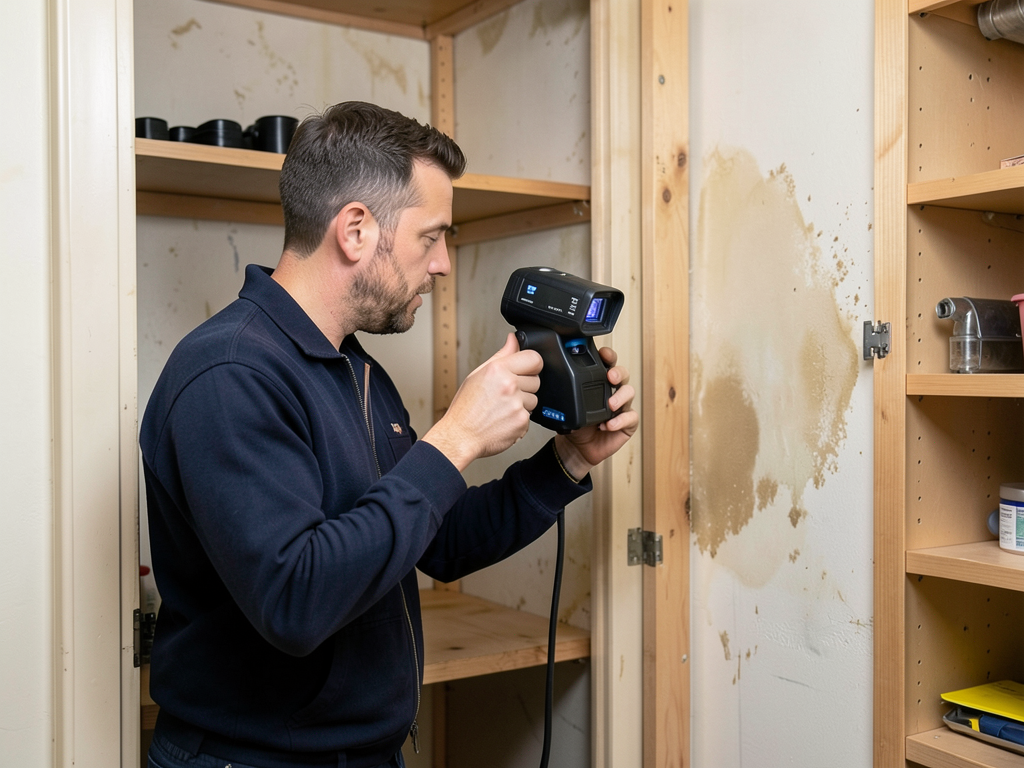
First, we map moisture distribution using infrared thermal imaging and penetrating moisture meters. This reveals water trapped inside wall cavities, under flooring systems, and within ceiling assemblies. We document baseline moisture content in wood framing, concrete slabs, and gypsum board. This data drives our drying strategy.

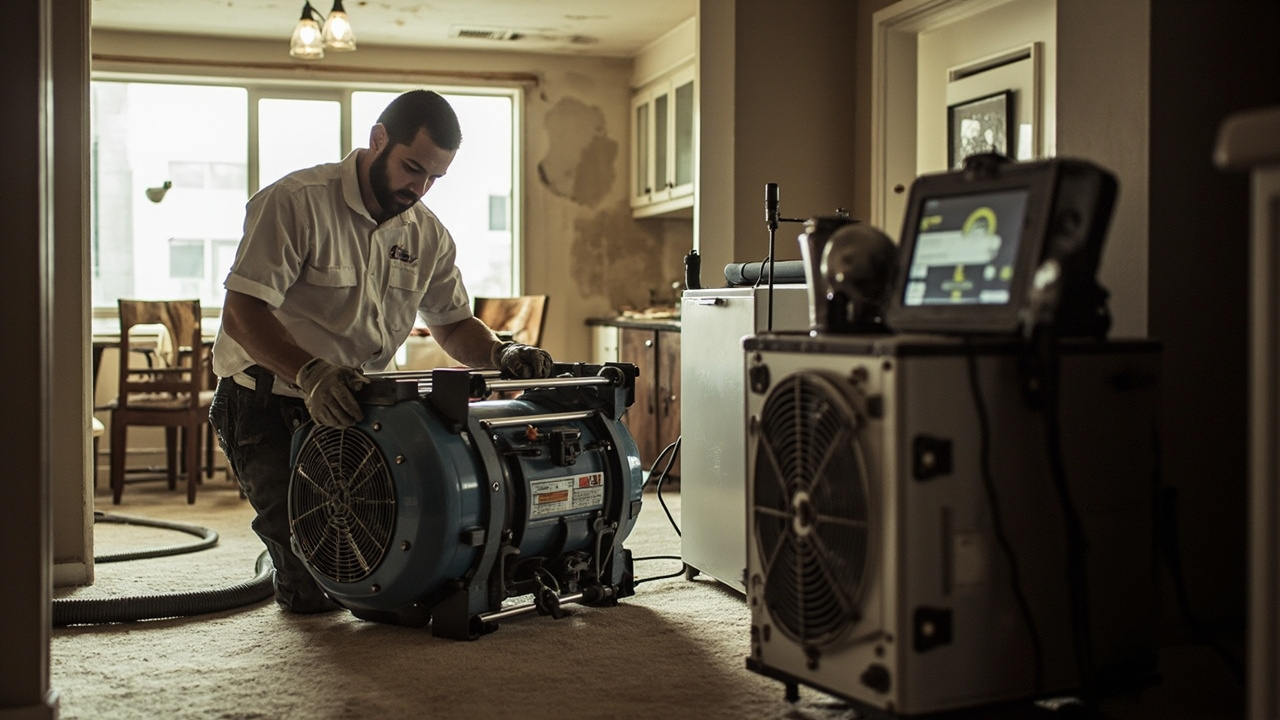
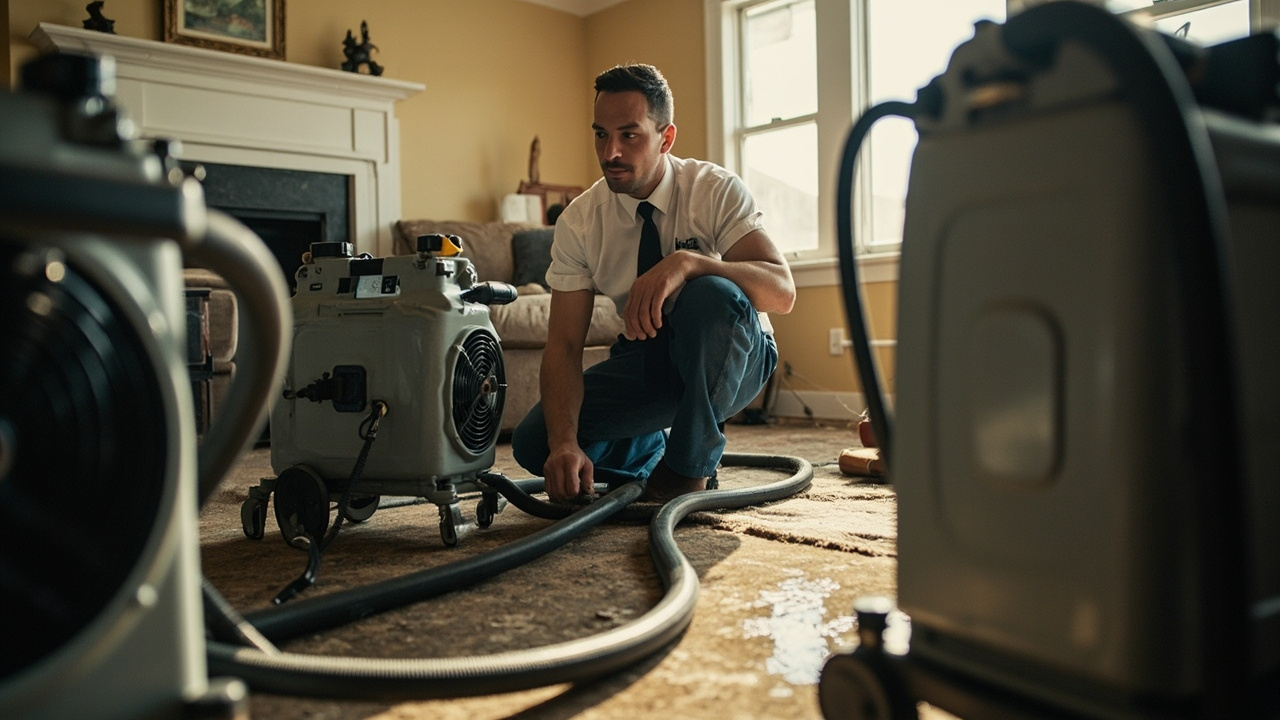
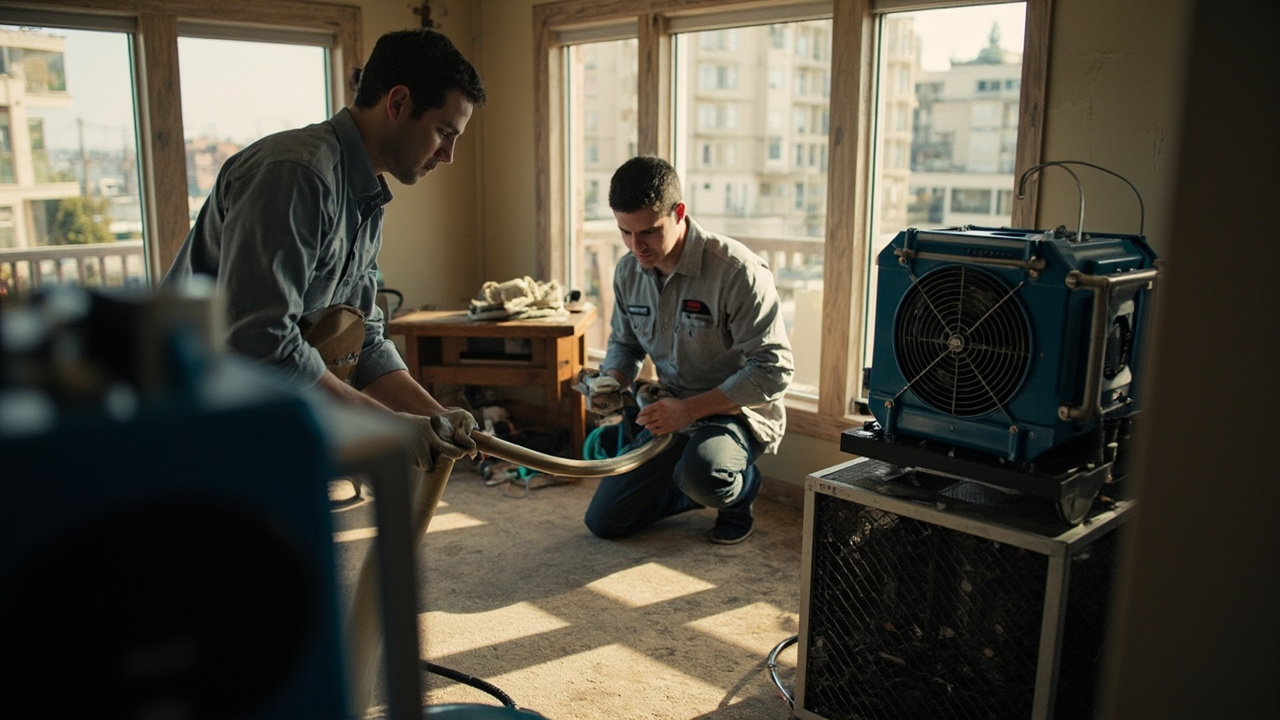
Second, we establish controlled drying conditions. We deploy axial air movers to create laminar airflow across wet surfaces, forcing moisture to the surface where it can evaporate. Low-grain refrigerant dehumidifiers pull moisture from the air, maintaining vapor pressure gradients that draw water out of materials. We adjust equipment placement every 24 hours based on moisture readings. In buildings with poor ventilation, we use negative air machines to exhaust humid air and introduce drier outside air.

Third, we monitor drying progress using psychrometric calculations. We measure temperature, relative humidity, and grains per pound to ensure materials are reaching equilibrium moisture content. Wood framing must drop below 15 percent moisture content. Concrete slabs need to reach acceptable calcium chloride test values before we sign off.

Summit Water Damage Restoration San Francisco uses IICRC S500 Standard protocols adapted to San Francisco's building stock. We account for the city's microclimates, from the fog-heavy Outer Sunset to the warmer South of Market. Our technicians understand how redwood behaves differently than Douglas fir, and how plaster dries slower than drywall.

What Happens During Structural Drying

Structural Drying Services in San Francisco – Expert Moisture Removal That Prevents Mold and Structural Collapse
01

Moisture Assessment and Mapping

We arrive with thermal cameras and moisture detection equipment to identify all affected areas. You see surface water, but we find the hidden saturation in your subfloor, behind baseboards, and inside wall assemblies. We document moisture levels in every structural component and create a drying plan specific to your building's construction type and the extent of water intrusion. This prevents guesswork.
02

Controlled Drying Deployment

We position commercial dehumidifiers and air movers based on airflow dynamics and moisture readings. Equipment runs continuously, adjusted daily as drying progresses. We remove baseboards when needed to dry wall cavities, drill weep holes in trapped assemblies, and use injection drying systems for hardwood floors. Each piece of equipment has a specific purpose based on psychrometric science, not random placement.
03

Verification and Clearance

We take daily moisture readings until all materials reach dry standards. Wood framing, drywall, insulation, and concrete are tested against IICRC benchmarks. You receive documentation showing moisture levels dropped to safe ranges. We do not remove equipment until thermal imaging confirms no residual moisture pockets remain. Only then do we clear your property for reconstruction or normal use.

Why San Francisco Properties Require Local Structural Drying Expertise

San Francisco's building code amendments and unique construction methods demand local knowledge. The city enforces strict seismic retrofitting requirements, which means many older buildings have steel moment frames, shear walls, and foundation bolting that complicate water extraction. You cannot flood cut a seismically upgraded wall without compromising its structural integrity. We work around these systems.

Our team understands the Department of Building Inspection's expectations for water-damaged structures. If your property requires a permit for structural repairs after water damage, we document drying results in formats that satisfy city inspectors. We know which materials can be dried in place and which must be removed per San Francisco's health and safety codes.

The Bay Area's housing stock includes everything from 1906 post-earthquake Edwardians to modern LEED-certified condos. Each building type responds differently to water intrusion. Older homes often lack vapor barriers, making them prone to moisture migration through foundation walls. Newer buildings have tighter envelopes, which can trap moisture if not dried correctly. We adjust our approach based on your building's age, materials, and mechanical systems.

Summit Water Damage Restoration San Francisco maintains relationships with local insurance adjusters, property managers, and general contractors. When your claim requires documentation, we provide detailed moisture logs, equipment placement diagrams, and psychrometric charts that satisfy even the most skeptical adjusters. We have dried buildings in Pacific Heights, the Castro, and the Financial District. We understand the stakes when you are dealing with a multimillion-dollar property in a city where construction costs run higher than almost anywhere in the country.

What You Should Expect From Structural Drying Services

Response Time and Equipment Deployment

We arrive within hours of your call, not days. Water damage worsens by the hour, and San Francisco's cool, damp climate does not help. Our trucks carry thermal cameras, moisture meters, industrial dehumidifiers, and air movers. We begin moisture assessment immediately and have drying equipment running the same day. You do not wait for equipment to be ordered or shipped. Our service area covers all San Francisco neighborhoods, from the Presidio to Bayview, and we maintain enough equipment to handle multi-unit buildings and commercial properties without delays.

Detailed Moisture Assessment Process

We do not guess where water went. Our technicians use infrared thermal imaging to detect temperature differentials that indicate moisture presence. We take invasive moisture readings with pin-type meters and non-invasive readings with scan meters. You receive a written assessment that identifies all affected materials, moisture content percentages, and a projected drying timeline. This assessment forms the basis of your insurance claim and guides our drying strategy. We explain what we found, what it means, and what happens next.

Certified Dry Standards and Documentation

Your property is not dry when it looks dry. It is dry when moisture meters confirm all materials have returned to normal moisture content ranges. We follow IICRC S500 standards, which define dry as a moisture content that will not support microbial growth or cause further deterioration. You receive a certificate of completion with final moisture readings, equipment logs, and thermal images showing dry conditions. This documentation protects you from future mold claims and gives your insurance company proof that drying was done correctly.

Post-Drying Support and Monitoring

Structural drying does not end when we remove equipment. We provide guidance on when reconstruction can safely begin, which materials need replacement versus restoration, and how to prevent future water intrusion. If your property shows signs of moisture rebound, we return to reassess at no charge. We help you coordinate with contractors, engineers, and insurance adjusters. Our goal is a building that is structurally sound, safe for occupancy, and ready for the next phase of restoration.

Frequently Asked Questions

You Have Questions,
We Have Answers

How San Francisco's Marine Climate Complicates Structural Drying

San Francisco experiences an average relative humidity of 75 percent year-round, with coastal neighborhoods often exceeding 85 percent during summer fog season. This ambient moisture slows evaporation rates and requires dehumidification strategies not needed in drier climates. Standard air movers alone cannot overcome the vapor pressure differential when outdoor air is nearly as humid as the wet materials inside your building. Professional structural drying services must use low-grain refrigerant or desiccant dehumidifiers to artificially lower the dew point and create conditions where moisture can leave structural assemblies. Without this equipment, wood framing and drywall remain damp for weeks, creating ideal conditions for Stachybotrys and Aspergillus mold colonization.

San Francisco's Department of Building Inspection requires permits for structural repairs that exceed basic maintenance, and water-damaged buildings often trigger these thresholds. Local contractors, engineers, and insurance adjusters expect drying documentation that meets IICRC standards. Summit Water Damage Restoration San Francisco provides moisture logs, psychrometric data, and thermal imaging reports that satisfy these requirements. Our team has worked with property managers throughout the city and understands the documentation needed to keep your project moving. When you hire local experts for structural dehumidification services, you get professionals who know the city's building stock, climate challenges, and regulatory environment.
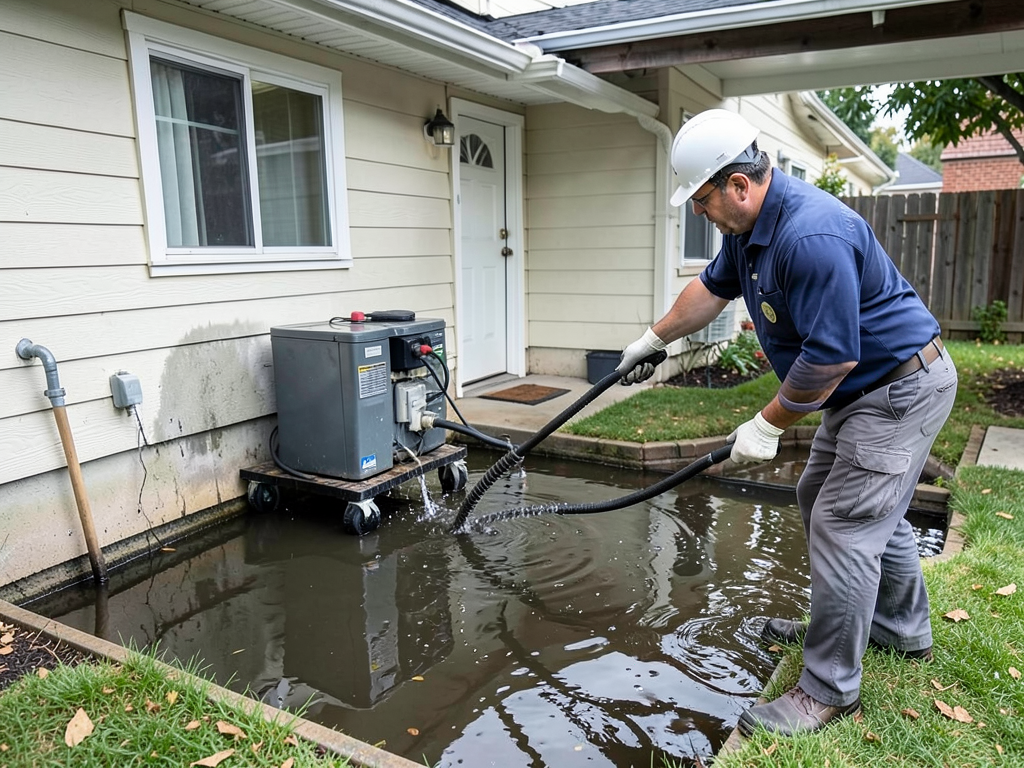
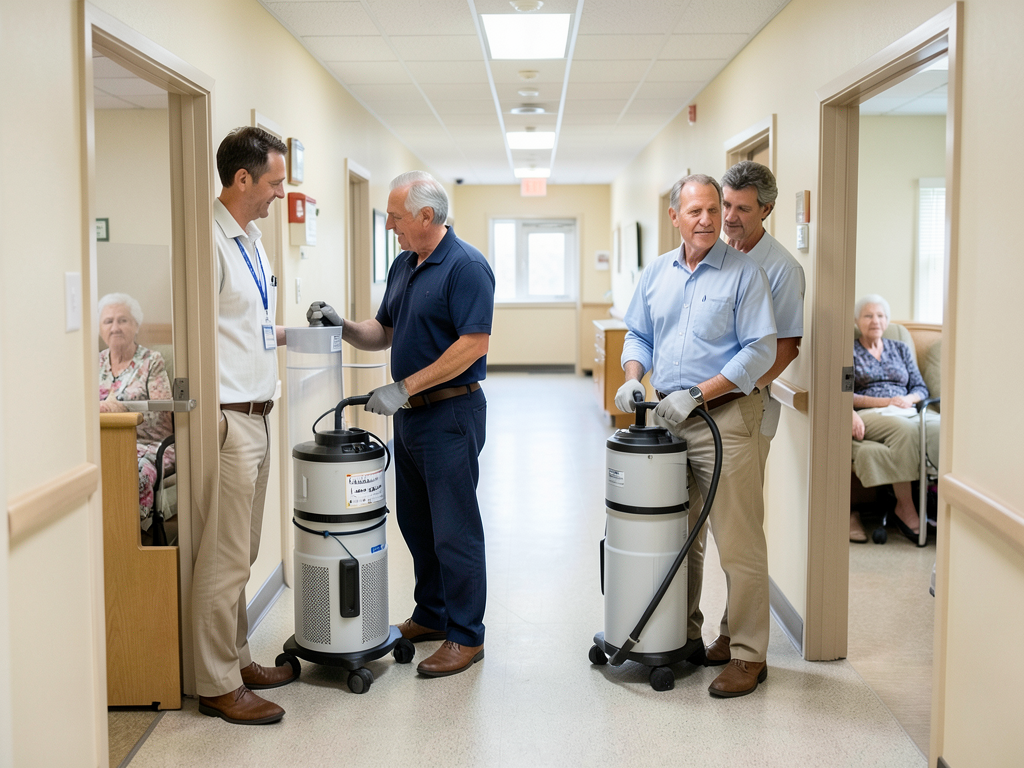
Water Damage Restoration Services in The San Francisco Area

Our commitment to rapid response means we cover the entire San Francisco area and surrounding communities. View the map below to visualize our primary service region, which includes key neighborhoods and business districts. Whether you are located in the Financial District, the Mission, or out toward the Sunset, you can trust our 24/7 team to reach you quickly. We proudly serve both residential and commercial clients across the entire map, guaranteeing a fast and effective mitigation service the moment you need us.

Address:
Summit Water Damage Restoration San Francisco, 1390 Market St, San Francisco, CA, 94102

Additional Services We Offer

Our news updates

Latest Articles & News from The Blogs

What Happens if Your Home Addition Gets Flooded During Construction in Noe Valley Water flooding your home addition during construction…

What Happens if Your Home Addition Gets Flooded During Construction in Noe Valley

What Happens if Your Home Addition Gets Flooded During Construction in Noe Valley Water flooding your home addition during construction…

How San Francisco Summer Fog Can Cause More Water Damage Than Winter Rain

How San Francisco Summer Fog Can Cause More Water Damage Than Winter Rain San Francisco’s famous summer fog, known locally…

Why Your Chronic Cough Might Actually Be a Hidden Mold Problem in the Richmond District

Why Your Chronic Cough Might Actually Be a Hidden Mold Problem in the Richmond District If you’ve lived in San…

Contact Us

Water does not wait, and neither should you. Call Summit Water Damage Restoration San Francisco at (415) 449-6555 right now. We deploy within hours, assess moisture immediately, and start drying your structure today.