menu

Warehouse Flood Restoration in San Francisco – Industrial-Grade Solutions That Keep Your Operation Online

Summit Water Damage Restoration San Francisco delivers commercial flood remediation designed for high-capacity distribution centers, manufacturing facilities, and industrial warehouses where every hour of downtime translates to measurable revenue loss.

Slider Image 1
Slider Image 2
Slider Image 3
Slider Image 4
Slider Image 5
Slider Image 7
Slider Image 8
Slider Image 9
Slider Image 10
Slider Image 11

Why San Francisco Warehouses Face Critical Flood Vulnerability

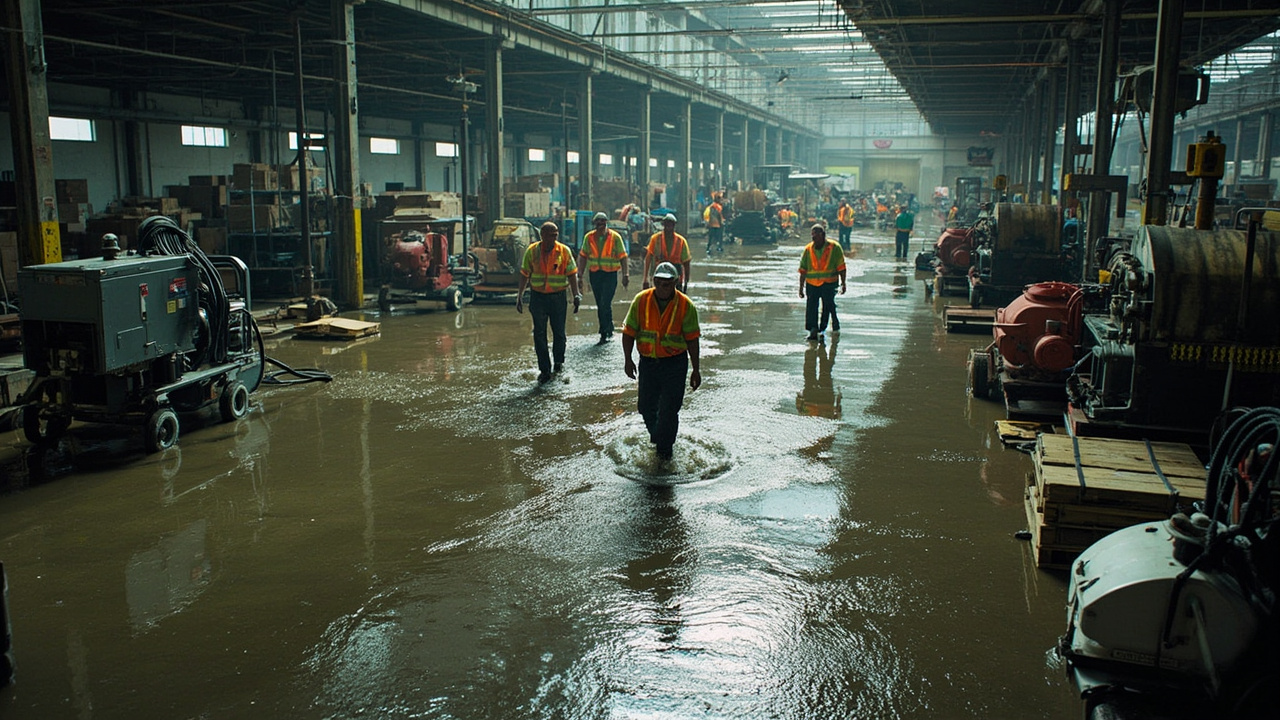
San Francisco's industrial corridor runs parallel to the Bay, placing thousands of square feet of warehouse space in direct proximity to rising tides and storm surge risk. The city's aging stormwater infrastructure, designed decades before current rainfall intensity patterns, struggles to handle peak discharge during atmospheric river events. When these systems fail, warehouses in Bayview-Hunters Point, Dogpatch, and the Port of San Francisco experience rapid water intrusion that compromises inventory, damages forklifts and pallet jacks, and destabilizes concrete slab foundations.

The flat topography of San Francisco's industrial zones offers no natural drainage gradient. Water pools in loading bays, seeps through expansion joints, and migrates beneath racking systems. Within 48 hours, humidity levels inside a flooded warehouse can exceed 80 percent, triggering mold colonization on cardboard packaging, wooden pallets, and drywall surfaces. For facilities handling temperature-sensitive goods or electronics, even minor water intrusion represents total loss potential.

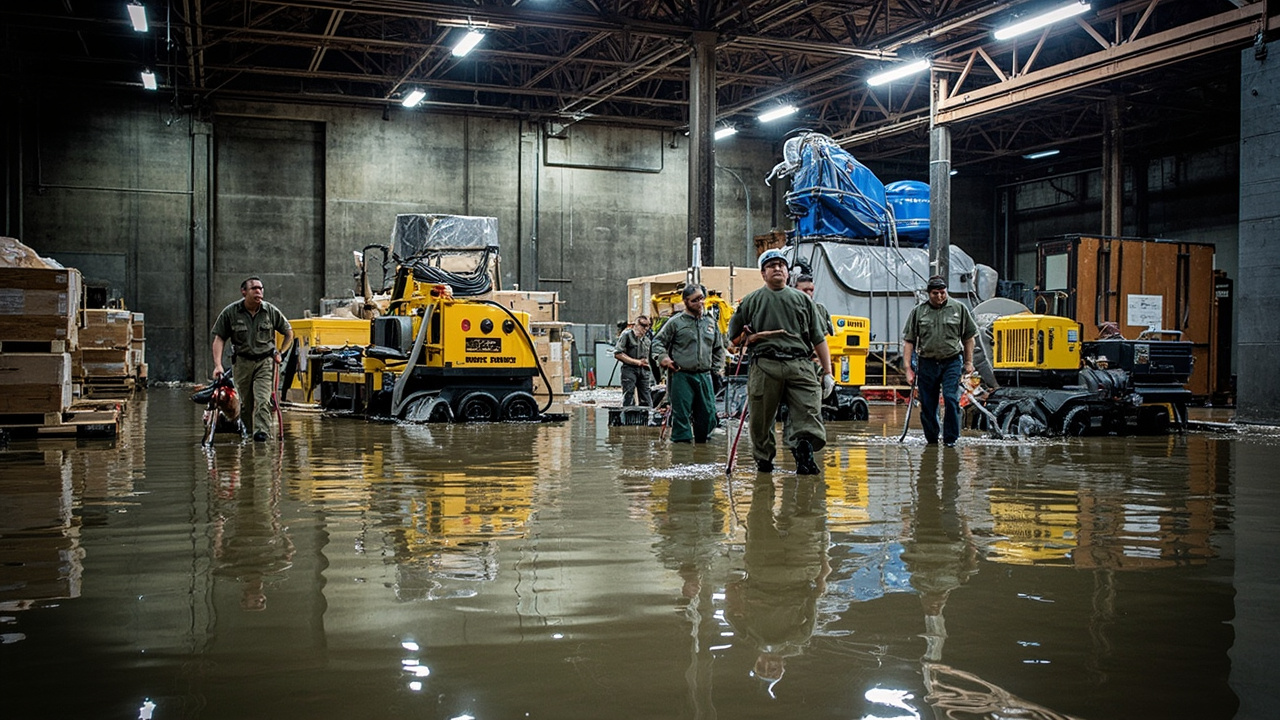
Industrial water damage cleanup requires capacity that residential mitigation equipment cannot provide. You need truck-mounted extractors capable of removing thousands of gallons per hour, commercial dehumidifiers rated for spaces exceeding 50,000 square feet, and logistics coordination that allows your team to continue operations in unaffected zones. Warehouse water mitigation is not a scaled-up version of home flood cleanup. It is a distinct discipline requiring different equipment, different techniques, and different timelines.

Why San Francisco Warehouses Face Critical Flood Vulnerability
How Industrial Flood Recovery Differs from Standard Water Removal

How Industrial Flood Recovery Differs from Standard Water Removal

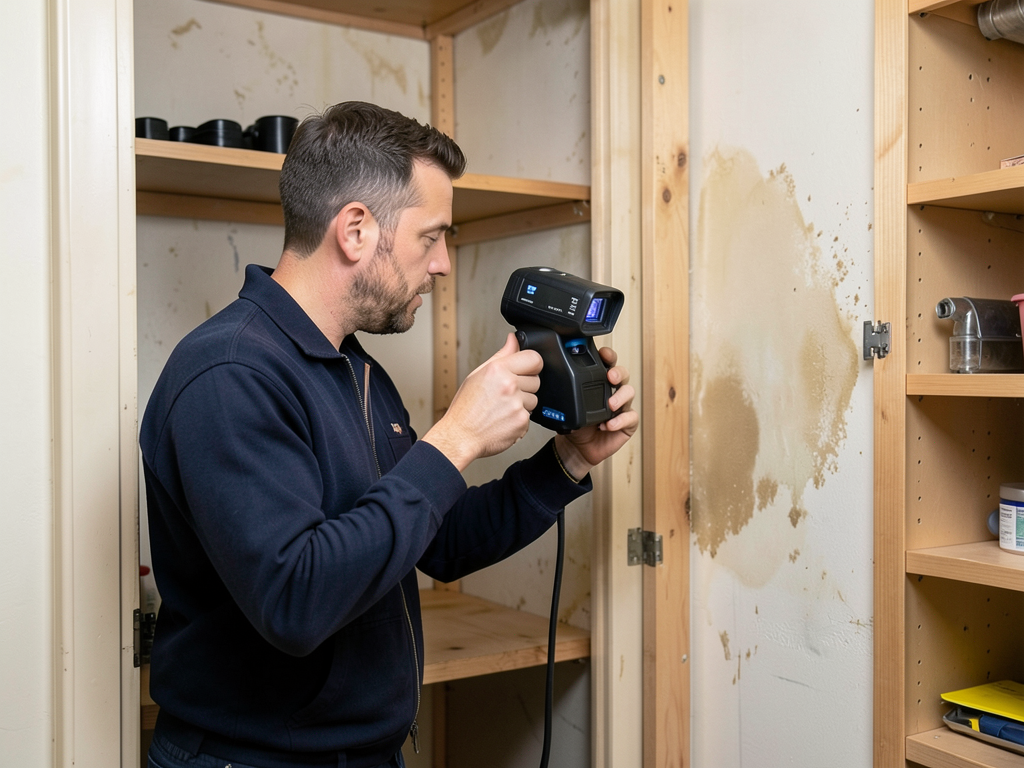
Commercial flood remediation begins with containment zone establishment. We partition affected areas using vapor barriers and negative air pressure systems, allowing unaffected warehouse sections to remain operational. This approach minimizes business interruption while preventing cross-contamination of dry inventory. Our team maps water migration paths using thermal imaging and moisture meters calibrated for concrete, identifying hidden saturation in floor substrates and wall cavities that visual inspection misses.

Extraction methodology varies based on floor coating type. Epoxy-coated floors require different extraction techniques than bare concrete or polished concrete surfaces. We deploy weighted extractors that maintain contact pressure across uneven industrial flooring, removing water from expansion joints and surface irregularities where standing water persists. For distribution center water removal involving contaminated water from sewer backups or manufacturing process spills, we follow Category 3 water protocols with antimicrobial application and disposal procedures that meet California hazardous waste regulations.

Structural drying in warehouse environments demands industrial dehumidifiers capable of processing 10 to 20 pints per hour in spaces with 20-foot ceilings and poor air circulation. We position air movers to create circular airflow patterns that accelerate evaporation without disrupting stacked inventory or creating safety hazards in active work zones. Drying targets for concrete slabs differ from wood-frame structures. We monitor moisture levels until concrete returns to 4 percent moisture content or below, the threshold required before reinstalling floor coatings or resuming normal load-bearing operations.

Summit Water Damage Restoration San Francisco coordinates with your insurance adjuster, providing moisture readings, photographic documentation, and equipment logs that support claim processing while minimizing disputes over scope or necessity.

What Happens During Your Warehouse Restoration

Warehouse Flood Restoration in San Francisco – Industrial-Grade Solutions That Keep Your Operation Online
01

Emergency Water Extraction

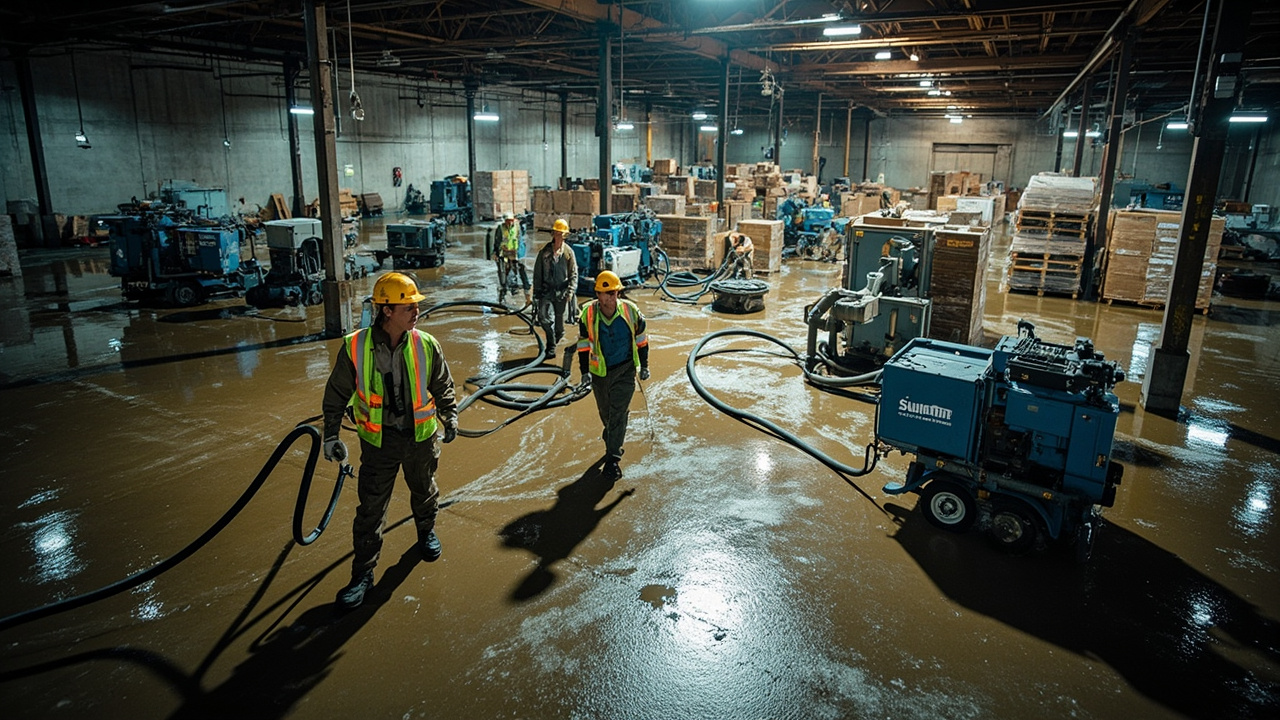
Our team arrives with truck-mounted extraction units and portable pumps rated for industrial volume. We establish staging areas outside loading docks, run extraction hoses into affected zones, and begin removing standing water while documenting pre-existing damage and inventory placement. This first-response phase typically removes 85 to 90 percent of standing water within the first 24 hours, preventing secondary migration into adjacent spaces and reducing humidity load.
02

Structural Assessment and Drying

After extraction, we conduct thermal scanning to identify trapped moisture in walls, insulation, and beneath floor coatings. We deploy commercial dehumidifiers and air movers in calculated positions based on cubic footage and air exchange requirements. Moisture readings occur twice daily, with equipment repositioned as drying progresses. This phase continues until all building materials reach equilibrium moisture content, typically seven to 14 days depending on saturation severity and material types.
03

Restoration and Operational Handoff

Once drying targets are met, we coordinate repairs to damaged building components, floor coatings, and mechanical systems. Our team works with your facilities manager to schedule restoration activities around operational requirements, completing work in phases if necessary. Final moisture verification testing confirms all materials meet industry standards before we remove equipment. You receive complete documentation including moisture logs, equipment placement diagrams, and photographic evidence supporting insurance claims and regulatory compliance.

Why San Francisco Warehouse Operators Choose Local Flood Restoration Expertise

San Francisco's building stock includes warehouses constructed across eight decades, each era governed by different codes and employing different construction methods. Pre-1950 warehouses often feature unreinforced masonry walls vulnerable to water-induced deterioration. Mid-century tilt-up concrete structures have expansion joints that allow water infiltration during foundation settlement. Modern steel-frame facilities with insulated metal panels face different risks, primarily around flashing failures and roof penetrations. Effective industrial flood recovery requires familiarity with these construction typologies and the specific failure modes each presents.

Summit Water Damage Restoration San Francisco maintains relationships with structural engineers who understand local seismic retrofitting requirements, ensuring flood repairs do not compromise earthquake safety measures mandated by the city's Mandatory Seismic Retrofit Program. We coordinate with the San Francisco Department of Building Inspection when water damage affects structural elements requiring permit review. This local regulatory knowledge prevents project delays and ensures compliance with Title 24 energy code requirements when replacing insulation or HVAC components damaged by flooding.

Our equipment inventory includes specialized tools for San Francisco's unique challenges. Warehouses near Islais Creek or Mission Creek face brackish water intrusion during king tides. Saltwater requires different cleaning protocols than freshwater, including corrosion inhibitor application on metal racking, electrical panels, and mechanical equipment. We maintain dehumidifier capacity sufficient for San Francisco's marine layer humidity, which slows natural evaporation and extends drying timelines compared to inland locations.

You need a restoration partner who understands that your warehouse is not just square footage. It represents supply chain continuity, employment for your team, and contractual obligations to customers. We structure our response to minimize downtime, working nights and weekends when necessary to return your facility to operational status.

What to Expect During Industrial Water Damage Cleanup

Response Time and Equipment Deployment

We maintain on-call technicians 24 hours daily, with response capability typically within two hours of your initial contact. Our equipment staging facility in San Francisco allows rapid deployment of truck-mounted extractors, trailer-mounted generators, and sufficient dehumidifier capacity for facilities up to 100,000 square feet. For larger distribution centers, we coordinate additional equipment from regional partners, ensuring full deployment within eight hours regardless of flood scale. Time-sensitive situations involving temperature-controlled inventory or active manufacturing processes receive priority dispatch, with temporary power and climate control solutions deployed alongside water extraction equipment.

Damage Assessment and Mitigation Planning

Initial assessment includes water source identification, contamination level classification, and structural impact evaluation. We provide a written mitigation plan within 24 hours, outlining extraction methodology, estimated drying duration, areas requiring demolition, and coordination requirements with your operations team. This plan includes moisture mapping showing saturation extent, equipment placement diagrams, and phase scheduling that accommodates your business continuity needs. You receive daily progress reports with updated moisture readings and photographic documentation showing drying advancement. This transparency allows you to communicate accurate timelines to stakeholders and plan inventory relocation or temporary operational adjustments.

Completion Standards and Verification

We follow Institute of Inspection Cleaning and Restoration Certification drying standards, measuring moisture content in affected materials against established baselines for each material type. Concrete slabs must reach 4 percent moisture content or below. Wood framing must return to 12 to 15 percent moisture content. Drywall and insulation that cannot be dried to acceptable levels within the standard timeframe receive removal and replacement. You receive final documentation including pre-loss moisture readings, daily moisture logs throughout the drying process, and final verification readings confirming all materials meet industry standards. This documentation supports insurance claims and provides protection against future disputes over work quality.

Post-Restoration Monitoring and Prevention

Following equipment removal, we offer optional 30-day and 90-day moisture verification visits to confirm no hidden moisture remains in wall cavities or beneath floor coatings. These follow-up inspections identify potential mold development early, before visible growth occurs. We provide recommendations for preventing future flood events, including floor drain maintenance schedules, sump pump installation in low-lying areas, and backflow preventer upgrades for facilities near tidal waterways. For warehouses with recurring drainage issues, we connect you with civil engineers who design permanent solutions addressing grading problems or inadequate stormwater infrastructure. Prevention planning reduces long-term costs and minimizes business disruption from repeat flooding incidents.

Frequently Asked Questions

You Have Questions,
We Have Answers

How much does a water restoration company charge? +

Water restoration companies in San Francisco typically charge $3 to $7 per square foot for commercial warehouse projects, but pricing varies by damage severity, water category, and structural complexity. Expect costs to increase if sewage contamination or structural compromise is present. Most companies use a combination of flat-rate estimates for extraction and drying, then hourly rates for reconstruction work. For large warehouse facilities in the Bay Area, you'll see project-based pricing that factors in equipment deployment, labor hours, and material replacement. Request itemized estimates from multiple contractors to compare scope and pricing structures before committing.

What's the difference between remediation and restoration? +

Remediation removes the immediate hazard, like extracting standing water and eliminating microbial growth. Restoration rebuilds the space to pre-loss condition, including replacing drywall, flooring, and structural components. In warehouse environments, remediation stops secondary damage and makes the space safe for operations. Restoration handles the reconstruction phase, returning your facility to functional status. Most commercial projects require both phases. A warehouse with sprinkler line failure needs immediate water extraction and dehumidification (remediation), then replacement of damaged inventory racks, insulation, and electrical systems (restoration). The two phases often overlap but require different skill sets and equipment.

How do restoration companies get paid? +

Most restoration companies work directly with your commercial insurance carrier through assignment of benefits or direct billing arrangements. They submit claims documentation, damage assessments, and scope estimates to your adjuster for approval. For uninsured losses or deductible gaps, companies invoice you directly with net-30 or net-60 terms common in commercial contracts. Some projects use progress billing, where you pay at completion milestones. In San Francisco's commercial real estate market, many warehouse owners pre-negotiate vendor agreements with restoration contractors to streamline payment and response protocols. Always clarify payment terms and insurance coordination procedures before work begins.

Is water damage restoration worth it? +

For warehouse operations, water damage restoration delivers measurable ROI by preventing business interruption, protecting inventory, and maintaining property value. Unaddressed water damage leads to structural deterioration, mold colonization, and potential code violations that shut down operations. In San Francisco's competitive industrial leasing market, facility condition directly impacts tenant retention and rental rates. The cost of professional restoration is minimal compared to weeks of lost productivity, inventory spoilage, or catastrophic structural failure. Rapid response protects your balance sheet, maintains compliance with commercial lease obligations, and prevents small water events from becoming six-figure reconstruction projects.

How San Francisco's Tidal Influence Complicates Warehouse Flood Restoration

San Francisco Bay experiences some of the West Coast's highest tidal ranges, with king tides raising water levels six to eight feet above mean high water during winter months. Warehouses in the Port of San Francisco and along the Islais Creek channel face saltwater intrusion through aging seawalls and underground utility corridors during these extreme tide events. Saltwater accelerates corrosion on metal building components, requires specialized cleaning protocols for concrete surfaces, and leaves behind hygroscopic salt deposits that continue absorbing atmospheric moisture long after visible water recedes. Industrial flood recovery in tidal zones demands corrosion inhibitor application, salt residue neutralization, and extended drying periods accounting for San Francisco's persistent marine layer humidity that slows evaporation rates compared to inland locations.

San Francisco enforces stringent environmental regulations governing wastewater disposal, particularly for industrial facilities where floodwater may contain manufacturing process chemicals, petroleum products, or heavy metals. Warehouse water mitigation projects must comply with San Francisco Public Utilities Commission discharge standards, which prohibit direct disposal of contaminated extraction water into storm drains or sanitary sewers without treatment. Summit Water Damage Restoration San Francisco maintains vendor relationships with licensed wastewater haulers and treatment facilities, ensuring compliant disposal of Category 3 water and contaminated materials. This local regulatory knowledge prevents violations that could result in facility shutdowns or penalties, keeping your restoration project on schedule while protecting the Bay ecosystem.
Water Damage Restoration Services in The San Francisco Area

Our commitment to rapid response means we cover the entire San Francisco area and surrounding communities. View the map below to visualize our primary service region, which includes key neighborhoods and business districts. Whether you are located in the Financial District, the Mission, or out toward the Sunset, you can trust our 24/7 team to reach you quickly. We proudly serve both residential and commercial clients across the entire map, guaranteeing a fast and effective mitigation service the moment you need us.

Address:
Summit Water Damage Restoration San Francisco, 1390 Market St, San Francisco, CA, 94102

Additional Services We Offer

Our news updates

Latest Articles & News from The Blogs

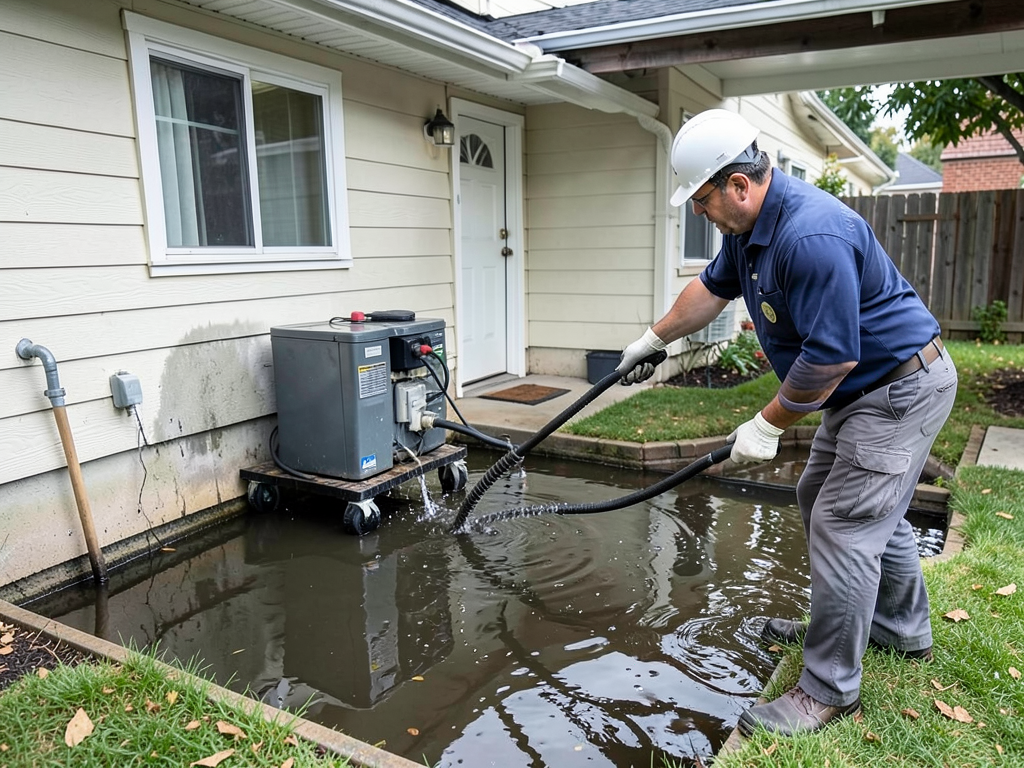
What to Do if Your New Backyard ADU Floods During a Heavy San Francisco Rain A sudden downpour in San…

What to Do if Your New Backyard ADU Floods During a Heavy San Francisco Rain

What to Do if Your New Backyard ADU Floods During a Heavy San Francisco Rain A sudden downpour in San…

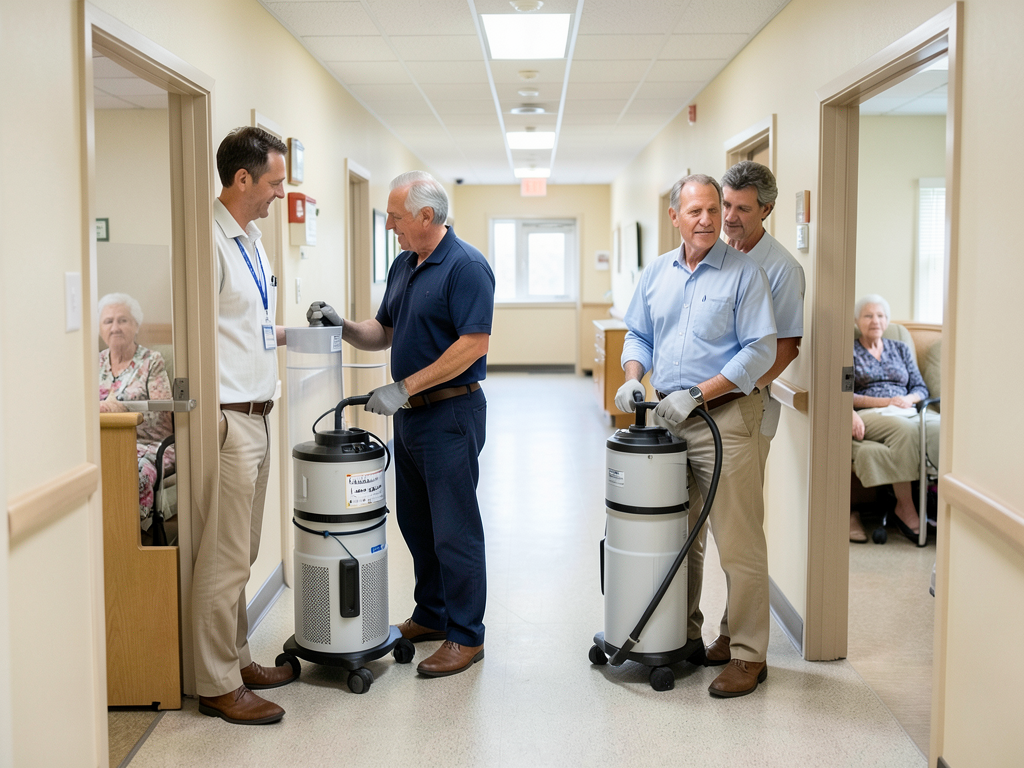
Selecting a Restoration Partner for Vulnerable Residents in a Richmond District Care Home

Specialized Senior Living Water Restoration Services in San Francisco Water damage in a Richmond District care home requires more than…

Why Your Noe Valley High Efficiency Boiler Could Be Slowly Flooding Your Utility Closet

Why Your Noe Valley High Efficiency Boiler Could Be Slowly Flooding Your Utility Closet If you live in a Noe…

Contact Us

Every hour your warehouse remains offline compounds revenue loss and threatens customer relationships. Summit Water Damage Restoration San Francisco responds immediately with industrial-capacity equipment and logistics coordination that minimizes business interruption. Call (415) 449-6555 now for emergency dispatch or rapid assessment scheduling.