
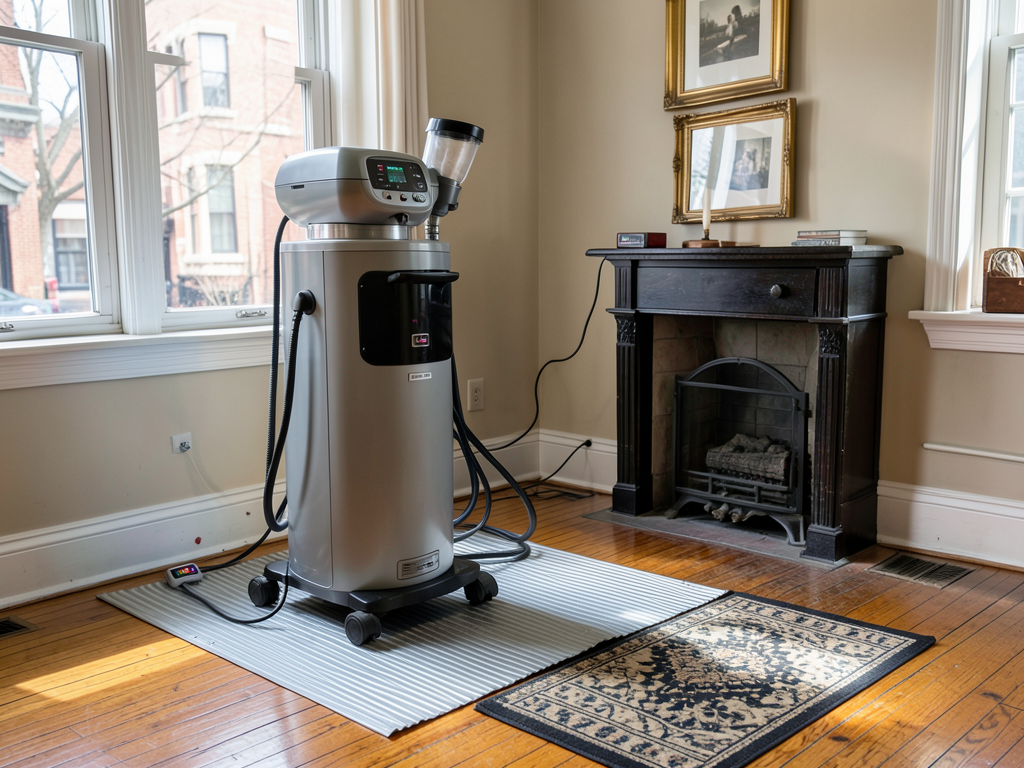
Understanding the Speed Benefits of Structural Heat Drying for a Rapid Recovery
When water invades your San Francisco property every hour counts. Traditional drying methods using air movers and dehumidifiers can take 3-5 days to restore structural materials but structural heat drying can cut that time in half or more. This advanced technology uses controlled thermal energy to accelerate evaporation from within walls floors and ceilings getting you back to normal faster while preventing secondary damage like mold growth. Who to call for emergency water damage repair in San Francisco right now.
Structural heat drying works by raising the temperature of wet materials to approximately 100-120°F which dramatically increases the vapor pressure differential between the inside of the material and the surrounding air. This process can reduce drying times from 72-120 hours to just 24-48 hours in many cases making it particularly valuable for San Francisco’s high-value properties where time equals money and disruption must be minimized.
Heat drying proves especially effective for San Francisco’s unique building stock from Victorian-era lath and plaster walls to modern concrete structures in SoMa high-rises. The technology’s ability to penetrate dense materials without demolition makes it ideal for preserving historic details and minimizing repair costs in our city’s architectural treasures.
How Heat Drying Accelerates Water Damage Recovery
Traditional drying relies on moving large volumes of air across wet surfaces which works well for surface moisture but struggles with deeply saturated materials. Heat drying takes a fundamentally different approach by targeting the water molecules themselves. When you raise the temperature of a wet material you increase the kinetic energy of water molecules causing them to escape the material’s surface more rapidly. High-end water damage restoration for historic Pacific Heights estates.
The physics are straightforward. For every 20°F increase in material temperature the air’s capacity to hold moisture roughly doubles. This means a wall at 100°F can release moisture to air at 70°F much faster than the same wall at 70°F releasing to air at 50°F. The process creates a powerful vapor pressure gradient that pulls moisture from deep within materials to the surface where it can evaporate.
Heat drying also addresses San Francisco’s unique challenge. Our marine layer and high outdoor humidity make traditional open-window drying ineffective. By creating a controlled thermal environment heat drying works independently of outdoor conditions maintaining optimal drying rates even when the fog rolls in off the Pacific.
Top Benefits for San Francisco Property Owners
Speed represents the most obvious advantage but heat drying delivers multiple benefits that make it particularly valuable for our local market. The technology’s non-invasive nature means we can often dry hardwood floors in place rather than removing and replacing them saving thousands in restoration costs for properties in Pacific Heights Presidio Heights and other upscale neighborhoods.
Mold prevention becomes significantly more reliable with heat drying. The California Department of Public Health identifies 24-48 hours as the critical window for mold growth initiation. By cutting drying times in half heat drying keeps materials well within this safety margin reducing the need for antimicrobial treatments and providing better outcomes for occupants with respiratory sensitivities.
For commercial properties in the Financial District and SoMa business interruption costs can exceed restoration costs by a factor of three or more. A law firm or tech startup that can return to operation in 24 hours instead of 4 days saves not just money but client relationships and market position. Heat drying’s speed translates directly to preserved revenue and reputation.
Energy efficiency has improved dramatically in recent years. Modern heat drying systems use direct-fired propane or electric elements that achieve 90%+ efficiency making them more environmentally responsible than older desiccant systems that require significant electrical power for regeneration cycles.
San Francisco Climate Challenges and Heat Drying Solutions
San Francisco’s Mediterranean climate creates unique drying challenges that make heat technology particularly valuable. Our average relative humidity ranges from 60-80% compared to 30-50% in inland California cities. This higher ambient moisture means traditional dehumidification must work much harder to achieve the same drying rates often extending project timelines significantly.
The marine layer that blankets our city for much of the year creates another obstacle. When cool moist air from the Pacific meets the warmer air over land it produces fog and high humidity that can persist for days. This phenomenon particularly pronounced in neighborhoods like the Sunset District and Richmond makes outdoor air exchanges ineffective for accelerating drying.
Heat drying circumvents these challenges by creating a self-contained drying chamber. The system raises the temperature of the affected area to optimal levels while maintaining controlled humidity through targeted air exchange and dehumidification. This approach works equally well whether it’s a sunny September afternoon or a foggy July morning in the Outer Sunset.
Local building practices also influence drying effectiveness. Many San Francisco homes built before 1940 feature lath and plaster construction which holds moisture differently than modern drywall. The dense hygroscopic nature of plaster requires more energy to dry effectively making heat technology particularly valuable for preserving these historic materials without demolition.
Heat Drying vs. Traditional Methods: A Technical Comparison
| Characteristic | Traditional Air Mover/Dehumidifier | Structural Heat Drying |
|---|---|---|
| Typical Drying Time | 72-120 hours | 24-48 hours |
| Energy Source | Electricity only | Propane/Electric + minimal electricity |
| Material Penetration | Surface to 1/2 inch | Deep penetration to 2+ inches |
| Demolition Required | Often necessary for saturated materials | Minimal to none in most cases |
| Effectiveness in High Humidity | Significantly reduced | Unaffected by ambient conditions |
| Monitoring Requirements | Daily moisture readings | Continuous temperature/humidity monitoring |
The data shows heat drying’s superiority in speed and effectiveness particularly for San Francisco’s climate and building materials. Where traditional methods might require removing water-damaged hardwood floors heat drying can often salvage the flooring by drying it in place from below using specialized heat mats. Water Damage Restoration Oakland.
Equipment and Technology Behind Heat Drying
Modern heat drying systems fall into two main categories: direct-fired and indirect-fired units. Direct-fired heaters burn propane or natural gas to create heat achieving 90%+ efficiency but requiring careful monitoring of combustion byproducts. These systems work well for most residential applications where brief ventilation can address any combustion concerns.
Indirect-fired systems separate the combustion chamber from the air stream producing clean dry heat without combustion byproducts. These units prove essential for sensitive environments like hospitals food processing facilities or homes with occupants who have respiratory conditions. The trade-off comes in efficiency with indirect systems typically achieving 70-80% efficiency.
Portable heat drying units have revolutionized the industry’s ability to respond to San Francisco’s unique building challenges. These trailer-mounted or skid-mounted systems can deliver 150000 to 500000 BTU of heat sufficient to warm a 2000 square foot area by 30-40 degrees above ambient temperature. The portability proves crucial for navigating our city’s narrow streets and limited parking.
Temperature and humidity monitoring represents a critical component of effective heat drying. Modern systems use wireless sensors placed throughout the affected area to track conditions in real-time. These sensors connect to central monitoring stations that alert technicians to any deviations from optimal drying parameters ensuring both effectiveness and safety throughout the process.
Insurance and Cost Considerations
Insurance companies increasingly recognize heat drying’s value proposition. The technology’s ability to salvage materials that would otherwise require replacement can reduce claim costs significantly. A hardwood floor that might cost $8000 to replace might cost $2000 to dry in place creating a 75% savings that benefits both property owner and insurer.
Business interruption coverage often represents the largest component of commercial water damage claims. By reducing drying time from 4 days to 1-2 days heat drying can save thousands in lost revenue temporary relocation costs and productivity losses. For a restaurant in the Mission District or a law firm in the Financial District these savings multiply quickly. Water Damage Restoration Milpitas.
The initial equipment investment for heat drying systems ranges from $15000 to $50000 depending on capacity and features. However the technology’s efficiency means most restoration companies recover this investment within 12-18 months through increased job capacity and customer satisfaction. The ability to handle more jobs in less time directly impacts profitability.
Energy costs for heat drying vary by fuel source and local utility rates. Propane-fired systems typically cost $1.50-2.50 per hour to operate while electric systems might cost $3-5 per hour depending on local rates. Despite higher per-hour costs the reduced total job time often results in lower overall energy expenditure compared to traditional methods.
Safety and Best Practices
Heat drying requires careful attention to safety protocols particularly in San Francisco’s dense urban environment. The technology’s effectiveness depends on raising temperatures to levels that can damage certain materials if not properly monitored. Modern systems incorporate multiple safety features including automatic shutoff at preset temperatures and continuous monitoring of combustion byproducts.
Material sensitivity varies significantly. While most building materials can safely withstand 100-120°F certain plastics adhesives and electronic components may degrade at lower temperatures. Professional assessment before beginning heat drying ensures that sensitive items are either removed or protected preventing secondary damage during the restoration process.
Ventilation requirements differ by system type. Direct-fired units produce small amounts of carbon dioxide and water vapor that must be managed through controlled air exchange. Indirect-fired systems produce clean heat but still require proper air circulation to distribute thermal energy evenly throughout the affected space.
The IICRC S500 Standard for Professional Water Damage Restoration provides specific guidelines for heat drying applications including temperature limits monitoring requirements and documentation protocols. Following these standards ensures both effectiveness and compliance with industry best practices protecting both the restoration company and the property owner.
Case Study: Heat Drying Success in Pacific Heights
A 1920s Mediterranean-style home in Pacific Heights experienced a supply line break that flooded the second floor with water migrating through walls to the first floor and basement. The home featured original hardwood floors lath and plaster walls and extensive custom millwork throughout. Basement Waterproofing Guide.
Traditional drying would have required removing the hardwood floors demolishing sections of plaster walls and potentially damaging the custom millwork during the drying process. The estimated restoration time using conventional methods was 5-7 days with replacement costs for the flooring alone exceeding $12000.
The restoration team deployed a heat drying system that targeted the affected areas while protecting sensitive materials. Heat mats were placed beneath the hardwood floors to dry them from below while targeted heating addressed the wall cavities without demolition. The system maintained temperatures of 105-115°F in the affected areas while keeping adjacent spaces at normal temperatures.
The results demonstrated heat drying’s effectiveness. The home was completely dry in 36 hours instead of the projected 5-7 days. The hardwood floors were salvaged without warping or cupping the plaster walls dried without cracking and the custom millwork remained intact. The total cost savings exceeded $8000 in materials and labor while the homeowner returned to normal occupancy three days earlier than projected.
Environmental and Sustainability Benefits
Heat drying’s environmental benefits extend beyond simple energy efficiency. By salvaging materials that would otherwise require replacement the technology reduces landfill waste significantly. A single hardwood floor that avoids demolition represents approximately 400-500 pounds of material kept out of the waste stream.
The reduced demolition also means fewer new materials must be manufactured and transported lowering the carbon footprint of the restoration process. When we save a plaster wall from demolition we also save the energy and emissions associated with producing and installing new drywall taping and finishing.
Modern heat drying systems achieve higher efficiency than ever before. Direct-fired units with 90%+ efficiency produce more heat per unit of fuel than older systems while improved insulation and heat distribution technology minimize energy waste. Some systems now incorporate heat recovery technology that captures and reuses waste heat further improving efficiency.
The technology’s ability to work effectively in San Francisco’s cool humid climate also reduces the need for supplemental heating in affected spaces. Traditional drying often requires maintaining building heat during winter months to support the drying process while heat drying provides all necessary thermal energy as part of the restoration process.
Future Developments in Heat Drying Technology
The heat drying industry continues to evolve with new technologies emerging regularly. Infrared heating elements offer more targeted heat application allowing technicians to dry specific areas without affecting adjacent spaces. These systems use less energy than traditional resistance heating while providing more precise temperature control.
Smart monitoring systems now incorporate artificial intelligence to optimize drying parameters automatically. These systems learn from each job adjusting temperature humidity and air movement to achieve optimal drying rates while minimizing energy consumption and preventing secondary damage to sensitive materials.
Hybrid systems combining heat drying with advanced dehumidification technology represent the next frontier. These systems use heat to accelerate evaporation while simultaneously removing moisture from the air more efficiently than traditional dehumidifiers. The result is faster drying times with lower energy consumption than either technology alone.
Portable and modular heat drying units continue to improve in efficiency and ease of use. New designs focus on reducing setup time and improving maneuverability in tight spaces making the technology more accessible for restoration companies serving San Francisco’s unique urban environment with its narrow streets and limited parking.
Frequently Asked Questions
Is heat drying safe for my family and pets during the restoration process?
Yes when properly implemented. Modern heat drying systems maintain safe temperatures (100-120°F) that won’t harm people or pets. The affected area is typically contained with plastic sheeting and technicians monitor conditions continuously. Most homeowners can remain in their homes during heat drying though sensitive individuals may prefer temporary relocation.
How much does heat drying cost compared to traditional methods?
Heat drying typically costs 15-25% more per day than traditional methods but the reduced total job time usually results in lower overall costs. A 3-day heat drying job might cost $2500-3500 while a 5-day traditional job might cost $2000-2500. The savings in salvaged materials and reduced business interruption often offset any price difference.
Can heat drying damage my hardwood floors or other materials?
When properly monitored heat drying is safe for most materials. The key is professional assessment before beginning treatment. Some materials like certain plastics wax seals or items with adhesive backing may need protection or removal. Technicians use specialized heat mats and temperature monitoring to ensure safe drying of hardwood floors without warping or cupping.
How do I know if heat drying is right for my specific water damage situation?
Professional assessment determines the best approach. Heat drying excels for clean water damage in materials that hold moisture deeply such as hardwood plaster and concrete. It’s less suitable for contaminated water situations or when immediate demolition is necessary for safety. A certified restoration professional can evaluate your specific situation and recommend the optimal approach.
Will my insurance cover heat drying services?
Most insurance policies cover heat drying when it’s the appropriate restoration method. The technology’s ability to reduce overall claim costs by salvaging materials and reducing drying time makes it attractive to insurers. Always check with your insurance provider but heat drying is generally considered a standard restoration technique covered under most policies.
How long does it take to set up heat drying equipment?
Setup typically requires 2-4 hours depending on the job size and complexity. Technicians must assess the affected area position equipment strategically install monitoring sensors and establish containment if necessary. The relatively quick setup means heat drying can often begin the same day as the initial damage assessment.
What happens if the power goes out during heat drying?
Modern heat drying systems include battery backup for critical monitoring equipment. If power is interrupted the system will maintain monitoring for several hours. Most direct-fired units don’t require electricity to operate so the heating continues even if electrical power is lost. Technicians are trained to respond quickly to any power interruptions.
Making the Right Choice for Your San Francisco Property
Structural heat drying represents a significant advancement in water damage restoration technology particularly valuable for San Francisco’s unique climate and building stock. The technology’s ability to cut drying times in half while preserving valuable materials makes it an excellent choice for property owners who value speed quality and minimal disruption.
When evaluating restoration options consider not just the immediate cost but the total impact on your property and life. Heat drying’s faster recovery times mean less time in temporary housing reduced business interruption costs and preservation of irreplaceable architectural details. For many San Francisco property owners these benefits outweigh any additional daily costs.
The technology continues to evolve with new systems offering improved efficiency better temperature control and enhanced safety features. As environmental concerns grow and energy costs fluctuate heat drying’s ability to salvage materials and reduce waste becomes increasingly valuable from both economic and sustainability perspectives.
Whether you’re dealing with a burst pipe in a Pacific Heights Victorian or a supply line break in a SoMa tech office heat drying offers a proven solution for rapid effective water damage restoration. The technology’s combination of speed effectiveness and material preservation makes it an essential tool in modern restoration particularly well-suited to San Francisco’s unique challenges.
Don’t let water damage disrupt your life or business any longer than necessary. Heat drying technology can get you back to normal faster while protecting your investment in your property. When every hour counts this advanced restoration method delivers results that traditional approaches simply cannot match.
Call (415) 449-6555 today to learn more about how structural heat drying can accelerate your water damage recovery and protect your San Francisco property. Our certified technicians are ready to respond 24/7 with the latest heat drying technology to get your life back to normal as quickly as possible.
Additional Resources
For more information about water damage restoration standards and best practices visit the IICRC website or review the EPA’s mold guidelines. Understanding these resources can help you make informed decisions about your property’s restoration needs.
Learn more about handling specific water damage scenarios in our other articles: basement flooding response sewage cleanup procedures and commercial restoration services.
{
“@context”: “https://schema.org”,
“@type”: “BlogPosting”,
“headline”: “Understanding the Speed Benefits of Structural Heat Drying for a Rapid Recovery”,
“description”: “Discover how structural heat drying cuts water damage restoration time in half for San Francisco properties. Learn about this advanced technology’s benefits for your home or business.”,
“wordCount”: 2991,
“datePublished”: “2026-06-13T06:43:00.000Z”,
“dateModified”: “2026-06-13T06:43:00.000Z”,
“inLanguage”: “en-US”,
“mainEntityOfPage”: {
“@type”: “WebPage”,
“@id”: “https://summitwaterdamagerestorationsanfrancisco.com”
},
“publisher”: {
“@type”: “LocalBusiness”,
“name”: “Summit Water Damage Restoration San Francisco”,
“url”: “https://summitwaterdamagerestorationsanfrancisco.com”
},
“author”: {
“@type”: “Organization”,
“name”: “Summit Water Damage Restoration San Francisco”,
“url”: “https://summitwaterdamagerestorationsanfrancisco.com”
},
“image”: {
“@type”: “ImageObject”,
“url”: “https://summitwaterdamagerestorationsanfrancisco.com/wp-content/uploads/2026/03/understanding-the-speed-benefits-of-structural-hea-1.png”
}
}
{
“@context”: “https://schema.org”,
“@type”: “LocalBusiness”,
“name”: “Summit Water Damage Restoration San Francisco”,
“url”: “https://summitwaterdamagerestorationsanfrancisco.com”,
“address”: {
“@type”: “PostalAddress”,
“addressLocality”: “San Francisco”
},
“areaServed”: {
“@type”: “City”,
“name”: “San Francisco”
}
}
{
“@context”: “https://schema.org”,
“@type”: “FAQPage”,
“mainEntity”: [
{
“@type”: “Question”,
“name”: “Is heat drying safe for my family and pets during the restoration process?”,
“acceptedAnswer”: {
“@type”: “Answer”,
“text”: “Yes when properly implemented. Modern heat drying systems maintain safe temperatures (100-120°F) that won’t harm people or pets. The affected area is typically contained with plastic sheeting and technicians monitor conditions continuously. Most homeowners can remain in their homes during heat drying though sensitive individuals may prefer temporary relocation.”
}
},
{
“@type”: “Question”,
“name”: “How much does heat drying cost compared to traditional methods?”,
“acceptedAnswer”: {
“@type”: “Answer”,
“text”: “Heat drying typically costs 15-25% more per day than traditional methods but the reduced total job time usually results in lower overall costs. A 3-day heat drying job might cost $2500-3500 while a 5-day traditional job might cost $2000-2500. The savings in salvaged materials and reduced business interruption often offset any price difference.”
}
},
{
“@type”: “Question”,
“name”: “Can heat drying damage my hardwood floors or other materials?”,
“acceptedAnswer”: {
“@type”: “Answer”,
“text”: “When properly monitored heat drying is safe for most materials. The key is professional assessment before beginning treatment. Some materials like certain plastics wax seals or items with adhesive backing may need protection or removal. Technicians use specialized heat mats and temperature monitoring to ensure safe drying of hardwood floors without warping or cupping.”
}
},
{
“@type”: “Question”,
“name”: “How do I know if heat drying is right for my specific water damage situation?”,
“acceptedAnswer”: {
“@type”: “Answer”,
“text”: “Professional assessment determines the best approach. Heat drying excels for clean water damage in materials that hold moisture deeply such as hardwood plaster and concrete. It’s less suitable for contaminated water situations or when immediate demolition is necessary for safety. A certified restoration professional can evaluate your specific situation and recommend the optimal approach.”
}
},
{
“@type”: “Question”,
“name”: “Will my insurance cover heat drying services?”,
“acceptedAnswer”: {
“@type”: “Answer”,
“text”: “Most insurance policies cover heat drying when it’s the appropriate restoration method. The technology’s ability to reduce overall claim costs by salvaging materials and reducing drying time makes it attractive to insurers. Always check with your insurance provider but heat drying is generally considered a standard restoration technique covered under most policies.”
}
},
{
“@type”: “Question”,
“name”: “How long does it take to set up heat drying equipment?”,
“acceptedAnswer”: {
“@type”: “Answer”,
“text”: “Setup typically requires 2-4 hours depending on the job size and complexity. Technicians must assess the affected area position equipment strategically install monitoring sensors and establish containment if necessary. The relatively quick setup means heat drying can often begin the same day as the initial damage assessment.”
}
},
{
“@type”: “Question”,
“name”: “What happens if the power goes out during heat drying?”,
“acceptedAnswer”: {
“@type”: “Answer”,
“text”: “Modern heat drying systems include battery backup for critical monitoring equipment. If power is interrupted the system will maintain monitoring for several hours. Most direct-fired units don’t require electricity to operate so the heating continues even if electrical power is lost. Technicians are trained to respond quickly to any power interruptions.”
}
}
]
}
{
“@context”: “https://schema.org”,
“@type”: “BreadcrumbList”,
“itemListElement”: [
{
“@type”: “ListItem”,
“position”: 1,
“name”: “Home”,
“item”: “https://summitwaterdamagerestorationsanfrancisco.com”
},
{
“@type”: “ListItem”,
“position”: 2,
“name”: “Blog”,
“item”: “https://summitwaterdamagerestorationsanfrancisco.com/blog”
},
{
“@type”: “ListItem”,
“position”: 3,
“name”: “Understanding the Speed Benefits of Structural Heat Drying for a Rapid Recovery”
}
]
}
{
“@context”: “https://schema.org”,
“@type”: “Service”,
“serviceType”: “Water Damage Restoration”,
“provider”: {
“@type”: “LocalBusiness”,
“name”: “Summit Water Damage Restoration San Francisco”,
“url”: “https://summitwaterdamagerestorationsanfrancisco.com”
},
“areaServed”: {
“@type”: “City”,
“name”: “San Francisco”
},
“description”: “Discover how structural heat drying cuts water damage restoration time in half for San Francisco properties. Learn about this advanced technology’s benefits for your home or business.”
}