menu

San Francisco Sump Pump Maintenance Guide – Protect Your Home from Flooding Before the Next Storm

Learn the proven sump pump maintenance checklist that keeps San Francisco basements dry year-round, plus preventative sump pump maintenance steps that catch small issues before they become expensive water damage emergencies.

Slider Image 1
Slider Image 2
Slider Image 3
Slider Image 4
Slider Image 5
Slider Image 7
Slider Image 8
Slider Image 9
Slider Image 10
Slider Image 11

Why San Francisco Homes Need Regular Sump Pump Upkeep

San Francisco sits on a peninsula surrounded by water, with the Pacific Ocean to the west and the Bay to the east. This geography creates persistent moisture challenges. Fog rolls in regularly, groundwater levels rise during winter storms, and aging infrastructure in neighborhoods like the Richmond District and Sunset District means poor drainage. Your sump pump is the last defense against basement flooding.

Most homeowners never think about their sump pump until it fails during a storm. That is when you discover water pooling in your basement, ruining stored belongings and creating conditions for mold growth. A sump pump maintenance checklist prevents this scenario. Regular sump pump care tips keep the system operational when you need it most.

How to maintain a sump pump is not complicated, but it requires consistency. The float switch can stick, the discharge line can freeze or clog, and the check valve can fail. These small failures create big problems during heavy rain. San Francisco received over 20 inches of rain during the 2022-2023 wet season, overwhelming unprepared sump systems across the city.

Preventative sump pump maintenance protects your investment. Water damage restoration costs thousands. A flooded basement ruins drywall, carpet, and electrical systems. It creates humidity that feeds mold colonies in wall cavities. Following sump pump upkeep instructions stops these problems before they start. You need a working pump, clean intake screens, and a tested backup system.

Why San Francisco Homes Need Regular Sump Pump Upkeep
The Complete Sump Pump Maintenance Approach

The Complete Sump Pump Maintenance Approach

Effective sump pump maintenance requires both routine checks and seasonal preparation. Start with monthly visual inspections. Remove the pump cover and check for debris in the sump pit. Leaves, dirt, and sediment accumulate and block the intake screen. A clogged screen reduces pumping efficiency and forces the motor to work harder.

Test the float switch by pouring water into the pit. The pump should activate automatically when water reaches the trigger point. If the float sticks or the pump hesitates, you have an early warning sign. Clean the float mechanism and verify smooth movement. This simple test catches most failures before they become emergencies.

Inspect the discharge line for blockages. In San Francisco, roots from Monterey Cypress and eucalyptus trees penetrate underground pipes, creating obstructions. The check valve prevents backflow but can jam with sediment. Remove the valve once per year, clean it thoroughly, and reinstall with fresh plumber's tape on the threads.

Battery backup systems require separate attention. Test the backup pump monthly by disconnecting primary power. The battery should hold enough charge to cycle several times. Replace batteries every three years regardless of apparent condition. Lead-acid batteries degrade silently, then fail without warning during power outages that coincide with storms.

Professional maintenance includes motor inspection, bearing lubrication, and electrical connection testing. Amperage draw indicates motor health. A pump drawing excessive current signals bearing wear or impeller damage. Catching these issues early extends equipment life and prevents sudden failure.

What Happens During Professional Sump Pump Maintenance

San Francisco Sump Pump Maintenance Guide – Protect Your Home from Flooding Before the Next Storm
01

System Assessment and Testing

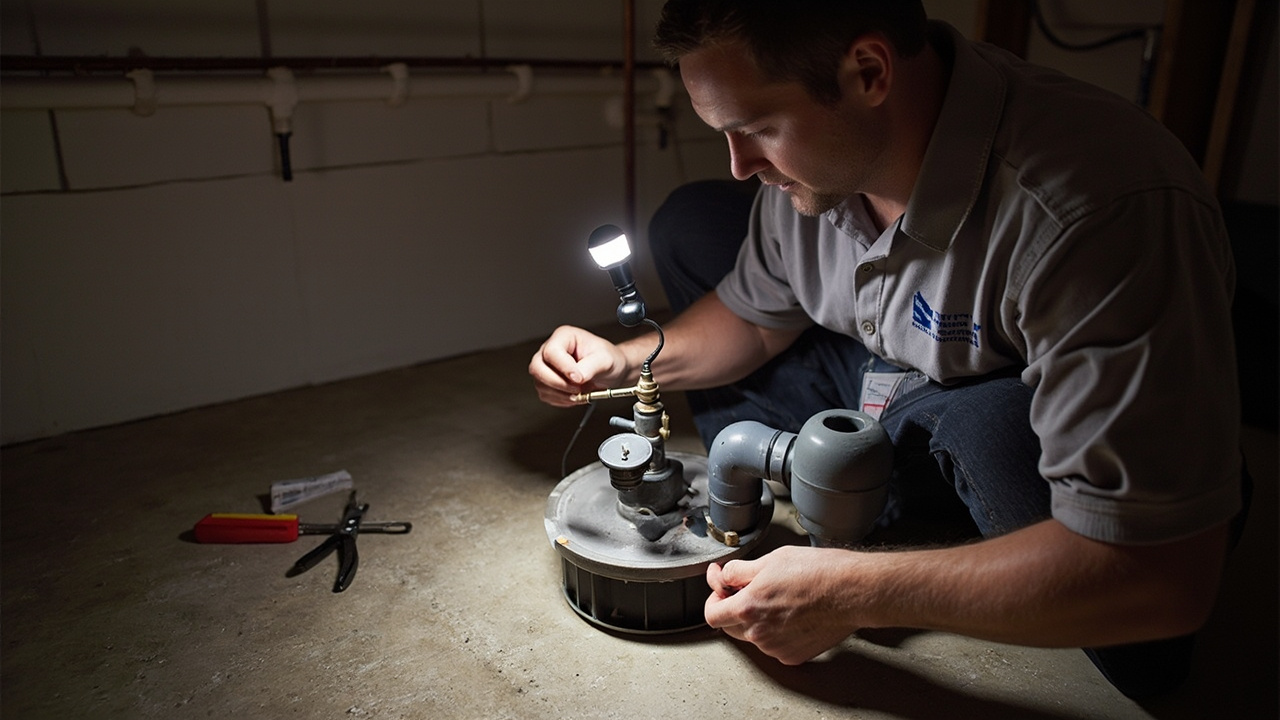
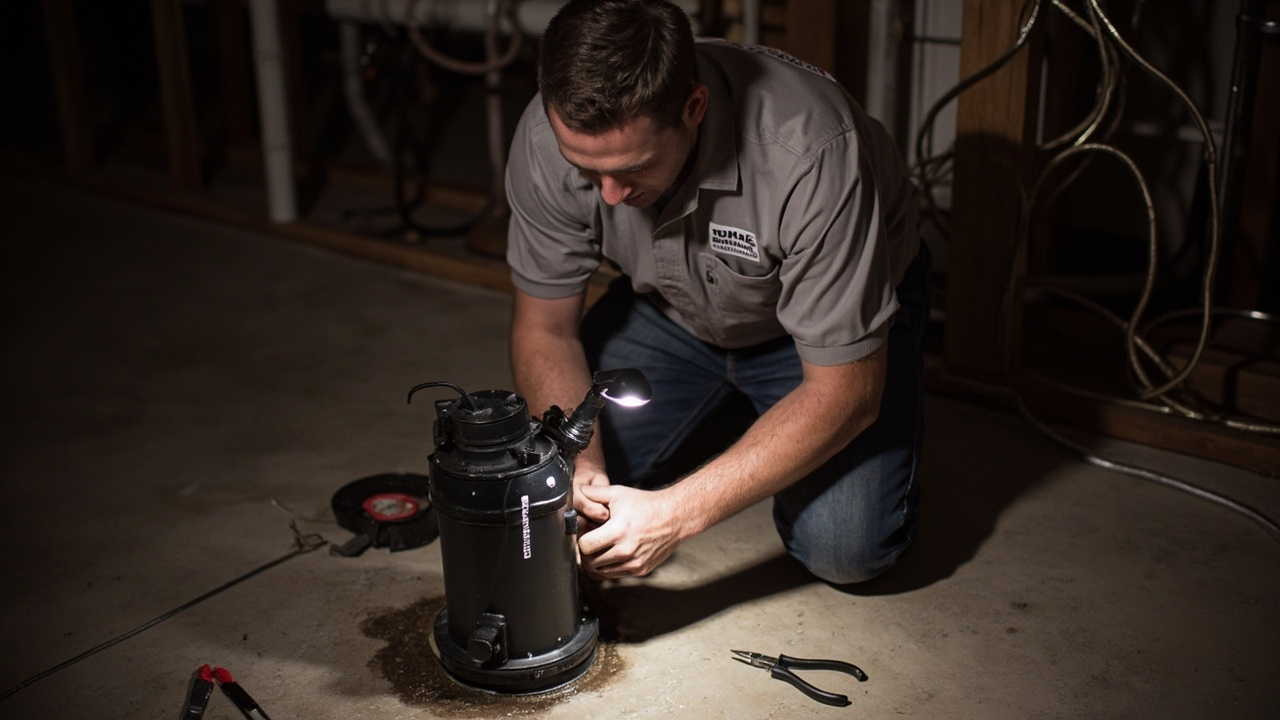
The technician arrives and performs a complete system evaluation. This includes running diagnostic tests on the primary pump, checking float switch operation, measuring amperage draw, and inspecting the discharge line for proper slope and drainage. The sump pit gets cleaned of all debris and sediment. Battery backup systems receive load testing to verify capacity. This assessment identifies current problems and predicts upcoming failures based on wear patterns.
02

Component Cleaning and Repair

All removable components get disassembled and cleaned. The intake screen receives thorough scrubbing to remove mineral deposits and biofilm. The check valve gets inspected for smooth operation and replaced if worn. Float switches receive adjustment to ensure proper trigger points. The discharge line gets flushed to clear accumulated sediment. Any worn or damaged parts get replaced immediately. The technician lubricates motor bearings if the pump design allows, extending motor life.
03

Documentation and Recommendations

You receive a detailed report documenting all findings, tests performed, and parts replaced. The report includes photographs of problem areas and recommendations for future service. If the pump shows significant wear, you get advance notice about replacement timing rather than facing an emergency failure. The technician explains seasonal preparation steps and provides a maintenance schedule customized to your home's specific conditions and groundwater patterns.

Why San Francisco Homeowners Trust Local Water Damage Prevention Experts

San Francisco's unique geology demands specialized knowledge. The city sits on fill dirt, sand, bedrock, and serpentine, sometimes within the same neighborhood. Groundwater behavior varies dramatically. Homes in the Marina District face different challenges than properties in Noe Valley or Bernal Heights. Local experts understand these variations.

Summit Water Damage Restoration San Francisco has maintained sump systems across every neighborhood in the city. We know which areas experience seasonal groundwater surges. We understand how San Francisco's aging sewer infrastructure creates backflow risks during heavy rain. This knowledge informs our maintenance protocols.

Building codes in San Francisco require specific discharge configurations. You cannot simply pump water onto sidewalks or into storm drains in many areas. Proper discharge routing prevents code violations and protects your neighbors from unwanted runoff. We ensure your system meets Department of Building Inspection requirements.

Our technicians recognize early signs of pump failure that generic maintenance overlooks. We know what brands hold up in San Francisco's conditions and which models fail prematurely. This experience helps you make informed decisions about repairs versus replacement. We stock common parts for immediate service rather than scheduling return visits.

Water damage restoration experience gives us perspective that plumbers often lack. We have seen the aftermath of sump pump failures, the mold growth in wall cavities, and the structural damage from prolonged moisture exposure. This motivates thorough maintenance rather than quick checklist completion. We prevent problems because we have fixed the consequences.

What to Expect from Professional Sump Pump Maintenance

Scheduling and Service Timing

Schedule maintenance before San Francisco's wet season begins in October. This gives you time to address any problems before storms arrive. Service appointments typically run 60 to 90 minutes depending on system complexity and condition. We offer flexible scheduling including weekend appointments. If you need emergency service for a failing pump, we respond within two hours. Regular maintenance customers receive priority scheduling and reminders before each wet season. You can also schedule semi-annual service for high-risk properties in flood-prone areas.

Comprehensive System Evaluation

The initial evaluation covers every component in your sump system. The technician tests pump operation under load, measures flow rate, and verifies proper shut-off. Float switches get tested through multiple cycles to ensure reliability. Electrical connections receive inspection for corrosion and proper grounding. The discharge line gets traced to its terminus to verify unobstructed flow. Battery backup systems receive capacity testing with actual runtime measurement. You receive honest assessment of component condition, remaining service life, and recommended action items with clear priorities.

Results You Can Measure

After service, your sump pump operates quietly and cycles smoothly. The float switch responds instantly to rising water. The discharge line flows freely without backpressure. Your backup system holds full charge and activates seamlessly during testing. You receive documentation of all work performed, parts replaced, and test results. Photographs show before and after conditions. The maintenance record helps track system performance over time and supports home sale disclosures. Most importantly, you gain confidence that your basement will stay dry during the next storm.

Ongoing Support and Service Plans

Annual maintenance plans include priority scheduling, service reminders, and discounted rates on repairs. You receive seasonal preparation checklists and guidance on DIY monitoring between professional visits. If problems develop, you have direct contact information for rapid response. Emergency service includes temporary pumping solutions while permanent repairs happen. We maintain detailed service records for your property, tracking component age and performance trends. This historical data helps predict failures and optimize replacement timing. Maintenance customers receive first notification about new pump technologies and efficiency improvements.

Frequently Asked Questions

You Have Questions,
We Have Answers

What maintenance does a sump pump require? +

Your sump pump needs quarterly inspections to prevent basement flooding. Test the float switch by pouring water into the pit until the pump activates. Clean debris from the intake screen and check the discharge line for clogs or freezing. Remove sediment buildup from the basin every six months. Inspect the check valve to ensure water flows away from your foundation. In San Francisco's foggy climate, condensation can cause corrosion, so examine electrical connections for rust. Test your backup battery system if you have one. These simple tasks take 20 minutes but prevent costly water damage.

What is the most common problem with sump pumps? +

Float switch failure causes most sump pump breakdowns. The float mechanism gets tangled, stuck, or obstructed by debris, preventing the pump from activating when water rises. In San Francisco basements, sediment from clay soil and corroded pipe minerals clog the float mechanism over time. You can test your float switch monthly by lifting it manually to trigger the pump. If it does not respond, you need immediate repair. Power failures during storm season also prevent operation, which is why backup systems matter in neighborhoods prone to wet weather flooding.

Does sump pump maintenance really matter? +

Sump pump maintenance absolutely matters for San Francisco homeowners. A failed pump can flood your basement in hours, causing thousands in water damage, mold growth, and ruined belongings. Regular inspections catch problems before they escalate. The fog and moisture in San Francisco accelerate corrosion on pump components, making preventive care even more critical here than in dry climates. Maintenance costs under $200 annually, while basement flooding restoration averages $5,000 to $15,000. Spending 30 minutes every few months testing and cleaning your pump protects your largest investment. Skip it and risk catastrophic failure when you need it most.

Can I put a chlorine tablet in my sump pump? +

Do not put chlorine tablets in your sump pump. While they reduce odors temporarily, chlorine corrodes pump components, deteriorates rubber seals, and shortens equipment lifespan. The fumes damage metal parts and create toxic vapor in enclosed spaces. Instead, address odors by cleaning the basin thoroughly, improving ventilation, and ensuring proper drainage. If you smell sewage, you may have a broken seal or sanitary sewer issue that requires professional diagnosis. For persistent odor problems in San Francisco basements, check for mold growth from the area's high humidity. Proper cleaning and dehumidification solve smell issues without damaging your pump.

What is the typical lifespan of a sump pump? +

Most sump pumps last 7 to 10 years with proper maintenance. Heavy use shortens lifespan, while infrequent cycling can extend it. In San Francisco, moisture and salt air from the Bay accelerate corrosion, potentially reducing longevity compared to dry climates. Pedestal pumps typically outlast submersible models because they sit above water. If your pump runs constantly during rainy months, expect replacement sooner. Track your installation date and plan for replacement after seven years, even if the pump still operates. Preventive replacement beats emergency failure during a storm when contractors charge premium rates and water floods your basement.

How much does it cost to have a sump pump serviced? +

Professional sump pump service costs $150 to $300 in San Francisco. This includes inspection, cleaning, float switch testing, discharge line check, and minor adjustments. Annual maintenance contracts sometimes offer discounts. The price varies based on pump type, accessibility, and whether repairs are needed beyond basic service. If your pump requires parts replacement or extensive cleaning from sediment buildup, expect higher costs. Many homeowners handle basic quarterly checks themselves, reserving professional service for annual deep inspections. Given San Francisco's risk of basement flooding from winter storms and aging infrastructure, professional maintenance provides peace of mind worth the investment.

What are the signs of a bad sump pump? +

A failing sump pump makes strange noises like grinding, rattling, or excessive vibration. It may run continuously without shutting off or fail to activate when water enters the basin. You might notice irregular cycling, where the pump turns on and off rapidly. Visible rust on components signals corrosion damage. Water backing up in the discharge pipe or pooling around the basin indicates clogging or mechanical failure. In San Francisco's damp environment, watch for moisture buildup that suggests the pump cannot keep pace with groundwater intrusion. If you spot these warning signs, schedule inspection immediately to prevent basement flooding.

What is the #1 cause of basement flooding? +

Sump pump failure causes most basement flooding, followed by foundation cracks and poor drainage. In San Francisco, aging infrastructure, high groundwater tables near the Bay, and storm overwhelm contribute significantly to basement water intrusion. Clay soil common throughout the city expands when wet, creating hydrostatic pressure that forces water through foundation walls. Broken discharge lines allow pumped water to flow back toward your foundation. Clogged gutters and improper grading direct rainwater toward your home instead of away. Regular sump pump maintenance, foundation sealing, and proper exterior drainage prevent most flooding scenarios before they damage your property.

What is the average cost to replace a sump pump? +

Sump pump replacement costs $800 to $1,500 in San Francisco, depending on pump type and installation complexity. Pedestal pumps cost less than submersible models. Backup battery systems add $400 to $800. Accessibility challenges in older San Francisco homes can increase labor costs. High-capacity pumps for properties near sea level or with severe groundwater issues cost more. This price includes removal of your old pump, new equipment, installation, and testing. While the upfront cost seems significant, replacing a failing pump before it floods your basement saves thousands in water damage restoration. Plan replacement proactively rather than during an emergency.

Do plumbers clean sump pumps? +

Most plumbers service sump pumps, but water damage restoration specialists often provide more comprehensive maintenance. Plumbers handle installation, repair, and basic troubleshooting effectively. However, restoration experts understand how pump failure leads to flooding and offer preventive insights specific to basement water intrusion. In San Francisco, where groundwater and moisture issues vary dramatically by neighborhood elevation and soil type, specialists familiar with local conditions provide better guidance. Whether you choose a plumber or restoration company, verify they have experience with your specific pump model and understand Bay Area construction challenges like clay soil and aging foundation systems.

How San Francisco's High Water Table and Coastal Climate Affect Sump Pump Reliability

San Francisco's peninsula location creates persistent groundwater challenges that few other cities face. The water table rises during winter storms, sometimes climbing several feet in 24 hours. Neighborhoods built on fill dirt like the Marina District and Mission Bay experience the most dramatic fluctuations. Coastal fog adds constant moisture to the air, accelerating corrosion on electrical components and metal pump housings. Sump pumps in San Francisco run more frequently than systems in drier climates, creating accelerated wear on motors and float switches. Saltwater intrusion in areas near the Bay adds corrosive minerals to groundwater, degrading check valves and discharge lines faster than normal.

Local expertise matters because San Francisco's building stock includes structures built before modern drainage codes existed. Victorian homes in the Haight and Castro often have shallow basements with inadequate perimeter drainage. Discharge routing must comply with city stormwater management requirements that vary by neighborhood. Summit Water Damage Restoration San Francisco understands these local factors because we work with them daily. We know which pump models withstand San Francisco's conditions and which fail prematurely. We understand Department of Building Inspection requirements for discharge configurations. Our technicians recognize the early warning signs specific to coastal climate wear patterns.
Water Damage Restoration Services in The San Francisco Area

Our commitment to rapid response means we cover the entire San Francisco area and surrounding communities. View the map below to visualize our primary service region, which includes key neighborhoods and business districts. Whether you are located in the Financial District, the Mission, or out toward the Sunset, you can trust our 24/7 team to reach you quickly. We proudly serve both residential and commercial clients across the entire map, guaranteeing a fast and effective mitigation service the moment you need us.

Address:
Summit Water Damage Restoration San Francisco, 1390 Market St, San Francisco, CA, 94102

Additional Services We Offer

Our news updates

Latest Articles & News from The Blogs

What to Do if Your New Backyard ADU Floods During a Heavy San Francisco Rain A sudden downpour in San…

What to Do if Your New Backyard ADU Floods During a Heavy San Francisco Rain

What to Do if Your New Backyard ADU Floods During a Heavy San Francisco Rain A sudden downpour in San…

Selecting a Restoration Partner for Vulnerable Residents in a Richmond District Care Home

Specialized Senior Living Water Restoration Services in San Francisco Water damage in a Richmond District care home requires more than…

Why Your Noe Valley High Efficiency Boiler Could Be Slowly Flooding Your Utility Closet

Why Your Noe Valley High Efficiency Boiler Could Be Slowly Flooding Your Utility Closet If you live in a Noe…

Contact Us

Do not wait until water floods your basement. Call Summit Water Damage Restoration San Francisco at (415) 449-6555 now to schedule preventative maintenance. Our technicians will ensure your sump system works when you need it most.