menu

Carpet Water Extraction in San Francisco – Same-Day Response for Flooded Homes and Businesses

Our truck-mounted extraction systems and thermal imaging technology remove standing water from carpets within hours, preventing permanent fiber damage and mold growth across San Francisco's dense residential neighborhoods and commercial districts.

Slider Image 1
Slider Image 2
Slider Image 3
Slider Image 4
Slider Image 5
Slider Image 7
Slider Image 8
Slider Image 9
Slider Image 10
Slider Image 11

Why San Francisco Carpet Flooding Demands Immediate Professional Extraction

San Francisco's proximity to the Pacific Ocean creates persistent fog and humidity that seeps into older homes through single-pane windows and deteriorating weather stripping. When a pipe bursts in a Richmond District Victorian or a water heater fails in a Mission District apartment, that ambient moisture accelerates saturation into carpet padding and subfloor within 24 hours.

The city's aging plumbing infrastructure compounds the problem. Many San Francisco buildings still operate on galvanized steel pipes installed before 1950. These corroded lines fail without warning, flooding carpets in multi-unit buildings where water travels through shared wall cavities and stairwells. By the time you notice wet carpet in your unit, water may have already migrated into the padding and wooden floor joists.

Carpet water removal requires more than shop vacuums and fans. Standing water weighs approximately eight pounds per gallon. A 200-square-foot carpeted room can hold 50 gallons in the padding alone, adding 400 pounds of moisture that pulls fibers from backing and encourages bacterial growth. The Bay Area's moderate temperatures keep saturated carpets in the 60-70 degree range, the optimal environment for mold colonization within 48 hours.

Wet carpet extraction must address three layers: surface water, padding saturation, and subfloor moisture. Each layer requires different equipment and techniques. Surface extraction removes visible pooling. Padding extraction requires weighted wands that compress cushioning to release trapped water. Subfloor drying demands air movers and dehumidifiers calibrated to San Francisco's humidity levels, which average 75 percent year-round near the coast.

Flooded carpet extraction becomes urgent when saltwater intrusion occurs during king tides in neighborhoods like Fisherman's Wharf or Mission Bay. Saltwater leaves crystalline deposits that damage carpet fibers permanently if not flushed and extracted within hours.

Why San Francisco Carpet Flooding Demands Immediate Professional Extraction
Our Truck-Mounted Extraction Technology and Multi-Stage Drying Protocol

Our Truck-Mounted Extraction Technology and Multi-Stage Drying Protocol

We deploy truck-mounted extraction units that generate 500 inches of water lift, ten times more powerful than portable extractors. These systems pull water through reinforced hoses directly into disposal tanks, removing up to 95 percent of moisture in a single pass. The heated extraction process reaches 200 degrees, sanitizing carpet fibers while extracting contaminants.

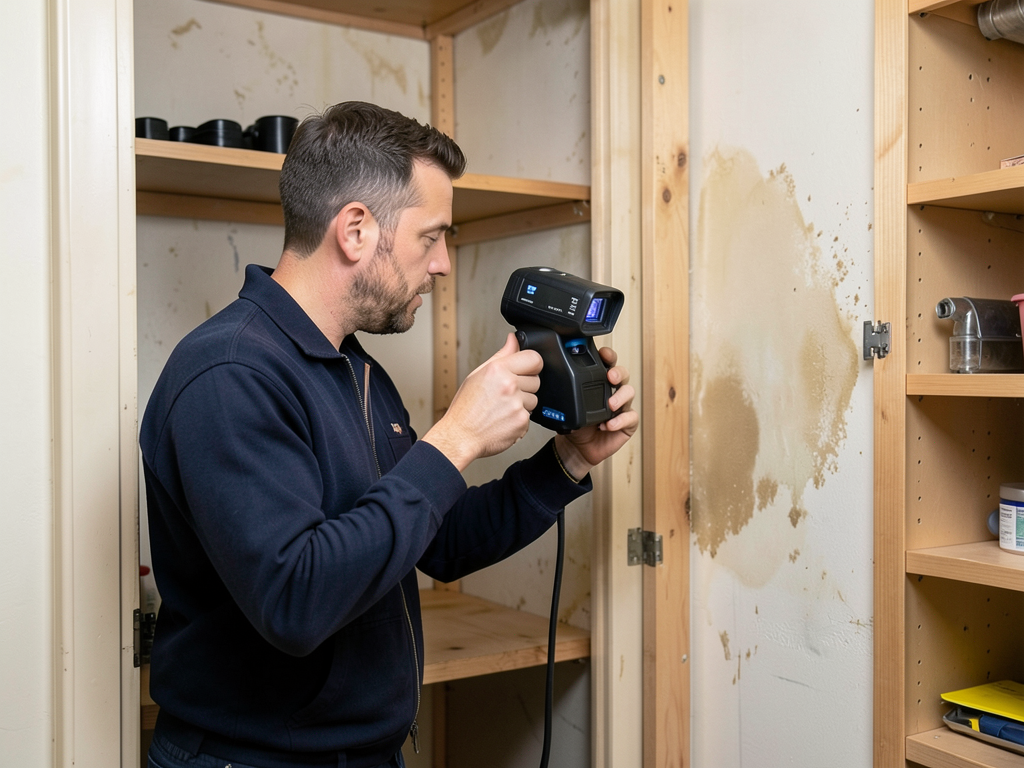
Our technicians use moisture meters to map saturation levels in carpet, padding, and subfloor before extraction begins. We document readings in a grid pattern across affected areas, identifying hidden water migration that visual inspection misses. This data guides equipment placement and determines whether padding requires removal or can be salvaged through extraction and drying.

For water damage carpet extraction, we employ weighted extraction wands that apply 150 pounds of pressure per square inch. This compression forces water up from padding into the extraction path. Standard carpet cleaning wands lack this pressure capacity and leave 60 percent of water trapped in lower layers.

After initial extraction, we position axial air movers in a directional drying pattern that creates circulation across carpet surfaces without blowing moisture into wall cavities. We pair these with commercial dehumidifiers that process 150 pints per day, removing airborne moisture that would otherwise reabsorb into carpet fibers.

San Francisco's Victorian and Edwardian homes present extraction challenges due to original hardwood subfloors. We use injectidry systems that create suction beneath carpets, pulling moisture from wood without sanding or refinishing. This technology preserves historic flooring while eliminating the moisture that causes cupping and crowning.

Emergency carpet water removal operates on a 60-minute response guarantee within San Francisco city limits. Our equipment trucks stage in centrally located facilities near the 101 corridor, ensuring rapid deployment to the Marina, Sunset, and SoMa districts. We extract water before secondary damage occurs, protecting your investment and preventing costly subfloor replacement.

What Happens During Your Carpet Extraction Service

Carpet Water Extraction in San Francisco – Same-Day Response for Flooded Homes and Businesses
01

Water Source Control

We locate and stop the water source before extraction begins. Our technicians trace visible water to broken supply lines, failed appliances, or structural leaks. We document the source with photos and moisture readings for insurance claims. If a plumbing repair exceeds our scope, we coordinate with licensed plumbers to complete shutoff while we prepare extraction equipment. Stopping the source prevents recontamination during the drying process.
02

Saturation Mapping and Extraction

We measure moisture content in carpet, padding, and subfloor using penetrating and non-invasive meters. This mapping identifies extraction zones and equipment placement. We extract standing water first with truck-mounted systems, then apply weighted wands to padding. We monitor moisture reduction in real time, adjusting pressure and extraction patterns until meters show less than 15 percent moisture content. This precision prevents over-wetting and fiber damage.
03

Controlled Environment Drying

We establish airflow patterns using calibrated air movers and dehumidifiers positioned based on room geometry and moisture distribution. We seal affected areas to control humidity and temperature, creating optimal drying conditions regardless of San Francisco's fog patterns. We monitor drying progress with daily moisture readings, adjusting equipment as needed. Final verification ensures all materials reach dry standard before equipment removal, typically within 48-72 hours.

Why San Francisco Property Owners Choose Our Extraction Team

San Francisco's unique building stock requires extraction specialists who understand how water moves through Victorian balloon framing, concrete slab foundations in newer Mission Bay condos, and raised foundation homes in the Sunset. We have worked in every neighborhood and building type across the city, from North Beach apartments to Forest Hill estates.

Our familiarity with San Francisco's Department of Building Inspection requirements ensures extraction and drying methods meet code for habitability restoration. We document moisture levels and drying progress in formats insurance adjusters and building inspectors accept, expediting claims and occupancy clearance.

When a Castro District triplex experiences water damage, our capacity to extract multiple units simultaneously prevents tenant displacement and rent loss. We coordinate with property managers to maintain access while protecting tenant belongings and privacy. Our equipment inventory includes enough air movers and dehumidifiers to dry 10,000 square feet concurrently.

We understand the urgency of emergency carpet water removal in San Francisco's competitive rental market. A flooded unit represents lost income and potential lease violations. Our extraction response time protects your revenue stream and tenant relationships. We provide detailed documentation for rent abatement negotiations and insurance claims.

Summit Water Damage Restoration San Francisco maintains relationships with carpet manufacturers and flooring suppliers throughout the Bay Area. When padding requires replacement or carpet delamination occurs, we source materials quickly and coordinate installation to minimize downtime. Our technicians receive ongoing training in extraction technology and IICRC water damage restoration standards.

The difference between surface drying and complete extraction determines whether mold appears three weeks later. We use thermal imaging cameras to verify hidden moisture elimination in wall bases and subfloor areas where trapped water creates long-term problems. This technology prevents callback situations and ensures your carpet restoration succeeds the first time.

What to Expect During Carpet Water Extraction Service

Response Time and Availability

We dispatch extraction crews within 60 minutes of your call across San Francisco. Our technicians arrive with truck-mounted equipment and moisture assessment tools ready to begin water removal immediately. We operate 24 hours daily, including holidays, because water damage does not wait for business hours. Evening and weekend response carries no premium charges. Our dispatch system prioritizes calls based on water volume and structural risk, ensuring emergency situations receive immediate attention. You receive a confirmed arrival window and direct technician contact information when you call.

Initial Assessment and Scope

Our assessment begins with moisture mapping using calibrated meters that measure water content in carpet fibers, padding, and subfloor materials. We document affected square footage, water category (clean, gray, or black), and saturation depth. We identify which materials require extraction versus replacement based on contamination level and structural integrity. You receive a written scope of work before extraction begins, detailing equipment needs, estimated drying time, and material disposal requirements. We photograph conditions and moisture readings for insurance documentation. This transparency eliminates surprise costs and establishes clear restoration expectations.

Extraction Results and Verification

Successful carpet water extraction reduces moisture content to industry dry standards, typically below 15 percent relative humidity in materials. We verify results using the same meters employed during initial assessment, comparing before and after readings in identical locations. You receive a completion certificate documenting final moisture levels and confirming materials meet safe occupancy standards. Carpets feel dry to touch and show no watermarks or discoloration when extraction completes properly. We inspect seams and edges where moisture hides, ensuring complete water removal. Any areas requiring additional attention receive targeted retreatment before final verification.

Post-Extraction Monitoring and Prevention

We provide moisture meter readings you can reference if concerns arise after equipment removal. Our technicians explain what normal carpet drying feels like versus signs of trapped moisture requiring additional service. We offer recommendations for preventing future water damage based on the source that caused your flooding incident. For properties with recurring plumbing issues, we discuss monitoring solutions and automatic shutoff systems. Follow-up inspection scheduling is available for complex extractions involving subfloor drying or large commercial spaces. We maintain service records for insurance purposes and warranty tracking on any materials we replace during restoration.

Frequently Asked Questions

You Have Questions,
We Have Answers

How to extract water from carpet? +

Start by removing standing water with a wet-dry vacuum. Work in overlapping passes, moving slowly to allow suction time. Extract from multiple angles to pull water from deep fibers and padding. After vacuuming, place fans around the wet area and run a dehumidifier to accelerate drying. Pull back carpet edges if possible to dry the subfloor underneath. For serious flooding in San Francisco homes, professional truck-mounted extraction systems remove significantly more water than home units. They also prevent secondary damage to your subfloor and joists, which matters in older Victorian and Edwardian-era properties.

How much does it cost to extract water from carpet? +

Water extraction costs typically range based on affected square footage and contamination level. Clean water from a broken pipe costs less to extract than sewage backup. Professional extraction in San Francisco generally runs higher than national averages due to cost of living and specialized equipment required for multi-story buildings common in neighborhoods like Nob Hill or Russian Hill. Most companies charge per room or by square footage. Your homeowners insurance usually covers emergency water extraction if damage results from a covered peril like burst pipes. Always get multiple quotes and verify proper licensing.

What draws urine out of carpet? +

Enzymatic cleaners break down uric acid crystals that cause persistent odor. These biological solutions digest the proteins in urine rather than masking smell. Apply enzyme cleaner generously to saturate carpet padding where urine penetrates. For pet accidents in San Francisco homes, act fast due to our humidity levels, which accelerate bacterial growth. White vinegar mixed with water works for fresh spots but does not eliminate set-in stains. Professional extraction combines enzymatic treatments with hot water extraction to remove contamination from padding. Padding replacement is often necessary for repeated accidents in the same area.

How long can carpet be wet before mold? +

Mold spores begin colonizing within 24 to 48 hours in wet carpet. San Francisco's cool, foggy climate accelerates mold growth because ambient moisture stays high year-round, especially in districts near the Bay. Your carpet padding holds moisture longer than surface fibers, creating hidden mold hazards underneath. Water from contaminated sources like sewage or floodwater introduces mold spores immediately. You need professional drying equipment running continuously within the first day to prevent microbial growth. If your carpet stays wet beyond 48 hours, replacement becomes necessary to avoid health risks and structural damage.

What tool is used to get water out of carpet? +

Professional water extractors use truck-mounted systems that generate powerful suction through heated extraction. These units remove significantly more water than portable shop vacuums. Weighted extraction wands apply pressure while vacuuming to compress carpet and force water from padding. Air movers position airflow across wet surfaces to speed evaporation. Commercial dehumidifiers remove moisture from the air to prevent redistribution. In San Francisco's older buildings with limited electrical capacity, professionals bring generators to power high-draw equipment. Moisture meters verify drying progress by measuring humidity levels in carpet, padding, and subfloors before declaring the job complete.

Does Stanley Steemer do water extraction? +

Stanley Steemer offers water extraction as part of their emergency services. However, they primarily focus on carpet cleaning rather than full-scale water damage restoration. For serious flooding in San Francisco properties, you need certified water damage specialists with IICRC training who handle structural drying, not just surface extraction. Dedicated restoration companies carry moisture detection equipment, commercial dehumidifiers, and protocols for preventing mold growth. They also document damage for insurance claims. Stanley Steemer works well for minor spills or leaks, but major water events require restoration contractors experienced with San Francisco building codes and vintage construction methods.

Does insurance cover water remediation? +

Homeowners insurance typically covers water damage from sudden and accidental events like burst pipes, appliance malfunctions, or roof leaks during storms. You must file claims quickly and begin mitigation immediately to maintain coverage. Insurance does not cover gradual damage from neglected maintenance or flooding from external water sources, which requires separate flood insurance. In San Francisco, earthquake-related water damage needs specific earthquake coverage. Your policy covers professional water extraction and drying as emergency services. Document everything with photos and keep all receipts. Most insurers require certified restoration companies to perform work for claims approval.

How much does it cost to remove 1000 square feet of carpet? +

Carpet removal costs vary by material type, padding thickness, and disposal requirements. Standard removal and disposal for 1000 square feet typically includes labor, hauling, and dump fees. Water-damaged carpet weighs significantly more due to absorbed moisture, increasing disposal costs. San Francisco disposal fees run higher than surrounding areas due to landfill regulations and transportation distance. If your subfloor needs drying or repair after carpet removal, that adds separate charges. Many restoration companies include carpet removal in their water damage restoration bid rather than itemizing it separately. Always clarify what removal includes before authorizing work.

Should you replace carpet after water damage? +

Replace carpet if water sat longer than 48 hours, if contamination came from sewage or flooding, or if mold growth started. San Francisco's persistent moisture means wet carpet rarely dries completely without professional equipment. Clean water from supply lines can sometimes be saved if extraction happens within hours and padding gets replaced. Category 2 or 3 water contamination requires immediate carpet disposal for health safety. Older carpet loses structural integrity when saturated. Your insurance adjuster determines replacement necessity based on contamination category and drying timeline. Professional moisture readings guide the decision better than visual inspection alone.

What do professional carpet cleaners use for urine? +

Professional cleaners use hospital-grade enzymatic cleaners combined with acidic rinses to neutralize urine salts. They apply bacterial enzyme solutions that digest organic waste, then extract with hot water under high pressure. Sub-surface extraction tools inject cleaning solution into padding before vacuuming it back out. For severe contamination, professionals apply oxidizing agents that break down uric acid crystals. Many San Francisco carpet cleaning companies use truck-mounted systems that heat water to temperatures killing bacteria. Proper treatment requires identifying the contamination depth with moisture meters and UV lights. Padding replacement becomes necessary when urine saturates through to subfloors.

How San Francisco's Fog Belt Climate Affects Carpet Drying After Water Extraction

The fog that rolls through the Sunset and Richmond districts carries moisture content averaging 85 percent relative humidity during summer months. This ambient moisture slows natural evaporation from extracted carpets and requires dehumidification equipment calibrated for coastal conditions. Standard air movers alone cannot overcome San Francisco's persistent dampness. We deploy low-grain refrigerant dehumidifiers that remove moisture from air regardless of outdoor fog density, creating controlled drying environments inside your property. Homes near Ocean Beach or Golden Gate Park require 20-30 percent longer drying times than properties in drier microclimates like Noe Valley or Potrero Hill. Our equipment staging accounts for these geographical moisture variations across the city's distinct neighborhoods.

San Francisco's building departments enforce strict mold prevention standards following water damage incidents. Properties must demonstrate moisture reduction to acceptable levels before occupancy restoration. Our documentation protocols align with Department of Building Inspection requirements, providing the verification needed for permit sign-off and insurance claim closure. We maintain relationships with local environmental hygienists who provide third-party clearance testing when situations require independent verification. This local network ensures your carpet water extraction meets city standards and protects your property value. Choosing extraction providers unfamiliar with San Francisco's regulatory environment risks code violations and delayed occupancy restoration.
Water Damage Restoration Services in The San Francisco Area

Our commitment to rapid response means we cover the entire San Francisco area and surrounding communities. View the map below to visualize our primary service region, which includes key neighborhoods and business districts. Whether you are located in the Financial District, the Mission, or out toward the Sunset, you can trust our 24/7 team to reach you quickly. We proudly serve both residential and commercial clients across the entire map, guaranteeing a fast and effective mitigation service the moment you need us.

Address:
Summit Water Damage Restoration San Francisco, 1390 Market St, San Francisco, CA, 94102

Additional Services We Offer

Our news updates

Latest Articles & News from The Blogs

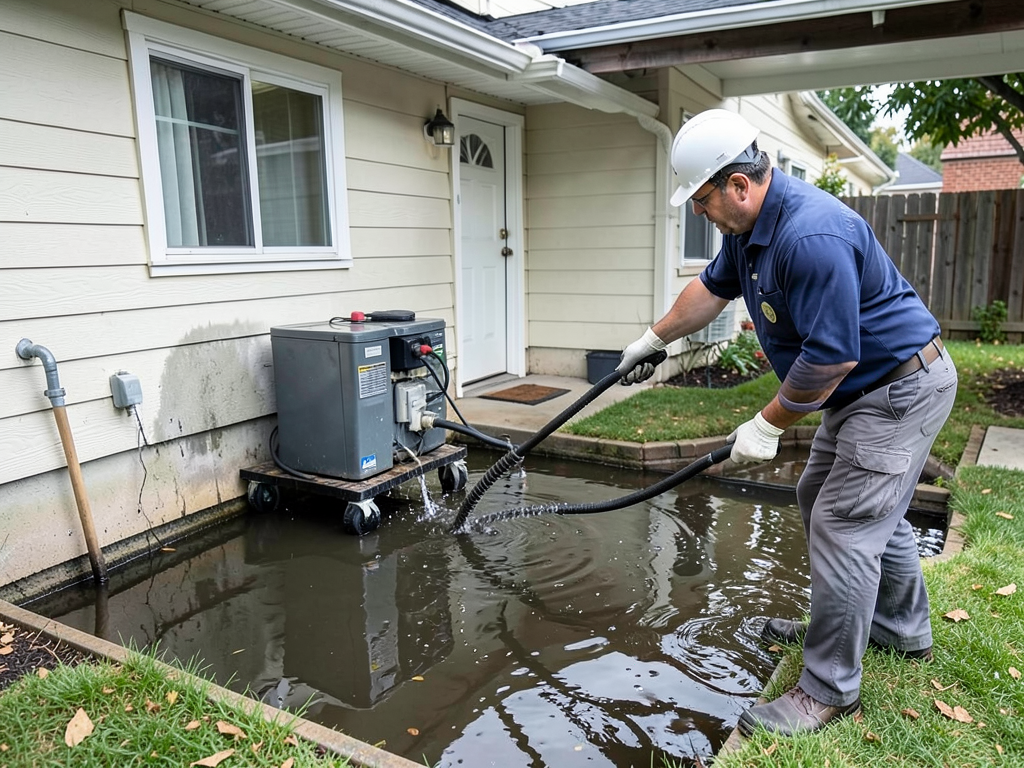
What to Do if Your New Backyard ADU Floods During a Heavy San Francisco Rain A sudden downpour in San…

What to Do if Your New Backyard ADU Floods During a Heavy San Francisco Rain

What to Do if Your New Backyard ADU Floods During a Heavy San Francisco Rain A sudden downpour in San…

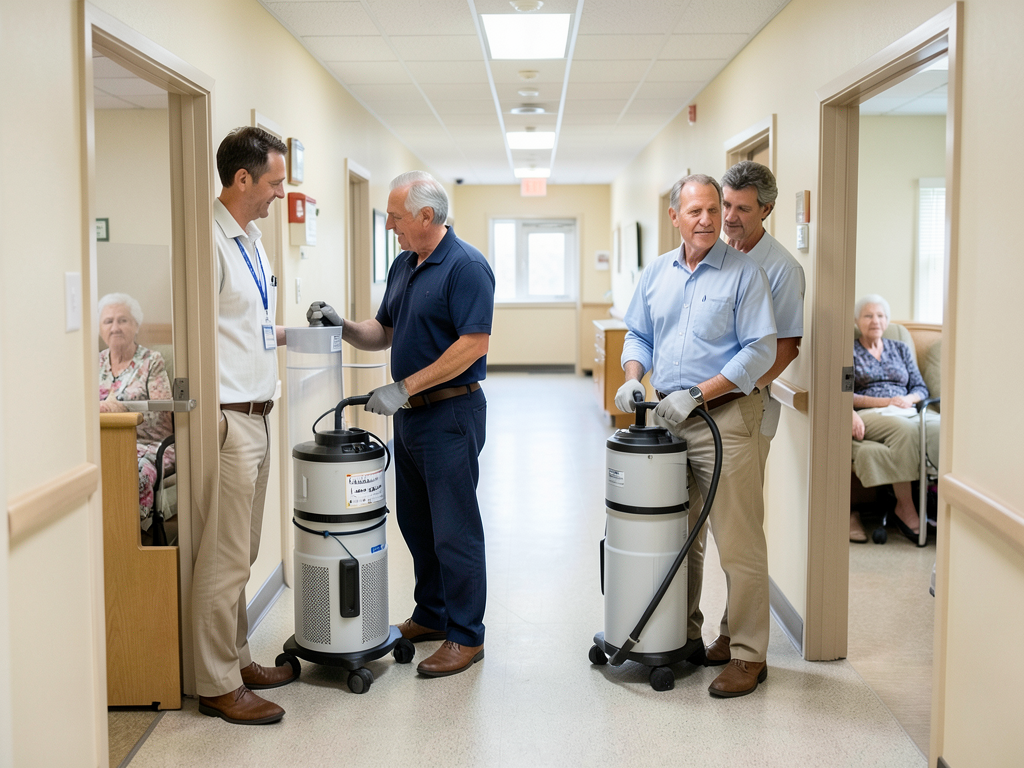
Selecting a Restoration Partner for Vulnerable Residents in a Richmond District Care Home

Specialized Senior Living Water Restoration Services in San Francisco Water damage in a Richmond District care home requires more than…

Why Your Noe Valley High Efficiency Boiler Could Be Slowly Flooding Your Utility Closet

Why Your Noe Valley High Efficiency Boiler Could Be Slowly Flooding Your Utility Closet If you live in a Noe…

Contact Us

Every hour of delayed extraction increases restoration costs and damage severity. Our trucks are ready to deploy across San Francisco right now. Call (415) 449-6555 for same-day carpet water removal and stop the damage before it becomes permanent.