


Daly City sits directly on the Pacific coast where constant fog and marine air keep humidity levels elevated year-round. Homes in neighborhoods from Westlake to St. Francis Heights experience condensation issues that accelerate mold growth after any water intrusion. The combination of older housing stock built before modern moisture barriers and clay-heavy soil that holds water around foundations creates perfect conditions for hidden damage.
When a pipe bursts or a roof leaks in Daly City, the moisture does not just evaporate like it would in drier climates. The ambient humidity slows drying and allows water to migrate through drywall, insulation, and subflooring. Homes near Lake Merced or along the Westborough corridor face additional groundwater pressure during winter storms. Many properties here have crawl spaces or basements that trap moisture and become breeding grounds for mold within 48 hours of water exposure.
The dense construction patterns in areas like Serramonte and Top of the Hill mean water from one unit can affect neighboring properties quickly. Our crews understand how water travels through Daly City's typical construction and where to look for secondary damage that property owners miss.
We opened our doors to serve the San Francisco Peninsula because we saw too many property owners getting trapped in week-long delays while water damage turned into structural disasters. Summit Water Damage Restoration San Francisco maintains staging equipment throughout Daly City so our crews arrive with everything needed to stop water migration immediately. We do not show up to assess and then leave to get equipment. Our trucks carry truck-mounted extractors, wall cavity drying systems, and thermal imaging cameras on every dispatch.
Our technicians hold IICRC certifications in water damage restoration and applied structural drying, meaning they understand the science of moisture movement through different building materials. When we arrive at a home in Broadmoor or a commercial building near the Serramonte Center, we map the full extent of water intrusion using moisture meters and infrared technology before starting extraction. This prevents the common mistake of drying visible areas while missing saturated wall cavities or subfloors.
We work as your advocate with insurance companies, providing detailed photo documentation, moisture readings, and industry-standard estimates that adjusters respect. Most claims get approved faster because we speak the language insurance companies require. Our project managers communicate daily about drying progress and coordinate directly with reconstruction contractors when repairs extend beyond water removal. Property owners do not get stuck playing phone tag between multiple vendors.
What separates our service is accountability. One project manager oversees your entire restoration from emergency call through final clearance testing. You get the same phone number throughout the process, and that person knows your property's specific conditions. We do not hand you off between departments or disappear after extraction.

Our crews stage throughout Daly City with fully loaded response vehicles. We commit to under 60-minute arrival times for emergency calls because water spreads into new materials every hour. When you call, dispatch immediately alerts the nearest available crew and sends real-time GPS tracking. You know exactly when help arrives.

We document every aspect of water damage using insurance industry standards and software that adjusters recognize. Our estimates include Xactimate pricing and detailed photo evidence of affected areas. Most property owners see faster claim approvals because we provide documentation that meets carrier requirements from the first submission.
Our technicians follow IICRC S500 standards for water damage restoration, which means scientific drying protocols instead of guesswork. We measure moisture levels in all affected materials daily and adjust equipment placement based on actual readings. You receive documentation proving your property meets industry dryness standards before we consider the job complete.
We restore water damage across every Daly City neighborhood and understand how construction types in different areas respond to moisture. Homes in older districts require different drying approaches than newer construction near the Serramonte corridor. Our crews know where water hides in local building styles and how coastal humidity affects drying times.
Water emergencies come in different forms, and each requires specific equipment and expertise. Summit Water Damage Restoration San Francisco handles everything from sudden flood events to slow leaks that have been damaging your property for weeks. Our service structure covers emergency water removal, structural drying, contamination cleanup, and full reconstruction coordination.
Every water damage situation follows a progression. First, we stop active water intrusion and extract standing water. Second, we dry all affected structural materials using commercial equipment and daily monitoring. Third, we address any contamination or mold growth that developed. Finally, we coordinate repairs to return your property to pre-loss condition. Some jobs need only extraction and drying. Others require complete reconstruction after we remove damaged materials.
We break our water restoration services into three main categories based on the type of water intrusion and contamination level. Clean water from supply lines requires different protocols than water that has contacted sewage or exterior flooding. Our crews assess the water source immediately and implement appropriate safety measures and drying techniques for each situation.
When water floods your property from burst pipes, appliance failures, or storm intrusion, immediate extraction prevents secondary damage. Our truck-mounted pumps remove thousands of gallons per hour while portable extractors pull water from carpets and pad. We relocate furniture to dry areas, remove soaked contents, and set up drying equipment before moisture spreads to unaffected rooms. Speed determines whether you face a drying project or a full renovation.
After visible water gets extracted, structural materials stay saturated for days or weeks without proper drying. We place air movers to create airflow across wet surfaces and use commercial dehumidifiers to pull moisture from the air. Wall cavities get dried using specialized injection systems. Our technicians monitor moisture levels daily using meters and adjust equipment until materials meet dryness standards. Proper drying prevents mold growth and structural deterioration.
Sewage backups, toilet overflows, and flood water from outside require contamination protocols beyond standard drying. Our crews use antimicrobial treatments and follow safety procedures for Category 2 gray water and Category 3 black water incidents. Contaminated materials get removed and disposed of properly. We sanitize affected surfaces and verify safe conditions before reconstruction begins. These situations require immediate professional response to protect health and property.
Daly City's coastal location and housing characteristics create specific water damage patterns we respond to daily. The combination of aging infrastructure in established neighborhoods, marine air that accelerates corrosion, and winter storm intensity means water intrusion happens from multiple sources. Properties near Mussel Rock and along the western hillsides face different challenges than inland homes near the San Mateo County line.
Understanding what causes water damage in your area helps property owners spot problems before small leaks become disasters. Many Daly City homes have original plumbing and roofing from construction booms in the 1950s through 1970s. These systems fail predictably as materials reach end of life. The constant moisture from fog also degrades exterior surfaces and creates entry points for storm water. Our crews respond to these common scenarios throughout all Daly City ZIP codes.
Corroded copper pipes and failed water heaters flood homes across Daly City weekly. The marine air accelerates corrosion in older plumbing systems, causing pinhole leaks and sudden ruptures. Washing machine hoses and dishwasher connections fail without warning. These incidents release clean water under pressure that spreads rapidly through multiple rooms and floors before anyone shuts off the main valve.
Winter storms drive horizontal rain against west-facing walls and overwhelm aging roof systems. Homes in exposed areas near Thornton Beach and along Skyline Boulevard take direct Pacific weather. Failed flashing around chimneys and deteriorated valley shingles let water into attics where it saturates insulation and drips through ceilings. Many property owners discover roof leaks only after water stains appear on interior walls.
Tree roots infiltrate older sewer laterals throughout established Daly City neighborhoods, causing backups that flood basements and ground-floor bathrooms. The clay soil common to this area shifts and cracks underground pipes. Combined sewer systems in some districts can overwhelm during heavy rain. Sewage contamination requires immediate professional cleanup to prevent health hazards and permanent property damage.
Properties built on Daly City's hillsides and near Lake Merced experience groundwater pressure during wet months. Water seeps through foundation cracks and basement walls, creating chronic moisture problems that support mold growth. Inadequate drainage around foundations allows water to pool against exterior walls. Crawl space flooding goes unnoticed until musty odors and floor damage become obvious throughout the home.
Water emergencies create panic, and property owners need clear information about what happens next. When you call Summit Water Damage Restoration San Francisco, you get a structured response designed to stop damage fast and start recovery immediately. Our dispatch process begins gathering information while a crew drives to your location.
We ask questions about the water source, how long it has been present, and which areas are affected. This helps our crew bring the right equipment and prepare for specific conditions at your property. You receive a call from the responding technician with arrival time updates. Most Daly City locations see crews arrive within 60 minutes of the initial call.
Once on site, our project manager walks through affected areas with you and explains what needs to happen. You get clear communication about the drying timeline, what equipment will be placed, and how we coordinate with your insurance company. We handle water damage restoration daily, and our job includes reducing your stress by managing the technical and administrative details. Here is what you can expect through each phase of working with us.
Our crew arrives with industrial extraction equipment, moisture meters, and thermal imaging cameras already loaded. The project manager documents all visible damage with photos and moisture readings before starting work. You receive an immediate assessment of what materials are affected and what drying approach will work. We explain our findings in plain language and answer all questions before equipment gets placed.
Drying takes multiple days depending on how much water penetrated building materials. Our technicians return daily to measure moisture levels, adjust equipment, and update you on progress. You get photos and readings showing how moisture levels drop each day. The same project manager handles your job from start to finish, so you always know who to call with questions or concerns.
We do not consider the job finished until moisture readings confirm all materials meet industry dryness standards. You receive final documentation with before and after measurements proving your property is ready for repairs. If reconstruction is needed, we coordinate directly with contractors and provide detailed scope documents. Your insurance company gets professional reporting that supports claim approval and proper payment.
Every water damage job follows the same scientific progression. We stop water intrusion, remove standing water, dry structural materials, and coordinate repairs. This process gets completed as quickly as conditions allow while meeting industry standards for proper restoration.
Our crew shuts off the water source if still active and begins removing standing water immediately. Truck-mounted extractors pull water from flooring while portable pumps handle deeper flooding. We move furniture and belongings to dry areas and remove soaked materials that cannot be saved. Air movers and dehumidifiers get positioned to start drying before we leave the first visit.
Drying equipment runs continuously while technicians monitor progress daily using moisture meters. We measure walls, floors, and ceilings to track how moisture levels decrease. Equipment gets adjusted or repositioned based on readings. Wall cavities receive targeted drying when moisture meters show saturation behind surfaces. This phase continues until all materials reach acceptable moisture content per IICRC standards.
Final moisture testing confirms your property meets dryness standards and equipment gets removed. You receive detailed documentation with all moisture readings and photos for insurance records. We coordinate with reconstruction contractors if repairs are needed and provide scope documents detailing required work. Your property is returned to pre-loss condition or better depending on insurance coverage and your preferences.
Proper water damage restoration follows scientific principles defined by the Institute of Inspection Cleaning and Restoration Certification in their S500 standard. These protocols exist because water behaves predictably in building materials, and improper drying leads to structural damage and mold growth. Summit Water Damage Restoration San Francisco applies these standards on every job because they work.
Water classification determines the restoration approach. Category 1 water comes from sanitary sources like supply lines and requires standard drying. Category 2 gray water contains contamination from appliances or toilet bowls and needs antimicrobial treatment. Category 3 black water from sewage or flooding requires removal of affected porous materials and complete sanitization. Our crews assess water category immediately and implement appropriate protocols.
Drying theory involves controlling four key factors: temperature, humidity, airflow, and time. Air movers create circulation across wet surfaces to accelerate evaporation. Dehumidifiers remove moisture from the air to maintain low humidity levels that allow continued evaporation. We maintain specific temperature ranges and measure progress using moisture content readings in affected materials. Drywall, wood framing, and concrete each have different drying times and target moisture levels.
Daly City's coastal humidity complicates drying because ambient moisture in the air slows evaporation from building materials. Our dehumidifiers work harder here than in dry climates, and we adjust equipment quantities based on outdoor conditions. Properties with poor ventilation or multiple affected levels require more aggressive drying approaches. The marine air that makes Daly City comfortable to live in becomes a challenge during water damage restoration.
Thermal imaging cameras show us moisture patterns invisible to the naked eye. Water wicks up walls through capillary action and spreads horizontally through floor assemblies. We use infrared technology to map the full extent of moisture intrusion before starting extraction. This prevents the common mistake of drying visible damage while missing saturated wall cavities or insulation that will grow mold within days.
Professional water restoration requires IICRC certification in Water Damage Restoration and Applied Structural Drying. These courses teach moisture science, psychrometrics, and proper equipment use. Certified technicians understand how different building materials absorb and release moisture. Insurance companies prefer working with IICRC-certified contractors because restoration follows documented industry standards that produce verifiable results. Our entire crew maintains current certifications.
Restoration costs depend on water category, affected square footage, and how long water was present before discovery. Emergency extraction costs less than full reconstruction after materials fail. Insurance typically covers sudden water damage from plumbing failures but excludes gradual deterioration from maintenance neglect. Homeowner policies include water damage mitigation coverage but often exclude flood and sewer backup without specific endorsements. Most Daly City property owners pay only their deductible when damage qualifies under policy terms.
Standard drywall and carpet dry in three to five days with proper equipment. Hardwood flooring takes seven to ten days because moisture penetrates deep into the wood. Concrete and tile assemblies require two weeks or longer depending on saturation depth. Trying to rush drying by removing equipment early leads to mold growth and material failure. Our daily monitoring ensures materials reach target moisture levels before we consider the job complete.
Mold begins growing on wet building materials within 48 to 72 hours in Daly City's humid climate. Rapid drying prevents mold establishment better than treating growth after it appears. We use HEPA air scrubbers during drying to capture airborne mold spores and maintain indoor air quality. Any materials showing visible mold get removed and disposed of properly. Antimicrobial treatments get applied to affected framing and subfloors after contaminated materials are removed.
Professional water damage restoration explanation for Daly City property owners covering emergency response procedures, structural drying science, and complete restoration processes. Learn how water spreads through coastal California homes, what equipment professionals use for proper remediation, and why rapid response prevents mold growth and structural damage. Summit Water Damage Restoration San Francisco demonstrates water extraction techniques, moisture monitoring protocols, and insurance coordination for Peninsula properties.
Summit Water Damage Restoration San Francisco serves every Daly City neighborhood from the coastal bluffs near Thornton State Beach to inland areas bordering Colma and South San Francisco. Our response vehicles stage throughout the Peninsula to ensure rapid arrival times across the entire service area.
Properties in Westlake face unique challenges due to the neighborhood's dense construction and proximity to Lake Merced. Water damage in these attached homes and condominiums often affects multiple units when supply lines fail or roofs leak. We coordinate with HOA management and property managers to address water intrusion that crosses unit boundaries. The established housing stock here includes original plumbing and building envelopes that require expert assessment when water damage occurs.
St. Francis Heights and the Crocker Amazon neighborhoods sit on hillsides where drainage issues and foundation moisture create ongoing concerns. Homes here were built decades ago before modern moisture barriers and waterproofing techniques became standard. Winter storms drive water against west-facing walls and overwhelm old gutter systems. Our crews understand how water moves through these properties and where to look for hidden moisture after storms.
The Serramonte and Broadmoor areas include newer construction mixed with mid-century homes. Commercial properties near the Serramonte Center require different restoration approaches than residential buildings. We work with business owners to minimize disruption and coordinate drying schedules around operating hours when possible. Retail and office water damage demands fast response to prevent inventory loss and business interruption.
Top of the Hill provides expansive views but sits exposed to Pacific weather. Properties along Skyline Boulevard and near the Daly City limits experience intense storm conditions that test roof systems and exterior walls. We respond to these elevated neighborhoods knowing that access can be challenging and equipment may need to be carried longer distances. Panoramic views come with weather exposure that makes proper water damage response critical.
Areas near the county line toward Colma and extending to Brisbane fall within our rapid response zone. We maintain relationships with property managers throughout multi-family buildings in these districts and respond to emergency calls day or night. Water does not respect city boundaries, and our service area extends throughout San Mateo County to ensure property owners get professional help when they need it most.
Most water damage restoration companies in Daly City offer 24/7 emergency response and aim to arrive within 60 to 90 minutes of your call. Response time depends on current demand, weather conditions, and your location within the city. Companies serving Daly City typically maintain teams ready to deploy at any hour. When you call, ask about their current availability and expected arrival time. Quick response matters because water damage spreads rapidly. Each hour of delay increases structural damage and mold growth risk. Look for local companies with multiple service vehicles in the area for faster response.
Water damage restoration expenses in Daly City vary based on damage severity, affected square footage, water category, and required services. Minor incidents like a small leak affecting one room typically fall at the lower end of the range. Major flooding affecting multiple rooms or floors increases expenses significantly. Your final bill reflects extraction, drying, dehumidification, antimicrobial treatment, and reconstruction needs. Clean water damage generally runs less than sewage contamination, which requires specialized handling. Get detailed written estimates from multiple local companies. Most provide free inspections and work directly with your insurance provider to process claims and reduce your out-of-pocket expenses.
Water damage restoration timelines in Daly City homes range from three days to several weeks. Simple cases with minimal water intrusion typically need three to five days for complete drying. Extensive flooding or sewage damage extends the process to two weeks or longer. The timeline includes water extraction, structural drying, dehumidification, cleaning, and final moisture testing. Your home's size, materials, and ventilation affect drying speed. Hardwood floors and plaster walls take longer to dry than tile and drywall. Reconstruction needs add time to the overall project. Professional teams monitor moisture levels daily to ensure thorough drying before reconstruction begins.
Most water damage restoration companies in Daly City offer 24/7 emergency response and aim to arrive within 60 to 90 minutes of your call. Response time depends on current demand, weather conditions, and your location within the city. Companies serving Daly City typically maintain teams ready to deploy at any hour. When you call, ask about their current availability and expected arrival time. Quick response matters because water damage spreads rapidly. Each hour of delay increases structural damage and mold growth risk. Look for local companies with multiple service vehicles in the area for faster response.
Water damage restoration expenses in Daly City vary based on damage severity, affected square footage, water category, and required services. Minor incidents like a small leak affecting one room typically fall at the lower end of the range. Major flooding affecting multiple rooms or floors increases expenses significantly. Your final bill reflects extraction, drying, dehumidification, antimicrobial treatment, and reconstruction needs. Clean water damage generally runs less than sewage contamination, which requires specialized handling. Get detailed written estimates from multiple local companies. Most provide free inspections and work directly with your insurance provider to process claims and reduce your out-of-pocket expenses.
Water damage restoration timelines in Daly City homes range from three days to several weeks. Simple cases with minimal water intrusion typically need three to five days for complete drying. Extensive flooding or sewage damage extends the process to two weeks or longer. The timeline includes water extraction, structural drying, dehumidification, cleaning, and final moisture testing. Your home's size, materials, and ventilation affect drying speed. Hardwood floors and plaster walls take longer to dry than tile and drywall. Reconstruction needs add time to the overall project. Professional teams monitor moisture levels daily to ensure thorough drying before reconstruction begins.
Homeowners insurance typically covers sudden and accidental water damage in Daly City, including burst pipes, appliance malfunctions, and roof leaks from storms. Policies generally exclude gradual damage from poor maintenance, flooding from external water sources, and sewer backups unless you have specific endorsements. Review your policy carefully to understand your coverage limits and deductibles. Document all damage with photos and videos before cleanup begins. Contact your insurance company immediately after discovering water damage. Many Daly City restoration companies work directly with insurers, handle claims paperwork, and help you navigate the approval process to maximize your covered benefits.
Hidden water damage in Daly City properties shows through musty odors, discolored patches on walls or ceilings, peeling paint, warped flooring, and unexplained increases in water bills. You might notice soft spots in floors, bubbling wallpaper, or dampness in carpets. Mold growth in corners or behind furniture indicates ongoing moisture problems. Check for water stains in attics, basements, and under sinks regularly. Listen for dripping sounds within walls. Condensation on windows or pipes signals excess humidity. Daly City's coastal climate and frequent fog make moisture detection harder, so schedule professional inspections annually, especially in older homes with aging plumbing systems.
Whether you stay in your Daly City home during water damage restoration depends on damage extent, affected areas, and safety concerns. Minor water damage confined to one room often allows you to remain home while crews work. Extensive flooding, sewage contamination, or mold growth requires temporary relocation for your health and safety. Power shutoffs, removed flooring, and loud equipment make staying uncomfortable. Restoration companies run dehumidifiers and air movers continuously, creating noise and drafts. If you stay, expect limited access to work areas and modified living arrangements. Your restoration company will assess safety and advise whether relocation makes sense for your specific situation.
Daly City water damage restoration companies dry flooded basements through a systematic process. First, crews extract standing water using submersible pumps and wet vacuums. They remove damaged materials like saturated drywall, insulation, and carpeting. Professional-grade air movers create airflow to evaporate moisture from surfaces. Industrial dehumidifiers remove moisture from the air. Technicians monitor humidity and moisture levels daily using specialized meters. They position equipment strategically to target hidden moisture in concrete walls and floor slabs. The process typically takes seven to fourteen days for complete drying. Teams treat surfaces with antimicrobial solutions to prevent mold growth before reconstruction begins.
Water damage restoration professionals in Daly City use moisture meters to measure water content in walls, floors, and ceilings. Infrared cameras detect hidden moisture behind surfaces without invasive testing. Submersible pumps and truck-mounted extractors remove standing water. Industrial air movers create airflow for faster evaporation. Commercial dehumidifiers pull moisture from the air, preventing secondary damage. Air scrubbers with HEPA filters remove airborne contaminants and mold spores. Hygrometers measure relative humidity levels. Professionals also use injectidry systems for hardwood floors and specialized drying mats for tile. This equipment combination ensures thorough drying and proper documentation for insurance claims and quality control.
Daly City's coastal location brings persistent fog and marine layer moisture throughout the year, especially during summer months. This constant humidity creates conditions for condensation on windows, pipes, and cold surfaces. Fog increases moisture levels in attics, crawl spaces, and poorly ventilated areas. Over time, this moisture penetrates building materials, promoting mold growth and wood rot. The fog carries salt air, which accelerates corrosion of plumbing and metal fixtures. Daly City homes need proper ventilation, dehumidification, and regular inspections to combat these effects. Homes near the coast face higher risks and require more vigilant moisture control than inland properties.
Look for IICRC certification when hiring water damage restoration companies in Daly City. The Institute of Inspection, Cleaning and Restoration Certification provides industry-standard training in water damage restoration, applied structural drying, and mold remediation. WRT (Water Damage Restoration Technician) and ASD (Applied Structural Drying) certifications demonstrate technical competence. Companies should also have proper business licenses for operating in San Mateo County. Ask about technician training programs and continuing education. Reputable companies maintain current certifications and train staff regularly on new techniques and equipment. Request proof of certification before hiring, and verify credentials through the IICRC website to ensure your chosen company meets professional standards.
Homeowners insurance typically covers sudden and accidental water damage in Daly City, including burst pipes, appliance malfunctions, and roof leaks from storms. Policies generally exclude gradual damage from poor maintenance, flooding from external water sources, and sewer backups unless you have specific endorsements. Review your policy carefully to understand your coverage limits and deductibles. Document all damage with photos and videos before cleanup begins. Contact your insurance company immediately after discovering water damage. Many Daly City restoration companies work directly with insurers, handle claims paperwork, and help you navigate the approval process to maximize your covered benefits.
Hidden water damage in Daly City properties shows through musty odors, discolored patches on walls or ceilings, peeling paint, warped flooring, and unexplained increases in water bills. You might notice soft spots in floors, bubbling wallpaper, or dampness in carpets. Mold growth in corners or behind furniture indicates ongoing moisture problems. Check for water stains in attics, basements, and under sinks regularly. Listen for dripping sounds within walls. Condensation on windows or pipes signals excess humidity. Daly City's coastal climate and frequent fog make moisture detection harder, so schedule professional inspections annually, especially in older homes with aging plumbing systems.
Whether you stay in your Daly City home during water damage restoration depends on damage extent, affected areas, and safety concerns. Minor water damage confined to one room often allows you to remain home while crews work. Extensive flooding, sewage contamination, or mold growth requires temporary relocation for your health and safety. Power shutoffs, removed flooring, and loud equipment make staying uncomfortable. Restoration companies run dehumidifiers and air movers continuously, creating noise and drafts. If you stay, expect limited access to work areas and modified living arrangements. Your restoration company will assess safety and advise whether relocation makes sense for your specific situation.
Daly City water damage restoration companies dry flooded basements through a systematic process. First, crews extract standing water using submersible pumps and wet vacuums. They remove damaged materials like saturated drywall, insulation, and carpeting. Professional-grade air movers create airflow to evaporate moisture from surfaces. Industrial dehumidifiers remove moisture from the air. Technicians monitor humidity and moisture levels daily using specialized meters. They position equipment strategically to target hidden moisture in concrete walls and floor slabs. The process typically takes seven to fourteen days for complete drying. Teams treat surfaces with antimicrobial solutions to prevent mold growth before reconstruction begins.
Water damage restoration professionals in Daly City use moisture meters to measure water content in walls, floors, and ceilings. Infrared cameras detect hidden moisture behind surfaces without invasive testing. Submersible pumps and truck-mounted extractors remove standing water. Industrial air movers create airflow for faster evaporation. Commercial dehumidifiers pull moisture from the air, preventing secondary damage. Air scrubbers with HEPA filters remove airborne contaminants and mold spores. Hygrometers measure relative humidity levels. Professionals also use injectidry systems for hardwood floors and specialized drying mats for tile. This equipment combination ensures thorough drying and proper documentation for insurance claims and quality control.
Daly City's coastal location brings persistent fog and marine layer moisture throughout the year, especially during summer months. This constant humidity creates conditions for condensation on windows, pipes, and cold surfaces. Fog increases moisture levels in attics, crawl spaces, and poorly ventilated areas. Over time, this moisture penetrates building materials, promoting mold growth and wood rot. The fog carries salt air, which accelerates corrosion of plumbing and metal fixtures. Daly City homes need proper ventilation, dehumidification, and regular inspections to combat these effects. Homes near the coast face higher risks and require more vigilant moisture control than inland properties.
Look for IICRC certification when hiring water damage restoration companies in Daly City. The Institute of Inspection, Cleaning and Restoration Certification provides industry-standard training in water damage restoration, applied structural drying, and mold remediation. WRT (Water Damage Restoration Technician) and ASD (Applied Structural Drying) certifications demonstrate technical competence. Companies should also have proper business licenses for operating in San Mateo County. Ask about technician training programs and continuing education. Reputable companies maintain current certifications and train staff regularly on new techniques and equipment. Request proof of certification before hiring, and verify credentials through the IICRC website to ensure your chosen company meets professional standards.
Our commitment to rapid response means we cover the entire San Francisco area and surrounding communities. View the map below to visualize our primary service region, which includes key neighborhoods and business districts. Whether you are located in the Financial District, the Mission, or out toward the Sunset, you can trust our 24/7 team to reach you quickly. We proudly serve both residential and commercial clients across the entire map, guaranteeing a fast and effective mitigation service the moment you need us.
Address:
Daly City, CA, 94014
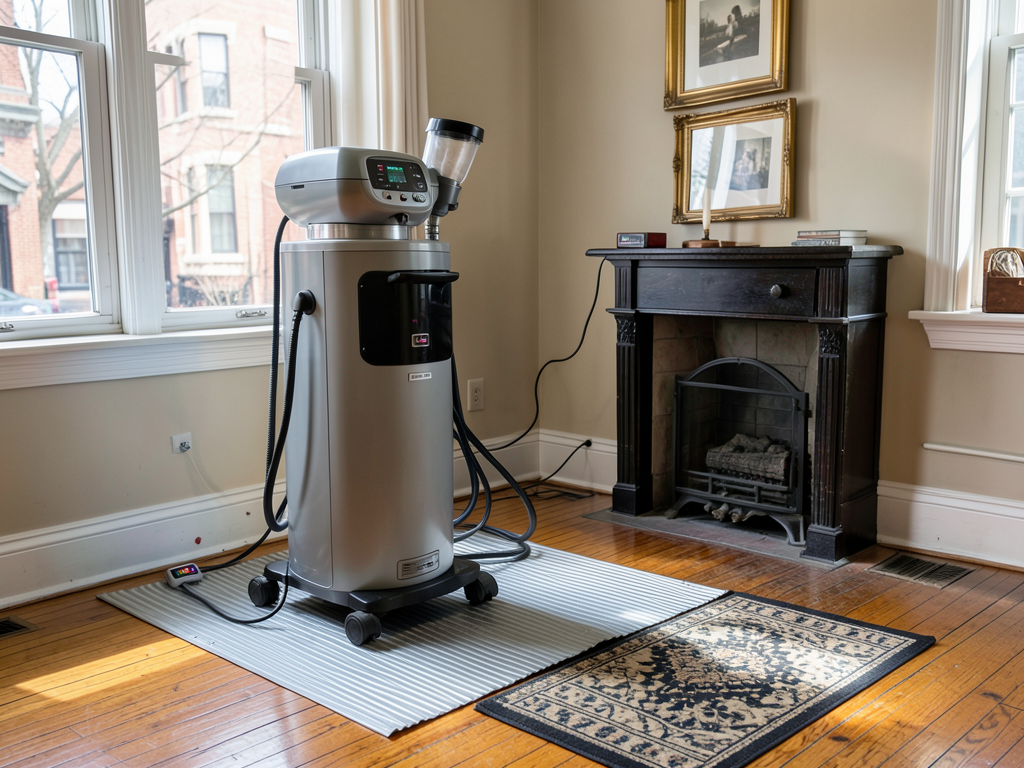
Understanding the Speed Benefits of Structural Heat Drying for a Rapid Recovery When water invades your San Francisco property every hour counts. Traditional drying methods using air movers and dehumidifiers can take 3-5 days to…
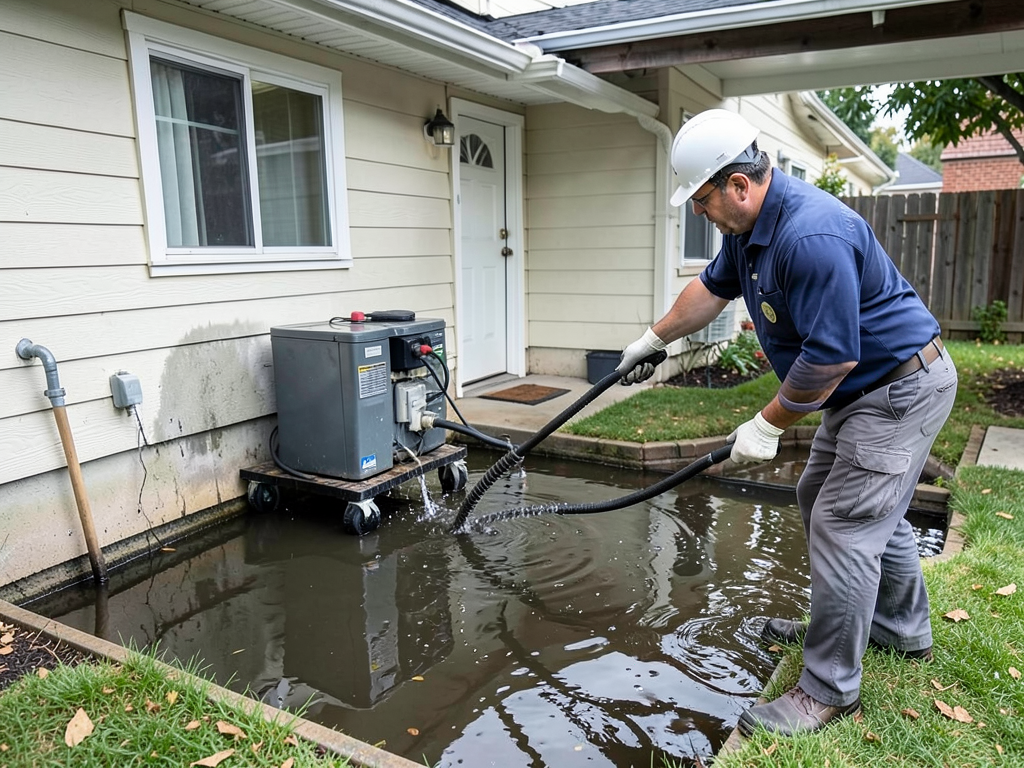
What to Do if Your New Backyard ADU Floods During a Heavy San Francisco Rain…
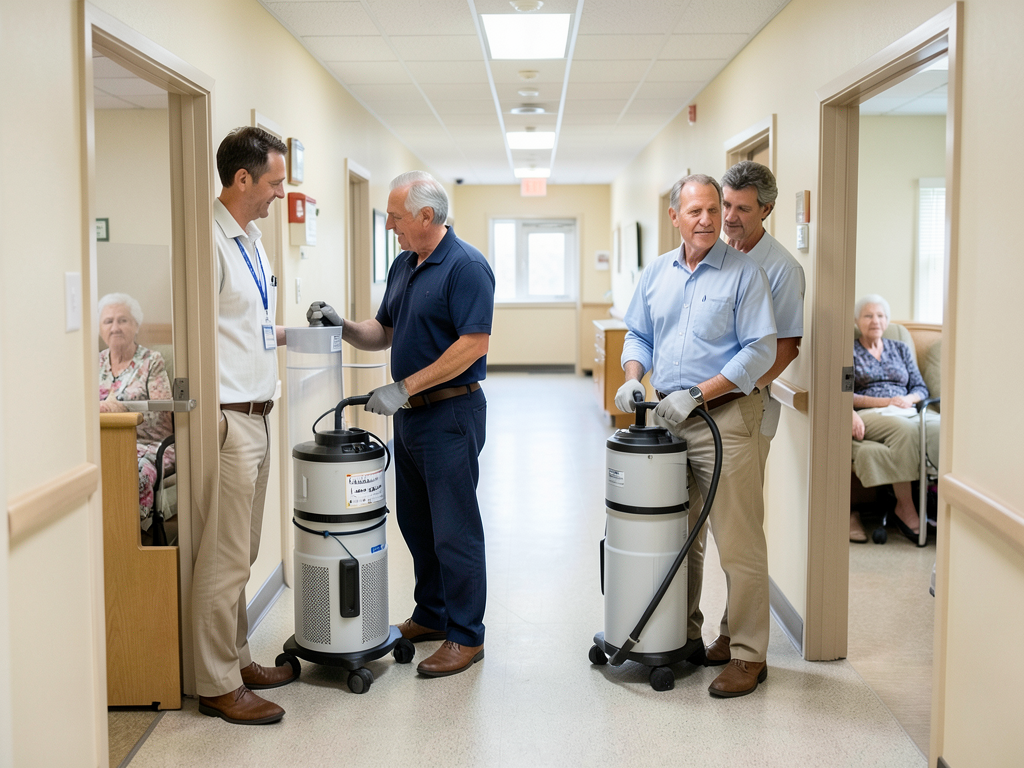
Specialized Senior Living Water Restoration Services in San Francisco Water damage in a Richmond District…
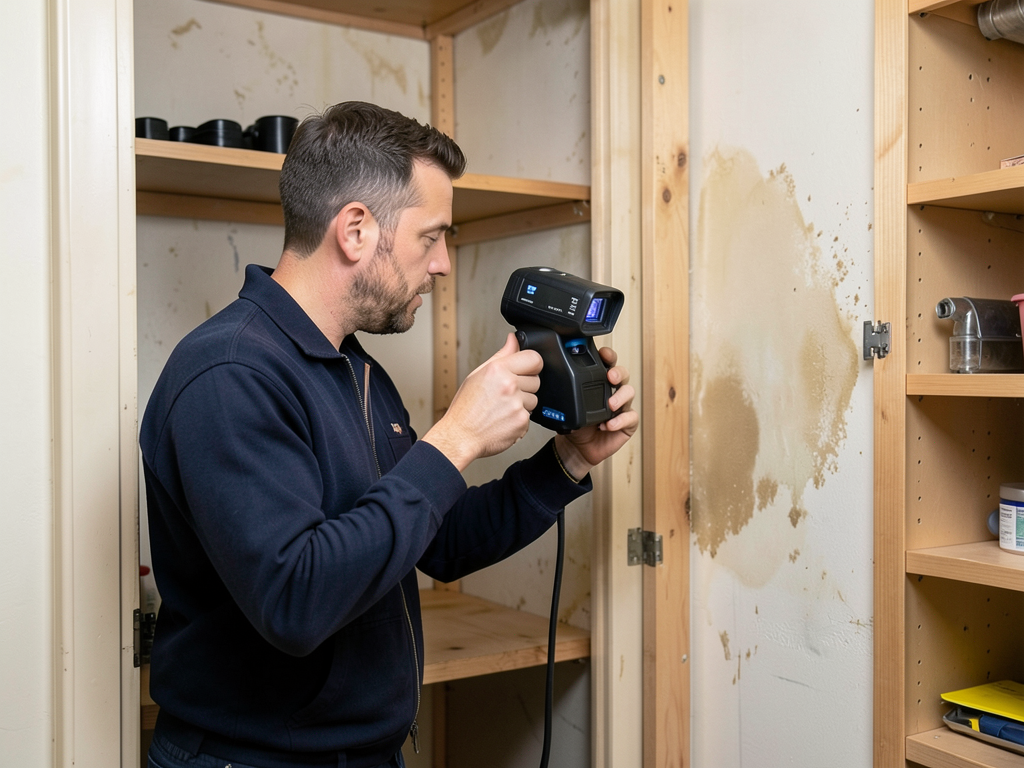
Why Your Noe Valley High Efficiency Boiler Could Be Slowly Flooding Your Utility Closet If…
Every minute matters when water is flooding your property. Summit Water Damage Restoration San Francisco dispatches crews throughout Daly City 24 hours a day. Call (415) 449-6555 right now to stop damage and start recovery. We arrive fast, work with your insurance, and restore your property properly.