menu

Fire Sprinkler Water Cleanup in San Francisco – 24/7 Emergency Response in Under 60 Minutes

When fire suppression systems discharge unexpectedly, every minute counts. Summit Water Damage Restoration San Francisco deploys certified emergency sprinkler water removal teams around the clock to stop structural damage, prevent mold growth, and get your property dry within hours, not days.

Slider Image 1
Slider Image 2
Slider Image 3
Slider Image 4
Slider Image 5
Slider Image 7
Slider Image 8
Slider Image 9
Slider Image 10
Slider Image 11

Why Fire Sprinkler Discharge Is a Catastrophic Emergency in San Francisco Properties

A single activated fire sprinkler head releases 15 to 30 gallons of water per minute. In San Francisco's dense urban architecture, where commercial high-rises and Victorian-era residential buildings sit shoulder to shoulder, accidental sprinkler discharge floods multiple floors before anyone can shut off the water main.

You are facing gallons of pressurized water pouring into walls, ceilings, and subflooring. In neighborhoods like SoMa and the Financial District, where buildings house sensitive electronics, legal documents, and inventory, this type of water intrusion destroys tens of thousands of dollars in assets within minutes.

San Francisco's marine layer climate adds another layer of urgency. Humidity levels in the Bay Area hover between 60 and 80 percent year-round. When fire suppression system water extraction does not happen immediately, moisture lingers in wall cavities and under flooring. Mold colonization begins within 24 to 48 hours in these conditions.

Burst fire sprinkler flood remediation is not a job for shop vacuums and fans. The water is often contaminated with rust, sediment, and biofilm from the sprinkler pipes. This is Category 2 gray water, which requires professional-grade extraction equipment, antimicrobial treatment, and structural drying protocols.

You need emergency sprinkler water removal that starts now, not tomorrow morning. Summit Water Damage Restoration San Francisco understands that fire sprinkler water damage restoration is a race against secondary damage. We mobilize extraction trucks, industrial dehumidifiers, and thermal imaging equipment to your property in under 60 minutes.

Why Fire Sprinkler Discharge Is a Catastrophic Emergency in San Francisco Properties
How We Stop Fire Sprinkler Flood Damage in Its Tracks

How We Stop Fire Sprinkler Flood Damage in Its Tracks

Our accidental sprinkler discharge cleanup process is built around one principle: stop the water, extract the moisture, and prevent secondary damage before it compounds.

When you call (415) 449-6555, our dispatch team gathers critical information about your sprinkler system, the affected area, and the water flow duration. We arrive with truck-mounted extraction units capable of removing thousands of gallons per hour. This is not a wet-dry vacuum. These are submersible pumps and weighted wands that pull water from carpets, pad, and subflooring in one pass.

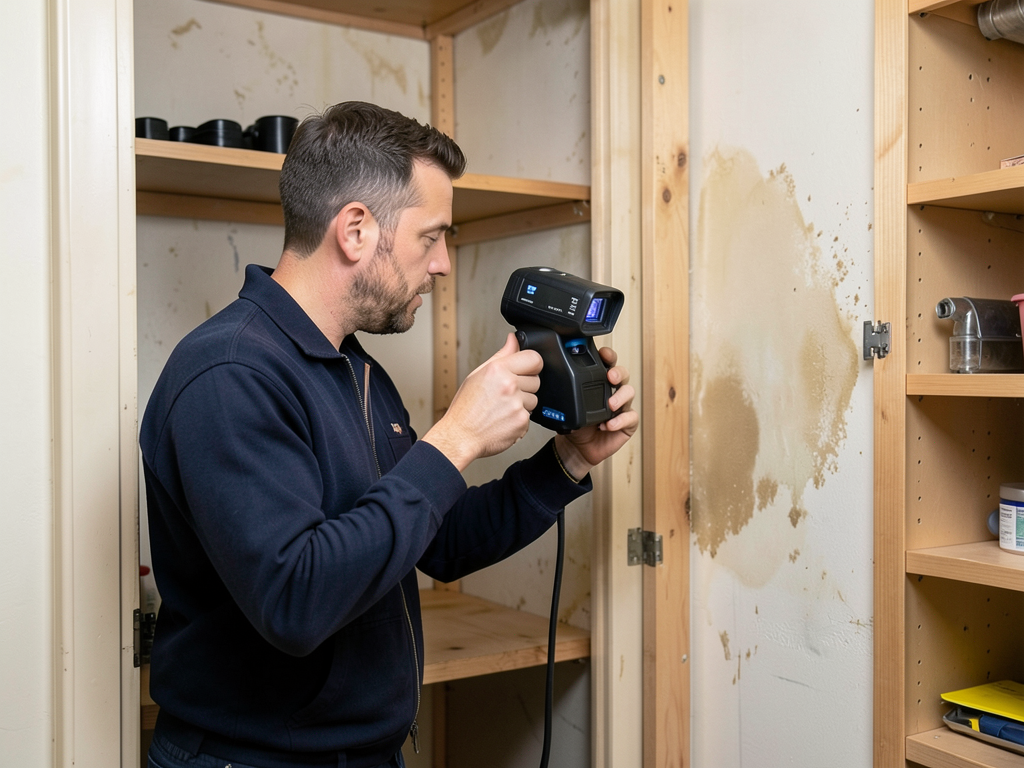
We use thermal imaging cameras to map moisture intrusion inside walls and ceiling cavities. Fire suppression system water extraction is only effective if we locate every pocket of saturation. Moisture meters measure water content in drywall, studs, and insulation. If readings exceed 16 percent, we know mold risk is imminent.

Air movers and commercial dehumidifiers create negative air pressure environments that pull moisture out of porous materials. We place equipment strategically to target the wettest areas first. In multi-story buildings, we monitor floors above and below the discharge point because water travels through HVAC chases, electrical conduits, and pipe penetrations.

We document everything with photos, moisture logs, and equipment placement diagrams. If you are filing an insurance claim for burst fire sprinkler flood remediation, this documentation is critical for adjuster approval and reimbursement.

Our goal is to return your property to pre-loss condition without tearing out structural components unnecessarily. We dry in place whenever possible, which saves you time and reduces reconstruction costs.

What Happens During Emergency Fire Sprinkler Water Extraction in San Francisco

Fire Sprinkler Water Cleanup in San Francisco – 24/7 Emergency Response in Under 60 Minutes
01

Immediate Water Extraction

We arrive with truck-mounted pumps and portable extraction units to remove standing water from floors, carpets, and subflooring. Our team identifies the water source, confirms the sprinkler system is shut down, and begins high-volume extraction to prevent water from migrating into wall cavities, HVAC systems, and lower floors. Speed here determines whether you face a cleanup or a full reconstruction.
02

Structural Moisture Mapping

After extraction, we use thermal imaging and moisture meters to locate hidden water in drywall, insulation, and framing. Fire sprinkler water often penetrates multiple layers of building materials. We create a moisture map to guide equipment placement and track drying progress. This prevents mold growth in concealed spaces and ensures we do not miss compromised structural components that could fail later.
03

Controlled Environment Drying

We install industrial air movers and dehumidifiers to create controlled airflow and drop humidity levels below 40 percent. Equipment runs continuously for 72 to 96 hours, depending on the extent of saturation. We monitor moisture readings twice daily and adjust equipment as materials dry. Once readings stabilize below 12 percent, we remove equipment and perform a final inspection to confirm your property is dry and safe.

Why San Francisco Property Owners Trust Summit Water Damage Restoration for Sprinkler Water Emergencies

You need a fire sprinkler water damage restoration company that understands San Francisco's building inventory. Our crews work in everything from 1906 earthquake-era Victorians in Noe Valley to modern glass-and-steel condos in Mission Bay. Each structure type requires different extraction and drying protocols.

Older buildings in neighborhoods like the Haight and the Richmond have plaster walls, lathe framing, and horsehair insulation. These materials absorb water differently than modern drywall and fiberglass batts. We adjust our equipment settings and drying times based on building age and material composition.

San Francisco's aggressive mold disclosure laws mean you cannot ignore water intrusion. If you are a landlord or property manager, failing to address fire suppression system water extraction properly can trigger habitability claims and legal exposure. We provide documentation that satisfies insurance adjusters, building inspectors, and legal counsel.

We are familiar with San Francisco Department of Building Inspection requirements for commercial water damage remediation. If your sprinkler discharge affects a retail space, restaurant, or office building, we coordinate with your building engineer and fire safety inspector to ensure compliance with reactivation protocols.

Our emergency sprinkler water removal teams are available 24/7 because water does not wait for business hours. We dispatch crews from our San Francisco facility, not a call center in another state. You get local technicians who know the fastest routes to your property, even during rush hour on the 101 or Bay Bridge backups.

We also understand the financial pressure of an unexpected water emergency. We work directly with your insurance carrier to streamline claims and minimize your out-of-pocket costs.

What You Can Expect During Fire Sprinkler Water Cleanup

Arrival Time and Response Speed

When you call (415) 449-6555, we dispatch a crew immediately. Our goal is arrival within 60 minutes anywhere in San Francisco, from the Marina to the Bayview. We do not wait for morning or schedule you three days out. Fire sprinkler water damage escalates by the hour, and we treat every call as the emergency it is. Our trucks carry industrial extraction pumps, thermal cameras, and enough equipment to handle multi-floor water intrusion without needing to return to the warehouse for more gear.

Initial Assessment and Moisture Detection

Before we place a single air mover, we perform a full moisture assessment using infrared thermal imaging and pin-type moisture meters. This is not guesswork. We document baseline moisture readings in walls, ceilings, and floors. We identify which materials are salvageable and which require removal. You receive a written scope of work that outlines the extraction process, equipment placement, and expected drying timeline. This documentation is critical if you are filing an insurance claim for burst fire sprinkler flood remediation.

Drying Results and Final Inspection

We do not remove equipment until moisture readings confirm your property is structurally dry. Our target is moisture content below 12 percent in all affected materials, which is the threshold for mold prevention. We perform a final walkthrough and provide you with before-and-after documentation showing moisture reduction. If reconstruction is needed, we coordinate with licensed contractors to repair drywall, flooring, and finishes. Your property is returned to pre-loss condition, not left in limbo.

Insurance Coordination and Claims Support

We work directly with your insurance carrier to document the loss, justify the scope of work, and expedite approval. Our estimates include line-item breakdowns of labor, equipment, and materials. We understand what adjusters require for accidental sprinkler discharge cleanup claims, and we provide photo documentation, moisture logs, and equipment tracking to support your claim. If your carrier disputes coverage or delays payment, we provide the technical data needed to push the claim forward. You are not navigating this alone.

Frequently Asked Questions

You Have Questions,
We Have Answers

Is fire sprinkler water clean? +

No, fire sprinkler water is not clean. Water sits stagnant in pipes for months or years, allowing bacteria, rust, sediment, and biofilm to accumulate. When a sprinkler discharges, this contaminated water floods your property. The water often appears black or rust-colored and carries a foul odor. In San Francisco's older buildings, especially in neighborhoods like the Mission or Sunset, aging pipe infrastructure worsens contamination. This water can damage floors, walls, and contents while posing health risks. You need immediate professional extraction and antimicrobial treatment. Do not attempt cleanup yourself. Call a certified water damage restoration company now to prevent mold growth and secondary damage.

What is the 3x rule for sprinklers? +

The 3x rule for sprinklers refers to spacing requirements in fire protection design. Sprinkler heads must be positioned so coverage areas do not exceed three times the distance between the sprinkler and the nearest wall. This ensures adequate water distribution during a fire event. In San Francisco commercial buildings, especially in SoMa warehouses or Financial District high-rises, this spacing is critical for code compliance. While this is a design standard, understanding it helps property owners recognize when systems may malfunction or discharge improperly. If your sprinkler activated and caused flooding, the 3x rule does not affect your cleanup urgency. You need water extraction immediately, regardless of system design.

How often do sprinkler systems need to be flushed? +

Fire sprinkler systems should be flushed annually as part of routine maintenance, though San Francisco's marine climate and older infrastructure may require more frequent servicing. During flushing, stagnant water and sediment are cleared from pipes, reducing contamination risk. Many property owners in neighborhoods like Pacific Heights or Noe Valley neglect this maintenance until a discharge occurs. If your system just activated, that stagnant, contaminated water is now flooding your property. Flushing schedules do not change your emergency. You need immediate water extraction, structural drying, and antimicrobial treatment. Standing water causes mold growth within 24 to 48 hours. Contact a water damage restoration specialist now.

How to drain water from a fire sprinkler system? +

Draining a fire sprinkler system requires shutting off the water supply valve, opening drain valves at low points in the piping, and using air pressure to clear remaining water. This is not a DIY task. San Francisco building codes and insurance policies require licensed professionals to handle sprinkler system work. If your system discharged and flooded your property, do not focus on draining pipes yourself. Your priority is extracting standing water from floors, walls, and contents before structural damage worsens. Professional water damage restoration teams have industrial pumps, dehumidifiers, and moisture meters to dry your property fast. Call a certified restoration company immediately to prevent mold and further damage.

How San Francisco's High-Rise Density and Aging Infrastructure Amplify Fire Sprinkler Water Damage

San Francisco has one of the highest concentrations of high-rise residential and commercial buildings west of Chicago. When a fire sprinkler head discharges on the 15th floor of a downtown office tower, water does not stay contained to one unit. It travels through elevator shafts, stairwells, and utility chases, affecting multiple floors in minutes. Many of these buildings were constructed between the 1960s and 1980s, and the original sprinkler piping is corroded. Accidental discharge from a burst sprinkler line can release rust-contaminated water that stains finishes and requires antimicrobial treatment. Emergency sprinkler water removal in these structures demands high-capacity extraction equipment and coordination with building management to access mechanical rooms and shut-off valves.

San Francisco's fire codes and seismic retrofit requirements mean that any water damage affecting structural components must be documented and reported. If fire suppression system water extraction reveals compromised framing or weakened shear walls, building inspectors may require engineering review before occupancy is restored. Summit Water Damage Restoration San Francisco has worked with local inspectors, property managers, and HOA boards across the city. We know what the Department of Building Inspection expects in terms of documentation, and we provide the technical reports and moisture certifications that satisfy both insurance adjusters and city officials. Choosing a local provider means you get someone who understands San Francisco's regulatory environment, not a national franchise unfamiliar with local codes.
Water Damage Restoration Services in The San Francisco Area

Our commitment to rapid response means we cover the entire San Francisco area and surrounding communities. View the map below to visualize our primary service region, which includes key neighborhoods and business districts. Whether you are located in the Financial District, the Mission, or out toward the Sunset, you can trust our 24/7 team to reach you quickly. We proudly serve both residential and commercial clients across the entire map, guaranteeing a fast and effective mitigation service the moment you need us.

Address:
Summit Water Damage Restoration San Francisco, 1390 Market St, San Francisco, CA, 94102

Additional Services We Offer

Our news updates

Latest Articles & News from The Blogs

What to Do if Your New Backyard ADU Floods During a Heavy San Francisco Rain A sudden downpour in San…

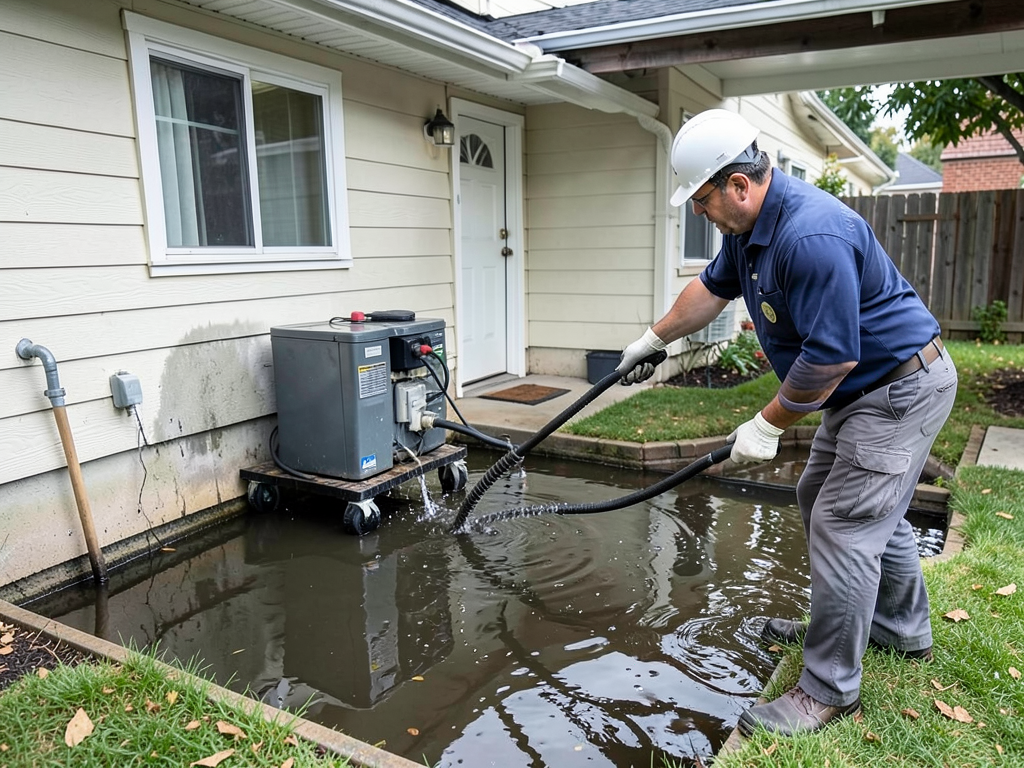
What to Do if Your New Backyard ADU Floods During a Heavy San Francisco Rain

What to Do if Your New Backyard ADU Floods During a Heavy San Francisco Rain A sudden downpour in San…

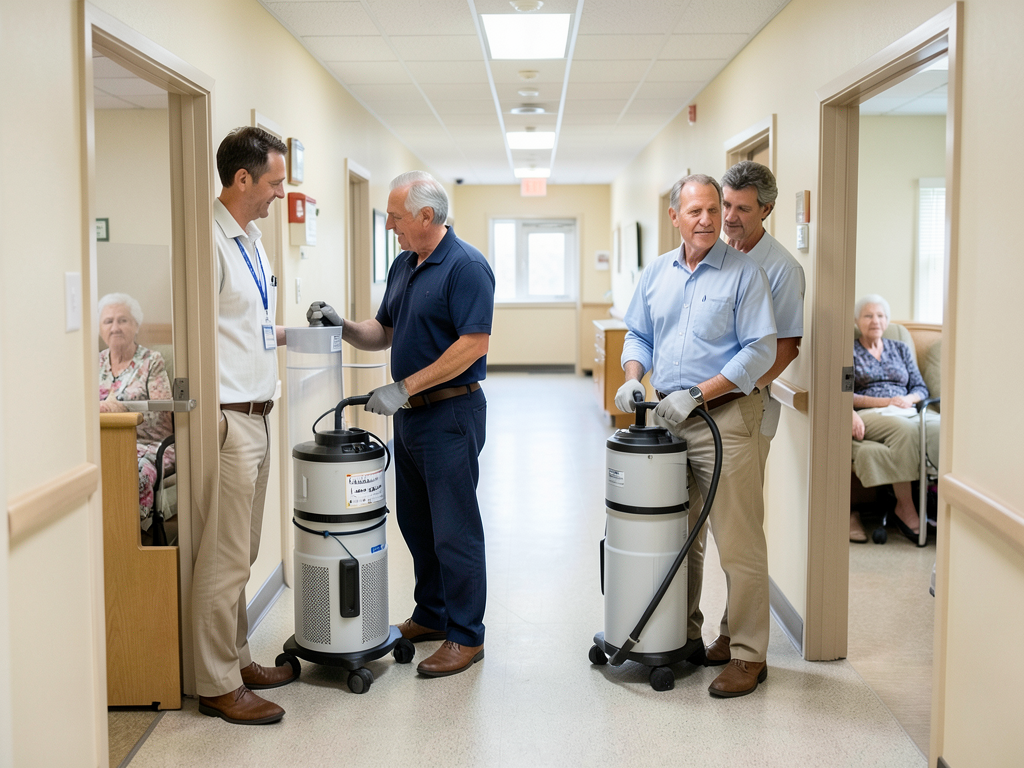
Selecting a Restoration Partner for Vulnerable Residents in a Richmond District Care Home

Specialized Senior Living Water Restoration Services in San Francisco Water damage in a Richmond District care home requires more than…

Why Your Noe Valley High Efficiency Boiler Could Be Slowly Flooding Your Utility Closet

Why Your Noe Valley High Efficiency Boiler Could Be Slowly Flooding Your Utility Closet If you live in a Noe…

Contact Us

Every minute you wait, water spreads deeper into your walls and floors. Call Summit Water Damage Restoration San Francisco at (415) 449-6555 right now. Our emergency crews are standing by 24/7 to extract water, dry your property, and prevent mold. Do not let a sprinkler accident turn into a total loss.