menu

Water Damage Restoration in San Francisco – Fast Response for Residential and Commercial Properties

Summit Water Damage Restoration San Francisco delivers comprehensive water damage restoration across the city, from emergency flood response to complete structural drying and mold prevention for homes and businesses.

Slider Image 1
Slider Image 2
Slider Image 3
Slider Image 4
Slider Image 5
Slider Image 7
Slider Image 8
Slider Image 9
Slider Image 10
Slider Image 11

Why San Francisco Properties Face Unique Water Damage Risks

San Francisco's dense fog and maritime climate create persistent moisture problems that most property owners underestimate. The city's microclimate zones mean homes in the Sunset District face different risks than properties in SoMa or Pacific Heights. Coastal fog penetrates building envelopes, saturating insulation and creating hidden moisture pockets that traditional ventilation cannot address.

The city's aging infrastructure compounds these challenges. Victorian homes in the Castro and Haight-Ashbury feature balloon framing and plaster walls that trap moisture between layers. Plumbing systems installed decades ago fail without warning, sending water cascading through multiple floors before you discover the source. In commercial buildings downtown, old cast iron drain lines corrode from the inside, causing catastrophic backups that flood ground-floor retail spaces and basement storage areas.

Water damage remediation in San Francisco requires understanding how the city's unique construction methods interact with its climate. Wood-frame buildings on hillside lots in Noe Valley and Twin Peaks face slope drainage issues that channel runoff directly into foundations. When winter storms hit, overwhelmed municipal storm drains back up through basement floor drains in the Richmond and Excelsior districts.

Every hour you wait after water intrusion allows damage to spread. Hardwood floors cup and buckle. Drywall wicks moisture upward through capillary action. Mold spores begin colonizing damp surfaces within 24 to 48 hours. Water damage cleanup must start immediately to prevent secondary damage that costs far more than the initial water removal services.

The difference between surface water and structural saturation determines whether you need basic extraction or complete water damage mitigation involving wall cavity drying and antimicrobial treatment.

Why San Francisco Properties Face Unique Water Damage Risks
How Professional Water Damage Repair Protects Your Property

How Professional Water Damage Repair Protects Your Property

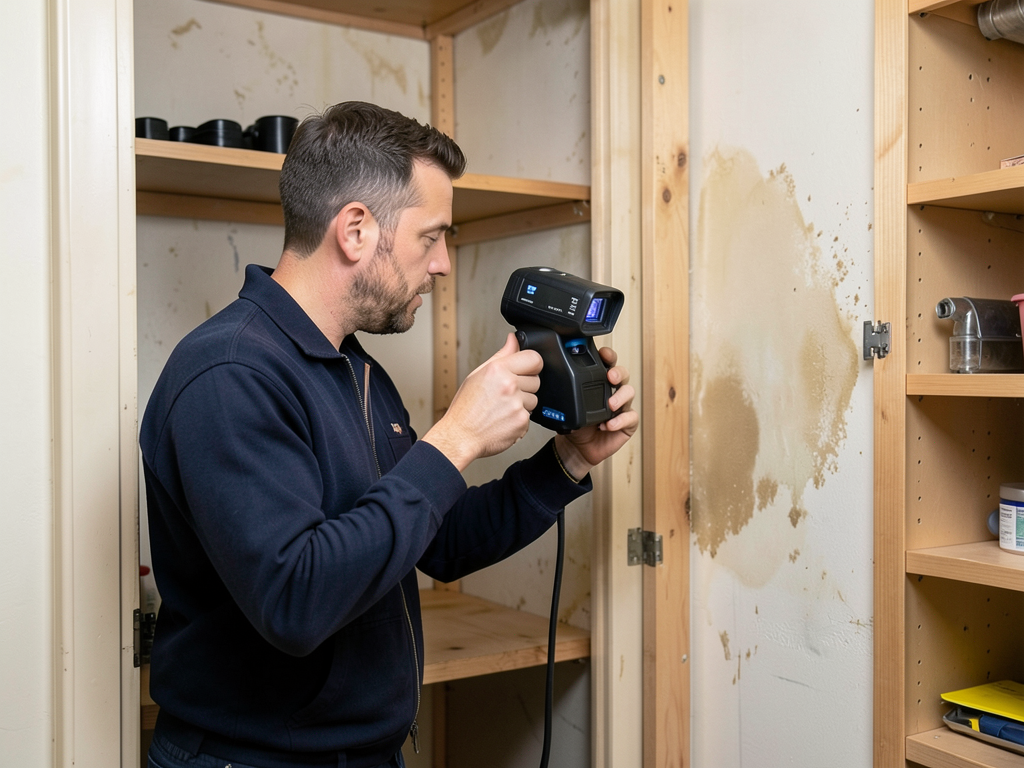
Water damage restoration is not about running fans and hoping for the best. It requires moisture mapping using thermal imaging cameras and penetrating moisture meters to identify all affected materials, including those hidden behind finished surfaces. We measure moisture content in wood framing, measure relative humidity in wall cavities, and document everything for insurance claims.

Extraction comes first. Truck-mounted extractors remove standing water faster than any shop vacuum, pulling hundreds of gallons per hour from carpets and pad. For hardwood floors, we use weighted extraction mats that create negative pressure zones, drawing water up through the wood grain without causing further cupping. In commercial spaces with VCT or luxury vinyl plank, we inject drying equipment beneath the flooring to salvage expensive installations.

Structural drying requires calculated air movement and dehumidification. We place axial air movers to create laminar airflow across wet surfaces, which accelerates evaporation rates. Low-grain refrigerant dehumidifiers pull moisture from the air, creating a vapor pressure gradient that pulls moisture from materials into the air where it can be captured. This is not the same as opening windows and hoping Bay Area fog will somehow help.

Water damage mitigation includes antimicrobial application on all affected surfaces. San Francisco's mild temperatures and high humidity create ideal conditions for microbial growth. We apply EPA-registered antimicrobials to all exposed framing, subfloor, and wall cavities before reconstruction begins. This step is not optional if you want to prevent future mold problems.

Summit Water Damage Restoration San Francisco uses moisture monitoring throughout the drying process. We take daily readings and adjust equipment placement based on drying progress. Most residential water damage cleanup takes three to five days of active drying. Commercial projects with concrete floors or multi-story buildings take longer because these materials release moisture slowly.

What Happens During Your Water Damage Restoration Project

Water Damage Restoration in San Francisco – Fast Response for Residential and Commercial Properties
01

Emergency Water Extraction

We arrive with truck-mounted extraction equipment and portable pumps to remove standing water immediately. Our technicians identify the water source, stop active flow if possible, and extract water from all affected areas. We document the extent of damage with photos and moisture readings for your insurance claim. This initial extraction prevents secondary damage and begins the drying timeline.
02

Structural Drying Setup

After extraction, we place air movers and dehumidifiers throughout your property based on psychrometric calculations. We remove baseboards to expose wall cavities, drill weep holes in trapped areas, and position equipment for maximum drying efficiency. Thermal imaging reveals hidden moisture in ceilings and walls. We monitor temperature, humidity, and moisture content daily, adjusting equipment as materials dry to industry standards.
03

Final Verification and Clearance

We continue drying until all materials reach their dry standard moisture content levels. Final verification involves comprehensive moisture mapping to confirm no elevated readings remain. We provide a completion certificate documenting that your property is dry and ready for reconstruction. This clearance is what your insurance adjuster and contractor need before repairs begin. We coordinate directly with your restoration contractor if needed.

Why San Francisco Property Owners Choose Summit Water Damage Restoration

San Francisco's building stock is unlike anywhere else. We work in Victorian flats with lathe and plaster walls, mid-century apartments with post-and-beam construction, and modern condominiums with concrete and steel framing. Each construction type requires different drying strategies and equipment configurations. Generic water damage cleanup approaches fail because they ignore these material differences.

We understand San Francisco's permitting and code requirements. When water damage affects structural elements or requires electrical work, we coordinate with the Department of Building Inspection to ensure compliance. Projects in historic districts like Alamo Square or the Mission require additional sensitivity to preservation standards. We work with homeowners and property managers to navigate these requirements while moving your project forward.

Our response time matters in a city where traffic and narrow streets create access challenges. We stage equipment throughout San Francisco to reach properties quickly, whether you need water removal services in the Financial District at 2 AM or emergency response in the Outer Sunset on a weekend. We carry specialized equipment for high-rise buildings, including portable units that fit in service elevators and stairwells.

Summit Water Damage Restoration San Francisco maintains relationships with insurance adjusters, property management companies, and restoration contractors across the city. This network speeds up your claims process and reconstruction timeline. We provide detailed documentation that satisfies insurance requirements, including moisture logs, equipment placement diagrams, and photographic evidence of all affected areas.

You need a water damage restoration company that treats your property like it matters. We protect unaffected areas with plastic sheeting and floor protection. We communicate clearly about timelines and what to expect. When we say the job is complete, you receive verification that proves it.

What to Expect When You Call Summit Water Damage Restoration

Immediate Response and Arrival Time

We answer calls 24 hours a day, every day of the year. When you call (415) 449-6555, you speak with a person, not an answering service. We dispatch technicians immediately for emergency water damage situations. Most San Francisco properties receive service within 60 to 90 minutes of your call, depending on traffic conditions and your location. We arrive with extraction equipment, moisture detection tools, and drying equipment already loaded. Non-emergency water damage mitigation projects receive same-day or next-day scheduling based on your availability. Speed matters because every hour of delay increases damage severity and restoration costs.

Comprehensive Damage Assessment

Our initial inspection identifies all affected materials, not just visible damage. We use thermal imaging cameras to detect moisture in walls, ceilings, and floors. Penetrating moisture meters measure water content in wood framing and subfloors. We map the full extent of saturation and identify the water category, which determines what materials can be dried and what requires removal. You receive a written scope of work detailing all necessary services before we begin. This assessment includes documentation your insurance company needs to process your claim. We explain our findings in plain language so you understand what happened and what we need to do to fix it.

Thorough Drying and Verification

We dry your property to industry standards established by the Institute of Inspection, Cleaning and Restoration Certification. This means materials reach their dry standard moisture content, not just surface dryness. We take daily moisture readings and provide progress reports throughout the drying process. Most residential water damage cleanup projects take three to five days of active drying. Larger commercial projects or situations involving concrete take longer. We do not remove equipment until verification testing confirms the job is complete. You receive final documentation showing before and after moisture readings for all affected areas.

Documentation and Insurance Coordination

We handle water damage restoration claims daily and know what insurance companies require. You receive detailed documentation including photos, moisture logs, equipment logs, and a final completion certificate. We communicate directly with your adjuster and provide any additional information they request. If your claim involves questions about causation or coverage, we provide factual findings about what we observed and what services were necessary. This documentation protects you if disputes arise later. We also coordinate with your chosen contractor for any reconstruction work needed after drying is complete, ensuring a smooth transition from water damage repair to full restoration.

Frequently Asked Questions

You Have Questions,
We Have Answers

How much does water damage remediation cost? +

Cost depends on the damage severity, water source, and affected square footage. Minor leaks in a single room start lower, while extensive flooding across multiple floors costs more. Category 3 water contamination requires specialized protocols, increasing expense. San Francisco's older building stock, common in neighborhoods like the Mission and Haight-Ashbury, often demands structural drying and potential mold remediation. Your insurance coverage plays a role. Most companies provide free inspections to assess damage and walk you through cost factors before starting work. Act fast, San Francisco's coastal humidity accelerates secondary damage and mold growth.

What does water damage restoration include? +

Water damage restoration includes water extraction, structural drying, dehumidification, and sanitization. Technicians remove standing water using pumps and vacuums, then deploy industrial air movers and dehumidifiers to dry walls, floors, and subfloors. Moisture meters track progress. If contamination is present, antimicrobial treatments follow. In San Francisco's Victorian and Edwardian homes, restoration may include removing damaged plaster, drying wall cavities, and documenting moisture levels for insurance. Mold prevention starts immediately. The goal is to return your property to pre-loss condition while preventing long-term structural issues and health hazards.

Can water damage be repaired? +

Yes, most water damage is repairable if addressed quickly. Rapid extraction and drying prevent permanent structural issues and mold colonization. Drywall, flooring, and insulation may need replacement depending on saturation levels and water category. In San Francisco's older homes, particularly those with original hardwood floors or plaster walls, professional assessment is critical. Some materials can be salvaged with proper drying, others cannot. The first 24 to 48 hours are decisive. Delaying response allows water to migrate through building materials, increasing repair scope and cost. Professional equipment makes the difference between salvageable and total loss.

Is water damage restoration worth it? +

Yes. Water damage restoration prevents catastrophic long-term problems that cost far more to fix later. Unaddressed water creates structural decay, mold infestations, and electrical hazards. In San Francisco, where fog and coastal moisture already stress building envelopes, water intrusion accelerates rot in framing and sill plates. Mold remediation alone, if delayed, can exceed initial restoration costs. Insurance typically covers sudden water damage, making professional restoration financially sensible. Your property value depends on structural integrity. DIY attempts often miss hidden moisture in wall cavities and subfloors, leading to recurring issues. Professional restoration protects your investment.

Does insurance pay for water restoration? +

Most homeowner policies cover sudden and accidental water damage, like burst pipes or appliance failures. Insurance typically pays for extraction, drying, repairs, and temporary housing if needed. Coverage excludes gradual damage from neglect or lack of maintenance. In San Francisco, where aging plumbing in older buildings creates risk, documentation matters. Take photos, contact your insurer immediately, and prevent further damage. Your restoration company should provide detailed moisture logs and photo evidence for your claim. Flood damage requires separate flood insurance. Review your policy exclusions and deductibles before filing.

Will insurance pay out for water damage? +

Insurance pays for covered perils only. Sudden events like pipe bursts, water heater failures, or storm-related leaks are usually covered. Gradual seepage, foundation cracks, or deferred maintenance are not. In San Francisco's dense urban environment, water damage from neighboring units or street-level flooding may involve liability questions. Your adjuster will assess cause and coverage. Document everything immediately. Restoration companies familiar with San Francisco insurers can help you navigate the claims process, provide required documentation, and communicate directly with adjusters. Deductibles apply. Understand your policy limits before damage occurs.

How likely is mold after water damage? +

Mold growth is probable within 24 to 48 hours if water damage is not properly dried. San Francisco's mild, humid climate accelerates spore germination on wet organic materials like drywall, wood, and insulation. Category 2 and 3 water contain nutrients that feed mold colonies faster. Visible mold is often just surface evidence. Hidden growth in wall cavities or under flooring poses health risks and requires professional remediation. Rapid extraction and thorough drying with commercial dehumidifiers prevent colonization. If mold appears, containment and HEPA filtration are necessary to avoid cross-contamination during removal.

What does category 3 damage look like? +

Category 3 water damage involves grossly contaminated water from sewage backups, flooding, or seawater intrusion. You will see black or gray water with visible debris, strong odors, and potential contamination on all surfaces. Materials like carpets, drywall, and insulation exposed to Category 3 water require removal and disposal, not salvage. San Francisco's aging sewer infrastructure and proximity to the Bay increase Category 3 risk during heavy rains or seismic events. This water contains pathogens, chemicals, and biological hazards. Professional remediation with full PPE, antimicrobial treatment, and containment barriers is mandatory for safety.

How to get the most out of a water damage claim? +

Document everything before cleanup begins. Take photos and videos of all damage, including hidden areas like crawl spaces and attics. Contact your insurer immediately and ask about coverage limits and required documentation. Stop further damage by shutting off water sources, but avoid major cleanup that erases evidence. Keep receipts for temporary repairs and housing. Hire a restoration company experienced with San Francisco insurance claims to provide detailed moisture readings, equipment logs, and scope documentation. Ask your adjuster about depreciation, code upgrades, and additional living expenses. Review your policy for hidden benefits like mold coverage or ordinance updates.

What not to do after water damage? +

Do not delay calling professionals. Do not use household vacuums on standing water, they create electrocution risk. Do not ignore safety hazards like electrical outlets near water or structural instability. Do not assume materials are dry because surfaces feel dry, moisture hides in subfloors and wall cavities. In San Francisco's older homes, do not disturb potential asbestos or lead paint during cleanup. Do not throw away damaged items before photographing them for insurance. Do not use bleach on mold without proper containment, it spreads spores. Do not wait, San Francisco's humidity accelerates secondary damage and mold colonization within 48 hours.

How San Francisco's Fog Belt and Aging Infrastructure Amplify Water Damage Risks

San Francisco's fog belt neighborhoods face chronic moisture exposure that weakens building materials over time. The Sunset and Richmond districts experience fog 108 days per year on average, creating conditions where exterior walls never fully dry between fog events. This persistent dampness degrades caulking around windows, compromises flashing details, and allows water intrusion through building envelopes that would remain watertight in drier climates. When a pipe breaks or appliance fails in these already-moisture-stressed buildings, the water damage spreads faster because materials are already near their fiber saturation point. Water damage remediation in fog belt areas often reveals pre-existing moisture problems that went undetected until a sudden water event made them visible.

The city's building stock includes thousands of structures built before modern plumbing codes. Properties in North Beach, Chinatown, and the Tenderloin often have galvanized steel supply lines and cast iron drain systems installed 70 to 100 years ago. These systems fail without warning, causing water damage that requires immediate professional response. Summit Water Damage Restoration San Francisco understands how these older buildings are constructed and where hidden water migration occurs. We know that balloon-framed Victorians allow water to travel vertically through wall cavities across multiple floors. This local construction knowledge determines where we place moisture meters and how we configure drying equipment for maximum effectiveness.
Water Damage Restoration Services in The San Francisco Area

Our commitment to rapid response means we cover the entire San Francisco area and surrounding communities. View the map below to visualize our primary service region, which includes key neighborhoods and business districts. Whether you are located in the Financial District, the Mission, or out toward the Sunset, you can trust our 24/7 team to reach you quickly. We proudly serve both residential and commercial clients across the entire map, guaranteeing a fast and effective mitigation service the moment you need us.

Address:
Summit Water Damage Restoration San Francisco, 1390 Market St, San Francisco, CA, 94102

Additional Services We Offer

Our news updates

Latest Articles & News from The Blogs

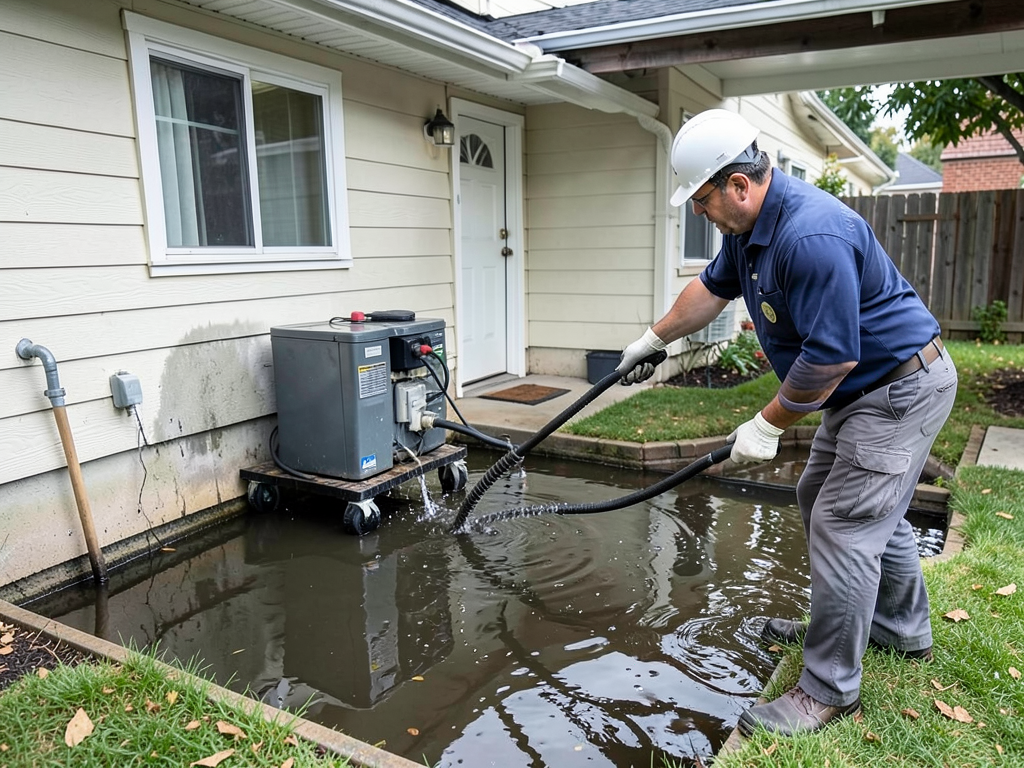
What to Do if Your New Backyard ADU Floods During a Heavy San Francisco Rain A sudden downpour in San…

What to Do if Your New Backyard ADU Floods During a Heavy San Francisco Rain

What to Do if Your New Backyard ADU Floods During a Heavy San Francisco Rain A sudden downpour in San…

Selecting a Restoration Partner for Vulnerable Residents in a Richmond District Care Home

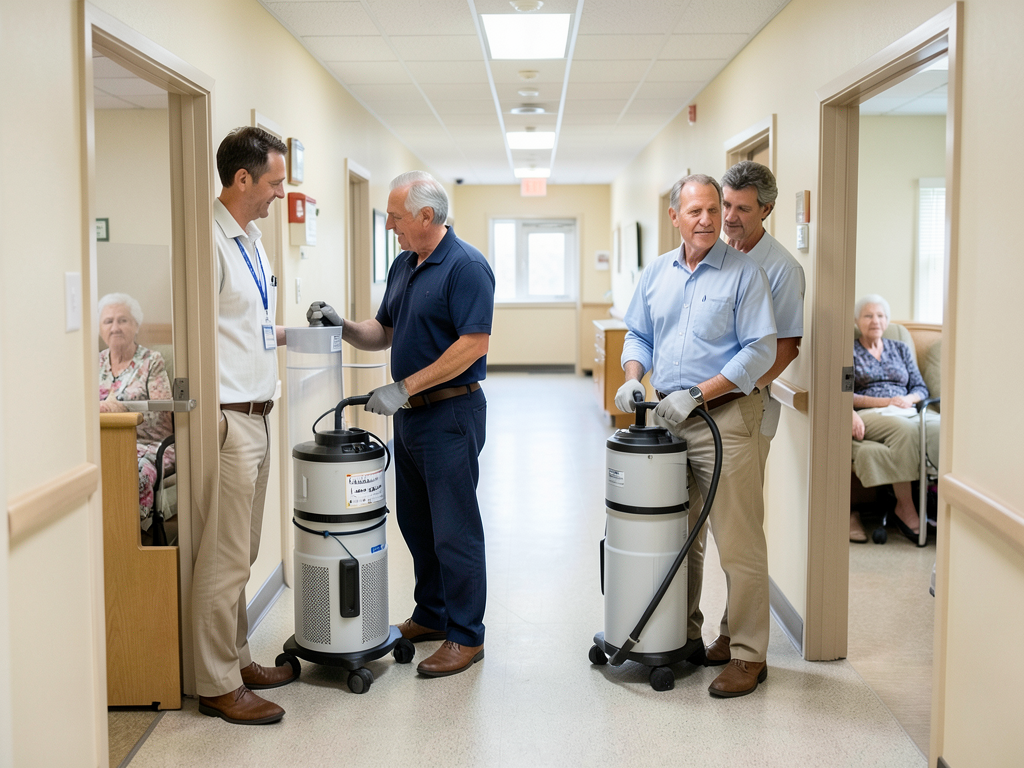
Specialized Senior Living Water Restoration Services in San Francisco Water damage in a Richmond District care home requires more than…

Why Your Noe Valley High Efficiency Boiler Could Be Slowly Flooding Your Utility Closet

Why Your Noe Valley High Efficiency Boiler Could Be Slowly Flooding Your Utility Closet If you live in a Noe…

Contact Us

Water damage gets worse every hour you wait. Call Summit Water Damage Restoration San Francisco at (415) 449-6555 for immediate response. We provide 24-hour emergency service with fast arrival times and complete documentation for your insurance claim.