
menu

Choosing a Restoration Company in San Francisco – Find the Right Water Damage Contractor Fast

San Francisco homeowners need fast, reliable help after water emergencies. Learn how to vet restoration contractors, spot red flags, and hire a water mitigation service that protects your property and your wallet.

Slider Image 1
Slider Image 2
Slider Image 3
Slider Image 4
Slider Image 5
Slider Image 7
Slider Image 8
Slider Image 9
Slider Image 10
Slider Image 11

Why Selecting a Water Damage Contractor in San Francisco Requires Local Knowledge

San Francisco homes face unique water damage risks. Dense fog and persistent marine moisture create hidden humidity problems. Older Victorian and Edwardian architecture, common in neighborhoods like the Mission and Haight-Ashbury, often features outdated plumbing and poor subfloor ventilation. When a pipe bursts or a slab leak develops, water spreads fast through historic hardwood and plaster.

You need a restoration company that understands these local vulnerabilities. Hiring a water mitigation service without local expertise risks incomplete drying, which leads to mold growth in as little as 48 hours. San Francisco's tight housing market and high property values make mistakes expensive. A bad contractor can leave you with hidden damage, insurance claim disputes, and thousands in secondary repairs.

Finding a reputable water damage company means looking beyond online ads. You need to verify licensing, check references from similar properties, and confirm they carry proper liability coverage. The wrong choice leaves you exposed. The right choice stops the damage, documents everything for your insurer, and restores your home correctly the first time.

Vetting restoration contractors starts with asking the right questions. Do they use thermal imaging to find hidden moisture? Can they work directly with your insurance adjuster? Do they understand San Francisco's strict permitting requirements for structural repairs? These details separate professionals from opportunists who vanish after cashing your deposit.

Why Selecting a Water Damage Contractor in San Francisco Requires Local Knowledge
How to Pick a Restoration Company That Delivers Results

How to Pick a Restoration Company That Delivers Results

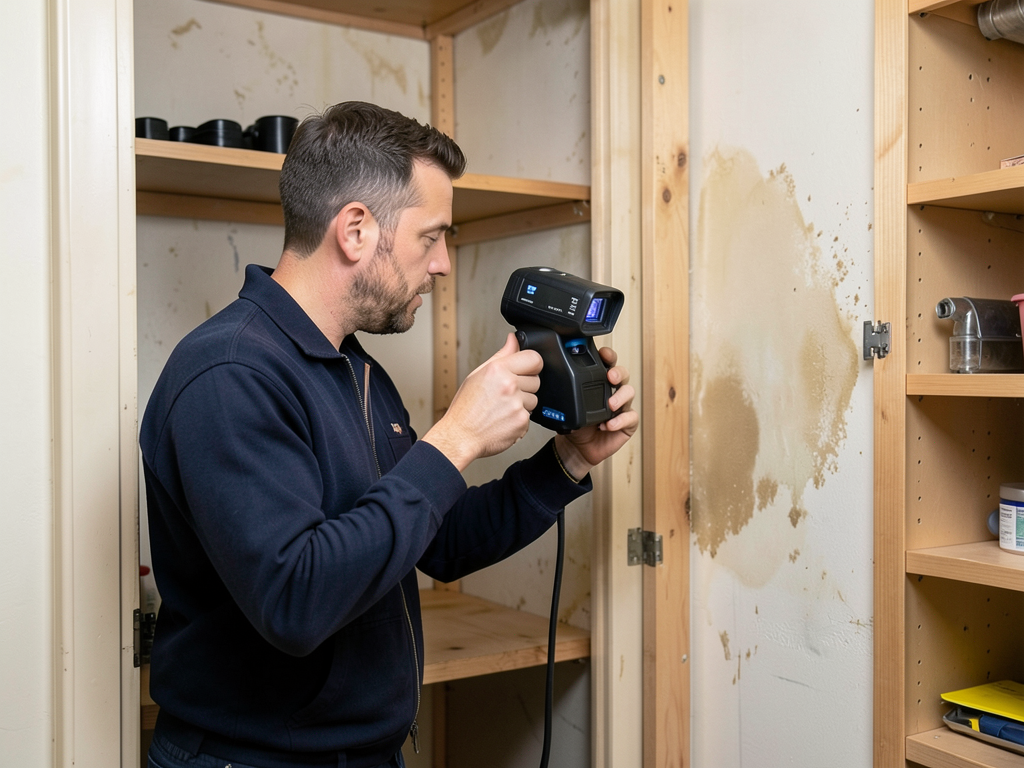
The best water damage contractors follow a systematic approach. They start with moisture mapping using infrared cameras and pin-type moisture meters. This technology reveals water intrusion you cannot see, like saturation behind baseboards or under vinyl flooring. Without this step, contractors miss pockets of moisture that breed mold and rot framing lumber.

Professional mitigation includes negative air pressure containment. Technicians seal affected rooms with polyethylene sheeting and use HEPA-filtered air scrubbers to prevent cross-contamination. This protects unaffected areas of your home and maintains indoor air quality during drying. Low-grade contractors skip containment and spread contaminated air throughout your house.

Drying equipment matters. Commercial-grade axial fans move 3,000 cubic feet per minute. Low-grain refrigerant dehumidifiers pull moisture from the air faster than consumer units. Proper placement creates airflow patterns that dry structural cavities, not just surface materials. Technicians monitor progress daily with moisture readings and adjust equipment placement based on data.

Documentation protects you during insurance claims. Quality contractors photograph every stage, log moisture readings in a drying log, and provide detailed scope-of-work estimates. They communicate directly with adjusters and explain technical findings in language insurance companies accept. This transparency prevents claim denials and ensures you receive full coverage for repairs.

Summit Water Damage Restoration San Francisco uses this evidence-based approach on every project. We do not guess. We measure, document, and verify dryness before removing equipment.

The Three-Step Vetting Process for Restoration Contractors

Choosing a Restoration Company in San Francisco – Find the Right Water Damage Contractor Fast
01

Verify Credentials Immediately

Confirm the contractor holds an active California Contractor's License and carries general liability insurance plus workers' compensation coverage. Ask for their license number and verify it through the Contractors State License Board website. Request a certificate of insurance showing current coverage limits. Unlicensed contractors leave you liable for job site injuries and cannot pull permits for structural repairs required by San Francisco building codes.
02

Evaluate Technical Capabilities

Ask about their moisture detection equipment and drying methodology. Professional contractors use thermal imaging cameras, penetrating moisture meters, and thermo-hygrometers to assess damage accurately. They should explain their containment procedures, air filtration systems, and how they calculate drying times based on material porosity and environmental conditions. Vague answers about "industrial fans" signal inadequate technical knowledge that leads to incomplete drying and mold growth.
03

Review Documentation Practices

Quality contractors provide detailed written estimates with line-item pricing for labor, equipment, and materials. They document pre-loss conditions with photos and maintain daily moisture logs throughout the drying process. Ask how they handle insurance claims and whether they provide supplemental documentation if your adjuster requests additional information. Contractors who refuse to put agreements in writing or pressure you to sign blank work authorizations are operating unethically.

Why San Francisco Homeowners Trust Local Restoration Experts

San Francisco properties require specialized knowledge. The city's building codes, particularly for structures built before 1978, mandate lead-safe work practices during demolition and reconstruction. Out-of-area contractors often miss these requirements, creating health hazards and code violations that delay repairs and increase costs.

Local restoration companies understand the permit process. Minor repairs require permits from the Department of Building Inspection. Contractors must navigate San Francisco's strict review process, which includes seismic safety evaluations for structural work. National franchises without established relationships at city agencies face delays that extend your displacement and increase living expenses.

The city's Mediterranean climate creates specific mold risks. Morning fog produces condensation on cold surfaces. Homes in fog-belt neighborhoods like Sunset and Richmond need aggressive dehumidification to prevent secondary mold growth after water damage. Contractors from drier climates underestimate these moisture loads and remove equipment too early, leading to microbial amplification within wall cavities.

Summit Water Damage Restoration San Francisco maintains relationships with local building inspectors, insurance adjusters, and specialty trades. We know which plumbers can respond within two hours for emergency shut-offs. We understand the historic preservation requirements that apply to homes in designated districts. This local integration speeds your recovery and prevents the bureaucratic delays that frustrate out-of-town contractors.

We serve the greater San Francisco metro because we live here. Our technicians recognize the difference between earthquake retrofitting and standard foundation work. We know which neighborhoods have cast iron sewer lines prone to failure. This knowledge protects you from contractors who treat every job the same.

What Professional Water Damage Restoration Includes

Emergency Response Timeline

Reputable contractors offer 24/7 emergency dispatch. Technicians should arrive within 60-90 minutes of your call to assess damage and begin water extraction. Speed matters because building materials absorb water rapidly. Drywall wicks moisture vertically at roughly one inch per hour. Delays allow contamination to spread and increase demolition requirements. Quality companies maintain on-call crews specifically for after-hours emergencies, not answering services that schedule callbacks the next business day.

Comprehensive Damage Assessment

Professional assessment includes moisture mapping of all affected areas plus adjacent spaces where water may have migrated. Technicians use thermal imaging to identify temperature differentials that indicate wet insulation or hidden leaks. They test moisture content in flooring, walls, and ceilings using both non-invasive and penetrating meters. This data determines equipment placement and establishes baseline readings for tracking drying progress. Contractors should provide a written moisture map with readings documented by room and material type.

Certified Dry Standards

Materials must reach specific moisture content levels before reconstruction begins. Wood framing should measure below 15% moisture content. Concrete slabs need readings under 4% before installing new flooring. Professional contractors verify these standards with calibrated meters and provide final documentation showing all areas meet industry drying goals. This certification protects you from contractors who remove equipment based on visual inspection rather than measured data. Proper verification prevents callbacks for musty odors and mold growth weeks after the contractor leaves.

Post-Mitigation Support

Quality restoration companies coordinate reconstruction or connect you with licensed contractors for repairs beyond their scope. They maintain communication with your insurance adjuster throughout the claim process and provide supplemental documentation if additional damage is discovered. Professional companies offer monitoring services after equipment removal to confirm no residual moisture issues develop. This follow-through distinguishes full-service restoration companies from emergency-only water extraction services that leave you to manage reconstruction alone.

Frequently Asked Questions

You Have Questions,
We Have Answers

How San Francisco's Fog Belt and Historic Housing Complicate Restoration Contractor Selection

San Francisco's marine layer creates persistent humidity that slows drying times compared to inland areas. Homes in western neighborhoods like Parkside and Outer Richmond experience morning fog that deposits moisture on exterior walls, which migrates indoors after water damage events. Selecting a water damage contractor requires finding teams with low-grain refrigerant dehumidifiers powerful enough to overcome this ambient moisture. Contractors from dry climates often underestimate equipment requirements and leave jobs before materials reach safe moisture levels. The city's Victorians, with balloon framing and minimal vapor barriers, allow water to travel vertically through wall cavities across multiple floors, requiring extensive moisture mapping that inexperienced contractors miss.

Finding a reputable water damage company in San Francisco means verifying familiarity with local building codes and historic preservation requirements. The Department of Building Inspection enforces strict standards for work on properties in designated historic districts like Alamo Square and Pacific Heights. Contractors must understand when permits are required and how to navigate the city's discretionary review process. Summit Water Damage Restoration San Francisco maintains working relationships with local building inspectors and understands the documentation requirements that prevent project delays. We know which materials match historic profiles and which modern products meet code without triggering preservation conflicts. This local expertise protects your property value and ensures repairs comply with all municipal requirements.
Water Damage Restoration Services in The San Francisco Area

Our commitment to rapid response means we cover the entire San Francisco area and surrounding communities. View the map below to visualize our primary service region, which includes key neighborhoods and business districts. Whether you are located in the Financial District, the Mission, or out toward the Sunset, you can trust our 24/7 team to reach you quickly. We proudly serve both residential and commercial clients across the entire map, guaranteeing a fast and effective mitigation service the moment you need us.

Address:
Summit Water Damage Restoration San Francisco, 1390 Market St, San Francisco, CA, 94102

Additional Services We Offer

Our news updates

Latest Articles & News from The Blogs

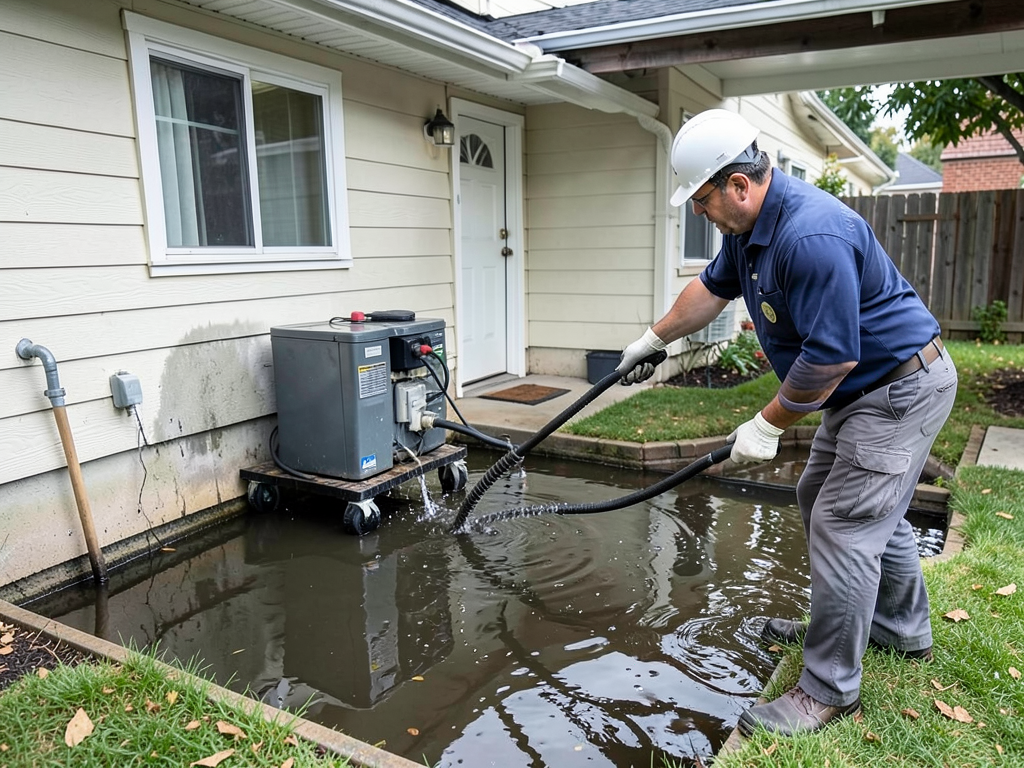
What to Do if Your New Backyard ADU Floods During a Heavy San Francisco Rain A sudden downpour in San…

What to Do if Your New Backyard ADU Floods During a Heavy San Francisco Rain

What to Do if Your New Backyard ADU Floods During a Heavy San Francisco Rain A sudden downpour in San…

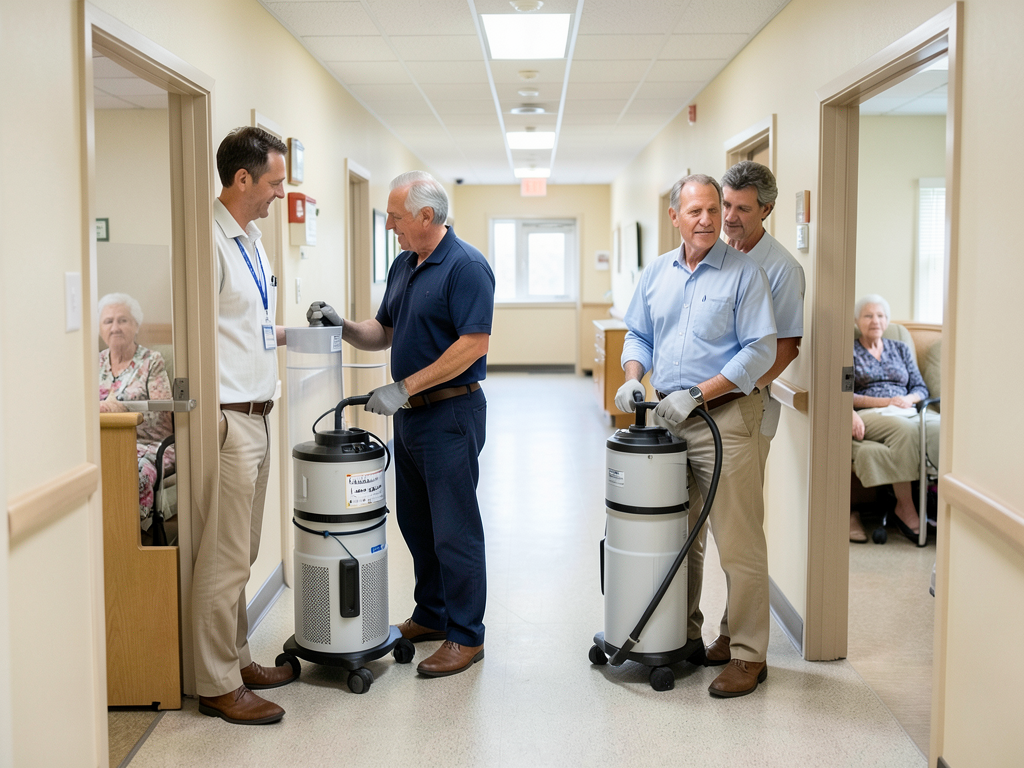
Selecting a Restoration Partner for Vulnerable Residents in a Richmond District Care Home

Specialized Senior Living Water Restoration Services in San Francisco Water damage in a Richmond District care home requires more than…

Why Your Noe Valley High Efficiency Boiler Could Be Slowly Flooding Your Utility Closet

Why Your Noe Valley High Efficiency Boiler Could Be Slowly Flooding Your Utility Closet If you live in a Noe…

Contact Us

Water damage worsens every hour you wait. Call Summit Water Damage Restoration San Francisco at (415) 449-6555 right now for a free consultation. Our technicians will walk you through the vetting process and answer your questions about selecting a qualified contractor. We are available 24/7 for emergencies.