menu

Water Heater Burst Cleanup in San Francisco – Emergency Response in 60 Minutes or Less

Summit Water Damage Restoration San Francisco deploys certified water heater flood damage restoration crews to your property within the hour, stopping water spread before structural damage escalates and insurance claims become complicated.

Slider Image 1
Slider Image 2
Slider Image 3
Slider Image 4
Slider Image 5
Slider Image 7
Slider Image 8
Slider Image 9
Slider Image 10
Slider Image 11

Why a Burst Water Heater Floods San Francisco Homes Faster Than You Think

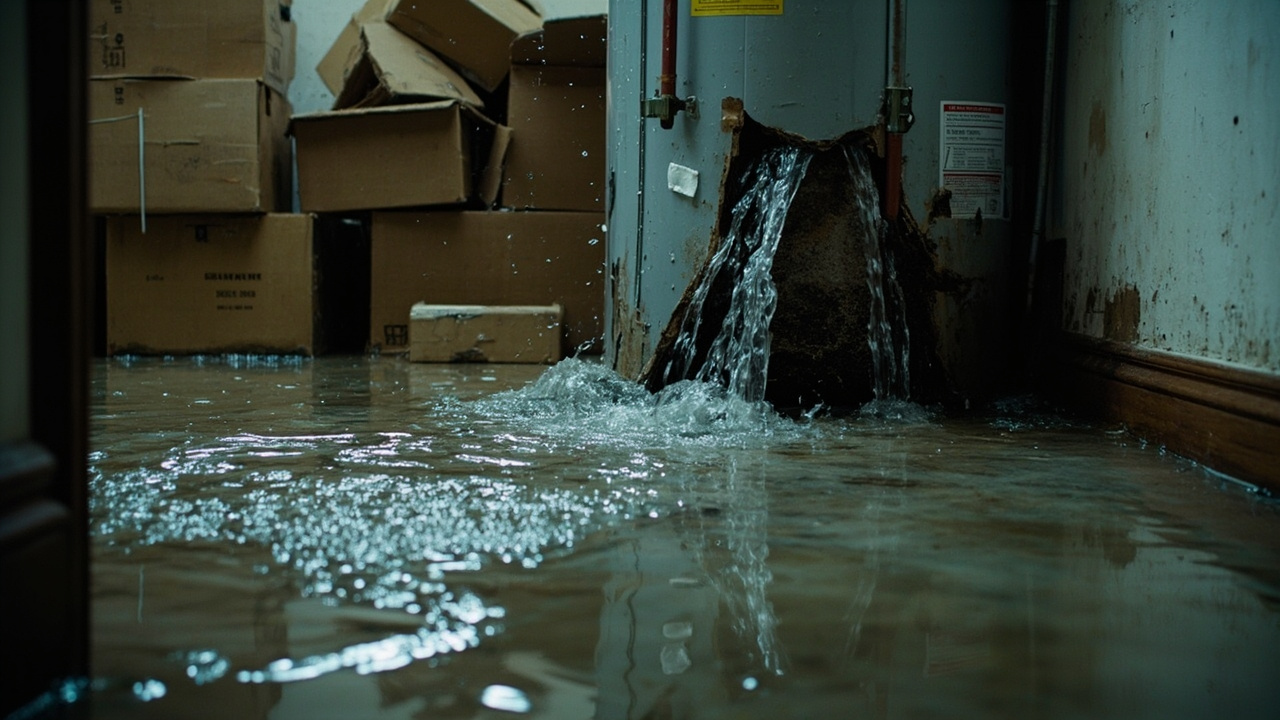
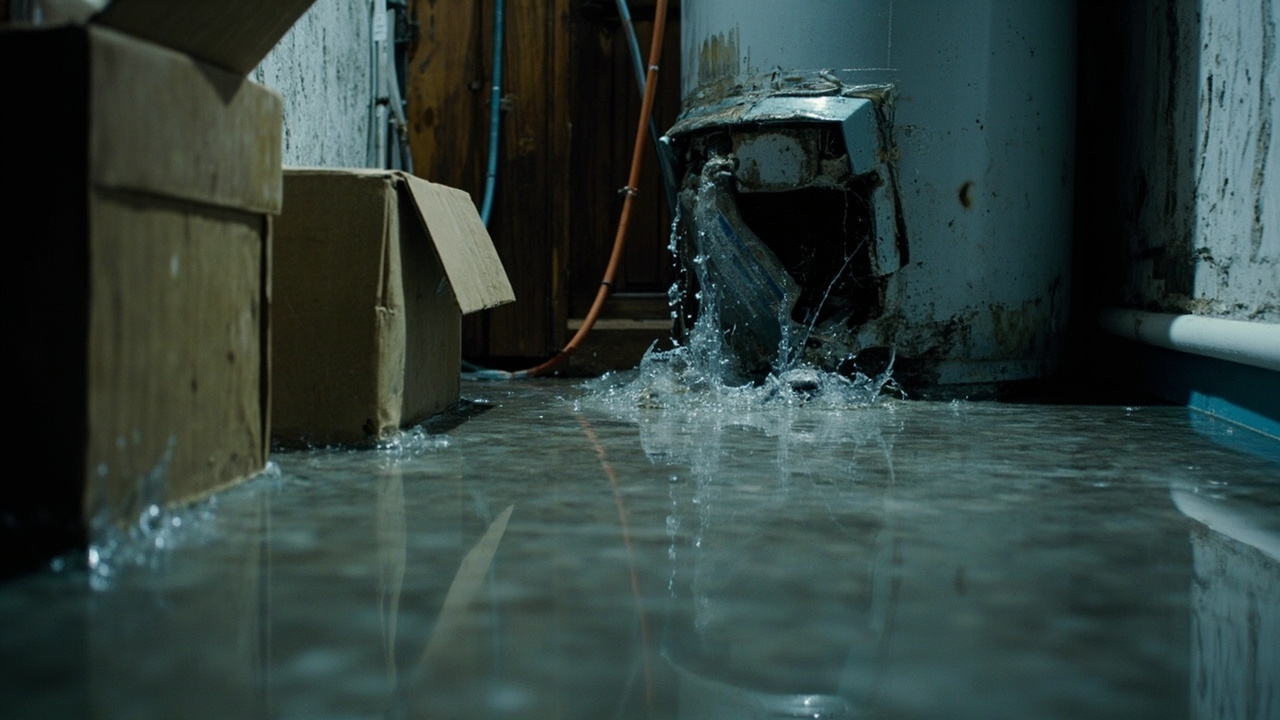
A ruptured water heater releases 40 to 80 gallons of water in minutes. In San Francisco's multi-story Victorian and Edwardian homes, that water doesn't stay put. It flows through floor joists, seeps into wall cavities, and runs downstairs into ground-floor units or basements. The city's aging housing stock, much of it built before 1950, lacks modern moisture barriers. Wood lath and horsehair plaster absorb water like a sponge. Within six hours, mold spores begin colonizing damp surfaces.

San Francisco's marine layer keeps humidity elevated year-round, especially in the Sunset, Richmond, and Outer Mission districts. This moisture-rich air slows evaporation and accelerates microbial growth after a water heater flood. Salt air from the Pacific corrodes tank linings faster than inland climates, making burst hot water tank cleanup an urgent reality for homes west of Twin Peaks.

You have a narrow window to prevent permanent damage. Water migrates through subflooring, saturates drywall, and compromises electrical systems. Insurance adjusters expect immediate mitigation. Delays turn a containable emergency water heater water removal into a total gut job. The longer water sits, the more your claim grows and the harder restoration becomes.

Ruptured water heater cleanup services are not about mopping up puddles. They require extraction equipment, structural drying, moisture mapping, and antimicrobial treatment. Every minute counts when your home is taking on water.

Why a Burst Water Heater Floods San Francisco Homes Faster Than You Think
How We Stop Water Damage in Its Tracks

How We Stop Water Damage in Its Tracks

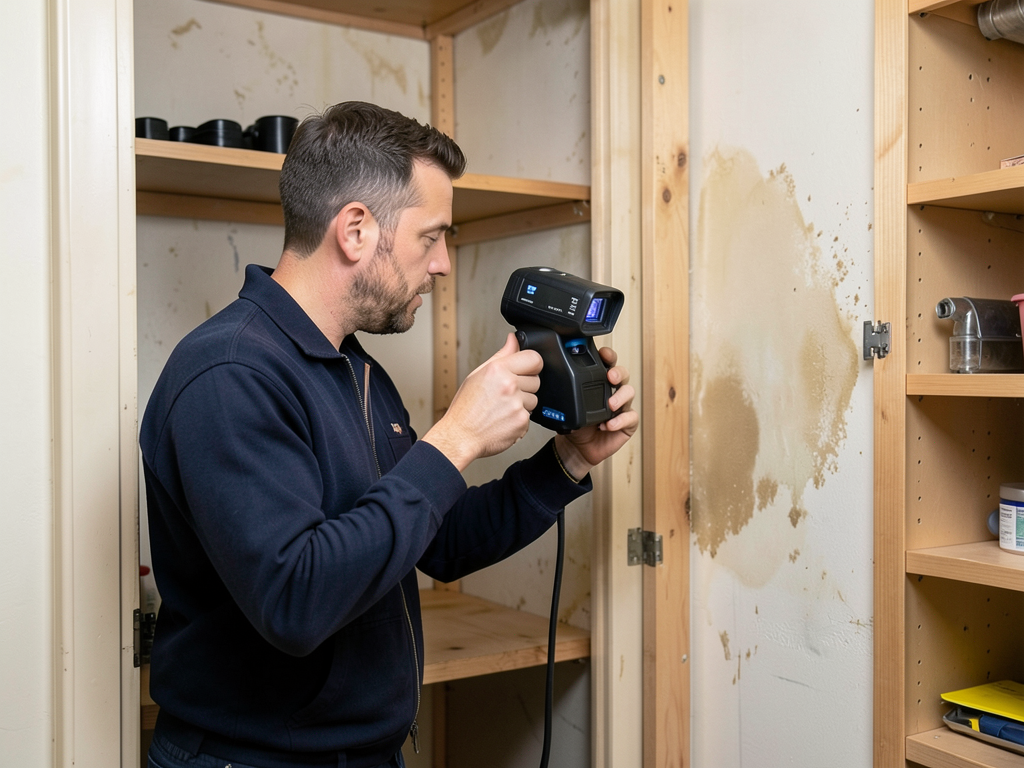
Summit Water Damage Restoration San Francisco runs a rapid-deployment protocol built for burst water heater extraction emergencies. Our crews carry truck-mounted extraction units that pull standing water at 200 gallons per minute. We use thermal imaging cameras to map moisture intrusion inside walls and under floors. You can't see where water traveled, but infrared scans show exactly where saturation hides.

We don't guess. We measure. Our technicians use penetrating moisture meters to test wood framing, subfloors, and drywall at multiple depths. This data determines drying time and equipment placement. We position commercial-grade air movers to create laminar airflow across wet surfaces, pulling moisture into the air. Low-grain refrigerant dehumidifiers then strip that moisture from the air and discharge it outside your home.

Dehumidification in San Francisco requires recalibration. The marine climate means outdoor air is often more humid than dried indoor air. We seal affected areas and create negative air pressure environments to prevent recontamination. Our equipment runs 24/7 until moisture readings match unaffected areas of your home.

After extraction and drying, we apply EPA-registered antimicrobials to all exposed surfaces. This prevents mold colonization during the final drying phase. We document every step with photos, moisture logs, and equipment placement diagrams. Insurance companies demand this documentation. We provide it automatically.

Burst water heater cleanup is a race against biology. Mold needs moisture, organic material, and time. We eliminate the moisture before mold gets its foothold.

What Happens When You Call for Emergency Water Heater Water Removal

Water Heater Burst Cleanup in San Francisco – Emergency Response in 60 Minutes or Less
01

Immediate Water Extraction

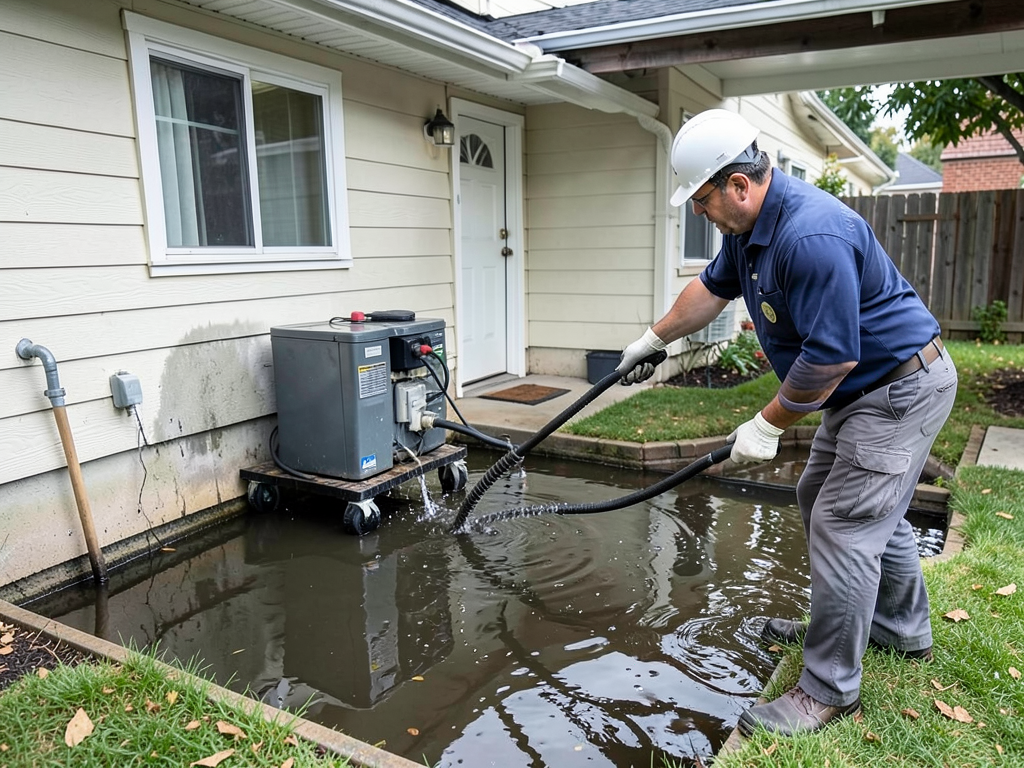
Our crew arrives with truck-mounted extraction pumps and portable submersibles. We locate the water source, shut off supply lines, and begin pulling standing water from floors, carpets, and subfloor cavities. High-velocity extractors remove water faster than shop vacuums, preventing deeper saturation into structural members. We document pre-extraction moisture levels and photograph all affected areas for your insurance claim.
02

Structural Drying Setup

We position industrial air movers and dehumidifiers based on thermal imaging data. Equipment placement is calculated, not random. Airflow must reach all wet surfaces without creating dead zones. We remove baseboards to dry wall cavities, pull up saturated carpet padding, and drill weep holes in trapped areas. Our drying chambers run continuously, monitored remotely by our technicians. We adjust equipment daily based on moisture readings.
03

Final Verification and Clearance

We take final moisture readings across all previously wet materials. Structural elements must return to baseline moisture content before we sign off. You receive a complete drying log showing daily progress and final clearance. This documentation satisfies insurance requirements and protects you from future mold claims. We remove all equipment, clean affected areas, and provide recommendations for any necessary repairs. Your home is dry and documented.

Why San Francisco Homeowners Choose Summit Water Damage Restoration

San Francisco's housing codes require specific moisture mitigation standards after water intrusion events. Title 24 building standards and local health ordinances set clear thresholds for acceptable moisture levels in residential structures. We know these requirements because we work with San Francisco Department of Building Inspection on restoration projects throughout the city.

Our technicians understand the construction methods used in different San Francisco neighborhoods. The balloon framing common in Noe Valley and Castro Victorians requires different drying strategies than the platform framing in newer Sunset townhomes. Water travels differently through these structures. We adapt our approach based on your home's actual construction, not generic textbook procedures.

We maintain direct relationships with San Francisco insurance adjusters and third-party administrators. They know our documentation standards. They trust our moisture readings. This speeds your claim approval and reduces back-and-forth disputes over scope of work. Insurance companies want scientific proof that drying is complete. We provide calibrated data, not opinions.

Summit Water Damage Restoration San Francisco operates 24/7 dispatch from our Bay Area hub. We're not routing your emergency call to an answering service in another state. You talk to our local team, and we mobilize from San Francisco, not San Jose or Oakland. Response time matters when water is spreading through your home.

We've handled ruptured water heater cleanup services in Telegraph Hill penthouses, Marina District flats, and Bernal Heights single-families. Every structure presents unique challenges. We solve them with experience, not improvisation.

What to Expect During Your Water Heater Burst Cleanup

60-Minute Emergency Response

When you call our emergency line, we dispatch immediately. No appointment scheduling, no morning-of callbacks. Our crews operate around the clock with fully stocked trucks positioned throughout San Francisco. We typically arrive within 60 minutes of your call, often faster in high-density neighborhoods. Time is structural integrity. The faster we extract water, the less damage your home sustains. We work nights, weekends, and holidays at standard emergency rates. Burst water heaters don't wait for business hours.

Comprehensive Damage Assessment

Our initial assessment uses thermal imaging and moisture meters to map the full extent of water migration. We don't just look at visible water. We scan walls, ceilings, and subfloors to find hidden saturation. You receive a written scope of work detailing affected areas, necessary equipment, and estimated drying time. This documentation goes directly to your insurance company. We coordinate with adjusters to ensure our mitigation plan aligns with your policy coverage. You know what's happening and why.

Certified Dry Structures

We don't declare a job complete based on appearance. Materials must meet industry-standard moisture content levels before we remove equipment. Wood framing should read below 15 percent moisture content. Drywall should match unaffected reference areas. We provide a certificate of drying completion with final moisture readings and equipment runtime logs. This protects you if mold appears later and someone questions whether drying was thorough. Our documentation proves the work was done correctly.

Post-Restoration Support

After drying is complete, we provide referrals to qualified contractors for any necessary repairs like drywall replacement, flooring reinstallation, or water heater replacement. We don't perform reconstruction ourselves, which eliminates conflicts of interest in our drying assessment. If you detect moisture or odors weeks after completion, we return to re-evaluate at no additional diagnostic charge. Our goal is permanent resolution, not quick turnaround. You should feel confident your home is truly dry.

Frequently Asked Questions

You Have Questions,
We Have Answers

What do you do when your water heater bursts? +

Shut off the water supply immediately at the main valve or the water heater shutoff. Turn off power to the unit at the circuit breaker or gas valve. Move valuables and furniture away from the water. Do not walk through standing water if electrical outlets are nearby. Call a water damage restoration company right away. In San Francisco, older Victorian and Edwardian homes often have limited drainage, which means water spreads fast through floors and walls. Document the damage with photos for your insurance claim. Professional extraction and drying must start within 24 hours to prevent mold growth.

What to do if your hot water heater blows? +

If your hot water heater blows, you need immediate action. Turn off the water supply and power source first to stop flooding and prevent electrical hazards. Evacuate the area if you smell gas or see heavy steam. Call 911 if there is fire or injury risk. Contact a water damage restoration team to handle extraction, drying, and structural assessment. San Francisco's older building stock means burst heaters can damage adjacent units in multi-family buildings, increasing liability. Photograph everything before cleanup starts. Your insurance adjuster will need evidence of the extent of water migration and damage.

Can I do laundry with a broken water heater? +

Do not do laundry with a broken water heater. If the unit has burst or leaked, water damage may have affected electrical systems or created standing water near outlets. Running appliances increases electrocution risk. If the heater failed but did not flood, you can technically wash clothes in cold water only, but this does not address the contamination risk if the failure involved sediment or rust. Wait until a professional inspects the system. In San Francisco, many laundry areas are in basements or garages where drainage is poor, which increases flooding risk if you use water before repairs.

How much does it cost to have a water heater flushed? +

This question relates to maintenance, not emergency cleanup after a burst. Water heater flushing costs vary by service provider, tank size, and accessibility. Most plumbers charge between $100 and $200 for a standard flush. In San Francisco, older homes with mineral-heavy water may require more frequent flushing to prevent sediment buildup, which causes pressure issues and eventual failure. Regular flushing extends tank life and reduces burst risk. If your heater has already burst, flushing is no longer relevant. You need water damage restoration, not maintenance. Focus on extraction, drying, and replacement instead.

Is it common for water heaters to burst? +

Water heaters do not burst often, but they fail predictably when neglected. Tanks older than 10 years, especially in San Francisco where hard water accelerates corrosion, are at higher risk. Sediment buildup at the tank bottom creates hot spots that weaken the steel. Pressure relief valve failures cause dangerous pressure spikes. Corrosion eats through the tank lining. Most bursts happen in older units that missed maintenance schedules. Regular inspections and flushing reduce the risk. If your tank is over eight years old, watch for rust-colored water, strange noises, or moisture around the base. These signal imminent failure.

Can I shower if the water heater is broken? +

You can shower if the water heater is broken but not leaking or burst. You will only have cold water, which is uncomfortable but safe. If the heater has flooded or caused water damage, do not use plumbing until a professional inspects the system. Electrical hazards and structural damage may be present. In San Francisco's older homes, shared plumbing means a burst heater can affect multiple units. If you live in a multi-family building, notify neighbors and your landlord immediately. Do not assume the problem is isolated. Wait for clearance from restoration and plumbing professionals before using water fixtures.

What could cause a water heater to explode? +

Water heaters explode when pressure relief valves fail and internal pressure builds beyond safe limits. Sediment buildup blocks heat dispersion, causing localized overheating and weakening the tank. Thermostat malfunctions can superheat water past boiling point. Corrosion thins the tank walls until they rupture. Gas leaks combined with ignition sources create explosion risk. In San Francisco, older tanks in Victorian basements often lack proper venting or seismic strapping, which increases failure risk during pressure events. Regular maintenance and pressure relief valve testing prevent most explosions. Replace tanks over 10 years old to avoid catastrophic failure.

Is a broken hot water heater an emergency? +

Yes, a broken hot water heater is an emergency if it leaks, bursts, or floods. Water spreads fast through drywall, insulation, and flooring, causing structural damage and mold growth within 24 to 48 hours. Electrical hazards increase if water reaches outlets or appliances. In San Francisco's dense housing, a burst heater can damage adjacent units, increasing liability. Even a slow leak threatens your home's integrity. Call a water damage restoration company immediately. Do not wait until business hours. Professional extraction and drying must start right away. Delaying response turns a manageable crisis into a total loss scenario.

How long can a water heater leak before it bursts? +

There is no fixed timeline. A water heater can leak for months without bursting, or it can fail suddenly within hours. Small pinhole leaks from corrosion often worsen slowly, giving you time to notice moisture or rust stains. Pressure-related leaks escalate quickly. If you see water pooling around the base, assume the tank is failing. In San Francisco's older housing stock, leaks often go unnoticed in basements or utility closets until significant damage occurs. Inspect your heater monthly for moisture, discoloration, or rust. Do not gamble on timing. Replace aging tanks before they fail catastrophically.

Does homeowners insurance cover a broken hot water heater? +

Homeowners insurance usually covers sudden and accidental water heater failures, but not damage from neglect or lack of maintenance. If your heater bursts due to age or known defects you ignored, your claim may be denied. Policies typically cover water damage restoration, structural repairs, and contents replacement. Flood damage from external sources requires separate flood insurance. In San Francisco, earthquake-related failures may fall under earthquake policy riders, not standard homeowners coverage. Review your policy limits and deductibles. Document everything with photos and receipts. File your claim immediately after stopping the water and starting emergency mitigation.

How San Francisco's Housing Age Makes Burst Hot Water Tank Cleanup More Complex

Over 60 percent of San Francisco's housing stock was built before 1960. These homes used balloon framing, knob-and-tube wiring, and plaster-on-lath walls. When a water heater bursts in a Marina District flat or Richmond row house, water flows through unblocked stud bays from top floor to foundation. There are no fire stops or moisture barriers in balloon-framed construction. Water migrates vertically and horizontally through hidden voids. Emergency water heater water removal in these older homes requires opening walls to access trapped water. Thermal imaging helps, but restoration often reveals damage invisible from the surface.

San Francisco's Department of Building Inspection enforces strict standards for water damage restoration in historical districts. If your home is in a designated preservation area like Alamo Square or Pacific Heights, repairs must maintain architectural integrity. We work with preservation guidelines regularly and understand permitting requirements for structural alterations during restoration. Choosing a water heater flood damage restoration company familiar with local ordinances prevents permitting delays and compliance issues. Our crews know when a building permit is required and how to document pre-existing conditions to protect you during inspection.
Water Damage Restoration Services in The San Francisco Area

Our commitment to rapid response means we cover the entire San Francisco area and surrounding communities. View the map below to visualize our primary service region, which includes key neighborhoods and business districts. Whether you are located in the Financial District, the Mission, or out toward the Sunset, you can trust our 24/7 team to reach you quickly. We proudly serve both residential and commercial clients across the entire map, guaranteeing a fast and effective mitigation service the moment you need us.

Address:
Summit Water Damage Restoration San Francisco, 1390 Market St, San Francisco, CA, 94102

Additional Services We Offer

Our news updates

Latest Articles & News from The Blogs

What to Do if Your New Backyard ADU Floods During a Heavy San Francisco Rain A sudden downpour in San…

What to Do if Your New Backyard ADU Floods During a Heavy San Francisco Rain

What to Do if Your New Backyard ADU Floods During a Heavy San Francisco Rain A sudden downpour in San…

Selecting a Restoration Partner for Vulnerable Residents in a Richmond District Care Home

Specialized Senior Living Water Restoration Services in San Francisco Water damage in a Richmond District care home requires more than…

Why Your Noe Valley High Efficiency Boiler Could Be Slowly Flooding Your Utility Closet

Why Your Noe Valley High Efficiency Boiler Could Be Slowly Flooding Your Utility Closet If you live in a Noe…

Contact Us

Call Summit Water Damage Restoration San Francisco at (415) 449-6555 right now. Our emergency crews are standing by with extraction equipment, moisture meters, and drying systems. Every minute you wait allows water to spread deeper into your home's structure. We answer immediately and dispatch instantly.