menu

Steps to Take After a Flood in San Francisco – Your Complete Post-Flood Recovery Checklist

Protect your property and health with immediate actions after flooding. Get expert guidance on water damage clean up steps specific to San Francisco's unique building structures and coastal flood risks.

Slider Image 1
Slider Image 2
Slider Image 3
Slider Image 4
Slider Image 5
Slider Image 7
Slider Image 8
Slider Image 9
Slider Image 10
Slider Image 11

Why San Francisco Floods Create Unique Recovery Challenges

San Francisco's proximity to the Pacific Ocean and the Bay creates flood risks that demand immediate, informed action. When water breaches your property, you face contamination from saltwater intrusion, combined sewer overflow systems that can backflow during heavy rains, and the fog belt's persistent moisture that accelerates mold colonization within 24 to 48 hours.

The city's Victorian and Edwardian architecture presents specific vulnerabilities. Original plaster walls absorb water like sponges. Hardwood floors buckle. Unreinforced masonry foundations become structurally compromised when saturated. The immediate actions after flooding you take in the first six hours determine whether you face a manageable cleanup or catastrophic structural damage.

Understanding what to do after a house flood means recognizing that San Francisco's micro-climates create different drying conditions across neighborhoods. The Richmond and Sunset Districts, shrouded in fog, slow evaporation. The Mission and Potrero Hill, warmer and drier, still trap moisture in crawl spaces and between wall cavities.

This post-flood recovery checklist addresses the specific water damage clean up steps required for San Francisco properties. Whether you experienced coastal storm surge, plumbing failure, or the rare atmospheric river event that overwhelms the city's aging infrastructure, the guide to handling flood damage starts with stopping additional harm. Every minute counts. Water migrates through building materials, dissolves adhesives, corrodes electrical systems, and creates biohazard conditions that threaten your family's health.

The decision you make right now determines your recovery timeline and total cost.

Why San Francisco Floods Create Unique Recovery Challenges
The Correct Sequence for Post-Flood Recovery

The Correct Sequence for Post-Flood Recovery

Most property owners waste critical hours on the wrong priorities after flooding. They start cleaning instead of documenting. They throw out salvageable items. They open windows when they should control airflow. The correct water damage clean up steps follow a specific sequence based on structural drying science and contamination control protocols.

First, you assess safety. Standing water conducts electricity. Turn off power at the breaker panel before entering flooded spaces. Check for structural sagging, which signals compromised floor joists or ceiling supports. If you smell gas, evacuate and call 911. San Francisco's older gas distribution systems can fracture during seismic activity that accompanies major flooding events.

Second, you document everything before moving anything. Your insurance adjuster needs photographic evidence of water levels, damaged items, and affected building materials. Use your phone to timestamp the damage. This documentation becomes the foundation of your claim and protects you from coverage disputes.

Third, you categorize the water source. Clean water from supply lines requires different treatment than gray water from appliances or black water from sewage backups. San Francisco's combined sewer system means any flood exceeding the city's drainage capacity likely contains fecal coliform bacteria and requires antimicrobial treatment.

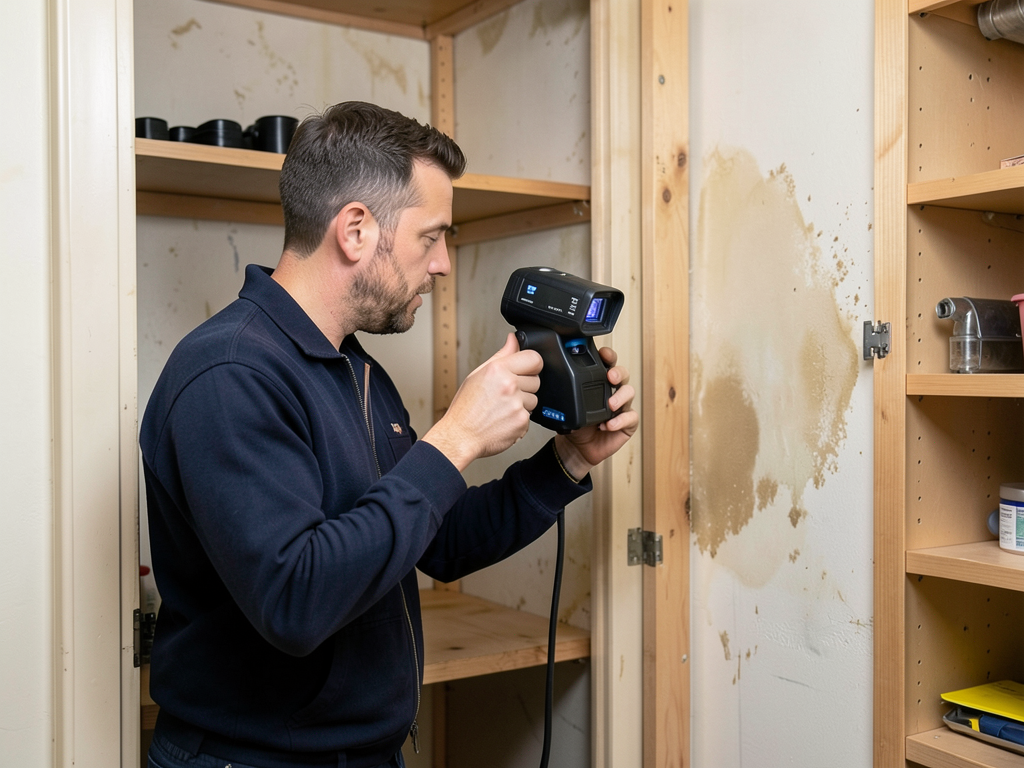
Fourth, you begin controlled extraction and drying. This is not mopping floors. Professional extraction removes water from carpet padding, subfloors, and wall cavities using truck-mounted pumps that pull hundreds of gallons per minute. Air movers create laminar airflow across surfaces. Dehumidifiers reduce ambient moisture to 30 to 40 percent relative humidity. Thermal imaging cameras identify hidden saturation in wall assemblies.

Summit Water Damage Restoration San Francisco uses psychrometric calculations to create drying chambers that prevent secondary damage while accelerating moisture removal. We monitor progress with moisture meters calibrated for different building materials.

How the Recovery Process Unfolds

Steps to Take After a Flood in San Francisco – Your Complete Post-Flood Recovery Checklist
01

Emergency Contact and Assessment

Call (415) 449-6555 immediately to dispatch technicians with extraction equipment and moisture detection tools. We arrive within 60 to 90 minutes across San Francisco neighborhoods. Our team establishes containment barriers, tests water contamination levels, and identifies affected structural components. You receive a written scope of damage with thermal imaging documentation before any work begins. This assessment determines the correct category of water damage and drives the remediation protocol.
02

Water Removal and Stabilization

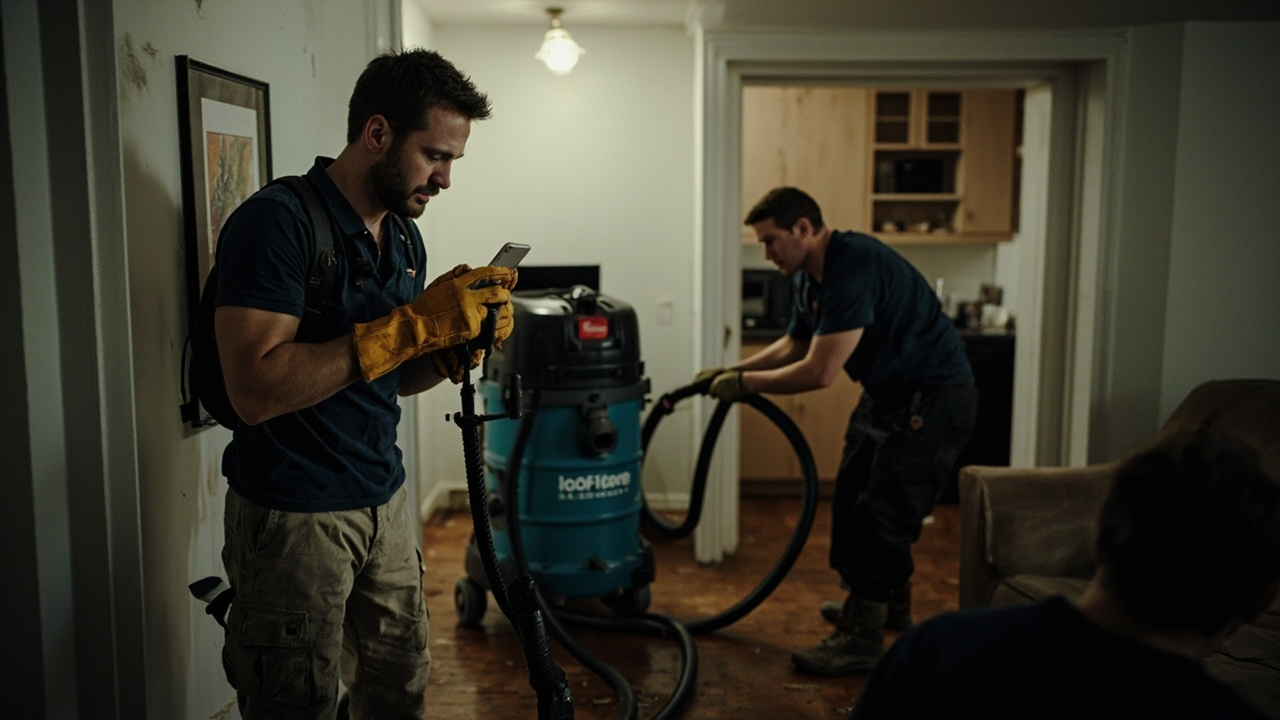
Truck-mounted extractors remove standing water from all surfaces. We pull baseboards to access wall cavities, inspect subfloor saturation, and verify that water has not migrated to adjacent rooms through capillary action. High-velocity air movers and commercial dehumidifiers begin controlled drying. We monitor moisture levels daily using pin and pinless moisture meters. This phase typically requires three to five days, depending on building materials and saturation depth. We protect unaffected areas with plastic sheeting and negative air pressure.
03

Sanitization and Restoration

After reaching target moisture levels, we apply EPA-registered antimicrobial treatments to prevent mold growth. Salvageable materials are cleaned and treated. Non-salvageable materials like drywall, insulation, and padding are removed and properly disposed of. We coordinate reconstruction to return your property to pre-loss condition. Final moisture readings and documentation are provided for your insurance claim. You receive a detailed completion report with before and after measurements that prove successful drying and remediation.

Why Local Expertise Matters for San Francisco Flood Recovery

San Francisco's building inventory differs dramatically from suburban construction. Your Victorian flat with lath and plaster walls requires different drying techniques than modern drywall assemblies. The tongue-and-groove hardwood floors common in pre-1920 homes can be saved with careful drying. Rush the process, and you create cupping that requires complete replacement.

We understand San Francisco's Department of Building Inspection requirements for structural work following flood damage. Many properties in the city sit in Special Flood Hazard Areas designated by FEMA. Post-flood repairs must meet substantial improvement regulations if the damage exceeds 50 percent of the building's pre-flood value. We document the scope of work to keep you compliant while maximizing what can be classified as repair versus improvement.

Our technicians train specifically on San Francisco's construction methods. We know that many Marina District buildings sit on fill material that liquefies during seismic events. We understand that South of Market warehouses converted to live-work spaces often lack proper vapor barriers. We recognize that Sunset District homes built on sand dunes have unique foundation drainage requirements.

Summit Water Damage Restoration San Francisco maintains relationships with structural engineers familiar with the city's seismic retrofitting requirements. If flood damage reveals substandard foundation bolting or cripple wall bracing, we connect you with qualified professionals who understand both flood remediation and earthquake preparedness. This integrated approach protects your investment and your safety.

We also navigate San Francisco's insurance landscape. Many carriers impose strict timelines for filing claims and beginning remediation. We provide same-day documentation that meets adjuster requirements. Our detailed moisture mapping and photographic evidence streamline the claims process and reduce disputes over covered damage.

Local knowledge is not marketing language. It is the difference between correct remediation and recurring problems that cost you more later.

What Happens During Professional Flood Recovery

Response Time and Availability

We dispatch crews 24 hours a day, seven days a week, including holidays. Most San Francisco locations receive service within 60 to 90 minutes of your call. Our trucks carry truck-mounted extraction units, portable generators for power outages, and enough equipment to begin immediate water removal without waiting for additional resources. Speed matters because water continues migrating through building materials every minute. The difference between a two-day drying project and a week-long demolition often comes down to response time. We arrive ready to work, not to schedule a future appointment. You get immediate action when you need it most.

Inspection and Damage Assessment

Our initial assessment uses thermal imaging cameras to detect hidden moisture in wall cavities, ceilings, and subfloors. We test water contamination levels to determine if you face Category 1 clean water, Category 2 gray water, or Category 3 black water requiring biohazard protocols. Moisture meters provide baseline readings for floors, walls, and structural components. You receive a written scope of work with photographic documentation suitable for insurance claims. We identify which materials can be dried in place and which require removal. This assessment takes 30 to 45 minutes and provides the roadmap for complete recovery. No guesswork, no surprises.

Drying and Restoration Quality

Complete drying means reducing all affected materials to their pre-loss moisture content. We do not stop when surfaces feel dry. Wood framing must reach 15 percent moisture content or lower. Concrete slabs must drop below four percent. We use daily moisture readings to track progress and adjust equipment placement. Our commercial dehumidifiers remove 10 to 20 gallons of water per day from the air. High-velocity air movers create the airflow patterns required for proper evaporation. The result is verified dry conditions that prevent mold growth and secondary damage. You receive final documentation proving successful drying with specific moisture measurements for all affected areas.

Follow-Up and Prevention Guidance

After completing drying and restoration, we provide specific recommendations to prevent future flooding. This might include installing backwater valves to prevent sewer backflow, improving foundation drainage, or identifying plumbing vulnerabilities in older homes. We explain what moisture levels to monitor and provide guidance on using dehumidifiers during San Francisco's foggy season. If mold concerns arise after our work, we return to inspect and address any issues related to our remediation. You also receive documentation suitable for disclosure if you sell your property. Complete transparency protects your investment and gives you peace of mind.

Frequently Asked Questions

You Have Questions,
We Have Answers

What steps to take after a flood? +

Prioritize safety first. Turn off electricity at the breaker box if you can do so without stepping in water. Document all damage with photos and video for your insurance claim. Contact your insurance company immediately. Remove standing water as soon as possible to prevent mold growth, which can start within 24 hours in San Francisco's coastal humidity. Move salvageable items to a dry area. Do not use household appliances until they are inspected. Call a professional water damage restoration company to assess structural damage and begin drying. Time matters. Quick action reduces repair costs and health risks.

What should be done after the flood? +

After flood waters recede, ventilate your property by opening windows and doors if weather permits. Wear protective gear like gloves and boots when handling contaminated materials. Discard porous items like drywall, insulation, and carpeting that absorbed floodwater. These materials cannot be adequately cleaned and pose mold risks. Clean and disinfect all hard surfaces with appropriate solutions. Check your foundation and walls for cracks or shifting, especially in San Francisco's seismic zone. Run dehumidifiers to lower moisture levels below 50 percent. Monitor hidden areas like wall cavities and subfloors for lingering dampness that feeds mold.

What should you do after going through a flood? +

Begin by contacting your insurance adjuster to file a claim. Keep detailed records of all conversations and correspondence. Separate damaged items into categories for disposal, cleaning, or restoration. Remove wet debris promptly to prevent secondary damage. Test indoor air quality if you notice musty odors. San Francisco's older Victorian homes often have hidden moisture pockets in ornate trim and plaster work. Hire certified restoration professionals with moisture detection equipment to locate water in structural cavities. Replace damaged electrical outlets and switches. Consider upgrading plumbing if old pipes contributed to the flood. Document every expense for insurance reimbursement.

What step should be taken when there is a flood? +

Evacuate immediately if authorities issue warnings. Never walk or drive through moving floodwater. Once safe, assess the damage from outside first. Look for structural issues like foundation cracks, sagging floors, or leaning walls before entering. Shut off utilities if accessible and safe. In San Francisco, older buildings near the Embarcadero or Mission Creek areas face higher flood risks due to proximity to water. Pump out basements gradually to prevent wall collapse from exterior water pressure. Photograph everything before cleanup begins. Contact restoration specialists who understand local building codes and soil conditions. Start the insurance claim process right away.

How San Francisco's Coastal Climate Accelerates Post-Flood Mold Growth

San Francisco's cool, fog-laden air creates ideal conditions for mold colonization after flooding. The city's average relative humidity exceeds 70 percent year-round, with the Richmond and Sunset Districts experiencing near-constant moisture from marine layer fog. When floodwater saturates building materials, this ambient humidity prevents natural drying. Mold spores activate within 24 to 48 hours in wet conditions. Victorian-era homes with poor attic ventilation and crawl spaces trap moisture even longer. Without controlled drying using commercial dehumidifiers, mold spreads behind walls, under floors, and through HVAC systems. The immediate actions after flooding you take must account for this accelerated timeline. Passive air drying does not work in San Francisco's climate. You need forced air movement and active moisture removal.

Summit Water Damage Restoration San Francisco understands the city's unique microclimates and building stock. We adjust our drying protocols based on your neighborhood's typical humidity levels and your property's construction era. Our technicians receive ongoing training in San Francisco Building Code requirements and work with the Department of Building Inspection when flood damage requires permits for structural repairs. We maintain relationships with local engineers who specialize in historic preservation for properties in San Francisco's designated historic districts. This local network ensures your flood recovery meets both technical standards and regulatory requirements. Choosing a provider without San Francisco-specific experience risks incomplete drying, permit violations, and recurring moisture problems that damage your property value.
Water Damage Restoration Services in The San Francisco Area

Our commitment to rapid response means we cover the entire San Francisco area and surrounding communities. View the map below to visualize our primary service region, which includes key neighborhoods and business districts. Whether you are located in the Financial District, the Mission, or out toward the Sunset, you can trust our 24/7 team to reach you quickly. We proudly serve both residential and commercial clients across the entire map, guaranteeing a fast and effective mitigation service the moment you need us.

Address:
Summit Water Damage Restoration San Francisco, 1390 Market St, San Francisco, CA, 94102

Additional Services We Offer

Our news updates

Latest Articles & News from The Blogs

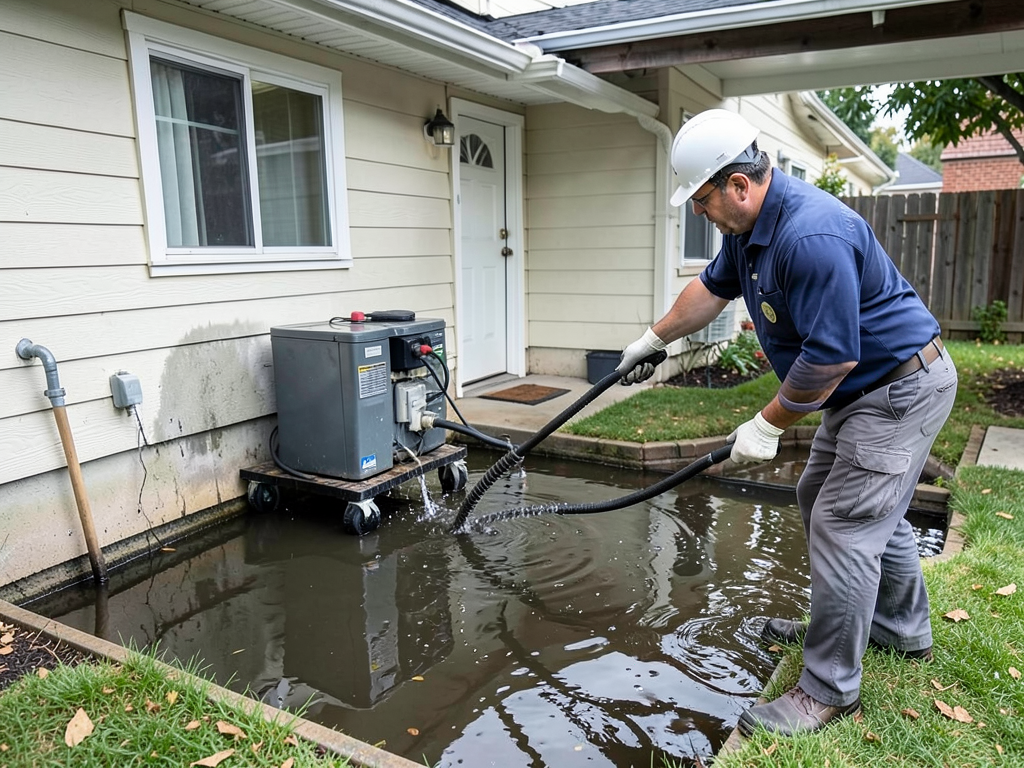
What to Do if Your New Backyard ADU Floods During a Heavy San Francisco Rain A sudden downpour in San…

What to Do if Your New Backyard ADU Floods During a Heavy San Francisco Rain

What to Do if Your New Backyard ADU Floods During a Heavy San Francisco Rain A sudden downpour in San…

Selecting a Restoration Partner for Vulnerable Residents in a Richmond District Care Home

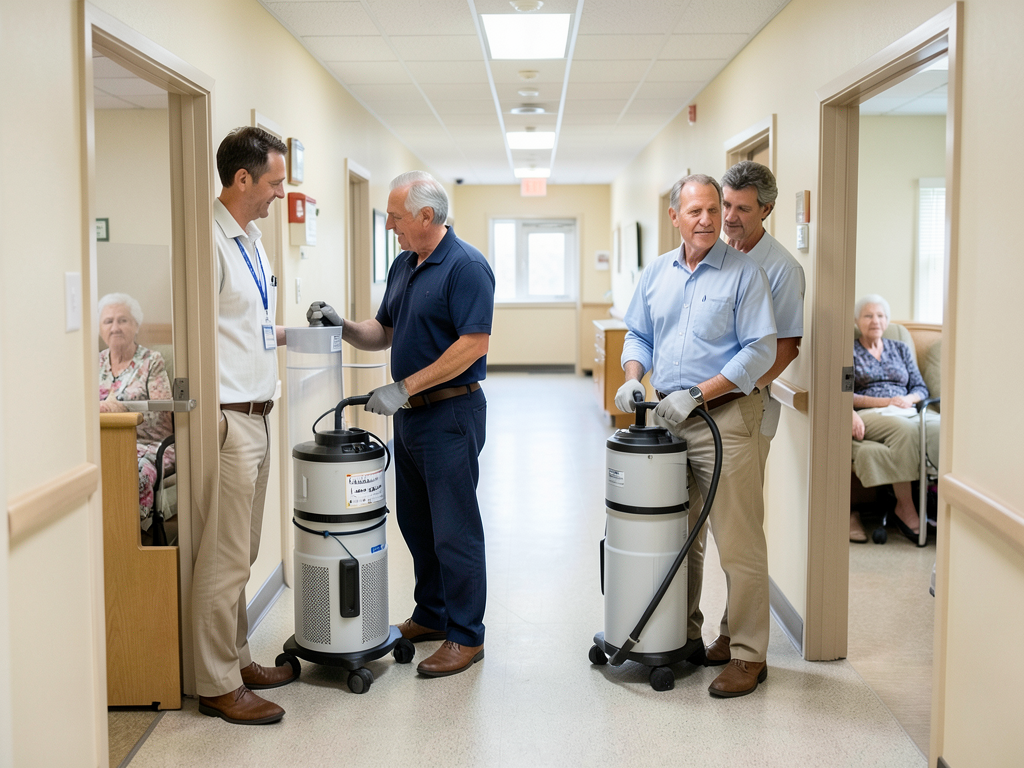
Specialized Senior Living Water Restoration Services in San Francisco Water damage in a Richmond District care home requires more than…

Why Your Noe Valley High Efficiency Boiler Could Be Slowly Flooding Your Utility Closet

Why Your Noe Valley High Efficiency Boiler Could Be Slowly Flooding Your Utility Closet If you live in a Noe…

Contact Us

Do not wait for water damage to worsen. Call (415) 449-6555 now for immediate dispatch to your San Francisco property. Our crews arrive within 60 to 90 minutes with professional extraction equipment and moisture detection tools. We provide same-day documentation for your insurance claim and begin controlled drying immediately. Stop additional damage now.