menu

Musty Smells & Odor Removal in San Francisco – Expert Diagnosis and Complete Source Elimination

We locate the hidden moisture sources causing your musty odors, eliminate active microbial growth, and restore air quality using professional dehumidification and antimicrobial treatments proven effective in San Francisco's marine climate.

Slider Image 1
Slider Image 2
Slider Image 3
Slider Image 4
Slider Image 5
Slider Image 7
Slider Image 8
Slider Image 9
Slider Image 10
Slider Image 11

Why San Francisco Homes Develop Persistent Musty Odors

You walk into your home and smell it immediately. That dank, earthy odor that makes you wonder what is growing in your walls. You are not imagining it. San Francisco's marine layer creates perfect conditions for moisture intrusion and microbial growth. The city averages 71% relative humidity year-round. When interior humidity exceeds 60% for extended periods, mold and mildew colonize porous materials like drywall, insulation, and subflooring.

The problem compounds in older San Francisco properties. Many homes built before 1950 lack vapor barriers. The foundations absorb groundwater from the city's high water table and seasonal fog. Crawl spaces in the Sunset and Richmond districts stay perpetually damp. Bathrooms in multi-unit Victorians share common plumbing stacks that leak behind walls for months before anyone notices visible damage.

You might smell the odor strongest in basements, closets, or rooms with poor air circulation. That scent signals active decomposition. Mildew odor elimination requires more than air fresheners or open windows. The musty smell comes from microbial volatile organic compounds released as fungi digest organic material. Removing moldy scents means killing the source, not masking the symptom. Damp smell remediation addresses both the moisture intrusion point and contaminated materials. Neutralizing musty odors permanently requires controlled demolition, antimicrobial application, and structural drying. Eradicating water damage smells starts with understanding that odor is the warning light, not the problem itself. If you can smell it, microbial amplification is already underway.

Why San Francisco Homes Develop Persistent Musty Odors
How Professional Odor Remediation Actually Works

How Professional Odor Remediation Actually Works

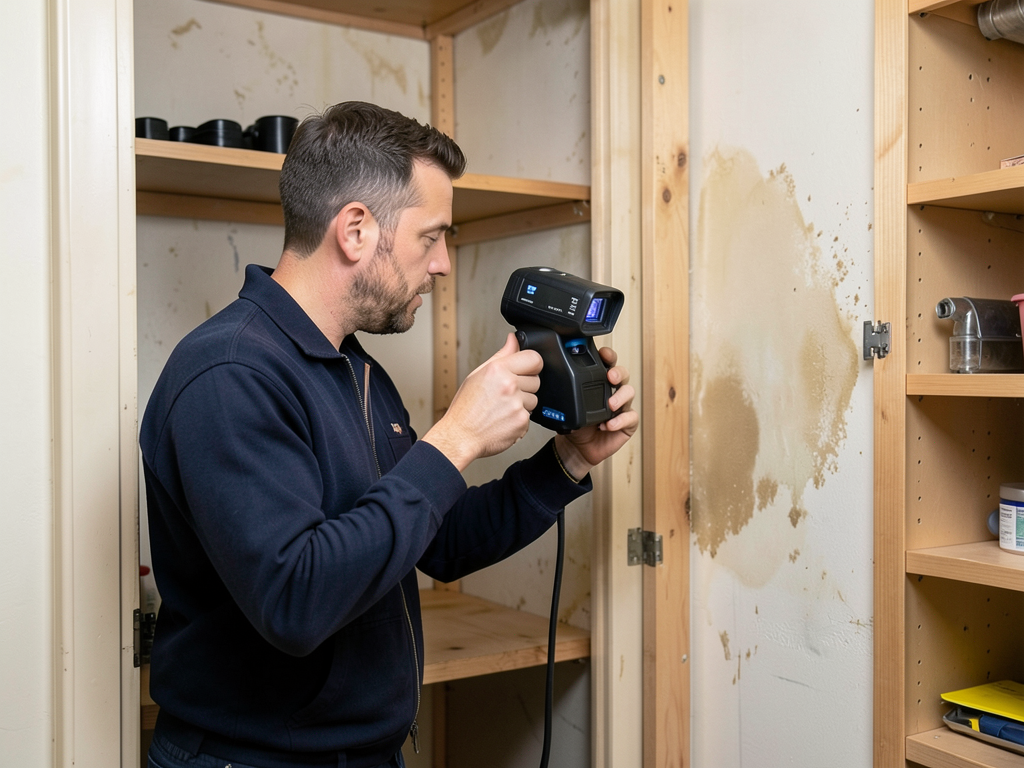
We do not spray deodorizers and hope for the best. Effective mildew odor elimination follows a diagnostic protocol. First, we use thermal imaging cameras to map temperature differentials that indicate moisture intrusion. A wall cavity that reads 8 degrees cooler than adjacent surfaces likely contains saturated insulation. We use penetrating moisture meters to quantify water content in materials. Readings above 17% in wood or 1.5% in drywall confirm conditions favorable for microbial growth.

Next, we assess the extent of colonization. Surface mold wipes clean. Subsurface contamination in wall cavities, under flooring, or inside HVAC plenums requires removal. We calculate the psychrometric conditions needed to dry structural components to target moisture levels. Depending on material type and saturation depth, this may require 3 to 7 days of continuous dehumidification.

We establish containment using negative air pressure and HEPA filtration to prevent cross-contamination during demo. Contaminated materials go into sealed bags before removal. After extraction, we apply EPA-registered antimicrobials to remaining surfaces. These products disrupt cellular membranes and prevent recolonization.

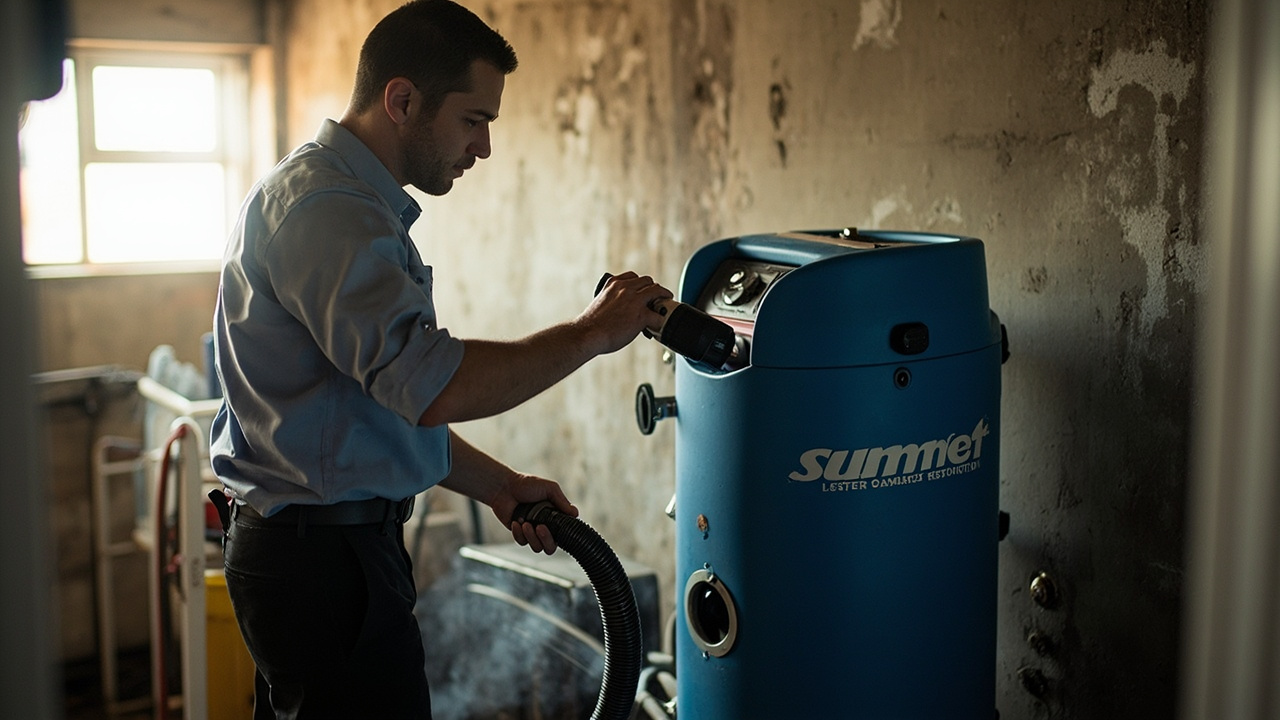
The final phase addresses airborne particulates. We run hydroxyl generators or ozone machines in unoccupied spaces to oxidize volatile organic compounds. These technologies break molecular bonds in odor-causing compounds, neutralizing musty odors at the chemical level. After treatment, we verify air quality using particle counters and spore trap sampling. The space must pass clearance testing before we consider the job complete. This is how you achieve permanent damp smell remediation instead of temporary masking.

What Happens During Your Odor Remediation Service

Musty Smells & Odor Removal in San Francisco – Expert Diagnosis and Complete Source Elimination
01

Moisture Source Investigation

We arrive with diagnostic equipment to identify where moisture enters your property. Using infrared cameras and hygrometers, we trace the source, whether it is foundation seepage, plumbing leaks, or condensation in wall cavities. You receive a detailed moisture map showing affected areas and water content percentages. This eliminates guesswork and prevents unnecessary demolition. We document findings with photos and meter readings so you understand exactly what is causing the odor before we begin extraction.
02

Controlled Material Removal

After identifying contaminated materials, we establish containment barriers and negative air pressure. This prevents spores from spreading to clean areas during demolition. We remove only affected components, whether that is baseboards, drywall sections, or insulation. Contaminated materials are bagged immediately and removed from the property. Exposed framing and subfloors receive antimicrobial treatment to kill remaining colonies. We then deploy commercial dehumidifiers and air movers to dry structural components to safe moisture levels verified by meter readings.
03

Air Quality Restoration

Once structural drying is complete and materials pass moisture verification, we address airborne odors using hydroxyl generators or ozone treatment in unoccupied spaces. These devices break down microbial volatile organic compounds at the molecular level. Treatment duration depends on contamination severity, typically 24 to 72 hours. We conduct post-treatment air sampling using spore traps to confirm particulate levels meet clearance standards. You receive lab results and documentation showing your property is safe for reoccupancy with odors permanently eliminated.

Why San Francisco Property Owners Trust Our Odor Remediation Expertise

You need a contractor who understands how San Francisco's microclimate creates persistent moisture problems. We have remediated musty odors in everything from Edwardian flats in the Mission to mid-century homes in Parkside. We know the Sunset District deals with fog condensation in attics. We understand Richmond properties built on sand have different foundation moisture patterns than homes on bedrock in Noe Valley.

This local knowledge matters when diagnosing odor sources. A contractor from outside the region might miss that your crawl space humidity comes from capillary action through your foundation, not a plumbing leak. They might not recognize that your bathroom exhaust vent terminates in the attic instead of outside, a common issue in pre-1970s San Francisco construction that causes condensation and mold growth in insulation.

We follow IICRC S520 standards for mold remediation. Our technicians hold Water Damage Restoration Technician certification and understand the relationship between relative humidity, temperature, and microbial growth. We coordinate with environmental hygienists when occupants have health concerns or when contamination exceeds 100 square feet, triggering industrial hygiene oversight.

You get transparent communication throughout the process. We explain our findings in plain language, not industry jargon designed to confuse you. We provide detailed scopes of work before starting demolition. If we discover additional contamination during remediation, we contact you immediately with documentation and revised cost estimates. You make informed decisions, not reactive ones. We operate with the understanding that your property is likely your largest investment and you deserve contractors who treat it with corresponding respect and technical competence.

What You Can Expect From Our Odor Removal Service

Response Time and Availability

We dispatch technicians to San Francisco properties within 2 hours for emergency water events and schedule odor investigations within 24 hours of your call. Most diagnostic inspections take 60 to 90 minutes. You receive a written assessment with moisture readings and remediation recommendations the same day. If you approve the scope, we start containment and demolition within 48 hours. Drying and dehumidification typically requires 3 to 7 days depending on material saturation and affected square footage. Air quality treatment adds 1 to 3 days. Total project timelines for standard residential odor remediation range from 5 to 10 days from initial contact to clearance testing.

The Inspection and Assessment Process

Your inspection begins with a detailed interview about when you first noticed odors, whether they worsen during specific weather conditions, and any history of water intrusion. We conduct a room-by-room visual assessment looking for staining, efflorescence, or visible microbial growth. Using thermal imaging, we scan walls, ceilings, and floors for temperature anomalies indicating hidden moisture. Moisture meters provide quantitative readings in suspect areas. We check crawl spaces, attics, and mechanical rooms where humidity often concentrates. You receive a comprehensive report documenting findings with photos, moisture maps, and a prioritized remediation plan. We explain which materials require removal versus treatment in place and why.

The Final Result You Receive

When we complete your project, you receive a property with verified dry structural components, no visible microbial growth, and air quality that meets or exceeds clearance standards. All removed materials are replaced or ready for reconstruction by your contractor. You get documentation packages including pre-loss photos, moisture logs showing daily drying progress, antimicrobial product data sheets, and post-remediation air sampling results. If you file an insurance claim, we provide the detailed documentation adjusters require. Most importantly, you get a home that smells clean when you walk in the door. The musty odor is gone because we eliminated the source, not because we covered it with fragrance.

Ongoing Moisture Monitoring Options

After remediation, we recommend moisture monitoring in previously affected areas, particularly in high-humidity spaces like basements and bathrooms. We can install wireless hygrometers that alert you when relative humidity exceeds safe thresholds. For properties with chronic moisture issues, we provide annual inspections to verify waterproofing integrity and check for early signs of recontamination. Many San Francisco homeowners schedule pre-winter inspections to confirm drainage systems and vapor barriers function correctly before the rainy season begins. These preventive measures cost significantly less than repeat remediation. We provide written recommendations for humidity control, ventilation improvements, and moisture barrier installation specific to your property's construction type and neighborhood microclimate patterns.

Frequently Asked Questions

You Have Questions,
We Have Answers

How to get rid of a strong musty smell? +

A strong musty smell signals moisture and mold growth. First, identify the source. Check under sinks, crawl spaces, and areas with poor ventilation. In San Francisco's foggy, humid climate, basements and older homes are vulnerable. Remove any wet materials like carpets or drywall. Clean hard surfaces with a vinegar solution or antimicrobial cleaner. Run dehumidifiers to drop humidity below 50%. Increase airflow by opening windows on dry days and using fans. If the smell persists after cleaning, mold may be inside walls or ductwork. Professional remediation addresses hidden growth and prevents recurrence.

What is the hardest smell to get rid of in a house? +

Smoke and pet urine are the toughest odors to eliminate. Smoke particles penetrate porous materials like drywall, insulation, and subflooring. Pet urine soaks deep into padding and wood, crystallizing over time. In San Francisco's older Victorian homes, these odors can settle into original hardwood and plaster. Surface cleaning rarely works. You need enzyme treatments for urine, ozone generators for smoke, or complete material replacement. Sealing with odor-blocking primers helps, but severe cases require removal of contaminated materials. Mold odors are also stubborn when growth is widespread and embedded in building cavities.

Will DampRid get rid of musty smell? +

DampRid absorbs moisture in small, enclosed spaces like closets or cabinets. It reduces humidity temporarily but does not eliminate musty smells caused by existing mold or contaminated materials. In San Francisco's damp climate, DampRid alone cannot address whole-room moisture problems. It works as a supplement, not a solution. For persistent musty odors, you need source removal. Clean or discard moldy items, fix leaks, and improve ventilation. A dehumidifier provides continuous moisture control, which DampRid cannot match. Think of DampRid as a band-aid, not a cure for ongoing moisture issues.

How to get rid of old lady smell in house? +

That smell comes from stale air, dust, mothballs, old fabrics, and poor ventilation. Start by airing out the house. Open windows on dry days to flush out stagnant air. Wash all textiles, including curtains, upholstery, and bedding. Vacuum carpets and furniture thoroughly, then steam clean if needed. Replace HVAC filters and clean air ducts if you smell mustiness when the system runs. In San Francisco's older homes, check for hidden moisture in closets or storage areas. Discard mothballs and use cedar blocks instead. Run an air purifier with activated carbon to capture lingering particles.

What causes a house to have a musty smell? +

Musty smells indicate excess moisture and organic matter decay. Common causes include leaking pipes, roof leaks, poor ventilation, foundation cracks, and condensation. San Francisco's fog and coastal humidity worsen the problem, especially in homes without updated vapor barriers or ventilation systems. Older Victorian and Edwardian homes often lack crawl space encapsulation, allowing damp soil air to rise. Bathrooms and kitchens without exhaust fans trap steam. Basements and crawl spaces stay damp year-round. Mold grows on wood, drywall, insulation, and fabrics when humidity exceeds 60%. Address the moisture source first, then remediate contaminated materials.

How do you deodorize a house completely? +

Complete deodorization requires eliminating odor sources, not masking them. Remove contaminated materials like moldy drywall, soaked carpets, or smoke-damaged insulation. Clean all hard surfaces with appropriate antimicrobial or enzyme cleaners. Wash or discard fabric items. Seal porous surfaces with odor-blocking primer if replacement is not feasible. Run air scrubbers with HEPA and carbon filters during cleanup. Treat HVAC ducts if odors circulate through the system. In San Francisco's humid climate, control moisture with dehumidifiers and proper ventilation. Ozone treatment works for severe cases but requires professional application. Fresh air circulation completes the process.

What is the old lady's smell called? +

The smell is often called musty, stale, or old house odor. It comes from a mix of factors including poor air circulation, accumulated dust, aging fabrics, mothballs, body oils absorbed into upholstery, and mild mildew growth. Naphthalene from mothballs creates a distinct chemical scent. In older San Francisco homes, closed-up rooms with heavy drapes and carpets trap particles and moisture. The smell intensifies in homes with minimal ventilation or outdated HVAC systems. While not harmful in most cases, it signals a need for deep cleaning, fresh air exchange, and moisture control to refresh indoor air quality.

What does toxic mold smell like in a house? +

Toxic mold smells earthy, damp, and musty, similar to wet soil or rotting wood. Some species produce stronger odors, described as ammonia-like or chemical. Stachybotrys, the black mold often called toxic, has a particularly pungent, unpleasant smell. In San Francisco homes, mold odors concentrate in bathrooms, basements, crawl spaces, and areas with past water damage. The smell intensifies when disturbed or when humidity spikes. If you detect a persistent musty odor without a visible source, mold may be growing inside walls, under flooring, or in ductwork. Professional inspection identifies hidden growth and health risks.

What absorbs bad smells in a room? +

Activated carbon absorbs odors by trapping molecules in its porous structure. Baking soda works similarly for mild smells. Place open boxes in problem areas or sprinkle on carpets before vacuuming. White vinegar neutralizes odors when used as a surface cleaner or left in bowls overnight. Coffee grounds absorb refrigerator and closet smells. Air purifiers with carbon filters continuously remove airborne particles. For San Francisco's damp conditions, dehumidifiers reduce moisture that fuels odor-causing mold and bacteria. These methods work for light odors. Severe or persistent smells require source removal, not absorption alone.

Is DampRid better than a dehumidifier? +

They serve different purposes. DampRid absorbs moisture in small, enclosed spaces like closets or safes. It works passively and needs replacement when saturated. A dehumidifier continuously removes moisture from larger areas, maintaining controlled humidity levels. For San Francisco's persistent fog and humidity, a dehumidifier is more effective for whole rooms, basements, or crawl spaces. It prevents mold growth and protects building materials over time. DampRid costs less upfront but requires ongoing replacement. Dehumidifiers use electricity but provide consistent, measurable moisture control. Use DampRid for spot treatment, dehumidifiers for ongoing moisture management and odor prevention.

How San Francisco's Marine Layer Accelerates Mildew Growth in Unventilated Spaces

San Francisco's fog belt creates year-round elevated humidity levels that accelerate microbial colonization in enclosed spaces. The marine layer pushes moisture-saturated air into poorly ventilated attics, crawl spaces, and wall cavities where it condenses on cooler surfaces. Properties in the Richmond and Sunset districts experience the most severe fog exposure, with some areas recording over 100 fog days annually. When this moisture combines with organic materials like wood framing, paper-faced drywall, or cellulose insulation, mold colonies establish in as little as 24 to 48 hours. Older San Francisco homes often lack adequate vapor barriers or mechanical ventilation, which means humidity accumulates faster than natural air exchange can remove it. This is why musty odors often appear in San Francisco properties that show no signs of active leaks or flooding.

Effective odor remediation in San Francisco requires contractors who understand the difference between acute water damage and chronic humidity exposure. Many local properties need vapor barrier upgrades or enhanced ventilation in addition to contaminated material removal. We work with San Francisco building codes that govern ventilation requirements in habitable spaces and understand when mechanical dehumidification becomes necessary to maintain safe humidity levels. Our familiarity with local construction methods means we recognize common moisture intrusion points specific to San Francisco architecture, whether that is failed window flashing in Victorians or inadequate crawl space ventilation in mid-century construction. This expertise ensures we address underlying causes instead of treating surface symptoms that will reappear within months.
Water Damage Restoration Services in The San Francisco Area

Our commitment to rapid response means we cover the entire San Francisco area and surrounding communities. View the map below to visualize our primary service region, which includes key neighborhoods and business districts. Whether you are located in the Financial District, the Mission, or out toward the Sunset, you can trust our 24/7 team to reach you quickly. We proudly serve both residential and commercial clients across the entire map, guaranteeing a fast and effective mitigation service the moment you need us.

Address:
Summit Water Damage Restoration San Francisco, 1390 Market St, San Francisco, CA, 94102

Additional Services We Offer

Our news updates

Latest Articles & News from The Blogs

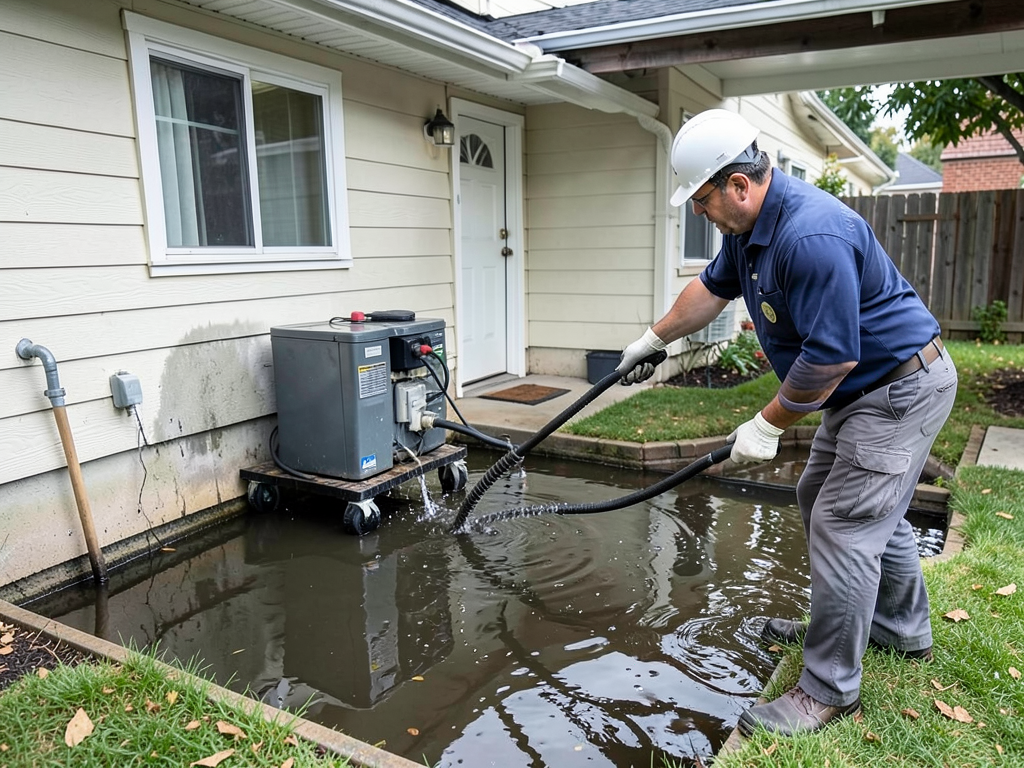
What to Do if Your New Backyard ADU Floods During a Heavy San Francisco Rain A sudden downpour in San…

What to Do if Your New Backyard ADU Floods During a Heavy San Francisco Rain

What to Do if Your New Backyard ADU Floods During a Heavy San Francisco Rain A sudden downpour in San…

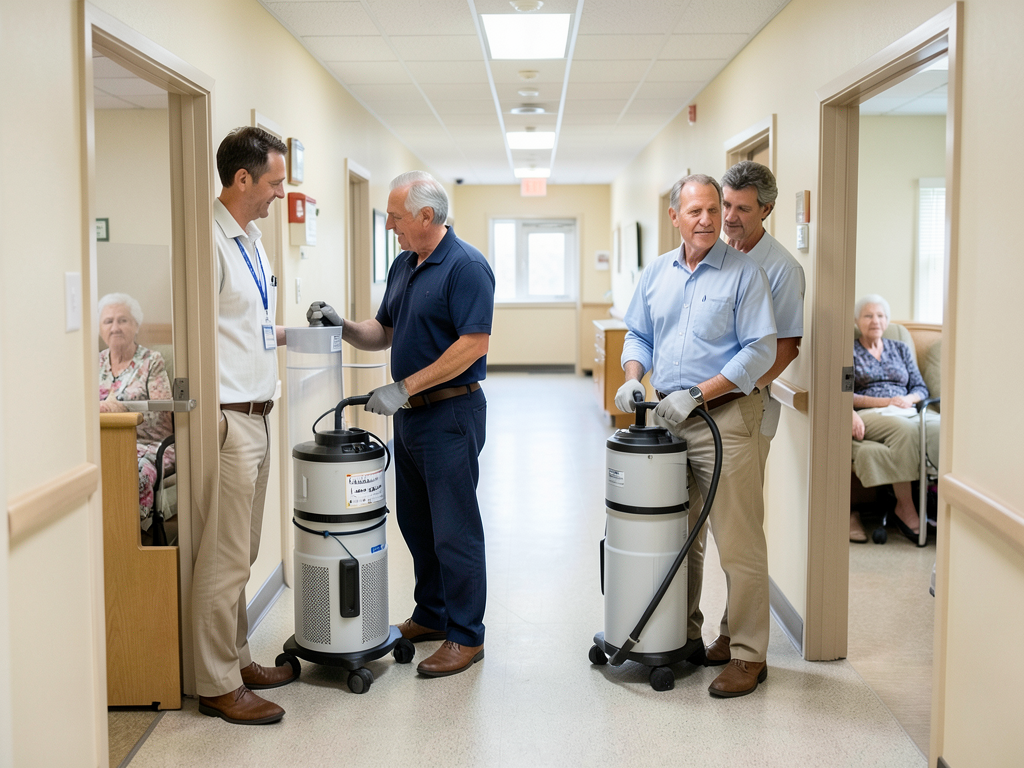
Selecting a Restoration Partner for Vulnerable Residents in a Richmond District Care Home

Specialized Senior Living Water Restoration Services in San Francisco Water damage in a Richmond District care home requires more than…

Why Your Noe Valley High Efficiency Boiler Could Be Slowly Flooding Your Utility Closet

Why Your Noe Valley High Efficiency Boiler Could Be Slowly Flooding Your Utility Closet If you live in a Noe…

Contact Us

Stop living with musty smells that indicate hidden moisture damage. Call (415) 449-6555 now to schedule your diagnostic inspection. We will identify the source, explain your options, and start remediation fast.