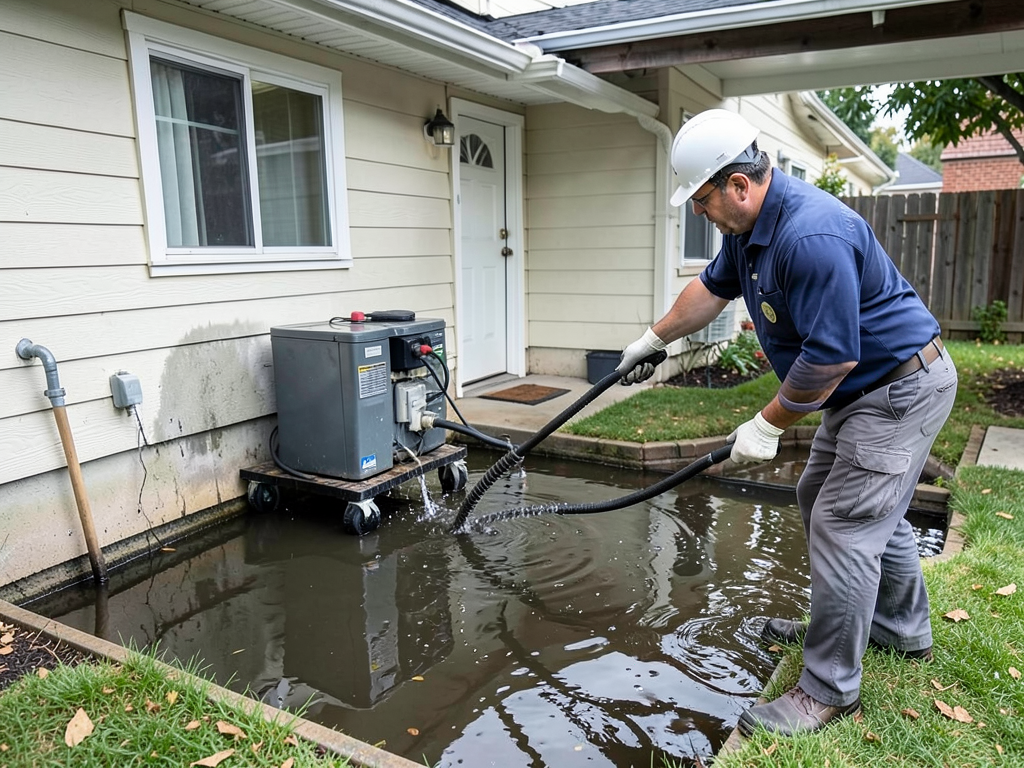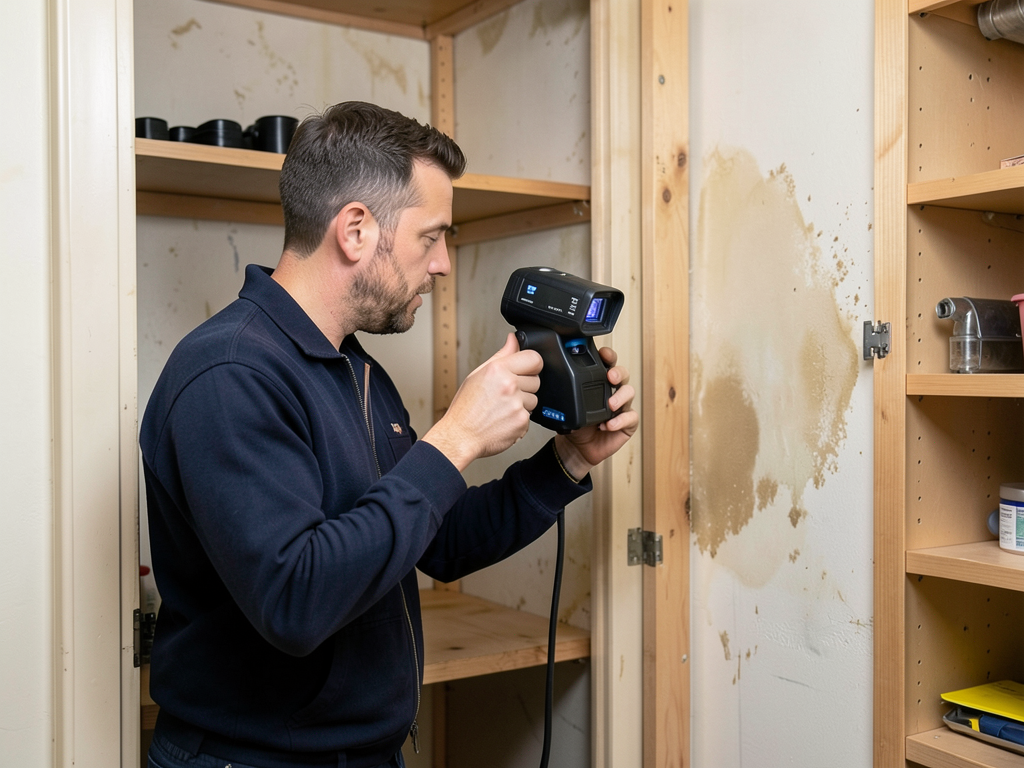

San Francisco's persistent fog and cool temperatures create unique challenges for post-water damage sanitization. The marine layer keeps relative humidity above 70 percent for extended periods, even after visible water dries. This sustained moisture allows bacteria and mold spores to colonize wall cavities, insulation, and subflooring far longer than in drier climates. Properties in western neighborhoods like the Sunset and Richmond face the highest risk. Without aggressive dehumidification and antimicrobial treatment, contamination becomes endemic. Standard drying times do not apply here. Materials that would dry in three days in Sacramento remain damp for a week in San Francisco, giving pathogens more time to multiply and penetrate deeper into building assemblies.
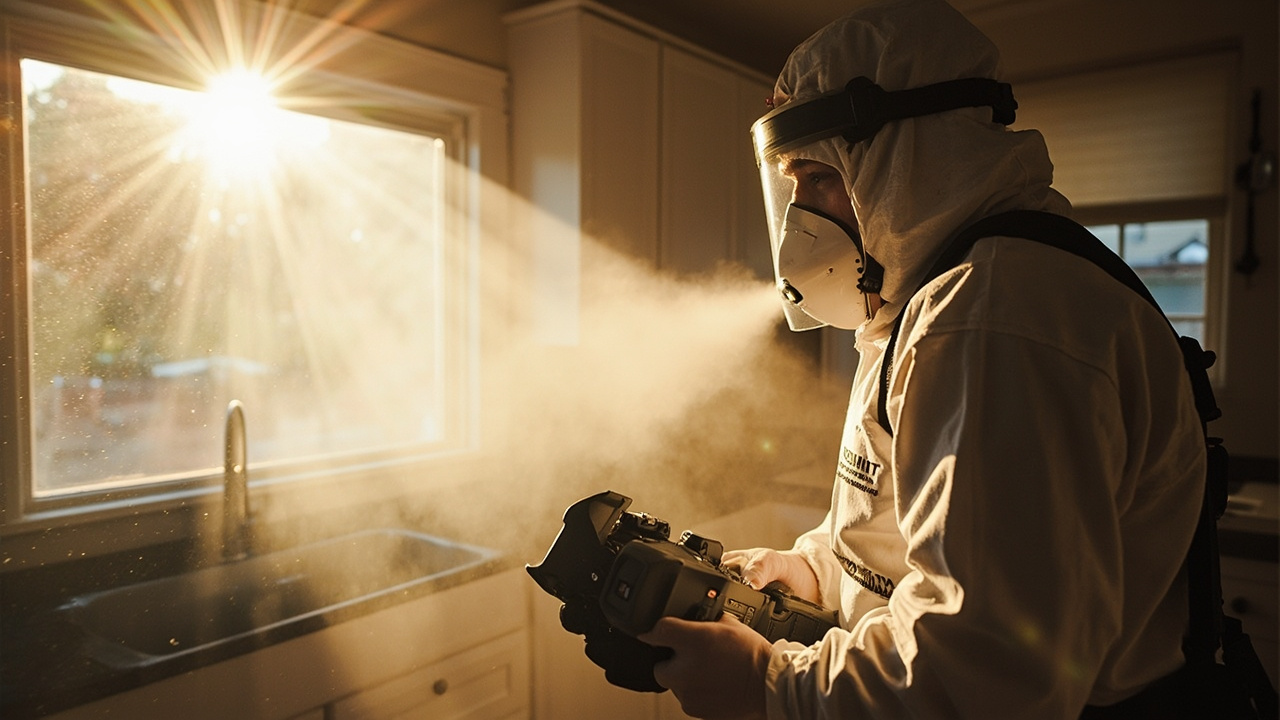
The city's aged housing stock compounds the problem. Many buildings constructed before 1950 use plaster over wood lathe, creating thousands of small cavities where moisture and contamination hide. Balloon framing allows contamination to migrate vertically through wall chases. These architectural features require sanitization techniques specific to historic construction methods. Summit Water Damage Restoration San Francisco specializes in treating period buildings without damaging historic fabric or violating preservation guidelines. We work regularly with the Planning Department on properties in designated historic districts, ensuring our disinfection protocols meet both microbial clearance standards and cultural resource protections. Local expertise matters when contamination hides in century-old construction details.