menu

Risks of DIY Water Cleanup in San Francisco – Why Amateur Restoration Can Cost You More Than You Save

Understanding the dangers of DIY water damage restoration protects your home from hidden structural damage, toxic mold growth, and insurance claim denials that can turn a manageable emergency into a financial disaster across the Bay Area.

Slider Image 1
Slider Image 2
Slider Image 3
Slider Image 4
Slider Image 5
Slider Image 7
Slider Image 8
Slider Image 9
Slider Image 10
Slider Image 11

Why DIY Water Cleanup Fails in San Francisco Homes

You grabbed every towel in the house. You rented a wet vac from the hardware store. You set up fans and hoped for the best. The water is gone, but the damage has just begun.

San Francisco's marine layer creates year-round humidity that makes amateur water removal especially dangerous. That persistent fog and coastal moisture slow evaporation rates and create ideal conditions for mold colonization within 24 to 48 hours. Your fans are pushing moisture deeper into wall cavities and subfloors, not removing it.

The hazards of do-it-yourself water removal extend beyond visible dampness. Water wicks upward through drywall and plaster through capillary action. It seeps into joist pockets and crawl spaces. Without professional moisture mapping equipment, you cannot detect hidden saturation that will cause rot, compromise structural integrity, and grow toxic mold behind finished surfaces.

Many Victorian and Edwardian homes in neighborhoods like the Mission, Haight-Ashbury, and Noe Valley feature old-growth lumber framing and lath-and-plaster walls. These materials absorb water differently than modern construction. The consequences of amateur water cleanup in historic homes include irreversible damage to irreplaceable materials and violation of historic preservation standards.

The biggest risk is invisible. Category 2 and Category 3 water contain bacteria, sewage, chemicals, and pathogens. You cannot see these contaminants. Standard household cleaners do not neutralize them. Without proper containment protocols and antimicrobial treatment, you are exposing your family to serious health hazards every time they walk through that room.

Insurance companies frequently deny claims when policyholders delay professional restoration or attempt DIY mitigation that worsens damage. You are gambling with your coverage.

Why DIY Water Cleanup Fails in San Francisco Homes
How Professional Water Damage Assessment Prevents Secondary Damage

How Professional Water Damage Assessment Prevents Secondary Damage

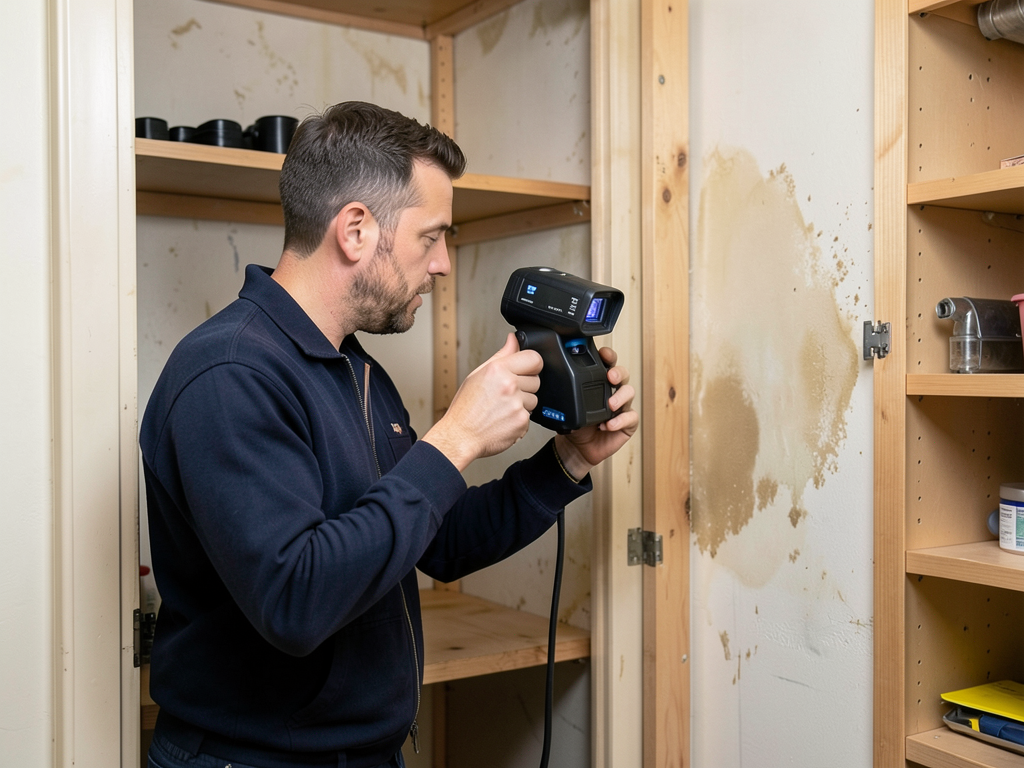
Effective water damage restoration begins with comprehensive moisture detection that goes far beyond what you can see or feel. We use thermal imaging cameras to identify temperature differentials that indicate trapped moisture. Infrared technology reveals wet insulation inside walls and saturated subfloors beneath vinyl or hardwood without destructive testing.

Moisture meters provide precise readings at different depths within materials. We take measurements in a grid pattern across affected areas and document moisture content in wood, drywall, concrete, and insulation. This data determines extraction strategy, drying time, and equipment placement.

The pitfalls of DIY water extraction include inadequate water removal that leaves residual moisture. We use truck-mounted extractors that generate significantly more vacuum pressure than rental units. These systems pull water from carpet padding, subfloors, and even concrete slabs. For hardwood floors, we use specialty drying mats that create negative pressure to draw moisture from wood without causing cupping or crowning.

Air movement science drives our drying protocols. We calculate the grain of evaporation for each material and position axial fans to create controlled airflow patterns that maximize moisture transfer from surfaces into the air. Commercial dehumidifiers remove that moisture-laden air and maintain optimal vapor pressure differentials.

Structural drying is not guesswork. We monitor temperature, relative humidity, and specific humidity throughout the drying process. We adjust equipment based on daily moisture readings until all materials reach dry standard. This typically takes three to five days depending on the extent of saturation and building materials involved.

Hidden risks of self-managed water mitigation include cross-contamination from Category 2 or Category 3 water. We establish containment barriers, use negative air machines with HEPA filtration, and apply EPA-registered antimicrobials to all affected surfaces. You cannot replicate this level of contamination control with household supplies.

What Happens During Professional Water Damage Mitigation

Risks of DIY Water Cleanup in San Francisco – Why Amateur Restoration Can Cost You More Than You Save
01

Emergency Water Removal

We arrive with truck-mounted extraction equipment and portable pumps to remove standing water immediately. Our team identifies the water source, stops active intrusion, and extracts water from all affected areas using weighted wands that pull moisture from carpet, padding, and subflooring. We document pre-loss conditions and initial moisture readings for insurance purposes while protecting unaffected areas with plastic sheeting and containment barriers.
02

Comprehensive Moisture Mapping

Our technicians use thermal imaging and penetrating moisture meters to identify all wet materials including hidden moisture in wall cavities, ceiling spaces, and structural framing. We create detailed floor plans showing moisture readings in each affected area and determine what materials require drying versus removal. This assessment guides equipment placement and prevents the hidden structural damage that amateur efforts miss completely.
03

Controlled Structural Drying

We deploy commercial air movers and dehumidifiers calibrated to your specific building materials and moisture levels. Our team monitors drying progress daily with moisture meters and adjusts equipment to maintain optimal conditions. We document all readings and continue drying until materials reach industry dry standards, typically three to five days. This prevents mold growth, warping, and the secondary damage that makes DIY attempts so costly.

Why San Francisco Homeowners Trust Summit Water Damage Restoration

You need a restoration company that understands Bay Area construction and the specific challenges that San Francisco's climate creates for water damage mitigation.

We work extensively with Victorian and Edwardian homes throughout the city. We know how to dry lath-and-plaster walls without causing additional cracking. We understand that old-growth Douglas fir framing behaves differently than modern dimensional lumber. We recognize when ornamental plaster needs specialty drying techniques to prevent permanent damage.

Our relationship with local insurance adjusters streamlines your claims process. We document damage according to Xactimate standards that adjusters expect. We provide detailed moisture logs, thermal images, and equipment schedules that support your claim and demonstrate professional mitigation that protects your coverage.

Summit Water Damage Restoration responds to emergencies across San Francisco 24 hours a day. We maintain equipment staging areas that allow rapid deployment to the Marina, Pacific Heights, Glen Park, and every neighborhood in between. When you call at 2 AM because a pipe burst, we arrive quickly with the extraction and drying equipment your situation requires.

The dangers of DIY water damage restoration multiply when you factor in San Francisco's seismic retrofit requirements and building codes. Removing wet drywall can expose unpermitted work or structural deficiencies that require correction before restoration. We coordinate with city inspectors when necessary and ensure all restoration work meets current code.

Our technicians hold IICRC certifications in Water Damage Restoration and Applied Structural Drying. This training covers building science, psychrometrics, and contamination control that you simply cannot learn from online videos. We invest in continuing education because the hidden risks of self-managed water mitigation create liability that no homeowner should accept.

We extract water from hardwood floors using specialty drying systems that preserve your investment. We save carpets through hot water extraction and controlled drying when possible. We make decisions based on material science and actual moisture readings, not guesswork.

What to Expect When You Choose Professional Restoration

Immediate Response Times

We answer your call 24/7 and typically arrive within 60 to 90 minutes anywhere in San Francisco. Our rapid response limits water migration and prevents secondary damage that develops in the first few hours after water intrusion. We begin extraction immediately while other companies are still scheduling appointments. Time matters in water damage restoration. Every hour of delay allows water to spread, materials to swell, and mold spores to germinate. Our trucks carry full equipment loads so we start mitigation the moment we arrive, not after a trip back to the shop for supplies.

Thorough Damage Assessment

Our initial inspection goes room by room with moisture detection equipment to find all affected areas. We check inside cabinets, behind baseboards, and in ceiling spaces where water travels through hidden pathways. We determine water category and class of loss according to IICRC S500 standards. We explain exactly what materials need drying, what requires removal, and why. You receive a detailed scope of work and moisture map that shows readings in every affected location. This assessment drives our restoration strategy and provides documentation your insurance company needs for claim processing.

Complete Structural Drying

We do not remove equipment until independent moisture readings confirm all materials have reached dry standard. Our daily monitoring catches drying issues early and allows equipment adjustments that prevent mold growth and material damage. You receive copies of all moisture logs that document drying progress from start to finish. We dry structures correctly the first time using commercial dehumidifiers that remove significantly more moisture than consumer units. Our air movers create airflow patterns calculated for your specific floor plan and materials. The result is thorough drying that prevents callbacks, mold claims, and the costly repairs that follow incomplete amateur attempts.

Post-Restoration Verification

After we remove drying equipment, we conduct final moisture testing to verify all materials meet industry dry standards before reconstruction begins. We provide a completion certificate that documents final readings and clearance for rebuild. If you smell musty odors or notice new staining in the weeks following restoration, we return to investigate at no charge. Our documentation protects you if insurance questions arise later. We coordinate with your contractors, flooring installers, and painters to ensure they understand moisture requirements before new materials get installed. This prevents warranty issues and ensures your restoration investment delivers lasting results instead of recurring problems.

Frequently Asked Questions

You Have Questions,
We Have Answers

Can you do water remediation yourself? +

You can handle minor surface water, like a small spill. But structural water damage requires professional equipment and expertise. DIY cleanup misses hidden moisture in walls, subfloors, and crawl spaces. In San Francisco's older Victorian and Edwardian homes, water travels through plaster walls and original wood framing in unpredictable ways. Without industrial dehumidifiers, moisture meters, and thermal imaging, you risk mold growth, structural rot, and insurance claim denials. Professionals document damage properly, extract water completely, and prevent secondary issues. If water affects more than one room or comes from contaminated sources, call a certified restoration company immediately.

Can mold from water damage make you sick? +

Yes. Mold releases spores and mycotoxins that trigger respiratory issues, allergic reactions, and chronic inflammation. Common symptoms include persistent coughing, wheezing, sinus congestion, headaches, and skin irritation. People with asthma, allergies, or compromised immune systems face heightened risks. In San Francisco's naturally damp climate, especially in foggy coastal neighborhoods, mold thrives indoors when water damage occurs. Black mold (Stachybotrys) produces particularly toxic compounds. Children and elderly residents are most vulnerable. If you smell musty odors or see visible growth after water damage, avoid the area and consult a medical professional. Professional mold remediation removes the source safely.

How long can drywall be wet before mold? +

Mold begins growing on wet drywall within 24 to 48 hours. San Francisco's coastal humidity accelerates this timeline. Once drywall absorbs water, the paper backing and gypsum core create perfect conditions for spore colonization. You cannot always see early growth because it starts behind surfaces. The clock starts immediately after water contact. Standard drywall must be removed if wet for more than 48 hours, even if it looks dry. Moisture-resistant drywall (greenboard) offers slightly more time but still requires professional drying. Delaying action guarantees mold contamination, remediation costs, and potential health risks. Speed matters.

How long does it take for water to damage foundation? +

Foundation damage from water begins within hours but worsens over months. Immediate concerns include soil saturation around the perimeter, which creates hydrostatic pressure against foundation walls. In San Francisco, many homes sit on fill soil or near hillsides prone to drainage issues. Clay soil, common in parts of the city, expands when wet and contracts when dry, causing foundation shifting and cracks. Persistent water exposure erodes concrete, rusts rebar, and undermines structural integrity. Basements and crawl spaces flood quickly during heavy rain. You may notice cracks, uneven floors, or sticking doors within weeks. Address drainage and moisture immediately.

What are the 10 warning signs of mold toxicity? +

Ten warning signs of mold toxicity include persistent fatigue, brain fog, difficulty concentrating, headaches, dizziness, respiratory issues, chronic sinus congestion, skin rashes, joint pain, and sensitivity to light. You may also experience memory problems, mood swings, numbness, tingling, digestive issues, and unexplained muscle aches. Symptoms often worsen in damp environments and improve when you leave the affected space. San Francisco's naturally humid climate can mask mold problems, making ongoing exposure more likely. If multiple symptoms appear after water damage or in a chronically damp building, consult a physician and arrange professional mold testing. Early intervention prevents long-term health complications.

Can I safely remove black mold myself? +

No. Black mold (Stachybotrys chartarum) releases toxic spores when disturbed. DIY removal spreads contamination throughout your home and exposes you to dangerous mycotoxins. Proper remediation requires containment barriers, negative air pressure, HEPA filtration, personal protective equipment, and safe disposal methods. In San Francisco's older housing stock, black mold often hides in wall cavities, under flooring, and inside HVAC systems. Scrubbing visible growth does not address the root moisture problem or hidden colonies. Insurance may not cover damage if you attempt DIY remediation. Certified mold remediation professionals follow strict protocols to protect your health and property.

Is brain damage from mold reversible? +

Mold-related brain damage shows varying degrees of reversibility depending on exposure duration and individual health. Mycotoxins cause neuroinflammation, which impairs cognitive function, memory, and concentration. Some patients recover fully after removing exposure and undergoing treatment. Others experience lingering symptoms, especially after prolonged exposure. Medical interventions include detoxification support, anti-inflammatory protocols, and cognitive therapy. The key is stopping exposure immediately. If you suspect mold toxicity after water damage in your San Francisco home, see a physician experienced in environmental illness. Professional mold remediation eliminates the source. Early action improves recovery outcomes. Brain health depends on clean indoor air quality.

What are the signs of mold making you sick? +

Mold exposure causes respiratory symptoms like coughing, wheezing, throat irritation, and nasal congestion. You may develop watery eyes, skin rashes, or hives. Chronic exposure leads to persistent headaches, fatigue, dizziness, and difficulty concentrating. Asthma sufferers experience worsened attacks. Watch for symptoms that improve when you leave your home and return when you come back. San Francisco's fog and coastal moisture create ideal mold conditions, especially after water damage. Musty odors signal active growth even without visible signs. If multiple household members develop similar symptoms simultaneously, mold contamination is likely. Seek medical evaluation and professional mold inspection immediately.

How long before water damage becomes mold? +

Water damage becomes mold within 24 to 48 hours under the right conditions. San Francisco's ambient humidity and temperate climate accelerate mold colonization. Porous materials like drywall, insulation, carpet, and upholstery absorb moisture quickly. Mold spores exist everywhere and only need moisture, organic material, and warmth to grow. Once established, colonies spread rapidly through walls, HVAC ducts, and hidden spaces. Visible mold indicates a larger problem behind surfaces. Professional water extraction and structural drying within the first 24 hours prevent mold development. Delaying action turns a water emergency into a mold remediation project. Time is your enemy.

Does running the AC help with mold? +

Running AC alone does not eliminate mold. Air conditioning reduces humidity, which helps prevent new growth, but does not kill existing colonies or remove spores. Mold requires active remediation, not just climate control. In San Francisco's mild climate, many older homes lack central AC, relying on natural ventilation. After water damage, you need targeted dehumidification, not just cooling. Professional restoration uses commercial dehumidifiers that extract moisture far more effectively than residential AC units. AC can recirculate mold spores through ductwork if contamination exists. Address the moisture source, dry structural materials completely, and remediate visible growth. AC supports prevention afterward.

How San Francisco's Marine Climate Increases DIY Water Cleanup Risks

San Francisco's persistent fog and coastal humidity create baseline moisture levels that slow evaporation and complicate structural drying. The marine layer brings relative humidity between 70 and 90 percent most mornings across neighborhoods from the Richmond to Bernal Heights. This ambient moisture prevents effective drying with consumer-grade equipment. Portable fans simply recirculate humid air instead of promoting evaporation. The dangers of DIY water damage restoration multiply when you fight elevated humidity without commercial dehumidification that actively removes moisture from the air. Your wet building materials stay wet longer, giving mold spores ideal conditions for colonization.

Understanding the consequences of amateur water cleanup requires knowledge of San Francisco's unique housing stock. The city has more than 48,000 buildings constructed before 1940. These structures feature materials and methods that respond unpredictably to water intrusion. Summit Water Damage Restoration trains specifically on historic building restoration and works regularly with homes in designated historic districts where improper drying techniques can violate preservation standards. We understand how balloon framing allows water to travel vertically through wall cavities. We recognize when horsehair plaster needs specialty drying to prevent crumbling. This local expertise prevents the irreversible material damage and code violations that plague DIY attempts.
Water Damage Restoration Services in The San Francisco Area

Our commitment to rapid response means we cover the entire San Francisco area and surrounding communities. View the map below to visualize our primary service region, which includes key neighborhoods and business districts. Whether you are located in the Financial District, the Mission, or out toward the Sunset, you can trust our 24/7 team to reach you quickly. We proudly serve both residential and commercial clients across the entire map, guaranteeing a fast and effective mitigation service the moment you need us.

Address:
Summit Water Damage Restoration San Francisco, 1390 Market St, San Francisco, CA, 94102

Additional Services We Offer

Our news updates

Latest Articles & News from The Blogs

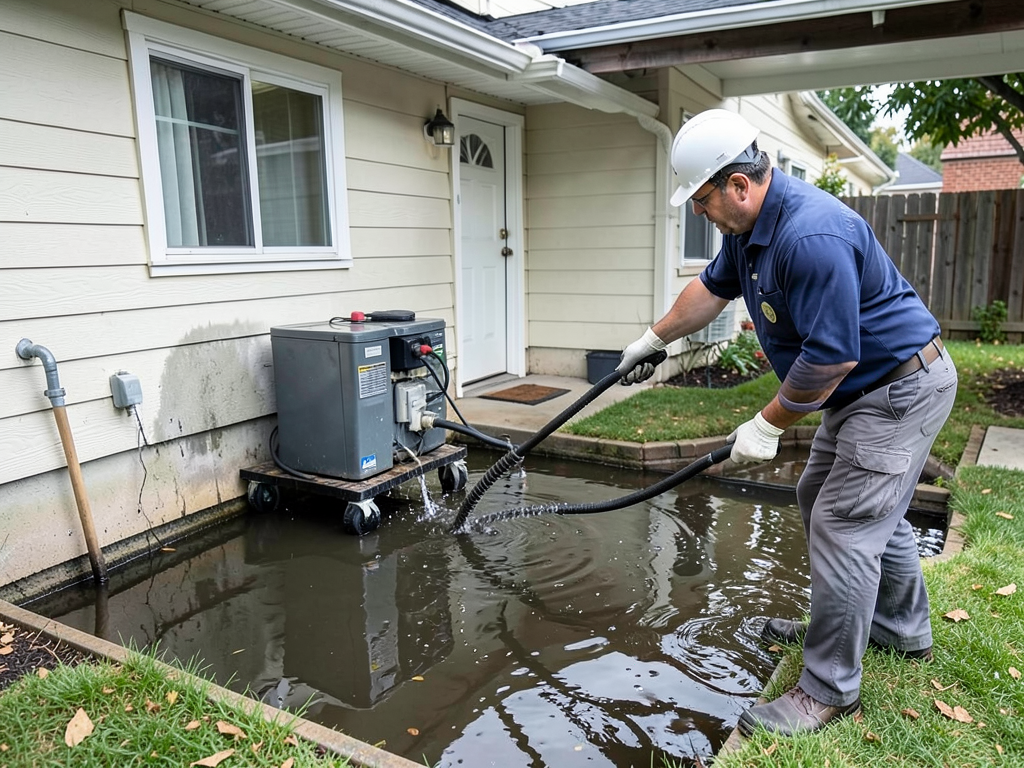
What to Do if Your New Backyard ADU Floods During a Heavy San Francisco Rain A sudden downpour in San…

What to Do if Your New Backyard ADU Floods During a Heavy San Francisco Rain

What to Do if Your New Backyard ADU Floods During a Heavy San Francisco Rain A sudden downpour in San…

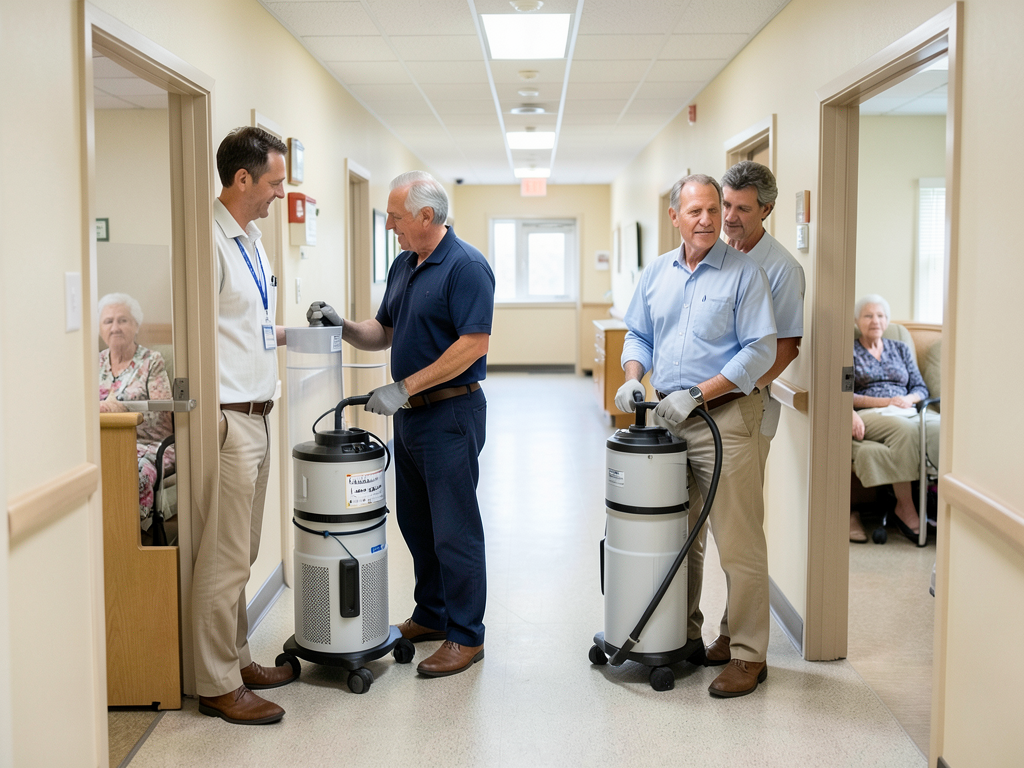
Selecting a Restoration Partner for Vulnerable Residents in a Richmond District Care Home

Specialized Senior Living Water Restoration Services in San Francisco Water damage in a Richmond District care home requires more than…

Why Your Noe Valley High Efficiency Boiler Could Be Slowly Flooding Your Utility Closet

Why Your Noe Valley High Efficiency Boiler Could Be Slowly Flooding Your Utility Closet If you live in a Noe…

Contact Us

Every hour you wait allows water to spread and damage to worsen. Call Summit Water Damage Restoration San Francisco now at (415) 449-6555 for immediate emergency response. Our trucks are ready, our technicians are standing by, and we arrive fast with the equipment your situation demands.