menu

Visible Mold Growth on Walls in San Francisco – Expert Diagnosis and Safe Removal

Our certified mold remediation technicians identify the moisture source causing visible mold growth on walls in your San Francisco property, then remove contaminated materials and restore indoor air quality using EPA-approved protocols.

Slider Image 1
Slider Image 2
Slider Image 3
Slider Image 4
Slider Image 5
Slider Image 7
Slider Image 8
Slider Image 9
Slider Image 10
Slider Image 11

Why San Francisco Walls Develop Fungal Growth So Quickly

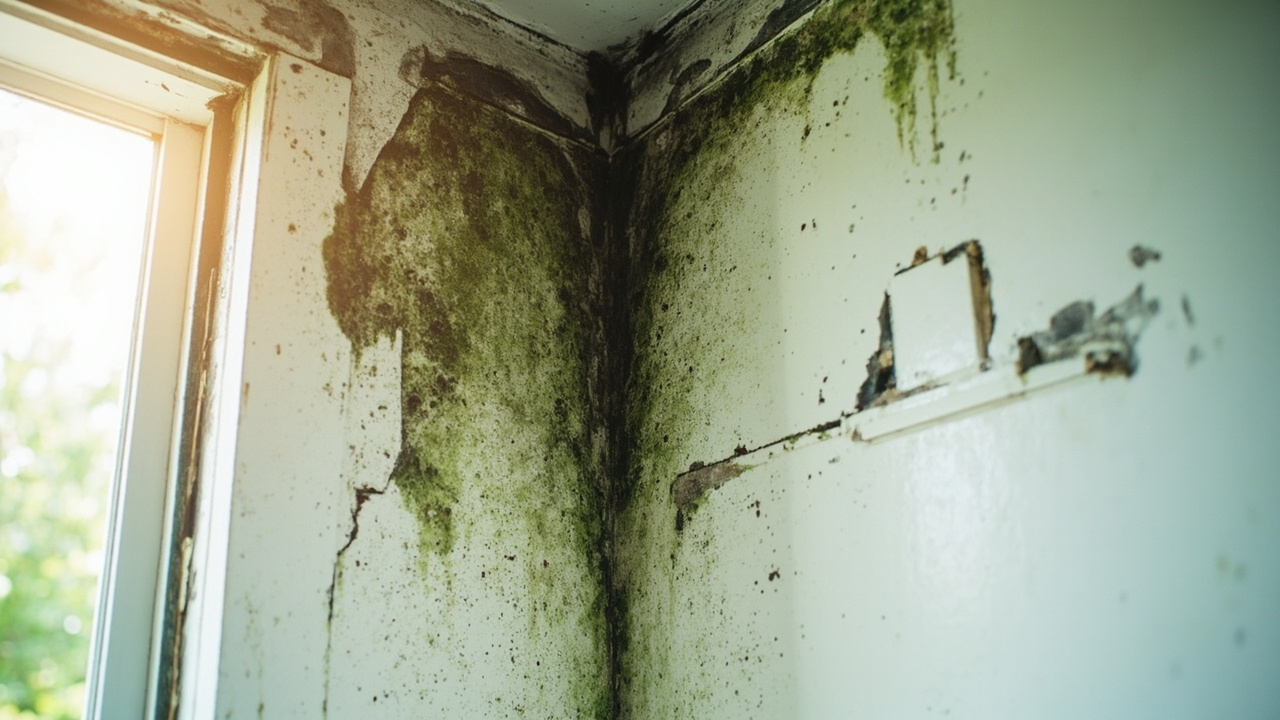
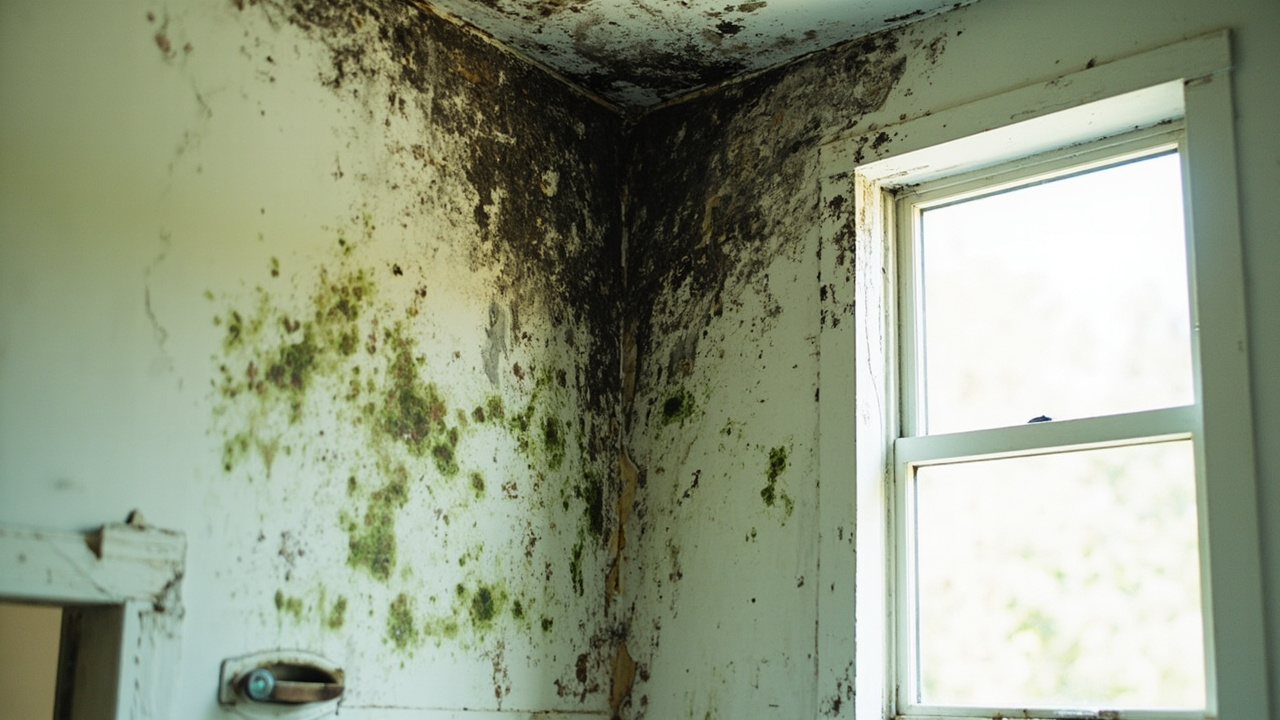
You walk past a bedroom wall and notice dark, fuzzy patches spreading across the paint. Maybe you spotted black mold spots on drywall near a bathroom, or fungal growth on wall surfaces in a corner bedroom that faces the Pacific fog. You are not imagining it, and you are not alone.

San Francisco's cool, damp marine climate creates perfect conditions for mold colonization. The city averages 250 foggy days per year, with persistent moisture settling into walls through minor leaks, condensation, or simple vapor diffusion. Older Victorian and Edwardian homes in neighborhoods like the Mission, Noe Valley, and the Sunset were often built with minimal vapor barriers, allowing moisture to migrate through plaster and lath systems. When indoor humidity meets cool exterior walls, condensation forms behind paint layers. This trapped moisture feeds mold spores already present in your home.

Visible mildew on painted walls often signals a deeper problem. What you see on the surface represents only a fraction of the mold patches on sheetrock hidden behind finishes. Stachybotrys chartarum, commonly called black mold, thrives in these damp conditions and releases mycotoxins that degrade indoor air quality. Residents with asthma or allergies notice symptoms worsening when wall mold infestation takes hold.

The problem accelerates in bathrooms without proper exhaust ventilation, kitchens with leaking dishwashers, and any room where a slow plumbing leak goes unnoticed. San Francisco's strict building codes require mechanical ventilation in moisture-prone areas, but many older homes predate these requirements. The result is persistent dampness, limited airflow, and walls that never fully dry. Ignoring visible mold growth means the problem spreads through wall cavities, compromising structural integrity and creating health risks you cannot see.

Why San Francisco Walls Develop Fungal Growth So Quickly
How We Stop Mold at the Source and Restore Wall Integrity

How We Stop Mold at the Source and Restore Wall Integrity

Spraying bleach on mold does nothing to address the moisture source feeding it. We use a diagnostic approach that identifies why your walls stay wet, then execute containment and remediation based on IICRC S520 mold remediation standards.

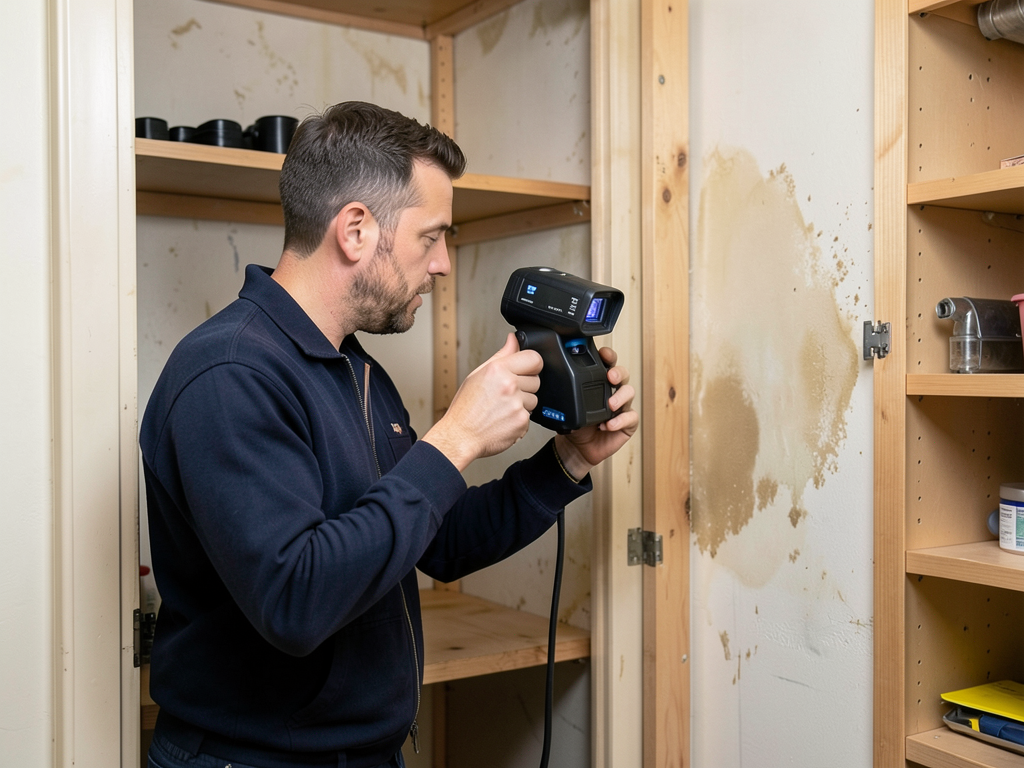
Our technicians start with moisture mapping using thermal imaging cameras and pin-type moisture meters. We measure humidity levels in wall cavities and identify whether the source is a plumbing leak, roof penetration, or condensation issue. In San Francisco homes, we frequently find failed window flashing on bay windows or compromised parapet walls allowing fog moisture to penetrate the building envelope. We also check crawl spaces and basements, where rising damp from the city's high groundwater table can wick moisture into wall framing.

Once we locate the moisture source, we establish containment using polyethylene barriers and negative air pressure to prevent cross-contamination. We remove affected drywall, insulation, and baseboards, disposing of porous materials that cannot be salvaged. Non-porous surfaces like studs and joists get wire-brushed, then treated with antimicrobial solutions. We never encapsulate mold, we remove it.

After demolition, we dry the wall cavity using commercial dehumidifiers and air movers, monitoring moisture content until readings drop below 15 percent. We then apply EPA-registered fungicides to framing members and run HEPA air scrubbers to capture airborne spores. The final step involves post-remediation verification, where we conduct air quality testing to confirm spore counts have returned to baseline levels. Only then do we approve the space for reconstruction. This methodical process ensures mold does not return, because we fixed the conditions that allowed it to grow in the first place.

What Happens During a Mold Remediation Visit

Visible Mold Growth on Walls in San Francisco – Expert Diagnosis and Safe Removal
01

Initial Inspection and Testing

Our technician arrives with moisture detection equipment and completes a visual inspection of all affected areas. We use thermal imaging to identify hidden moisture behind walls and take air samples to determine spore concentrations. You receive a written scope of work outlining contaminated materials requiring removal, the suspected moisture source, and estimated remediation timeline. This diagnostic phase typically takes 60 to 90 minutes depending on property size.
02

Containment and Removal

We seal off the work area with plastic sheeting and install HEPA-filtered negative air machines to prevent spores from spreading to clean areas. Technicians wearing respirators remove contaminated drywall, insulation, and trim, bagging materials for proper disposal. We treat exposed framing with antimicrobial agents and begin the drying process. Most residential jobs require two to four days of active remediation, longer if structural framing shows moisture damage or decay.
03

Air Quality Clearance

After all contaminated materials are removed and surfaces treated, we run air scrubbers for 24 to 48 hours to capture residual spores. An independent indoor air quality consultant performs clearance testing, comparing spore counts in the remediated area to outdoor baseline levels. Once results confirm the space is safe, we issue a clearance certificate and your contractor can begin reconstruction. You get documentation proving your home meets California mold remediation standards.

Why San Francisco Property Owners Choose Summit Water Damage Restoration

Mold remediation is not a handyman job. California requires contractors performing mold remediation on projects exceeding ten square feet to hold a C-61 or other appropriate license classification. Summit Water Damage Restoration San Francisco employs IICRC-certified mold remediation technicians who understand the unique challenges of this city's housing stock.

We work regularly in San Francisco's historic districts, where preservation requirements and seismic retrofitting complicate remediation. Many Victorian homes have plaster-and-lath walls that require careful removal to avoid damaging ornamental woodwork or original trim. Our crews know how to navigate these constraints while meeting Department of Building Inspection requirements for permits and inspections.

San Francisco's Residential Rent Ordinance also creates obligations for landlords dealing with mold complaints. Tenants can withhold rent or pursue legal action if mold creates uninhabitable conditions. We provide detailed documentation, including photos, moisture readings, and lab reports, that satisfy legal discovery requirements and help property owners demonstrate good-faith remediation efforts. Our rapid response prevents small problems from escalating into habitability disputes.

We also understand how fog and microclimates affect different neighborhoods. Properties in the Sunset and Richmond face persistent ocean moisture, while South of Market buildings deal with poor ventilation in converted industrial spaces. Noe Valley and Bernal Heights properties built on hillsides often experience drainage issues that channel water into foundation walls. This geographic knowledge lets us diagnose root causes faster than out-of-area contractors unfamiliar with the city's topography and weather patterns.

You get straight answers, proper documentation, and work that passes third-party clearance testing. We coordinate with your insurance adjuster, provide detailed estimates, and communicate clearly about timelines. No upselling, no surprises.

What to Expect When You Call Us

Response Time and Availability

We dispatch a technician within four hours of your call for emergency situations involving active water intrusion or widespread contamination. Non-emergency assessments are typically scheduled within 24 hours. Our teams work seven days a week, including evenings, to accommodate your schedule. Most inspections take place the same day you contact us, and we provide a written remediation plan before leaving your property. If the situation requires immediate containment to prevent spore spread, we establish temporary barriers during the initial visit.

Assessment and Scope Development

Our technician conducts a room-by-room inspection using moisture meters, infrared cameras, and visual assessment protocols. We measure relative humidity, check HVAC systems for mold amplification, and inspect crawl spaces or attics if applicable. You receive a detailed scope of work outlining all affected materials, the remediation approach, and cost breakdown. We explain the moisture source, whether it requires a plumber or roofer to fix, and coordinate with those trades if needed. The assessment includes photos and moisture readings that document conditions before we begin work.

Remediation Quality and Standards

All remediation follows IICRC S520 standards and California Department of Public Health guidelines. We remove contaminated materials completely rather than encapsulating or painting over mold. You get HEPA filtration during the entire process, antimicrobial treatment of all framing, and controlled drying to prevent secondary mold growth. Our work includes proper disposal of contaminated materials at approved facilities, not random dumpsters. The final product is a clean, dry wall cavity ready for your contractor to rebuild, backed by lab-verified air quality testing.

Post-Remediation Support and Documentation

You receive a complete work file including before and after photos, moisture logs, air sample lab reports, and a clearance certificate from an independent assessor. This documentation satisfies insurance requirements and provides legal protection if you are a landlord facing tenant claims. We also provide a written summary of the moisture source and recommendations to prevent recurrence, such as installing exhaust fans, upgrading weatherproofing, or improving drainage. If mold returns within the remediated area due to our workmanship, we address it at no charge.

Frequently Asked Questions

You Have Questions,
We Have Answers

What to do if you see mold on a wall? +

Stop spreading it. Do not touch or wipe the mold, as this releases spores into the air. Increase ventilation by opening windows if safe to do so. Take photos for documentation. If the affected area is larger than 10 square feet, you need professional remediation. San Francisco's fog and coastal moisture create conditions where mold grows fast once it starts. Check for water sources like leaky pipes, roof intrusion, or condensation from poor ventilation. Small surface mold might seem minor, but it signals a moisture problem that will worsen. Call a licensed remediation company for assessment and containment.

Can mold make a baby cough? +

Yes. Mold spores irritate developing respiratory systems. Babies breathe faster than adults, inhaling more spores per pound of body weight. Symptoms include persistent dry cough, wheezing, congestion, and difficulty sleeping. In San Francisco's older housing stock, mold often hides in wall cavities, under sinks, or behind furniture pushed against exterior walls. The fog and marine layer keep indoor humidity high, fueling growth. If your baby coughs without fever or illness, inspect your home for visible mold or musty odors. Remove the baby from the environment and get professional mold testing to identify the source and species.

Can mold cause twitching? +

Some mold species produce mycotoxins that affect the nervous system. While rare, prolonged exposure to toxic mold like Stachybotrys can cause neurological symptoms including muscle twitching, tremors, numbness, and tingling. These symptoms often appear alongside headaches, cognitive fog, and fatigue. Mold neurotoxicity is controversial in medical circles, but patients report improvement after remediation. If you experience unexplained twitching and have visible mold or water damage in your home, get the mold tested. Professional remediation removes the source. San Francisco's dense housing and aging infrastructure increase exposure risk. Document your symptoms and consult a physician familiar with environmental illness.

Does black mold affect pregnancy? +

Yes. Pregnant women face higher risk from mold exposure. Mycotoxins can cross the placental barrier, potentially affecting fetal development. Studies link mold exposure during pregnancy to respiratory issues in newborns, low birth weight, and developmental delays. Pregnant women often experience heightened sensitivity, with stronger reactions to spores. San Francisco's Victorian and Edwardian homes frequently have hidden moisture problems in crawl spaces and behind plaster walls. If you are pregnant and discover mold, leave remediation to professionals. Do not attempt cleanup yourself. Ensure proper containment during remediation to prevent spore spread. Prioritize air quality testing before returning to the space.

How San Francisco's Fog Belt Accelerates Wall Mold Growth

San Francisco sits at the convergence of cold Pacific currents and warm inland air, creating a persistent fog layer that blankets western neighborhoods from June through September. This fog carries moisture that condenses on cool exterior walls, particularly in homes lacking adequate vapor barriers or exterior insulation. Properties in the Sunset, Richmond, and parts of the Presidio experience the heaviest fog exposure, with relative humidity regularly exceeding 80 percent. When this moisture penetrates siding or window casings, it saturates wall cavities and creates ideal conditions for black mold spots on drywall and fungal growth on wall surfaces. The problem intensifies in homes with single-pane windows, where temperature differentials cause heavy condensation on interior glass and surrounding framing.

San Francisco's seismic retrofitting requirements and historic preservation standards mean mold remediation often involves coordination with structural engineers and Planning Department approvals. Summit Water Damage Restoration San Francisco maintains relationships with local engineers, architects, and inspectors who understand these regulatory layers. We know which neighborhoods fall under Article 10 and Article 11 historic district protections, and we work within those constraints to preserve original materials while eliminating contamination. Our familiarity with local building officials and permit processes prevents delays that leave your property exposed to ongoing moisture damage while waiting for approvals.
Water Damage Restoration Services in The San Francisco Area

Our commitment to rapid response means we cover the entire San Francisco area and surrounding communities. View the map below to visualize our primary service region, which includes key neighborhoods and business districts. Whether you are located in the Financial District, the Mission, or out toward the Sunset, you can trust our 24/7 team to reach you quickly. We proudly serve both residential and commercial clients across the entire map, guaranteeing a fast and effective mitigation service the moment you need us.

Address:
Summit Water Damage Restoration San Francisco, 1390 Market St, San Francisco, CA, 94102

Additional Services We Offer

Our news updates

Latest Articles & News from The Blogs

What to Do if Your New Backyard ADU Floods During a Heavy San Francisco Rain A sudden downpour in San…

What to Do if Your New Backyard ADU Floods During a Heavy San Francisco Rain

What to Do if Your New Backyard ADU Floods During a Heavy San Francisco Rain A sudden downpour in San…

Selecting a Restoration Partner for Vulnerable Residents in a Richmond District Care Home

Specialized Senior Living Water Restoration Services in San Francisco Water damage in a Richmond District care home requires more than…

Why Your Noe Valley High Efficiency Boiler Could Be Slowly Flooding Your Utility Closet

Why Your Noe Valley High Efficiency Boiler Could Be Slowly Flooding Your Utility Closet If you live in a Noe…

Contact Us

Visible mold means hidden damage. Call Summit Water Damage Restoration San Francisco at (415) 449-6555 for same-day inspection and a detailed remediation plan. We provide clear pricing, proper documentation, and work that passes clearance testing.