menu

Emergency Dehumidifier Rental in San Francisco – Industrial Equipment Delivered in Under 2 Hours

When water strikes your San Francisco property, you need emergency dehumidifier rental now. We deliver commercial-grade drying equipment 24/7 with same-day deployment across the Bay Area.

Slider Image 1
Slider Image 2
Slider Image 3
Slider Image 4
Slider Image 5
Slider Image 7
Slider Image 8
Slider Image 9
Slider Image 10
Slider Image 11

Why San Francisco Water Emergencies Demand Immediate Dehumidification

San Francisco's coastal fog and marine layer create a unique humidity challenge that most property owners underestimate. When your building floods from a burst pipe, storm surge near the Embarcadero, or backup from aging sewer systems in the Sunset District, that moisture does not just sit on the surface. It migrates into wall cavities, hardwood subfloors, and insulation. The city's dense Victorian and Edwardian architecture, with their balloon framing and plaster walls, traps moisture in ways modern construction does not.

You have maybe 24 to 48 hours before mold colonization begins. After that, you are looking at remediation costs that dwarf the original water damage. Standard box fans from a hardware store cannot move the volume of air required to dry structural cavities. You need commercial dehumidifier rental with industrial-grade CFM ratings and low-grain refrigerant technology.

Whether you need a flood dehumidifier rental after a Mission District basement flood or 24 hour dehumidifier rental for a Pacific Heights commercial property, the equipment must match the moisture load. A residential unit pulls maybe 50 pints per day. An industrial dehumidifier for rent moves 200-plus pints in the same timeframe. That difference determines whether your drywall can be saved or must be torn out.

San Francisco's building density also means water migrates between units. A third-floor leak in a Nob Hill apartment building becomes a first-floor problem within hours. Commercial drying equipment rental stops that cascade before it reaches your neighbor's ceiling.

Why San Francisco Water Emergencies Demand Immediate Dehumidification
How Professional Dehumidification Stops Structural Damage

How Professional Dehumidification Stops Structural Damage

Emergency dehumidifier rental is not about comfort. It is about physics. Water vapor moves from high concentration areas to low concentration areas until equilibrium is reached. When your building floods, every porous material becomes a moisture reservoir. Drywall, insulation, subflooring, and even framing lumber absorb water and slowly release it back into the air. Without active dehumidification, that moisture just redistributes through the structure.

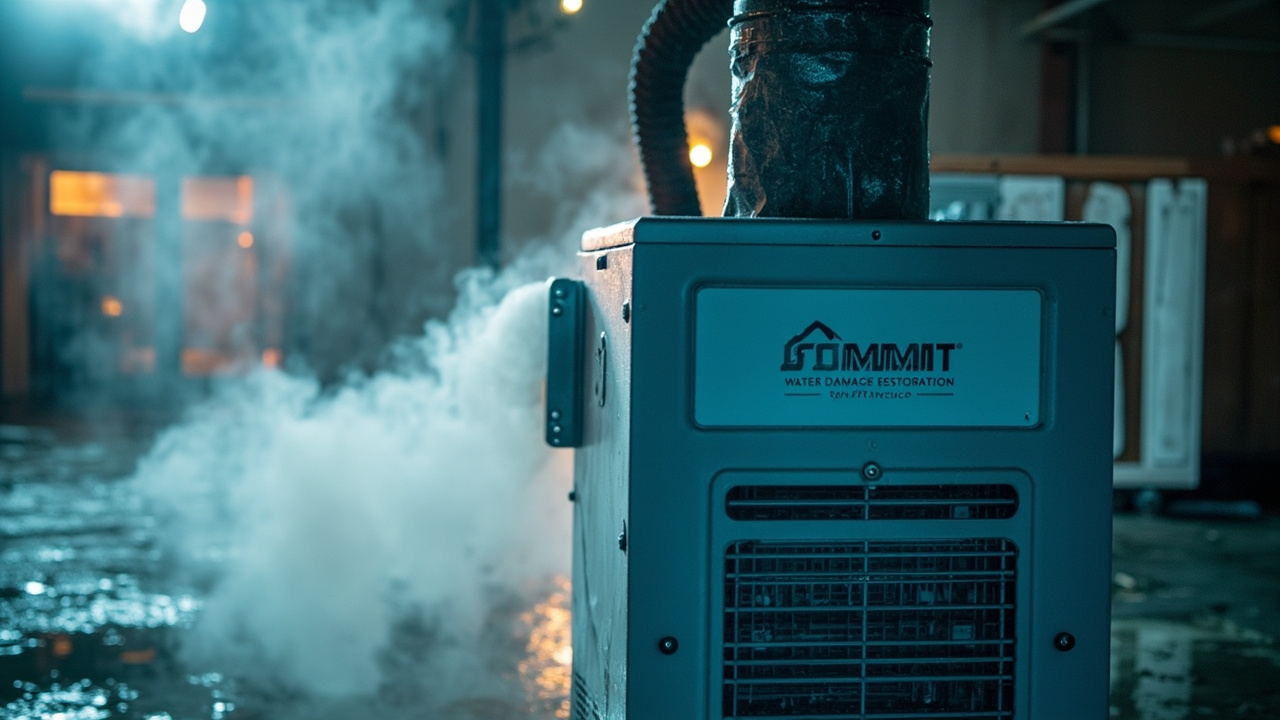
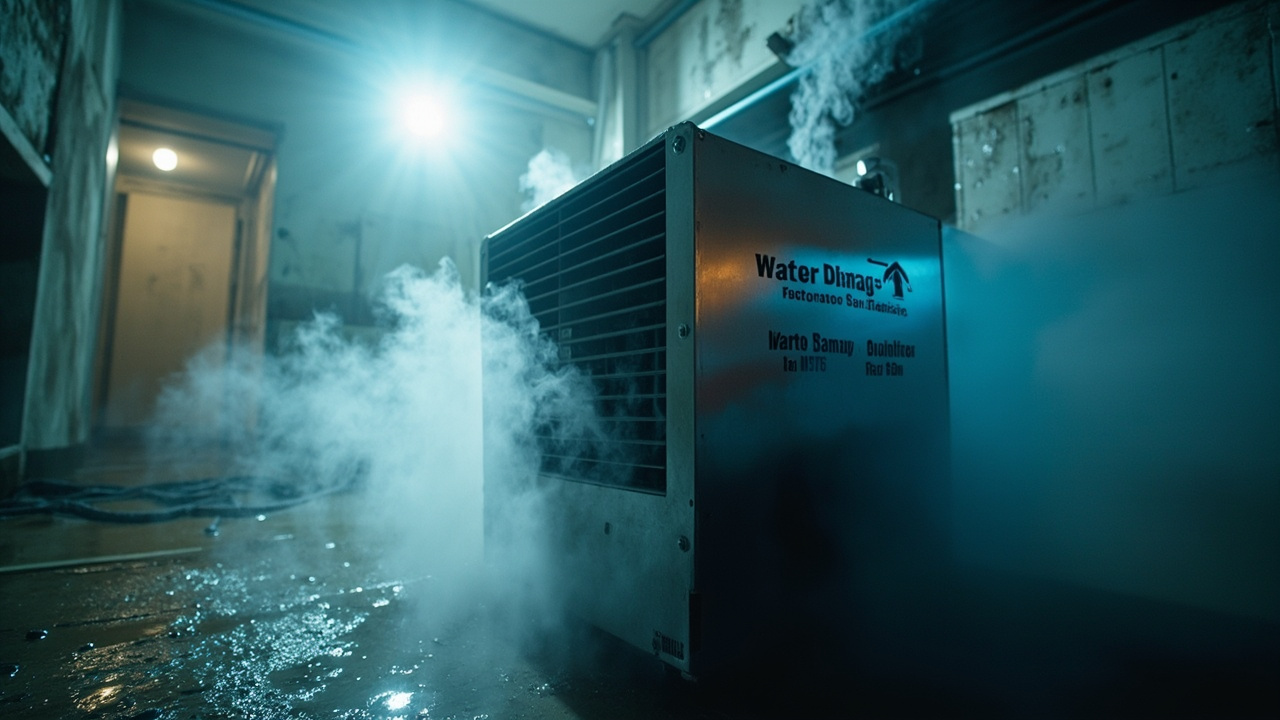
We deploy low-grain refrigerant (LGR) dehumidifiers that pull the dew point down to levels that force moisture out of building materials. Standard refrigerant dehumidifiers stop working effectively below 50-degree dew points. LGR units keep extracting moisture even at 40 degrees, which is critical for deep structural drying in San Francisco's cooler microclimates near the ocean.

We pair dehumidification with air movers to create a drying chamber effect. The air movers increase evaporation rates at material surfaces. The dehumidifiers pull that moisture out of the air before it can redeposit elsewhere. We monitor this process with thermo-hygrometers and moisture meters, taking readings at wall studs, subfloors, and baseboards until we hit target moisture content levels.

For commercial clients in SoMa or the Financial District, we stage equipment based on cubic footage and moisture load calculations. A 5,000-square-foot office with two inches of standing water requires different CFM and dehumidification capacity than a 1,200-square-foot retail space with localized seepage. We do not guess. We calculate grain depression rates and adjust equipment accordingly.

What Happens When You Call for Emergency Equipment

Emergency Dehumidifier Rental in San Francisco – Industrial Equipment Delivered in Under 2 Hours
01

Immediate Equipment Assessment

When you call our 24 hour emergency line, we ask specific questions about water source, affected square footage, and building type. This determines whether you need a single LGR unit or a multi-stage drying array. We have equipment staged in San Francisco, so we bypass the delays that come with dispatching from the East Bay or South Bay. Most emergency dehumidifier rental requests get same-day delivery, often within two hours of your call.
02

On-Site Equipment Deployment

Our technician arrives with pre-selected equipment based on your initial assessment. We place dehumidifiers in central locations to maximize air circulation patterns and position air movers to target wet building materials directly. We explain the drying strategy, show you how to empty condensate tanks if needed, and provide moisture meter readings so you understand the baseline. You get a clear timeline for how long equipment needs to run based on current moisture levels.
03

Monitoring and Equipment Pickup

We check in within 24 hours to assess drying progress and adjust equipment if needed. Some jobs require five days of continuous dehumidification. Others resolve in 72 hours. When moisture readings hit acceptable levels, we schedule pickup. You pay only for the days you actually use the equipment. No hidden fees, no pressure to keep units longer than necessary. We document final readings for your insurance claim and provide a summary of the drying process.

Why San Francisco Properties Need Local Equipment Resources

You cannot afford to wait for equipment to arrive from outside the city. San Francisco's unique building stock and dense urban layout create specific challenges that demand immediate response. The older homes in Bernal Heights and Noe Valley have limited crawl space access, which means equipment must be staged inside living areas. High-rise buildings in Rincon Hill require freight elevator coordination and electrical load calculations before we can deploy commercial drying equipment rental.

We keep industrial dehumidifiers for rent at our San Francisco facility because we know how fast mold grows in the city's moderate, humid climate. We also understand local building codes, particularly Title 24 energy compliance and San Francisco's strict historical preservation rules in neighborhoods like Pacific Heights and Russian Hill. When you rent from us, you are working with technicians who know how to dry a Victorian without damaging original plaster or compromising historic millwork.

Our equipment fleet includes units rated for both 110V and 220V, so we can adapt to whatever electrical infrastructure your property has. Older buildings often cannot handle the amp draw of multiple industrial units on a single circuit. We map your electrical panel before we deploy equipment to prevent breaker trips that interrupt the drying process.

We also coordinate with San Francisco's Byzantine permitting system when necessary. If your water damage requires structural access or temporary power modifications, we know which departments to contact and how to keep your project moving. You are not just renting equipment. You are getting local expertise that understands how this city works.

What Emergency Dehumidifier Rental Includes

Same-Day Emergency Response

We operate 24/7 because water damage does not wait for business hours. When you call our emergency line, you reach a technician who can dispatch equipment immediately, not an answering service that takes a message. Most San Francisco deliveries happen within two hours during the day, slightly longer for late-night calls depending on your location. We service all neighborhoods from the Marina to Bayview, Outer Sunset to Potrero Hill. Equipment arrives ready to operate with full instructions and initial moisture documentation.

Professional Drying Assessment

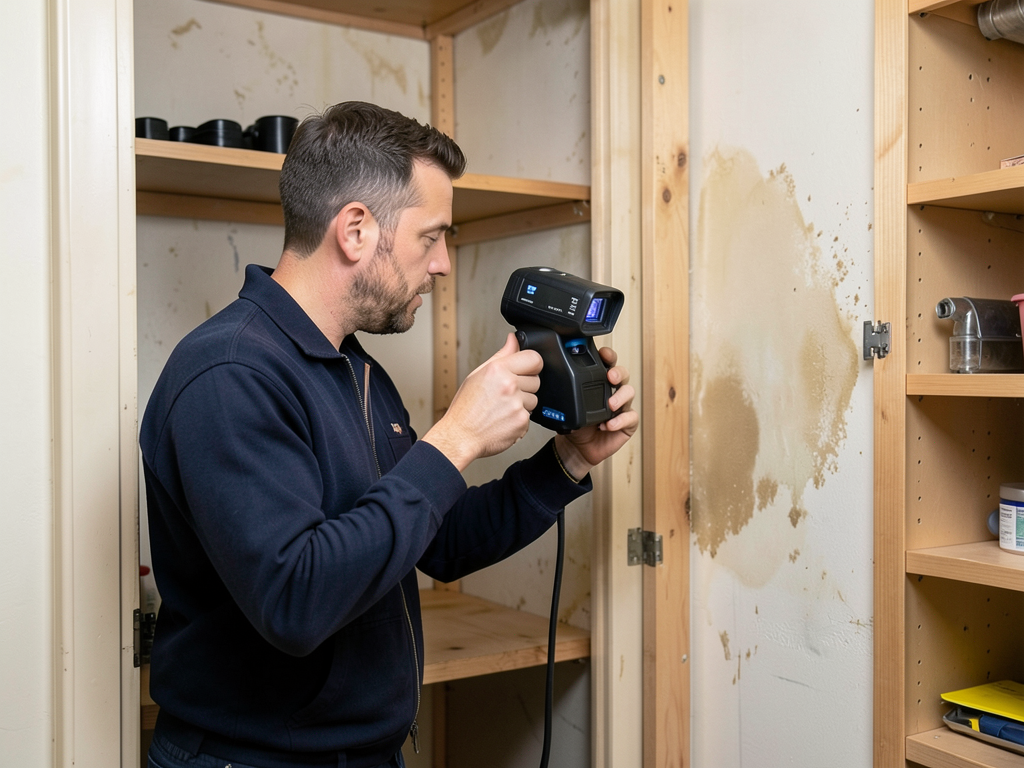
We do not just drop off equipment and leave. Our technician conducts a moisture assessment using thermal imaging cameras and penetrating moisture meters to identify hidden water in wall cavities and subfloors. You get a verbal explanation of the drying strategy and a baseline moisture map. We calculate the grain depression rate needed based on your building materials and cubic footage. This prevents under-drying, which leads to mold, and over-drying, which wastes your money on unnecessary rental days.

Industrial-Grade Drying Performance

Our LGR dehumidifiers extract moisture at rates that consumer units cannot match. You get equipment designed for restoration professionals, not homeowner convenience. Each unit includes condensate pump systems, so you are not manually emptying buckets every few hours. Air movers create targeted airflow that accelerates evaporation at material surfaces. The result is faster drying, less secondary damage, and lower overall restoration costs. We supply commercial-grade extension cords and GFCI protection to meet OSHA standards if you are running equipment in wet areas.

Follow-Up Monitoring and Documentation

We schedule a follow-up visit within 24 hours to check drying progress and adjust equipment placement if needed. You get updated moisture readings and a revised timeline based on actual evaporation rates. When your property hits target dryness levels, we provide final documentation that shows before and after moisture content percentages. This documentation supports your insurance claim and proves that the property was dried to industry standards. No guesswork, no surprises, just documented proof that the job was done right.

Frequently Asked Questions

You Have Questions,
We Have Answers

Is it possible to rent a dehumidifier? +

Yes. You can rent industrial dehumidifiers from water damage restoration companies, equipment rental centers, and some hardware stores. Emergency rental is available 24/7 in San Francisco for situations like burst pipes, flooding, or sewage backups. Professional-grade units remove moisture far faster than consumer models. Rental includes delivery, setup, and pickup. Most restoration companies also monitor humidity levels during the drying process. If you face water damage in your San Francisco home, renting commercial equipment speeds up drying and prevents mold growth in our coastal climate.

Is it worth renting a dehumidifier? +

Absolutely. After water damage, every hour counts. San Francisco's fog and marine layer already create high baseline humidity. Add flooding or a leak, and you risk mold within 24 to 48 hours. Renting industrial dehumidifiers costs far less than mold remediation or structural repairs from prolonged moisture exposure. Professional units extract gallons per day, not pints. They also help you meet insurance requirements for proper mitigation. For emergency situations, rental is not just worth it. It is necessary to protect your property and health.

Can you rent a dehumidifier from Home Depot? +

Home Depot offers some dehumidifier rentals at select locations, but availability varies. Their consumer-grade units work for minor projects, not emergency water damage. For serious flooding or pipe bursts in San Francisco, you need commercial equipment that removes 10 to 20 times more moisture per day. Water damage restoration companies provide industrial units, delivery, and technical support 24/7. They also document the drying process for insurance claims. If you face an emergency, call a local restoration specialist instead of waiting for retail store hours.

How much to hire a dehumidifier for a week? +

Weekly dehumidifier rental typically costs between a few dozen to several hundred dollars, depending on unit size and capacity. Industrial models for serious water damage cost more than consumer units, but they dry spaces in days, not weeks. Many San Francisco restoration companies include rental in their mitigation package. Prices vary based on equipment type, delivery distance, and whether you need monitoring. For accurate pricing on emergency equipment, contact a local water damage specialist directly. They assess your situation and recommend the right capacity for your square footage.

Will mold grow in 60% humidity? +

Mold can grow at 60% humidity, especially in cooler spaces or areas with poor airflow. San Francisco's coastal climate already hovers near this threshold year-round. After water damage, humidity often spikes above 70%, creating ideal conditions for mold colonization within 24 to 48 hours. You want indoor humidity between 30% and 50% during restoration. If your home recently flooded or suffered a leak, do not rely on ambient conditions. Use industrial dehumidifiers to drop moisture fast and prevent microbial growth in walls, floors, and furnishings.

What can I use instead of a dehumidifier? +

Nothing replaces a dehumidifier for emergency water damage. Fans, open windows, and ventilation help, but they cannot extract moisture trapped in building materials. San Francisco's fog and cool marine air actually add moisture, making natural drying nearly impossible after flooding. Desiccants like silica gel work only for tiny spaces. After a pipe burst or sewage backup, you need industrial equipment that pulls gallons of water from the air daily. Trying DIY alternatives wastes time and allows mold to establish. Call a water damage restoration company for proper equipment immediately.

Is 70% humidity too high for a house? +

Yes. Indoor humidity above 60% promotes mold growth, dust mites, and structural damage. At 70%, you are in the danger zone, especially in San Francisco's already damp climate. Wood floors warp, drywall softens, and mold spores colonize surfaces within 48 hours. After water damage, humidity can spike above 80%, accelerating decay. You must bring levels below 50% quickly using industrial dehumidifiers. Do not wait for visible mold or musty odors. High humidity damages your home silently. Act fast to protect your property and health.

How long does it take for a dehumidifier to dry out a room? +

Drying time depends on room size, water volume, airflow, and equipment capacity. Industrial dehumidifiers dry a flooded room in two to five days, while consumer units take weeks. San Francisco's cool, damp climate slows evaporation, so you need professional equipment. Restoration companies use moisture meters to track progress in walls, floors, and ceilings, not just air. Surface drying happens first, but hidden moisture takes longer. Running equipment continuously and monitoring levels ensures complete drying. Stopping too early risks mold growth behind walls.

Does a dehumidifier help with mold? +

Yes. Dehumidifiers remove the moisture mold needs to grow and spread. After water damage, reducing humidity below 50% stops mold colonization. However, dehumidifiers alone do not remove existing mold. If mold has already established, you need professional remediation. In San Francisco, our marine climate creates baseline humidity that encourages mold even without flooding. After a leak or burst pipe, industrial dehumidifiers are critical for prevention. They also slow existing mold growth while you arrange remediation. Speed matters. Start dehumidification within hours of water damage.

How much does it cost to run a dehumidifier for 1 hour? +

Running a dehumidifier costs roughly 10 to 50 cents per hour, depending on unit size and local electricity rates. Industrial models use more power but dry spaces exponentially faster, reducing total runtime. In San Francisco, Pacific Gas and Electric rates fluctuate, so large commercial units may cost a few dollars per hour. However, drying your home in three days instead of three weeks saves money overall. Delaying proper dehumidification leads to mold remediation and structural repairs costing thousands. Operating costs are negligible compared to damage from prolonged moisture exposure.

Why San Francisco's Fog Belt Microclimates Complicate Water Damage Drying

San Francisco is not one climate. It is a dozen microclimates packed into 49 square miles. The Outer Sunset sees marine layer fog 200-plus days per year, keeping ambient humidity at 70 to 80 percent. The Mission stays warmer and drier thanks to hills that block coastal moisture. When you need emergency dehumidifier rental after a water loss, the local climate determines your drying strategy. Fog belt neighborhoods require more aggressive dehumidification because you are fighting both internal moisture from the flood and external humidity from the air. Standard drying timelines do not apply when the outdoor dew point is 55 degrees and your building is trying to equilibrate with it.

We have been drying San Francisco properties for years, which means we understand how the city's building stock responds to water intrusion. We know that Richmond District homes with stucco exteriors trap moisture differently than wood-sided Victorians in Cole Valley. We know which neighborhoods have combined sewer systems that back up during heavy rain and which areas face saltwater corrosion from proximity to the Bay. When you call Summit Water Damage Restoration San Francisco for industrial dehumidifier rental, you are working with technicians who have dried hundreds of local properties and understand the variables that affect your specific building.
Water Damage Restoration Services in The San Francisco Area

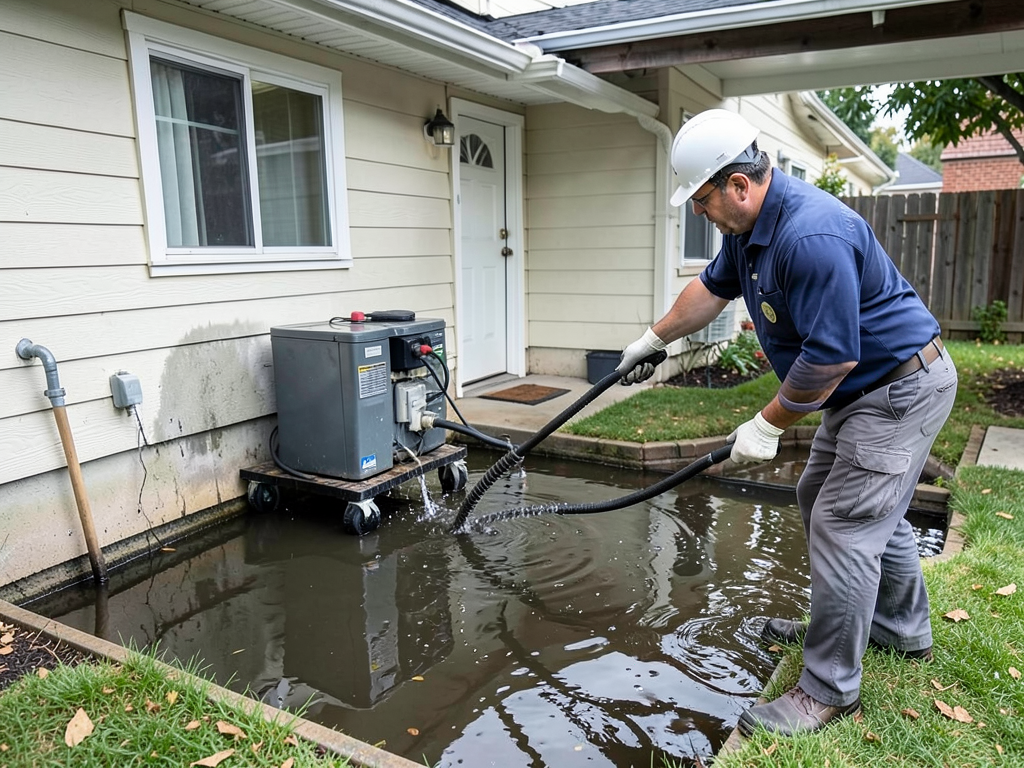
Our commitment to rapid response means we cover the entire San Francisco area and surrounding communities. View the map below to visualize our primary service region, which includes key neighborhoods and business districts. Whether you are located in the Financial District, the Mission, or out toward the Sunset, you can trust our 24/7 team to reach you quickly. We proudly serve both residential and commercial clients across the entire map, guaranteeing a fast and effective mitigation service the moment you need us.

Address:
Summit Water Damage Restoration San Francisco, 1390 Market St, San Francisco, CA, 94102

Additional Services We Offer

Our news updates

Latest Articles & News from The Blogs

What to Do if Your New Backyard ADU Floods During a Heavy San Francisco Rain A sudden downpour in San…

What to Do if Your New Backyard ADU Floods During a Heavy San Francisco Rain

What to Do if Your New Backyard ADU Floods During a Heavy San Francisco Rain A sudden downpour in San…

Selecting a Restoration Partner for Vulnerable Residents in a Richmond District Care Home

Specialized Senior Living Water Restoration Services in San Francisco Water damage in a Richmond District care home requires more than…

Why Your Noe Valley High Efficiency Boiler Could Be Slowly Flooding Your Utility Closet

Why Your Noe Valley High Efficiency Boiler Could Be Slowly Flooding Your Utility Closet If you live in a Noe…

Contact Us

Every hour you wait, moisture migrates deeper into your building. Call Summit Water Damage Restoration San Francisco at (415) 449-6555 right now for same-day emergency dehumidifier rental. We deliver industrial drying equipment across the Bay Area 24/7.