

menu

How to Handle Insurance Claims in San Francisco – Expert Guidance for Maximum Water Damage Coverage

Navigate the water damage insurance claim process with confidence. Summit Water Damage Restoration San Francisco provides step-by-step claim support, detailed documentation, and direct insurer communication to maximize your settlement and speed up your recovery.

Slider Image 1
Slider Image 2
Slider Image 3
Slider Image 4
Slider Image 5
Slider Image 7
Slider Image 8
Slider Image 9
Slider Image 10
Slider Image 11

Why Water Damage Claims Get Denied in San Francisco

San Francisco homeowners face a unique claims environment. The city's aging Victorian and Edwardian homes, many built before modern plumbing codes, create grey areas in coverage. Insurers scrutinize whether damage stems from sudden pipe bursts or gradual seepage through old cast iron drains. The difference determines whether your claim gets approved or rejected.

Fog belt moisture accelerates hidden decay in crawl spaces and wall cavities. When you finally discover the damage, insurers question the timeline. They want proof the event was sudden and accidental, not maintenance neglect. Filing a water damage claim without proper documentation invites denial.

The water damage insurance claim process in San Francisco requires more than photos of wet carpet. You need moisture readings, thermal imaging, and a clear timeline that separates the acute event from pre-existing conditions. Many homeowners submit incomplete claims, triggering automatic denials or lowball settlements that cover 30% of actual repair costs.

Navigating water restoration claims means understanding policy language. Most policies cover sudden water discharge but exclude flood, sewer backup without riders, and gradual leaks. The Richmond and Sunset districts near Ocean Beach face different coverage challenges than SOMA condos with sprinkler systems. Location matters.

Managing water mitigation claims starts the moment you discover damage. Every hour you wait gives insurers ammunition to argue you failed to mitigate loss. The clock starts ticking before you even call your agent.

Why Water Damage Claims Get Denied in San Francisco
How Professional Documentation Protects Your Claim

How Professional Documentation Protects Your Claim

Summit Water Damage Restoration San Francisco documents every claim with the same rigor adjusters use to deny them. We deploy moisture meters that measure water content in wood framing and drywall at multiple depths. Thermal cameras identify wet insulation behind walls without demolition. These readings establish the extent of damage before mitigation begins.

Our technicians photograph and log every affected material using industry-standard classification systems. Class 1 through Class 4 water intrusion categories determine drying time and equipment needs. Category 1 clean water versus Category 3 sewage contamination changes the entire scope of work and your payout.

We map the water source to the damage pattern. A failed supply line creates a distinct saturation footprint compared to a roof leak or foundation seepage. This mapping proves causation, the linchpin of successful claims. Without it, adjusters default to the cheapest explanation.

Tips for water damage insurance claims include immediate professional assessment. Waiting 48 hours allows mold colonization, which insurers exclude from most policies. We extract standing water, set up desiccant dehumidifiers and air movers, then document the drying curve with daily moisture readings. This data proves you mitigated loss promptly and correctly.

Our detailed estimates match Xactimate software that adjusters use for pricing. We itemize demolition, drying, antimicrobial treatment, and reconstruction using the same unit costs insurers recognize. This eliminates disputes over scope and pricing before the adjuster arrives. You get a comprehensive restoration plan that aligns with policy coverage from day one.

Your Claims Support Process from First Call to Settlement

How to Handle Insurance Claims in San Francisco – Expert Guidance for Maximum Water Damage Coverage
01

Emergency Assessment and Documentation

We arrive within 90 minutes to stabilize the damage and begin evidence collection. Our technicians photograph conditions, measure moisture levels in structural materials, and identify the water source. You receive a detailed loss report with thermal images and moisture maps within four hours. This documentation package goes directly to your adjuster, establishing professional mitigation from the first moment. We also review your policy declarations page to identify coverage limits and exclusions before work begins.
02

Adjuster Coordination and Scope Agreement

We communicate directly with your insurance adjuster to schedule the site inspection and review our findings. Our project managers walk adjusters through the damage, explain our drying strategy, and provide supporting documentation for every line item. We negotiate scope differences on-site, resolving disputes over necessary demolition or antimicrobial treatment before they delay your claim. You get a unified estimate that both we and your insurer agree on, eliminating surprise gaps in coverage during reconstruction.
03

Claim Completion and Final Settlement

After drying verification and reconstruction, we provide your insurer with completion certificates and final invoicing that matches the approved estimate. We document that all work meets IICRC S500 standards for water damage restoration, satisfying policy requirements for professional mitigation. If your insurer issues partial payment or disputes final costs, we provide additional documentation and advocate for full settlement. You receive a detailed project closeout package that includes warranties, air quality clearance, and final moisture readings for your records.

Why San Francisco Property Owners Trust Summit for Claims Navigation

Summit Water Damage Restoration San Francisco works with every major insurer operating in the Bay Area. We understand how State Farm, Allstate, USAA, and regional carriers evaluate water damage claims in fog belt neighborhoods versus downtown high-rises. This familiarity eliminates the learning curve that costs you money.

San Francisco's building codes add complexity to restoration work. Our crews hold city contractor licenses and understand Residential Building Code requirements for moisture barriers, ventilation, and seismic retrofitting when we rebuild walls. Adjusters respect estimates from licensed contractors who reference local code sections. Unlicensed operators submit claims that get flagged for compliance review, delaying payment for months.

We have restored water damage in Noe Valley Victorians, Presidio Heights estates, and Mission District mixed-use buildings. Each building type presents unique claim challenges. Historic homes require specialized materials and methods that cost more but maintain property value. We document why period-appropriate lath and plaster repair costs more than standard drywall, preventing disputes over line item pricing.

Our relationship with local adjusters and third-party administrators means faster inspections and approvals. When an adjuster recognizes our company name on the loss report, they know the documentation will be thorough and the work will meet standards. This reputation translates to fewer supplemental claim requests and faster check releases.

We also navigate depreciation recoverable claims, where insurers pay actual cash value upfront and release depreciation holdback after work completion. Many homeowners never collect this holdback because they do not submit final invoices correctly. We handle this process, ensuring you receive every dollar your policy covers.

What to Expect When We Handle Your Water Damage Claim

Immediate Response and Claim Initiation

We answer calls 24/7 and dispatch crews within 90 minutes across San Francisco. Our first responder contacts your insurance company while en route, opening your claim before arriving. This parallel process saves 12 to 24 hours compared to calling your agent first and waiting for approval to hire a restoration company. We stabilize the loss, extract water, and begin drying while your adjuster schedules the inspection. You get immediate damage control without delaying the claims process. Our rapid response also prevents secondary damage like mold growth, which policies often exclude if mitigation is delayed.

Comprehensive Loss Documentation and Assessment

Our initial assessment takes 90 to 120 minutes and produces a complete loss inventory. We use calibrated moisture meters, thermal imaging cameras, and hygrometers to measure humidity levels in affected rooms. You receive a written report that categorizes water intrusion by class and category, lists every affected material, and includes a preliminary drying plan. This report goes to your adjuster within four hours, providing the documentation they need to approve emergency mitigation costs immediately. We also identify potential coverage issues, like pre-existing damage or policy exclusions, so you understand your financial exposure before work begins.

Professional Restoration That Meets Policy Standards

We follow IICRC S500 standards for water damage restoration, the benchmark most insurance policies require. Our drying protocol uses commercial dehumidifiers and air movers calibrated to your home's square footage and materials. We monitor moisture levels daily and document the drying curve, proving materials reached equilibrium moisture content before reconstruction. This prevents callback issues where insurers refuse to pay for mold remediation six months later because initial drying was inadequate. You get a restoration that satisfies both building codes and policy requirements, eliminating future disputes over workmanship or methodology.

Claim Settlement Support and Final Documentation

After restoration, we submit final invoicing with completion photos and certificates of compliance. If your policy includes depreciation holdback, we provide the documentation your insurer requires to release these funds. We also handle supplement requests when hidden damage emerges during reconstruction, a common occurrence in older San Francisco homes. Our project managers communicate with adjusters to approve additional work before proceeding, preventing out-of-pocket expenses. You receive a warranty package, air quality test results, and moisture verification reports that prove your home is fully restored and claim is complete.

Frequently Asked Questions

You Have Questions,
We Have Answers

What not to say during an insurance claim? +

Avoid admitting fault or speculating about the cause. Do not exaggerate the damage or downplay it. Never say the damage is minor or that you can fix it yourself. Avoid giving recorded statements without reviewing your policy first. Do not agree to a settlement immediately. In San Francisco, where moisture issues and structural concerns are common, stick to facts. Document everything with photos and written notes. Let the adjuster assess the damage. If you need help navigating the claims process, work with a professional who understands local water damage patterns and building codes.

What are the 3 D's of insurance claims? +

The 3 D's stand for Documentation, Diligence, and Deadlines. Documentation means taking detailed photos, saving receipts, and keeping all communication records. Diligence requires you to follow up consistently with your insurer and meet all policy requirements. Deadlines refer to filing claims promptly and responding to requests on time. In San Francisco, where weather-related water damage can escalate quickly due to coastal fog and rain, acting fast is critical. Miss a deadline and your claim may be denied. Keep a folder with all paperwork organized and accessible throughout the process.

What is the 80% rule in insurance? +

The 80% rule means you must insure your property for at least 80% of its replacement cost to receive full coverage for partial losses. If you insure below this threshold, the insurance company will only pay a proportional amount. For example, if your home is worth $500,000 but you only carry $300,000 in coverage, you are underinsured. In San Francisco, where property values are high and construction costs continue rising, many homeowners unknowingly fall below this threshold. Review your policy limits annually to avoid surprise penalties when you file a claim.

What are the 5 W's when submitting a claim? +

The 5 W's are Who, What, When, Where, and Why. Who was involved or affected? What happened and what was damaged? When did the incident occur? Where did the damage take place? Why did it happen, if known? Answering these questions clearly helps your insurer process your claim faster. In San Francisco, where multi-unit buildings and shared walls are common, specifying exact locations and affected parties is critical. Provide precise details without guessing. Stick to observable facts and let the adjuster determine causation during the investigation.

What's the biggest mistake people often make when dealing with an insurance claim? +

The biggest mistake is delaying notification. Waiting too long to report damage allows problems to worsen and gives insurers grounds to deny your claim. Many San Francisco homeowners delay reporting slow leaks or moisture intrusion, thinking they can monitor it. By the time they file, mold has spread or structural damage has compounded. Report damage immediately, even if the full extent is unclear. Take photos right away and document the timeline. Another major error is not reading your policy. Know your coverage limits, exclusions, and responsibilities before disaster strikes.

What are the 7 rules of insurance? +

The 7 rules include insurable interest, utmost good faith, indemnity, subrogation, contribution, proximate cause, and loss minimization. Insurable interest means you must have a financial stake in what you insure. Utmost good faith requires honesty from both parties. Indemnity ensures you are restored to your pre-loss condition, not profiting from claims. Subrogation allows insurers to recover costs from responsible third parties. Contribution applies when multiple policies cover the same loss. Proximate cause determines the primary reason for damage. Loss minimization obligates you to prevent further damage after an incident occurs.

How San Francisco's Coastal Climate Complicates Water Damage Claims

San Francisco's persistent fog and coastal moisture create baseline humidity that slows structural drying. Materials stay damp longer than in inland climates, requiring extended mitigation periods that adjusters often question. Victorian homes with balloon framing and minimal insulation absorb moisture into wall cavities that standard equipment cannot reach. We use specialized injection drying systems and document extended drying times with daily readings, proving the extra days are necessary, not padding. The city's cool temperatures also prevent evaporation, making thermal energy crucial for effective drying. These local factors change the water damage insurance claim process significantly compared to dryer regions.

Summit Water Damage Restoration San Francisco holds a City of San Francisco contractor license and maintains relationships with local building inspectors. When reconstruction requires permits for structural repairs, we handle the application and inspection process. Adjusters recognize that permitted work costs more but protects property value and future insurability. Our familiarity with San Francisco's unique building stock, from Painted Ladies to SOMA lofts, helps us identify coverage issues specific to each property type. We also understand local insurance market dynamics, including which carriers frequently deny claims and which honor policy language. This knowledge helps you navigate water restoration claims with realistic expectations and strong advocacy.
Water Damage Restoration Services in The San Francisco Area

Our commitment to rapid response means we cover the entire San Francisco area and surrounding communities. View the map below to visualize our primary service region, which includes key neighborhoods and business districts. Whether you are located in the Financial District, the Mission, or out toward the Sunset, you can trust our 24/7 team to reach you quickly. We proudly serve both residential and commercial clients across the entire map, guaranteeing a fast and effective mitigation service the moment you need us.

Address:
Summit Water Damage Restoration San Francisco, 1390 Market St, San Francisco, CA, 94102

Additional Services We Offer

Our news updates

Latest Articles & News from The Blogs

What to Do if Your New Backyard ADU Floods During a Heavy San Francisco Rain A sudden downpour in San…

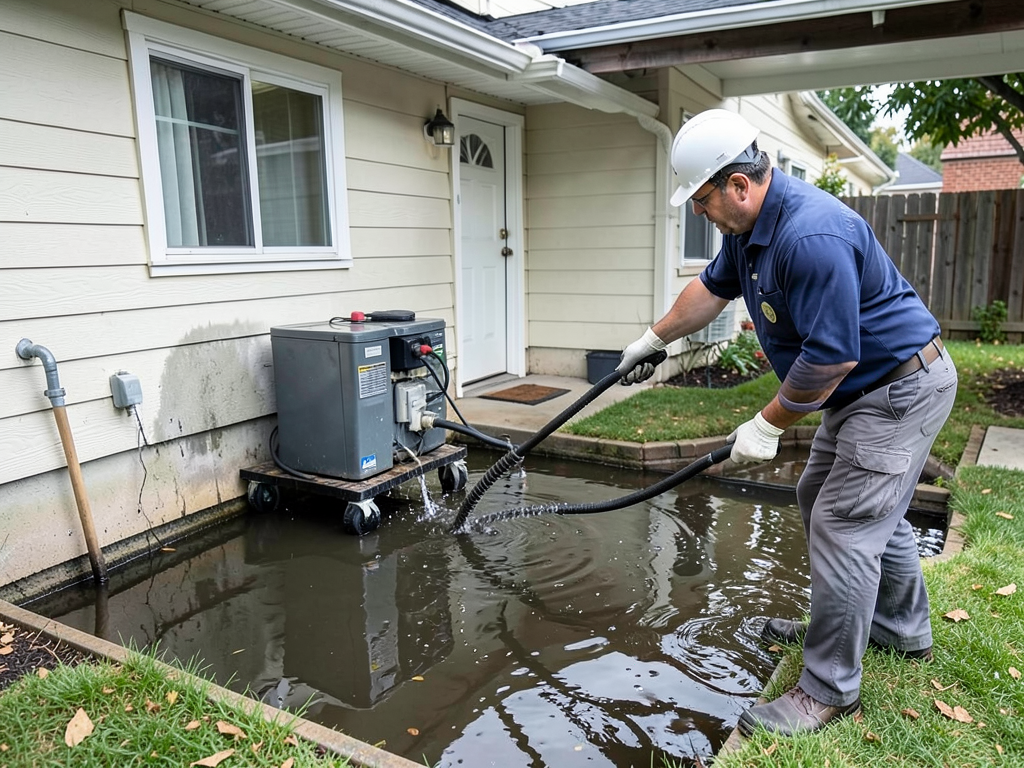
What to Do if Your New Backyard ADU Floods During a Heavy San Francisco Rain

What to Do if Your New Backyard ADU Floods During a Heavy San Francisco Rain A sudden downpour in San…

Selecting a Restoration Partner for Vulnerable Residents in a Richmond District Care Home

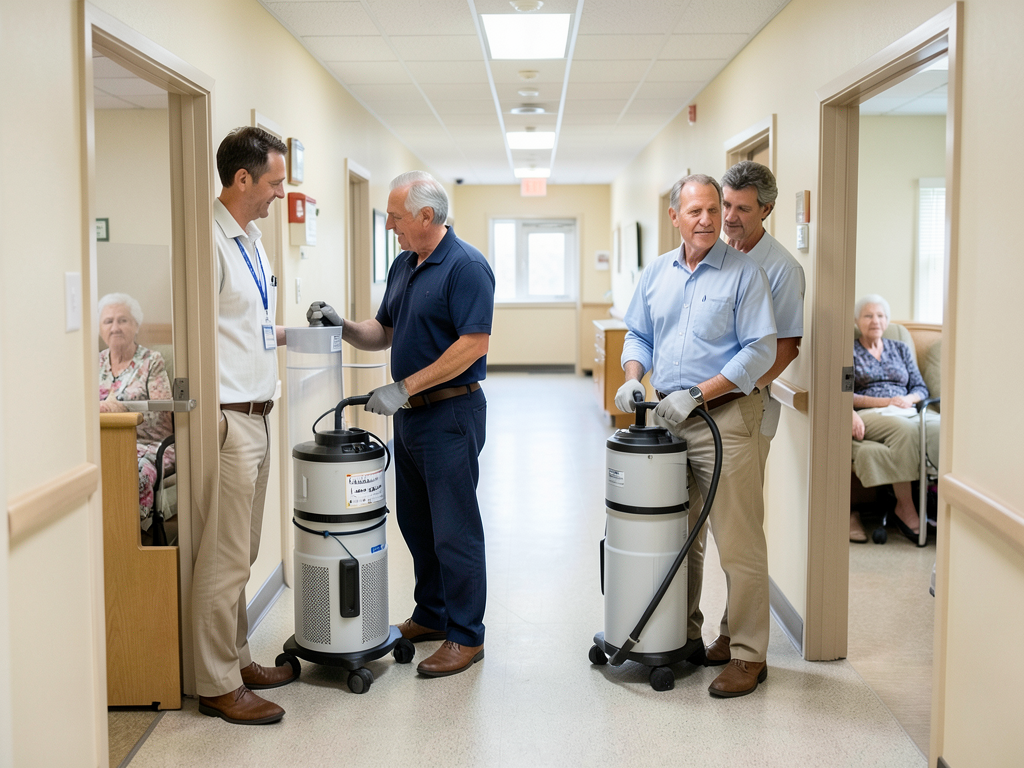
Specialized Senior Living Water Restoration Services in San Francisco Water damage in a Richmond District care home requires more than…

Why Your Noe Valley High Efficiency Boiler Could Be Slowly Flooding Your Utility Closet

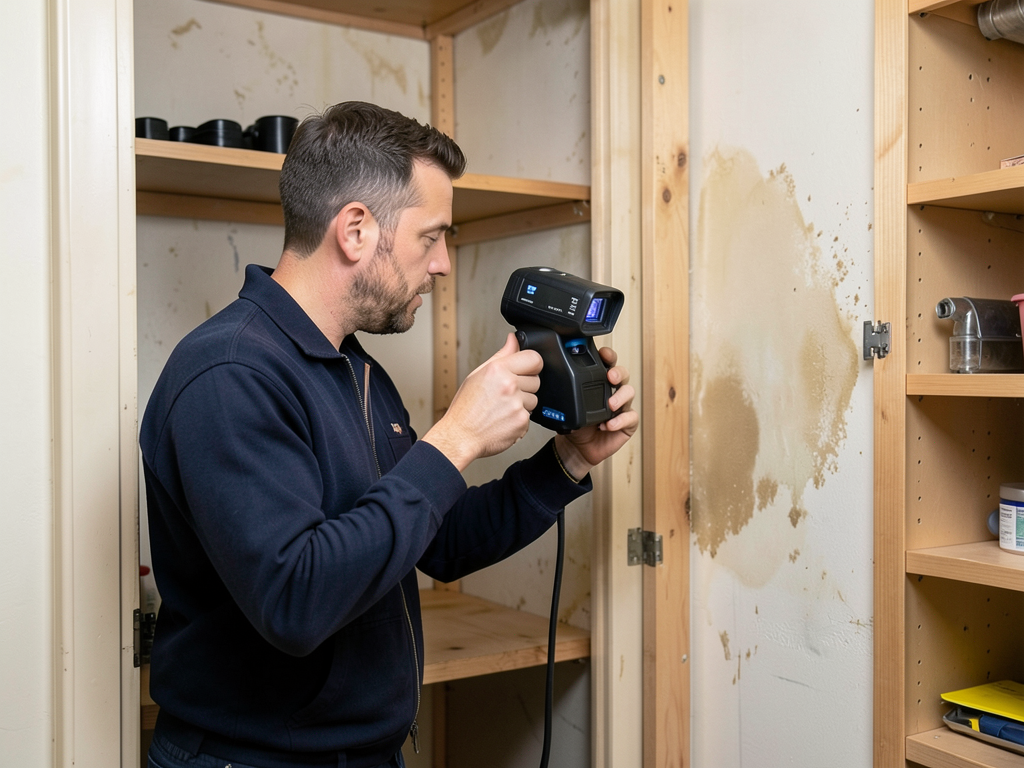
Why Your Noe Valley High Efficiency Boiler Could Be Slowly Flooding Your Utility Closet If you live in a Noe…

Contact Us

Do not let your insurance company minimize your water damage claim. Call Summit Water Damage Restoration San Francisco at (415) 449-6555 now for 24/7 emergency response and professional claims documentation. We handle the entire process from first call to final settlement.