menu

Commercial Sewage Cleanup in San Francisco – Minimizing Downtime for Business Operations

Industrial-grade commercial sewage remediation and black water extraction engineered to restore San Francisco businesses to full operation with minimal revenue loss and zero regulatory non-compliance.

Slider Image 1
Slider Image 2
Slider Image 3
Slider Image 4
Slider Image 5
Slider Image 7
Slider Image 8
Slider Image 9
Slider Image 10
Slider Image 11

Why Commercial Sewage Emergencies Demand Immediate Professional Response in San Francisco

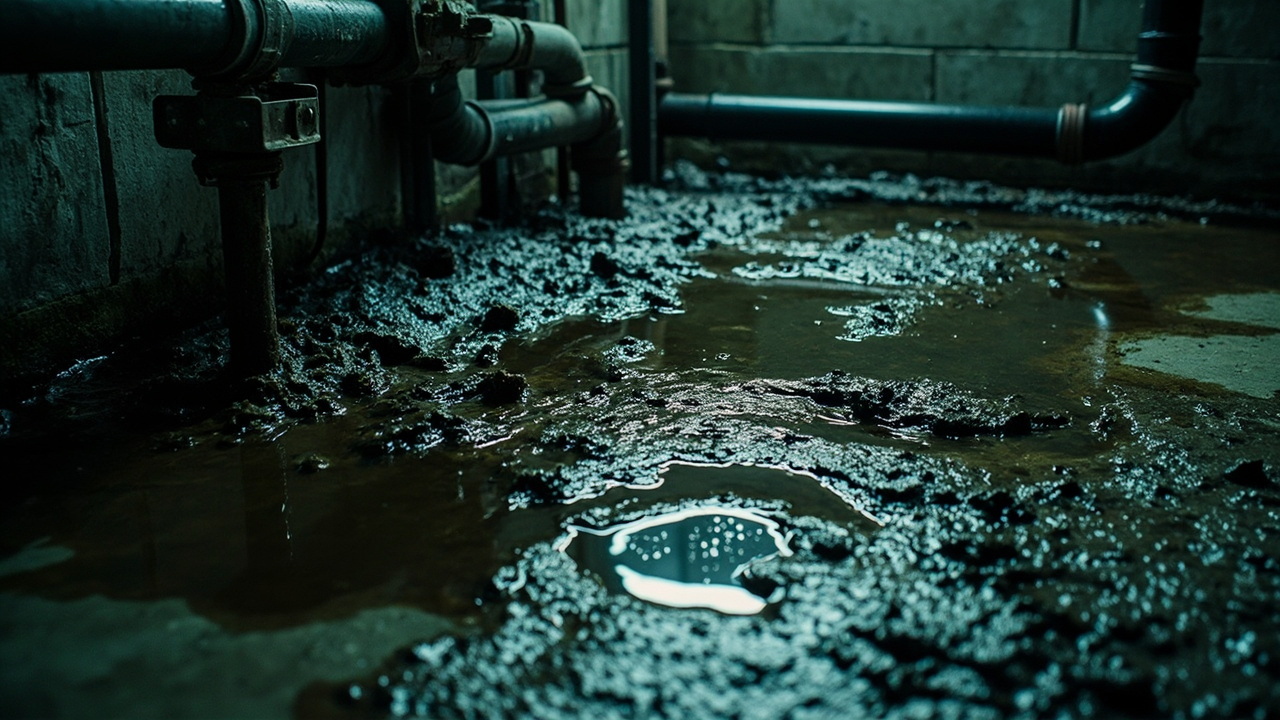
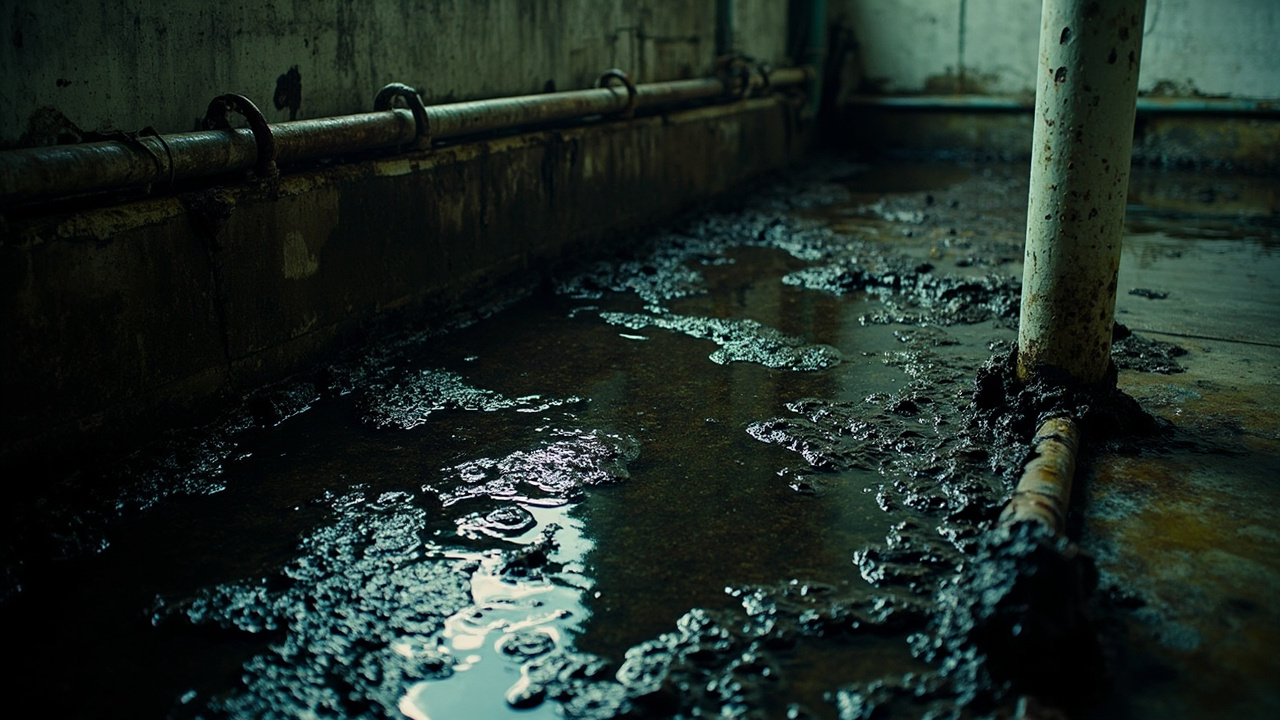
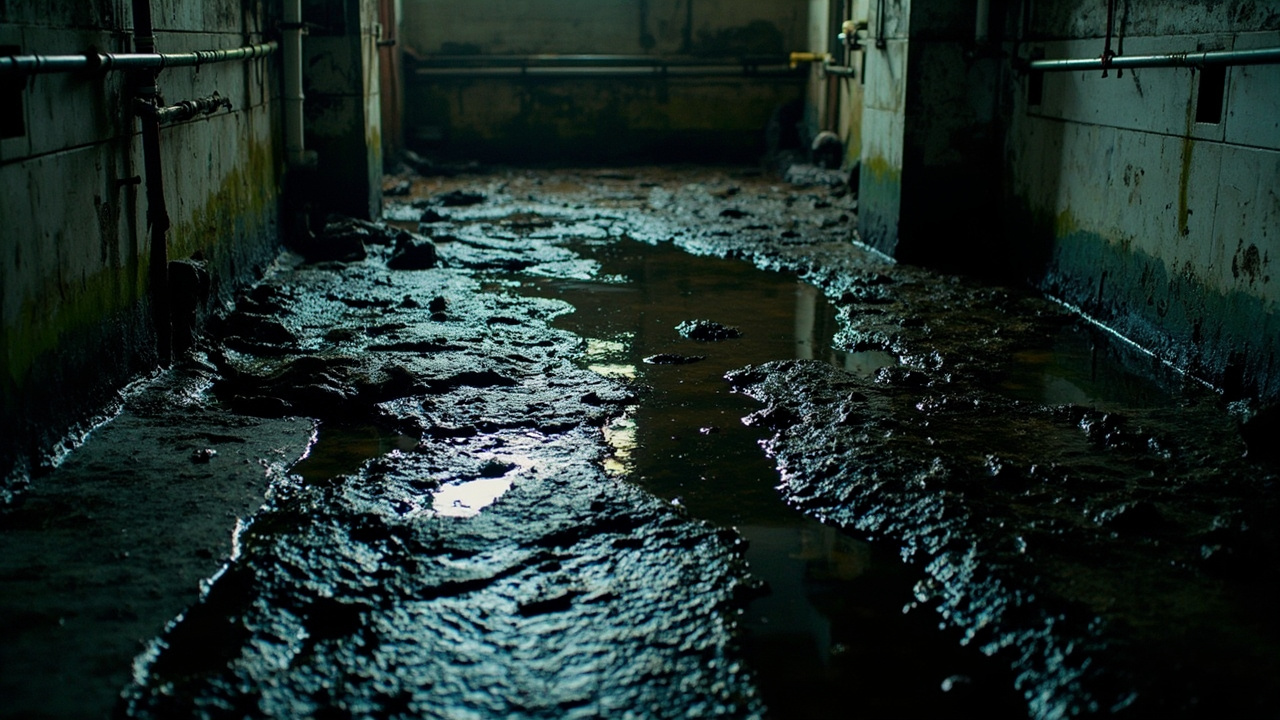
San Francisco's aging commercial infrastructure and seismic activity create unique vulnerabilities for business properties. The city's dense commercial districts, from the Financial District to South of Market, face increased risk of sewer backup incidents due to ground shifting and older pipe systems installed before modern code standards. When a commercial sewage backup occurs, you are not dealing with clean water. You are dealing with Category 3 water contamination, also called black water, which contains raw sewage, pathogens, and biohazards that pose immediate health risks to employees and customers.

Commercial sewer backup cleaning requires specialized equipment and protocols that residential teams cannot handle. The volume of contamination in a commercial facility exceeds residential capacity by orders of magnitude. A retail space or restaurant with a sewage backup cannot simply mop and sanitize. You need industrial sewage cleanup that addresses structural contamination, removes all affected porous materials, and applies hospital-grade antimicrobial treatments to prevent bacterial growth and mold colonization.

Time is liability. Every hour your business remains closed costs revenue and risks permanent customer loss. San Francisco's competitive market does not forgive extended closures. Beyond revenue, you face potential OSHA violations if employees are exposed to unsanitary conditions. Proper commercial sewage removal eliminates these risks while documenting compliance for your insurance carrier and local health department inspectors.

Why Commercial Sewage Emergencies Demand Immediate Professional Response in San Francisco
How Industrial-Grade Sewage Remediation Protects Your Business Assets

How Industrial-Grade Sewage Remediation Protects Your Business Assets

Commercial sewage remediation follows a structured protocol designed to eliminate contamination while preserving salvageable assets. The process begins with immediate containment. We isolate affected areas to prevent cross-contamination into clean zones. This is particularly important in mixed-use buildings common throughout San Francisco, where commercial spaces share ventilation and structural systems with other tenants.

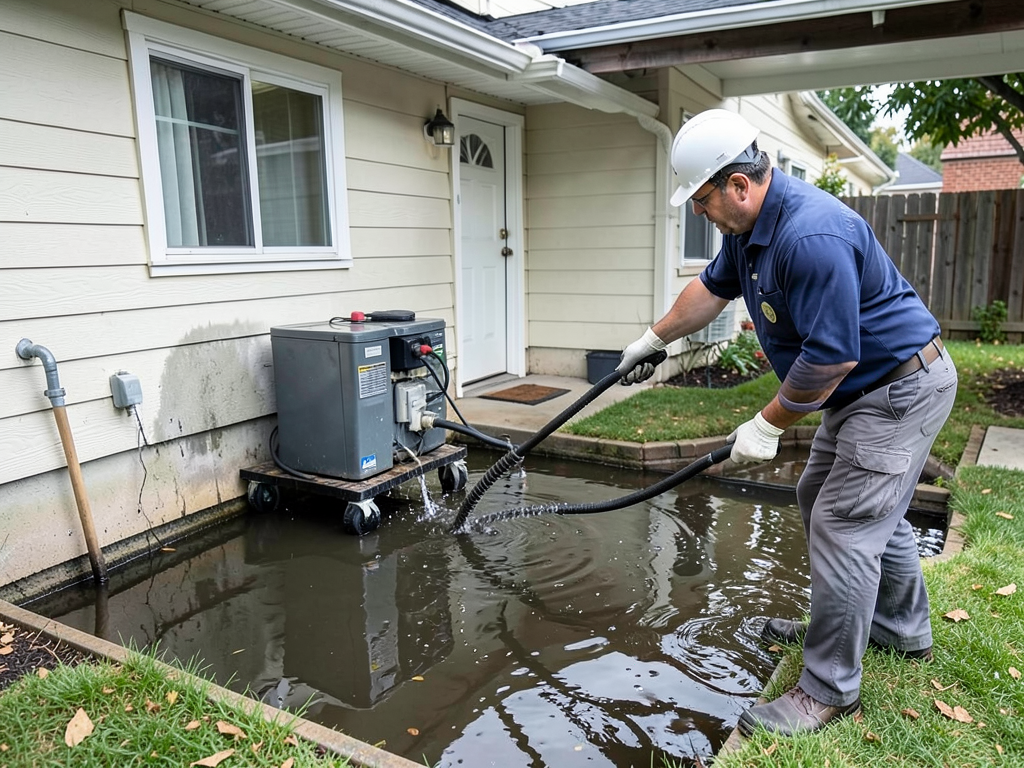
Black water extraction uses truck-mounted vacuum systems capable of removing thousands of gallons per hour. Portable units cannot handle commercial volume. We deploy industrial extractors that pull sewage from flooring systems, below-grade spaces, and mechanical rooms. Extraction is followed by pressure washing all hard surfaces with EPA-registered disinfectants rated for sewage contamination. This is not optional. It is required for regulatory compliance.

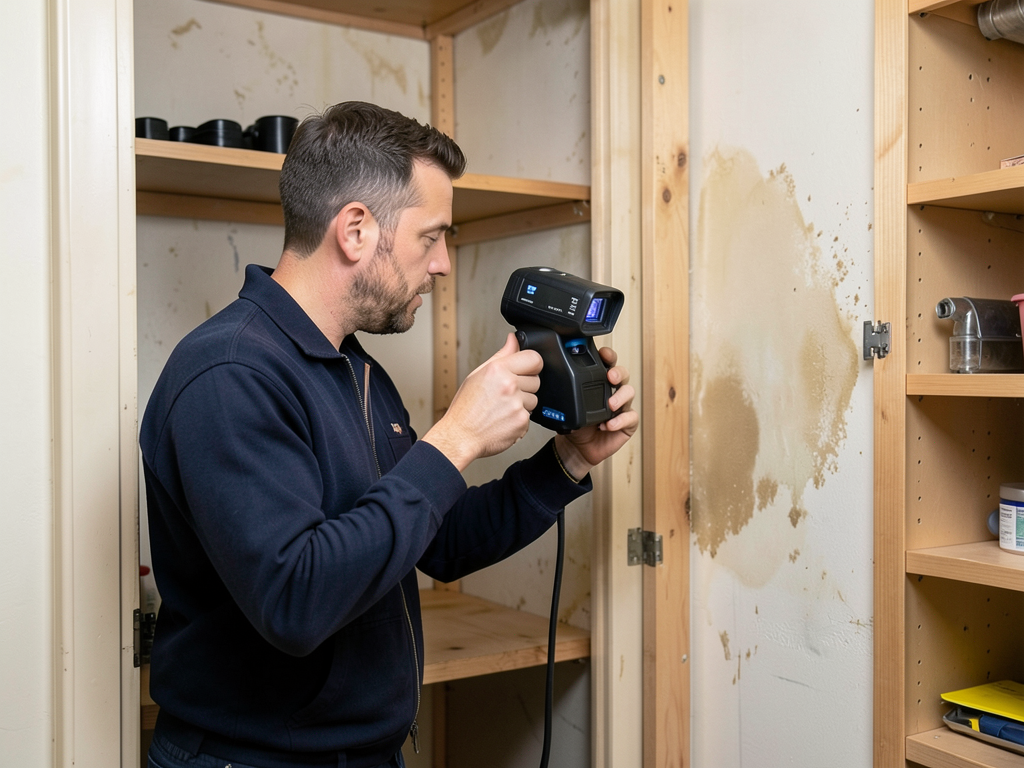
Material removal is comprehensive. All porous materials exposed to sewage must be disposed of as contaminated waste. This includes drywall, insulation, carpet, ceiling tiles, and any wood that absorbed sewage. We do not guess. We use moisture meters and thermal imaging to map the full extent of contamination behind walls and under flooring. Any material showing moisture intrusion is removed and replaced.

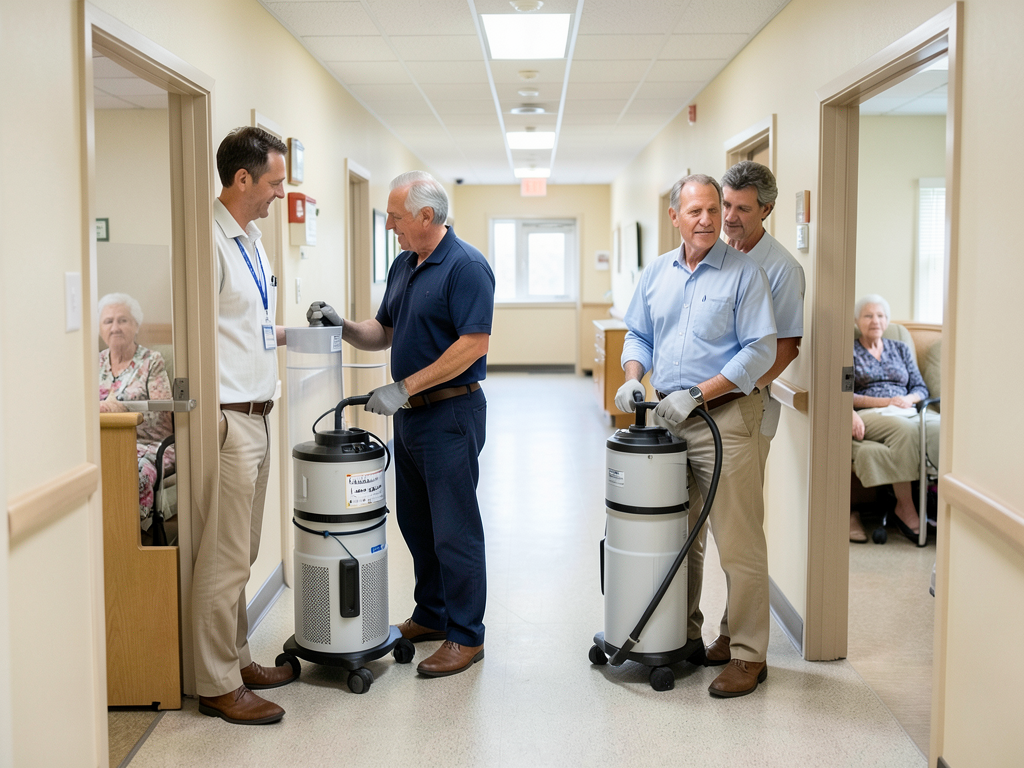
Air scrubbing with HEPA filtration runs continuously during remediation to capture airborne bacteria and odor molecules. We then apply antimicrobial barriers to all structural surfaces before reconstruction begins. This process ensures your facility meets California health codes and passes third-party testing for occupancy clearance.

Our Three-Phase Commercial Sewage Response Protocol

Commercial Sewage Cleanup in San Francisco – Minimizing Downtime for Business Operations
01

Emergency Containment and Extraction

We arrive with commercial extraction equipment and establish containment barriers within the first hour. Truck-mounted vacuum systems remove standing sewage while technicians document contamination extent using thermal imaging. This phase prevents secondary damage and establishes the scope for insurance documentation. All contaminated materials are tagged for removal according to San Francisco hazardous waste protocols.
02

Structural Decontamination and Disinfection

After extraction, we pressure wash all hard surfaces with hospital-grade disinfectants and remove all porous materials that absorbed sewage. Industrial air scrubbers with HEPA filtration run continuously to eliminate airborne pathogens. We apply antimicrobial coatings to structural surfaces and verify moisture levels return to normal parameters. This phase typically requires 48 to 72 hours depending on facility size and contamination severity.
03

Clearance Testing and Documentation

We conduct third-party environmental testing to verify your facility is safe for occupancy. This includes bacterial surface testing and air quality sampling. You receive a comprehensive report documenting all remediation steps, disposal manifests for contaminated materials, and clearance certification. This documentation satisfies insurance requirements and protects you from future liability claims. Your business can reopen with confidence that all contamination has been eliminated.

Why San Francisco Businesses Trust Our Commercial Sewage Response Team

San Francisco operates under some of the strictest environmental and health regulations in California. The Department of Public Health requires specific protocols for commercial sewage incidents, including proper disposal documentation and occupancy clearance testing. We maintain relationships with local environmental labs and understand San Francisco's permit requirements for hazardous waste transport across city boundaries.

Our team understands the physical challenges of San Francisco's commercial landscape. Many buildings in the Financial District and North Beach were constructed before modern plumbing codes. Older cast iron drain lines and clay sewer laterals are prone to failure, especially in areas with liquefaction risk from seismic activity. We have worked in historic buildings subject to Landmark Preservation Commission oversight, where remediation must preserve architectural integrity while meeting current health codes.

Commercial facilities cannot afford extended downtime. We coordinate with your insurance adjuster, property manager, and contractors to compress remediation timelines without compromising thoroughness. Our project managers provide daily updates and maintain communication with all stakeholders to eliminate delays.

We also understand business continuity planning. If your facility can be partially isolated, we can create temporary barriers that allow portions of your operation to continue while remediation proceeds in contained areas. This approach has helped restaurants maintain takeout service and retail spaces keep partial floor areas open during sewage cleanup projects.

What Your Business Can Expect During Commercial Sewage Remediation

Response Time and Initial Assessment

We maintain commercial response teams available for dispatch within two hours of your call. Our initial assessment includes contamination mapping, documentation photography for insurance, and immediate containment measures. You receive a preliminary scope of work within four hours of arrival. For businesses in San Francisco's downtown corridor, we typically arrive within 60 to 90 minutes due to equipment staging locations near high-density commercial zones. This rapid response minimizes contamination spread and reduces total remediation time by up to 40 percent compared to delayed response.

Scope Documentation and Insurance Coordination

We provide detailed documentation that satisfies commercial insurance requirements, including photographic evidence, moisture readings, and material inventories. Our estimators coordinate directly with your adjuster to expedite approval for emergency services. You receive a comprehensive scope of work that itemizes all remediation steps, material removal, and reconstruction needs. This transparency eliminates surprise costs and ensures all parties understand the full extent of work required. We also provide disposal manifests and chain-of-custody documentation for contaminated materials, which protects your business from environmental liability.

Remediation Quality and Clearance Standards

All remediation work meets or exceeds IICRC S500 standards for water damage restoration and California health codes for sewage contamination. We use only EPA-registered disinfectants rated for black water remediation. Third-party environmental testing verifies bacterial counts meet occupancy standards before we issue clearance certification. Your facility receives documentation suitable for regulatory inspection and future tenant disclosure requirements. This level of thoroughness protects your business from liability claims related to inadequate remediation and ensures employees and customers can safely occupy the space.

Post-Remediation Support and Prevention Planning

After remediation is complete, we provide a detailed report outlining factors that contributed to the sewage backup and recommendations for preventing future incidents. This may include drainage system upgrades, backflow preventer installation, or maintenance protocols for aging plumbing infrastructure. We maintain project documentation for five years and remain available for questions from your insurance carrier or regulatory agencies. For businesses with multiple locations, we can develop standardized response protocols that ensure consistent remediation quality across your portfolio and streamline insurance claims processing.

Frequently Asked Questions

You Have Questions,
We Have Answers

How much does sewage cleanup cost? +

Commercial sewage cleanup costs vary based on contamination level, square footage, and structural damage. Category 3 water (raw sewage) requires specialized extraction, antimicrobial treatment, and disposal. Factors include accessibility, flooring type, and whether walls or subflooring need removal. San Francisco's older commercial buildings often require more extensive remediation due to legacy plumbing and clay tile sewer laterals. Multi-story buildings add complexity. Most projects range from basic extraction and disinfection to full demolition and rebuild. Document everything for insurance claims and focus on minimizing business downtime to reduce indirect losses.

Does insurance cover sewage cleanup? +

Commercial property insurance typically covers sudden and accidental sewage backups, but not maintenance-related failures or gradual deterioration. Review your policy for water backup endorsements and coverage limits. Many policies exclude damage from sewer line failures outside your building unless you purchased additional coverage. San Francisco's aging infrastructure makes this endorsement critical. Insurance adjusters scrutinize whether the backup resulted from negligence or deferred maintenance. Document the incident immediately, preserve evidence, and engage a licensed restoration company to prepare a detailed scope of work. Coverage disputes are common, so read your exclusions carefully.

How often should sewage be cleaned? +

Commercial sewage systems require ongoing maintenance, not periodic "cleaning" of backups. Schedule professional drain line inspections and hydro-jetting annually or semi-annually depending on usage, grease load, and building age. High-volume restaurants and hospitality properties in San Francisco need quarterly service due to heavy waste streams and older cast iron or clay piping. Grease traps need pumping every one to three months per city code. Preventive maintenance reduces catastrophic backup risk. If you experience recurring backups, increase frequency and investigate root causes like tree intrusion, pipe bellying, or main line issues. Reactive cleanups cost far more than proactive maintenance.

What is commercial sewage? +

Commercial sewage refers to wastewater containing human waste, chemicals, and contaminants generated by businesses rather than residences. This includes waste from restrooms, kitchens, floor drains, and industrial processes. Commercial sewage is classified as Category 3 black water, the most hazardous contamination level. It contains pathogens, viruses, and bacteria that pose serious health risks. In San Francisco, commercial properties face strict disposal regulations and must use licensed contractors for cleanup. Volume is higher than residential, and businesses face liability for employee or customer exposure. Proper cleanup requires personal protective equipment, containment protocols, and complete disinfection to meet OSHA and EPA standards.

What's the average pay for a cleaning lady? +

This question is not relevant to commercial sewage cleanup services. Cleaning staff and sewage remediation technicians are different professions requiring distinct skill sets. Sewage cleanup involves hazardous material handling, water extraction, structural drying, antimicrobial application, and demolition. Technicians need IICRC certification, OSHA training, and specialized equipment. San Francisco's commercial labor market varies by role. If you need sewage cleanup, hire a licensed restoration company with experience in Category 3 water damage. If you need janitorial services, that is a separate procurement decision. Do not confuse routine cleaning with biohazard remediation.

How long does sewage cleanup take? +

Commercial sewage cleanup timelines depend on contamination extent, building size, and structural impact. Small backups with surface water take one to three days for extraction, disinfection, and drying. Larger incidents affecting multiple rooms, flooring systems, or requiring demolition take one to two weeks. San Francisco's dense building layouts and permitting requirements can extend timelines. Drying alone takes three to five days with industrial dehumidifiers and air movers. Businesses lose revenue during downtime, so restoration companies prioritize rapid response and phased access. Delays occur when hidden moisture requires wall cavity drying or subfloor replacement. Speed matters, but thorough remediation prevents mold and liability.

What is the average lifespan of a sewer line? +

Sewer line lifespan depends on material and installation quality. Cast iron pipes common in older San Francisco buildings last 50 to 65 years before corrosion and scale buildup cause failures. Clay tile laterals, prevalent in pre-1950s construction, last 50 to 60 years but crack from ground shifting and root intrusion. PVC lines installed since the 1970s last 100 years or more with proper installation. Orangeburg pipe, used mid-century, deteriorates in 30 to 50 years. San Francisco's seismic activity and expansive soils accelerate degradation. If your building is over 50 years old and still has original sewer lines, schedule a camera inspection to assess condition before failure occurs.

How much does sewage insurance cost? +

Sewage backup insurance endorsements typically cost 50 to 200 dollars annually depending on coverage limits and building characteristics. This rider extends water damage coverage to include sewer and drain backups, which standard commercial policies exclude. San Francisco properties face higher premiums due to aging infrastructure and high replacement costs. Coverage limits range from 10,000 to 100,000 dollars. Older buildings with original sewer laterals pay more. Insurers evaluate your maintenance records, claims history, and whether backwater valves are installed. This coverage is separate from general liability. Given San Francisco's infrastructure challenges and high restoration costs, this endorsement provides significant risk transfer for minimal premium.

Are trenchless sewer repairs worth it? +

Trenchless sewer repairs offer significant value for San Francisco commercial properties. Methods like pipe bursting and cured-in-place pipe lining eliminate excavation, preserving sidewalks, landscaping, and pavement. San Francisco's dense urban environment makes open-cut trenching expensive and disruptive due to permitting, traffic control, and utility conflicts. Trenchless repairs typically cost 30 to 50 percent less than traditional methods and finish in days instead of weeks. They work well for structurally sound pipes with root intrusion or minor cracks. Severely collapsed or misaligned lines still require excavation. Reduced business disruption and lower indirect costs make trenchless repairs the preferred solution for most commercial sewer line failures.

How do professionals clean sewer lines? +

Professional sewer line cleaning uses high-pressure hydro-jetting equipment that propels water at 3,000 to 4,000 PSI through specialized nozzles. This scours pipe walls, removing grease, scale, roots, and debris that mechanical snakes cannot clear. Technicians first camera-inspect lines to identify blockages and pipe condition. Hydro-jetting cuts through buildup and flushes material to the main line. For severe root intrusion, root saws or cutting blades precede jetting. San Francisco's older cast iron and clay pipes require careful pressure calibration to avoid damage. Post-cleaning camera inspection verifies results. Professionals use containment and proper disposal for hazardous waste. This method restores full flow capacity and extends pipe lifespan.

How San Francisco's Seismic Activity and Aging Infrastructure Increase Sewage Backup Risk

San Francisco sits on active fault lines, and even minor seismic events cause ground shifting that stresses sewer laterals and building drain systems. Many commercial buildings in the Financial District and South of Market were constructed on fill material that experiences differential settlement, creating stress points in underground plumbing. Combined with sewer lines installed 60 to 100 years ago using materials that have exceeded their design life, commercial properties face elevated risk of catastrophic sewer backup. The San Francisco Public Utilities Commission has documented thousands of aging laterals requiring replacement, but most commercial property owners remain unaware of their system's condition until failure occurs.

California requires licensed contractors for commercial sewage remediation due to health risks and regulatory complexity. San Francisco adds additional layers of oversight through the Department of Public Health and environmental compliance requirements that vary by district. Our team maintains all required certifications and understands local permitting requirements for hazardous waste transport and disposal. This local expertise prevents costly delays and ensures your business meets all regulatory obligations. Insurance carriers also require documentation that remediation was performed by qualified contractors to maintain coverage validity.
Water Damage Restoration Services in The San Francisco Area

Our commitment to rapid response means we cover the entire San Francisco area and surrounding communities. View the map below to visualize our primary service region, which includes key neighborhoods and business districts. Whether you are located in the Financial District, the Mission, or out toward the Sunset, you can trust our 24/7 team to reach you quickly. We proudly serve both residential and commercial clients across the entire map, guaranteeing a fast and effective mitigation service the moment you need us.

Address:
Summit Water Damage Restoration San Francisco, 1390 Market St, San Francisco, CA, 94102

Additional Services We Offer

Our news updates

Latest Articles & News from The Blogs

What Happens if Your Home Addition Gets Flooded During Construction in Noe Valley Water flooding your home addition during construction…

What Happens if Your Home Addition Gets Flooded During Construction in Noe Valley

What Happens if Your Home Addition Gets Flooded During Construction in Noe Valley Water flooding your home addition during construction…

How San Francisco Summer Fog Can Cause More Water Damage Than Winter Rain

How San Francisco Summer Fog Can Cause More Water Damage Than Winter Rain San Francisco’s famous summer fog, known locally…

Why Your Chronic Cough Might Actually Be a Hidden Mold Problem in the Richmond District

Why Your Chronic Cough Might Actually Be a Hidden Mold Problem in the Richmond District If you’ve lived in San…

Contact Us

Every hour your facility remains closed costs revenue and risks permanent customer loss. Our commercial response teams are standing by to contain contamination and begin remediation immediately. Call (415) 449-6555 now for emergency dispatch.