menu

Allergic Reactions in Home in San Francisco – Expert Mold Detection and Complete Water Damage Remediation

Summit Water Damage Restoration San Francisco identifies hidden moisture sources triggering household mold allergies and indoor mold symptoms, then eliminates the contamination at its source to restore healthy air quality in your living space.

Slider Image 1
Slider Image 2
Slider Image 3
Slider Image 4
Slider Image 5
Slider Image 7
Slider Image 8
Slider Image 9
Slider Image 10
Slider Image 11

Why San Francisco Homes Breed Allergic Reactions You Can't See

You wake up congested. Your eyes water by midday. You assumed it was seasonal allergies, but the symptoms never stop. The real culprit is likely hiding in your walls, under your floors, or behind your bathroom tile.

San Francisco's coastal fog and consistent marine layer create ideal conditions for indoor mold growth. The city's older housing stock, much of it built before modern moisture barriers existed, traps humidity inside wall cavities and crawl spaces. When that moisture meets organic material like drywall, insulation, or wood framing, mold colonies establish within 24 to 48 hours.

Indoor mold symptoms present differently than outdoor pollen allergies. You might experience persistent respiratory irritation, skin rashes, chronic fatigue, or sinus pressure that intensifies when you're home and improves when you leave. These water damage allergy triggers stem from mycotoxins and spores circulating through your HVAC system.

Victorian and Edwardian homes in neighborhoods like the Mission and Haight-Ashbury face additional risk due to their balloon framing and limited ventilation. Newer construction in areas like South Beach and Mission Bay often suffers from poor envelope sealing, allowing moisture infiltration during winter storms rolling off the Bay.

Household mold allergies compound when leak sources go undetected. A slow drip behind your kitchen sink, condensation on cold water pipes, or roof penetrations letting in fog moisture all create conditions for mildew allergic reactions. The symptoms mimic other conditions, so homeowners treat the reactions instead of eliminating the contamination source.

Mold exposure symptoms worsen over time as colonies mature and spore concentration increases. Children, elderly residents, and anyone with compromised immune systems face heightened risk in contaminated environments.

Why San Francisco Homes Breed Allergic Reactions You Can't See
How We Eliminate Moisture Sources and Active Contamination

How We Eliminate Moisture Sources and Active Contamination

We don't just clean visible mold. We trace the moisture pathway that allowed colonization in the first place, then remediate both the biological contamination and the underlying structural failure.

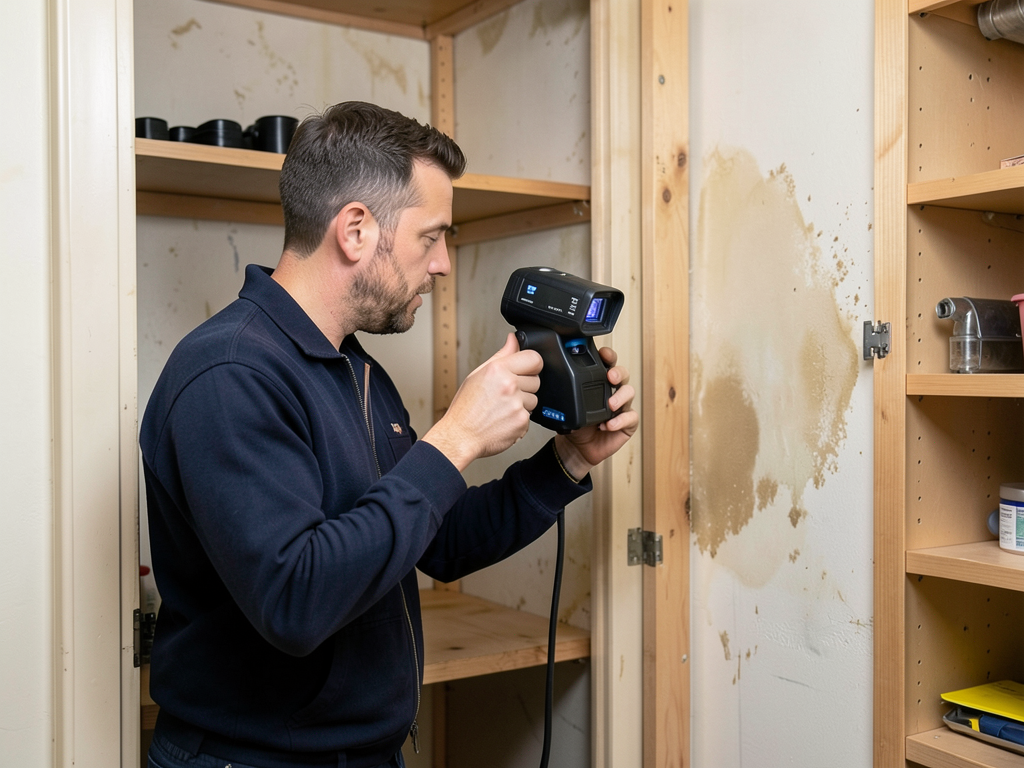
Our thermal imaging cameras detect temperature differentials indicating hidden moisture accumulation behind finished surfaces. We use hygrometers to measure ambient humidity and moisture meters to test material saturation levels in wood, drywall, and concrete. This diagnostic approach identifies leak sources homeowners never knew existed.

Once we map the affected area, we establish negative air pressure containment using HEPA-filtered air scrubbers. This prevents cross-contamination to unaffected rooms during remediation. We remove and properly dispose of porous materials like drywall, insulation, and carpet padding that harbor embedded spores. Non-porous surfaces like framing lumber and concrete receive antimicrobial treatment after physical removal of growth.

The key difference in our methodology is addressing vapor drive and capillary action. San Francisco homes near the coast deal with vapor transmission through foundation walls. We apply appropriate barriers and ensure proper grading to redirect groundwater away from your foundation. For homes with pier-and-beam foundations common in older San Francisco construction, we verify crawl space ventilation meets current building codes and install vapor barriers over exposed soil.

We also evaluate your HVAC system. Contaminated ductwork spreads spores throughout your home every time the system cycles. We inspect return plenums, supply registers, and air handlers for biological growth, then recommend cleaning or replacement based on contamination severity.

After remediation, we verify results using post-clearance testing. Air samples and surface samples confirm spore counts return to normal ambient levels before we reconstruct affected areas.

What Happens When We Investigate Your Allergic Reactions

Allergic Reactions in Home in San Francisco – Expert Mold Detection and Complete Water Damage Remediation
01

Moisture Mapping and Source Identification

We arrive with infrared cameras and moisture detection equipment to scan your home's envelope and interior spaces. We identify thermal anomalies indicating water intrusion, test wall cavities for elevated moisture content, and trace plumbing lines for hidden leaks. This diagnostic phase reveals why your home triggers allergic reactions. We document findings with photos and moisture readings, then explain what we discovered and why it matters for your health.
02

Containment and Safe Removal

We seal off contaminated zones using polyethylene barriers and create negative air pressure to prevent spore migration during demolition. Affected materials get bagged at the source and removed through exterior openings when possible to avoid tracking contamination through living areas. Our technicians wear respirators and protective suits during removal. We apply EPA-registered antimicrobial agents to structural elements that remain after we strip away contaminated finishes.
03

Verification and Prevention

After remediation, we run HEPA air scrubbers for 24 to 72 hours to capture airborne particulates, then collect air samples and surface samples for third-party laboratory analysis. Once results confirm safe spore levels, we address the moisture source that caused the problem. This might involve repairing plumbing, improving ventilation, installing dehumidifiers, or waterproofing exterior penetrations. We don't rebuild until the environment proves stable and dry.

Why San Francisco Residents Choose Local Water Damage Specialists

San Francisco's building inventory spans over a century of construction methods. A remediation approach that works in a 1920s Richmond District home fails in a 2015 South Beach condominium. We understand these differences because we work in these neighborhoods every day.

We know which Victorian homes used horsehair plaster that crumbles differently than modern drywall. We recognize that many Sunset District homes built in the 1950s lack proper foundation drainage because builders assumed the sandy soil would handle moisture. We've seen how newer LEED-certified buildings in Mission Bay create condensation problems when high-efficiency envelopes trap humidity without adequate mechanical ventilation.

This local knowledge matters when diagnosing why your home makes you sick. A technician from outside the region might miss that your building sits in a microclimate where fog accumulation creates exterior moisture loading on west-facing walls. They might not know that San Francisco's Department of Building Inspection requires specific protocols for lead and asbestos testing in pre-1980 structures before demolition begins.

We also understand the insurance landscape here. We know which carriers dominate the San Francisco market and how they process water damage claims. We provide documentation formatted to meet their requirements, which accelerates approval and reimbursement.

Our relationships with local industrial hygienists, environmental testing laboratories, and reconstruction contractors mean we coordinate the entire process. You don't manage multiple vendors. We handle testing referrals, interpret results, complete remediation, and connect you with qualified rebuild contractors who understand San Francisco's permitting requirements.

When you choose Summit Water Damage Restoration San Francisco, you get a team that knows your home's construction type, understands your neighborhood's specific moisture challenges, and navigates local regulations efficiently. We've restored homes in every district of this city.

What to Expect During Mold Investigation and Remediation

Response Time and Availability

We answer emergency calls 24 hours a day because mold contamination compounds rapidly in San Francisco's humid climate. When you contact us about allergic reactions you suspect stem from indoor mold, we schedule an investigation within 24 hours for active leaks and within 48 hours for chronic moisture concerns. Our diagnostic visit takes two to three hours depending on your home's size and complexity. We carry testing equipment on every truck, so we begin moisture mapping immediately rather than scheduling a return visit. You receive a written assessment and remediation proposal within 24 hours of our investigation.

The Investigation Process

Our technician starts with a detailed interview about your symptoms, when they began, and whether they improve when you leave home. This conversation guides where we focus our investigation. We visually inspect common failure points like bathroom exhaust fans, window perimeters, and plumbing penetrations. Then we use thermal imaging to scan walls and ceilings for temperature anomalies indicating hidden moisture. We test suspicious areas with pin-type and non-invasive moisture meters. If we find elevated readings or visible growth, we explain what we discovered, what caused it, and what remediation involves before providing a detailed written estimate.

Remediation Scope and Results

Remediation timeline depends on contamination extent. A isolated bathroom mold issue might take two days. A whole-house crawl space problem might require a week. We remove all materials showing visible growth or elevated moisture content, treat remaining structural elements with antimicrobial solutions, and dry the space using commercial dehumidifiers and air movers. We run HEPA air scrubbers throughout the process to capture airborne spores. The area stays under negative pressure containment until post-remediation testing confirms safe spore levels. Most homeowners notice symptom improvement within days of completing remediation and restoring proper ventilation.

Prevention and Long-Term Solutions

Removing mold solves the immediate health threat, but preventing recurrence requires addressing the moisture source. We repair leaking plumbing, improve bathroom and kitchen ventilation, install vapor barriers in crawl spaces, and recommend dehumidification solutions for chronic humidity problems. We provide written maintenance recommendations specific to your home's construction type and microclimate. For older homes with ongoing moisture challenges, we offer annual inspections to catch problems before they create health hazards. Our goal is eliminating the conditions that allow mold growth, not just cleaning up after contamination appears.

Frequently Asked Questions

You Have Questions,
We Have Answers

What could be causing allergies in my house? +

Common culprits include dust mites, mold spores, pet dander, and cockroach droppings. In San Francisco homes, persistent moisture from coastal fog creates ideal conditions for mold growth in bathrooms, basements, and crawl spaces. Old carpets trap allergens, while forced-air heating systems circulate particles throughout your home. Water damage from leaky pipes or roof issues feeds mold colonies behind walls. Poor ventilation in older Victorian homes compounds the problem. HVAC systems need regular filter changes to prevent allergen buildup. If you notice symptoms worsening indoors, hidden water damage may be feeding mold growth you cannot see.

How do I figure out what I am allergic to in my house? +

Start by tracking when symptoms worsen. Notice if reactions spike in certain rooms or after specific activities. An allergist can perform skin prick tests or blood tests to identify specific triggers. For home testing, inspect visible mold in bathrooms and basements. Check HVAC filters for dust buildup. Look for water stains on ceilings or walls that signal hidden moisture problems. San Francisco's older housing stock often hides mold behind wallpaper or under flooring. Professional mold testing identifies hidden colonies. Eliminate one suspected allergen at a time to isolate the trigger. Document your symptoms in a journal to spot patterns.

How to manage an allergic reaction at home? +

For mild reactions, remove yourself from the trigger immediately. Wash exposed skin with soap and water. Take an antihistamine to reduce symptoms. Use a saline nasal rinse to clear allergens from nasal passages. Keep windows closed on high pollen days in San Francisco. Run air conditioning with clean filters instead. For respiratory symptoms, sit upright and breathe slowly. If you experience throat swelling, difficulty breathing, or rapid pulse, call 911 immediately. Keep emergency medications accessible. After managing the immediate reaction, identify and eliminate the source to prevent future exposure.

How do you treat an allergy cough? +

An allergy cough stems from postnasal drip or airway irritation. Antihistamines reduce mucus production. Drink warm liquids to soothe throat irritation and thin mucus. Use a humidifier to add moisture, but clean it regularly to prevent mold growth. In San Francisco's foggy climate, indoor humidity can worsen mold problems, so monitor levels. Avoid irritants like smoke or strong fragrances. Elevate your head while sleeping to reduce postnasal drip. Saline nasal sprays flush allergens from nasal passages. If coughing persists beyond two weeks or worsens, see a doctor to rule out underlying conditions.

How to test your house for allergens? +

Professional mold inspectors use air quality tests and surface samples to detect hidden allergens. You can purchase home test kits for mold, but professional testing provides accurate identification. Inspect visible areas for water damage, discoloration, or musty odors. Check behind appliances, under sinks, and in crawl spaces. San Francisco's Victorian homes often have hidden moisture issues in basement areas. HVAC inspections reveal duct contamination. Dust samples collected from multiple rooms can be analyzed for allergen concentration. Moisture meters detect hidden water problems feeding mold growth. Professional assessment identifies problems you cannot see and provides actionable remediation plans.

What could I be allergic to in my own house? +

Dust mites thrive in bedding, carpets, and upholstered furniture. Pet dander accumulates even if you vacuum regularly. Mold grows wherever moisture persists, including bathrooms, kitchens, and basements. Cockroach waste triggers reactions in urban San Francisco homes. Pollen enters through open windows and on clothing. Cleaning products and air fresheners contain irritating chemicals. Water-damaged materials behind walls harbor hidden mold colonies. Old insulation may contain fibers that circulate through HVAC systems. Stored items in damp areas collect mold spores. Even seemingly clean homes can harbor allergens in ductwork, behind wallpaper, or under flooring.

Do air purifiers help allergies? +

Yes, quality air purifiers with HEPA filters capture airborne allergens like dust, pollen, pet dander, and mold spores. They work best in enclosed spaces when you run them continuously. Choose a purifier rated for your room size. HEPA filters trap particles down to 0.3 microns. However, purifiers cannot fix the root problem. If mold grows behind your walls from water damage, a purifier only masks symptoms. In San Francisco's damp climate, addressing moisture sources matters more than filtration alone. Replace filters regularly to maintain effectiveness. Use purifiers alongside source elimination, not as a substitute for proper remediation.

Can mold cause allergic reactions? +

Absolutely. Mold releases spores and mycotoxins that trigger allergic responses including sneezing, congestion, itchy eyes, skin rashes, and respiratory distress. Some people develop severe reactions to specific mold types. San Francisco's coastal moisture creates persistent dampness that feeds mold growth in older homes. Hidden mold behind walls or under flooring causes chronic symptoms without visible evidence. Water damage from leaks, flooding, or condensation provides the moisture mold needs. Black mold (Stachybotrys) produces particularly harmful toxins. Even dead mold spores trigger reactions. Professional mold remediation removes colonies and addresses moisture sources to prevent regrowth.

Why am I congested in my house but not outside? +

Your home likely contains concentrated allergens that outdoor air dilutes. Poor ventilation traps dust mites, mold spores, and pet dander indoors. San Francisco's older homes often lack modern ventilation systems. Forced-air heating circulates allergens throughout rooms. Dust accumulates in carpets, drapes, and upholstery. Hidden mold grows in damp areas like bathrooms and basements. HVAC systems with dirty filters distribute particles continuously. Outdoor air provides fresh circulation that reduces allergen concentration. If congestion disappears outside, inspect your home for water damage, hidden mold, or ventilation problems. Professional indoor air quality testing identifies specific triggers.

How San Francisco's Fog Belt and Marine Layer Create Year-Round Mold Risk

San Francisco's coastal location subjects homes to persistent moisture loading that inland cities never experience. The marine layer rolls in most afternoons from June through September, depositing microscopic water droplets on exterior surfaces. Homes in the Sunset, Richmond, and Parkside districts face this fog exposure daily. When exterior walls lack proper water-resistive barriers, that moisture migrates through siding and condenses inside wall cavities as temperatures drop overnight. Victorian homes built before modern building science understood vapor drive face particularly high risk. The fog provides constant moisture, and San Francisco's moderate temperatures rarely create the freeze-thaw cycles that alert homeowners to problems. Water damage allergy triggers develop slowly as hidden colonies mature over months or years.

We've worked in San Francisco long enough to recognize the specific failure patterns each neighborhood and construction era presents. We know which 1960s apartment buildings in the Tenderloin have cast iron waste lines failing inside walls. We recognize how 1890s Victorians in Noe Valley develop rot where exterior stairs attach to main structures. We understand that modern condos in South Beach need different moisture management than Edwardian flats in the Inner Sunset. This local expertise means faster diagnosis and appropriate solutions. We're not learning on your property. We're applying years of San Francisco-specific experience to solve your indoor air quality problem correctly.
Water Damage Restoration Services in The San Francisco Area

Our commitment to rapid response means we cover the entire San Francisco area and surrounding communities. View the map below to visualize our primary service region, which includes key neighborhoods and business districts. Whether you are located in the Financial District, the Mission, or out toward the Sunset, you can trust our 24/7 team to reach you quickly. We proudly serve both residential and commercial clients across the entire map, guaranteeing a fast and effective mitigation service the moment you need us.

Address:
Summit Water Damage Restoration San Francisco, 1390 Market St, San Francisco, CA, 94102

Additional Services We Offer

Our news updates

Latest Articles & News from The Blogs

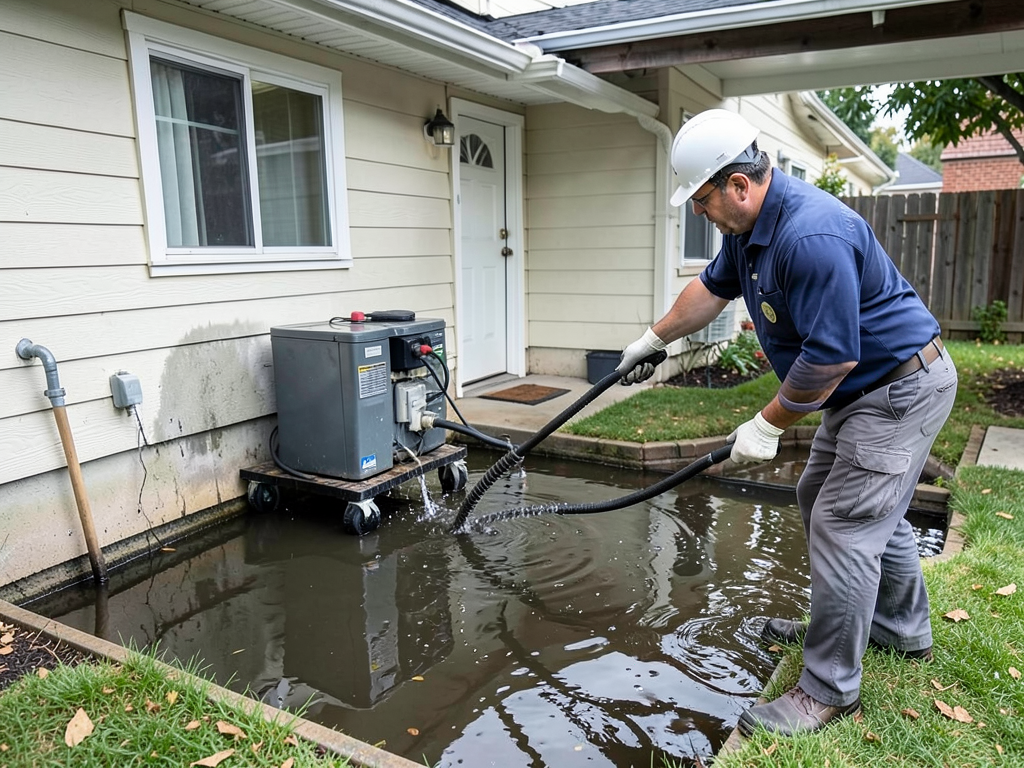
What to Do if Your New Backyard ADU Floods During a Heavy San Francisco Rain A sudden downpour in San…

What to Do if Your New Backyard ADU Floods During a Heavy San Francisco Rain

What to Do if Your New Backyard ADU Floods During a Heavy San Francisco Rain A sudden downpour in San…

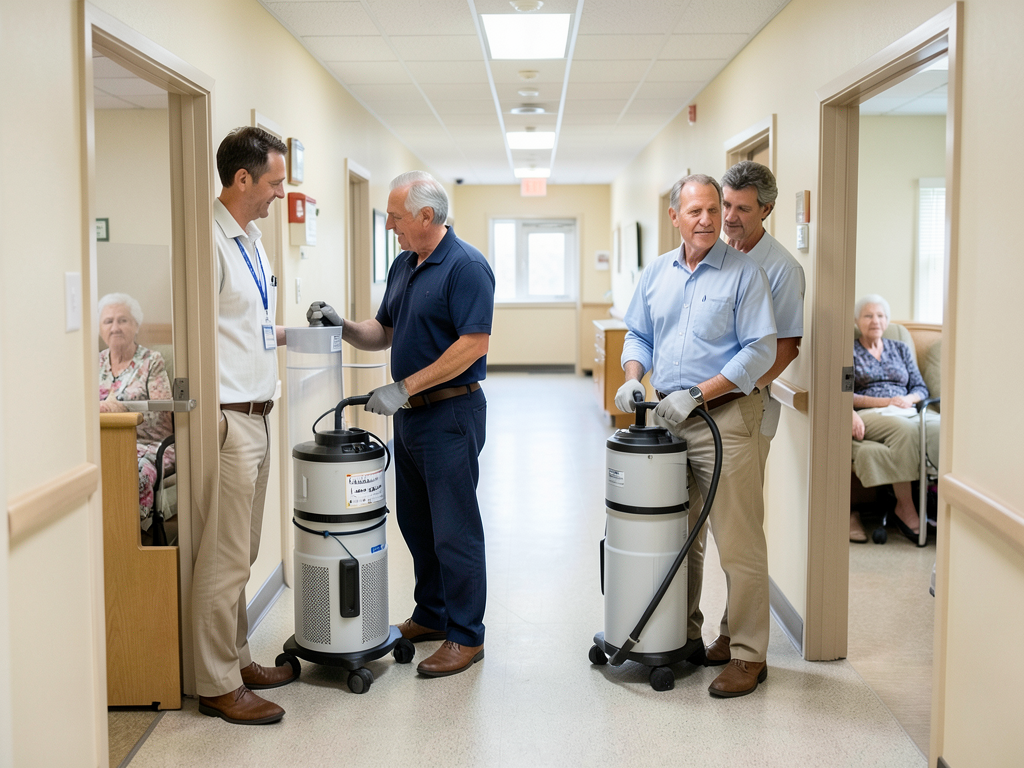
Selecting a Restoration Partner for Vulnerable Residents in a Richmond District Care Home

Specialized Senior Living Water Restoration Services in San Francisco Water damage in a Richmond District care home requires more than…

Why Your Noe Valley High Efficiency Boiler Could Be Slowly Flooding Your Utility Closet

Why Your Noe Valley High Efficiency Boiler Could Be Slowly Flooding Your Utility Closet If you live in a Noe…

Contact Us

Your home should be your healthiest environment. If you're experiencing persistent respiratory symptoms, skin irritation, or sinus problems that improve when you leave, you need professional moisture investigation. Call Summit Water Damage Restoration San Francisco at (415) 449-6555 for same-day diagnosis.