menu

Flood Cleanup & Extraction in San Francisco – Fast Response to Stop Water Damage Before It Spreads

When flooding hits your San Francisco property, every minute counts. Our emergency water extraction and flood damage restoration crews arrive fast to remove standing water, dry structural cavities, and prevent mold growth before secondary damage takes hold.

Slider Image 1
Slider Image 2
Slider Image 3
Slider Image 4
Slider Image 5
Slider Image 7
Slider Image 8
Slider Image 9
Slider Image 10
Slider Image 11

Why San Francisco Properties Face Serious Flood Risks Year-Round

San Francisco sits on a peninsula surrounded by water, with elevation shifts from sea level along the Embarcadero to 900-foot peaks in Twin Peaks. This geography creates flooding vulnerabilities most property owners underestimate. Winter storms dump intense rainfall on shallow soil layers over bedrock, causing runoff to pool in low-lying neighborhoods like the Mission District and SoMa. Properties near Glen Canyon Park and Lake Merced face groundwater intrusion during heavy rains.

The city's aging infrastructure adds another layer of risk. Many buildings in Nob Hill, Pacific Heights, and the Richmond District were built before modern waterproofing standards existed. Clay tile roofs common in these areas can channel water into attic spaces during downpours. Basements in Sunset District homes often flood when combined sewer systems overflow during peak flow events.

Coastal fog keeps humidity levels high year-round, which means water damage from flooding does not just dry on its own. Standing water seeps into subfloors, wall cavities, and insulation within hours. Without immediate emergency water extraction, you face structural rot, electrical hazards, and toxic mold colonies within 48 hours. Flood damage restoration requires speed and precision. The longer water sits, the more your property deteriorates and the higher your restoration costs climb.

Why San Francisco Properties Face Serious Flood Risks Year-Round
How Professional Water Removal Services Stop Damage Fast

How Professional Water Removal Services Stop Damage Fast

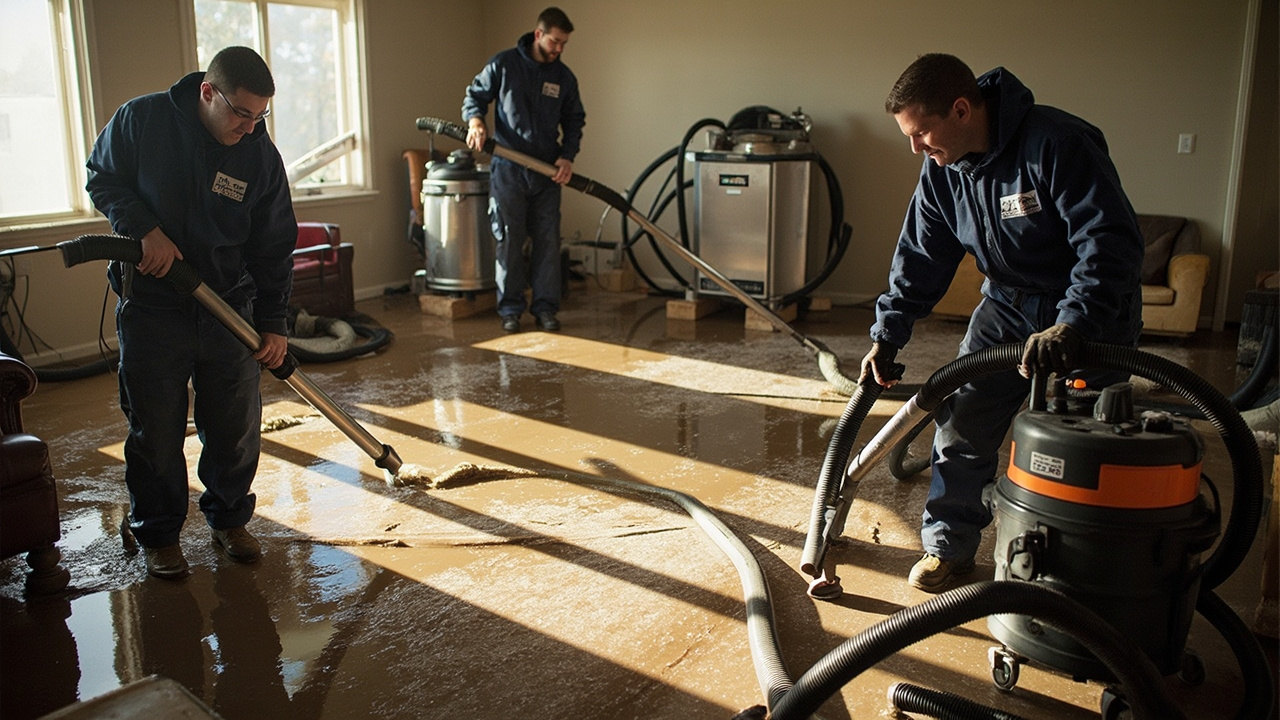
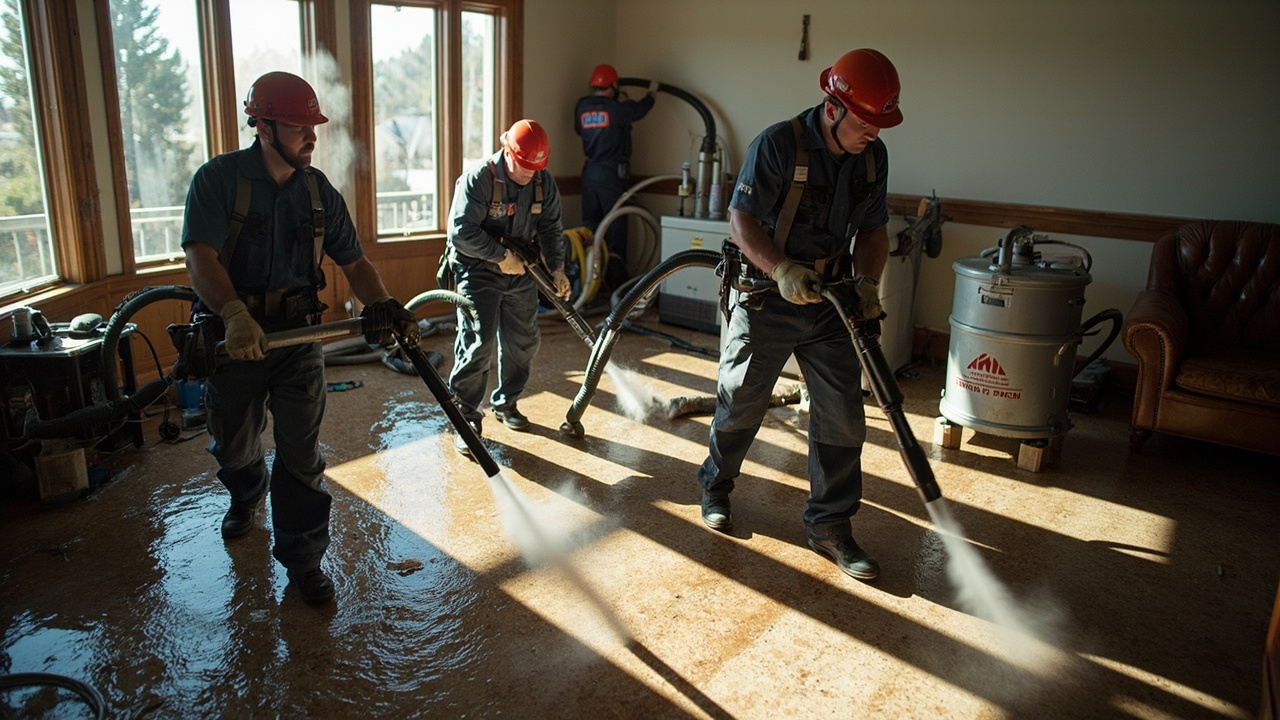
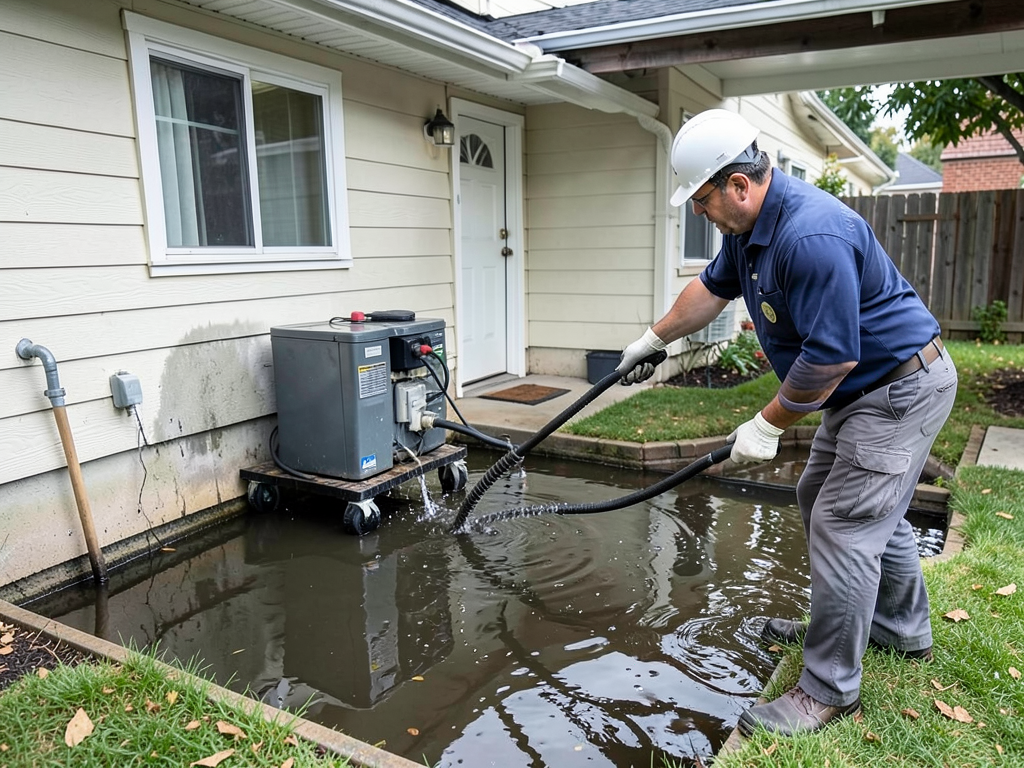
Effective flood cleanup starts with rapid water extraction using truck-mounted pumps and portable extractors. We deploy submersible pumps for deep standing water, then switch to weighted extractors that pull moisture from carpet backing and pad. This two-stage approach removes visible water fast, then targets hidden moisture trapped in porous materials.

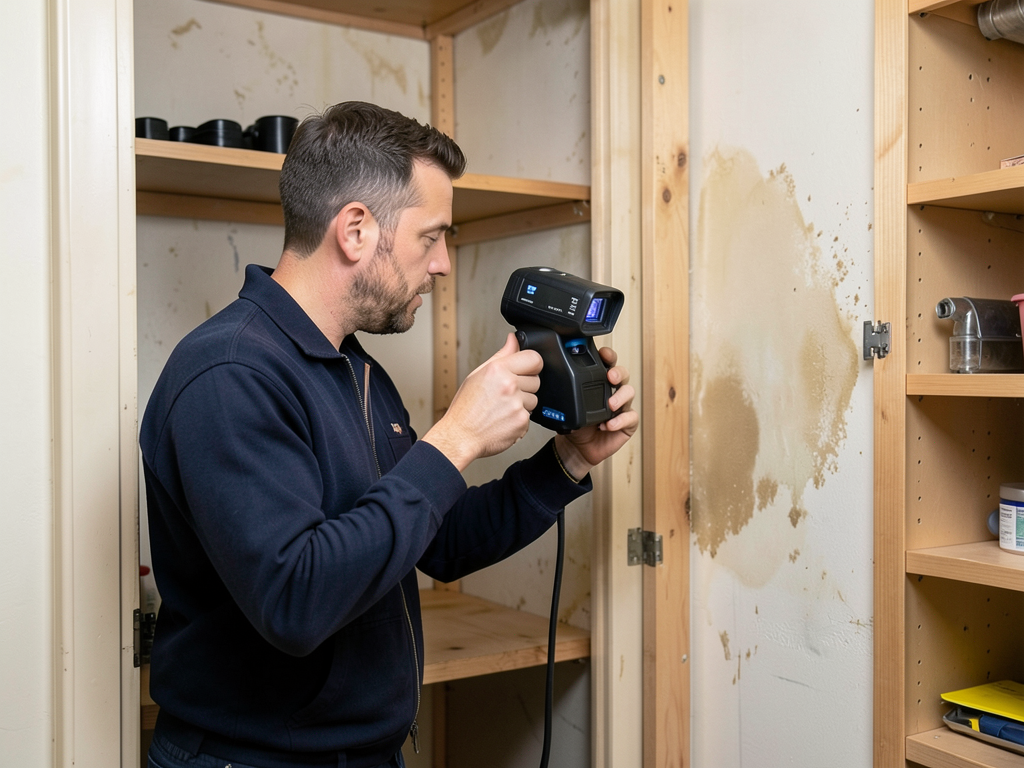
Next comes moisture mapping with thermal imaging cameras and penetrating moisture meters. We measure moisture content in baseboards, drywall, and subfloors to identify saturation zones invisible to the eye. This data drives our drying strategy. We place commercial dehumidifiers and high-velocity air movers in calculated positions to create airflow patterns that pull moisture from structural cavities. We do not just blow air around the room. We engineer drying conditions based on psychrometric principles, monitoring temperature, humidity, and airflow to achieve optimal evaporation rates.

Water mitigation services include antimicrobial treatment of affected surfaces. Floodwater carries bacteria, sewage contaminants, and organic matter that feed mold growth. We apply EPA-registered disinfectants to all wetted surfaces, then monitor drying progress with daily moisture readings. Our techs adjust equipment placement as moisture levels drop, ensuring complete drying before reconstruction begins. This methodical approach prevents callback issues and protects your property investment. Skipping steps or rushing the process leaves hidden moisture that resurfaces as mold, odors, and structural failure months later.

What Happens During Emergency Flood Response

Flood Cleanup & Extraction in San Francisco – Fast Response to Stop Water Damage Before It Spreads
01

Immediate Water Extraction

We arrive with truck-mounted extraction units and portable submersible pumps to remove standing water from your property. Our technicians assess water depth, contamination level, and affected areas before deploying equipment. We extract the bulk of floodwater within the first few hours, reducing pressure on structural materials and minimizing damage spread. Speed here prevents flooring delamination and wall wicking.
02

Moisture Detection and Mapping

After visible water removal, we use thermal imaging and moisture meters to map hidden saturation in walls, subfloors, and ceiling cavities. This diagnostic phase identifies moisture pockets that surface extraction misses. We document moisture levels with photos and readings for your insurance claim, then mark affected areas for targeted drying. This precision prevents guesswork and ensures complete mitigation.
03

Structural Drying and Monitoring

We install industrial dehumidifiers and air movers in strategic positions to create optimal drying conditions. Our team monitors moisture levels daily, adjusting equipment as materials dry to industry standards. We do not remove equipment until moisture readings confirm structural materials have returned to normal levels. This final phase typically takes three to five days depending on saturation severity and building materials involved.

Why San Francisco Property Owners Trust Summit Water Damage Restoration

San Francisco building codes require specific moisture barriers and drainage systems that differ from surrounding Bay Area cities. Our technicians understand these local requirements because we work exclusively in San Francisco neighborhoods. We know which buildings in the Castro have crawl space ventilation issues and which Marina District condos have inadequate subfloor drainage. This local knowledge speeds diagnosis and prevents code violations during reconstruction.

We maintain relationships with San Francisco building inspectors and insurance adjusters who handle claims in this market. When your adjuster questions drying equipment placement or antimicrobial protocols, we provide documentation that meets their specific requirements. We photograph moisture readings, track daily progress logs, and generate reports formatted for the major insurance carriers operating in San Francisco. This saves you hassle and speeds claim approval.

Our response time matters when flooding strikes. We stage equipment in the city, not across the bay, so we reach the Outer Sunset, Bayview, or North Beach within one hour of your call. Other companies dispatch from Oakland or South San Francisco, adding 30 to 60 minutes to response time. That delay allows water to spread further into wall cavities and subfloors.

We also understand San Francisco's housing density challenges. Neighbors share walls, floors, and ceilings. When your unit floods, water travels to adjacent properties. We coordinate with building managers and HOAs to assess connected units, preventing disputes and liability issues. This proactive approach protects your relationship with neighbors and building management while containing damage to the source area.

What to Expect When You Call for Flood Cleanup

Response Time and Availability

We answer emergency calls 24 hours a day, seven days a week, including holidays. Our dispatch team logs your call and sends the nearest crew immediately. Most San Francisco locations receive service within 60 minutes during normal conditions. We do not make you wait until morning or the next business day. Flooding does not follow business hours, and neither do we. Our technicians carry full extraction and drying equipment on every truck, so they start work immediately upon arrival. You do not wait for a second trip to retrieve tools or equipment.

Initial Assessment Process

Your first interaction with our team involves a thorough property inspection to determine water source, contamination category, and damage extent. We classify the water as clean, gray, or black based on contamination level, which determines our extraction and disinfection protocols. Our technicians photograph damage, measure moisture levels in multiple locations, and explain our recommended action plan before starting work. We provide a written scope of work that outlines each phase of restoration so you understand what happens next and why each step matters.

Drying Results and Quality Control

Complete structural drying means moisture levels return to normal for your building materials and local climate conditions. We use industry standard drying goals established by the Institute of Inspection, Cleaning and Restoration Certification. Our technicians take daily moisture readings and document progress until all affected materials meet these standards. We do not remove equipment based on visual appearance or time elapsed. We remove equipment when objective measurements confirm the job is complete. You receive final documentation showing before and after moisture levels for your insurance records.

Post-Cleanup Support

After drying completes, we provide recommendations for reconstruction contractors if your property needs repairs beyond water mitigation services. We coordinate with your insurance adjuster to ensure our documentation supports your claim. Many policies cover emergency mitigation costs separately from reconstruction, so quick action on cleanup protects your coverage. We remain available to answer adjuster questions or provide additional documentation as your claim processes. If you experience any concerns after equipment removal, we return to reassess moisture levels at no additional charge to confirm drying success.

Frequently Asked Questions

You Have Questions,
We Have Answers

How much does flood removal cost? +

Flood removal costs in San Francisco vary based on water volume, contamination level, and structural damage. Clean water extraction from a burst pipe typically runs less than sewage backup or Bay Area storm surge cleanup. Factors include square footage affected, flooring materials, wall cavity drying, and mold prevention measures. Victorian homes with plaster walls and hardwood floors require different approaches than modern construction. Most homeowners pay between a few hundred dollars for minor incidents to several thousand for extensive damage. Insurance often covers sudden flooding events. Get a detailed estimate that includes water extraction, drying equipment, antimicrobial treatment, and structural repairs specific to your situation.

How much does it cost to clean a basement after a flood? +

Basement flood cleanup costs depend on water source, depth, and contamination category. Clean groundwater seepage requires less intensive treatment than sewer backups, which need biohazard protocols. San Francisco basements often have foundation moisture issues due to fog and coastal climate. Expect costs to cover water extraction, dehumidification, disposal of damaged materials like drywall and insulation, antimicrobial treatment, and structural drying. Older San Francisco homes may have additional challenges like outdated drainage systems or settled foundations. Most basement cleanups range from moderate to significant investment depending on severity. Document everything for insurance claims. Professional assessment prevents hidden mold growth in wall cavities.

How much does Servpro cost to clean a basement? +

Servpro pricing varies by location and damage scope. They typically charge for water extraction, equipment rental, labor hours, and materials. You will receive an estimate based on their assessment. In San Francisco, costs reflect higher operating expenses and regional labor rates. Compare multiple licensed restoration companies before deciding. Ask for itemized estimates that break down extraction, drying equipment days, antimicrobial treatment, and reconstruction work. Some companies offer better pricing structures or more transparent billing. Check if they work directly with your insurance carrier. Get references from recent San Francisco clients. The lowest bid does not always mean the best value for thorough water damage restoration.

Does flood insurance pay for clean-up? +

Standard flood insurance through NFEMA covers structural damage and cleanup from flooding defined as water entering from outside sources like storm surge, heavy rain, or levee failure. Cleanup costs including water extraction, debris removal, and sanitization typically fall under dwelling coverage. Review your policy declarations page for specific limits and deductibles. Flood insurance does not cover mold remediation if you delay cleanup beyond reasonable timeframes. In San Francisco, policies may have specific provisions for Bay Area coastal flooding. Document all damage with photos before starting cleanup. Most policies require prompt mitigation to prevent additional damage. File claims immediately and keep detailed receipts for all restoration work performed.

How San Francisco's High Water Table Impacts Flood Cleanup Methods

San Francisco's proximity to the Pacific Ocean and San Francisco Bay creates a high water table across much of the city. Neighborhoods in the Sunset, Richmond, and Mission Bay sit just feet above sea level with groundwater close to the surface. During winter storms, this groundwater rises and pushes through basement floors, foundation cracks, and utility penetrations. Standard water extraction removes surface flooding, but groundwater intrusion requires sump pump installation and foundation drainage solutions. Properties in these areas need ongoing moisture monitoring even after initial flood damage restoration, because groundwater pressure continues until seasonal water tables drop. Without addressing the source, you face recurring flooding and chronic moisture problems that surface extraction cannot solve.

San Francisco's Department of Building Inspection enforces specific requirements for water damage repairs in historic districts and seismic retrofit buildings. Many properties in the Marina, Haight-Ashbury, and Downtown require permits for structural drying that involves removing baseboards, opening walls, or affecting building envelope components. Our teams understand which restoration activities trigger permit requirements and which qualify as emergency mitigation exempt from immediate permitting. This knowledge prevents code violations and inspection delays that slow your property recovery. We work within San Francisco's regulatory framework while maintaining the speed necessary to prevent secondary damage.
Water Damage Restoration Services in The San Francisco Area

Our commitment to rapid response means we cover the entire San Francisco area and surrounding communities. View the map below to visualize our primary service region, which includes key neighborhoods and business districts. Whether you are located in the Financial District, the Mission, or out toward the Sunset, you can trust our 24/7 team to reach you quickly. We proudly serve both residential and commercial clients across the entire map, guaranteeing a fast and effective mitigation service the moment you need us.

Address:
Summit Water Damage Restoration San Francisco, 1390 Market St, San Francisco, CA, 94102

Additional Services We Offer

Our news updates

Latest Articles & News from The Blogs

What to Do if Your New Backyard ADU Floods During a Heavy San Francisco Rain A sudden downpour in San…

What to Do if Your New Backyard ADU Floods During a Heavy San Francisco Rain

What to Do if Your New Backyard ADU Floods During a Heavy San Francisco Rain A sudden downpour in San…

Selecting a Restoration Partner for Vulnerable Residents in a Richmond District Care Home

Specialized Senior Living Water Restoration Services in San Francisco Water damage in a Richmond District care home requires more than…

Why Your Noe Valley High Efficiency Boiler Could Be Slowly Flooding Your Utility Closet

Why Your Noe Valley High Efficiency Boiler Could Be Slowly Flooding Your Utility Closet If you live in a Noe…

Contact Us

Water spreads fast through walls, floors, and ceilings. Every hour of delay increases damage and restoration costs. Call Summit Water Damage Restoration San Francisco now at (415) 449-6555 for immediate emergency water extraction. Our crews respond 24/7 to stop flooding before it destroys your property.