menu

San Francisco Basement Waterproofing Guide – Protect Your Foundation from Bay Area Moisture and Seismic Stress

Your Complete Basement Waterproofing Guide for San Francisco Homes: Expert Methods to Combat Fog Belt Humidity, Foundation Settlement, and Water Intrusion Before Structural Damage Escalates

Slider Image 1
Slider Image 2
Slider Image 3
Slider Image 4
Slider Image 5
Slider Image 7
Slider Image 8
Slider Image 9
Slider Image 10
Slider Image 11

Why San Francisco Basements Face Unique Water Intrusion Challenges

San Francisco's location on the peninsula creates a perfect storm for basement water problems. The persistent fog belt delivers moisture-laden air nearly year-round, and when temperatures drop overnight, condensation forms on cool foundation walls. This constant cycle creates ideal conditions for water infiltration.

The Bay Area sits on active fault lines, and even minor seismic activity creates micro-cracks in foundation walls. These hairline fractures become pathways for groundwater, especially during winter rains when the water table rises. If you've noticed damp spots, musty odors, or efflorescence (white chalky deposits) on your basement walls, you're witnessing the early stages of water intrusion.

The city's varied topography compounds the issue. Homes built on slopes in neighborhoods like Noe Valley or Bernal Heights face hydrostatic pressure as groundwater flows downhill and pools against foundation walls. Clay-heavy soils in areas near the Presidio expand when wet and contract when dry, creating movement that compromises waterproofing barriers.

Understanding how to waterproof a basement starts with recognizing these location-specific threats. Basement sealing techniques that work in dry climates fail here because they don't account for fog moisture and seismic stress. Foundation waterproofing methods must address both external hydrostatic pressure and internal vapor transmission. Without proper wet basement solutions, you're not just dealing with dampness. You're facing potential mold growth, wood rot in floor joists, and structural settlement that can cost tens of thousands to repair.

The good news? A comprehensive leaky basement repair guide tailored to San Francisco conditions can stop water intrusion permanently when applied correctly.

Why San Francisco Basements Face Unique Water Intrusion Challenges
How Professional Basement Waterproofing Actually Works

How Professional Basement Waterproofing Actually Works

Effective basement waterproofing requires a multi-layer defense system, not a single silver bullet solution. We start with exterior excavation when access permits, exposing the foundation wall to its footer. This allows us to inspect for structural cracks, apply a rubberized membrane waterproofing system, and install a drainage plane that channels water away from the foundation.

The membrane we apply forms a continuous barrier from footer to grade level. We use products specifically rated for seismic zones because standard waterproofing materials can tear when foundations shift. At the footer level, we install or rehabilitate the perimeter drain system (often called a French drain or footer drain). This PVC pipe system with weep holes collects groundwater before it can create hydrostatic pressure against your walls.

Interior waterproofing tackles vapor transmission and manages water that penetrates the slab. We install a sub-slab drainage system that intercepts water before it surfaces. This involves cutting a channel along the perimeter of your basement floor, installing perforated pipe in a gravel bed, and connecting it to a sump pump system. The sump pump becomes your last line of defense, automatically removing collected water.

Vapor barriers on walls and floors prevent moisture transmission. We use reinforced plastic sheeting with sealed seams, creating an impermeable layer between your basement and moisture sources. Wall treatments include injection of polyurethane or epoxy resins into cracks, which expand to fill voids and create flexible, waterproof seals that move with the foundation during minor settling.

Dehumidification completes the system. Even with barriers in place, San Francisco's humidity can create condensation. Commercial-grade dehumidifiers maintain optimal humidity levels, preventing mold growth and protecting stored items.

Summit Water Damage Restoration San Francisco integrates all these elements into customized systems based on your home's specific conditions, soil type, and water intrusion patterns.

What Happens During Your Basement Waterproofing Project

San Francisco Basement Waterproofing Guide – Protect Your Foundation from Bay Area Moisture and Seismic Stress
01

Foundation Assessment and Mapping

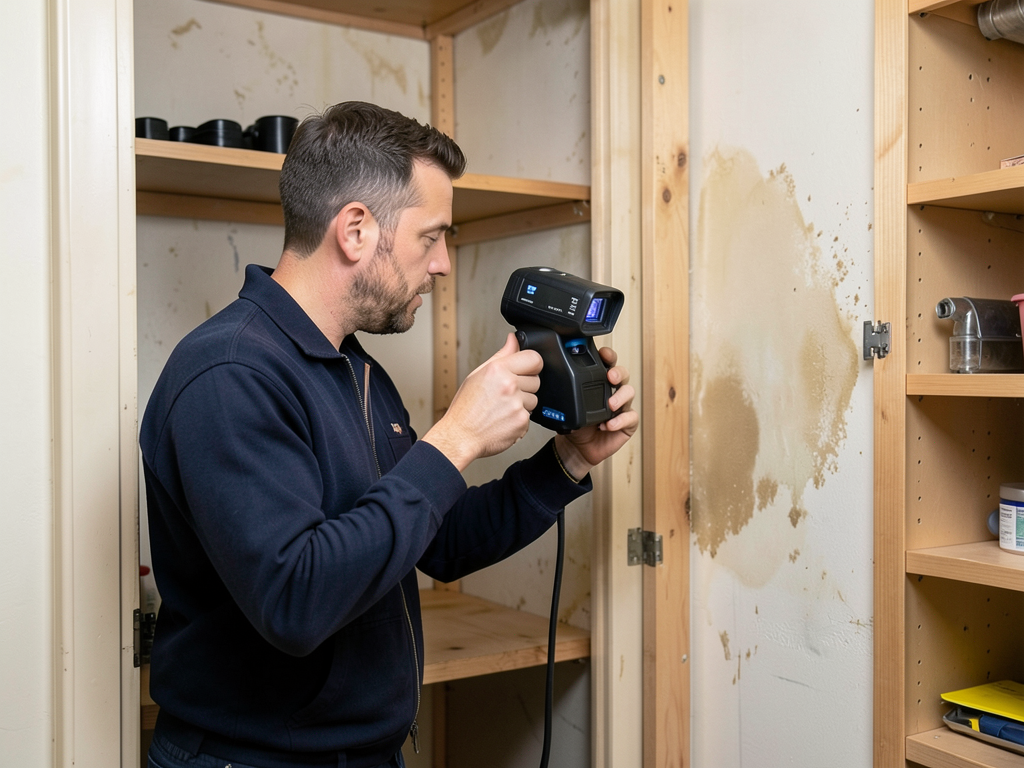
We conduct a comprehensive inspection using moisture meters, infrared cameras, and visual examination to identify all water entry points and measure moisture levels throughout your basement. We map crack patterns, test sump pump function if present, and evaluate soil drainage around your foundation perimeter. This diagnostic phase determines whether you need exterior waterproofing, interior solutions, or both. We also check for secondary issues like window well drainage problems or gutter downspouts that discharge too close to your foundation.
02

System Installation and Sealing

Based on assessment findings, we execute the waterproofing plan. Exterior work involves excavation, wall preparation, membrane application, and drainage installation. Interior work includes concrete cutting for perimeter drains, sump basin installation, crack injection, and vapor barrier application. We coordinate each phase to minimize disruption, and we protect your landscaping during exterior excavation. All drain lines are sloped correctly and connected to appropriate discharge points. Sump pumps include battery backup systems to maintain protection during power outages, which is critical during storm events.
03

Testing and Final Verification

After installation, we conduct water tests to verify system performance. We simulate rain conditions, test sump pump activation and discharge, and confirm all drain lines flow freely. We provide documentation of all work completed, including photos of below-grade waterproofing before backfilling. You receive maintenance guidelines for your new system, including sump pump testing schedules and signs to watch for that might indicate needed adjustments. We schedule a follow-up inspection after the first significant rain to confirm everything performs as designed under real-world conditions.

Why Local Expertise Matters for San Francisco Basement Waterproofing

San Francisco's building codes have evolved significantly since the 1906 earthquake, but many homes still have foundations built to outdated standards. Homes in older neighborhoods like the Mission, Richmond, and Sunset districts often have unreinforced masonry foundations or early concrete foundations with minimal waterproofing. Understanding these construction methods is essential for effective repairs.

We know which neighborhoods sit on fill soil (parts of the Marina, South Beach, and areas near the waterfront), where groundwater levels fluctuate dramatically, and where clay content in native soil creates expansion issues. This geographic knowledge informs our waterproofing approach. A home near Golden Gate Park faces different moisture challenges than one on Telegraph Hill.

Local building permits require specific engineering for foundation work in seismic zones. We navigate these requirements efficiently because we work with the San Francisco Department of Building Inspection regularly. We know which solutions meet current code and which inspectors prefer certain installation methods. This familiarity prevents project delays and ensures your waterproofing system meets all legal requirements.

Summit Water Damage Restoration San Francisco has completed hundreds of basement waterproofing projects across every San Francisco neighborhood. We've worked on Victorian homes with brick foundations, post-war homes with concrete block walls, and modern construction. This breadth of experience means we've encountered virtually every basement water problem the Bay Area climate and geology can create.

We also understand the fog belt microclimate zones. Properties in the western neighborhoods (Sunset, Parkside) face heavier fog exposure than eastern neighborhoods (Potrero Hill, Dogpatch). This affects vapor barrier specifications and dehumidification capacity requirements. Using generic approaches from other regions fails because they don't account for these hyperlocal conditions.

Our relationships with local suppliers mean we source materials quickly, minimizing project timelines. We stock seismic-rated waterproofing products and can respond rapidly when you discover active leaking.

What to Expect from Professional Basement Waterproofing

Project Timeline and Scheduling

Interior waterproofing projects typically take two to four days, depending on basement size and complexity. Exterior waterproofing requires five to ten days because excavation and backfilling are weather-dependent. We schedule work to minimize disruption and can often complete interior projects over long weekends. You'll have access to your basement within 24 hours after interior work completes, though concrete patches need several days to cure fully before bearing heavy loads. We provide detailed schedules before starting and communicate any adjustments needed due to discoveries during excavation or unexpected complications. Emergency leak repairs can often begin within hours of your call.

Comprehensive Initial Evaluation

Your assessment begins with a technician examining your entire basement, crawl space if present, and exterior perimeter. We check grading slopes, gutter systems, window wells, and foundation plantings that might contribute to water problems. Inside, we measure humidity levels, test concrete moisture content, and trace water stains to source points. We examine sump systems, floor drains, and any existing waterproofing to determine what's failing. You receive a written report with photos documenting problem areas, moisture readings, and recommended solutions. We explain why each element is necessary and provide alternatives when multiple approaches can work. This transparency helps you make informed decisions about protecting your investment.

Long-Term Performance and Protection

A properly installed waterproofing system should keep your basement dry for decades. Exterior membrane systems last 25 to 50 years when protected from UV exposure and physical damage. Interior drainage systems function indefinitely when maintained, though sump pumps typically need replacement every seven to ten years depending on usage frequency. The concrete work we complete is permanent. Crack injections create seals as strong as the surrounding concrete. Your basement becomes usable space again. You can finish it, store valuables, or simply enjoy peace of mind during storm season. Humidity drops to comfortable levels, musty odors disappear, and the risk of mold growth becomes negligible.

Ongoing Maintenance and Support

We provide detailed maintenance instructions for your waterproofing system. Sump pumps should be tested quarterly by pouring water into the basin to confirm activation. We recommend annual inspections before winter rains begin to check discharge lines, clean sump basins, and verify backup battery function. Exterior systems benefit from keeping gutters clean and maintaining proper soil grades around your foundation. We offer maintenance service plans if you prefer professional monitoring. If you experience any issues, we respond quickly to diagnose and resolve them. Many problems are simple fixes like a clogged discharge line or failed check valve. We also provide guidance on basement humidity management and dehumidifier maintenance to maximize system effectiveness.

Frequently Asked Questions

You Have Questions,
We Have Answers

What is the best waterproofing method for basements? +

Interior drain tile systems combined with vapor barriers offer the most reliable protection for San Francisco basements. This approach captures groundwater before it penetrates walls, channeling it to a sump pump for removal. Given the Bay Area's seasonal rainfall and high water tables in neighborhoods like the Sunset and Richmond Districts, exterior waterproofing with membrane application provides added defense but requires excavation. Most homes benefit from a combination approach addressing hydrostatic pressure from both sides. Clay soil common in San Francisco expands when wet, creating additional pressure that interior systems handle well.

How much does it cost to waterproof a 1000 sq ft basement? +

Basement waterproofing costs vary based on water intrusion severity, foundation type, and access challenges. A 1000 square foot space typically requires interior drain installation, sump pump systems, and vapor barriers. San Francisco's Victorian and Edwardian homes often need customized solutions due to unique foundation structures and limited exterior access. Costs increase when dealing with deteriorated concrete, multiple water entry points, or structural repairs. Request detailed assessments from contractors who understand local soil conditions and building codes. Material quality, pump capacity, and warranty coverage also impact total investment.

What are common waterproofing mistakes? +

Ignoring exterior grading creates persistent problems. Water must flow away from foundations, yet many San Francisco properties have improper slopes directing runoff toward basements. Applying surface sealants without addressing hydrostatic pressure traps moisture inside walls, causing structural damage. Undersized sump pumps fail during heavy storms common in winter months. Skipping vapor barriers allows humidity penetration through porous concrete. Another mistake involves partial fixes that ignore water table issues specific to low-lying San Francisco areas. Successful waterproofing requires comprehensive assessment of all moisture sources and proper system sizing for local rainfall patterns.

Why not use Drylok on basement walls? +

Drylok and similar concrete paints create surface barriers that trap moisture within basement walls rather than managing it properly. When hydrostatic pressure builds from San Francisco's seasonal groundwater, these coatings fail, peeling off and allowing water through. They offer no solution for the actual water source. Trapped moisture accelerates concrete deterioration and creates humidity problems inside your space. The product works only for minor dampness on above-grade walls. Bay Area basements need systems that channel water away through proper drainage, not cosmetic fixes that ignore physics and local soil conditions.

What are the three types of basement waterproofing? +

Interior waterproofing installs drain systems along foundation footings with sump pumps to remove collected water. This method works well for San Francisco's Victorian homes where exterior excavation is impractical. Exterior waterproofing applies membrane barriers to outside foundation walls, blocking moisture before entry. This requires digging around the perimeter. Drainage systems improve grading and downspout management to redirect surface water away from foundations. Most effective solutions combine all three approaches. Your specific needs depend on foundation type, water table depth, and soil conditions in your San Francisco neighborhood. Professional assessment determines the right combination.

What is better than Drylok for basement walls? +

Proper interior drainage systems with vapor barriers outperform any surface coating for basement walls. These systems address root causes by managing hydrostatic pressure and groundwater intrusion. Crystalline waterproofing penetrates concrete pores, creating a permanent moisture barrier superior to paint-on products. For San Francisco basements dealing with seasonal water tables and clay soil expansion, mechanical solutions like French drains and sump pumps provide reliable long-term protection. External membrane systems offer excellent defense when excavation is feasible. Focus on engineering solutions that move water away from your foundation rather than attempting to seal it out with coatings.

Will insurance pay for basement waterproofing? +

Standard homeowner policies exclude waterproofing because insurers consider it preventive maintenance, not sudden damage. If a pipe bursts or sewer backs up, causing water damage, your policy may cover repairs. Gradual seepage from groundwater, condensation, or foundation cracks falls outside coverage. Flood insurance through FEMA does not cover waterproofing either. Some San Francisco neighborhoods near the Bay or in low-lying areas face higher risk, but property owners must pay for protective measures themselves. Document any sudden water events immediately and review your policy details. Prevention remains your responsibility.

How to 100% waterproof a basement? +

Complete waterproofing requires addressing multiple moisture pathways simultaneously. Install interior perimeter drainage to capture groundwater before it enters your space. Apply exterior membrane waterproofing to foundation walls when accessible. Ensure proper grading slopes water away from your foundation. Install and maintain a reliable sump pump system with battery backup for San Francisco's winter storms. Seal all foundation cracks and control points. Add vapor barriers on walls and floors. Maintain gutters and extend downspouts at least six feet from your home. Regular inspection catches problems early, especially after Bay Area's heavy rainfall seasons.

How much is it to finish a 2000 sq ft basement? +

Finishing a 2000 square foot basement involves waterproofing, framing, electrical, plumbing, HVAC, flooring, and finishing work. Costs depend heavily on existing conditions and your design choices. San Francisco requires permits and inspections, adding time and expense. Older homes may need foundation repairs, mold remediation, or upgraded electrical panels before finishing begins. Bathroom or kitchen additions increase costs significantly. Moisture control remains critical given local groundwater conditions. Complex layouts in Victorian-era basements with limited ceiling height require creative solutions. Quality waterproofing should precede any finishing work to protect your investment.

Why can't you DIY waterproofing? +

Basement waterproofing requires specialized equipment, technical knowledge, and physical access that homeowners lack. Proper interior drain installation demands breaking concrete, excavating around footings, and sloping drainage to collection points. Mistakes create worse problems than you started with. Exterior waterproofing needs excavation equipment and understanding of San Francisco soil conditions and building codes. Sump pump systems require correct sizing and electrical work. Poor DIY attempts void manufacturer warranties and cause expensive damage. Professionals carry insurance protecting you from liability. The cost of fixing failed DIY waterproofing exceeds hiring qualified contractors from the start.

How San Francisco's Seismic Activity Impacts Basement Waterproofing Durability

Living on the San Andreas and Hayward fault systems means your foundation experiences constant micro-movements, even when you don't feel earthquakes. These subtle shifts create stress on rigid waterproofing materials, causing brittle sealants to crack and traditional membranes to tear. That's why basement waterproofing in San Francisco requires flexible, seismic-rated products that move with your foundation rather than fighting against it. Foundation waterproofing methods using elastomeric membranes stretch during seismic events and return to original form. Crack injection resins must remain pliable years after application. Standard basement sealing techniques from non-seismic regions fail here within months because they can't accommodate this movement. When evaluating wet basement solutions, always ask whether products are rated for seismic zone four, San Francisco's classification.

San Francisco's Department of Building Inspection requires engineered solutions for significant foundation work, and inspectors verify that waterproofing installations meet current seismic safety standards. Working with a contractor who understands these local requirements prevents costly rework and permit delays. Summit Water Damage Restoration San Francisco maintains relationships with structural engineers who can provide stamped plans when your project requires them. We understand how to coordinate waterproofing with seismic retrofitting if you're upgrading your foundation's earthquake resistance simultaneously. This local knowledge ensures your leaky basement repair guide translates into compliant, durable results that protect your home through the next earthquake cycle. Our familiarity with neighborhood-specific soil conditions and typical foundation types means we anticipate challenges before starting work.
Water Damage Restoration Services in The San Francisco Area

Our commitment to rapid response means we cover the entire San Francisco area and surrounding communities. View the map below to visualize our primary service region, which includes key neighborhoods and business districts. Whether you are located in the Financial District, the Mission, or out toward the Sunset, you can trust our 24/7 team to reach you quickly. We proudly serve both residential and commercial clients across the entire map, guaranteeing a fast and effective mitigation service the moment you need us.

Address:
Summit Water Damage Restoration San Francisco, 1390 Market St, San Francisco, CA, 94102

Additional Services We Offer

Our news updates

Latest Articles & News from The Blogs

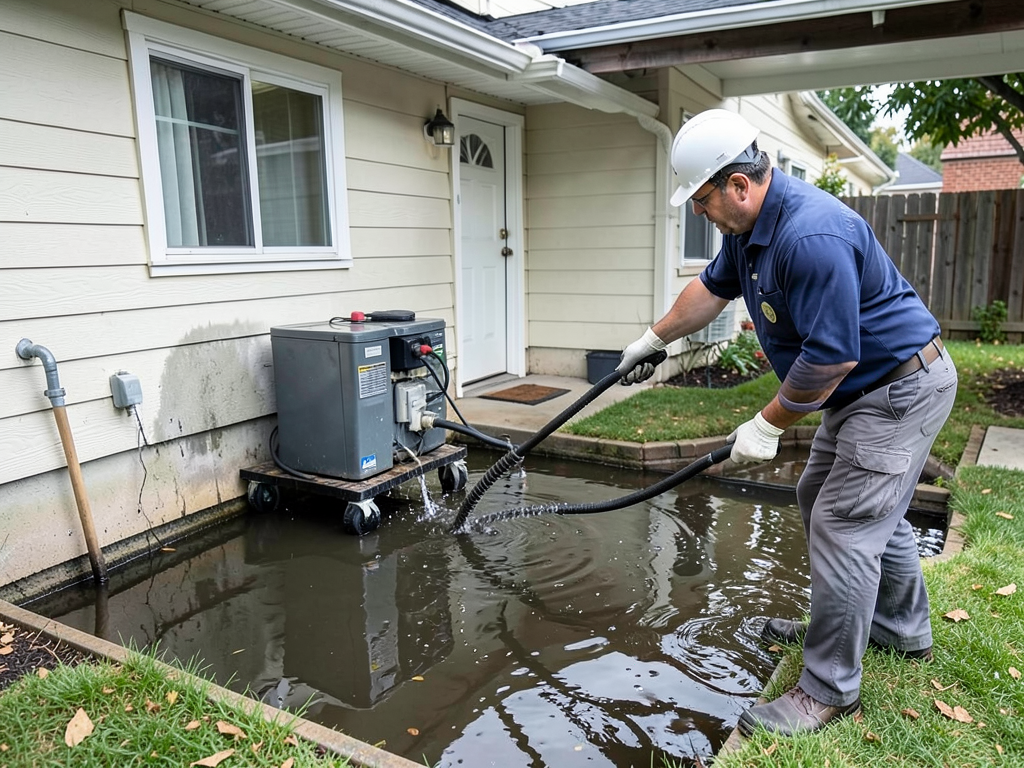
What to Do if Your New Backyard ADU Floods During a Heavy San Francisco Rain A sudden downpour in San…

What to Do if Your New Backyard ADU Floods During a Heavy San Francisco Rain

What to Do if Your New Backyard ADU Floods During a Heavy San Francisco Rain A sudden downpour in San…

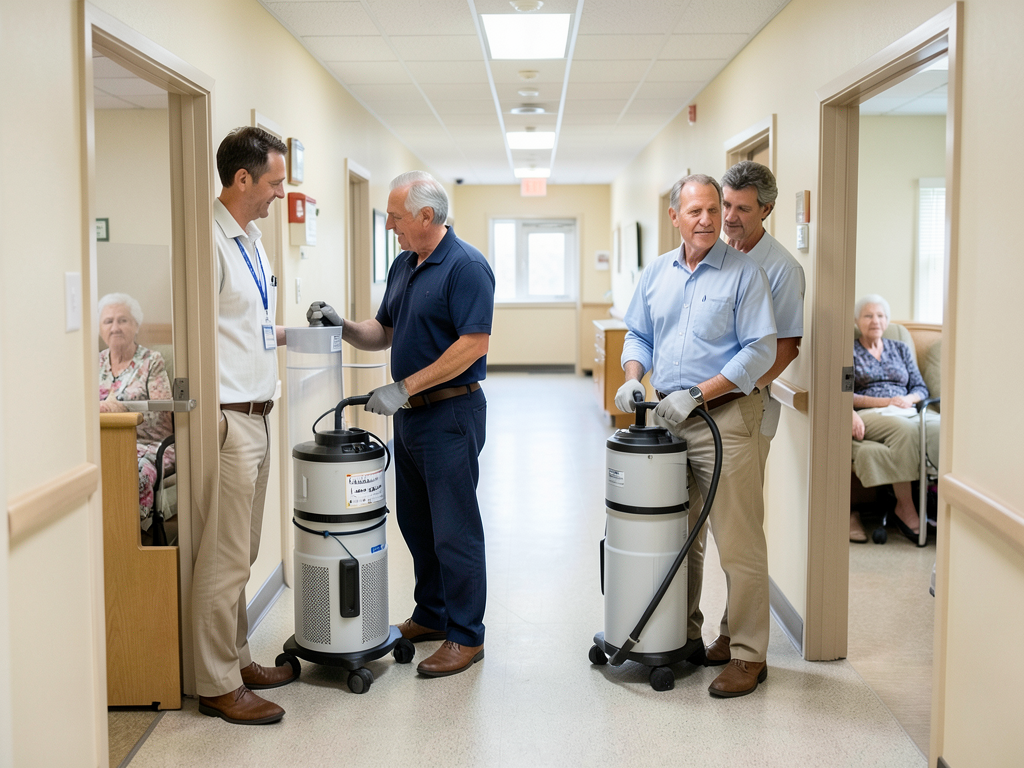
Selecting a Restoration Partner for Vulnerable Residents in a Richmond District Care Home

Specialized Senior Living Water Restoration Services in San Francisco Water damage in a Richmond District care home requires more than…

Why Your Noe Valley High Efficiency Boiler Could Be Slowly Flooding Your Utility Closet

Why Your Noe Valley High Efficiency Boiler Could Be Slowly Flooding Your Utility Closet If you live in a Noe…

Contact Us

Water intrusion worsens with every rain cycle. Get a professional basement assessment from Summit Water Damage Restoration San Francisco today. Call (415) 449-6555 now to schedule your evaluation and receive a detailed waterproofing plan tailored to your home's specific conditions.