menu

Water Bug & Pest Infestations in San Francisco – Expert Moisture Control Eliminates the Root Cause

Summit Water Damage Restoration San Francisco targets hidden water sources that attract oriental cockroaches and water damage roaches, delivering structural drying solutions that prevent pest reinfestations before they start.

Slider Image 1
Slider Image 2
Slider Image 3
Slider Image 4
Slider Image 5
Slider Image 7
Slider Image 8
Slider Image 9
Slider Image 10
Slider Image 11

Why Water Bugs Keep Coming Back in San Francisco Homes

You see them scurrying across bathroom floors at night. Dark, glossy bodies disappearing under sinks or near drains. You call them water bugs, but they are usually oriental cockroaches or American cockroaches drawn to moisture-rich environments.

San Francisco's unique climate creates perfect conditions for moisture-related pest infestations. Marine fog rolls through neighborhoods like the Richmond and Sunset districts, keeping basements and crawl spaces damp for months. Older Victorian and Edwardian homes, common in areas like the Mission and Castro, often have outdated plumbing and poor vapor barriers. Water seeps into wall cavities, under flooring, and behind tiles. You cannot see it, but water damage roaches can sense it from across your property.

These damp environment insects thrive where humidity stays above 50 percent. Leaking pipes, condensation from old HVAC systems, and slow drainage from San Francisco's aging sewer infrastructure create standing water in places you never inspect. Sewer roach infestations often begin in basement floor drains or damaged lateral sewer lines that allow pests direct access to your foundation.

Spraying pesticides only kills the bugs you see. The colony remains because the water source remains. oriental cockroach problems stem from structural moisture issues, not poor housekeeping. Until you eliminate the hidden water attracting them, new pests will keep arriving. The problem is not the bugs. The problem is the water damage feeding them.

Why Water Bugs Keep Coming Back in San Francisco Homes
How We Eliminate Moisture Sources That Attract Pests

How We Eliminate Moisture Sources That Attract Pests

Summit Water Damage Restoration San Francisco treats water bug infestations as what they are: symptoms of hidden moisture problems. We do not spray chemicals and hope the pests leave. We locate and eliminate the water sources attracting them.

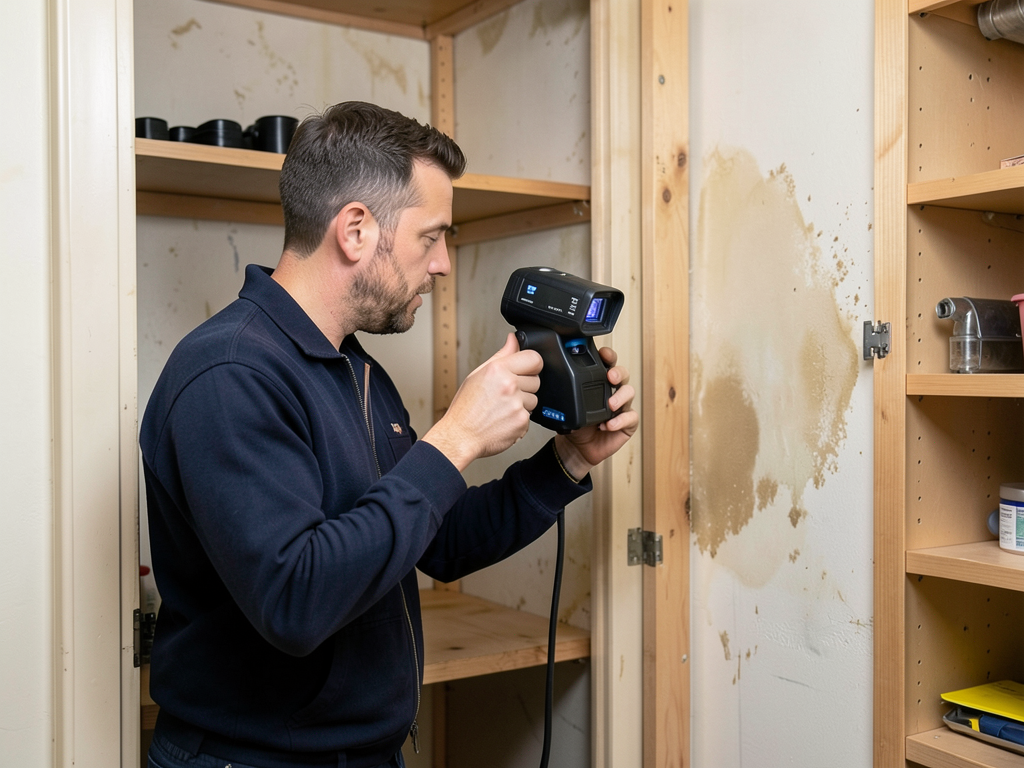
Our technicians use thermal imaging cameras to detect temperature differentials behind walls and under floors. Moisture meters measure humidity levels in wood framing, drywall, and subflooring. We identify condensation patterns on cold water pipes, leaking supply lines, and compromised drain systems that create the damp conditions oriental cockroaches require.

Once we map the moisture intrusion, we deploy industrial dehumidifiers and air movers to drop relative humidity below 40 percent. We remove water-damaged materials like soaked insulation, rotted subflooring, and mold-infested drywall that hold moisture long after the initial leak stops. We treat wood framing with antimicrobial solutions to prevent fungal growth that attracts secondary pest populations.

For sewer roach infestations, we inspect floor drains and cleanouts for dry traps or damaged seals. We work with licensed plumbers to repair cracked lateral lines and seal foundation penetrations where sewer gases and pests enter your property. We verify negative air pressure in basements to prevent humid air from condensing on cool surfaces.

After structural drying, we seal cracks in concrete slabs, apply waterproof membranes to basement walls, and install vapor barriers in crawl spaces. This creates an environment where water damage roaches cannot survive. No moisture, no food source, no infestation.

Our Moisture Elimination Process for Pest Control

Water Bug & Pest Infestations in San Francisco – Expert Moisture Control Eliminates the Root Cause
01

Moisture Source Detection

We conduct infrared thermal scans and moisture mapping throughout your property, identifying hidden water damage behind walls, under flooring, and in crawl spaces. Technicians test relative humidity levels and trace plumbing systems to pinpoint leaks feeding pest populations. This diagnostic phase reveals every moisture source attracting oriental cockroaches to your San Francisco property.
02

Structural Drying Deployment

We position commercial-grade dehumidifiers and air movers to extract moisture from building materials and reduce ambient humidity below 40 percent. We remove saturated insulation, damaged subflooring, and compromised drywall that retains water and creates breeding conditions for damp environment insects. This phase eliminates the habitat water damage roaches require to survive.
03

Long-Term Prevention Sealing

After structural drying, we seal foundation cracks, install vapor barriers, and waterproof vulnerable areas to prevent future moisture intrusion. We treat wood framing with antimicrobial coatings and ensure proper drainage around your property perimeter. This final phase creates conditions where moisture-related pest infestations cannot reestablish, giving you permanent relief from sewer roach problems.

Why San Francisco Property Owners Choose Our Approach

Most pest control companies treat symptoms. We eliminate causes. San Francisco's housing stock presents unique challenges that require water damage expertise, not just extermination.

Victorian homes in Noe Valley and Pacific Heights have brick foundations with no moisture barriers. The masonry wicks water directly from soil into crawl spaces and basements. Edwardian flats in the Outer Sunset have outdated cast iron drain systems that leak at joints and corrode from the inside. Apartment buildings in the Tenderloin and SOMA districts have aging HVAC systems that drip condensation into wall cavities for years before tenants notice pest problems.

Summit Water Damage Restoration San Francisco understands these building types because we have worked in every neighborhood from the Marina to Excelsior. We know which foundations crack under seismic movement, which pipe materials fail first, and which microclimates create chronic condensation issues. This local knowledge matters when diagnosing why oriental cockroaches appeared in your bathroom last month.

We coordinate with licensed plumbers, structural engineers, and pest management professionals when necessary. We document moisture findings for insurance claims. We follow IICRC S500 standards for water damage restoration, ensuring proper drying and preventing secondary damage that could attract new infestations.

Our technicians receive ongoing training in building science and moisture dynamics. We do not guess where water hides. We measure, document, and verify. This methodical approach costs more upfront than a pest spray treatment, but it solves the problem permanently instead of masking it temporarily.

You can hire a cheaper service. You will call them again in six months when the water bugs return. Or you can eliminate the moisture feeding them now and never see another infestation.

What to Expect During Moisture Elimination Services

Rapid Response Availability

We dispatch technicians within two hours for emergency water intrusion affecting occupied spaces. For chronic moisture issues driving pest infestations, we schedule comprehensive inspections within 24 hours of your call. Initial moisture mapping and thermal imaging take 60 to 90 minutes depending on property size. Drying equipment deployment begins the same day. Most residential structural drying projects reach target moisture levels within three to five days. Commercial properties with larger affected areas may require seven to ten days for complete moisture extraction.

Comprehensive Moisture Assessment

Our initial evaluation includes infrared thermal imaging, moisture meter readings in all building materials, and relative humidity testing in every affected room. We inspect plumbing systems, HVAC components, roof drainage, foundation walls, and crawl spaces. Technicians photograph moisture intrusion points and document findings in a written report. We explain which moisture sources attract oriental cockroaches and which require immediate attention. You receive a detailed scope of work outlining drying procedures, material removal needs, and timeline estimates before any work begins.

Complete Moisture Elimination

We reduce structural moisture content to below 15 percent in wood framing and below 1 percent in concrete, verified with calibrated meters. Relative humidity drops to 35 to 40 percent in affected spaces. We remove all water-damaged materials that cannot be salvaged, including saturated insulation, rotted subflooring, and mold-compromised drywall. Antimicrobial treatments prevent fungal growth. Final inspection confirms no residual moisture remains in hidden cavities. We provide post-drying documentation showing moisture readings that prove conditions no longer support water damage roach populations.

Ongoing Moisture Monitoring

After initial drying, we offer follow-up inspections at 30, 60, and 90 days to verify moisture levels remain stable. We install humidity monitors in previously affected areas to alert you if conditions change. If new moisture intrusion occurs within six months due to plumbing failures or storm damage, we prioritize your service call and expedite response. We provide maintenance recommendations for vapor barriers, dehumidifiers, and drainage systems. This ongoing support ensures the moisture conditions that caused your infestation never return.

Frequently Asked Questions

You Have Questions,
We Have Answers

What causes water bugs in your house? +

Water bugs enter your home searching for moisture, food, and shelter. Leaky pipes, dripping faucets, standing water under sinks, and humid crawl spaces create perfect conditions. In San Francisco, aging Victorian homes with old plumbing and poor ventilation in basements attract these pests. They feed on organic matter in drains, garbage, and pet food left out overnight. Cracks in foundations, gaps around doors, and damaged window screens provide easy entry points. The city's mild climate and coastal fog mean moisture levels stay high year-round, making homes more vulnerable without proper maintenance and moisture control.

How do you know if you have a waterbug infestation? +

You will notice large, dark insects (1.5 to 2 inches long) in bathrooms, kitchens, or basements, especially at night. Water bugs leave dark droppings near baseboards, under sinks, or in cabinets. You may spot shed exoskeletons in corners or behind appliances. A musty, oily odor signals a larger infestation. Check for them near water sources like bathtubs, toilets, and washing machines. In San Francisco's older buildings with hidden plumbing issues, you might find them emerging from floor drains or gaps around pipes. Seeing one water bug often means more are hiding nearby.

What is the hardest bug infestation to get rid of? +

Bed bugs rank as the hardest infestation to eliminate. They hide in tiny cracks, reproduce quickly, and resist many over-the-counter treatments. Bed bugs require multiple professional heat treatments or chemical applications spaced weeks apart. German cockroaches come in second due to rapid breeding cycles and pesticide resistance. Termites also pose challenges because colonies extend deep into structural wood. Water bugs are easier to control than these pests if you address moisture problems and seal entry points. Professional pest control becomes necessary when infestations spread or DIY methods fail after repeated attempts.

Can your house be infested with water bugs? +

Yes, your house can develop a water bug infestation if conditions support them. They breed in damp, dark areas like basements, crawl spaces, and around plumbing. One female can produce hundreds of offspring in a year. San Francisco homes with foundation moisture problems, leaking sewer lines, or poor drainage see recurring infestations. Multi-unit buildings spread infestations through shared walls and plumbing. Water bugs travel through drains and pipes between units. Once established, they hide in wall voids, under flooring, and behind appliances. Professional inspection identifies breeding sites and moisture sources fueling the problem.

Does pouring bleach down the drain get rid of roaches? +

Pouring bleach down drains temporarily kills roaches and water bugs on contact, but it does not eliminate an infestation. Bleach cannot reach nesting areas in pipes, wall voids, or under cabinets where these pests breed. The chemical dissipates quickly and provides no residual protection. In San Francisco's older plumbing systems, bleach can corrode pipes over time. Water bugs simply avoid treated areas and return once the bleach smell fades. You need to fix leaks, remove standing water, and seal cracks to stop them. Professional treatments target breeding sites and apply residual insecticides for lasting control.

What time of year are water bugs most active? +

Water bugs become most active during warm, humid months from late spring through early fall. They breed faster when temperatures rise above 70 degrees. In San Francisco, the mild climate means you can encounter them year-round, but activity peaks in August and September when homes retain more humidity. Heavy rain drives them indoors seeking dry shelter. They emerge at night to forage for food and water. During winter, they move into heated indoor spaces near water heaters, furnaces, and pipes. Coastal fog and maritime air keep moisture levels consistent, preventing true seasonal dormancy.

What kills waterbugs instantly? +

Boric acid powder kills water bugs quickly when they ingest it or walk through it. Apply thin layers along baseboards, under appliances, and in cracks. Diatomaceous earth cuts through their exoskeletons, causing dehydration. Contact sprays with pyrethroids drop them instantly but provide short-term results. Gel baits poison them within hours, and they carry toxins back to nesting sites. For immediate knockdown, professional-grade insecticides work fastest. Combine instant-kill methods with moisture elimination to prevent new bugs from replacing dead ones. Treating entry points and breeding areas gives you long-term control beyond quick kills.

How to find where water bugs are coming from? +

Inspect areas with plumbing first. Check under sinks, behind toilets, near water heaters, and around washing machines for gaps in pipes or cracks in walls. Examine basement floor drains and sump pumps. In San Francisco homes, look at foundation perimeters for cracks where bugs enter from outside. Use a flashlight to spot them at night when they forage. Place sticky traps along baseboards to identify travel paths. Check crawl spaces for standing water or moisture on wood. Gaps under doors, torn window screens, and utility line penetrations also serve as entry points requiring sealing.

Why shouldn't you squish cockroaches? +

Squishing cockroaches spreads bacteria and pathogens they carry across surfaces. Crushing a female releases egg cases that survive and hatch later, worsening your infestation. The act smears their body fluids, which contain allergens triggering asthma and allergic reactions. Cockroach remains attract more roaches through pheromones. In tight spaces, you may only injure them, allowing escape to die in walls where they create odors. Use traps, baits, or insecticides so they die in controlled areas. Professional treatments eliminate entire colonies without the health risks and mess of manual squashing.

What kills all bugs in a house? +

No single product kills all bug species in a house safely and effectively. Different pests require targeted treatments. Broad-spectrum insecticides containing pyrethroids handle many crawling insects but miss bed bugs and termites. Fumigation eliminates most pests but requires vacating your home and costs thousands. Integrated pest management combines sanitation, exclusion, and selective pesticides for lasting results. In San Francisco, professional pest control companies assess your specific infestation and apply appropriate treatments room by room. Focus on eliminating food sources, sealing entry points, and fixing moisture problems so bugs cannot return after treatment ends.

How San Francisco's Marine Climate Fuels Chronic Pest Problems

San Francisco averages 73 percent relative humidity year-round, well above the 50 percent threshold where oriental cockroaches thrive. Marine fog from the Pacific creates persistent condensation on cold surfaces throughout western neighborhoods. Homes built before 1950 rarely included vapor barriers or adequate crawl space ventilation, leaving basements perpetually damp. This combination of high ambient humidity, poor building envelope design, and aging infrastructure creates ideal conditions for moisture-related pest infestations across every San Francisco district.

Summit Water Damage Restoration San Francisco has resolved water damage roach problems in properties from the Presidio to Bayview-Hunters Point. We understand how San Francisco's microclimate zones affect moisture accumulation in different building types. We follow California Title 24 energy code requirements when installing vapor barriers and ensure all structural drying meets IICRC certification standards. Our technicians know which local plumbing contractors handle sewer lateral repairs and which structural engineers specialize in foundation moisture issues. This local network accelerates problem resolution and ensures lasting results for your property.
Water Damage Restoration Services in The San Francisco Area

Our commitment to rapid response means we cover the entire San Francisco area and surrounding communities. View the map below to visualize our primary service region, which includes key neighborhoods and business districts. Whether you are located in the Financial District, the Mission, or out toward the Sunset, you can trust our 24/7 team to reach you quickly. We proudly serve both residential and commercial clients across the entire map, guaranteeing a fast and effective mitigation service the moment you need us.

Address:
Summit Water Damage Restoration San Francisco, 1390 Market St, San Francisco, CA, 94102

Additional Services We Offer

Our news updates

Latest Articles & News from The Blogs

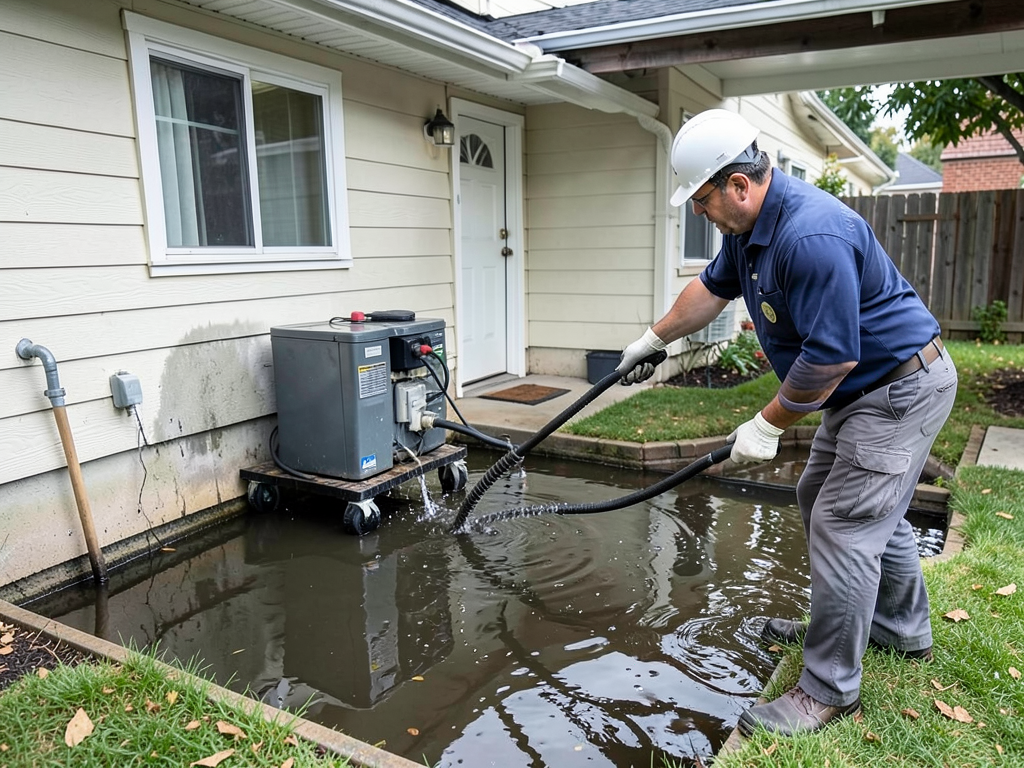
What to Do if Your New Backyard ADU Floods During a Heavy San Francisco Rain A sudden downpour in San…

What to Do if Your New Backyard ADU Floods During a Heavy San Francisco Rain

What to Do if Your New Backyard ADU Floods During a Heavy San Francisco Rain A sudden downpour in San…

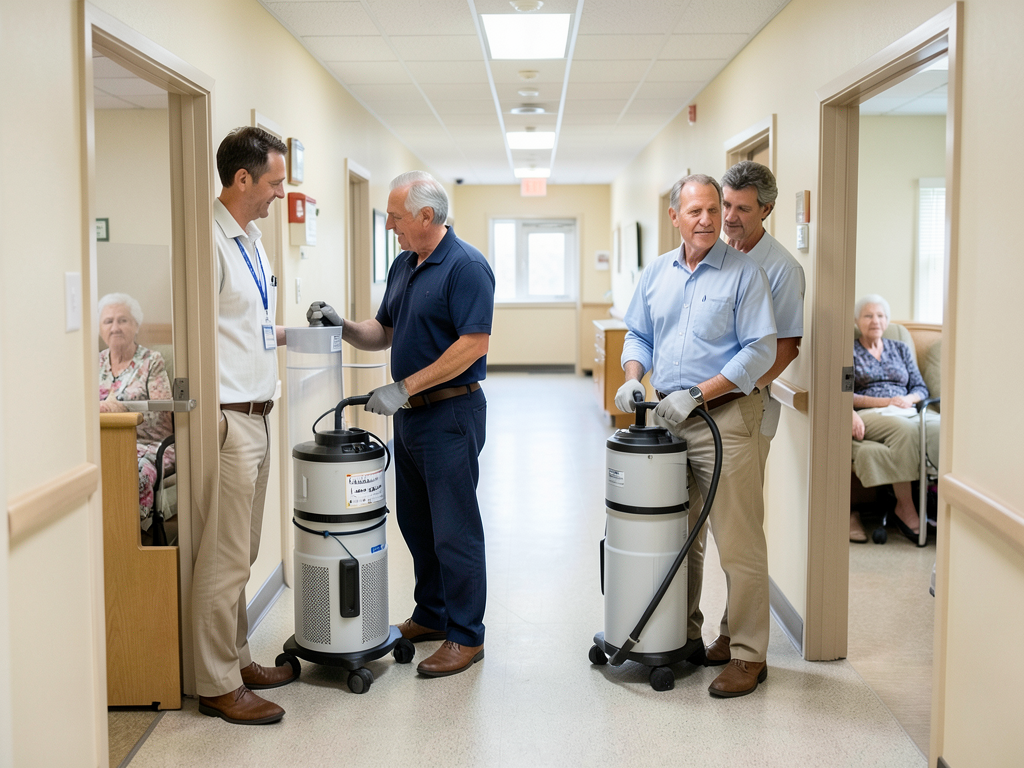
Selecting a Restoration Partner for Vulnerable Residents in a Richmond District Care Home

Specialized Senior Living Water Restoration Services in San Francisco Water damage in a Richmond District care home requires more than…

Why Your Noe Valley High Efficiency Boiler Could Be Slowly Flooding Your Utility Closet

Why Your Noe Valley High Efficiency Boiler Could Be Slowly Flooding Your Utility Closet If you live in a Noe…

Contact Us

Stop treating symptoms and start solving the moisture problem attracting pests to your San Francisco property. Call Summit Water Damage Restoration San Francisco at (415) 449-6555 for comprehensive moisture detection and structural drying services. We respond within two hours for emergency situations.