


Milpitas sits at the southern tip of San Francisco Bay where seasonal flooding and high water tables create constant moisture threats. Properties near Coyote Creek and the Guadalupe River face flood risk during winter storms when water levels rise fast. The clay-heavy soil common throughout neighborhoods like Sunnyhills and Parktown holds water instead of draining it, pushing moisture against foundations and into crawl spaces.
Summer fog from the bay creates condensation inside older buildings without proper vapor barriers. The mix of 1960s tract homes and newer construction means varied building standards and outdated plumbing systems that fail without warning. Many Milpitas properties were built before modern moisture mitigation codes, leaving basements and ground floors vulnerable.
Tech industry growth brought rapid development near Dixon Landing and McCarthy Ranch, but aging infrastructure struggles during heavy rain. Storm drains overflow, streets flood, and water finds its way into parking structures and ground-level units. The proximity to wetlands means groundwater sits close to the surface year-round, and any foundation crack becomes a water entry point. These geographic and infrastructure factors make fast water extraction and structural drying critical for Milpitas property owners.
Water damage requires immediate action and technical expertise. Summit Water Damage Restoration San Francisco operates 24/7 with rapid response teams stationed throughout the Bay Area, reaching Milpitas properties within one hour of your call. Our technicians carry IICRC certification in water damage restoration and applied structural drying, not basic cleanup training. We use thermal imaging cameras to find hidden moisture in walls and subfloors that standard meters miss, preventing mold growth weeks after the visible water disappears.
We own our extraction and drying equipment instead of renting it, which means we arrive with truck-mounted extractors, commercial dehumidifiers, and air movers ready to deploy immediately. Other companies wait for equipment delivery or subcontract the technical work. We handle the complete restoration process in-house, from initial water removal through final reconstruction, so you work with one team instead of coordinating multiple contractors.
Insurance claims create confusion and delays. Our staff includes specialists who document damage using insurance industry standards, photograph every affected area, and create moisture maps that adjusters accept without dispute. We bill insurance directly and manage the claims process so you avoid out-of-pocket costs and paperwork battles. We know what documentation Santa Clara County adjusters require and how to get fast claim approvals.
Speed matters because water damage doubles every 24 hours. Drywall wicks moisture upward, wood swells and warps, and mold spores activate in 48 hours. We start extraction within one hour and have your property stabilized before structural damage becomes permanent. That speed comes from Bay Area experience, owned equipment, and crews ready to roll any time day or night.

Our dispatch system routes the closest available crew to your Milpitas property within 60 minutes of your call. We don't schedule appointments or wait until morning. Trucks stay stocked with extraction equipment and positioned throughout the Bay Area for immediate deployment. Fast response stops water from spreading into unaffected rooms and prevents secondary damage that triples repair costs.

We work directly with your insurance company from initial claim filing through final payment. Our documentation meets adjuster requirements for Santa Clara County, eliminating claim disputes and delays. You avoid upfront costs while we handle all paperwork, photo documentation, and moisture mapping. We know what local adjusters need and how to get fast approvals without back-and-forth negotiations.
Every technician carries Institute of Inspection, Cleaning and Restoration Certification in water damage restoration and applied structural drying. This means they understand moisture migration through different building materials, proper dehumidification calculations, and antimicrobial treatment protocols. We don't send general laborers with shop vacuums. Our crews use thermal imaging and moisture meters to find hidden water that causes mold growth weeks later.
We handle every phase from emergency water extraction through final reconstruction without subcontractors. Our teams remove water, dry the structure, treat for mold prevention, remove damaged materials, and rebuild to original condition. You work with one company throughout the entire process instead of coordinating multiple contractors. This eliminates scheduling delays and communication breakdowns that extend the timeline and increase costs.
Water damage takes many forms and requires different response strategies. A burst pipe creates standing water that needs immediate extraction. Storm flooding brings contaminated water that requires antimicrobial treatment. Slow leaks hide inside walls for weeks before you see visible damage, but they cause structural rot and mold growth that standard cleanup misses.
Summit Water Damage Restoration San Francisco provides complete water damage remediation across all categories and contamination levels. We respond to sudden catastrophic flooding with emergency water removal teams and handle complex moisture problems that developed over time. Our services cover residential properties from single-family homes to multi-unit complexes, plus commercial buildings throughout Milpitas.
Each water damage scenario requires specific equipment and methodology. Clean water from supply lines needs extraction and structural drying. Gray water from appliances needs sanitization. Black water from sewage backups requires containment and biohazard protocols. We assess contamination levels, deploy appropriate equipment, and follow IICRC standards for each water category. The goal is complete moisture removal and contamination control, not surface-level cleanup that leaves hidden problems.
When flooding hits your property, standing water damages floors, walls, and contents every minute it remains. Our emergency response teams arrive with truck-mounted extractors that remove thousands of gallons per hour, stopping water migration into unaffected areas. We position commercial dehumidifiers and air movers to dry structural cavities, subfloors, and wall assemblies. Thermal imaging identifies trapped moisture behind surfaces. This prevents warping, swelling, and mold growth that occurs when structures stay wet beyond 48 hours.
Storm water and flooding bring contaminants from streets, soil, and drainage systems into your property. This gray or black water category requires specialized extraction equipment and antimicrobial treatment to eliminate bacteria and pathogens. We remove contaminated water, dispose of porous materials that absorbed contaminants, and treat all affected surfaces with EPA-registered disinfectants. Air scrubbers with HEPA filtration remove airborne particles during cleanup. This protects your health and ensures safe reoccupation after the restoration is complete.
Slow leaks inside walls, under floors, or above ceilings cause serious structural damage before you see visible signs. We use thermal imaging cameras and deep-reading moisture meters to locate hidden water in building cavities. Infrared technology shows temperature variations that indicate trapped moisture. Once we map the affected areas, we remove damaged materials, dry structural components, treat for mold prevention, and rebuild. This prevents rot, mold colonies, and long-term structural failure that develops when moisture problems go undetected.
Milpitas properties face water damage from multiple sources related to local geography and aging infrastructure. Winter storms bring heavy rainfall that overwhelms drainage systems, particularly near Coyote Creek and low-lying areas around the bay. Properties built in the 1960s and 1970s often have outdated plumbing that fails without warning, and the clay soil common throughout Sunnyhills and Parktown holds water against foundations instead of draining away.
High water tables near the wetlands mean groundwater sits close to the surface year-round. Any foundation crack or failed waterproofing allows seepage into basements and crawl spaces. Condensation from bay fog creates moisture inside older buildings without vapor barriers. Multi-story buildings near McCarthy Ranch face supply line failures on upper floors that cascade water down through multiple units. These local factors create specific water damage challenges that require fast response and proper remediation techniques.
Properties near Coyote Creek face flood risk during winter storms when water levels rise fast. The creek overflows into surrounding neighborhoods, pushing water into garages, basements, and ground floors. Storm drains back up and streets flood, creating multiple water entry points. This contaminated flood water requires immediate extraction and antimicrobial treatment to prevent health hazards and structural damage.
Clay-heavy soil throughout Milpitas holds water instead of draining it away from foundations. This creates hydrostatic pressure that pushes moisture through foundation cracks and into crawl spaces. Properties in Sunnyhills and Parktown see chronic basement dampness and water intrusion after rainfall. The moisture wicks up into framing and drywall, causing rot and mold growth if not properly dried and sealed.
Many Milpitas homes were built in the 1960s and 1970s with galvanized steel or polybutylene piping that degrades over time. Supply lines fail inside walls and under slabs, leaking for days or weeks before visible damage appears. Water seeps into wall cavities and subfloors, causing hidden structural damage and mold growth. Thermal imaging is needed to locate these concealed leaks before the damage spreads.
Condos and apartments near McCarthy Ranch and Great Mall face cascade flooding when upper-floor units have plumbing failures or appliance leaks. Water flows down through ceiling penetrations and wall assemblies into multiple units below. This creates widespread damage affecting several properties from a single source. Fast extraction prevents the water from migrating further while documentation establishes liability for insurance purposes.
Water emergencies create panic, but our process is designed to reduce your stress and get your property stabilized fast. From the moment you call, we focus on rapid response, clear communication, and taking control of the situation so you can focus on safety and next steps. You'll work with certified technicians who explain what they're doing and why, not crews who show up and start working without explanation.
We know you're dealing with property damage, displaced belongings, and insurance concerns all at once. Our job is to handle the technical work and claims process while keeping you informed at every stage. You'll receive photos and documentation of all work performed, moisture readings showing drying progress, and direct updates on timeline and next steps. We treat your property like our own and communicate like professionals, not contractors who disappear for days at a time.
When you call our emergency line, we dispatch the nearest crew to your Milpitas location immediately. A crew supervisor arrives within 60 minutes to assess the damage, identify the water source, and determine contamination level. We explain what happened, what needs to be done, and how long restoration will take. The supervisor takes photos, creates a moisture map, and starts the insurance documentation process while the extraction crew mobilizes. You'll know the full scope and timeline before we start work.
Our technicians extract standing water with truck-mounted equipment, then position dehumidifiers and air movers to dry structural components. We monitor moisture levels daily using thermal imaging and moisture meters, adjusting equipment placement as drying progresses. You'll receive daily updates with moisture readings and photos showing progress. We don't remove equipment until moisture levels reach industry standards for your building materials. This typically takes three to five days depending on water category and materials affected.
After drying is complete, we remove damaged materials that can't be salvaged and rebuild your property to pre-loss condition. Our reconstruction crews match existing finishes, flooring, and paint. Meanwhile, our insurance specialists finalize your claim with the adjuster, ensuring all costs are covered. We handle the entire process from emergency response through final walkthrough, so you never coordinate multiple contractors or chase down insurance payments. You get one team and one point of contact throughout.
Water damage restoration follows a methodical progression from emergency stabilization through complete reconstruction. Each phase requires specific expertise and equipment. We don't cut corners or skip steps because that leads to mold growth and structural failure weeks later.
We arrive within 60 minutes and immediately extract standing water using truck-mounted pumps and portable extractors. The crew identifies the water source and stops active flooding, then removes water from floors, carpets, and any pooling areas. We extract water from wall cavities using specialized tools and remove soaked contents to prevent further absorption. This initial extraction removes 90 percent of water and stops damage progression. Speed in this phase makes the difference between minor repairs and major reconstruction.
After extraction, we position commercial dehumidifiers and air movers to dry building structures and cavities. Thermal imaging identifies moisture trapped in walls, subfloors, and ceilings. We take daily moisture readings and adjust equipment placement as drying progresses. This phase continues until all materials reach proper moisture content levels, typically three to five days. Proper drying prevents mold growth, wood rot, and material swelling that occurs when moisture remains trapped in building assemblies.
Once structures are completely dry, we remove materials too damaged to salvage and rebuild your property to original condition. This includes drywall replacement, flooring installation, paint matching, and finish work. Our reconstruction crews work in-house, not subcontractors, so scheduling stays on track. We coordinate final inspection and insurance settlement, ensuring all work meets code and your claim closes without dispute. You get your property back fully restored and ready to occupy.
Professional water damage restoration follows strict protocols established by the Institute of Inspection, Cleaning and Restoration Certification. These standards exist because improper drying and contamination control lead to long-term structural problems and health hazards. Water damage breaks down into three categories based on contamination level. Category 1 is clean water from supply lines. Category 2 is gray water from appliances or fixtures containing some contamination. Category 3 is black water from sewage or flooding that contains serious pathogens and requires biohazard protocols.
Each category demands different extraction methods, disposal procedures, and treatment approaches. Category 3 water requires removal of all porous materials that absorbed contamination because they cannot be effectively sanitized. This includes drywall, insulation, carpeting, and some wood materials. All remaining surfaces get treated with EPA-registered antimicrobial solutions.
Structural drying follows psychrometric calculations based on temperature, humidity, and material type. Different building materials have different moisture content thresholds. Wood framing must reach below 15 percent moisture content. Concrete must reach below 4 percent on a moisture meter scale. We don't guess or rely on surface drying. Daily readings track moisture migration and ensure complete drying before reconstruction begins.
California requires proper licensing for water damage restoration contractors. We maintain a C-61 contractor license for structural work and follow Santa Clara County building codes for all reconstruction. Insurance companies require specific documentation formats including moisture maps, daily logs, and photos showing affected areas before and after treatment. Our documentation meets these requirements so claims process without delays or disputes. This technical compliance protects your property value and ensures safe reoccupation.
IICRC standards classify water damage into three contamination categories that determine treatment requirements. Category 1 clean water needs extraction and drying. Category 2 gray water requires antimicrobial treatment. Category 3 black water demands removal of all porous materials and biohazard protocols. Using the wrong protocol for contamination level creates health hazards and fails insurance requirements. We assess contamination based on water source and duration of exposure.
Drying time depends on water volume, affected materials, and building construction. Hardwood floors take longer than tile. Wall cavities require more time than open floors. Costs increase with contamination level, square footage affected, and materials needing replacement. Most residential water damage restoration runs between three and seven days for drying plus reconstruction time. We provide detailed estimates after initial assessment showing equipment costs, labor, and materials broken down by phase.
Building materials must reach specific moisture content levels before reconstruction begins or mold will grow inside finished assemblies. Wood framing requires below 15 percent moisture content. Concrete slabs need below 4 percent on meter readings. Drywall must reach 12 percent or less. We take daily readings using penetrating and non-invasive moisture meters, plus thermal imaging to confirm complete drying. Equipment stays in place until all readings meet IICRC standards for your specific materials.
California requires C-61 contractor licensing for water damage restoration work involving structural repairs. Summit carries full licensing, liability insurance, and workers compensation coverage. Insurance companies require specific documentation including moisture maps, material inventories, daily drying logs, and pre-loss condition photos. We provide documentation in formats adjusters accept without dispute, including Xactimate estimates that match industry pricing standards. This ensures smooth claims processing and full coverage of restoration costs.
This video covers professional water damage restoration procedures for Milpitas properties, including emergency water extraction techniques, structural drying protocols, and contamination treatment methods. Summit Water Damage Restoration San Francisco explains IICRC standards for moisture removal, why local clay soil and seasonal flooding create water damage risks, and the complete remediation process from initial response through reconstruction. Viewers learn moisture content requirements, insurance documentation procedures, and signs of hidden water damage in walls and subfloors.
Summit Water Damage Restoration San Francisco provides rapid emergency response throughout Milpitas and the greater South Bay area. Our crews reach properties in North Milpitas near Piedmont Road within 60 minutes, where older single-family homes face plumbing failures and foundation seepage from clay soil. The Sunnyhills neighborhood sees water damage from aging infrastructure and properties built before modern moisture barriers became standard.
We serve the McCarthy Ranch area where newer condos and apartments face cascade flooding when upper-floor units have supply line failures. Multi-level buildings near the Great Mall require specialized extraction techniques to prevent water from migrating down through ceiling penetrations into multiple units. The Parktown district along Calaveras Boulevard has homes built in the 1960s with galvanized plumbing that corrodes and fails inside walls, creating hidden leaks that cause structural damage before visible signs appear.
Properties near Coyote Creek and the bay wetlands face seasonal flood risk during winter storms when water levels rise fast and drainage systems overflow. The Dixon Landing commercial area requires fast response for businesses that can't afford extended closures from water damage. We reach properties in East Milpitas near the Alameda County line and south toward Berryessa, covering the entire Milpitas corridor along Interstate 880.
Our service area extends throughout Santa Clara County including San Jose, Fremont, and Union City. We position crews strategically across the Bay Area to maintain our 60-minute response commitment regardless of location. Properties near Highway 237 and Montague Expressway get the same rapid dispatch as homes in central Milpitas neighborhoods. The geographic factors affecting water damage vary across Milpitas, from high water tables near the wetlands to soil conditions in hillside areas, and our crews understand these local challenges. We've worked throughout every Milpitas neighborhood and know where flood risks concentrate, which areas have older infrastructure, and how building construction varies across different development periods. This local knowledge ensures we arrive prepared with the right equipment and approach for your specific location and property type.
Water damage restoration pricing in Milparis varies based on damage severity, affected area size, and water contamination level. Minor repairs for small areas tend to be less expensive. Extensive flooding or sewage backup increases restoration expenses due to specialized equipment and safety protocols. Your insurance policy affects out-of-pocket expenses. Most restoration companies provide free inspections and work directly with insurance providers. Water source, structural damage, and required repairs influence final pricing. Get multiple estimates from local Milpitas restoration companies. Document all damage with photos for insurance claims. Emergency services outside business hours affect pricing.
Water damage restoration in Milpitas typically takes three to seven days for standard cases. Small areas with minimal damage often finish within 48 hours. Extensive flooding or structural damage extends timelines to two weeks or longer. Drying time depends on water volume, affected materials, and humidity levels. Removal and extraction take one day. Drying and dehumidification require three to five days. Final repairs and reconstruction add extra time. Milpitas weather conditions affect drying speed. Your restoration company monitors moisture levels daily. Complete restoration ensures your home stays safe and dry.
Most Milpitas homeowners insurance policies cover sudden and accidental water damage. Burst pipes, appliance malfunctions, and storm damage typically receive coverage. Flood damage requires separate flood insurance through the National Flood Insurance Program. Gradual damage from neglected maintenance gets denied. Review your policy for specific exclusions and coverage limits. Document damage immediately with photos and videos. Contact your insurance company within 24 hours. Your restoration company often works directly with insurance adjusters. Keep receipts for emergency repairs and temporary housing. Understanding your coverage protects your financial interests.
Water damage restoration pricing in Milparis varies based on damage severity, affected area size, and water contamination level. Minor repairs for small areas tend to be less expensive. Extensive flooding or sewage backup increases restoration expenses due to specialized equipment and safety protocols. Your insurance policy affects out-of-pocket expenses. Most restoration companies provide free inspections and work directly with insurance providers. Water source, structural damage, and required repairs influence final pricing. Get multiple estimates from local Milpitas restoration companies. Document all damage with photos for insurance claims. Emergency services outside business hours affect pricing.
Water damage restoration in Milpitas typically takes three to seven days for standard cases. Small areas with minimal damage often finish within 48 hours. Extensive flooding or structural damage extends timelines to two weeks or longer. Drying time depends on water volume, affected materials, and humidity levels. Removal and extraction take one day. Drying and dehumidification require three to five days. Final repairs and reconstruction add extra time. Milpitas weather conditions affect drying speed. Your restoration company monitors moisture levels daily. Complete restoration ensures your home stays safe and dry.
Most Milpitas homeowners insurance policies cover sudden and accidental water damage. Burst pipes, appliance malfunctions, and storm damage typically receive coverage. Flood damage requires separate flood insurance through the National Flood Insurance Program. Gradual damage from neglected maintenance gets denied. Review your policy for specific exclusions and coverage limits. Document damage immediately with photos and videos. Contact your insurance company within 24 hours. Your restoration company often works directly with insurance adjusters. Keep receipts for emergency repairs and temporary housing. Understanding your coverage protects your financial interests.
Water damage signs in Milpitas homes include water stains on ceilings and walls. Look for discoloration, yellowing, or brown spots. Warped or buckling floors indicate moisture underneath. Musty odors suggest hidden water problems. Peeling paint or bubbling wallpaper shows water intrusion. Feel walls for dampness or soft spots. Check for mold growth in corners and along baseboards. Listen for dripping sounds behind walls. Increased water bills signal hidden leaks. Sagging ceilings mean serious water accumulation. Address these signs immediately to prevent structural damage and health risks.
Call a Milpitas water damage restoration company immediately after finding water damage. The first 24 hours are critical for preventing mold growth and structural damage. Water spreads quickly through floors, walls, and belongings. Waiting increases repair expenses and health risks. Mold starts growing within 24 to 48 hours in wet conditions. Quick response saves your possessions and reduces restoration time. Turn off the water source if safe. Move valuables to dry areas. Take photos for insurance documentation. Emergency restoration services operate 24 hours daily. Fast action protects your home and family.
Staying in your Milpitas home during restoration depends on damage extent and safety conditions. Minor water damage in one room allows you to stay. Extensive flooding or sewage contamination requires temporary relocation. Health risks from mold, bacteria, or structural instability make staying unsafe. Lack of electricity or running water forces evacuation. Loud equipment and constant worker presence disrupts daily life. Your restoration company assesses safety conditions. Some insurance policies cover hotel stays during major restoration. Prioritize your family's health and safety. Ask your restoration team for specific recommendations based on your situation.
Milpitas homes face water damage from broken or burst pipes during cold weather. Appliance failures from washing machines, dishwashers, and water heaters cause leaks. Roof damage during heavy rain allows water intrusion. Clogged gutters overflow and damage foundations. Sewage backups from blocked pipes create contamination. Slab leaks under concrete foundations go undetected. Toilet overflows and bathtub spills affect floors. Window seal failures let rainwater inside. HVAC system condensation issues cause ongoing moisture problems. Poor drainage around your foundation leads to basement flooding. Regular maintenance prevents many of these common water damage causes.
Milpitas restoration companies start with thorough property inspection and damage assessment. Powerful water extraction equipment removes standing water quickly. Truck-mounted pumps handle large water volumes. Portable extractors reach tight spaces and upstairs areas. Technicians remove soaked materials like carpets and padding. Industrial fans and air movers increase air circulation. Commercial dehumidifiers pull moisture from air and materials. Moisture meters track drying progress in walls and floors. Antimicrobial treatments prevent bacterial growth. The process continues until moisture levels return to normal. Professional equipment works faster than household fans and dehumidifiers.
Water damage creates ideal conditions for mold growth in Milpitas homes. Mold spores need moisture, warmth, and organic materials to grow. These conditions exist within 24 to 48 hours after water damage. Hidden moisture behind walls and under floors breeds mold you cannot see. High humidity from incomplete drying supports mold colonies. Milpitas climate conditions favor mold development. Professional restoration prevents mold through rapid drying and dehumidification. Antimicrobial treatments kill existing spores. Proper ventilation and moisture control stop future growth. Address water damage immediately to prevent expensive mold remediation later.
Milpitas water damage restoration companies use specialized professional equipment. Truck-mounted and portable water extractors remove standing water. Industrial air movers and fans accelerate evaporation and drying. Commercial dehumidifiers control humidity and extract moisture from air. Moisture meters and thermal imaging cameras detect hidden water. Air scrubbers with HEPA filters remove airborne contaminants and mold spores. Injectidry systems dry inside walls without removal. Submersible pumps handle deep water. Hydroxyl generators and ozone machines eliminate odors. Professional equipment dries your home faster and more thoroughly than consumer products.
Water damage signs in Milpitas homes include water stains on ceilings and walls. Look for discoloration, yellowing, or brown spots. Warped or buckling floors indicate moisture underneath. Musty odors suggest hidden water problems. Peeling paint or bubbling wallpaper shows water intrusion. Feel walls for dampness or soft spots. Check for mold growth in corners and along baseboards. Listen for dripping sounds behind walls. Increased water bills signal hidden leaks. Sagging ceilings mean serious water accumulation. Address these signs immediately to prevent structural damage and health risks.
Call a Milpitas water damage restoration company immediately after finding water damage. The first 24 hours are critical for preventing mold growth and structural damage. Water spreads quickly through floors, walls, and belongings. Waiting increases repair expenses and health risks. Mold starts growing within 24 to 48 hours in wet conditions. Quick response saves your possessions and reduces restoration time. Turn off the water source if safe. Move valuables to dry areas. Take photos for insurance documentation. Emergency restoration services operate 24 hours daily. Fast action protects your home and family.
Staying in your Milpitas home during restoration depends on damage extent and safety conditions. Minor water damage in one room allows you to stay. Extensive flooding or sewage contamination requires temporary relocation. Health risks from mold, bacteria, or structural instability make staying unsafe. Lack of electricity or running water forces evacuation. Loud equipment and constant worker presence disrupts daily life. Your restoration company assesses safety conditions. Some insurance policies cover hotel stays during major restoration. Prioritize your family's health and safety. Ask your restoration team for specific recommendations based on your situation.
Milpitas homes face water damage from broken or burst pipes during cold weather. Appliance failures from washing machines, dishwashers, and water heaters cause leaks. Roof damage during heavy rain allows water intrusion. Clogged gutters overflow and damage foundations. Sewage backups from blocked pipes create contamination. Slab leaks under concrete foundations go undetected. Toilet overflows and bathtub spills affect floors. Window seal failures let rainwater inside. HVAC system condensation issues cause ongoing moisture problems. Poor drainage around your foundation leads to basement flooding. Regular maintenance prevents many of these common water damage causes.
Milpitas restoration companies start with thorough property inspection and damage assessment. Powerful water extraction equipment removes standing water quickly. Truck-mounted pumps handle large water volumes. Portable extractors reach tight spaces and upstairs areas. Technicians remove soaked materials like carpets and padding. Industrial fans and air movers increase air circulation. Commercial dehumidifiers pull moisture from air and materials. Moisture meters track drying progress in walls and floors. Antimicrobial treatments prevent bacterial growth. The process continues until moisture levels return to normal. Professional equipment works faster than household fans and dehumidifiers.
Water damage creates ideal conditions for mold growth in Milpitas homes. Mold spores need moisture, warmth, and organic materials to grow. These conditions exist within 24 to 48 hours after water damage. Hidden moisture behind walls and under floors breeds mold you cannot see. High humidity from incomplete drying supports mold colonies. Milpitas climate conditions favor mold development. Professional restoration prevents mold through rapid drying and dehumidification. Antimicrobial treatments kill existing spores. Proper ventilation and moisture control stop future growth. Address water damage immediately to prevent expensive mold remediation later.
Milpitas water damage restoration companies use specialized professional equipment. Truck-mounted and portable water extractors remove standing water. Industrial air movers and fans accelerate evaporation and drying. Commercial dehumidifiers control humidity and extract moisture from air. Moisture meters and thermal imaging cameras detect hidden water. Air scrubbers with HEPA filters remove airborne contaminants and mold spores. Injectidry systems dry inside walls without removal. Submersible pumps handle deep water. Hydroxyl generators and ozone machines eliminate odors. Professional equipment dries your home faster and more thoroughly than consumer products.
Our commitment to rapid response means we cover the entire San Francisco area and surrounding communities. View the map below to visualize our primary service region, which includes key neighborhoods and business districts. Whether you are located in the Financial District, the Mission, or out toward the Sunset, you can trust our 24/7 team to reach you quickly. We proudly serve both residential and commercial clients across the entire map, guaranteeing a fast and effective mitigation service the moment you need us.
Address:
Milpitas, CA, 95035
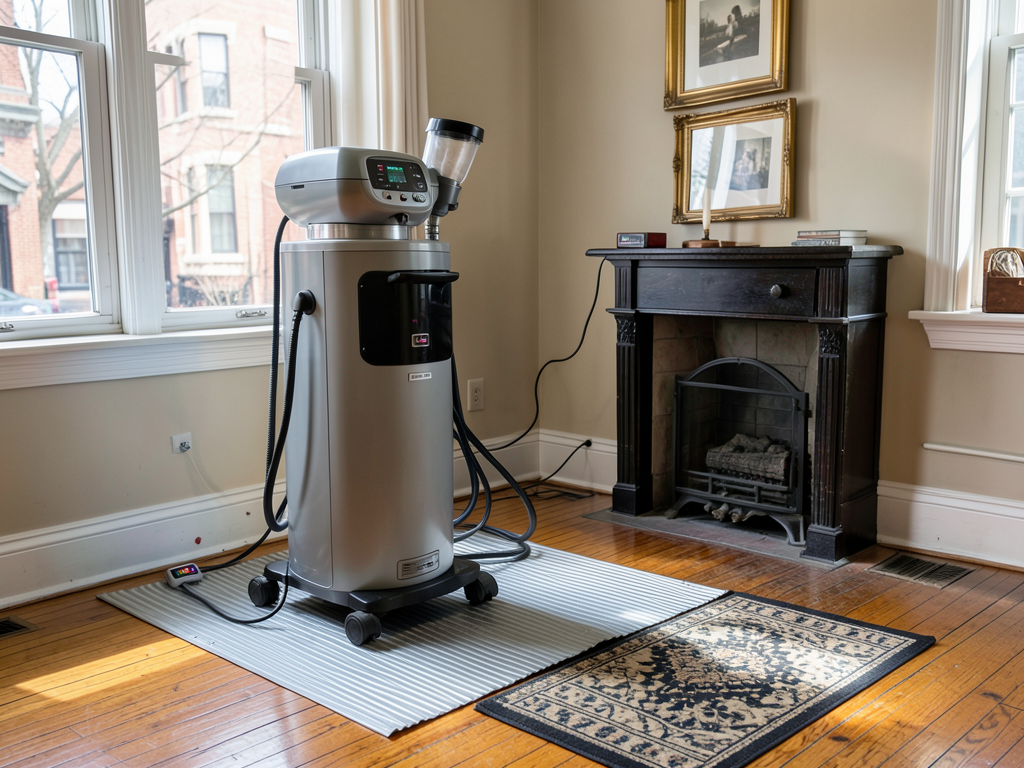
Understanding the Speed Benefits of Structural Heat Drying for a Rapid Recovery When water invades your San Francisco property every hour counts. Traditional drying methods using air movers and dehumidifiers can take 3-5 days to…
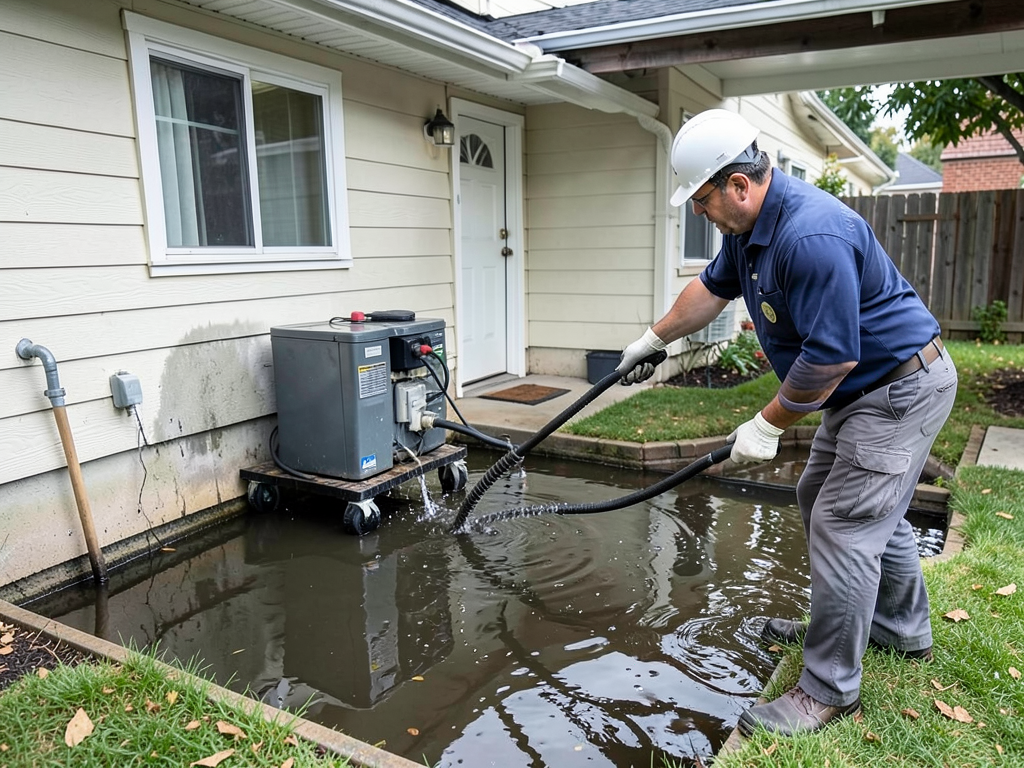
What to Do if Your New Backyard ADU Floods During a Heavy San Francisco Rain…
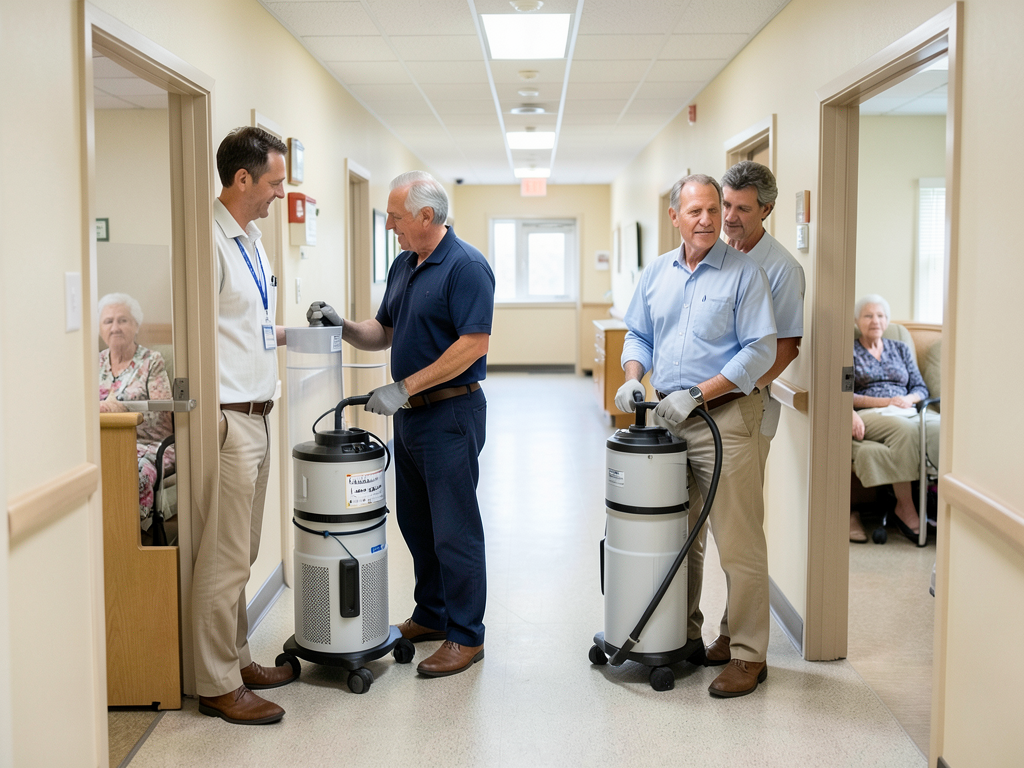
Specialized Senior Living Water Restoration Services in San Francisco Water damage in a Richmond District…
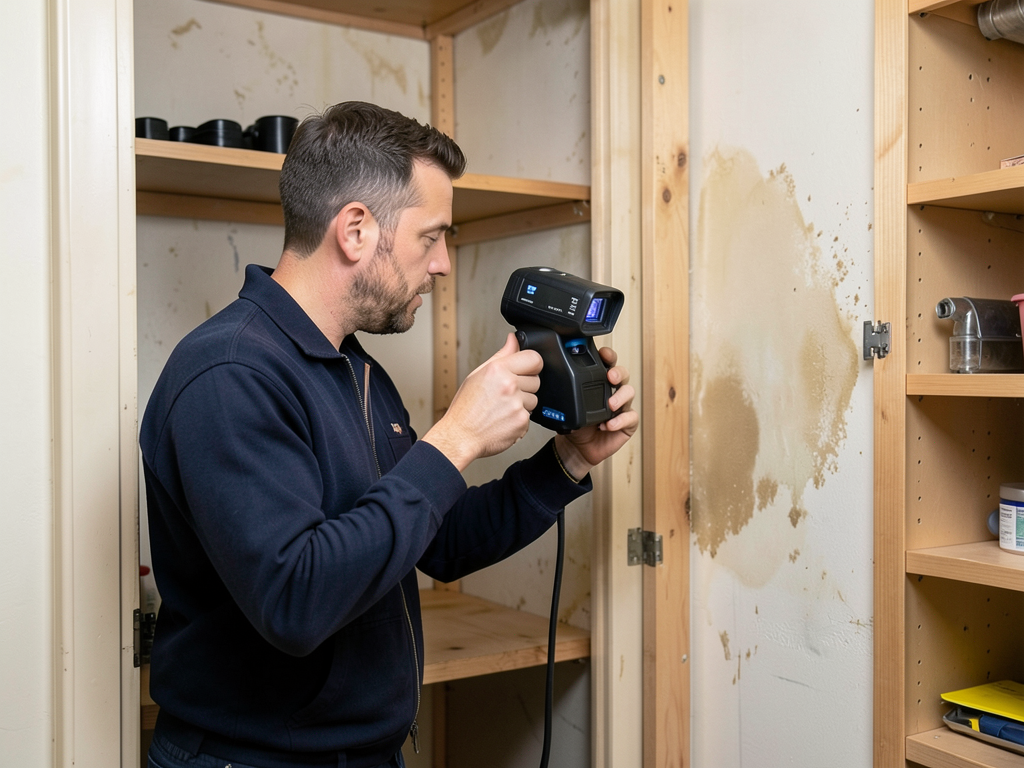
Why Your Noe Valley High Efficiency Boiler Could Be Slowly Flooding Your Utility Closet If…
Water damage spreads every hour and turns minor problems into major reconstruction projects. Call Summit Water Damage Restoration San Francisco at (415) 449-6555 right now for 60-minute emergency dispatch across Milpitas. Our crews are standing by with extraction equipment ready to roll 24/7.