menu

Water Stains on Drywall in San Francisco – Expert Diagnosis and Permanent Moisture Solutions

We identify the exact source of brown water spots on walls, moisture discoloration on sheetrock, and yellow stains on drywall, then fix the leak and restore your walls without guesswork or callbacks.

Slider Image 1
Slider Image 2
Slider Image 3
Slider Image 4
Slider Image 5
Slider Image 7
Slider Image 8
Slider Image 9
Slider Image 10
Slider Image 11

Why Water Stains Keep Appearing on San Francisco Walls

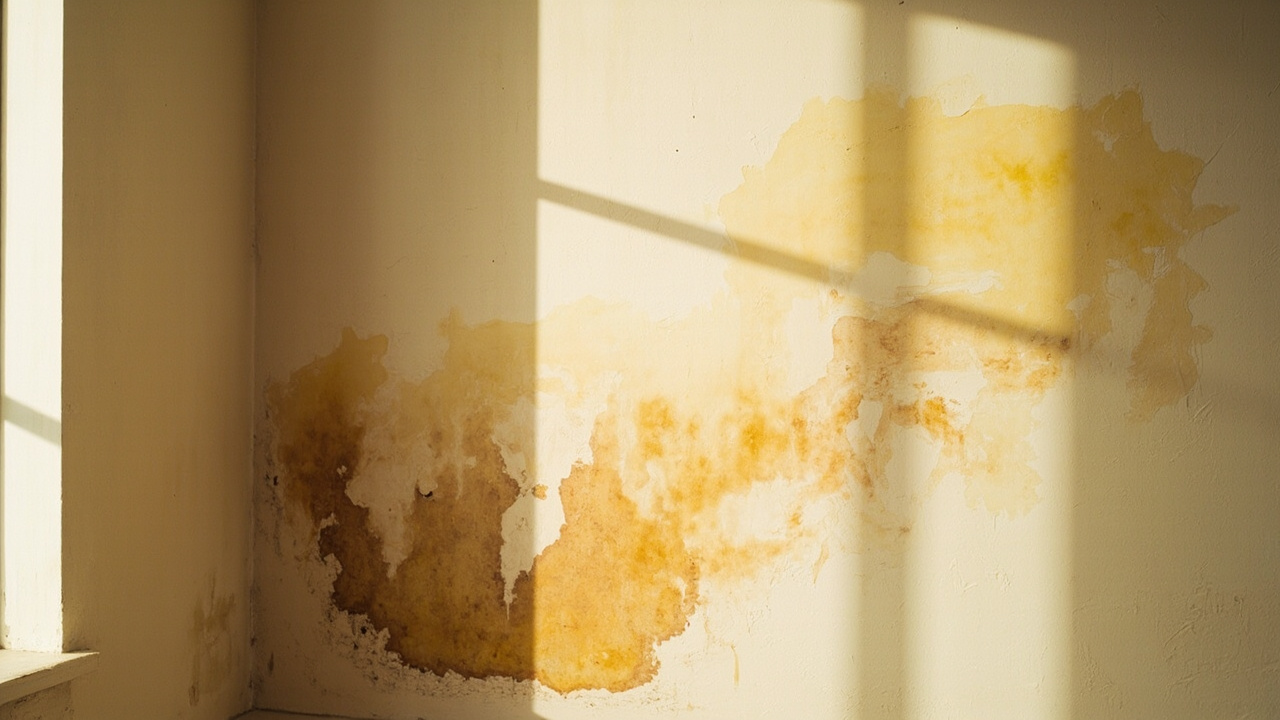
You walk into your bedroom and see it again. A brown water spot on the wall that was not there last week. Or maybe you notice moisture discoloration on sheetrock near the window frame. Yellow stains on drywall start small, then spread. Water marks on the ceiling appear after a rainstorm. Wet patches on plasterboard feel soft when you press them.

San Francisco's marine layer creates persistent humidity that seeps into older homes. Many buildings in neighborhoods like the Sunset, Richmond, and Noe Valley were built before modern moisture barriers existed. Plaster walls and single-pane windows let condensation form inside wall cavities. When combined with aging plumbing and flat or low-slope roofs common to Victorian and Edwardian architecture, you get chronic water intrusion.

Water stains are not cosmetic problems. They are symptoms. The stain you see on the surface means water has already saturated the drywall, insulation, and potentially the framing. That discoloration tells you moisture is trapped where it does not belong. Mold starts growing within 24 to 48 hours in damp conditions. Wood studs begin to rot. Paint bubbles and peels. The longer water sits inside your walls, the more expensive the fix becomes.

Most people paint over the stain and hope it goes away. It never does. The water source is still active. You need to find where the water is coming from, stop it, and then repair the damage properly. Otherwise, you are just masking a problem that will cost you thousands later.

Why Water Stains Keep Appearing on San Francisco Walls
How We Find and Fix Hidden Water Sources

How We Find and Fix Hidden Water Sources

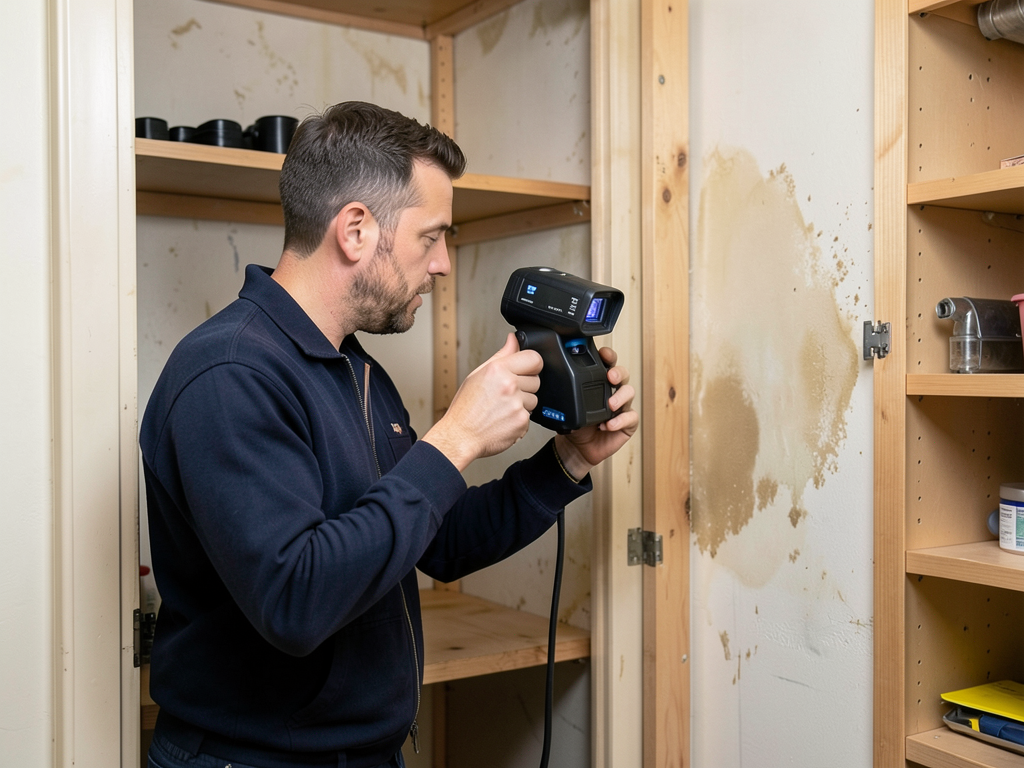
We do not guess. We use thermal imaging cameras to scan your walls and ceilings for temperature differentials. Wet building materials show up as cold spots on the infrared display. This tells us exactly where moisture is hiding, even if the surface looks dry. We also use pin-type and non-invasive moisture meters to measure water content inside drywall and plaster without causing additional damage.

Once we map the moisture, we trace it back to the source. Common culprits in San Francisco homes include leaking supply lines behind walls, corroded galvanized pipes, failed window flashing, roof penetrations around chimneys, and condensation from uninsulated cold water pipes. In multi-unit buildings, the problem often originates from a neighboring unit or shared plumbing stack.

After we identify the leak, we coordinate the repair. If it is a plumbing issue, we handle it or bring in a licensed plumber. If it is a roofing or flashing problem, we work with qualified roofers who understand San Francisco's wind-driven rain patterns. We do not move forward with drywall restoration until the water source is completely eliminated.

Then we remove the damaged materials. Wet drywall cannot be saved. It loses structural integrity and becomes a mold incubator. We cut out the affected sections, treat the framing with antimicrobial solutions, and verify the cavity is dry using moisture readings. We install new drywall, tape and mud the seams, prime with stain-blocking sealer, and match your existing texture and paint. The repair is invisible when we are done.

What Happens During a Water Stain Assessment

Water Stains on Drywall in San Francisco – Expert Diagnosis and Permanent Moisture Solutions
01

Inspection and Moisture Mapping

We inspect the stained area and surrounding spaces with thermal imaging and moisture meters. This identifies hidden water damage you cannot see. We document moisture levels in the drywall, ceiling, and floor to understand how far the water has spread and whether the framing is affected.
02

Source Identification and Access

We trace the moisture back to its origin. This may require opening small access holes in walls or ceilings to inspect pipes, drain lines, or roof decking. We pinpoint the exact failure point, whether it is a leaking valve, cracked drain pan, or compromised roof flashing, so the repair addresses the root cause.
03

Drying and Restoration

After the leak is fixed, we dry the affected area using air movers and dehumidifiers. We monitor moisture levels daily until readings return to normal. Then we replace damaged drywall, apply stain-blocking primer, and restore the surface to match your existing finish. You get a clean, dry wall with no lingering odor or discoloration.

Why San Francisco Homeowners Choose Summit Water Damage Restoration

San Francisco's building stock is unique. You have Victorian homes with horsehair plaster, post-war stucco bungalows, and mid-century apartments with original plumbing. Each construction type requires a different approach to water damage. We have worked in every neighborhood, from the foggy Outer Sunset to the wind-exposed hills of Twin Peaks. We know which wall assemblies are prone to moisture problems and how to access them without causing unnecessary damage.

We also understand San Francisco's permitting requirements. If your water damage involves structural repairs or significant plumbing work, you may need a permit from the Department of Building Inspection. We know when permits are required and how to navigate the process. This protects you from code violations and ensures the work is done correctly.

Our technicians are trained in moisture science and building diagnostics. We do not rely on surface-level inspections. We verify dryness with calibrated instruments before we close up walls. This prevents mold growth and eliminates the callback visits that waste your time and money.

We also coordinate with insurance companies. Water damage claims can be complicated, especially when the loss involves hidden leaks or gradual damage. We provide detailed documentation, including moisture maps, photos, and scope-of-work estimates, to support your claim. We work directly with adjusters to streamline the process and reduce your out-of-pocket costs.

You want someone who shows up on time, communicates clearly, and fixes the problem correctly the first time. That is what we do. No runaround. No surprises. Just professional water damage restoration tailored to San Francisco homes.

What to Expect When You Call Us

Response Time and Availability

We answer calls seven days a week and can schedule inspections within 24 hours in most cases. For active leaks causing ongoing damage, we prioritize emergency response to minimize further water intrusion. Our goal is to stop the damage quickly and give you a clear action plan before the problem gets worse. If you have an urgent situation, we mobilize fast.

Initial Assessment and Diagnosis

During the first visit, we conduct a thorough inspection using thermal imaging and moisture detection equipment. We trace the water to its source and assess the extent of the damage. You receive a written report that explains what we found, what needs to be repaired, and what the process will look like. We break down each step so you know exactly what to expect. No jargon. No confusion.

Quality of Repair and Finish

We match your existing wall texture and paint finish so the repair blends seamlessly. We use stain-blocking primers to prevent tannins and residual moisture from bleeding through. All seams are taped and finished to Level 4 or Level 5 standards, depending on your wall type and lighting conditions. When we leave, you will not be able to tell where the damage was. The repair looks factory-original.

Follow-Up and Prevention Guidance

After the repair is complete, we provide guidance on preventing future water stains. This may include recommendations for improved ventilation, pipe insulation, or routine plumbing inspections. If your home is prone to condensation issues, we explain how to manage indoor humidity levels. We also offer periodic moisture checks to ensure the problem has not returned. You get long-term peace of mind, not just a patch job.

Frequently Asked Questions

You Have Questions,
We Have Answers

How do you get water stains out of drywall? +

You cannot get water stains out of drywall. You eliminate them. First, fix the source of the water. Let the drywall dry completely for 48 to 72 hours. Use a moisture meter to confirm dryness. Apply a stain-blocking primer like Kilz or BIN to seal the discoloration. Then paint with two coats of interior latex. If the stain bleeds through, the drywall absorbed too much water and needs replacement. San Francisco's fog and marine layer can slow drying times, so use dehumidifiers and fans to accelerate the process.

How to tell if water is leaking behind drywall? +

Look for soft or spongy spots when you press the drywall. Visible bulging or warping signals water accumulation behind the surface. Peeling paint or bubbling texture indicates trapped moisture. Check for discoloration that spreads over time, not just one static stain. Use a moisture meter on the wall surface. Readings above 1% suggest active leakage. In San Francisco's older Victorian and Edwardian homes, hidden plumbing runs behind walls frequently corrode. Listen for dripping sounds. Smell for mustiness. If you suspect a leak, cut power to that wall and call a professional immediately.

Are water stains on walls bad? +

Yes. Water stains signal active or past moisture intrusion. They indicate compromised building envelope or plumbing failure. The visible stain is surface evidence of deeper structural damage. Water degrades drywall, framing, insulation, and electrical systems. Mold colonizes wet materials within 24 to 48 hours. Ignoring stains leads to wood rot, compromised studs, and health hazards. San Francisco's dense housing stock means water damage in one unit often spreads to adjacent properties. Address stains immediately. Identify the source. Dry affected areas. Replace damaged materials. Stains do not go away on their own.

Does water stained drywall need to be replaced? +

Yes, if the drywall absorbed significant water. When drywall gets saturated, the gypsum core breaks down and loses structural integrity. Paper facing delaminates. Mold grows inside the wall cavity. If the material feels soft, crumbles when touched, or shows visible sagging, replace it. Minor surface staining from condensation may only need priming and repainting. Use a moisture meter to decide. Readings above 1% require removal. San Francisco's seismic building codes demand intact wall sheathing for lateral bracing. Compromised drywall fails in an earthquake. Cut out damaged sections and install new material properly.

Is drywall ruined once it gets wet? +

Not always, but timing matters. Drywall can tolerate brief exposure to clean water if dried within 48 hours. Remove standing water immediately. Use fans, dehumidifiers, and open windows to accelerate drying. Category 1 water (clean supply lines) is less damaging than Category 3 (sewage or flooding). If drywall stays wet beyond 48 hours, mold colonizes and gypsum deteriorates. San Francisco's cool, humid climate slows evaporation. Even minor leaks can saturate drywall over weeks. Check moisture levels with a meter. If the material stayed wet for days, replacement is necessary.

Can I paint over water stains on drywall? +

No. Paint will not cover water stains. The tannins, minerals, and discoloration will bleed through latex or oil-based paint within hours or days. You must use a stain-blocking primer first. Products like Kilz, BIN, or Zinsser Cover Stain seal the stain and prevent bleed-through. Apply one or two coats of primer, let dry completely, then topcoat with interior paint. If the drywall is still damp, paint will trap moisture and cause bubbling or peeling. Always verify dryness with a moisture meter before priming. Skipping primer wastes time and money.

How long can drywall be wet before mold? +

Mold begins growing on wet drywall within 24 to 48 hours. Spores are always present in air. They need only moisture, oxygen, and an organic food source like drywall paper. San Francisco's marine fog and mild temperatures create ideal mold conditions year-round. Once colonization starts, mold spreads rapidly behind walls where you cannot see it. The 48-hour window is critical. Extract water immediately. Use industrial fans and dehumidifiers. Remove wet insulation. If drywall stays saturated beyond two days, mold remediation becomes necessary. Speed is everything.

Does homeowners insurance cover water leaks in walls? +

Sometimes. Coverage depends on the cause and your policy terms. Sudden and accidental water damage, like a burst pipe, is typically covered. Gradual leaks from poor maintenance are not. Flood damage requires separate flood insurance. Review your declarations page for water damage exclusions. Most policies cover the cost to access the leak and repair drywall but not the plumbing repair itself. In San Francisco, older homes with galvanized or polybutylene piping face higher claim denial rates due to maintenance neglect. Document damage with photos. File claims promptly. Hire a public adjuster if needed.

How to tell if drywall is water damaged? +

Press the drywall surface. Water-damaged material feels soft, spongy, or crumbles under pressure. Look for discoloration, brown or yellow staining, or dark spots. Check for bulging, warping, or sagging sections. Peeling paint or bubbling texture indicates trapped moisture. Use a moisture meter to measure water content. Readings above 1% confirm active damage. Smell for mustiness or mold odor. In San Francisco's fog belt neighborhoods, condensation can mimic leak damage. Inspect attics, crawl spaces, and behind baseboards. Thermal imaging cameras reveal hidden moisture patterns. Address damage immediately to prevent mold and structural failure.

Why do I have water marks on my walls but no leak? +

Condensation is the likely culprit. When warm, humid indoor air contacts cold wall surfaces, moisture condenses and leaves stains. San Francisco's marine layer creates high humidity and cool exterior walls, especially on north-facing rooms. Poor insulation or missing vapor barriers worsen the problem. Check for inadequate ventilation in bathrooms and kitchens. Blocked gutters or damaged flashing can cause exterior water to wick through walls without visible leaks. Capillary action draws ground moisture up through foundation walls in older homes without moisture barriers. Use a moisture meter to confirm condensation versus hidden plumbing leaks.

How San Francisco's Coastal Climate Accelerates Water Stain Formation

San Francisco's fog and coastal humidity create ideal conditions for water stains on drywall. The marine layer brings moisture-laden air into homes, especially in western neighborhoods like the Sunset and Richmond. When warm indoor air meets cold wall surfaces, condensation forms inside wall cavities. This is compounded by older homes with minimal insulation and single-pane windows. Brown water spots on walls and moisture discoloration on sheetrock often result from chronic condensation rather than active leaks. Yellow stains on drywall and wet patches on plasterboard become visible only after moisture has saturated the material for weeks or months. Understanding this climate-driven moisture behavior is critical to diagnosing and preventing recurrent water damage.

San Francisco's building codes have evolved significantly over the decades, and many homes predate modern moisture management standards. We work with properties built under every code cycle, from pre-1906 earthquake reconstructions to modern seismic retrofits. Our technicians understand the nuances of each construction era and how they respond to water intrusion. We also maintain relationships with local inspectors and know how to document repairs for insurance and resale purposes. Choosing a local water damage restoration company means you get someone who understands San Francisco's unique architectural challenges and regulatory environment. We are part of this community, and we treat your home with the care it deserves.
Water Damage Restoration Services in The San Francisco Area

Our commitment to rapid response means we cover the entire San Francisco area and surrounding communities. View the map below to visualize our primary service region, which includes key neighborhoods and business districts. Whether you are located in the Financial District, the Mission, or out toward the Sunset, you can trust our 24/7 team to reach you quickly. We proudly serve both residential and commercial clients across the entire map, guaranteeing a fast and effective mitigation service the moment you need us.

Address:
Summit Water Damage Restoration San Francisco, 1390 Market St, San Francisco, CA, 94102

Additional Services We Offer

Our news updates

Latest Articles & News from The Blogs

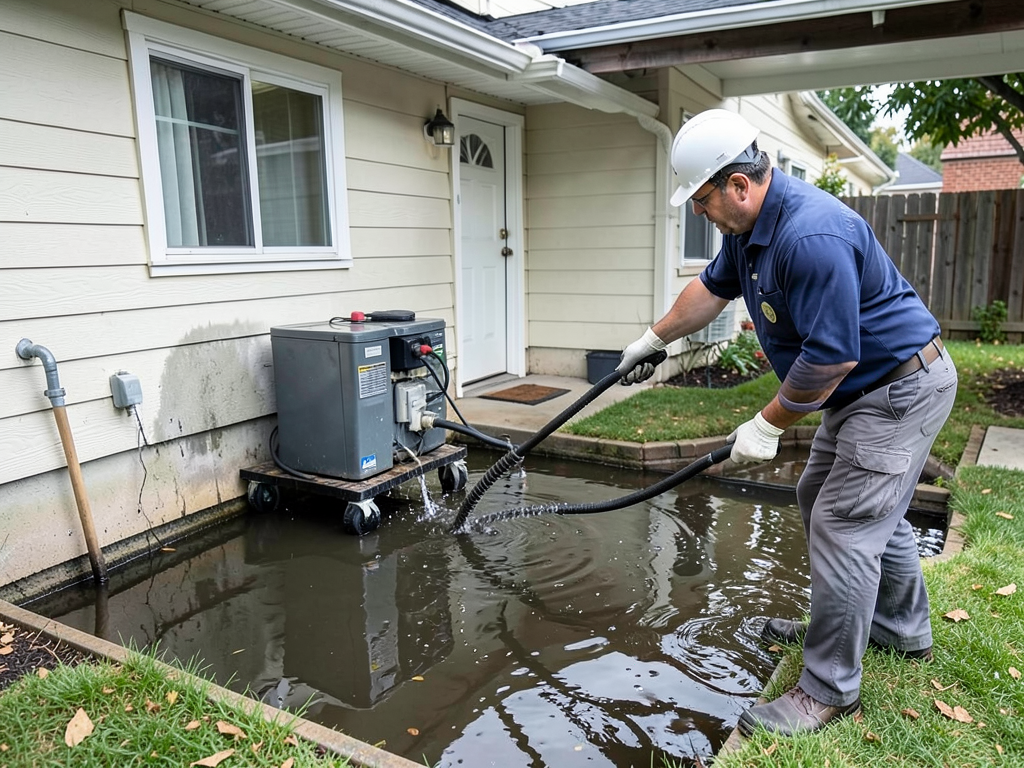
What to Do if Your New Backyard ADU Floods During a Heavy San Francisco Rain A sudden downpour in San…

What to Do if Your New Backyard ADU Floods During a Heavy San Francisco Rain

What to Do if Your New Backyard ADU Floods During a Heavy San Francisco Rain A sudden downpour in San…

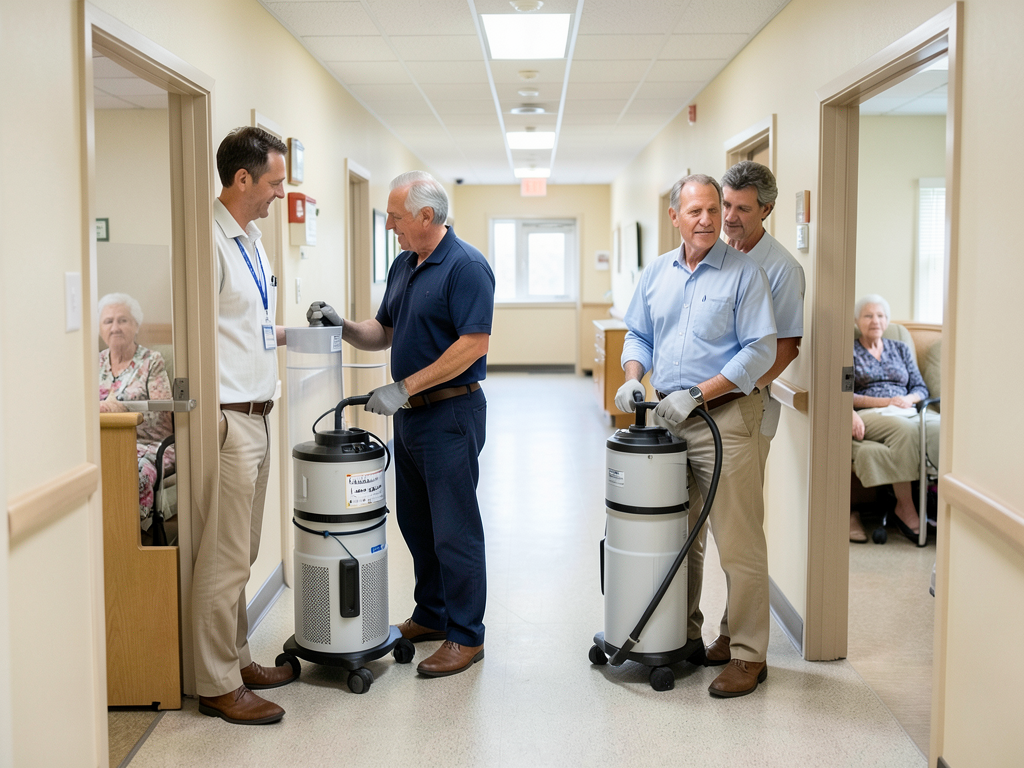
Selecting a Restoration Partner for Vulnerable Residents in a Richmond District Care Home

Specialized Senior Living Water Restoration Services in San Francisco Water damage in a Richmond District care home requires more than…

Why Your Noe Valley High Efficiency Boiler Could Be Slowly Flooding Your Utility Closet

Why Your Noe Valley High Efficiency Boiler Could Be Slowly Flooding Your Utility Closet If you live in a Noe…

Contact Us

Water stains do not fix themselves. The longer you wait, the more damage spreads behind your walls. Call Summit Water Damage Restoration San Francisco today at (415) 449-6555 to schedule an inspection. We will find the source, stop the leak, and restore your walls the right way.