menu

Retail Store Water Cleanup in San Francisco – Minimize Downtime and Protect Revenue

Commercial retail water extraction and store flood cleanup services engineered to restore operations fast, preserve inventory, and meet San Francisco's strict commercial building codes without disrupting your business continuity.

Slider Image 1
Slider Image 2
Slider Image 3
Slider Image 4
Slider Image 5
Slider Image 7
Slider Image 8
Slider Image 9
Slider Image 10
Slider Image 11

Water Damage in San Francisco Retail Spaces Means Lost Revenue Every Hour

A pipe bursts in your stockroom. A supply line fails overnight. A storm overwhelms your drainage system. Every minute water sits on your retail floor, you lose sales, face inventory loss, and risk permanent structural damage. San Francisco's aging commercial infrastructure compounds the problem. Many retail buildings in districts like Union Square, the Mission, and Fisherman's Wharf were constructed before modern flood mitigation standards existed. Older cast iron drain lines corrode. Outdated plumbing systems fail under pressure. Dense urban construction means water spreads fast between units.

The city's proximity to the Bay creates high ambient moisture levels year-round. Water does not evaporate quickly here. It seeps into drywall, subflooring, and merchandising fixtures. Within 24 hours, microbial growth begins. Within 48 hours, warping and delamination start. The longer water sits, the more expensive retail water remediation becomes. You face closure, lost foot traffic, and inventory write-offs.

Commercial retail water extraction requires industrial-grade equipment, not household shop vacs. You need rapid moisture mapping, strategic drying zone setup, and compliance with California Title 24 ventilation codes during the drying process. Store flood cleanup services must account for electrical hazards, merchandise salvage protocols, and liability exposure. Retail water damage restoration is not a DIY project. It is a calculated operation that balances speed with risk management. Every hour of delay increases your total loss.

Water Damage in San Francisco Retail Spaces Means Lost Revenue Every Hour
How Commercial Water Extraction Works in High-Traffic Retail Environments

How Commercial Water Extraction Works in High-Traffic Retail Environments

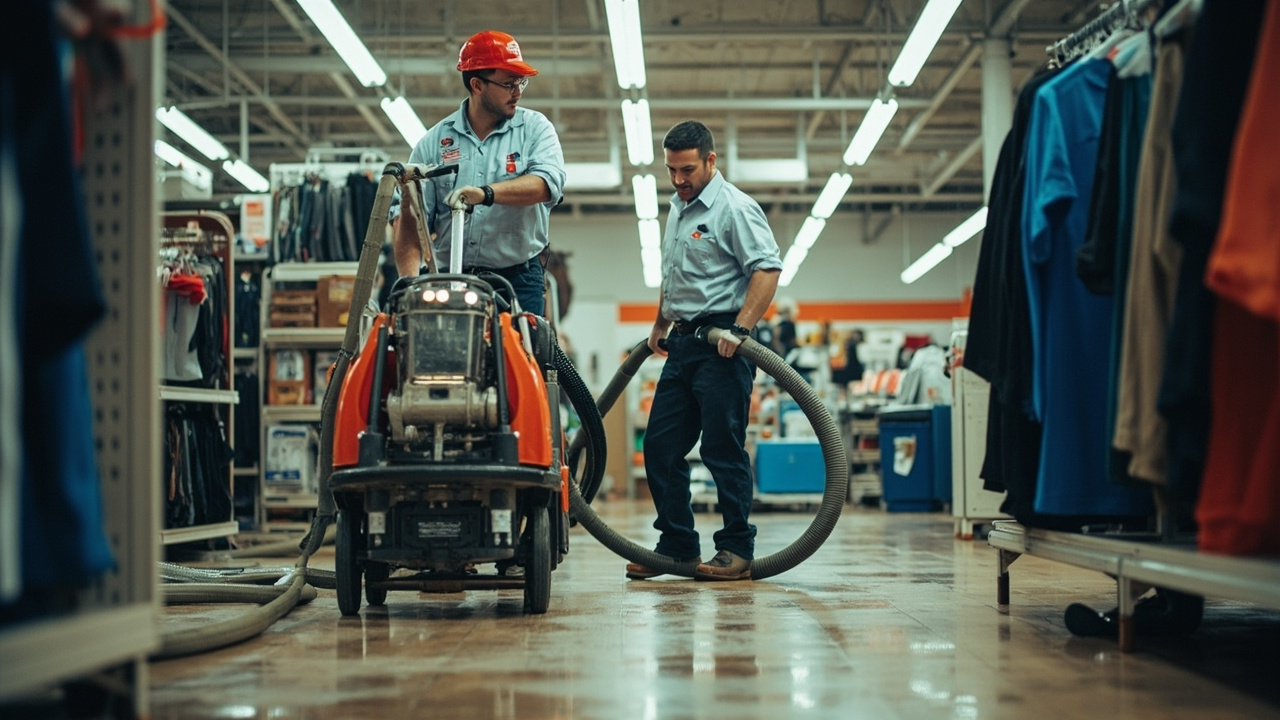
Retail water damage restoration follows a different protocol than residential work. You cannot shut down for five days. You cannot leave equipment running during business hours without safety barriers. You cannot rip out flooring without a phased demolition plan that protects your brand image. Summit Water Damage Restoration San Francisco structures every shop water damage mitigation project around your operational needs, not our convenience.

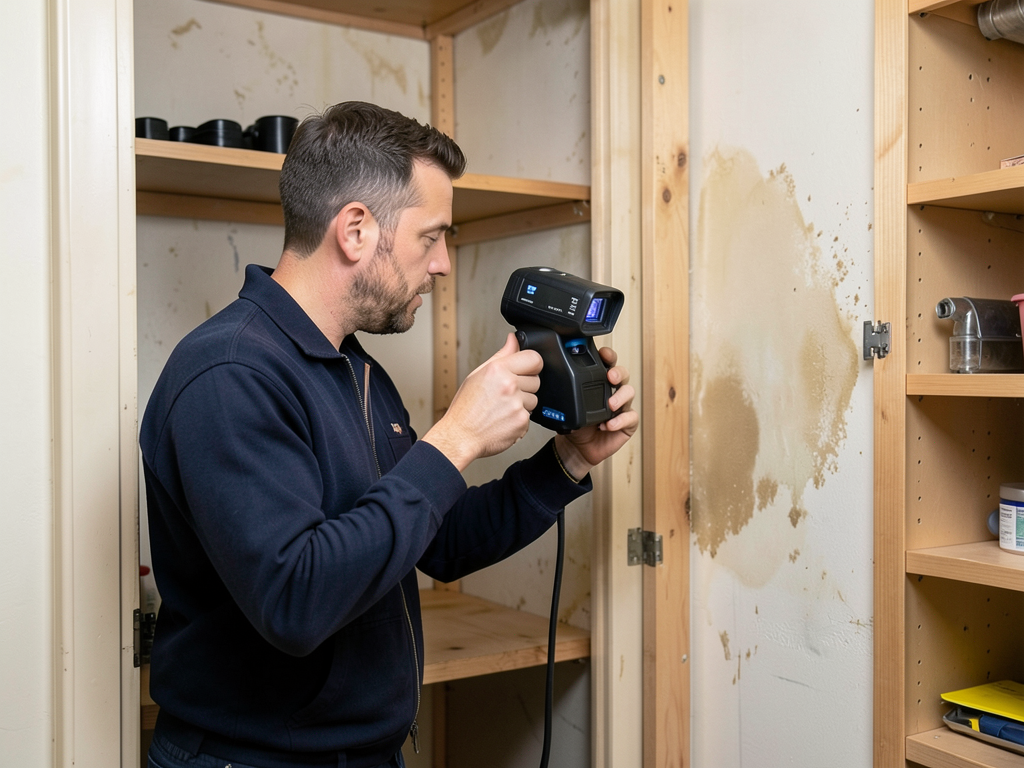
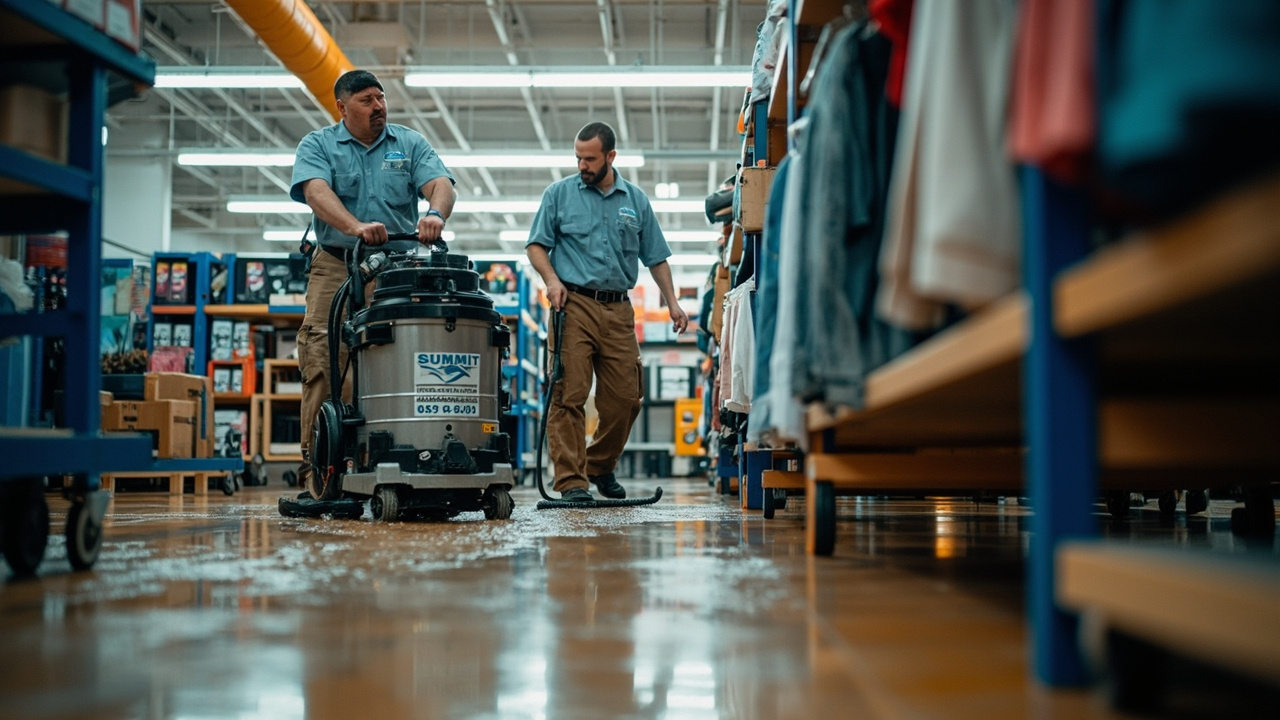
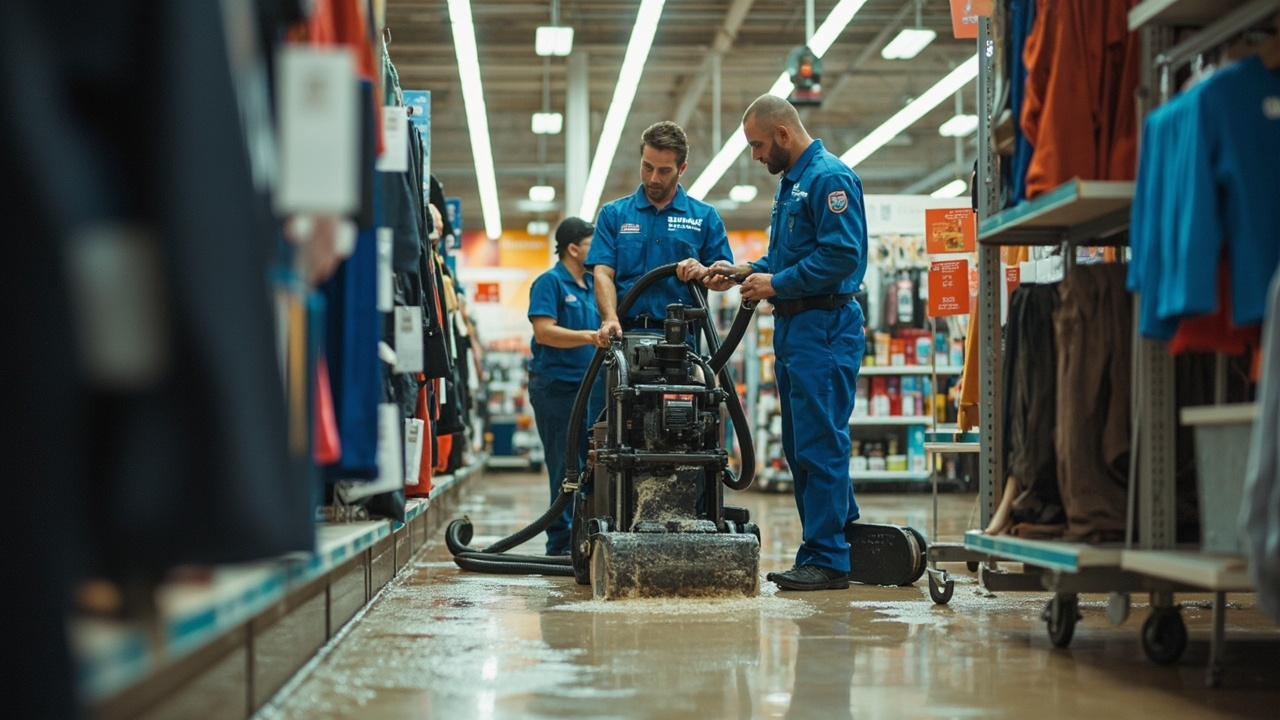
We deploy truck-mounted extraction units capable of pulling thousands of gallons per hour. Portable extractors handle confined spaces like storage rooms and fitting areas. Thermal imaging identifies hidden moisture pockets behind display walls and under raised flooring systems. We map moisture gradients to prioritize drying zones. High-velocity air movers create controlled airflow patterns that prevent cross-contamination between clean and affected areas. Commercial dehumidifiers pull moisture from the air faster than it can migrate into unaffected inventory.

We coordinate with your property manager, insurance adjuster, and landlord simultaneously. We document everything with photo logs, moisture readings, and equipment placement diagrams. If you rent your space, we ensure compliance with your lease terms. If you own the building, we provide detailed scope documentation for your insurance claim. Our team understands San Francisco's commercial building codes, including seismic bracing requirements for reinstalled drywall and fire-rated assembly restoration. We do not guess. We measure, document, and execute based on IICRC S500 standards for water damage restoration.

How We Execute Commercial Water Cleanup in Your Store

Retail Store Water Cleanup in San Francisco – Minimize Downtime and Protect Revenue
01

Emergency Water Extraction

We arrive with truck-mounted and portable extraction equipment to remove standing water immediately. Our team isolates affected zones, shuts off water sources, and begins extraction within the first hour of contact. We prioritize sales floor areas to minimize customer-facing disruption. Extraction continues until no recoverable water remains. We then measure baseline moisture levels in all structural materials using pin-type and non-invasive meters to establish drying targets.
02

Controlled Environment Drying

We install industrial air movers and commercial dehumidifiers in a calculated layout that maximizes airflow without disrupting merchandising zones. Our team creates negative air pressure in affected areas to prevent moisture migration into stockrooms or adjacent retail units. We monitor temperature, humidity, and moisture content every 12 hours, adjusting equipment placement as materials dry. Drying typically requires 72 to 96 hours depending on material saturation levels and ambient conditions.
03

Verification and Reopening

We perform final moisture verification using thermal imaging and moisture meters to confirm all structural materials have returned to dry standard. Our team provides a detailed moisture map and certificate of completion for your records and insurance claim. If reconstruction is needed, we coordinate with licensed contractors to restore flooring, drywall, and fixtures. You receive documentation that satisfies your lease obligations, insurance requirements, and San Francisco Department of Building Inspection standards.

Why San Francisco Retailers Trust Summit Water Damage Restoration for Commercial Water Events

Summit Water Damage Restoration San Francisco handles commercial projects differently than residential calls. We understand you cannot close your doors for a week. You cannot afford inventory loss. You cannot risk a failed inspection or a lease violation. Our team structures every retail water remediation project around business continuity.

We know San Francisco's commercial building landscape. Older structures in the Financial District and SoMa often have concealed plumbing above drop ceilings. Retail spaces in converted warehouses lack proper floor drainage. Ground-level stores near the Embarcadero face storm surge risks during king tides. Our technicians assess these variables during the initial walkthrough. We identify structural risks, code compliance issues, and moisture migration paths before we start equipment deployment.

We carry commercial liability coverage that protects your business, not just our crew. We coordinate with your insurance adjuster to document pre-loss conditions, ensure proper claim coding, and provide detailed line-item estimates. If you need emergency board-up or temporary barriers to keep your store operational during drying, we handle it. If you need after-hours work to avoid disrupting daytime sales, we schedule it.

Our equipment is commercial-grade, not residential. Our drying protocols follow IICRC S500 standards, which your insurance company and property manager expect. We do not cut corners. We do not leave jobs half-finished. We do not disappear after extraction. You get a dedicated project manager, daily progress updates, and a written certificate of completion. That is how commercial water damage restoration should work.

What to Expect During Store Flood Cleanup in San Francisco

Response Time and Availability

We operate 24 hours a day, seven days a week. When you call, you reach a live dispatcher who assigns a crew immediately. Our average arrival time for commercial water emergencies in San Francisco is under 90 minutes. We do not wait until morning. We do not put you on a callback list. Time is money in retail. We understand that. Our trucks carry full extraction and drying equipment, so we start work the moment we arrive. You get immediate water removal, not a quote and a promise to return tomorrow.

Site Assessment and Documentation

Our initial assessment includes thermal imaging, moisture mapping, and a written scope of work. We photograph all affected areas, document moisture readings, and identify safety hazards. You receive a detailed report within 24 hours that includes equipment placement plans, estimated drying time, and insurance documentation. This report satisfies your lease obligations and provides your adjuster with the information needed to process your claim. We do not estimate. We measure. You get facts, not guesses.

Final Outcome and Restoration

We dry your space to industry-standard moisture levels, verified with calibrated meters and thermal imaging. You receive a certificate of completion that documents final moisture readings and confirms your space is safe to reoccupy. If reconstruction is needed, we coordinate with licensed contractors to restore flooring, drywall, paint, and fixtures. You get a finished space that matches pre-loss conditions. Your insurance company gets the documentation they need. Your landlord gets code-compliant work. You get back to business.

Post-Remediation Support

After we complete drying, we provide recommendations to prevent future water events. This includes plumbing upgrades, drainage improvements, and moisture monitoring systems. If you need ongoing moisture checks or seasonal inspections, we offer maintenance agreements for multi-location retailers and commercial property managers. Our goal is not just to fix the current problem. We help you avoid the next one. You get a partner, not just a contractor.

Frequently Asked Questions

You Have Questions,
We Have Answers

How much does a water restoration company charge? +

Water restoration costs for retail stores vary based on damage extent, square footage, and water category. Class 1 incidents (minimal absorption) cost less than Class 4 (specialty drying). Factors include extraction volume, structural drying days, equipment deployment, and contamination level. Gray water or black water requires additional sanitation protocols. In San Francisco, factors like older building construction in the Financial District or Mission can increase complexity. Commercial projects typically range from emergency extraction fees through full structural drying and dehumidification. Request a detailed scope of work that breaks down labor, equipment rental, disposal, and antimicrobial treatment to assess true project cost and minimize business interruption.

What kills mold after a water leak? +

EPA-registered antimicrobial solutions kill mold after water leaks. Quaternary ammonium compounds and hydrogen peroxide-based cleaners penetrate porous surfaces. For retail environments, HEPA vacuuming removes spores before treatment. Non-porous surfaces require scrubbing with detergent, then antimicrobial application. Porous materials like drywall or ceiling tiles often require removal rather than treatment. In San Francisco's fog-prone climate, moisture lingers longer, accelerating microbial growth. Professional remediation uses containment barriers and negative air pressure to prevent cross-contamination into sales floors. Visible mold indicates deeper colonization. Surface cleaning alone fails without addressing moisture source and affected building cavities. Commercial spaces require documentation for liability protection and code compliance.

Do you have to throw everything away after a flood? +

You do not throw everything away after a flood. Salvageability depends on water category, material porosity, and exposure duration. Non-porous items like metal shelving or sealed merchandise often survive with cleaning. Porous goods like cardboard packaging, upholstered furniture, or fabric absorb contaminated water and typically require disposal. Electronics need specialized restoration within 48 hours. For San Francisco retail stores, inventory documentation for insurance claims is critical. Category 3 water (sewage, bay intrusion) contaminates most porous materials beyond salvage. Professional content restoration uses pack-out services, ozone treatment, and thermal fogging for smoke odor. Prioritize high-value inventory and focus disposal on compromised structural materials and unsalvageable goods.

How long does it take for a water leak to cause mold? +

Mold begins growing within 24 to 48 hours after water exposure in optimal conditions. San Francisco's moderate temperatures and coastal humidity create ideal environments for rapid colonization. Airborne spores settle on wet surfaces, germinate, and form visible colonies within 72 hours. Porous materials like drywall, insulation, and ceiling tiles accelerate growth. Retail spaces with HVAC systems can distribute spores throughout the building if not addressed immediately. Temperature between 60 and 80 degrees and relative humidity above 60 percent accelerate mycotoxin production. Structural cavities and hidden moisture behind fixtures allow undetected growth. Time is your enemy. Immediate water extraction and dehumidification within the first 24 hours prevent most mold establishment.

Do you need a license for water restoration? +

California requires an Asbestos Hazardous Emergency Response Act certification for buildings with asbestos, but no statewide water restoration license exists. However, San Francisco building codes mandate compliance with IICRC standards for commercial projects. Contractors need a California contractor's license (C-61 for limited specialty) and EPA lead-safe certification for pre-1978 buildings common in areas like North Beach and Chinatown. Mold remediation requires adherence to California Department of Public Health guidelines. Insurance carriers often require IICRC-certified technicians for claim approval. City permits may be needed for significant demolition or structural drying in commercial spaces. Verify contractor credentials, liability insurance, and worker's compensation before authorizing work to protect your business from liability.

Does insurance pay for water restoration? +

Insurance coverage for water restoration depends on your commercial property policy and the loss cause. Sudden and accidental discharge from plumbing or HVAC systems typically qualifies. Gradual leaks, maintenance neglect, or flood (groundwater intrusion) require separate flood insurance through NFIP or private carriers. San Francisco businesses near the Embarcadero or Mission Creek face higher flood risk. Review your policy's water damage exclusions and deductible structure. Business interruption coverage offsets lost revenue during closure. Document everything with photos, moisture readings, and detailed estimates. File claims promptly. Most carriers require mitigation within 24 to 48 hours to prevent mold exclusions. Professional restoration companies coordinate directly with adjusters to expedite approval and payment.

What are the 10 warning signs of mold toxicity? +

Mold toxicity warning signs include chronic respiratory issues, persistent coughing, sinus congestion, headaches, fatigue, brain fog, skin irritation, eye irritation, difficulty concentrating, and immune system suppression. Employees in water-damaged retail spaces may report increased sick days or allergic reactions. Visible mold or musty odors indicate air quality problems. San Francisco's older commercial buildings with poor ventilation exacerbate exposure. Mycotoxins from Stachybotrys or Aspergillus species cause severe reactions. Liability concerns arise when staff or customers develop symptoms. Commercial spaces require air quality testing and professional remediation, not surface cleaning. Document all health complaints and coordinate with occupational health professionals. Ignoring symptoms risks worker's compensation claims and potential negligence lawsuits.

What does mold remediation typically cost? +

Mold remediation costs for retail stores depend on affected square footage, contamination extent, and material removal requirements. Small isolated areas (under 10 square feet) cost less than widespread growth requiring containment and negative air machines. Labor includes demolition, HEPA vacuuming, antimicrobial treatment, air scrubbing, and disposal. San Francisco projects in historic buildings may involve lead or asbestos abatement, increasing costs significantly. Category 3 water or heavy colonization requires more aggressive protocols. Post-remediation verification and clearance testing add to total investment. Insurance may cover remediation if mold resulted from a covered peril. Obtain itemized estimates separating containment, labor, disposal, equipment, and testing. Expect multi-day projects for commercial spaces to maintain air quality standards.

How do Japanese bathrooms not get mold? +

Japanese bathrooms prevent mold through superior ventilation, rapid drying materials, and maintenance discipline. They use exhaust fans that run continuously, squeegee walls after every use, and install sloped floors with central drains for complete water removal. Materials like non-porous wall panels and antimicrobial grout resist moisture absorption. San Francisco retail bathrooms rarely incorporate these design elements. Older buildings lack adequate ventilation, use porous tile, and have insufficient air circulation. Japanese design prioritizes water containment and evaporation. American commercial construction often traps moisture in wall cavities. The lesson for retail spaces is immediate water removal, aggressive dehumidification, and regular maintenance. Install commercial-grade exhaust fans and address leaks immediately to mimic Japanese moisture control principles.

What is the best cleaner after a flood? +

Commercial-grade disinfectants rated for flood restoration include EPA-registered quaternary ammonium compounds, hydrogen peroxide solutions, and sodium hypochlorite (bleach) for non-porous surfaces. Retail stores require products safe for customer areas and effective against bacteria, viruses, and mold spores. Category 3 water contamination from San Francisco's combined sewer systems demands hospital-grade disinfectants. Professional restoration uses truck-mounted extraction units, antimicrobial foggers, and HEPA air scrubbers rather than consumer products. Avoid mixing chemicals. Surface cleaning alone fails without addressing structural moisture. Commercial spaces need documentation of cleaning protocols for health department compliance and liability protection. Hire certified technicians who follow IICRC S500 standards for contaminated water cleanup to protect customers and staff.

Why San Francisco's Building Age Makes Store Flood Cleanup More Complex

San Francisco's commercial real estate stock includes thousands of buildings constructed before 1950. Many retail spaces in North Beach, Chinatown, and the Tenderloin occupy street-level units in structures built with outdated drainage systems, cast iron supply lines, and no waterproofing membranes. When water enters these spaces, it does not follow predictable paths. It seeps through brick mortar joints, travels along wooden floor joists, and pools in concealed voids beneath tile floors. Commercial retail water extraction in older buildings requires expertise in legacy construction methods, not just equipment operation.

Summit Water Damage Restoration San Francisco has handled water events in dozens of San Francisco retail buildings, from converted warehouses in Dogpatch to historic storefronts on Valencia Street. Our technicians understand how water behaves in these structures. We know where to check for hidden moisture. We know which materials can be dried in place and which require removal. We know how to work within the constraints of landmark preservation rules and seismic retrofit limitations. When you hire local expertise for shop water damage mitigation, you avoid the costly mistakes that out-of-area contractors make.
Water Damage Restoration Services in The San Francisco Area

Our commitment to rapid response means we cover the entire San Francisco area and surrounding communities. View the map below to visualize our primary service region, which includes key neighborhoods and business districts. Whether you are located in the Financial District, the Mission, or out toward the Sunset, you can trust our 24/7 team to reach you quickly. We proudly serve both residential and commercial clients across the entire map, guaranteeing a fast and effective mitigation service the moment you need us.

Address:
Summit Water Damage Restoration San Francisco, 1390 Market St, San Francisco, CA, 94102

Additional Services We Offer

Our news updates

Latest Articles & News from The Blogs

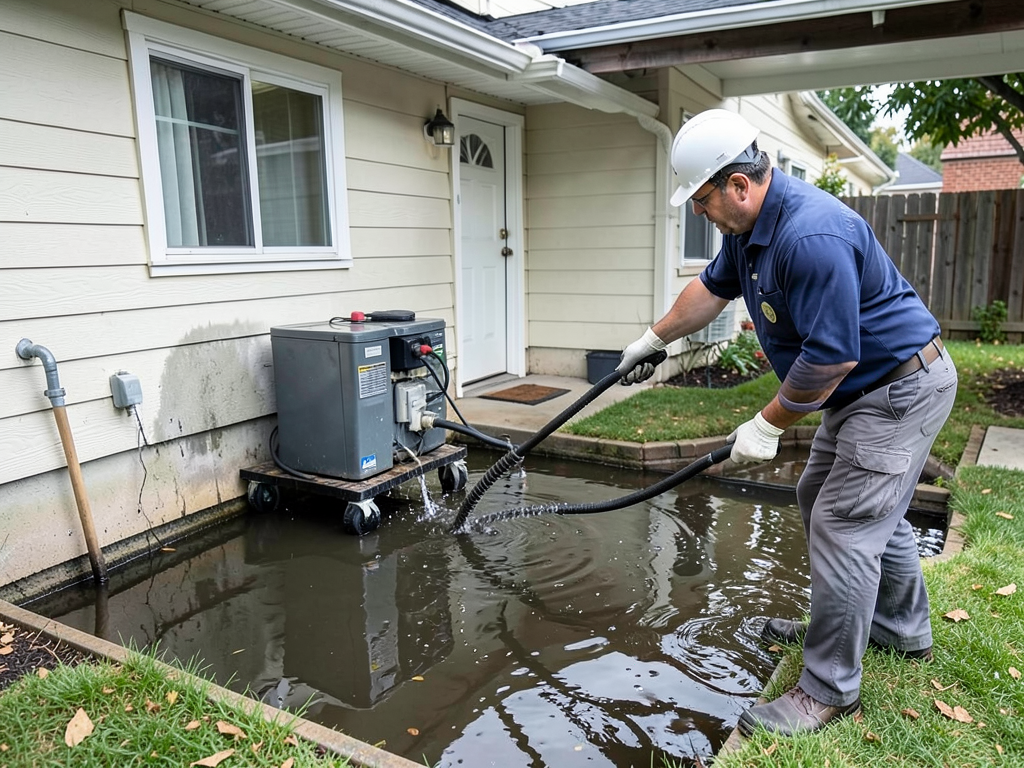
What to Do if Your New Backyard ADU Floods During a Heavy San Francisco Rain A sudden downpour in San…

What to Do if Your New Backyard ADU Floods During a Heavy San Francisco Rain

What to Do if Your New Backyard ADU Floods During a Heavy San Francisco Rain A sudden downpour in San…

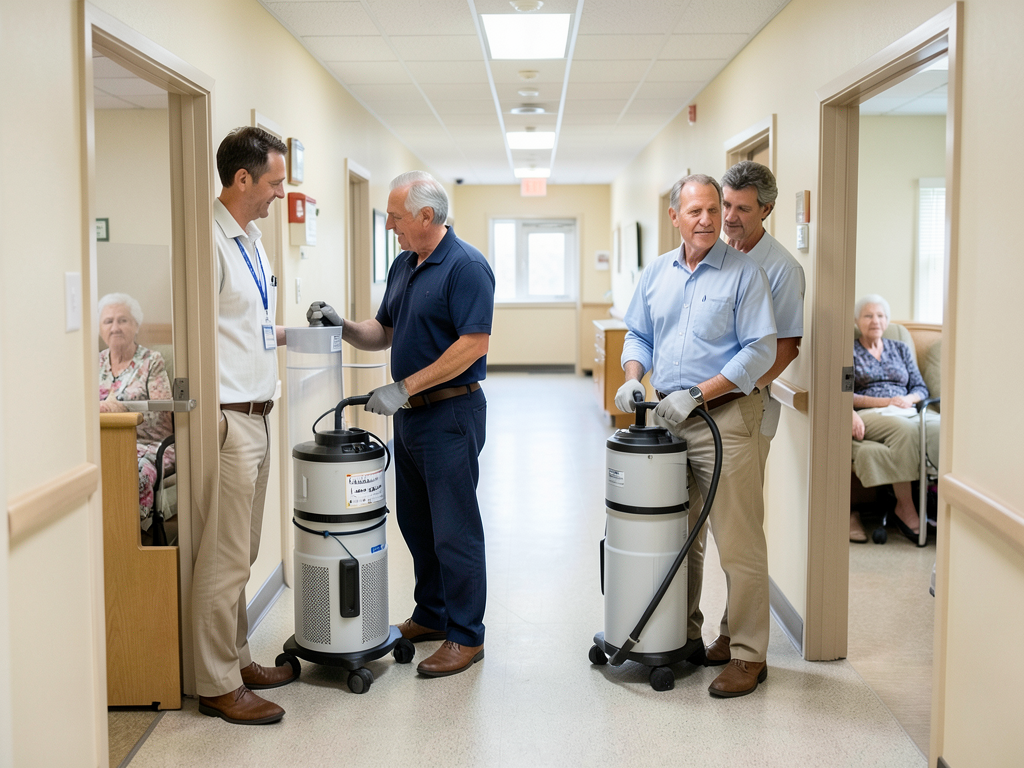
Selecting a Restoration Partner for Vulnerable Residents in a Richmond District Care Home

Specialized Senior Living Water Restoration Services in San Francisco Water damage in a Richmond District care home requires more than…

Why Your Noe Valley High Efficiency Boiler Could Be Slowly Flooding Your Utility Closet

Why Your Noe Valley High Efficiency Boiler Could Be Slowly Flooding Your Utility Closet If you live in a Noe…

Contact Us

Every hour of delay increases your loss. Call Summit Water Damage Restoration San Francisco now at (415) 449-6555. Our crew is standing by with commercial-grade extraction equipment and the expertise to get your store operational fast.