menu

Black Mold Symptoms in San Francisco – Expert Diagnosis and Health Risk Assessment

Persistent cough, headaches, or respiratory issues could be signs of black mold exposure. Summit Water Damage Restoration San Francisco identifies stachybotrys chartarum symptoms, tests air quality, and connects you with certified remediation professionals to protect your family's health.

Slider Image 1
Slider Image 2
Slider Image 3
Slider Image 4
Slider Image 5
Slider Image 7
Slider Image 8
Slider Image 9
Slider Image 10
Slider Image 11

Why Black Mold Thrives in San Francisco Homes

San Francisco's marine layer creates the perfect breeding ground for toxic mold. The fog that rolls in from the Pacific keeps humidity levels elevated year-round, especially in neighborhoods like the Sunset District, Richmond, and areas near Ocean Beach. When moisture penetrates building envelopes through aging Victorian siding, leaky roofs, or poorly ventilated bathrooms, stachybotrys chartarum takes hold quickly.

You might notice black mold poisoning symptoms before you see the mold itself. Chronic sinus congestion, persistent coughing, unexplained fatigue, and skin irritation are common signs of black mold exposure. Some residents experience memory problems or difficulty concentrating. Children and elderly family members face higher black mold health risks because their immune systems are more vulnerable.

The toxic mold health effects worsen over time. Stachybotrys chartarum releases mycotoxins into the air you breathe. These compounds irritate lung tissue, trigger asthma attacks, and cause inflammatory responses throughout your body. If you smell a musty, earthy odor in your bathroom, basement, or behind walls, you need immediate assessment.

San Francisco's older housing stock presents unique challenges. Many homes built before 1950 lack proper vapor barriers. The city's strict renovation guidelines for historic properties can complicate mold prevention efforts. You need someone who understands both the health implications and the architectural realities of Bay Area construction.

Ignoring the signs of black mold exposure puts your family at risk and reduces your property value. Insurance companies often deny claims when policyholders delay reporting water damage or visible mold growth.

Why Black Mold Thrives in San Francisco Homes
How We Identify and Document Black Mold Symptoms

How We Identify and Document Black Mold Symptoms

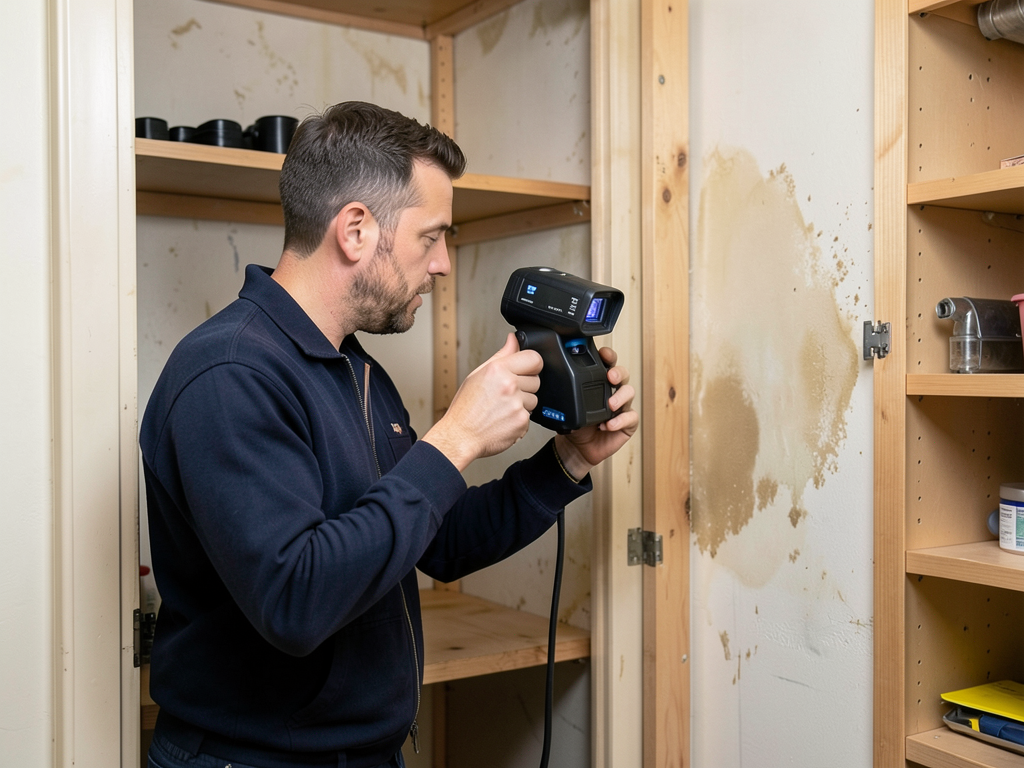
Summit Water Damage Restoration San Francisco uses a three-tier approach to black mold assessment. We start with visual inspection using thermal imaging cameras to detect moisture accumulation behind drywall, under flooring, and within ceiling cavities. Temperature differentials reveal hidden water intrusion that feeds mold colonies.

Next, we collect air samples using spore trap cassettes. These samples go to an accredited mycology lab for species identification and concentration analysis. We need hard data to determine whether you face stachybotrys chartarum or less dangerous mold varieties. The lab report quantifies spore counts per cubic meter and compares your indoor air quality to outdoor baseline levels.

Surface sampling follows when we find visible growth. We use sterile swabs or tape lifts to capture mold specimens for culture analysis. This process confirms the mold species and helps us assess colonization depth. If mold has penetrated porous materials like drywall or insulation, removal becomes necessary rather than surface cleaning.

We document everything with detailed photography and written reports. This documentation serves three purposes. First, it gives you a clear picture of the contamination extent. Second, it provides evidence for insurance claims. Third, it creates a baseline for post-remediation verification testing.

Our moisture meters measure relative humidity and material moisture content throughout your property. Wood framing should register below 15 percent moisture content. Readings above 20 percent indicate active water problems that require correction before remediation begins. We map these readings to identify the moisture source, whether it is a plumbing leak, roof damage, or condensation issue.

What Happens During Your Black Mold Assessment

Black Mold Symptoms in San Francisco – Expert Diagnosis and Health Risk Assessment
01

Initial Health Interview

We start by documenting your symptoms and timeline. When did the coughing start? Has anyone developed unexplained rashes? This health history helps us prioritize inspection areas and understand exposure duration. We note pre-existing respiratory conditions because they amplify toxic mold health effects. This conversation takes 10 to 15 minutes and guides our testing strategy.
02

Comprehensive Property Inspection

We inspect every potential moisture source in your San Francisco property. Bathrooms, kitchens, laundry areas, and basements receive priority attention. We check window seals, examine crawl spaces, and inspect attic ventilation. Our thermal cameras detect temperature anomalies that indicate hidden water damage. We probe walls near plumbing runs and examine areas below sinks and toilets where leaks commonly occur.
03

Lab Analysis and Report

Air and surface samples reach the lab within 24 hours. You receive a detailed report within three to five business days. The report identifies mold species, quantifies spore concentrations, and compares your results to acceptable thresholds. We explain the findings in plain language and outline recommended next steps, whether that means immediate remediation or continued monitoring with improved ventilation.

Why San Francisco Residents Trust Our Mold Assessments

Summit Water Damage Restoration San Francisco understands the unique building characteristics that make Bay Area homes vulnerable to mold. We have assessed hundreds of Victorian flats, Edwardian apartments, and mid-century homes across neighborhoods from Noe Valley to the Marina District. Each architectural style presents distinct vulnerabilities.

Victorian homes often have inadequate ventilation in bathrooms and kitchens. Original single-pane windows create condensation problems during foggy months. The ornate plaster detailing that makes these homes beautiful also traps moisture and hides mold growth. We know where to look and how to assess damage without destroying historic features.

Our team stays current with San Francisco Department of Building Inspection requirements and California mold assessment regulations. We follow IICRC S520 standards for mold remediation protocols. This compliance matters when you file insurance claims or prepare properties for sale. Buyers increasingly request mold inspections during escrow, and our reports meet lender requirements.

We maintain relationships with certified mold remediation contractors throughout San Francisco. We do not perform remediation ourselves, which eliminates conflict of interest. Our sole focus is accurate assessment and documentation. This independence ensures you receive unbiased recommendations rather than inflated scope-of-work estimates.

Many property owners wait too long to address black mold symptoms. They hope better ventilation or dehumidifiers will solve the problem. Surface cleaning removes visible mold but does not address colonization within building materials. Professional assessment identifies the contamination extent and the underlying moisture problem. Without fixing the water source, mold returns within weeks.

We provide same-day service throughout San Francisco and surrounding communities. Early detection reduces remediation costs and minimizes health risks.

What to Expect From Your Mold Assessment

Rapid Response Time

We schedule assessments within 24 to 48 hours of your call. If you report severe black mold poisoning symptoms like difficulty breathing or chest tightness, we prioritize your case for same-day service. The inspection takes two to three hours depending on your property size and the number of areas requiring investigation. We work efficiently because we understand the anxiety that comes with potential mold exposure. You receive preliminary findings before we leave your property, though lab confirmation takes several additional days.

Thorough Property Evaluation

Our technicians examine your entire property systematically. We check obvious problem areas first, then expand to less visible spaces like wall cavities and subfloor areas. We use moisture meters on walls, floors, and ceilings throughout your home. Thermal imaging reveals temperature differences that indicate moisture accumulation. We photograph all areas of concern and document moisture readings for your records. This comprehensive approach ensures we do not miss hidden mold colonies that could continue affecting your health.

Clear Documentation and Guidance

You receive a written report that includes lab results, moisture readings, photographic evidence, and specific recommendations. We explain which areas require immediate remediation and which need monitoring. The report identifies the moisture source causing mold growth, whether it is a plumbing leak, roof damage, or condensation problem. We provide guidance on selecting qualified remediation contractors and outline the expected scope of work. This documentation supports insurance claims and provides a roadmap for resolving your mold problem permanently.

Post-Remediation Verification

After remediation contractors complete their work, we return to verify success. Post-remediation testing confirms that spore counts have returned to acceptable levels and that visible mold has been properly removed. This clearance testing protects you from incomplete remediation and provides documentation that your home is safe for occupancy. We recommend follow-up moisture monitoring at three and six months to ensure the underlying water problem has been fully resolved and mold has not returned.

Frequently Asked Questions

You Have Questions,
We Have Answers

Can you recover from black mold exposure? +

Yes, most people recover fully once exposure stops and the mold source is removed. Your body naturally clears mold spores and mycotoxins over time. Recovery speed depends on exposure length, spore concentration, and your immune health. Mild symptoms like coughing or headaches typically resolve within days to weeks. Severe respiratory reactions may take months. In San Francisco's naturally damp climate, especially in older buildings near the Bay, reoccurrence is common without proper remediation. Focus on eliminating the source first, then supporting recovery through hydration, fresh air, and medical care if symptoms persist beyond two weeks.

What does mold poisoning feel like? +

Mold poisoning, or mycotoxin exposure, feels like persistent flu symptoms that never fully resolve. You may experience brain fog, memory problems, fatigue that sleep does not fix, and unexplained muscle aches. Many San Francisco residents describe it as feeling mentally slower or disconnected. You might notice chronic sinus congestion, sore throat, or eye irritation that worsens at home. Digestive issues, skin rashes, and mood swings are common. The frustrating part is symptoms mimic other conditions, making diagnosis tricky. If you feel better when away from your home or workplace, mold exposure is likely the culprit.

How do I know if I have black mold? +

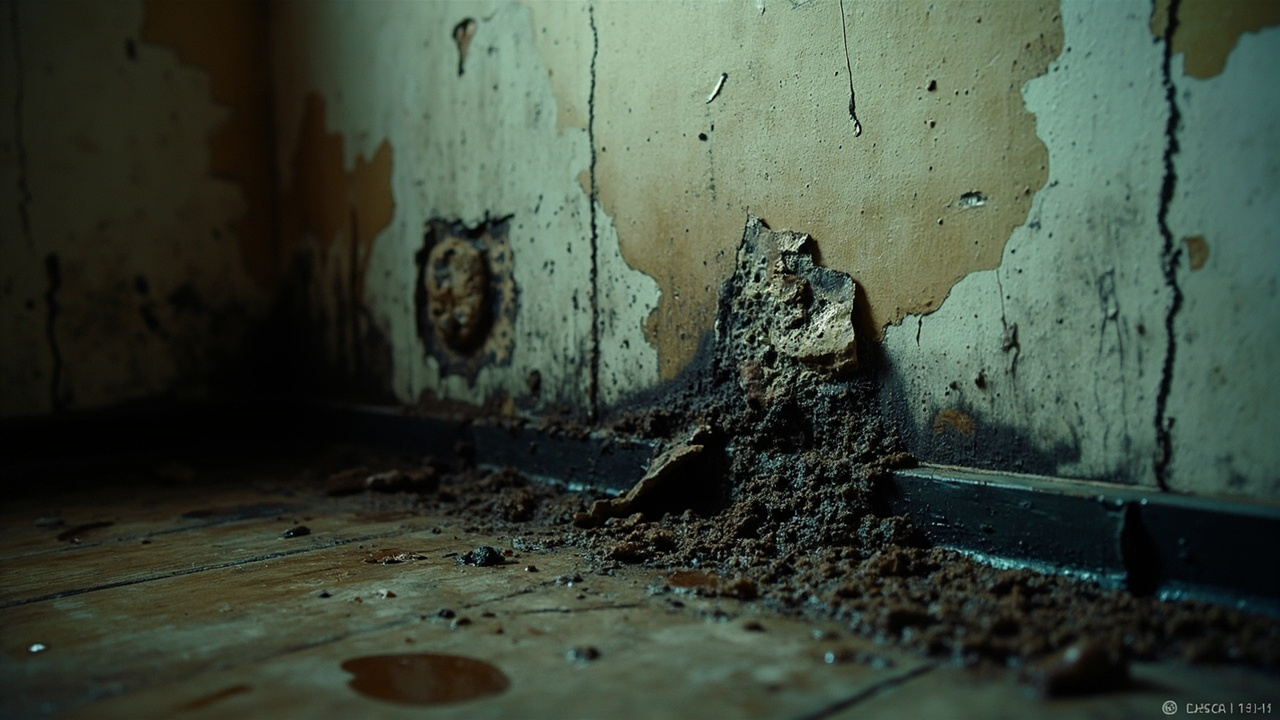
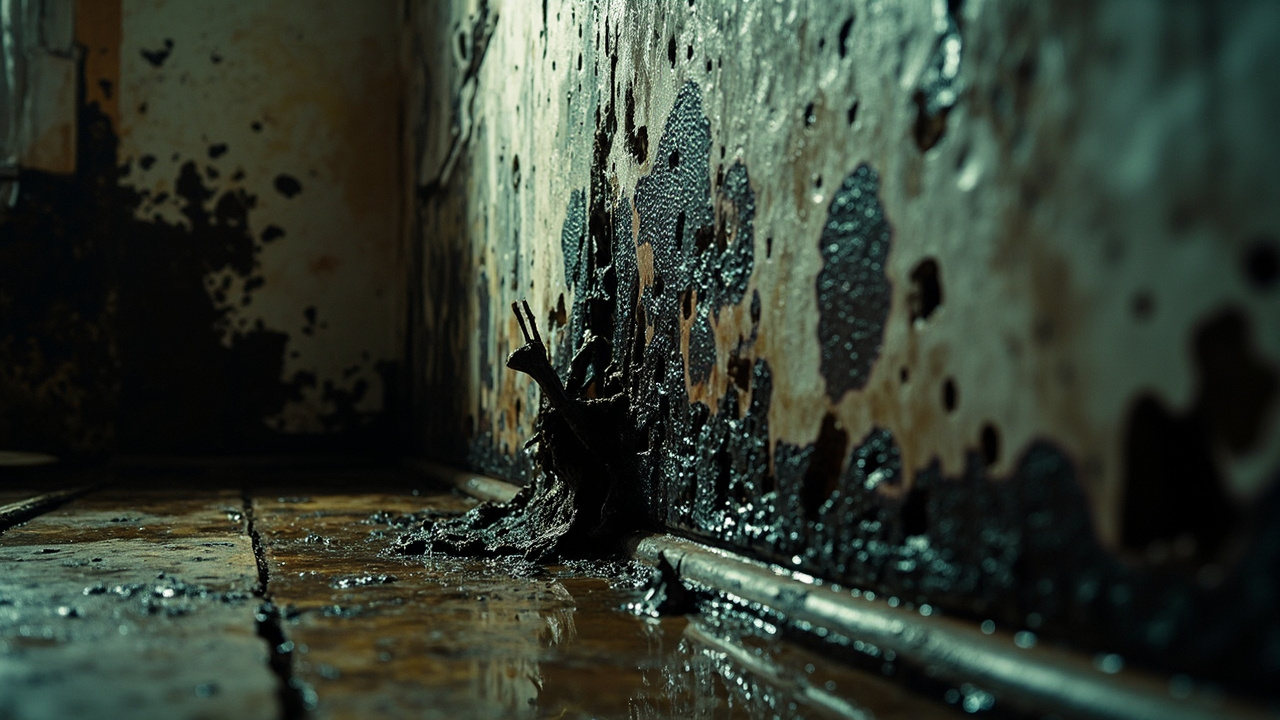
Black mold appears as dark greenish-black patches with a slimy or fuzzy texture. Check areas with chronic moisture: bathroom corners, under sinks, behind washing machines, and basement walls. In San Francisco, fog and bay moisture make exterior-facing walls vulnerable, especially in Victorian flats with poor ventilation. You may smell a musty, earthy odor before seeing visible growth. Water stains, peeling paint, or warped drywall signal hidden colonies. Do not rely on color alone, some toxic molds are white or gray. Professional testing confirms species. If you see growth larger than three square feet, call a remediation specialist immediately.

Can you live in a house with black mold? +

You should not live in a house with active black mold growth. Short-term exposure causes respiratory irritation, but prolonged living conditions lead to chronic health issues, especially for children, elderly residents, and those with asthma or compromised immunity. San Francisco's older housing stock, particularly pre-1960s buildings in the Richmond and Sunset districts, often harbor hidden mold in wall cavities. Sleeping near active colonies exposes you to concentrated spore levels nightly. Temporary relocation during professional remediation protects your health. Minor surface mold can be cleaned, but extensive growth requires containment, removal, and moisture correction before reoccupation is safe.

What are the 10 warning signs of mold toxicity? +

Watch for chronic fatigue unrelieved by rest, brain fog or memory lapses, persistent sinus congestion, chronic cough or wheezing, unexplained headaches, skin rashes or itching, digestive problems, joint pain without injury, metallic taste in your mouth, and mood changes like anxiety or depression. These symptoms worsen at home and improve elsewhere. In San Francisco, residents in microclimates with heavy fog exposure, like the Outer Sunset, report higher symptom frequency. Pay attention to patterns. If multiple household members show similar complaints, mold toxicity is probable. Document symptom timing and locations to help medical professionals and remediation specialists identify the source.

What kills black mold in your body? +

Your body eliminates mold naturally through liver detoxification and immune response. No supplement magically kills mold inside you, despite marketing claims. Stop exposure first by removing the contaminated environment. Support your liver with hydration, clean diet, and sleep. Activated charcoal may bind some mycotoxins in your gut. Glutathione supports detox pathways. Some functional medicine doctors in San Francisco use binders and antifungal protocols for severe cases, but evidence is mixed. Focus on source removal and symptom management. If you have persistent respiratory symptoms, see a pulmonologist. Time and reduced exposure do the real work. Your body knows how to heal.

How do I test myself for mold exposure? +

You cannot reliably test yourself at home for mold exposure. Blood tests measuring mold-specific antibodies or mycotoxin levels exist, but results are controversial and not widely accepted in mainstream medicine. Urine mycotoxin tests are available through functional medicine practitioners in San Francisco, but interpretation is debated. The most reliable indicator is symptom pattern and environmental testing. If you suspect exposure, document your symptoms, note when they worsen, and test your indoor environment for mold species and spore counts. A physician specializing in environmental medicine can order appropriate labs. Focus on finding and fixing the source, not just testing your body.

How quickly can black mold affect you? +

Sensitive individuals react within hours of exposure. Asthma sufferers, young children, and immunocompromised people may cough, wheeze, or develop eye irritation immediately upon entering a contaminated space. Healthy adults typically notice symptoms after days to weeks of repeated exposure. San Francisco's cool, humid climate accelerates mold growth, especially after water damage from pipe leaks or roof failures common in older buildings. Acute reactions happen fast. Chronic toxicity builds gradually over months. Spore concentration matters. A flooded basement produces millions more spores than a small shower corner colony. If you notice immediate breathing changes in specific rooms, leave and investigate quickly.

What kills mold permanently? +

Nothing kills mold permanently without fixing the moisture problem. Mold is everywhere in microscopic amounts. It only becomes a problem with available water and organic material. Bleach kills surface mold temporarily but does not penetrate porous materials like drywall or wood. Professionals use antimicrobial agents, HEPA vacuums, and physical removal of contaminated materials. In San Francisco, proper ventilation and dehumidification prevent regrowth in fog-prone areas. Fix leaks, improve airflow, redirect drainage, and maintain indoor humidity below 60 percent. Removing drywall, insulation, or structural wood eliminates embedded colonies. Permanent solutions address water intrusion first, cleanup second. Prevention beats treatment.

What is commonly mistaken for black mold? +

Dirt, soot, mildew, and dark-colored non-toxic molds are commonly mistaken for black mold. Stachybotrys chartarum, the notorious black mold, looks similar to Cladosporium, Alternaria, and other dark species. Soap scum, mineral deposits, and aging caulk in bathrooms mimic mold growth. San Francisco's marine air deposits salt and grime on exterior walls that residents mistake for fungal colonies. Even burnt material or tar residue confuses homeowners. Color alone does not confirm toxicity. Lab testing identifies species. If you see dark growth with moisture present, treat it seriously regardless of species. All mold indicates a moisture problem requiring correction.

How San Francisco's Fog Belt Creates Year-Round Mold Risk

The fog that defines San Francisco life creates persistent moisture problems in residential properties. Neighborhoods west of Twin Peaks experience 60 to 80 days of fog each year, with relative humidity regularly exceeding 75 percent. This moisture penetrates building envelopes through window frames, roof penetrations, and aging siding. Stachybotrys chartarum colonizes within 48 hours when organic materials like drywall paper or wood framing remain damp. Many San Francisco residents mistake black mold symptoms for seasonal allergies or attribute chronic coughing to the city's poor air quality, delaying assessment until contamination becomes severe.

Summit Water Damage Restoration San Francisco has assessed mold problems in properties from the Presidio to Bayview, from Telegraph Hill to the Outer Sunset. We understand how San Francisco's microclimates affect indoor air quality. Properties near Ocean Beach face different challenges than homes in sunnier Mission District locations. Our familiarity with local building practices, from balloon framing in Victorian homes to post-earthquake retrofitting standards, allows us to identify mold risks other assessors miss. We know which insurance companies serve San Francisco property owners and how to document findings for successful claims processing.
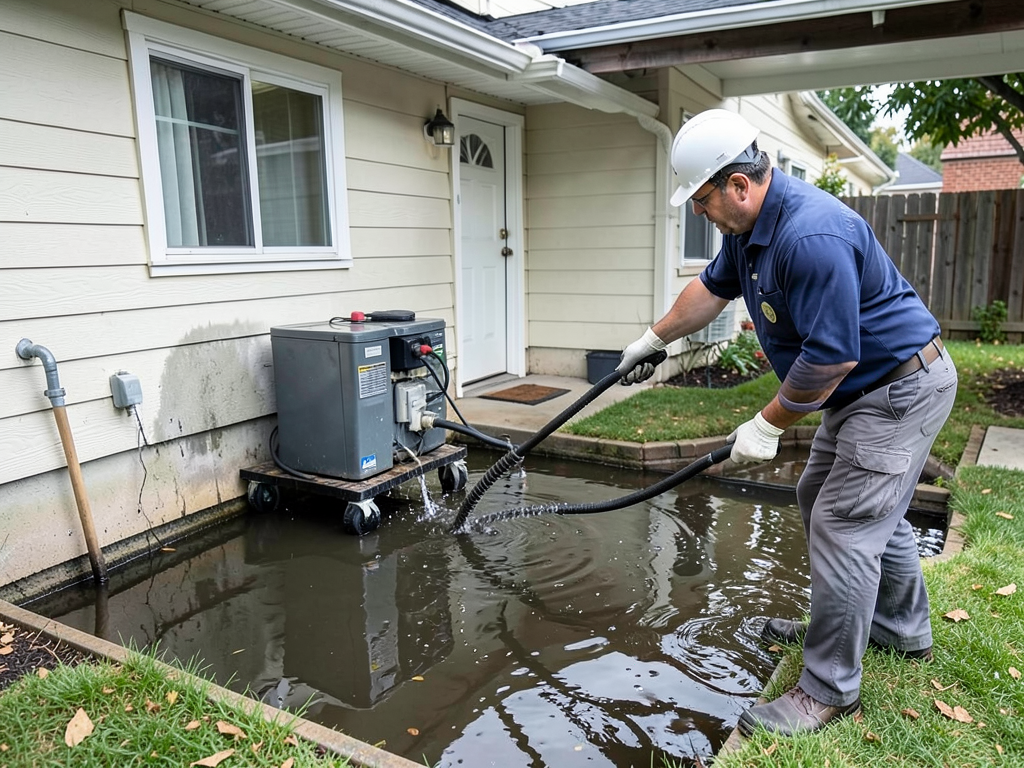
Water Damage Restoration Services in The San Francisco Area

Our commitment to rapid response means we cover the entire San Francisco area and surrounding communities. View the map below to visualize our primary service region, which includes key neighborhoods and business districts. Whether you are located in the Financial District, the Mission, or out toward the Sunset, you can trust our 24/7 team to reach you quickly. We proudly serve both residential and commercial clients across the entire map, guaranteeing a fast and effective mitigation service the moment you need us.

Address:
Summit Water Damage Restoration San Francisco, 1390 Market St, San Francisco, CA, 94102

Additional Services We Offer

Our news updates

Latest Articles & News from The Blogs

What to Do if Your New Backyard ADU Floods During a Heavy San Francisco Rain A sudden downpour in San…

What to Do if Your New Backyard ADU Floods During a Heavy San Francisco Rain

What to Do if Your New Backyard ADU Floods During a Heavy San Francisco Rain A sudden downpour in San…

Selecting a Restoration Partner for Vulnerable Residents in a Richmond District Care Home

Specialized Senior Living Water Restoration Services in San Francisco Water damage in a Richmond District care home requires more than…

Why Your Noe Valley High Efficiency Boiler Could Be Slowly Flooding Your Utility Closet

Why Your Noe Valley High Efficiency Boiler Could Be Slowly Flooding Your Utility Closet If you live in a Noe…

Contact Us

Your health is too important to ignore. Call Summit Water Damage Restoration San Francisco at (415) 449-6555 for rapid mold assessment and lab testing. We provide same-day service throughout the Bay Area and deliver clear answers about your indoor air quality.