menu

Signs of Hidden Mold in San Francisco – Expert Detection and Testing Resources for Bay Area Properties

Get access to proven detection methods, professional testing protocols, and actionable resources for identifying symptoms of concealed mold in your San Francisco home or business before it becomes a health hazard.

Slider Image 1
Slider Image 2
Slider Image 3
Slider Image 4
Slider Image 5
Slider Image 7
Slider Image 8
Slider Image 9
Slider Image 10
Slider Image 11

San Francisco's Fog Belt Creates Perfect Conditions for Concealed Mold Growth

You smell it before you see it. That musty, earthy odor that lingers in your bathroom or basement tells you something is wrong, but you cannot find the source.

San Francisco's persistent fog and marine layer create humidity levels that hover between 60 and 80 percent for months at a time. This constant moisture seeps into wall cavities, crawl spaces, and areas behind tile. The city's older housing stock, particularly in the Sunset and Richmond Districts, features plaster walls and limited vapor barriers that trap moisture exactly where mold thrives.

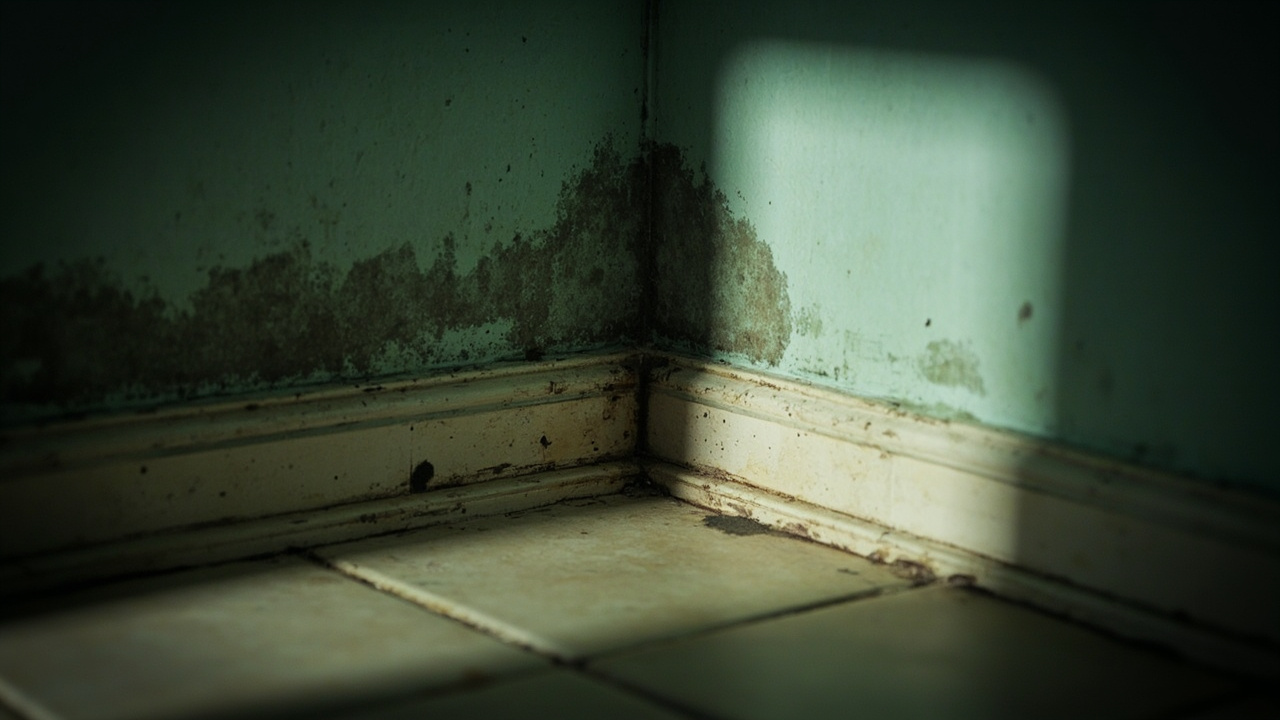
Detecting hidden mold requires understanding where moisture accumulates in Bay Area construction. Evidence of unseen mold often appears as discoloration on ceiling corners near bathrooms, peeling paint along exterior walls facing the ocean, or warped baseboards in ground-floor units. These indicators of invisible mold signal active growth behind finished surfaces.

The challenge intensifies in Victorian and Edwardian homes common throughout the Mission and Haight-Ashbury. Original lathe and plaster walls create dozens of small cavities where mold colonies establish themselves away from visible inspection. Symptoms of concealed mold in these properties include persistent allergic reactions, worsening asthma, and unexplained respiratory irritation that improves when you leave the building.

Water intrusion from San Francisco's winter storms compounds the problem. Aging window frames, deteriorated flashing around bay windows, and outdated plumbing systems create chronic moisture issues that feed mold growth in wall cavities and subfloor areas. Signs of mold behind walls often manifest months after the initial water event, making source identification difficult without proper diagnostic tools.

San Francisco's Fog Belt Creates Perfect Conditions for Concealed Mold Growth
Professional Mold Detection Methods That Reveal What You Cannot See

Professional Mold Detection Methods That Reveal What You Cannot See

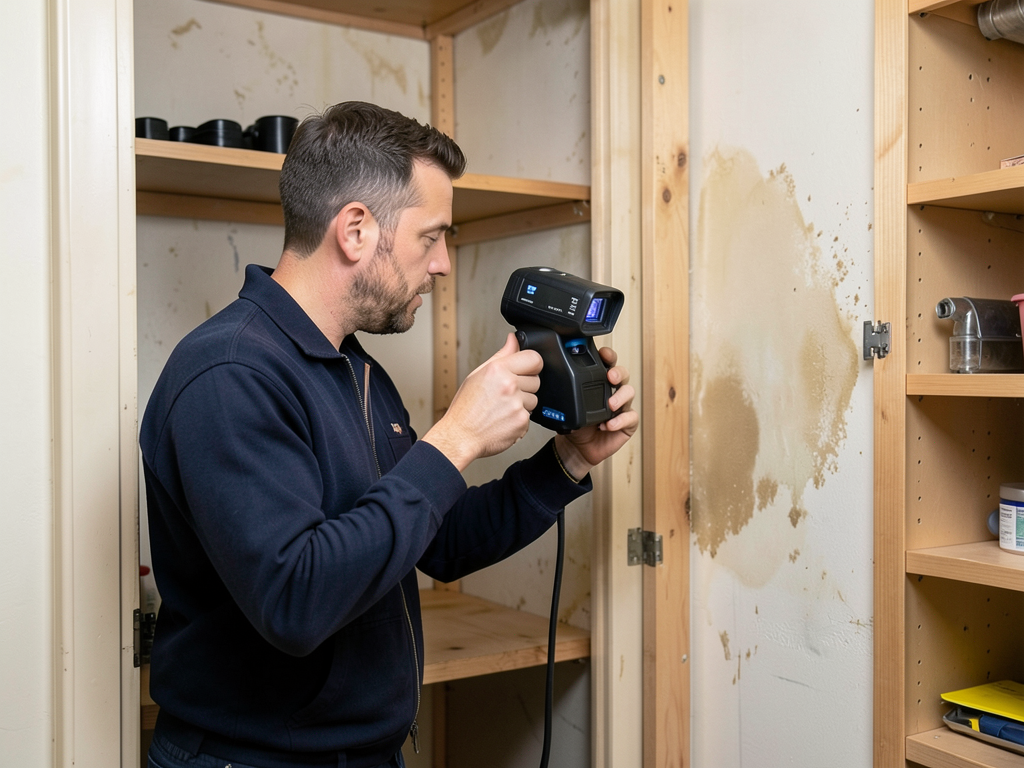
Identifying hidden mold demands more than visual inspection. Summit Water Damage Restoration San Francisco uses thermal imaging cameras that detect temperature differentials caused by moisture accumulation behind walls and ceilings. These infrared scans reveal wet building materials that create ideal mold habitats before visible growth appears.

Moisture meters provide quantitative data on material saturation levels. We measure moisture content in drywall, wood framing, and subfloor materials using pin-type and non-invasive sensors. Readings above 16 percent in wood or 1 percent in drywall indicate conditions that support active mold growth.

Air sampling captures mold spore concentrations in your indoor environment. We collect samples using spore traps and send them to certified mycology labs for species identification and quantification. Comparing indoor spore counts against outdoor baseline levels reveals whether your property has an active mold problem, even when visual evidence remains hidden.

Surface sampling through tape lifts or swab tests confirms mold presence on suspected areas. This direct sampling method identifies specific mold species and helps determine whether the growth is allergenic, pathogenic, or toxigenic.

Borescope inspection allows visual examination inside wall cavities, above ceiling tiles, and within HVAC ductwork without destructive demolition. This fiber optic camera technology reveals mold growth in concealed spaces and helps target remediation efforts.

The inspection process includes documenting moisture sources. We trace water intrusion pathways from roof leaks, plumbing failures, condensation issues, and exterior envelope breaches. Identifying and correcting the moisture source prevents mold from returning after remediation.

What Happens During a Professional Mold Detection Assessment

Signs of Hidden Mold in San Francisco – Expert Detection and Testing Resources for Bay Area Properties
01

Initial Consultation and Symptom Review

We start by documenting your health symptoms, odor complaints, and visible water damage history. This conversation reveals patterns that guide our inspection focus. You describe when symptoms worsen, which rooms smell musty, and where you have noticed water stains or discoloration. These details create a roadmap for our diagnostic work and help us prioritize areas most likely to harbor concealed mold growth.
02

Comprehensive Property Inspection

Our technicians perform room-by-room evaluations using thermal cameras, moisture meters, and visual inspection protocols. We check common problem areas including bathroom walls, kitchen sinks, window frames, basement corners, attic insulation, and crawl spaces. The inspection identifies moisture sources, measures humidity levels, and maps temperature anomalies that indicate hidden water damage. We document findings with photos and moisture readings for your records.
03

Lab Testing and Report Delivery

Air and surface samples go to independent laboratories for analysis. Results return within 48 to 72 hours and identify mold species, spore concentrations, and contamination severity. You receive a detailed report explaining findings in plain language, outlining health risks, and recommending next steps. This documentation supports insurance claims and provides the technical data needed to make informed remediation decisions based on actual contamination levels.

Why San Francisco Property Owners Trust Our Mold Detection Expertise

Mold assessment in San Francisco requires familiarity with the city's unique building types and microclimates. Summit Water Damage Restoration San Francisco understands how fog penetration affects different neighborhoods. We know that properties in Outer Sunset face different moisture challenges than buildings in SoMa or North Beach.

Our technicians recognize construction patterns specific to Bay Area housing. We understand how Victorian balloon framing creates vertical pathways for moisture migration. We know where condensation accumulates in mid-century stucco homes. This local knowledge helps us identify problem areas that generic inspection checklists miss.

We maintain relationships with certified mycology laboratories that specialize in California mold species. These partnerships ensure accurate identification of common Bay Area molds including Stachybotrys, Aspergillus, Penicillium, and Cladosporium. Species identification matters because remediation protocols and health risks vary significantly between mold types.

Our detection work follows California Department of Public Health guidelines and industry standards established by the Indoor Air Quality Association. We document moisture sources, contamination extent, and affected building materials in formats that satisfy insurance adjusters and support claim processing.

You receive honest assessments. If we find elevated moisture levels but no active mold growth, we tell you. If visible growth is minor and limited to surface areas you can clean yourself, we explain how. Our goal is accurate diagnosis, not overselling remediation services you do not need.

We operate throughout San Francisco, from the Marina to Bayview, Presidio Heights to Portola. Our response time averages under two hours for urgent moisture events that require immediate assessment to prevent mold establishment.

What to Expect from Professional Mold Detection Services

Same-Day Assessment Availability

We schedule mold inspections within 24 hours of your call. Most assessments occur the same day you contact us. The inspection takes two to four hours depending on property size and complexity. You receive preliminary findings immediately after the inspection. We explain what we found, where moisture problems exist, and which areas require laboratory testing. Urgent situations involving active water damage or severe health symptoms get priority scheduling with technicians dispatched within hours.

Comprehensive Moisture and Mold Evaluation

Our assessment covers all potential mold reservoirs in your property. We inspect attics, crawl spaces, wall cavities, HVAC systems, plumbing chases, and concealed areas behind fixtures. Thermal imaging scans identify moisture patterns invisible to the naked eye. Moisture meters quantify saturation levels in building materials. We collect air samples from multiple rooms and surface samples from suspected growth areas. The evaluation includes identifying the root moisture source, whether it is a plumbing leak, roof penetration, condensation issue, or exterior water intrusion.

Detailed Laboratory Analysis and Documentation

Laboratory reports provide species-level identification and spore count quantification. You learn exactly what type of mold is growing and whether concentrations exceed safe levels. The report compares indoor air quality against outdoor baseline samples to determine if your property has an abnormal mold burden. We translate technical findings into actionable recommendations. You receive documentation suitable for insurance claims, real estate transactions, and health provider consultations. All findings are stored securely for future reference.

Post-Assessment Guidance and Remediation Planning

After confirming mold presence, we develop a remediation plan tailored to your contamination level and property type. You receive a scope of work outlining containment procedures, material removal requirements, antimicrobial treatment protocols, and restoration steps. We explain the timeline and answer questions about the process. For minor issues, we provide guidance on effective DIY approaches that save you money. For significant contamination, we coordinate with remediation teams and verify completion through post-remediation testing that confirms spore levels have returned to normal ranges.

Frequently Asked Questions

You Have Questions,
We Have Answers

How do you know if you have hidden mold in your house? +

Hidden mold reveals itself through persistent musty odors, visible water stains on walls or ceilings, and peeling paint or wallpaper. You may notice condensation on windows or pipes, especially in San Francisco's naturally humid climate. Warped flooring, discolored grout, or rust around fixtures signal moisture intrusion. Health symptoms like persistent coughing, sneezing, or headaches that improve when you leave the house indicate possible exposure. Check behind appliances, under sinks, in crawl spaces, and around HVAC systems. San Francisco's older Victorian homes often hide mold in wall cavities where outdated plumbing leaks go unnoticed for months.

What are signs of mold sickness? +

Mold sickness presents as respiratory issues like persistent coughing, wheezing, and shortness of breath. You may experience chronic sinus congestion, frequent headaches, and unexplained fatigue that persists regardless of sleep. Skin irritation, itchy eyes, and throat irritation are common. Some people develop cognitive issues like brain fog or difficulty concentrating. Asthma symptoms worsen, and allergic reactions intensify. In San Francisco's dense fog conditions, these symptoms can be mistaken for seasonal allergies. If symptoms improve when you leave your home and return when you come back, mold exposure is the likely cause. Seek medical evaluation immediately.

Can mold make a baby cough? +

Yes, mold can make a baby cough. Infants have developing immune systems and smaller airways, making them vulnerable to mold spores. You will notice persistent dry coughing, wheezing, or labored breathing that worsens at night. Babies may develop frequent respiratory infections, congestion, or difficulty feeding due to breathing problems. San Francisco's older buildings with poor ventilation increase exposure risk. Watch for skin rashes or excessive fussiness that coincides with time spent in specific rooms. If your baby's cough persists beyond typical cold duration or worsens in certain areas of your home, inspect for hidden mold immediately and consult a pediatrician.

Can mold cause UTIs? +

Current research does not directly link mold exposure to urinary tract infections. UTIs result from bacterial infections in the urinary system, not fungal exposure. However, mold exposure weakens your immune system, making you more susceptible to bacterial infections, including UTIs. Chronic mold exposure causes systemic inflammation and immune suppression, reducing your body's ability to fight off pathogens. If you experience recurrent UTIs alongside respiratory symptoms, headaches, or fatigue, investigate your home for hidden mold. Address the moisture source and mold growth while treating the UTI with appropriate antibiotics. San Francisco's humidity can create conditions that support both mold growth and bacterial proliferation.

What are the 10 warning signs of mold toxicity? +

The 10 warning signs include persistent fatigue unrelieved by rest, brain fog and memory problems, chronic sinus infections, persistent coughing or wheezing, skin rashes or irritation, frequent headaches or migraines, muscle aches and joint pain, digestive issues, sensitivity to light or sound, and mood changes like anxiety or depression. San Francisco residents often attribute these symptoms to work stress or coastal weather, delaying diagnosis. Symptoms worsen in specific rooms or improve when you leave your home. Multiple family members experiencing similar symptoms simultaneously indicates environmental toxicity. Mold toxicity requires professional remediation and medical intervention. Do not attempt DIY removal if you experience these symptoms.

How do you get rid of mold that you can't see? +

Hidden mold requires professional detection and remediation. Thermal imaging cameras locate moisture behind walls where mold thrives. Professionals use moisture meters to identify affected areas, then remove contaminated drywall, insulation, or flooring. HEPA vacuums capture airborne spores during removal. Antimicrobial treatments eliminate remaining growth, and proper ventilation prevents recurrence. San Francisco's Victorian homes often have mold in wall cavities inaccessible without demolition. Do not spray bleach on hidden mold. This pushes spores deeper into porous materials. Address the moisture source first, whether it is a plumbing leak, poor ventilation, or foundation seepage. Professional assessment protects structural integrity.

What kills mold permanently? +

Nothing kills mold permanently if moisture remains. Professionals use EPA-registered fungicides and antimicrobial solutions after physical removal. Concrobium and borax-based treatments penetrate porous surfaces. HEPA filtration during removal prevents cross-contamination. The key is eliminating the water source through plumbing repairs, improved ventilation, or foundation waterproofing. San Francisco's marine layer creates persistent humidity requiring dehumidifiers in basements and crawl spaces. Encapsulation seals treated surfaces, but moisture control determines long-term success. Bleach only whitens surface mold without penetrating roots in drywall or wood. Professional remediation addresses both visible growth and hidden contamination behind building materials.

How do I test my house for mold? +

Professional mold testing uses air sampling to measure spore concentrations and surface sampling to identify species. You can purchase DIY test kits, but laboratory analysis provides accurate results. Professionals use moisture meters and thermal cameras to locate hidden growth behind walls. Air quality testing establishes baseline contamination levels. In San Francisco, test after water damage, before buying older properties, or when unexplained health symptoms occur. Testing costs less than remediation for nonexistent problems. Visible mold requires immediate remediation regardless of testing. Post-remediation testing confirms successful removal. Choose certified mold inspectors who follow IICRC standards and provide detailed laboratory reports.

Can air purifiers remove mold spores? +

Air purifiers with true HEPA filters capture mold spores but do not address the source. HEPA filters trap particles 0.3 microns or larger, including mold spores. This reduces airborne contamination temporarily. However, active mold colonies continuously release new spores. Air purifiers supplement remediation but do not replace it. In San Francisco's humid climate, use air purifiers with dehumidification features. Place units in bedrooms and common areas during remediation. UV light purifiers kill some mold spores but lack effectiveness against hidden growth. Address moisture intrusion and physically remove mold first. Air purifiers then maintain improved air quality post-remediation.

How do I tell if mold is in my lungs? +

You cannot self-diagnose mold in your lungs. Pulmonary aspergillosis requires medical imaging like chest X-rays or CT scans and laboratory testing. Symptoms include persistent cough producing mucus, coughing up blood, fever, chest pain, and worsening asthma. Shortness of breath during normal activities indicates serious infection. San Francisco residents with compromised immune systems, chronic lung disease, or asthma face higher risk. See a pulmonologist if respiratory symptoms persist beyond three weeks or worsen despite treatment. Blood tests detect mold-specific antibodies. Bronchoscopy allows direct examination of airways. Early diagnosis prevents permanent lung damage. Address home mold exposure immediately while pursuing medical treatment.

How San Francisco's Marine Climate Accelerates Hidden Mold Growth in Coastal Properties

San Francisco's proximity to the Pacific Ocean creates persistent humidity that challenges building envelopes throughout the city. Properties in western neighborhoods experience fog penetration that drives moisture deep into wall assemblies. The temperature differential between cool exterior surfaces and warmer interior spaces causes condensation inside wall cavities where vapor barriers are absent or damaged. This condensation creates ideal conditions for mold growth on wood framing, insulation backing, and drywall paper. Detecting hidden mold in these properties requires understanding how marine air interacts with building materials common to San Francisco construction.

Summit Water Damage Restoration San Francisco has assessed mold conditions in hundreds of Bay Area properties across every neighborhood microclimate. We understand how building orientation affects moisture accumulation and which wall assemblies are most vulnerable to fog penetration. Our familiarity with local construction methods, from Victorian-era lathe and plaster to modern seismic retrofits, helps us identify where mold hides in your specific property type. This local expertise means faster, more accurate detection and fewer unnecessary invasive procedures.
Water Damage Restoration Services in The San Francisco Area

Our commitment to rapid response means we cover the entire San Francisco area and surrounding communities. View the map below to visualize our primary service region, which includes key neighborhoods and business districts. Whether you are located in the Financial District, the Mission, or out toward the Sunset, you can trust our 24/7 team to reach you quickly. We proudly serve both residential and commercial clients across the entire map, guaranteeing a fast and effective mitigation service the moment you need us.

Address:
Summit Water Damage Restoration San Francisco, 1390 Market St, San Francisco, CA, 94102

Additional Services We Offer

Our news updates

Latest Articles & News from The Blogs

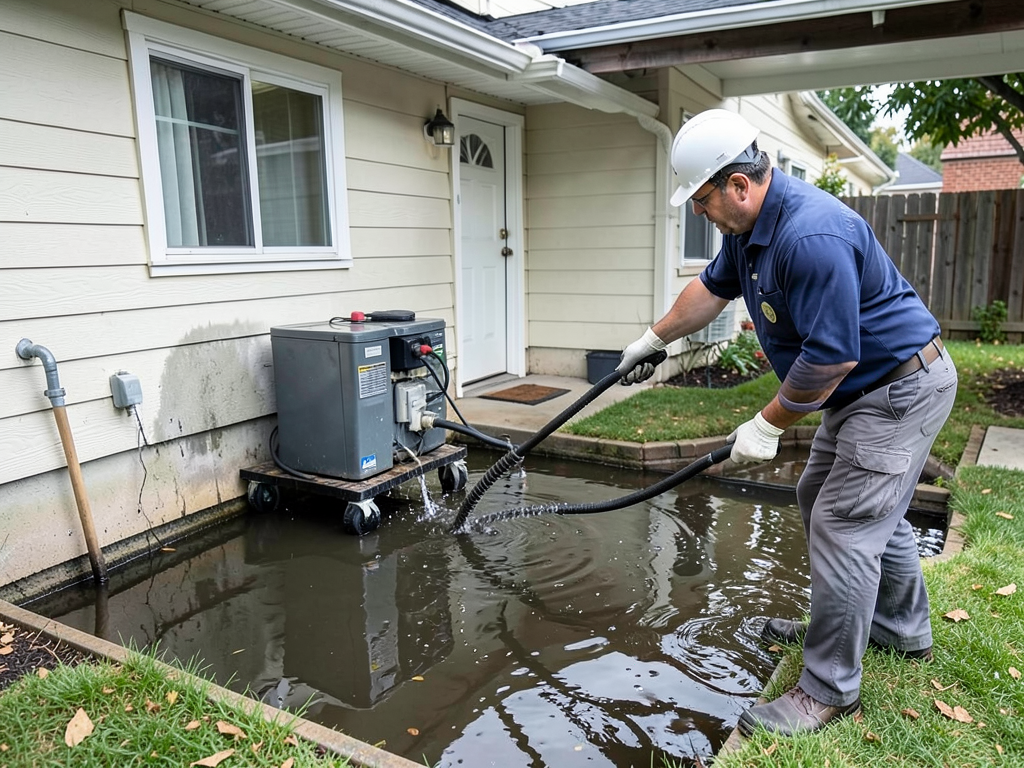
What to Do if Your New Backyard ADU Floods During a Heavy San Francisco Rain A sudden downpour in San…

What to Do if Your New Backyard ADU Floods During a Heavy San Francisco Rain

What to Do if Your New Backyard ADU Floods During a Heavy San Francisco Rain A sudden downpour in San…

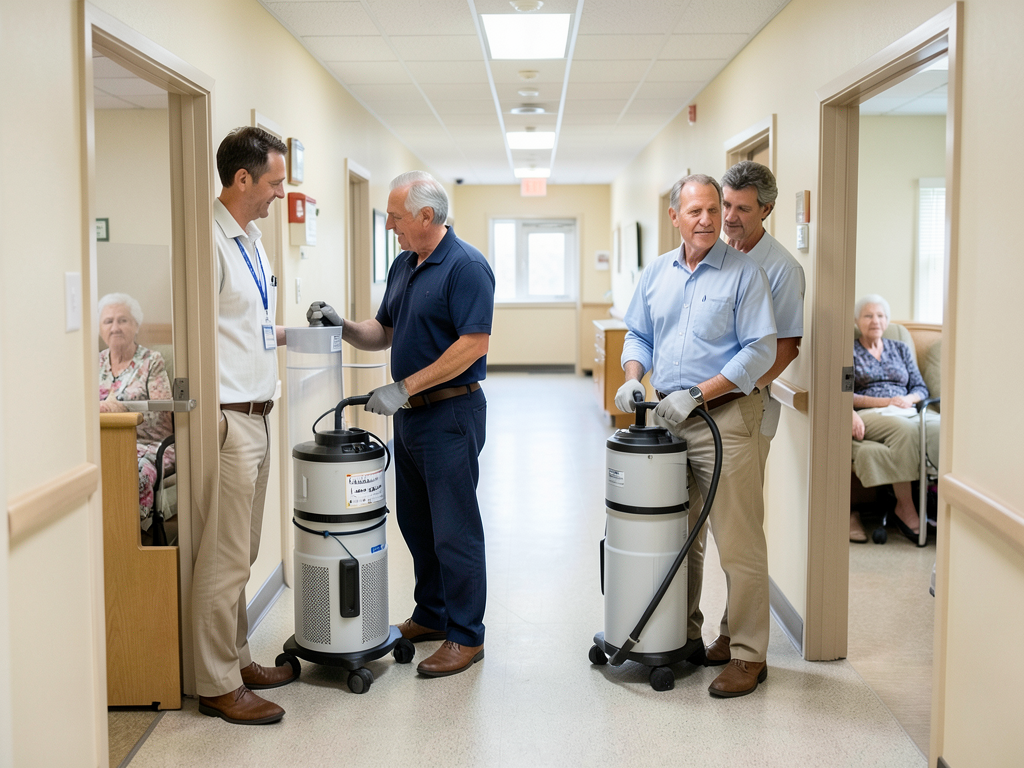
Selecting a Restoration Partner for Vulnerable Residents in a Richmond District Care Home

Specialized Senior Living Water Restoration Services in San Francisco Water damage in a Richmond District care home requires more than…

Why Your Noe Valley High Efficiency Boiler Could Be Slowly Flooding Your Utility Closet

Why Your Noe Valley High Efficiency Boiler Could Be Slowly Flooding Your Utility Closet If you live in a Noe…

Contact Us

Stop wondering if you have a mold problem. Get definitive answers through professional testing and inspection. Call Summit Water Damage Restoration San Francisco at (415) 449-6555 for same-day assessment scheduling. We provide the detection resources you need to protect your property and health.