
menu

Does Insurance Cover Mold in San Francisco – Get Clear Answers on Property Insurance Mold Coverage

We help San Francisco property owners understand their homeowners insurance mold coverage options, navigate complex claims, and connect with professional mold remediation services when insurance falls short.

Slider Image 1
Slider Image 2
Slider Image 3
Slider Image 4
Slider Image 5
Slider Image 7
Slider Image 8
Slider Image 9
Slider Image 10
Slider Image 11

Why San Francisco Property Owners Struggle With Mold Insurance Claims

You found mold. You called your insurance company. Then you got the runaround.

San Francisco's marine layer creates perfect conditions for hidden mold growth. The fog that rolls through the Sunset and Richmond districts keeps moisture levels elevated for months. Older Victorian homes in Noe Valley and Bernal Heights trap humidity in crawl spaces and attics. When water damage occurs, mold follows within 24 to 48 hours.

Most property owners assume their homeowners insurance mold coverage will handle the cleanup. The reality is more complicated. Is mold damage covered by insurance? It depends entirely on the source of the water damage and your specific policy language.

If a pipe bursts and mold develops within days, property insurance mold coverage typically applies. If mold grew slowly from a long-term leak you should have noticed, your claim gets denied. Insurance companies review maintenance records, inspection reports, and timelines to determine fault.

San Francisco homeowners face another challenge. Earthquake insurance, which many residents carry, does not include mold remediation insurance claims. If seismic activity cracks a foundation and water seeps in, you may find yourself paying out of pocket for both structural repairs and mold removal.

Does home insurance pay for mold removal? Sometimes yes, sometimes no. The answer hinges on whether the mold resulted from a covered peril, how quickly you reported the damage, and whether your policy includes specific mold exclusions. Many standard policies cap mold coverage at $10,000, which barely scratches the surface of a significant infestation in a multi-story San Francisco home.

Why San Francisco Property Owners Struggle With Mold Insurance Claims
How Mold Insurance Claims Actually Work in California

How Mold Insurance Claims Actually Work in California

Insurance adjusters look for three things when evaluating property insurance mold coverage: causation, timing, and negligence.

Causation means proving the mold resulted from a sudden, covered event. A broken supply line qualifies. Years of condensation from an un-vented bathroom does not. California insurance law requires companies to cover ensuing damage from covered perils. If your dishwasher floods your kitchen and mold appears two days later, the mold remediation insurance claims should be honored.

Timing matters more than most people realize. You must report water damage immediately. If you wait weeks to file a claim, the insurance company will argue the mold resulted from your delay, not the original water event. Documentation becomes critical. Take photos of the water damage, the affected areas, and any visible mold. Keep receipts for emergency mitigation services.

Negligence is where most homeowners insurance mold coverage disputes happen. Insurance policies exclude damage from lack of maintenance. A slow roof leak that went unrepaired for months will not be covered. Neither will mold from chronic plumbing issues you ignored. Adjusters will inspect your property for signs of deferred maintenance, checking gutters, downspouts, crawl spaces, and attic ventilation.

California law requires insurance companies to act in good faith. If your claim gets denied, you have the right to request a detailed explanation citing specific policy language. Many denials get overturned on appeal when homeowners present clear evidence of sudden water damage and prompt remediation efforts.

Summit Water Damage Restoration San Francisco works directly with insurance adjusters. We provide documentation that supports your mold remediation insurance claims, including moisture readings, thermal imaging, and detailed scope reports that establish causation and timing.

What Happens During Your Mold Insurance Claim Review

Does Insurance Cover Mold in San Francisco – Get Clear Answers on Property Insurance Mold Coverage
01

Policy Language Review

We start by examining your actual policy declarations and endorsements. Most San Francisco homeowners do not realize they have a mold sublimit or specific exclusions until they file a claim. We identify coverage gaps, sublimits, and whether your policy includes additional living expenses if mold forces you to vacate. This review tells you exactly what homeowners insurance mold coverage you have before you contact your carrier.
02

Damage Documentation Protocol

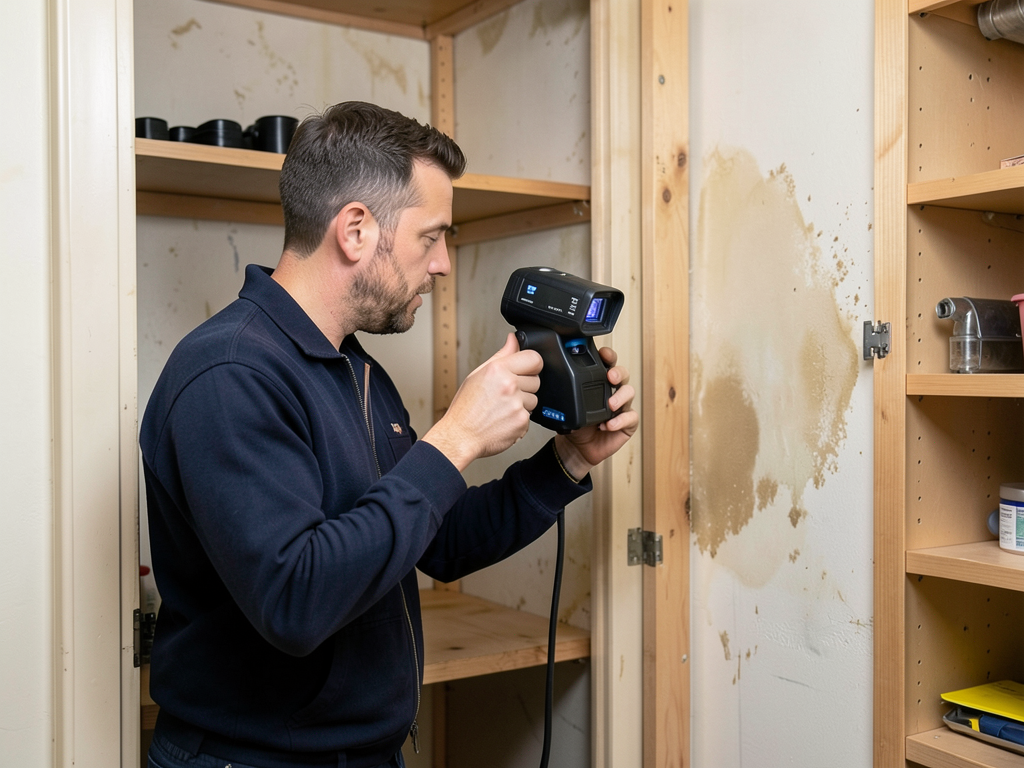
Insurance companies deny claims that lack proper documentation. We use thermal imaging cameras to map moisture intrusion, take detailed photographs of affected areas, and document the water source. Our moisture meters provide exact readings that prove when water damage occurred. This data establishes causation and timing, the two factors that determine whether is mold damage covered by insurance. We compile this into a comprehensive report that supports your position.
03

Claims Coordination Support

We communicate directly with insurance adjusters and provide detailed scope estimates. If your property insurance mold coverage includes remediation, we coordinate the approved work. If your claim gets denied or underpaid, we provide the documentation you need to appeal. Many San Francisco property owners successfully overturn denials when they present professional assessments that counter the adjuster's initial findings. We stay involved until your claim reaches resolution.

Why San Francisco Property Owners Trust Our Insurance Expertise

Insurance companies operate on data and documentation. Emotional appeals do not work. You need evidence that your mold resulted from a covered event and that you acted responsibly.

San Francisco presents unique challenges for mold remediation insurance claims. Many homes in Pacific Heights, Russian Hill, and Telegraph Hill date back to the early 1900s. These properties have outdated plumbing, inadequate ventilation, and construction methods that trap moisture. Insurance adjusters know this. They look for signs that mold resulted from inherent building defects rather than sudden water damage.

We understand California insurance regulations and how adjusters evaluate claims in older San Francisco properties. We know that mold behind Victorian lathe and plaster walls requires different documentation than mold in a modern Marina District condo. We tailor our assessment reports to address the specific questions adjusters ask about San Francisco housing stock.

Our relationships with local adjusters and claims supervisors help expedite the review process. When we submit documentation, adjusters know it will be thorough and accurate. This credibility benefits you during claims negotiations.

Does home insurance pay for mold removal? Often yes, when you present the right evidence. We have helped hundreds of San Francisco property owners secure coverage they initially thought was denied. The difference comes down to documentation quality and understanding policy language.

Summit Water Damage Restoration San Francisco does not work for insurance companies. We work for you. Our goal is maximizing your legitimate coverage while ensuring your property gets properly remediated. If your policy will not cover the work, we provide transparent pricing and flexible payment options. You get honest answers about homeowners insurance mold coverage without the sales pressure.

What to Expect When You Call About Mold Insurance Questions

Immediate Policy Consultation

We review your insurance policy language over the phone or during our initial visit. Most consultations take 20 to 30 minutes. You will learn exactly what homeowners insurance mold coverage you have, any sublimits that apply, and whether your situation likely qualifies for a claim. We explain the difference between covered perils and maintenance exclusions in plain language. If your policy includes mold coverage, we outline the documentation requirements. If it does not, we discuss alternative solutions. This consultation happens before you contact your insurance company, giving you clarity on your options.

Comprehensive Moisture Assessment

Our technicians use calibrated moisture meters and thermal imaging cameras to map water intrusion throughout your San Francisco property. We measure moisture content in walls, ceilings, and subfloors. We identify the water source and document the affected areas with photographs and detailed notes. This assessment creates the foundation for property insurance mold coverage claims. Insurance adjusters rely on this data to determine causation. We provide you with a complete report that includes moisture readings, thermal images, and a written narrative explaining how the water damage occurred. This documentation supports your position during claims review.

Professional Remediation Standards

We follow IICRC S520 mold remediation standards regardless of whether insurance covers the work. This includes containment barriers, HEPA air filtration, proper disposal of contaminated materials, and post-remediation verification testing. Insurance companies require this level of work when they approve mold remediation insurance claims. We document every step with photographs and detailed logs. You receive a complete record of the remediation process, including air quality test results that prove the mold was properly removed. This documentation protects you if future buyers or insurance companies question the quality of the work.

Ongoing Claims Support

We stay involved throughout your insurance claim process. If adjusters request additional documentation or have questions about our findings, we respond directly. If your claim gets denied, we review the denial letter and identify grounds for appeal. Many San Francisco property owners do not realize they can challenge claim denials with additional evidence. We provide supplemental reports, expert opinions, and detailed cost breakdowns that address the specific reasons for denial. This support continues until your claim reaches final resolution. Does home insurance pay for mold removal? With proper documentation and persistent advocacy, coverage often gets approved on appeal.

Frequently Asked Questions

You Have Questions,
We Have Answers

Should I tell my insurance company about mold? +

Yes, report mold to your insurance company if you discover it following a covered peril like a burst pipe or storm damage. Document the source and timeline carefully. San Francisco's fog and coastal humidity can complicate claims, so insurers scrutinize whether mold resulted from sudden damage or long-term neglect. Take photos immediately and note the water event that caused it. Failure to report promptly can jeopardize your claim. However, if mold stems from gradual moisture issues or poor maintenance, disclosure may lead to denial without helping your case.

Can you claim for mold on house insurance? +

You can claim mold damage if it results from a covered peril, such as a sudden pipe burst, appliance leak, or storm damage. Most San Francisco homeowners policies exclude mold from gradual moisture, humidity, or deferred maintenance. Review your policy's mold endorsement, which often caps payouts at $5,000 to $10,000. Properties in older San Francisco neighborhoods with Victorian-era plumbing face higher risk but need clear proof the mold arose from a sudden, accidental event. Document the water source and remediation timeline to strengthen your claim.

What are my rights if my insurance denies a mold claim? +

If your insurer denies your mold claim, request a written explanation citing the specific policy exclusion. Review your policy and the denial letter for errors. You can file an appeal with your carrier, providing additional documentation like plumber reports or moisture readings. If the denial seems unfair, contact the California Department of Insurance to file a complaint. San Francisco residents can also consult a public adjuster or attorney specializing in insurance disputes. Keep all records, photos, and correspondence organized to support your case.

What is an example of a mold claim for insurance? +

A typical mold claim involves a sudden water event followed by mold growth. For example, a San Francisco homeowner discovers a burst washing machine hose that flooded the laundry room. The water spreads under flooring for three days before detection. Mold begins growing on drywall and subflooring. The homeowner files a claim for water damage and mold remediation. The insurer covers the pipe repair and water extraction but disputes the mold component, arguing delayed discovery constitutes neglect. Documentation proving the timeline becomes critical.

Will my rates go up if I file a mold claim? +

Filing a mold claim can increase your premiums, though the impact varies by insurer and claim history. California insurers view mold claims as higher risk due to potential health liability and recurring damage. In San Francisco, where older housing stock and coastal moisture create mold vulnerability, multiple claims can trigger non-renewal. Weigh the claim payout against future rate hikes. Small mold issues under your deductible may cost less to handle out-of-pocket than risking premium increases or policy cancellation. Consider long-term insurance costs before filing.

What to do if you can't afford mold removal? +

If you cannot afford professional mold removal, address the moisture source first to stop growth. Small, surface-level mold on non-porous materials can be cleaned with detergent and water, though this does not replace professional remediation for larger infestations. San Francisco offers weatherization assistance programs through the SF Environment Department that may help fix underlying moisture issues. Contact local non-profits or community development agencies for emergency repair grants. Ignoring mold worsens structural damage and health risks, so prioritize stopping water intrusion immediately.

What is the average cost of mold remediation? +

Mold remediation costs vary widely based on severity and location. Small projects treating under 10 square feet may run several hundred dollars, while extensive contamination affecting multiple rooms or structural components can reach tens of thousands. San Francisco's higher labor costs and strict building codes increase expenses compared to other regions. Costs include containment, air filtration, material removal, antimicrobial treatment, and reconstruction. Hidden mold behind walls or under flooring adds expense. Always get multiple quotes and verify the remediator follows IICRC S520 standards.

How much does it cost to fix damp issues in a house? +

Fixing moisture problems depends on the source and extent. Minor issues like caulking gaps or improving ventilation cost a few hundred dollars. Significant problems such as foundation waterproofing, crawl space encapsulation, or pipe rerouting can range from several thousand to over ten thousand dollars. San Francisco's older homes with aging plumbing and limited ventilation often require comprehensive solutions. Addressing damp problems prevents mold and structural decay, protecting your property value. Get a moisture assessment from a qualified contractor to identify all contributing factors before starting repairs.

What are the signs of mold in a house? +

Visible mold appears as black, green, or white patches on walls, ceilings, or floors. You may notice a musty, earthy odor, especially in San Francisco homes with poor ventilation or fog exposure. Water stains, peeling paint, or warped surfaces indicate moisture problems that promote growth. Residents may experience allergic symptoms like sneezing, coughing, or eye irritation. Check bathrooms, basements, crawl spaces, and areas around windows. Hidden mold grows behind drywall or under flooring, detectable only through inspection or moisture meters.

What is the 80% rule in insurance? +

The 80% rule requires you to insure your home for at least 80% of its replacement cost to receive full claim payouts. If you underinsure, the carrier reduces payment proportionally. For example, if your San Francisco home needs $800,000 to rebuild but you carry only $500,000 in coverage, the insurer pays a reduced percentage of any claim. Rising construction costs in the Bay Area make annual policy reviews critical. Underinsurance leaves you financially exposed, especially after major water or fire damage requiring full reconstruction.

How San Francisco's Marine Climate Affects Mold Insurance Coverage Disputes

San Francisco's persistent fog and coastal humidity create moisture conditions that blur the line between sudden water damage and chronic environmental exposure. Insurance adjusters know that homes in the Outer Sunset, Richmond District, and parts of the Haight experience elevated humidity for six to eight months per year. When mold appears in these areas, adjusters scrutinize whether it resulted from a specific water event or simply from living near the Pacific Ocean. Property insurance mold coverage disputes in San Francisco often hinge on proving the mold came from a pipe leak, appliance failure, or roof damage rather than from ambient moisture. This is why documentation showing sudden water intrusion becomes critical for San Francisco homeowners seeking homeowners insurance mold coverage.

San Francisco building codes require mechanical ventilation in bathrooms and kitchens, but many older homes were built before these standards existed. Insurance companies use this against property owners, arguing that mold resulted from inadequate ventilation rather than covered water damage. We understand how to document the difference. Our assessments identify whether mold resulted from a specific water event or from building deficiencies. This distinction determines whether is mold damage covered by insurance or whether you face an out-of-pocket expense. Local expertise matters because San Francisco adjusters apply different standards than adjusters in drier California markets. We know what documentation San Francisco insurance reviewers expect and how to present your case effectively.
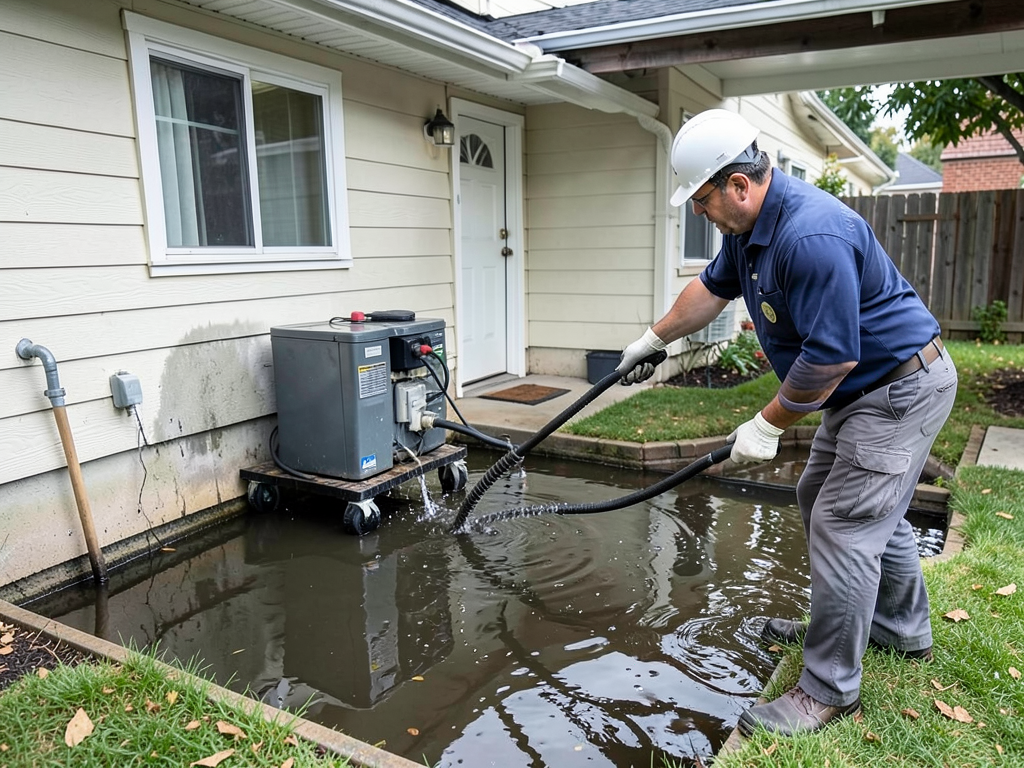

Water Damage Restoration Services in The San Francisco Area

Our commitment to rapid response means we cover the entire San Francisco area and surrounding communities. View the map below to visualize our primary service region, which includes key neighborhoods and business districts. Whether you are located in the Financial District, the Mission, or out toward the Sunset, you can trust our 24/7 team to reach you quickly. We proudly serve both residential and commercial clients across the entire map, guaranteeing a fast and effective mitigation service the moment you need us.

Address:
Summit Water Damage Restoration San Francisco, 1390 Market St, San Francisco, CA, 94102

Additional Services We Offer

Our news updates

Latest Articles & News from The Blogs

What to Do if Your New Backyard ADU Floods During a Heavy San Francisco Rain A sudden downpour in San…

What to Do if Your New Backyard ADU Floods During a Heavy San Francisco Rain

What to Do if Your New Backyard ADU Floods During a Heavy San Francisco Rain A sudden downpour in San…

Selecting a Restoration Partner for Vulnerable Residents in a Richmond District Care Home

Specialized Senior Living Water Restoration Services in San Francisco Water damage in a Richmond District care home requires more than…

Why Your Noe Valley High Efficiency Boiler Could Be Slowly Flooding Your Utility Closet

Why Your Noe Valley High Efficiency Boiler Could Be Slowly Flooding Your Utility Closet If you live in a Noe…

Contact Us

Stop guessing about your property insurance mold coverage. Call Summit Water Damage Restoration San Francisco at (415) 449-6555 for a free policy consultation. We review your coverage, assess your property, and provide clear answers about whether your insurance will pay for mold remediation.