menu

Peeling Paint & Wallpaper in San Francisco – Expert Diagnosis of Hidden Water Damage

We identify the hidden moisture source causing your peeling paint and wallpaper, then fix it correctly the first time so you avoid repeat failures and mold growth.

Slider Image 1
Slider Image 2
Slider Image 3
Slider Image 4
Slider Image 5
Slider Image 7
Slider Image 8
Slider Image 9
Slider Image 10
Slider Image 11

Why Your Walls Are Failing in San Francisco Homes

You notice bubbling paint near the window trim. A few days later, the wallpaper in your bedroom starts lifting at the seams. This is not a cosmetic problem. It is a water intrusion problem, and San Francisco's unique climate accelerates the damage.

San Francisco sits on a peninsula surrounded by cold Pacific water. Fog rolls in daily from the Golden Gate. This creates persistent condensation inside walls, especially in older Victorian and Edwardian homes with single-pane windows and minimal insulation. When warm indoor air meets cold exterior walls, moisture condenses inside the wall cavity. Paint blisters. Wallpaper peels. Drywall softens.

The problem worsens in neighborhoods like the Sunset and Richmond Districts, where fog lingers longer and salt air corrodes flashing around chimneys and skylights. A tiny gap in roof flashing can funnel water into wall cavities for months before you see blistering wall paint in the living room below.

Flaking paint is always a symptom. The root cause is water. It might be a pinhole leak in old galvanized plumbing hidden behind the drywall. It might be a failed shower pan in the upstairs bathroom. It might be condensation from an improperly vented dryer. You cannot fix it by repainting. You have to find the source, dry the structure, and repair the breach. Otherwise, mold grows behind the new paint within weeks.

Loose wallpaper near baseboards often signals foundation moisture wicking up through the slab, common in older San Francisco homes built before modern vapor barriers existed.

Why Your Walls Are Failing in San Francisco Homes
How We Diagnose and Fix the Real Problem

How We Diagnose and Fix the Real Problem

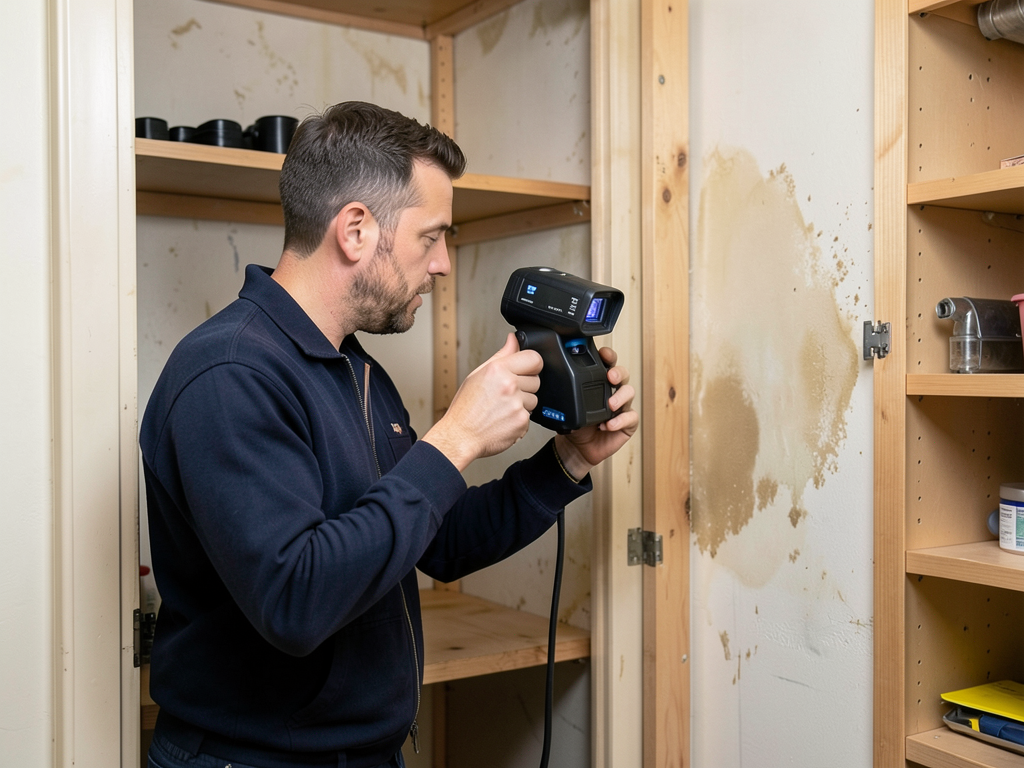
We do not patch and paint. We diagnose. Our process starts with moisture mapping using thermal imaging cameras and pin-type moisture meters. We scan the affected wall and adjacent areas to identify the wet zone. Elevated moisture readings tell us where water is hiding, even if the surface feels dry.

Next, we trace the source. If the moisture is concentrated near plumbing, we perform a static pressure test on supply lines to detect slow leaks. If the moisture is near exterior walls, we inspect flashing, window seals, and siding for breaches. If the moisture is uniform across a large area, we check for condensation issues caused by poor ventilation or missing vapor barriers.

Once we locate the source, we document it with photos and moisture readings. This documentation is critical if you plan to file an insurance claim for water damage. We then extract standing water using truck-mounted extractors, remove damaged materials like soaked drywall or insulation, and set up commercial-grade air movers and dehumidifiers to dry the structure to below 15 percent moisture content, the threshold for mold growth.

We do not rush the drying process. San Francisco's cool, humid air slows evaporation. A wall that feels dry to the touch might still hold 20 percent moisture content deep in the framing. We monitor daily with meters and adjust equipment placement to ensure complete drying. Only then do we proceed to repairs.

Our technicians understand San Francisco building codes and the quirks of older construction. We know how to work around knob-and-tube wiring in Victorians and how to preserve original plaster walls when possible.

What Happens During Your Water Damage Assessment

Peeling Paint & Wallpaper in San Francisco – Expert Diagnosis of Hidden Water Damage
01

Immediate Moisture Detection

We arrive within hours of your call and begin scanning walls with thermal imaging cameras to identify temperature differentials that indicate hidden moisture. Pin-type meters confirm exact moisture content in drywall, studs, and insulation. We map the full extent of water intrusion, not just the visible damage. This prevents missed pockets of moisture that lead to mold.
02

Source Identification

We trace moisture back to its origin using inspection cameras, pressure tests on plumbing, and visual inspection of roofing and exterior penetrations. Common culprits in San Francisco include failed window flashing, corroded copper supply lines, and condensation from improperly vented bathrooms. We provide a written report detailing the cause, the extent of damage, and the required repairs before any work begins.
03

Controlled Structural Drying

We place air movers and dehumidifiers strategically to create airflow through wall cavities and drop moisture content below safe thresholds. Drying takes 3 to 7 days depending on materials and saturation levels. We monitor daily and adjust equipment. Once moisture levels stabilize below 15 percent, we remove equipment and prepare the area for reconstruction. This prevents mold and ensures paint adheres properly.

Why San Francisco Homeowners Choose Summit Water Damage Restoration

San Francisco homes are not like homes in other cities. Victorians have plaster walls over wood lath, not drywall. Edwardians have balloon framing with no fire blocking between floors. Post-1906 earthquake rebuilds used old-growth redwood that behaves differently than modern lumber when wet. You need technicians who understand these details.

We work in the Outer Richmond, Noe Valley, the Mission, and the Haight every week. We know that homes near Ocean Beach deal with salt air corrosion. We know that homes in Potrero Hill and Bernal Heights have foundation settlement issues that crack stucco and allow water intrusion. We know that Marina District homes built on fill have unique moisture problems tied to soil composition.

Our technicians are trained in water damage restoration and familiar with San Francisco Department of Building Inspection requirements. If your repair requires a permit, we pull it. If your home is in a historic district, we coordinate with the Planning Department to ensure compliance. We work with your insurance adjuster to document damage and justify the scope of repairs.

We also understand the urgency. A leak in a $2 million Victorian is not just a maintenance issue. It is a financial and emotional crisis. We answer calls 24/7 because water does not wait for business hours. We arrive fast, work efficiently, and communicate clearly.

You are not hiring a generic restoration franchise. You are hiring a team that knows your neighborhood, your home's construction style, and the specific water challenges that San Francisco's climate creates. That local knowledge prevents mistakes and speeds recovery.

What to Expect When You Call Us

Response Time

We dispatch a technician within 90 minutes of your call, 24 hours a day. Water damage worsens by the hour. Drywall that could have been dried in place becomes unsalvageable after 48 hours. Mold begins colonizing within 24 to 48 hours in San Francisco's humid climate. Speed matters. We arrive with moisture meters, thermal cameras, and initial drying equipment on the first visit. If the damage is severe, we bring a full mitigation crew within hours to extract water and begin drying.

Initial Assessment Process

Your assessment takes 30 to 60 minutes depending on the size of the affected area. We scan all adjacent rooms to identify hidden moisture migration. We test moisture content in floors, walls, and ceilings. We photograph everything for your records and insurance documentation. You receive a written scope of work outlining the drying plan, estimated timeline, and material removal requirements before we begin. There are no surprises. We explain what we found, why it happened, and what needs to happen next in plain language.

Final Results

When we finish, your structure is dry, stable, and ready for reconstruction. You receive a completion report with final moisture readings proving the structure meets industry drying standards. If you hire us for reconstruction, we match existing finishes as closely as possible. In historic homes, we preserve original plaster and millwork whenever feasible. If reconstruction requires a separate contractor, we coordinate the handoff and provide all documentation they need to complete repairs correctly. The goal is a home that looks like the damage never happened.

Ongoing Monitoring

We do not disappear after drying. We return for a 30-day follow-up inspection to confirm the structure remains dry and no secondary moisture issues have developed. If we repaired the water source, we verify the repair is holding. If you need additional services like mold testing or air quality analysis, we coordinate with certified third-party inspectors. San Francisco's climate creates ongoing moisture challenges. We provide recommendations for dehumidification, ventilation improvements, and preventive maintenance to reduce future risk. You have our number if problems reoccur.

Frequently Asked Questions

You Have Questions,
We Have Answers

Why is my paint peeling off the wall like wallpaper? +

Paint peels in sheets when moisture gets trapped between layers or behind the paint film. In San Francisco, this happens often due to fog exposure and interior condensation. Poor surface prep, painting over dirty or glossy surfaces, or using low-quality primer causes adhesion failure. Water intrusion from leaks, high humidity in bathrooms and kitchens, or moisture vapor pushing through walls from the outside creates blistering that leads to large-scale peeling. The paint loses its bond and comes off in chunks. You need to identify the moisture source first, then remove all loose material before repainting.

What to do if paint is peeling off the wall? +

Stop the problem by finding and fixing the moisture source. Scrape off all loose, peeling paint with a putty knife or paint scraper. Sand the edges smooth so transitions are not visible. Clean the surface completely to remove dust, grease, and debris. In San Francisco's damp climate, allow walls to dry fully before proceeding. Apply a bonding primer to seal the surface and create adhesion. Fill low spots with spackling compound if needed. Sand again, then apply two coats of quality paint. Address leaks, improve ventilation, or install exhaust fans to prevent recurrence.

Is it cheaper to paint or peel and stick wallpaper? +

Paint costs less upfront than peel-and-stick wallpaper. A gallon of quality paint covers 350-400 square feet and runs less than most wallpaper options per square foot. Peel-and-stick wallpaper costs more initially but requires no primer or multiple coats. For renters in San Francisco apartments, peel-and-stick offers easy removal without damage. Paint lasts longer and handles moisture better, which matters in San Francisco's foggy climate. Factor in surface prep costs for both. If walls need extensive repair, paint gives you more flexibility. Long-term durability favors paint for owned properties.

Can I paint over paint that is peeling? +

No. Painting over peeling paint traps the problem and creates more failure. The new paint cannot bond properly to loose, flaking surfaces. The weight of wet paint pulls down the compromised layers underneath. Within weeks or months, the fresh coat will peel too, wasting time and money. You must scrape off all loose material first. Remove paint until you reach a stable, well-bonded surface. Sand the edges smooth, clean thoroughly, then prime bare spots before applying finish coats. Skipping this step guarantees repeated failure, especially in San Francisco's moisture-prone environment.

Will Kilz stop peeling paint? +

Kilz primer will not stop paint that is actively peeling. It covers stains and seals surfaces, but cannot re-bond loose paint to the wall. You must remove all failing material first. Scrape off peeling sections down to a stable surface, sand the edges, then apply Kilz to seal bare spots and create a uniform base. Kilz works well on properly prepped surfaces and helps prevent future peeling by blocking moisture and improving adhesion. In San Francisco, where moisture drives most paint failure, addressing the underlying water source matters more than any primer brand. Prep work determines success.

Should I scrape off all the peeling paint? +

Yes. Remove all loose, peeling paint before repainting. Any compromised material will continue failing and pull down new coats. Scrape until you reach paint that is firmly bonded to the substrate. Test edges by pressing with your thumb. If it lifts or flakes, keep scraping. In San Francisco's older homes, you may find multiple layers of old paint. Remove everything that is not stable. This creates more prep work but ensures a durable finish. Sand the transitions smooth, prime bare areas, and your new paint will bond correctly and last years instead of months.

What is the difference between flaking and peeling paint? +

Flaking describes small chips or fragments breaking off the surface, while peeling involves larger sections of paint separating in sheets or curls. Flaking comes from surface deterioration, UV exposure, or paint that has reached the end of its lifespan. Peeling indicates adhesion failure caused by moisture intrusion, poor prep, or incompatible paint layers. In San Francisco, coastal fog and salt air accelerate both conditions on exterior surfaces. Flaking requires less aggressive prep work. Peeling demands complete removal of the compromised layer. Both need moisture control and proper surface preparation before repainting to prevent recurrence.

What do you put on walls to stop paint peeling? +

Apply a high-quality bonding primer to properly prepped surfaces. The primer creates adhesion between the substrate and finish coats. Fix moisture problems first. Install or repair vapor barriers in bathrooms, improve ventilation with exhaust fans, and seal leaks. In San Francisco's fog belt, exterior moisture control matters. Use breathable exterior paint that allows water vapor to escape. Repair damaged caulking around windows and doors. Address condensation issues by improving airflow. Prime with products designed for problem surfaces. The key is eliminating the moisture source, not just covering symptoms. Proper prep and the right products prevent future peeling.

Can you put primer over peeling paint? +

No. Primer cannot bond to loose, peeling paint. The failing layer underneath will continue separating, taking your primer and finish coats with it. Primer works on stable, clean, properly prepared surfaces. You must scrape off all peeling material first. Remove paint until you reach a firm, well-bonded layer. Sand the edges to feather transitions. Clean the surface completely. Then apply primer to bare spots and previously painted areas to create a uniform base. In San Francisco's damp conditions, allow surfaces to dry fully before priming. Shortcuts guarantee failure. Proper prep takes time but delivers lasting results.

What is the cost of painting a 1000 sq ft house? +

Painting costs vary based on surface condition, prep needs, paint quality, and labor rates. San Francisco's higher cost of living affects contractor pricing. A 1000 square foot house typically needs more than 1000 square feet of paintable surface when you include walls, ceilings, and trim. Extensive scraping, priming, and repair work increase costs. Quality paint costs more but lasts longer in San Francisco's coastal climate. Interior projects differ from exterior work. Get multiple written estimates that specify prep work, materials, and labor separately. Proper preparation drives final cost more than paint selection in most cases.

How San Francisco's Fog and Salt Air Accelerate Paint Failure

San Francisco's marine layer fog brings moisture and salt into contact with exterior surfaces daily. Salt is hygroscopic, meaning it absorbs water from the air. When salt deposits accumulate on siding, window frames, or roof flashing, they pull moisture into the material. This moisture then migrates through walls via capillary action and vapor diffusion, wetting insulation and drywall from the inside out. Paint loses adhesion. Wallpaper delaminates. This cycle is worst in western neighborhoods like the Outer Sunset, where fog exposure is heaviest, and in areas near the Presidio and Golden Gate Park, where wind-driven salt spray reaches blocks inland.

San Francisco's building stock includes thousands of Victorians, Edwardians, and early 20th-century homes built before modern moisture management systems existed. These homes lack vapor barriers, rely on gravity drainage instead of positive drainage planes, and use materials like wood siding and plaster that are vulnerable to moisture intrusion. Understanding how these older systems fail and how to repair them without destroying historic character requires local experience. We work with San Francisco homes daily and understand the building methods used in different eras and neighborhoods. That expertise prevents costly mistakes and ensures repairs last.
Water Damage Restoration Services in The San Francisco Area

Our commitment to rapid response means we cover the entire San Francisco area and surrounding communities. View the map below to visualize our primary service region, which includes key neighborhoods and business districts. Whether you are located in the Financial District, the Mission, or out toward the Sunset, you can trust our 24/7 team to reach you quickly. We proudly serve both residential and commercial clients across the entire map, guaranteeing a fast and effective mitigation service the moment you need us.

Address:
Summit Water Damage Restoration San Francisco, 1390 Market St, San Francisco, CA, 94102

Additional Services We Offer

Our news updates

Latest Articles & News from The Blogs

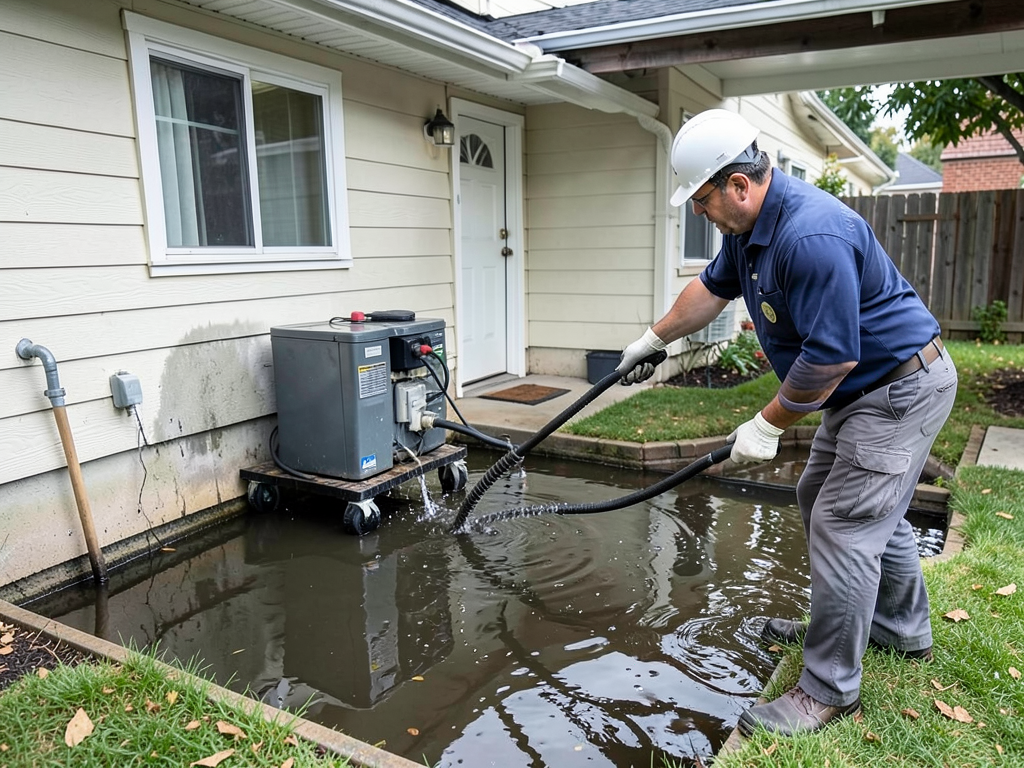
What to Do if Your New Backyard ADU Floods During a Heavy San Francisco Rain A sudden downpour in San…

What to Do if Your New Backyard ADU Floods During a Heavy San Francisco Rain

What to Do if Your New Backyard ADU Floods During a Heavy San Francisco Rain A sudden downpour in San…

Selecting a Restoration Partner for Vulnerable Residents in a Richmond District Care Home

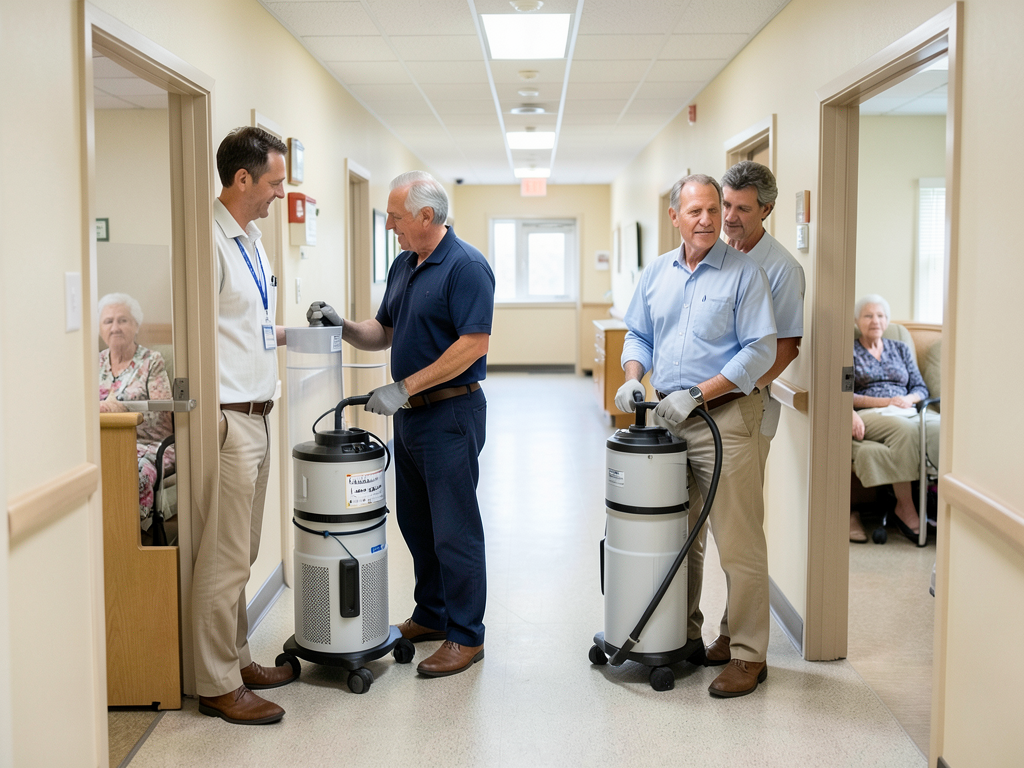
Specialized Senior Living Water Restoration Services in San Francisco Water damage in a Richmond District care home requires more than…

Why Your Noe Valley High Efficiency Boiler Could Be Slowly Flooding Your Utility Closet

Why Your Noe Valley High Efficiency Boiler Could Be Slowly Flooding Your Utility Closet If you live in a Noe…

Contact Us

Peeling paint and loose wallpaper mean water is inside your walls right now. The longer you wait, the worse it gets. Call Summit Water Damage Restoration San Francisco at (415) 449-6555. We will be there fast.