menu

Burst Pipe Water Damage in San Francisco – 24/7 Emergency Response Teams Ready Now

When a ruptured pipe floods your property, Summit Water Damage Restoration San Francisco dispatches certified crews within 60 minutes to stop further damage, extract standing water, and begin drying your structure before mold takes hold.

Slider Image 1
Slider Image 2
Slider Image 3
Slider Image 4
Slider Image 5
Slider Image 7
Slider Image 8
Slider Image 9
Slider Image 10
Slider Image 11

Why Burst Pipes Devastate San Francisco Properties Faster Than You Think

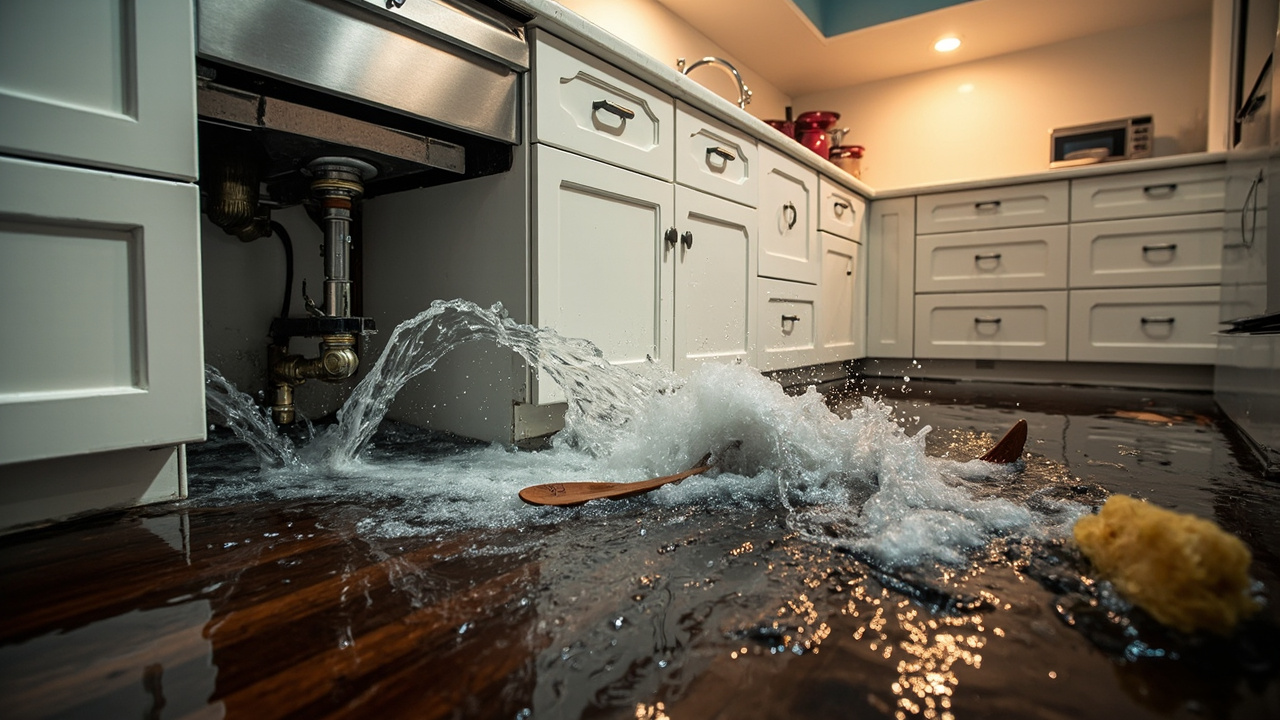
A single broken pipe releases up to 400 gallons of water per hour into your walls, floors, and belongings. In San Francisco's mild, damp climate, that water seeps into aging Victorian wood framing and historic plaster, creating the perfect conditions for structural rot and mold growth within 24 to 48 hours.

San Francisco's aging housing stock makes burst pipe flooding especially dangerous. Many homes in the Richmond, Sunset, and Mission districts feature galvanized steel pipes installed decades ago. These pipes corrode from the inside, thinning until winter cold snaps or sudden pressure changes cause catastrophic failure. When that happens, you face more than a simple leak. You face water damage from burst pipe events that saturate insulation, buckle hardwood floors, and destroy drywall.

The city's Victorian and Edwardian homes present unique challenges. Balloon framing allows water to travel vertically through wall cavities, spreading ruptured pipe water damage across multiple floors before you even notice the problem. By the time you see water stains on your ceiling or pooling on your floor, hidden damage has already compromised structural members.

Older apartment buildings in the Tenderloin and South of Market face similar risks. Cast iron drain stacks and ancient supply lines fail without warning, flooding multiple units and creating liability nightmares for property owners. The longer water sits, the worse the damage becomes. Porous materials absorb moisture, electrical systems corrode, and microbial growth begins colonizing wet surfaces.

Fast action matters. Burst pipe water cleanup must start immediately to prevent secondary damage that costs far more than the initial flood.

Why Burst Pipes Devastate San Francisco Properties Faster Than You Think
How We Stop Burst Pipe Water Damage Before It Destroys Your Property

How We Stop Burst Pipe Water Damage Before It Destroys Your Property

Summit Water Damage Restoration San Francisco follows a rapid containment protocol designed specifically for broken pipe water damage scenarios. We do not wait for insurance approval to start extraction. Our crews arrive with truck-mounted extraction units capable of removing thousands of gallons per hour, commercial air movers that create directional airflow through wall cavities, and low-grain refrigerant dehumidifiers that pull moisture from the air faster than conventional units.

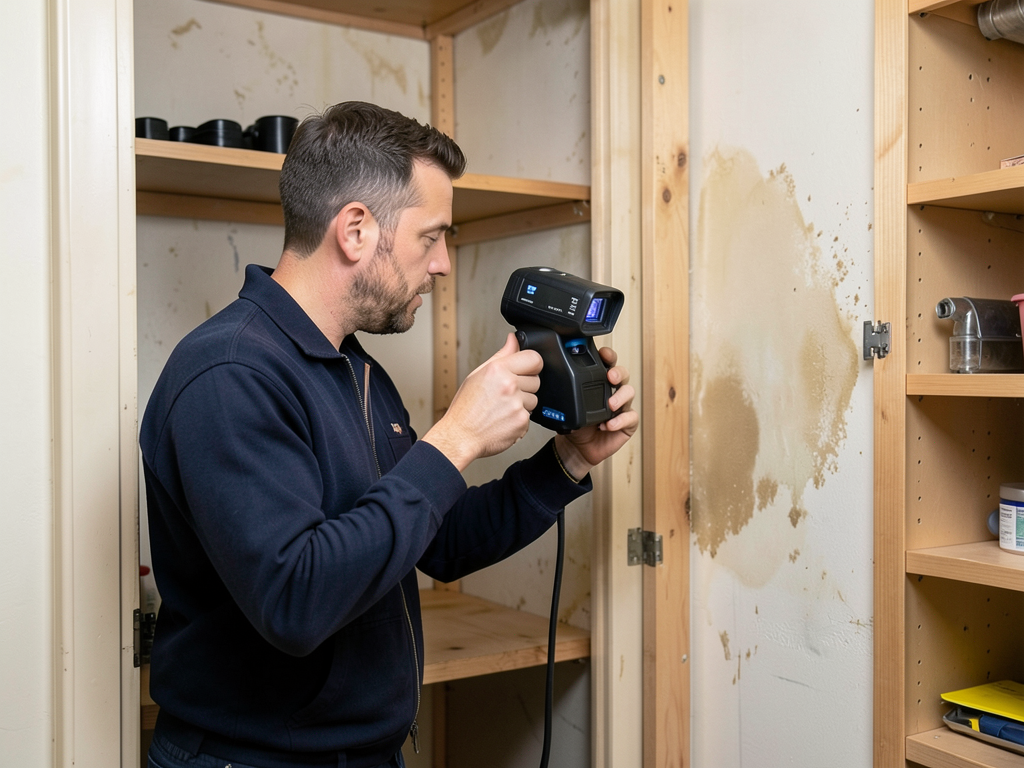
First, we isolate the water source and document the affected areas using thermal imaging cameras. These cameras detect hidden moisture inside walls and under flooring without invasive demolition. We map the full extent of water migration, including areas you cannot see. This prevents surprise mold discoveries weeks later.

Next, we extract standing water using weighted wands that remove water from carpet padding and subfloors. Surface extraction is not enough. Water wicks downward into underlayment and floor joists, where it causes structural damage if left untreated. We pull moisture from these hidden layers using specialized extraction tools designed for flood cleanup operations.

Then we establish controlled drying environments. Our technicians position air movers to force moisture-laden air across wet surfaces and toward dehumidifiers. We monitor moisture content in structural materials using pin-type and pinless moisture meters, adjusting equipment placement daily based on actual readings. Drying is not guesswork. It is a calculated process targeting specific moisture content levels in wood framing, drywall, and concrete.

We also protect unaffected areas. Burst pipe flooding releases dirty water containing rust, sediment, and potential contaminants. We establish containment barriers using plastic sheeting and negative air pressure to prevent cross-contamination of clean spaces.

What Happens When You Call for Burst Pipe Emergency Service

Burst Pipe Water Damage in San Francisco – 24/7 Emergency Response Teams Ready Now
01

Immediate Water Extraction

Our crew arrives with truck-mounted extraction pumps and portable units to remove standing water from all affected areas. We extract water from carpets, padding, and porous flooring using weighted extraction tools that pull moisture from deep within materials. Speed matters here. Every minute water remains in contact with building materials increases absorption and structural damage. We document water levels and affected areas with photos and moisture readings for your insurance claim.
02

Structural Drying Setup

We position commercial air movers and dehumidifiers throughout your property to create controlled drying conditions. Air movers force airflow across wet surfaces and into wall cavities, while dehumidifiers extract moisture from the air. We use thermal imaging to identify hidden moisture pockets behind walls and under floors, then target those areas with focused airflow. Our technicians monitor humidity levels and material moisture content twice daily, adjusting equipment placement based on actual drying progress rather than guesswork.
03

Final Verification and Restoration

Once moisture levels in structural materials reach acceptable standards, we remove drying equipment and perform final verification testing. We document that wood framing, subfloors, and wall cavities have returned to normal moisture content. This prevents future mold growth and structural issues. If demolition was necessary, we coordinate reconstruction to restore your property to pre-loss condition. You receive detailed documentation of all work performed, moisture readings throughout the process, and verification that your property is dry and safe.

Why San Francisco Property Owners Choose Summit for Ruptured Pipe Water Damage

Summit Water Damage Restoration San Francisco understands the unique construction challenges in this city. We have restored hundreds of Victorian homes, Edwardian flats, and historic apartment buildings damaged by burst pipe flooding. Our technicians know how water travels through balloon-framed walls, how to dry historic plaster without causing additional damage, and how to work around knob-and-tube wiring still present in older neighborhoods.

San Francisco's Department of Building Inspection enforces strict codes for water damage restoration, especially in historic districts. We maintain full compliance with local permitting requirements and work directly with building inspectors when structural repairs require approval. This prevents costly delays and ensures your restoration meets city standards.

Our teams also understand the insurance landscape in San Francisco. We work with every major carrier serving the Bay Area and know exactly what documentation they require for burst pipe water damage claims. We photograph damage progression, maintain detailed moisture logs, and provide the technical reports your adjuster needs to process your claim quickly. This reduces your out-of-pocket expense and speeds up the entire restoration process.

Response time matters in San Francisco's competitive real estate market. Rental property owners cannot afford extended vacancies while waiting for repairs. We prioritize fast turnaround without cutting corners on drying or documentation. Our project managers coordinate all phases of restoration, from emergency extraction through final reconstruction, so you deal with one team instead of juggling multiple contractors.

We also carry general liability coverage and workers compensation insurance specific to California requirements. This protects you from liability if accidents occur during restoration work on your property.

What to Expect During Burst Pipe Water Cleanup and Restoration

Emergency Response Timing

We dispatch crews 24 hours a day, every day of the year. Most San Francisco locations receive response within 60 minutes of your call. Our trucks carry extraction equipment, air movers, dehumidifiers, and moisture detection tools, so we begin mitigation immediately upon arrival. You do not wait days for equipment delivery. Emergency extraction and initial setup typically complete within 3 to 4 hours, depending on the size of the affected area. Drying equipment remains in place for 3 to 7 days, with daily monitoring visits to track progress and adjust equipment placement.

Initial Property Assessment

Our lead technician walks through your property with thermal imaging cameras and moisture meters to map the full extent of water migration. We check wall cavities, subfloors, crawl spaces, and adjacent rooms for hidden moisture. You receive a detailed assessment that identifies all affected materials, moisture levels in structural components, and recommended mitigation steps. We document everything with photos and written reports for your insurance claim. This assessment takes 30 to 60 minutes and provides the roadmap for your entire restoration project. We explain findings in plain language and answer questions about the drying process and expected timeline.

Final Drying Results

We do not remove equipment until structural materials reach normal moisture content levels verified by scientific measurement. Wood framing must measure below 15% moisture content. Concrete and drywall must reach levels consistent with unaffected areas of your property. You receive documentation showing moisture readings at the start of drying and final readings proving complete drying. This prevents mold growth and structural problems months later. If demolition was required, we coordinate reconstruction with licensed contractors familiar with San Francisco building codes. Your property returns to pre-loss condition, not just dry but fully restored.

Post-Restoration Support

After completing restoration, we provide recommendations for preventing future burst pipe water damage. This includes identifying aging plumbing that poses risk, suggesting pipe insulation for vulnerable supply lines, and explaining warning signs of impending pipe failure. You receive copies of all moisture logs, thermal images, and final verification testing. If issues arise after we complete work, we respond quickly to address concerns. Our goal is complete customer satisfaction, not just completing a job and moving on. We also remain available to answer questions from your insurance company or provide additional documentation if needed during the claims process.

Frequently Asked Questions

You Have Questions,
We Have Answers

Will insurance cover water damage from burst pipe? +

Most homeowners insurance policies cover sudden and accidental water damage from burst pipes. Coverage includes the cost to repair structural damage, replace flooring, drywall, and personal belongings. Insurance does not cover damage from neglect or poor maintenance. If a pipe bursts due to freezing because you turned off the heat while away, your claim may be denied. In San Francisco, where freezing is rare but older pipe infrastructure is common, document the damage immediately with photos. Contact your insurer within 24 hours and start mitigation to prevent mold. Review your policy limits and deductible before filing.

How many hours below freezing to freeze pipes? +

Pipes can freeze in as little as 6 hours when temperatures drop below 20 degrees Fahrenheit, especially in unheated areas like basements, crawl spaces, or exterior walls. The exact time depends on insulation, wind chill, and pipe material. In San Francisco, hard freezes are uncommon, but coastal fog and microclimates in neighborhoods like the Sunset or Richmond can create cold pockets. Pipes in older Victorian homes with minimal wall insulation are vulnerable. If temperatures dip into the low 30s overnight, let faucets drip slightly. Open cabinet doors under sinks to circulate warm air around pipes.

Who is responsible for burst water pipes? +

Responsibility depends on the pipe location and cause. Homeowners are responsible for pipes within their property lines, including interior plumbing and private lateral lines. If a city water main bursts on public property, the San Francisco Public Utilities Commission handles repairs. Landlords are responsible for burst pipes in rental units unless tenant neglect caused the failure. In condos, HOA bylaws determine responsibility. If a shared pipe bursts, the HOA may cover it. If the pipe is within your unit, you pay. Document everything and review your lease or HOA agreement immediately after a burst.

What to do immediately after a pipe bursts? +

Shut off the main water supply immediately to stop flooding. Locate your shut-off valve near the water meter or street. Turn off electricity to affected areas to prevent electrocution. Move furniture, electronics, and valuables to dry areas. Start water extraction with towels, mops, or a wet vac if safe. Open windows to increase ventilation and reduce humidity. Take photos and videos for insurance documentation. Call a licensed plumber to repair the pipe and a water damage restoration company to begin drying and mitigation. In San Francisco, contact your insurer within 24 hours to file a claim.

What is the average insurance payout for water damage? +

The average insurance payout for water damage ranges from $3,000 to $10,000, but severe burst pipe incidents can exceed $20,000. Payouts depend on damage extent, policy limits, and your deductible. Flooring replacement, structural drying, mold remediation, and content loss all affect the total. In San Francisco, older homes with plaster walls or hardwood floors may see higher payouts due to repair complexity. Insurance covers mitigation and restoration but not preventable damage from neglect. Review your policy to understand dwelling coverage limits, personal property limits, and whether you have replacement cost or actual cash value coverage.

Why would insurance deny a water damage claim? +

Insurers deny water damage claims for several reasons. The most common is gradual damage or neglect, not sudden events. If a pipe leaked for weeks and you ignored it, the claim fails. Freezing damage may be denied if you turned off heat while traveling without draining pipes. Lack of maintenance, like failing to replace corroded pipes, voids coverage. In San Francisco, older homes with galvanized steel or polybutylene pipes face higher denial risk. Delayed reporting also triggers denials. Always document damage immediately, maintain your plumbing system, and follow policy requirements for vacant properties.

At what temperature should I drip my faucets? +

Let faucets drip when temperatures drop below 28 degrees Fahrenheit, especially overnight. A slow drip keeps water moving, reducing freeze risk. Focus on faucets connected to pipes in exterior walls, unheated basements, or crawl spaces. In San Francisco, freezing is rare, but neighborhoods with older homes and poor insulation like the Outer Sunset or Excelsior may experience cold snaps. Let both hot and cold water drip slightly. Open cabinet doors under sinks to allow warm air circulation. Dripping faucets cost a few dollars in water bills but prevent thousands in burst pipe damage.

What are signs of pipe damage after freezing? +

Signs of pipe damage after freezing include reduced water pressure, discolored or rusty water, strange clanking or banging noises, and visible frost on exposed pipes. You may smell mold or mildew if a hidden leak developed. Check for water stains on ceilings, walls, or floors near plumbing. In San Francisco Victorian homes, look for bubbling paint or warped baseboards. Turn on all faucets to test flow. If one faucet produces no water, a frozen blockage or crack exists upstream. Inspect crawl spaces, attics, and exterior walls. Call a plumber immediately if you suspect pipe damage.

What type of pipes burst most easily? +

Copper pipes and PEX pipes are more freeze-resistant than rigid plastic or galvanized steel. CPVC and PVC pipes burst most easily because they lack flexibility. Galvanized steel pipes, common in older San Francisco homes, corrode and weaken over time, making them vulnerable. Pipes in exterior walls, unheated crawl spaces, and attics freeze first. Small-diameter pipes freeze faster than large supply lines. Outdoor hose bibs and irrigation lines are highly susceptible. In San Francisco, many homes built before 1950 still have outdated piping. Insulate exposed pipes with foam sleeves and replace old galvanized lines to prevent bursts.

How much does a plumber cost to fix a burst pipe? +

Plumbers in San Francisco charge $150 to $450 per hour for emergency burst pipe repairs, with total costs ranging from $500 to $3,000 depending on pipe location, material, and damage extent. Simple fixes like replacing a short section of exposed pipe cost less. Hidden pipes behind walls or under slabs require drywall removal and excavation, increasing costs. Permits may be required for major repairs. Emergency after-hours calls add surcharges. Repair costs do not include water damage restoration, which addresses flooring, drywall, and mold. Always get multiple quotes and verify the plumber holds a valid California contractor license.

How San Francisco's Aging Infrastructure Creates Burst Pipe Emergencies

San Francisco's housing stock is among the oldest in California, with over 50% of homes built before 1940. These historic properties feature galvanized steel and cast iron plumbing that corrodes from decades of use. The city's mild winters create freeze-thaw cycles less dramatic than other regions, but sudden temperature drops during atmospheric river storms cause rapid pipe contraction that splits already-weakened pipes. Victorian homes in the Haight, Western Addition, and Bernal Heights face additional risk from original plumbing never designed for modern water pressure. When these pipes fail, water floods intricate wood framing and hidden wall cavities, creating extensive damage before the leak becomes visible.

Summit Water Damage Restoration San Francisco maintains close working relationships with local plumbers, building inspectors, and historic preservation specialists. We understand the unique requirements for working in San Francisco's historic districts, where restoration must preserve original architectural features while meeting modern building codes. Our technicians receive ongoing training in water damage mitigation techniques specific to older construction methods. This local expertise ensures we protect your property's value while thoroughly addressing broken pipe water damage. San Francisco property owners need restoration teams who understand Victorian construction, not generic contractors applying one-size-fits-all solutions.
Water Damage Restoration Services in The San Francisco Area

Our commitment to rapid response means we cover the entire San Francisco area and surrounding communities. View the map below to visualize our primary service region, which includes key neighborhoods and business districts. Whether you are located in the Financial District, the Mission, or out toward the Sunset, you can trust our 24/7 team to reach you quickly. We proudly serve both residential and commercial clients across the entire map, guaranteeing a fast and effective mitigation service the moment you need us.

Address:
Summit Water Damage Restoration San Francisco, 1390 Market St, San Francisco, CA, 94102

Additional Services We Offer

Our news updates

Latest Articles & News from The Blogs

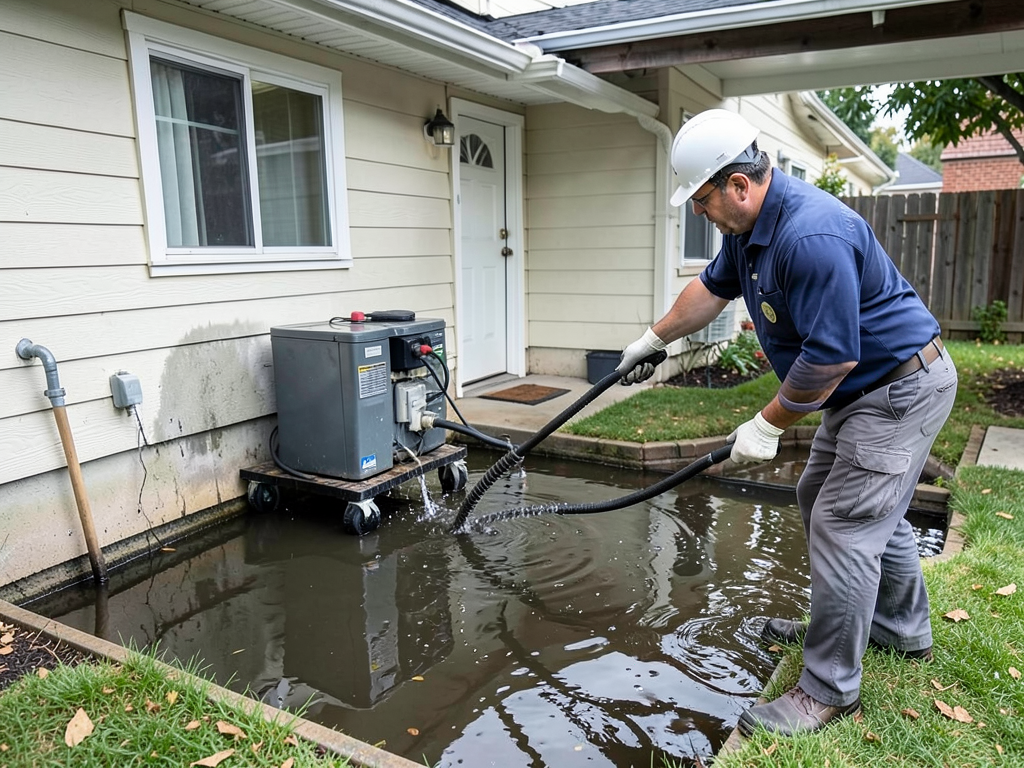
What to Do if Your New Backyard ADU Floods During a Heavy San Francisco Rain A sudden downpour in San…

What to Do if Your New Backyard ADU Floods During a Heavy San Francisco Rain

What to Do if Your New Backyard ADU Floods During a Heavy San Francisco Rain A sudden downpour in San…

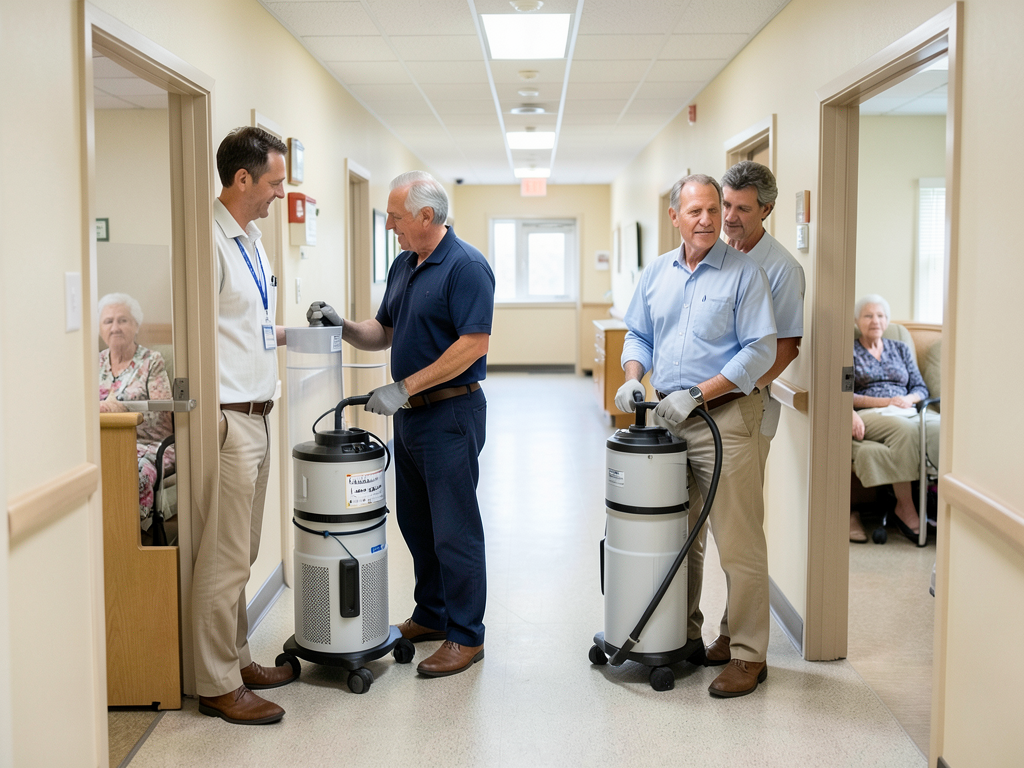
Selecting a Restoration Partner for Vulnerable Residents in a Richmond District Care Home

Specialized Senior Living Water Restoration Services in San Francisco Water damage in a Richmond District care home requires more than…

Why Your Noe Valley High Efficiency Boiler Could Be Slowly Flooding Your Utility Closet

Why Your Noe Valley High Efficiency Boiler Could Be Slowly Flooding Your Utility Closet If you live in a Noe…

Contact Us

Every minute counts when water floods your property. Call Summit Water Damage Restoration San Francisco now at (415) 449-6555 for immediate dispatch. Our crews respond 24/7 with full extraction and drying equipment. We stop the damage, dry your property completely, and handle your insurance paperwork from start to finish.