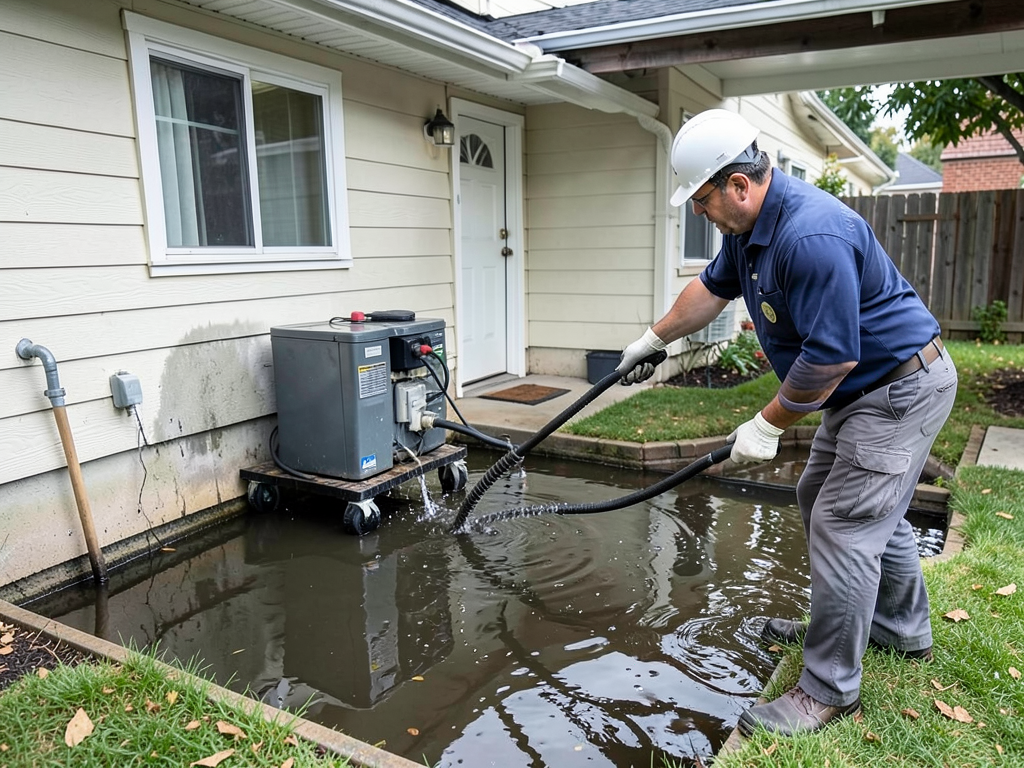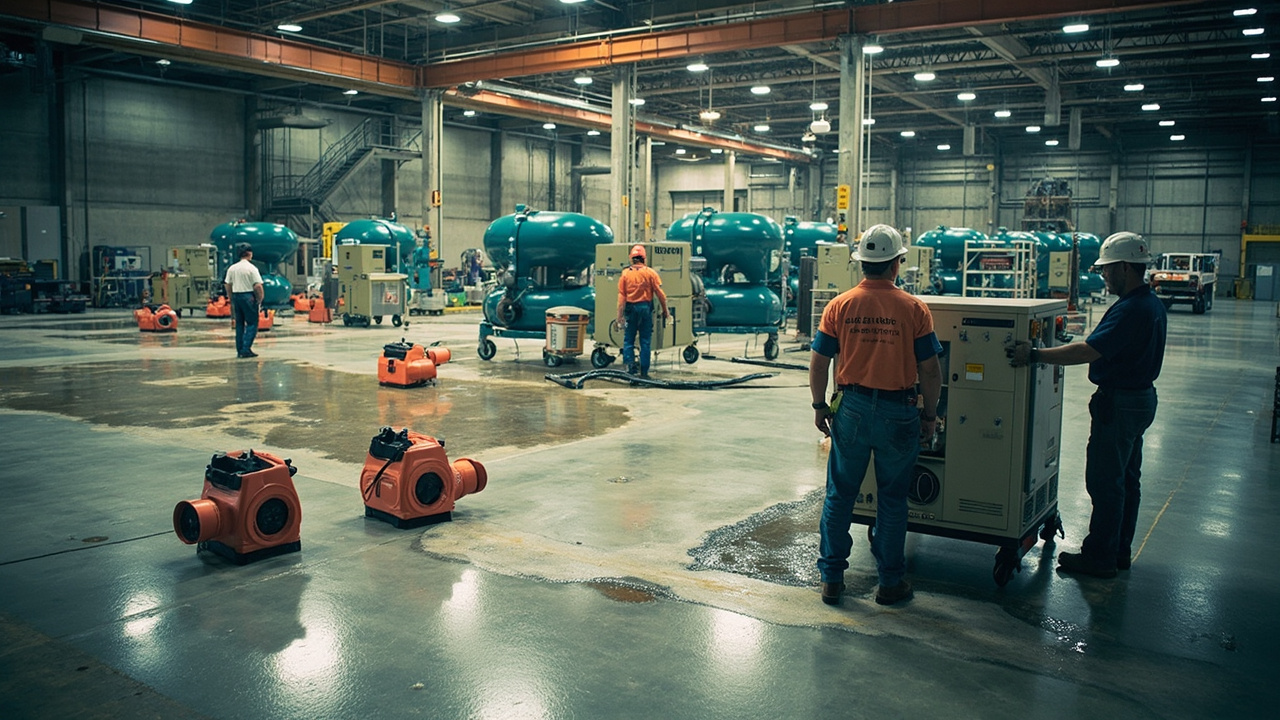
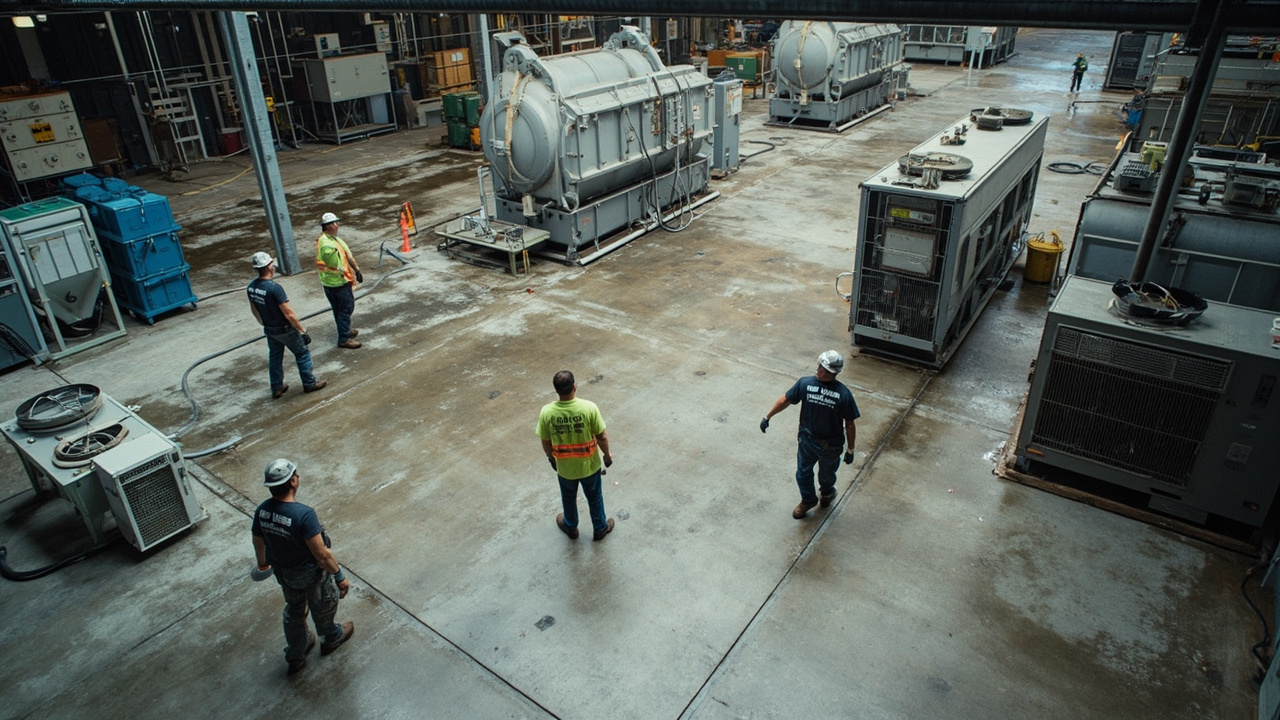

San Francisco's coastal fog and persistent humidity create elevated baseline moisture levels that slow evaporation. Industrial facilities near the waterfront, particularly in the Bayview and Hunters Point areas, face constant moisture intrusion through aging building envelopes. When a water event occurs, ambient humidity above 60 percent reduces drying efficiency. Commercial drying solutions must account for this by using desiccant dehumidifiers that function in high-humidity environments where refrigerant units lose effectiveness. Standard residential drying equipment fails in these conditions.
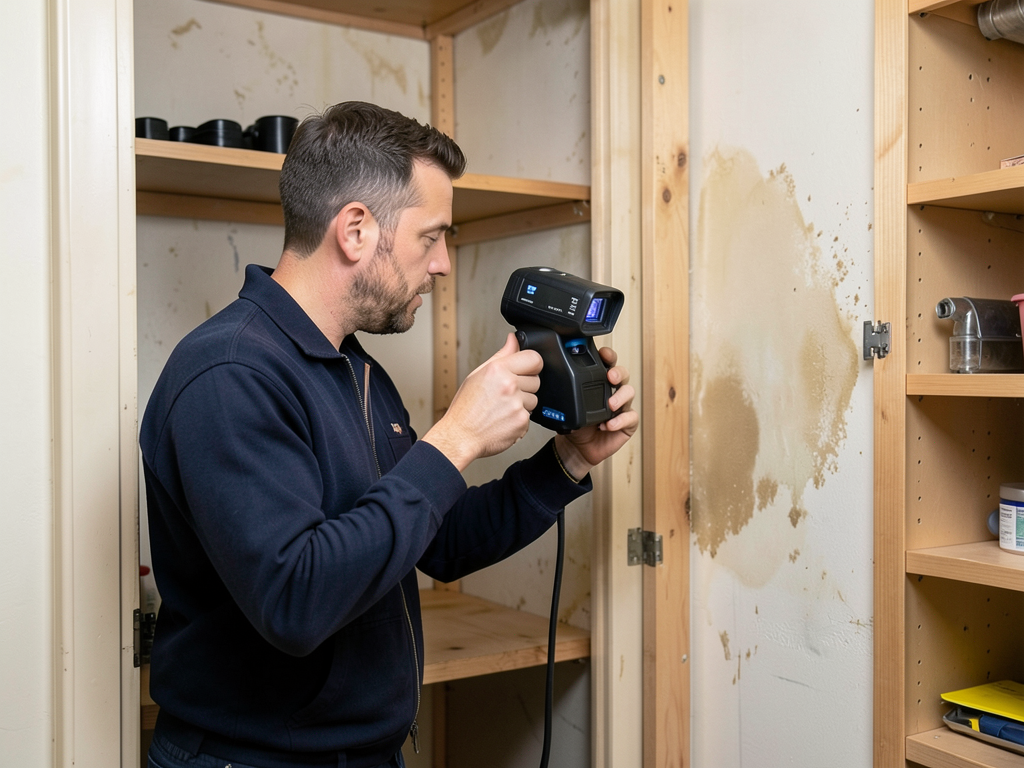
San Francisco's strict building codes and seismic retrofit requirements mean commercial properties often have complex structural systems that complicate drying access. Many industrial buildings in SoMa and the Mission have undergone soft-story retrofits with added shear walls and reinforced framing that create hidden cavities where water collects. Local expertise matters when navigating these configurations. Summit Water Damage Restoration San Francisco works with structural engineers and general contractors familiar with San Francisco's retrofit standards, ensuring drying protocols do not compromise seismic improvements or violate permit conditions.