


Hayward sits between the San Francisco Bay and the East Bay hills, creating distinct water damage challenges for homeowners and businesses. The combination of marine layer humidity, aging infrastructure in neighborhoods like Downtown Hayward and Jackson Triangle, and clay-heavy soil throughout the Harder-Tennyson area creates perfect conditions for water intrusion and moisture retention.
Properties near the San Lorenzo Creek corridor face flood risks during winter storm systems, while homes in the Hayward hills deal with hillside runoff and foundation seepage. The city's older housing stock in areas like Longwood and Schafer Park often contains outdated plumbing that fails without warning, causing catastrophic interior flooding.
Bay Area humidity keeps building materials damp longer than drier climates, giving mold just 24 to 48 hours to colonize after water exposure. Hayward's Mediterranean climate means most water damage happens during concentrated winter rain events, when emergency services get overwhelmed and response times stretch for hours. The clay soil common throughout Hayward expands when wet and contracts when dry, creating foundation cracks that allow groundwater to seep into crawl spaces and basements. These local conditions demand water damage teams who understand Hayward's specific geography and can respond before secondary damage takes hold.
Summit Water Damage Restoration San Francisco has served Hayward property owners for years with one mission: stop the damage, start the recovery, and make the insurance process painless. We maintain fully stocked response vehicles positioned to reach any Hayward address within an hour, carrying industrial extraction equipment, thermal imaging cameras, and commercial dehumidifiers that most companies rent only after they arrive at your property.
Our technicians hold IICRC Water Damage Restoration certifications and train continuously on the latest moisture detection technology and structural drying science. We don't just remove standing water and call it done. We test moisture levels in walls, floors, and ceilings using calibrated meters, document everything with digital moisture mapping for your insurance claim, and monitor drying progress daily until your property returns to pre-loss condition.
We built our reputation in Hayward by treating every water emergency like it's happening to our own family. That means honest assessments without unnecessary upsells, transparent pricing before we start work, and direct communication with your insurance adjuster to maximize your claim coverage. Most restoration companies subcontract their work or show up with basic shop-vacs and box fans. We own our equipment, employ our technicians directly, and take responsibility for results from the first emergency call through final clearance testing.
Hayward property owners call us because we answer our phones at 3 AM, arrive with everything needed to start mitigation immediately, and coordinate the entire restoration process so you deal with one company instead of juggling multiple contractors. We've restored everything from single-family homes in the Hayward hills to multi-unit buildings in the Southgate district, and we treat every property with the same urgency and attention to detail.

We dispatch fully equipped crews to any Hayward address within one hour of your call, day or night. Every minute counts when water is spreading through your property. Our rapid response stops damage progression, prevents mold growth, and reduces overall restoration costs. We don't make you wait while we rent equipment or schedule subcontractors.

We work directly with your insurance company from claim filing through final payment. Our team documents every aspect of damage with photos, moisture readings, and detailed reports that adjusters need to approve your claim quickly. We handle the paperwork and negotiation so you don't fight with insurance companies during a crisis.
Every technician on our Hayward crews holds Institute of Inspection, Cleaning and Restoration Certification in water damage restoration. They follow established protocols for structural drying, use calibrated equipment to verify results, and understand the science behind moisture migration in Bay Area construction. Certification means competence you can trust.
We handle everything from initial water extraction through final reconstruction, eliminating the need to coordinate multiple contractors. Our teams perform structural drying, mold remediation, content restoration, and rebuild services under one roof. You get a single point of contact and a seamless restoration experience from crisis to completion.
Water damage comes from dozens of sources and affects every property differently. Summit Water Damage Restoration San Francisco provides complete water damage remediation services for Hayward homes and businesses, from emergency flood response to concealed leak detection to insurance claim coordination.
Our service approach starts with rapid damage assessment using thermal imaging and moisture meters to find hidden water in walls, ceilings, and subfloors. We classify water damage by contamination level, from clean supply line breaks to sewage backups requiring specialized sanitization. Every restoration follows IICRC S500 standards for water damage mitigation, ensuring thorough drying and preventing long-term structural problems.
We categorize our services based on water source, damage severity, and property type. Emergency flood extraction requires different equipment and techniques than slow pipe leaks that went unnoticed for weeks. Commercial water damage involves business interruption concerns and ADA compliance that residential jobs don't face. Sewage backups demand biohazard protocols and complete sanitization beyond standard water removal.
Understanding which service category fits your situation helps us deploy the right team, equipment, and restoration strategy. Hayward properties need specialists who recognize the difference between surface water that extracts easily and absorbed moisture that requires days of controlled drying with air movers and dehumidifiers. We match our response to your specific water damage scenario for faster, more complete restoration.
When water floods your property from burst pipes, appliance failures, or storm intrusion, every minute increases damage and restoration costs. Our emergency extraction service deploys truck-mounted pumps and portable extractors to remove standing water within hours of your call. We extract water from carpets, padding, and hard surfaces, then begin structural drying immediately to prevent warping, swelling, and mold colonization. Emergency extraction includes moisture mapping, airflow setup, and initial damage documentation for insurance claims.
Removing visible water is only the first step. Structural drying eliminates moisture absorbed into walls, subfloors, ceiling cavities, and framing lumber using industrial dehumidifiers and high-velocity air movers. We monitor moisture levels daily with pin and pinless meters, adjusting equipment placement to target stubborn moisture pockets. Proper drying takes three to five days on average but varies based on materials affected and humidity levels. We don't remove equipment until moisture readings return to normal, preventing hidden mold growth and structural damage.
Sewage backups and contaminated water require specialized cleanup protocols beyond standard water removal. Our biohazard-trained technicians extract contaminated water, remove unsalvageable materials like carpeting and drywall, and sanitize all affected surfaces with EPA-registered antimicrobial treatments. We follow IICRC S500 Category 3 water guidelines, wearing protective equipment and containing work areas to prevent cross-contamination. Sewage cleanup includes odor control, air scrubbing, and post-remediation verification to ensure your property is safe for occupancy.
Hayward's location between the bay and the hills creates specific water damage patterns that affect thousands of properties annually. The city's aging infrastructure, clay soil composition, and concentrated winter rainfall produce predictable failure points that cause emergency calls to restoration companies.
Properties built before 1980 in neighborhoods like Fairview and Eden Shores often contain galvanized steel pipes that corrode from the inside, restricting water flow until pressure causes catastrophic bursts. Winter storm systems dump inches of rain in hours, overwhelming drainage systems and causing water intrusion through foundation cracks and roof penetrations. Bay Area humidity keeps building materials damp longer than inland climates, accelerating mold growth and wood rot after even minor water exposure.
Understanding these common damage scenarios helps property owners recognize early warning signs and call for help before minor leaks become major restoration projects. Most water damage in Hayward is preventable with regular maintenance and quick response when problems appear. These four issues account for the majority of water damage calls we receive from Hayward residents.
Aging copper and galvanized pipes in older Hayward homes fail without warning, releasing hundreds of gallons before shutoff. Corrosion thins pipe walls from inside, making even small pressure increases catastrophic. Supply line bursts flood rooms within minutes, saturating floors, walls, and contents. Quick shutoff at the main valve and immediate extraction prevent total loss.
Slow leaks behind walls, under floors, and in ceiling cavities go unnoticed for weeks or months, causing extensive hidden damage. Hayward's humidity prevents building materials from drying naturally, creating perfect mold conditions. Unexplained water bill increases, musty odors, and ceiling stains indicate concealed leaks. Thermal imaging finds moisture sources before visible damage appears.
Winter rain events overwhelm gutters, downspouts, and foundation drainage systems, pushing water into crawl spaces and basements. Properties near San Lorenzo Creek and low-lying areas in Southgate face additional flood risk during heavy storms. Inadequate grading around foundations directs rainwater toward structures instead of away. Proper exterior drainage prevents most storm intrusion problems.
Water heaters, washing machines, and dishwashers develop leaks and line failures as components age, flooding laundry rooms and kitchens. Supply line connections crack, drain hoses split, and tank welds fail, releasing water across floors and into adjacent rooms. Appliance floods often happen when homes are unoccupied, maximizing damage. Regular inspection and replacement of supply lines prevents most appliance-related water damage.
Water emergencies create stress and panic. You need to know exactly what happens when you call Summit Water Damage Restoration San Francisco, from the moment you dial our number through project completion and final billing. We built our process around speed, transparency, and taking every burden off your shoulders during a crisis.
Our intake specialists answer phones 24 hours a day, every day of the year, including holidays. They ask targeted questions about your water damage to dispatch the right crew with appropriate equipment. Within 60 minutes, a fully equipped team arrives at your Hayward property, assesses damage, explains the restoration process, and begins emergency mitigation immediately.
We handle insurance notification, documentation, and claims processing so you don't spend hours on hold with adjusters. Our project managers maintain daily contact throughout restoration, explaining progress and answering questions. You get honest timelines, transparent pricing, and no surprise charges. These three commitments guide every interaction from initial contact through final walkthrough. Here's exactly what you can expect.
Your emergency call triggers immediate crew dispatch to your Hayward location. Our technicians arrive within 60 minutes with truck-mounted extraction equipment, thermal cameras, moisture meters, and industrial drying equipment already loaded. The crew chief performs a complete damage assessment, uses thermal imaging to find hidden moisture, and explains exactly what restoration requires. You receive written scope documentation and cost estimates before mitigation starts, with options clearly explained. We begin emergency services like water extraction and content protection immediately to stop damage progression while paperwork processes.
Water damage restoration takes multiple days as building materials dry slowly and safely. Your assigned project manager visits daily to test moisture levels, adjust drying equipment, and update you on progress with actual meter readings. You receive photos showing drying progress and explanations of what happens next. We answer questions immediately by phone or text instead of making you wait for callbacks. If insurance adjusters need site access or additional documentation, we coordinate visits and provide whatever information claims require without delays.
We don't consider jobs finished until moisture readings confirm complete drying and your property returns to pre-loss condition. Final testing uses the same calibrated meters as initial assessment, documenting that affected areas match unaffected areas. If restoration includes reconstruction like drywall replacement or flooring installation, we complete all work with licensed contractors before final billing. You receive comprehensive documentation including moisture logs, photos, and completion certificates for insurance files. Our work carries guarantees against mold growth or recurring moisture problems related to our restoration services.
Water damage restoration follows established protocols developed by the IICRC and refined through thousands of successful projects. Our three-phase approach moves your Hayward property from emergency crisis to complete restoration efficiently and thoroughly.
Phase one starts within one hour of your call. Crews extract standing water using truck-mounted pumps capable of removing thousands of gallons per hour. We protect unaffected areas with plastic sheeting, move contents to dry locations, remove unsalvageable materials like soaked carpet padding, and set up air movers and dehumidifiers to begin structural drying. Initial moisture mapping documents affected areas with readings for insurance claims. Emergency mitigation stops damage progression and prevents mold growth.
Phase two typically runs three to five days as building materials release absorbed moisture. Industrial dehumidifiers remove moisture from air while high-velocity air movers create airflow across wet surfaces to accelerate evaporation. Technicians monitor moisture levels twice daily, adjusting equipment placement to target stubborn moisture pockets in subfloors, wall cavities, and ceiling spaces. Drying continues until pin and pinless meters confirm moisture content returns to normal levels throughout affected areas.
Phase three begins after complete drying verification. We rebuild removed materials like drywall, baseboards, and flooring using materials that match existing construction. Licensed contractors handle electrical, plumbing, and structural repairs needed to return your property to pre-loss condition. Final walkthrough includes you inspecting completed work and receiving all documentation for insurance claim closure. The entire process typically completes in one to two weeks for standard water damage, longer for extensive reconstruction projects.
Professional water damage restoration follows IICRC S500 standards that classify water by contamination level and damage by evaporation potential. These classifications determine appropriate restoration techniques, required safety equipment, and materials that require disposal versus restoration.
Category 1 water comes from sanitary sources like supply lines and appears clean but becomes Category 2 after 48 hours of contact with building materials. Category 2 water contains contamination like washing machine discharge or toilet overflow without feces. Category 3 water is grossly contaminated, including sewage, rising floodwater, and any water that sat more than 72 hours.
Water damage gets classified separately by Class based on evaporation difficulty. Class 1 affects minimal space with materials that dry easily. Class 2 impacts entire rooms with significant moisture wicking into walls. Class 3 indicates saturation from overhead sources like roof leaks. Class 4 requires specialty drying for materials like hardwood, plaster, and concrete that release moisture slowly.
Hayward's marine climate affects drying rates significantly. Ambient humidity often exceeds 70 percent, meaning dehumidifiers must run continuously to create vapor pressure gradients that pull moisture from saturated materials. Bay Area temperatures stay moderate year-round, eliminating freeze considerations but also preventing heat-assisted drying common in other climates.
Proper structural drying balances temperature, humidity, and airflow using psychrometric calculations that account for material types, saturation levels, and atmospheric conditions. We measure progress using pin-type resistance meters for wood and drywall, plus non-invasive sensors for tile, concrete, and finished surfaces. Drying equipment stays in place until readings stabilize at pre-loss moisture content levels verified through comparison with unaffected areas.
Insurance companies require documented proof of complete drying before approving final payment. Our moisture logs record daily readings throughout affected areas, creating indisputable evidence that restoration achieved its purpose. This scientific approach prevents callbacks for mold growth, warping, and other secondary damage that results from inadequate drying.
Water contamination determines cleanup procedures, protective equipment requirements, and disposal protocols. Category 1 clean water requires standard extraction and drying. Category 2 gray water needs antimicrobial treatment and material evaluation. Category 3 black water demands complete removal of porous materials like drywall and carpeting, plus comprehensive sanitization of all surfaces. Misclassifying water type leads to inadequate remediation and health hazards.
Water damage restoration costs vary based on water volume, affected square footage, material types, contamination level, and drying difficulty. Emergency extraction runs less than structural drying, which costs less than sewage cleanup. Contents restoration, mold remediation, and reconstruction add expenses beyond basic water removal. Most homeowners insurance covers sudden accidental water damage minus deductibles, but flood damage requires separate flood policies through NFIP or private carriers.
Complete structural drying typically requires three to five days for standard water damage affecting wood framing, drywall, and carpeting. Concrete, plaster, and hardwood floors take longer due to low permeability. Class 4 water damage involving specialty materials may need two weeks of controlled drying. Hayward's high humidity extends timelines compared to drier climates. Attempting to rush drying by removing equipment prematurely guarantees mold growth and structural problems within weeks.
Legitimate water damage restoration companies carry general liability insurance, workers compensation coverage, and IICRC certification for lead technicians. California requires contractor licenses for work exceeding $500, including demolition and reconstruction. Many insurance companies deny claims if unlicensed contractors perform restoration. IICRC Water Damage Restoration Technician certification proves training in industry standards, moisture science, and proper equipment use. Always verify credentials before hiring restoration companies.
Educational video explaining water damage restoration services in Hayward, California. Covers emergency response procedures, structural drying science, common water damage causes in Hayward properties, and the complete restoration process. Demonstrates proper water extraction techniques, moisture detection methods, and IICRC standards for water damage mitigation. Includes information about insurance claims, drying timelines, and geographic service areas throughout Hayward and East Bay communities.
Summit Water Damage Restoration San Francisco provides emergency water damage services throughout Hayward and adjacent East Bay communities. Our response vehicles reach any Hayward address within 60 minutes, from hillside properties in the Hayward hills to bayfront homes near the Hayward shoreline.
We serve the historic Downtown Hayward business district where aging commercial buildings face plumbing failures and roof leaks in older structures. The Jackson Triangle neighborhood near Highway 92 calls us for burst pipe emergencies and appliance failures in mid-century homes with original plumbing. Southgate residents near Interstate 880 need rapid response during winter storms when low-lying properties face drainage problems and foundation seepage.
Properties in the Harder-Tennyson area east of Mission Boulevard experience water damage from clay soil moisture and aging infrastructure common in developments built during Hayward's postwar expansion. The hillside neighborhoods above Fairview Avenue including Eden Shores and Fairview face different challenges with slope drainage, hillside runoff, and foundation movement that creates moisture entry points.
Commercial properties along Hesperian Boulevard and industrial facilities near the Hayward Executive Airport require specialized water damage response for business continuity. We handle multi-unit residential buildings in the Longwood and Schafer Park areas where single plumbing failures affect multiple tenants and demand coordination with property management companies.
Our service area extends beyond Hayward city limits to neighboring communities including San Lorenzo, Castro Valley, San Leandro, and Union City. Properties near the San Lorenzo Creek corridor from the bay to the hills face elevated flood risk requiring emergency pumping and mitigation during atmospheric river events. We understand local geography, typical construction methods, and specific water damage patterns affecting each Hayward neighborhood.
This geographic knowledge helps us respond faster and more effectively than distant companies learning your property's characteristics after arrival. Our technicians recognize hillside drainage patterns, understand clay soil expansion issues, and know which Hayward neighborhoods contain older infrastructure prone to failure. Local expertise means better outcomes for your water damage emergency.
Water damage restoration in Hayward takes 3 to 7 days for most residential projects. Small incidents like a burst pipe take 3 to 5 days. Extensive flooding or sewage backup requires 5 to 7 days or longer. The timeline depends on the water category, affected square footage, and structural damage. Your restoration team will extract water within 24 hours, then spend several days drying and dehumidifying. Final repairs and reconstruction add extra time. Weather conditions in Hayward affect drying speed. High humidity slows the process while dry conditions speed it up.
Water damage restoration pricing in Hayward depends on several factors. The water source affects pricing significantly. Clean water from supply lines is less expensive than sewage contamination. Square footage plays a major role in determining total expense. A small bathroom incident differs from whole-house flooding. The extent of structural damage impacts final pricing. Drywall replacement, flooring removal, and cabinet repair add to the total. Most Hayward restoration companies offer free inspections and estimates. Emergency services at night or weekends may carry additional fees. Get multiple quotes to compare services and pricing structures.
Most homeowners insurance policies in Hayward cover sudden and accidental water damage. Burst pipes, appliance malfunctions, and roof leaks from storms typically qualify for coverage. Your policy likely excludes flood damage from external sources. Purchase separate flood insurance if you live near water or in a flood zone. Insurance rarely covers damage from deferred maintenance or gradual leaks. Document everything with photos and videos before cleanup begins. Contact your insurance company immediately after discovering water damage. They will send an adjuster to assess your claim and approve covered repairs.
Water damage restoration in Hayward takes 3 to 7 days for most residential projects. Small incidents like a burst pipe take 3 to 5 days. Extensive flooding or sewage backup requires 5 to 7 days or longer. The timeline depends on the water category, affected square footage, and structural damage. Your restoration team will extract water within 24 hours, then spend several days drying and dehumidifying. Final repairs and reconstruction add extra time. Weather conditions in Hayward affect drying speed. High humidity slows the process while dry conditions speed it up.
Water damage restoration pricing in Hayward depends on several factors. The water source affects pricing significantly. Clean water from supply lines is less expensive than sewage contamination. Square footage plays a major role in determining total expense. A small bathroom incident differs from whole-house flooding. The extent of structural damage impacts final pricing. Drywall replacement, flooring removal, and cabinet repair add to the total. Most Hayward restoration companies offer free inspections and estimates. Emergency services at night or weekends may carry additional fees. Get multiple quotes to compare services and pricing structures.
Most homeowners insurance policies in Hayward cover sudden and accidental water damage. Burst pipes, appliance malfunctions, and roof leaks from storms typically qualify for coverage. Your policy likely excludes flood damage from external sources. Purchase separate flood insurance if you live near water or in a flood zone. Insurance rarely covers damage from deferred maintenance or gradual leaks. Document everything with photos and videos before cleanup begins. Contact your insurance company immediately after discovering water damage. They will send an adjuster to assess your claim and approve covered repairs.
Choose a water damage restoration company in Hayward with 24-hour emergency response capabilities. Check online reviews on Google and Yelp for recent customer feedback. Ask about their experience with your specific type of water damage. Request references from past Hayward clients and follow up with them. Confirm the company uses professional-grade equipment and certified technicians. Look for businesses with experience working with major insurance companies. Get written estimates from at least three companies before deciding. Avoid companies demanding large upfront payments before starting work. Trust your instincts about professionalism and communication style.
Hidden water damage in Hayward homes shows specific warning signs. Watch for musty odors that persist even after cleaning. Check for discolored patches on walls, ceilings, or floors. Yellow, brown, or dark stains indicate water intrusion. Feel walls for soft spots or unusual dampness. Peeling paint or bubbling wallpaper signals moisture problems. Warped or buckled flooring means water sits underneath. Listen for dripping sounds behind walls or under floors. Monitor your water bill for unexplained increases. Look for mold growth in corners, closets, or under sinks. Address these signs immediately to prevent extensive damage.
You might stay in your Hayward home during minor water damage restoration. Small incidents affecting one room allow you to occupy other areas safely. Extensive water damage requires temporary relocation for your safety. Severe flooding, sewage contamination, or structural instability make staying unsafe. Restoration equipment like dehumidifiers and air movers create noise and disruption. Your restoration company will assess safety and recommend whether to stay or leave. Consider staying with family or in a hotel for major projects. Many insurance policies cover temporary housing expenses during restoration. Prioritize your health and safety when making this decision.
Water damage mitigation stops additional damage from spreading throughout your Hayward home. Mitigation includes immediate water extraction, emergency board-up, and temporary tarping. Technicians remove standing water and begin drying within hours of your call. Water damage restoration encompasses the complete repair process. Restoration includes structural repairs, replacing damaged materials, and rebuilding affected areas. Mitigation happens first and focuses on damage control. Restoration comes second and returns your home to pre-loss condition. Most Hayward companies provide both services under one contract. Fast mitigation reduces overall restoration time and expense significantly.
Call for water damage restoration in Hayward within the first hour of discovery. Water spreads rapidly through flooring, drywall, and insulation. Mold begins growing within 24 to 48 hours in moist conditions. Fast action prevents secondary damage and reduces total repair needs. Waiting even a few hours allows water to penetrate deeper into structural materials. Evening and weekend emergencies require immediate attention despite the hour. Document the damage with photos before calling for help. Contact your insurance company and a restoration company simultaneously. Professional extraction within 24 hours prevents most long-term complications and health hazards.
Water damage restoration companies in Hayward use industrial-strength extraction equipment. Truck-mounted and portable water extractors remove standing water quickly. Commercial-grade dehumidifiers pull moisture from air and materials. High-velocity air movers create airflow and speed drying time. Moisture meters measure water content in walls, floors, and ceilings. Thermal imaging cameras detect hidden moisture behind surfaces. Air scrubbers with HEPA filters remove airborne contaminants and odors. Technicians use antimicrobial treatments to prevent mold growth. Specialized drying equipment targets hardwood floors and structural materials. Professional equipment works faster and more thoroughly than consumer-grade alternatives.
Water damage restoration in Hayward includes mold prevention but not always removal. Basic restoration treats surfaces with antimicrobial solutions to prevent mold growth. Technicians dry your home completely within 72 hours to stop mold development. Existing mold growth requires separate mold remediation services beyond standard restoration. Small mold patches under 10 square feet are typically handled during restoration. Extensive mold contamination needs specialized remediation protocols and containment. Your restoration company will identify mold during inspection and recommend appropriate services. Many Hayward companies offer both water restoration and mold remediation under one roof.
Choose a water damage restoration company in Hayward with 24-hour emergency response capabilities. Check online reviews on Google and Yelp for recent customer feedback. Ask about their experience with your specific type of water damage. Request references from past Hayward clients and follow up with them. Confirm the company uses professional-grade equipment and certified technicians. Look for businesses with experience working with major insurance companies. Get written estimates from at least three companies before deciding. Avoid companies demanding large upfront payments before starting work. Trust your instincts about professionalism and communication style.
Hidden water damage in Hayward homes shows specific warning signs. Watch for musty odors that persist even after cleaning. Check for discolored patches on walls, ceilings, or floors. Yellow, brown, or dark stains indicate water intrusion. Feel walls for soft spots or unusual dampness. Peeling paint or bubbling wallpaper signals moisture problems. Warped or buckled flooring means water sits underneath. Listen for dripping sounds behind walls or under floors. Monitor your water bill for unexplained increases. Look for mold growth in corners, closets, or under sinks. Address these signs immediately to prevent extensive damage.
You might stay in your Hayward home during minor water damage restoration. Small incidents affecting one room allow you to occupy other areas safely. Extensive water damage requires temporary relocation for your safety. Severe flooding, sewage contamination, or structural instability make staying unsafe. Restoration equipment like dehumidifiers and air movers create noise and disruption. Your restoration company will assess safety and recommend whether to stay or leave. Consider staying with family or in a hotel for major projects. Many insurance policies cover temporary housing expenses during restoration. Prioritize your health and safety when making this decision.
Water damage mitigation stops additional damage from spreading throughout your Hayward home. Mitigation includes immediate water extraction, emergency board-up, and temporary tarping. Technicians remove standing water and begin drying within hours of your call. Water damage restoration encompasses the complete repair process. Restoration includes structural repairs, replacing damaged materials, and rebuilding affected areas. Mitigation happens first and focuses on damage control. Restoration comes second and returns your home to pre-loss condition. Most Hayward companies provide both services under one contract. Fast mitigation reduces overall restoration time and expense significantly.
Call for water damage restoration in Hayward within the first hour of discovery. Water spreads rapidly through flooring, drywall, and insulation. Mold begins growing within 24 to 48 hours in moist conditions. Fast action prevents secondary damage and reduces total repair needs. Waiting even a few hours allows water to penetrate deeper into structural materials. Evening and weekend emergencies require immediate attention despite the hour. Document the damage with photos before calling for help. Contact your insurance company and a restoration company simultaneously. Professional extraction within 24 hours prevents most long-term complications and health hazards.
Water damage restoration companies in Hayward use industrial-strength extraction equipment. Truck-mounted and portable water extractors remove standing water quickly. Commercial-grade dehumidifiers pull moisture from air and materials. High-velocity air movers create airflow and speed drying time. Moisture meters measure water content in walls, floors, and ceilings. Thermal imaging cameras detect hidden moisture behind surfaces. Air scrubbers with HEPA filters remove airborne contaminants and odors. Technicians use antimicrobial treatments to prevent mold growth. Specialized drying equipment targets hardwood floors and structural materials. Professional equipment works faster and more thoroughly than consumer-grade alternatives.
Water damage restoration in Hayward includes mold prevention but not always removal. Basic restoration treats surfaces with antimicrobial solutions to prevent mold growth. Technicians dry your home completely within 72 hours to stop mold development. Existing mold growth requires separate mold remediation services beyond standard restoration. Small mold patches under 10 square feet are typically handled during restoration. Extensive mold contamination needs specialized remediation protocols and containment. Your restoration company will identify mold during inspection and recommend appropriate services. Many Hayward companies offer both water restoration and mold remediation under one roof.
Our commitment to rapid response means we cover the entire San Francisco area and surrounding communities. View the map below to visualize our primary service region, which includes key neighborhoods and business districts. Whether you are located in the Financial District, the Mission, or out toward the Sunset, you can trust our 24/7 team to reach you quickly. We proudly serve both residential and commercial clients across the entire map, guaranteeing a fast and effective mitigation service the moment you need us.
Address:
Hayward, CA, 94541
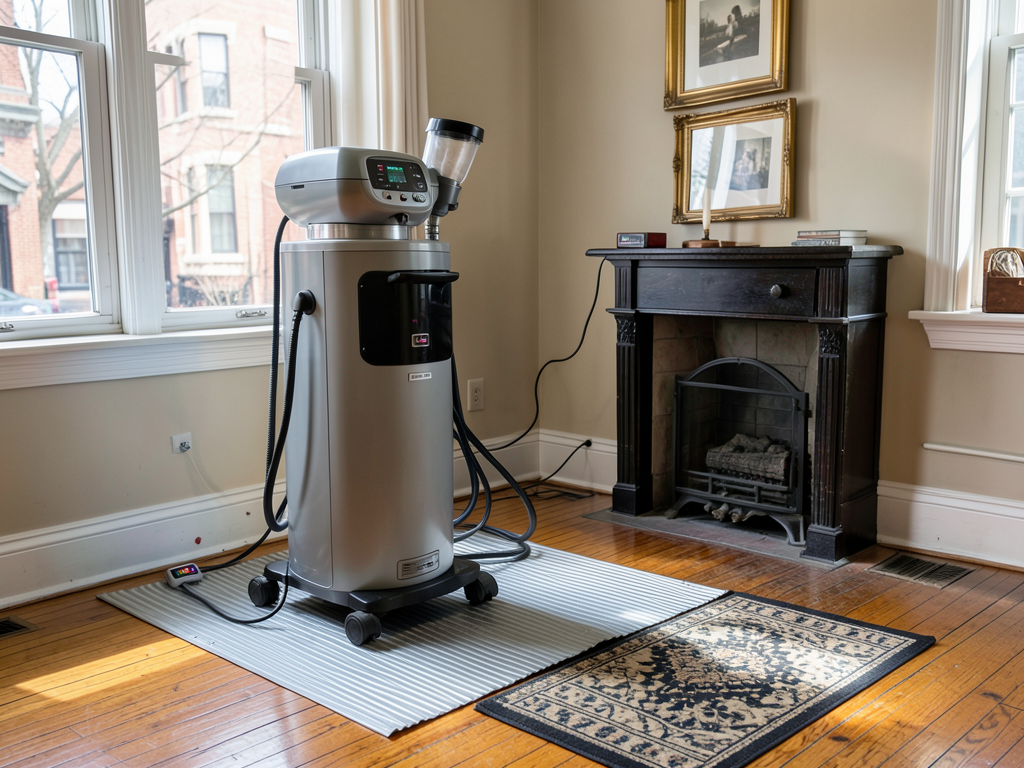
Understanding the Speed Benefits of Structural Heat Drying for a Rapid Recovery When water invades your San Francisco property every hour counts. Traditional drying methods using air movers and dehumidifiers can take 3-5 days to…
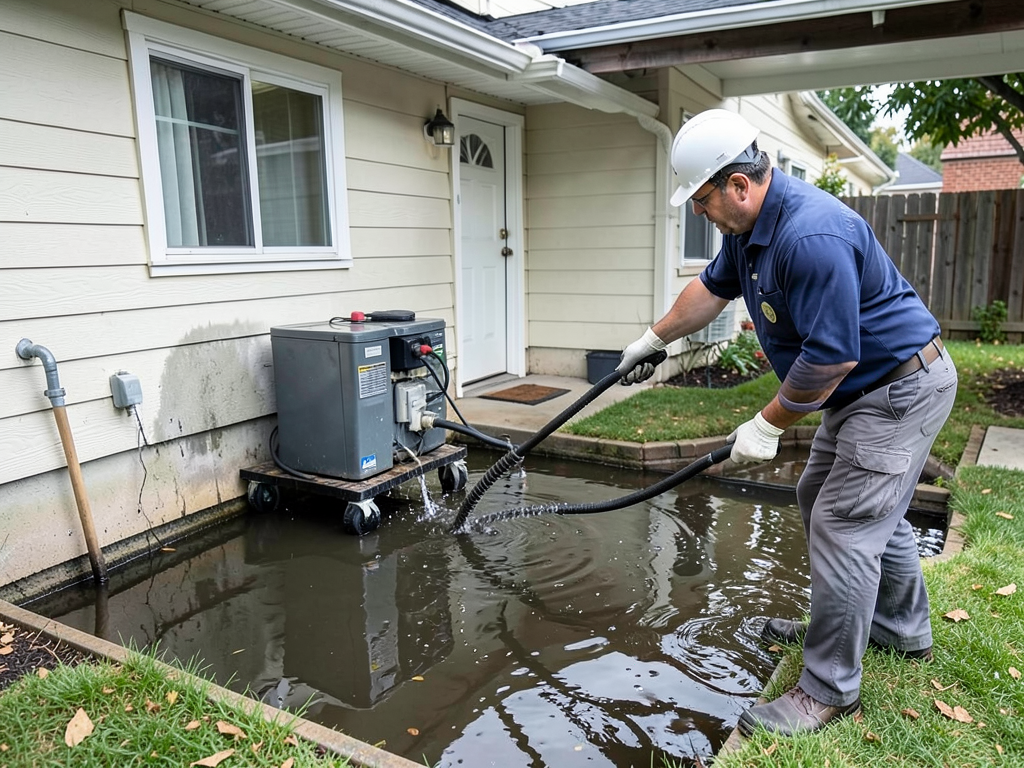
What to Do if Your New Backyard ADU Floods During a Heavy San Francisco Rain…
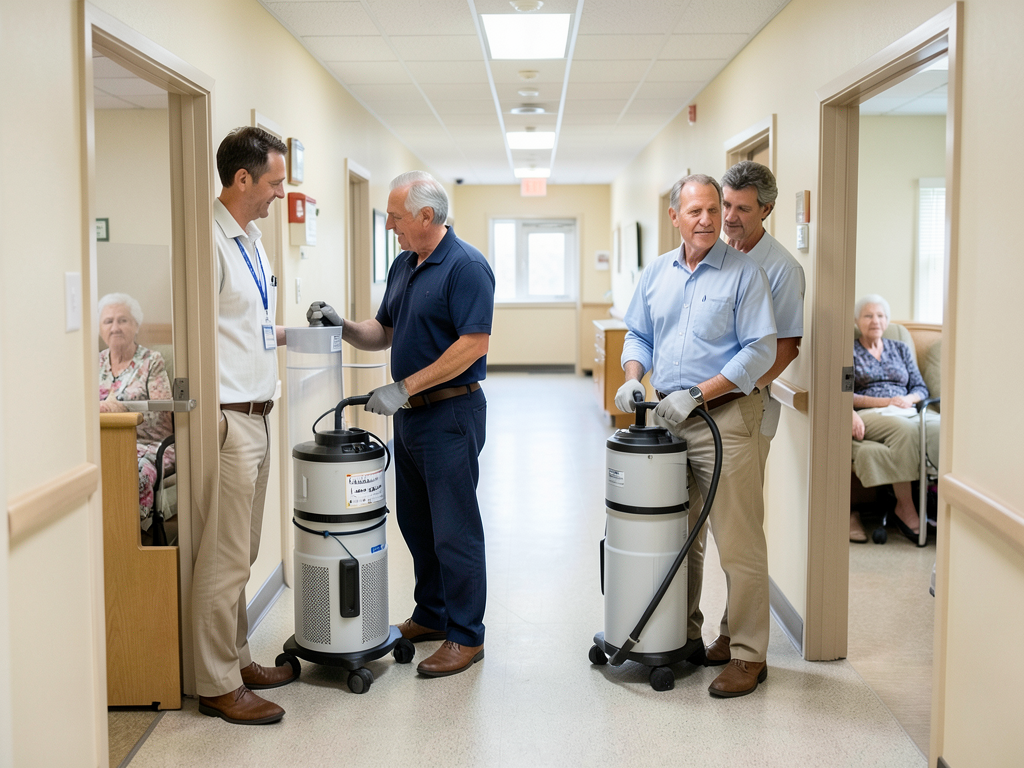
Specialized Senior Living Water Restoration Services in San Francisco Water damage in a Richmond District…
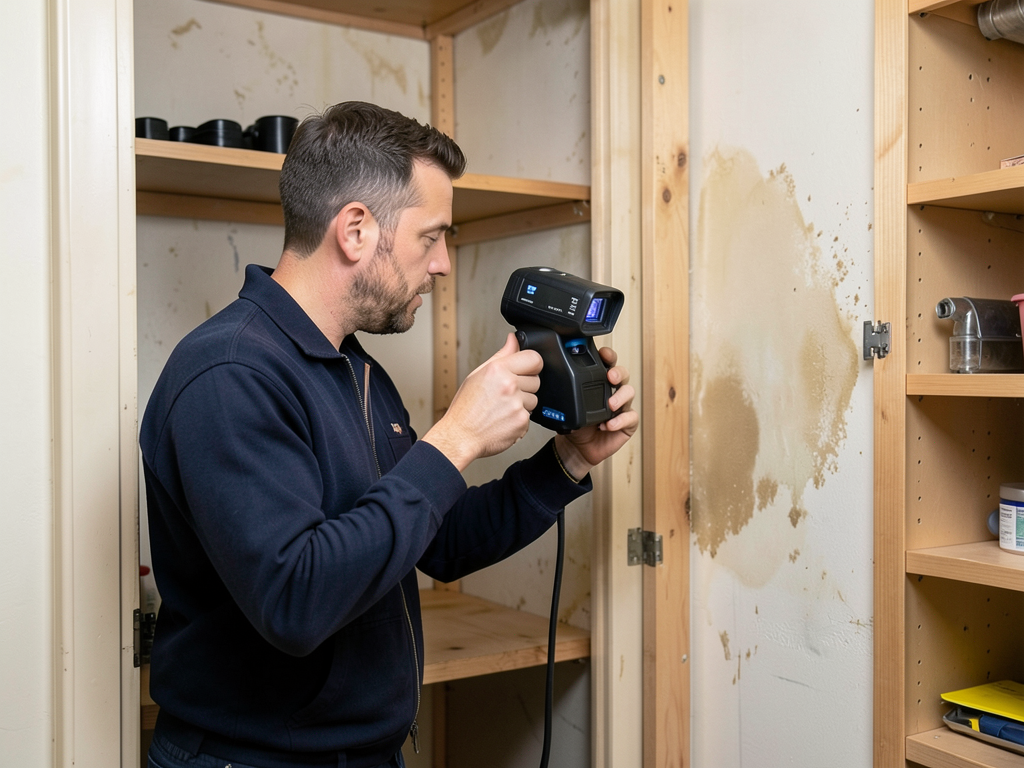
Why Your Noe Valley High Efficiency Boiler Could Be Slowly Flooding Your Utility Closet If…
Water damage spreads every minute you wait. Call Summit Water Damage Restoration San Francisco at (415) 449-6555 right now for emergency response in Hayward. Our crews dispatch immediately with everything needed to stop damage, start drying, and restore your property completely.