menu

Soggy Insulation in San Francisco – Expert Detection and Replacement Before Mold Takes Hold

Summit Water Damage Restoration San Francisco specializes in identifying and removing soggy insulation caused by hidden leaks, condensation, and Bay Area moisture before structural damage and toxic mold colonies threaten your home.

Slider Image 1
Slider Image 2
Slider Image 3
Slider Image 4
Slider Image 5
Slider Image 7
Slider Image 8
Slider Image 9
Slider Image 10
Slider Image 11

Why San Francisco Homes Struggle with Wet Insulation

San Francisco's marine layer creates a constant battle between indoor warmth and outdoor moisture. That foggy microclimate means your attic, crawl space, and wall cavities face condensation risk year-round. When insulation gets wet, it stops working. Worse, it becomes a breeding ground for mold and a magnet for structural rot.

Water damaged insulation often hides for months. A roof leak near the Sunset District drips slowly into fiberglass batts. A burst pipe in the Richmond soaks cellulose blown-in material. A failed vapor barrier in Noe Valley lets condensation saturate your walls from the inside out. You might notice higher energy bills first. Your furnace runs longer. Rooms feel damp. Then comes the smell.

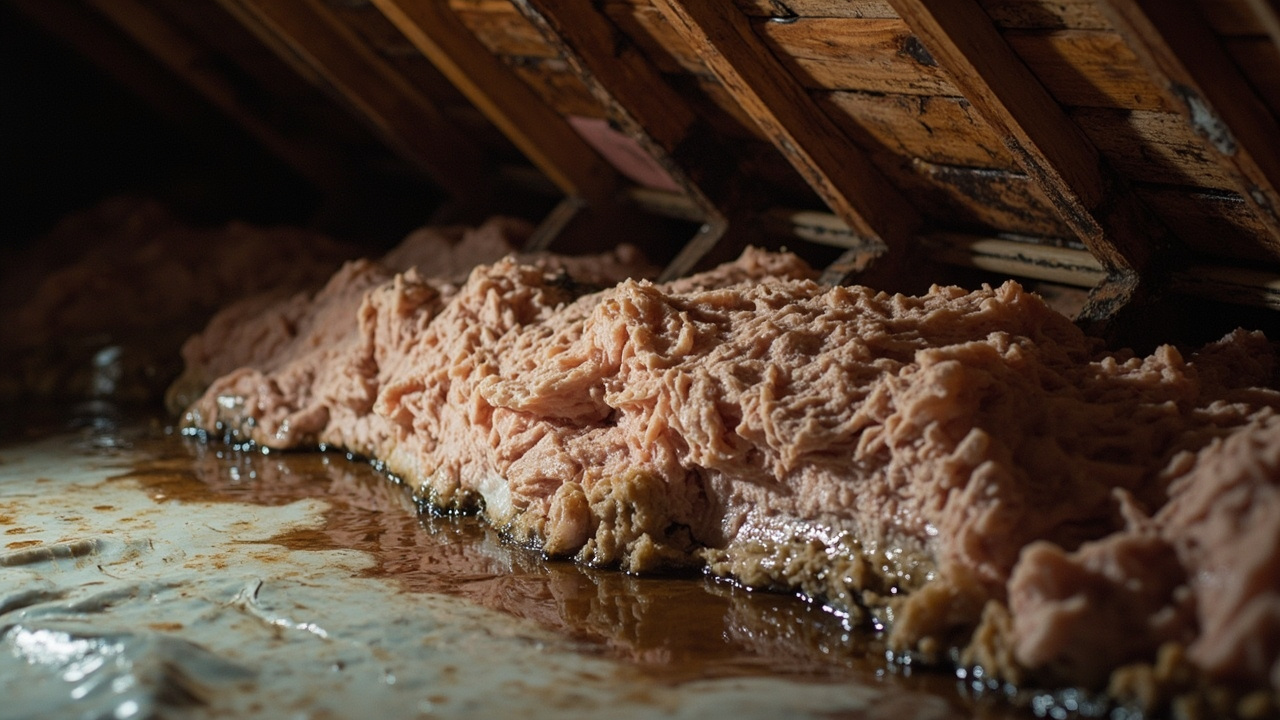
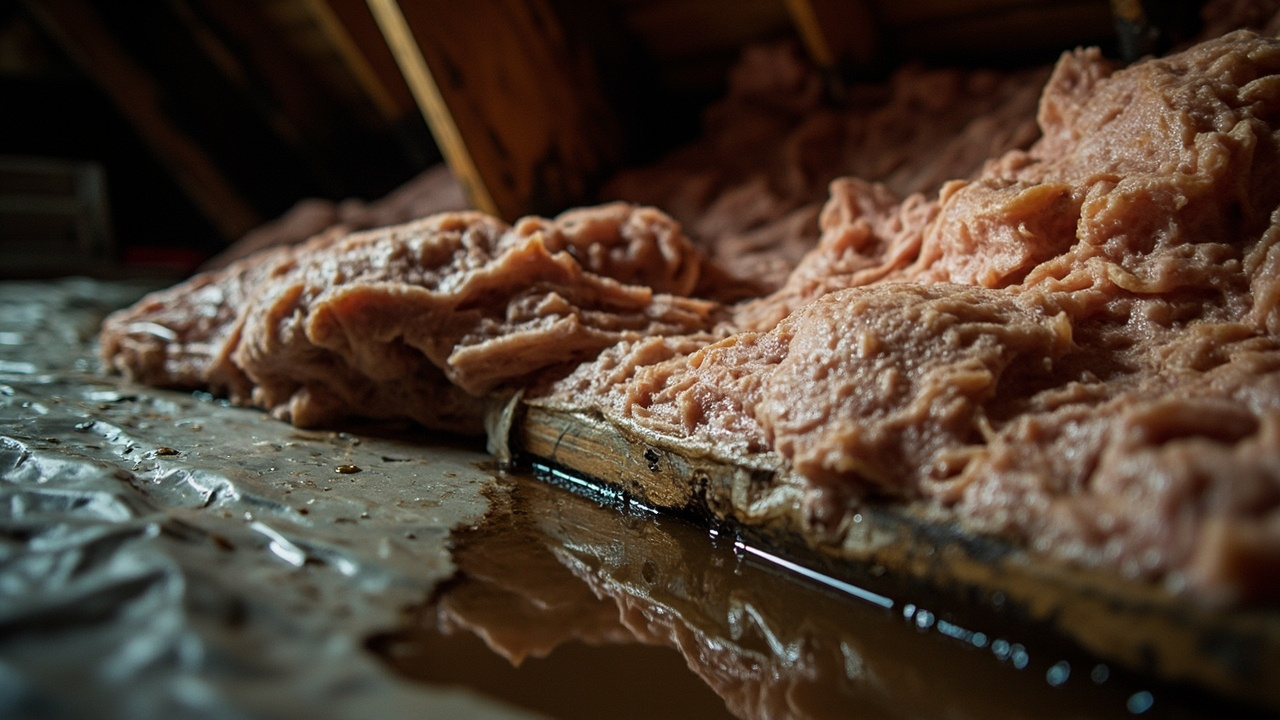
Damp insulation loses R-value fast. Fiberglass that absorbs water can lose 50 percent of its insulating ability. Cellulose clumps and compresses. Spray foam develops gaps. Your home bleeds heat. Your HVAC system works overtime. Mold spores multiply in the dark, wet environment. Black mold, Aspergillus, and Penicillium thrive in soaked insulation.

San Francisco's Victorian and Edwardian homes face unique risks. Knob-and-tube wiring runs through wall cavities. Old cast-iron plumbing corrodes. Flat roofs and parapet walls trap moisture. If you smell mildew, see ceiling stains, or feel cold drafts where walls should be warm, you likely have saturated insulation somewhere in your structure.

Ignoring wet insulation leads to wood rot, ceiling collapse, and respiratory illness. The longer saturated insulation sits, the deeper the damage spreads into joists, studs, and sheathing.

Why San Francisco Homes Struggle with Wet Insulation
How We Remove and Replace Soggy Insulation the Right Way

How We Remove and Replace Soggy Insulation the Right Way

We do not throw tarps over wet insulation and call it fixed. Summit Water Damage Restoration San Francisco follows a three-phase protocol: source elimination, contaminated material removal, and barrier restoration.

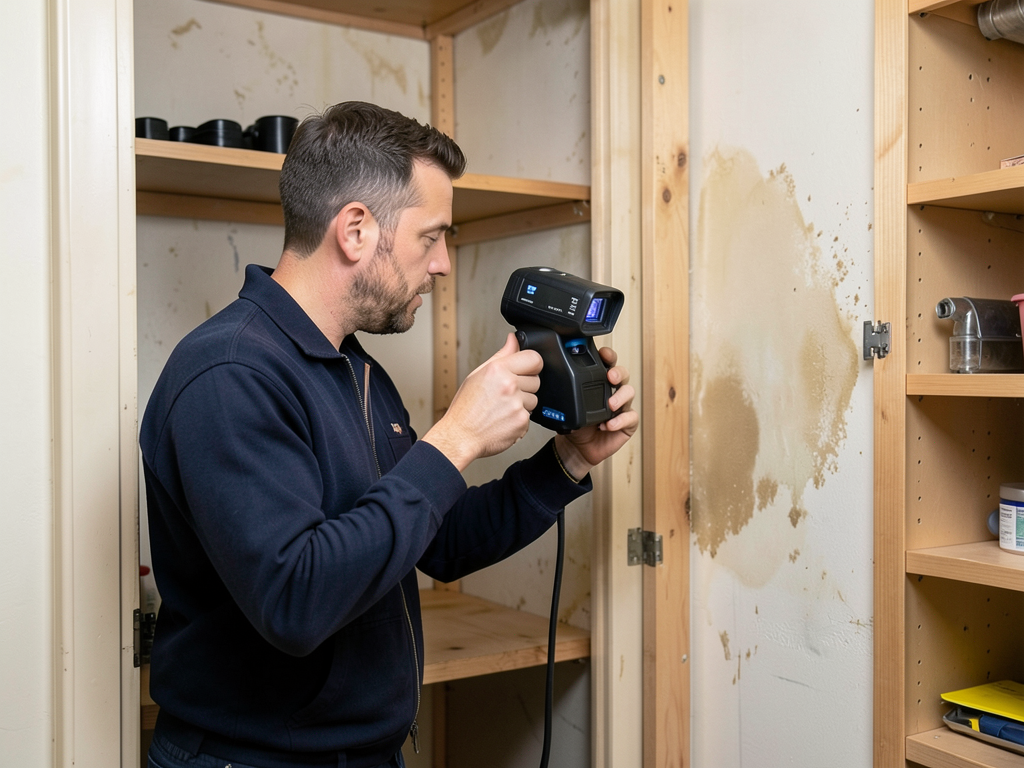
First, we stop the water. We use thermal imaging cameras to trace moisture paths through your walls and ceilings. Infrared reveals temperature differentials that indicate hidden leaks behind drywall. Moisture meters measure saturation levels in wood framing and insulation. We identify whether the water source is a plumbing failure, roof penetration, or condensation issue. Until the source is fixed, new insulation will just get wet again.

Next, we extract the compromised insulation. Wet fiberglass batts come out in contractor bags. Soaked cellulose gets vacuumed using HEPA-filtered equipment to prevent airborne particulate spread. If mold growth is visible, we establish containment barriers and use negative air pressure to prevent cross-contamination into living spaces. All contaminated material is disposed of according to local health department guidelines.

We then treat the framing. Wood studs, joists, and sheathing get inspected for rot. If the lumber is still structurally sound, we apply antimicrobial treatment to kill residual mold spores. Damaged wood gets replaced. We dry the cavity completely using commercial dehumidifiers and air movers. Moisture content must drop below 15 percent before new insulation goes in.

Finally, we install new insulation matched to your climate zone and building type. For attics, we use blown-in fiberglass or cellulose with proper ventilation baffles. For walls, we use closed-cell spray foam if moisture intrusion risk is high. We restore vapor barriers and ensure proper airflow. The goal is a dry, energy-efficient envelope that resists future water intrusion.

What Happens When You Call Us About Soggy Insulation

Soggy Insulation in San Francisco – Expert Detection and Replacement Before Mold Takes Hold
01

Emergency Water Assessment

We arrive within two hours for active water intrusion. Our technician uses thermal imaging and moisture detection tools to map the extent of saturation in your insulation and framing. You get a written damage assessment that identifies the water source, affected square footage, and mold risk level. We document everything with photos for your insurance claim before we move any materials.
02

Contaminated Material Extraction

We set up containment barriers to isolate the work area from your living space. HEPA-filtered negative air machines prevent mold spores from spreading. All water damaged insulation gets removed and bagged. We treat exposed framing with antimicrobial solution and dry the cavity using commercial dehumidifiers until moisture content falls below safe thresholds. You get daily updates on drying progress.
03

Insulation Replacement and Sealing

Once the structure is dry, we install new insulation that matches your home's requirements. Attics get blown-in material with proper ventilation. Walls get spray foam or batts with vapor barriers. We seal all penetrations and restore drywall or access panels. You receive a final moisture report confirming the space is dry and a detailed invoice for your insurance company.

Why San Francisco Homeowners Choose Summit Water Damage Restoration

San Francisco building inspectors enforce Title 24 energy efficiency standards. When we replace insulation, we make sure your home meets current code for R-value and air sealing. That matters when you sell or refinance. It also matters when PG&E rates climb every year.

We understand Victorian-era construction. Your home might have horsehair plaster walls, balloon framing, or no vapor barrier at all. We know how to insulate these structures without trapping moisture or damaging historic materials. We work with historic preservation guidelines in districts like Alamo Square and Pacific Heights.

Our crews carry full liability insurance and workers' compensation coverage. When we open your walls or enter your attic, you are protected. We pull permits when required. We coordinate with city building inspectors. We do not take shortcuts that will fail inspection or void your homeowner's policy.

We also work directly with insurance adjusters. Soggy insulation claims get denied when documentation is incomplete. We provide moisture readings, photos, and detailed scope-of-work estimates that meet Xactimate pricing standards. We help you navigate the claims process so you get the coverage you paid for.

San Francisco's housing stock is old. Many homes were built before modern building codes addressed moisture control. We see the same problems in the Excelsior, the Mission, and the Bayview. Condensation in wall cavities. Roof leaks that go unnoticed for years. Plumbing failures behind tile surrounds. We have seen it all, and we know how to fix it permanently.

You want a company that shows up when they say they will and finishes the job right. We do not subcontract our insulation work. Our employees handle every phase of removal and replacement. That means accountability and quality control from start to finish.

What to Expect When We Handle Your Soggy Insulation Problem

Same-Day Response for Active Leaks

If water is actively soaking your insulation, we dispatch a crew within two hours. We stop the water source first, then begin containment and extraction. Emergency calls get priority scheduling. We work evenings and weekends when your home is flooding. Our goal is to prevent secondary damage like mold growth and wood rot. The faster we extract wet insulation, the less structural damage you face. We bring industrial dehumidifiers and air movers to start the drying process immediately.

Thermal Imaging and Moisture Mapping

We do not guess where the water is hiding. Thermal cameras show temperature differences caused by moisture inside walls and ceilings. Moisture meters give us precise readings in wood framing and insulation. We map the full extent of saturation before we start tearing out materials. This prevents unnecessary demolition and keeps your repair costs down. You see the thermal images and moisture readings in your written assessment. We explain what the data means and what needs to be removed versus what can be saved.

Clean, Dry, Code-Compliant Results

When we finish, your home has new insulation that meets Title 24 standards. You get improved energy efficiency and lower heating bills. We restore drywall, paint, and trim to match existing finishes. The work area is clean. All debris is hauled away. You receive a final moisture report showing that framing and cavities are dry. We guarantee that mold will not return in treated areas as long as no new water intrusion occurs. Your home is safer, more comfortable, and more valuable.

Documentation for Insurance Claims

We photograph all damaged insulation before removal. You get a detailed written estimate that breaks down labor, materials, and disposal costs. Our estimates follow Xactimate pricing that insurance adjusters recognize. We provide moisture readings, thermal images, and a timeline of services performed. If your claim gets disputed, we work with your adjuster to provide additional documentation. Many clients tell us our thorough paperwork is the reason their claim was approved. We understand the insurance process and we help you navigate it successfully.

Frequently Asked Questions

You Have Questions,
We Have Answers

Is insulation ruined if it gets wet? +

Most insulation types are ruined when wet. Fiberglass and cellulose lose thermal performance when saturated and cannot fully recover even after drying. Wet insulation compresses, clumps, and loses its air pockets that provide R-value. In San Francisco's foggy climate, moisture trapped in attics or crawl spaces compounds the problem. Closed-cell spray foam resists water better than other types, but moisture behind it can cause hidden damage. If your insulation gets soaked from a roof leak or pipe burst, replacement is usually necessary to restore energy efficiency and prevent mold growth in your home.

How to fix wet insulation? +

Remove wet insulation immediately to prevent mold and structural damage. Start by locating and stopping the water source, whether a leaking pipe, roof failure, or foundation intrusion. Wear protective gear including gloves, eye protection, and a respirator. Pull out saturated fiberglass or cellulose carefully and bag it for disposal. Use fans and dehumidifiers to dry the cavity completely before installing new insulation. San Francisco's coastal humidity makes thorough drying critical. Inspect framing and drywall for water stains or rot. Professional remediation ensures hidden moisture pockets in walls or ceilings do not cause future problems.

Will mold grow in wet insulation? +

Yes, mold thrives in wet insulation. Fiberglass and cellulose provide organic material and moisture that mold spores need to colonize. San Francisco's moderate temperatures create ideal conditions for spore germination year-round. Once mold establishes in insulation, it spreads to wooden framing, drywall, and other building materials. Health risks include respiratory issues and allergic reactions. You may notice musty odors before visible mold appears. Wet insulation in attics, crawl spaces, or behind walls creates hidden mold farms. Remove saturated insulation within 24 to 48 hours to prevent colonization and protect your indoor air quality.

How long does it take wet insulation to dry out? +

Wet insulation rarely dries properly. Fiberglass may take weeks to lose surface moisture, but compressed material never regains its original loft or R-value. Cellulose holds water like a sponge and can stay damp for months, especially in San Francisco's fog belt where humidity stays elevated. Even if insulation feels dry to the touch, trapped moisture deep within promotes mold growth and wood rot. Closed-cell spray foam dries faster but hides moisture problems behind it. Waiting for insulation to dry wastes time and risks structural damage. Remove and replace wet insulation to avoid compounding problems in your walls or attic.

How long does it take for mold to grow on wet insulation? +

Mold can start growing on wet insulation within 24 to 48 hours under the right conditions. San Francisco's mild, humid climate accelerates spore germination. Temperature between 60 and 80 degrees, moisture, and organic material create perfect mold habitat in attics and crawl spaces. Fiberglass backing and cellulose fibers feed mold colonies. You may not see visible growth immediately, but microscopic colonization begins fast. Once established, mold spreads to wood framing and drywall. Act quickly when insulation gets wet. Remove saturated material immediately and dry the area thoroughly to prevent health hazards and costly remediation down the line.

What does water damaged insulation look like? +

Water damaged insulation shows visible signs you can spot during inspection. Fiberglass appears discolored, yellowed, or stained with brown watermarks. It sags, compresses, or pulls away from the framing. Cellulose clumps together and looks matted rather than fluffy. You may see mold spots, dark streaks, or smell musty odors. In San Francisco Victorian homes, check attics after winter storms for sagging batt insulation. Wet insulation feels heavy and damp to the touch. Drywall near damaged insulation often shows water stains or bubbling. If you spot these signs, remove the material immediately to prevent mold and structural rot.

Does insulation need to be replaced after water damage? +

Yes, insulation almost always needs replacement after water damage. Wet fiberglass and cellulose lose structural integrity and thermal performance permanently. Even after drying, compressed insulation cannot regain its air pockets that provide R-value. Mold spores colonize wet material within 48 hours. Leaving damaged insulation in place reduces energy efficiency, increases heating costs, and spreads contamination throughout your home. In San Francisco, where heating costs are significant during foggy summer months and winter rains, proper insulation matters. Remove water damaged material, dry the cavity completely, inspect framing for rot, and install fresh insulation to restore comfort and efficiency.

Can mold grow under spray foam insulation? +

Yes, mold can grow under spray foam insulation if moisture is present. Closed-cell spray foam itself resists mold, but it seals moisture against wooden framing or drywall. If water intrudes through a roof leak, plumbing failure, or foundation crack, it becomes trapped behind the foam. San Francisco's coastal moisture and older building stock increase this risk. Wood rot and mold develop invisibly, causing structural damage you cannot see. Proper installation requires fixing moisture sources first. If you suspect hidden water damage behind spray foam, hire a professional with moisture meters and thermal imaging to detect problems before they compromise your home's framing.

Does it matter if insulation gets wet during build? +

Yes, wet insulation during construction causes serious problems. Fiberglass and cellulose that get rained on before the building is enclosed lose effectiveness and can harbor mold before you move in. San Francisco's fog and winter rains make job site protection critical. Wet insulation compresses and never fully recovers its R-value. Moisture trapped in wall cavities promotes mold growth and wood rot from day one. Builders should cover insulation with tarps and avoid installing it until the structure is weather-tight. If your insulation gets soaked during construction, demand replacement before drywall goes up to avoid long-term problems and reduced energy efficiency.

Why is it hard to sell a house with spray foam insulation? +

Spray foam insulation creates concerns during home sales because buyers fear moisture problems and removal costs. If water intrudes behind closed-cell foam, it traps moisture against framing and causes hidden rot. Lenders and inspectors in San Francisco sometimes flag homes with spray foam, especially older Victorians with ongoing maintenance needs. Removal requires professional equipment and disposal. Buyers worry about concealed damage and future repair costs. Some appraisers view spray foam as a defect rather than an upgrade. If you plan to sell, document professional installation, maintain your roof and plumbing, and provide moisture inspection reports to reassure buyers your home is protected.

How San Francisco's Marine Layer and Fog Create Hidden Insulation Damage

San Francisco's coastal fog creates daily temperature swings that drive condensation inside wall cavities and attics. When warm indoor air hits cold exterior surfaces, moisture condenses on sheathing and insulation. This is especially common in neighborhoods near the ocean like the Sunset and Richmond districts. Homes without proper vapor barriers trap this moisture inside walls, where it saturates fiberglass batts and cellulose. Over time, the damp insulation compresses, loses R-value, and grows mold. Many homeowners discover the problem only after noticing musty odors or sky-high heating bills during winter months.

San Francisco building codes require specific insulation R-values and vapor barrier placement to combat this moisture risk. Summit Water Damage Restoration San Francisco stays current with Title 24 energy standards and local building department requirements. We know which insulation types work best in marine climates and how to install them correctly. Our crews work throughout the city, from Telegraph Hill to the Outer Sunset, and we understand the unique moisture challenges each neighborhood faces. Choosing a local company means choosing a team that understands your home's specific vulnerabilities and how to fix them permanently.
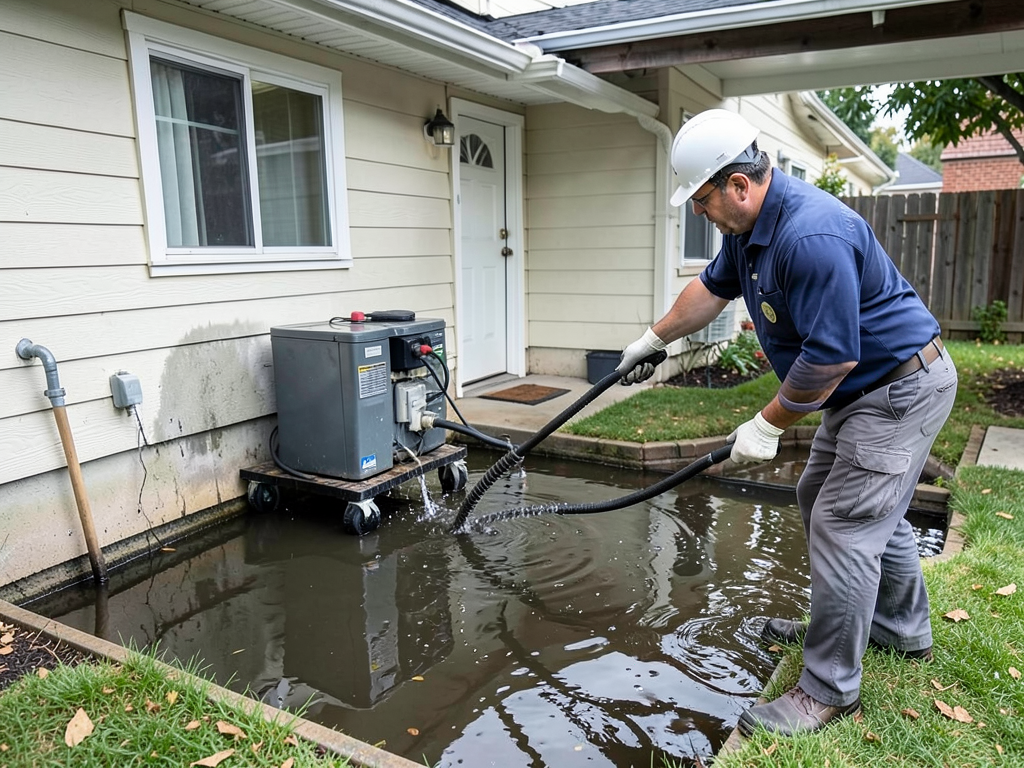
Water Damage Restoration Services in The San Francisco Area

Our commitment to rapid response means we cover the entire San Francisco area and surrounding communities. View the map below to visualize our primary service region, which includes key neighborhoods and business districts. Whether you are located in the Financial District, the Mission, or out toward the Sunset, you can trust our 24/7 team to reach you quickly. We proudly serve both residential and commercial clients across the entire map, guaranteeing a fast and effective mitigation service the moment you need us.

Address:
Summit Water Damage Restoration San Francisco, 1390 Market St, San Francisco, CA, 94102

Additional Services We Offer

Our news updates

Latest Articles & News from The Blogs

What to Do if Your New Backyard ADU Floods During a Heavy San Francisco Rain A sudden downpour in San…

What to Do if Your New Backyard ADU Floods During a Heavy San Francisco Rain

What to Do if Your New Backyard ADU Floods During a Heavy San Francisco Rain A sudden downpour in San…

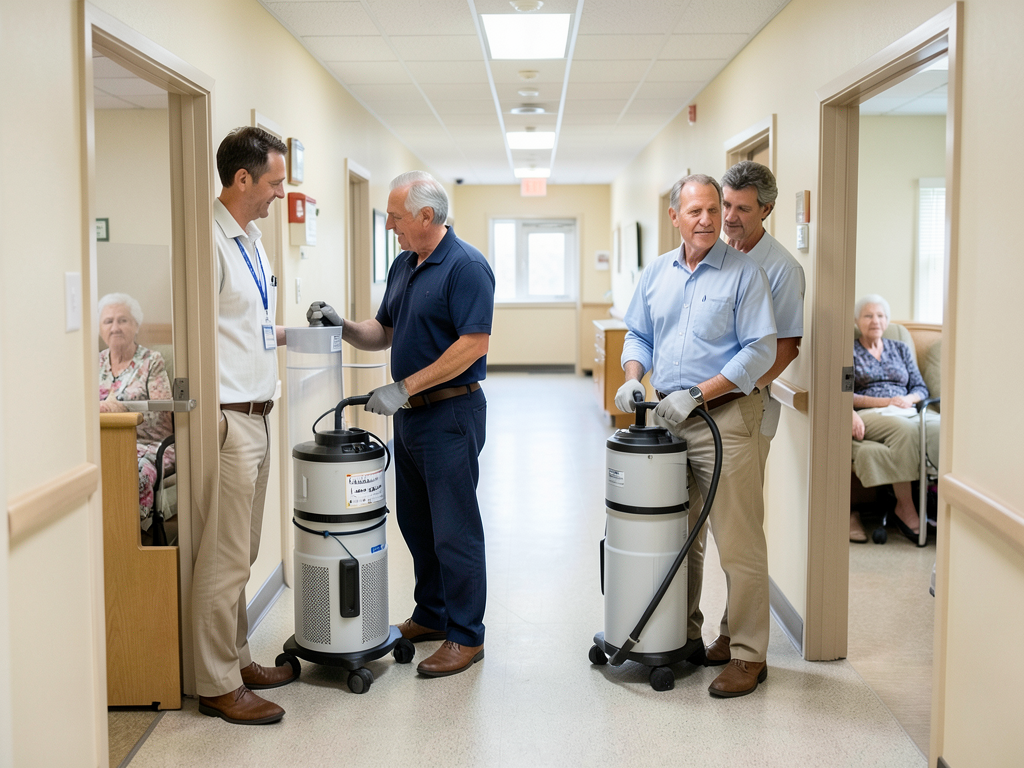
Selecting a Restoration Partner for Vulnerable Residents in a Richmond District Care Home

Specialized Senior Living Water Restoration Services in San Francisco Water damage in a Richmond District care home requires more than…

Why Your Noe Valley High Efficiency Boiler Could Be Slowly Flooding Your Utility Closet

Why Your Noe Valley High Efficiency Boiler Could Be Slowly Flooding Your Utility Closet If you live in a Noe…

Contact Us

Soggy insulation gets worse every day. Call Summit Water Damage Restoration San Francisco at (415) 449-6555 right now. We will assess your damage, remove contaminated materials, and restore your home's thermal envelope. Do not wait until mold makes your family sick.