menu

Crawl Space Cleanup & Encapsulation in San Francisco – Protect Your Foundation from Coastal Moisture & Mold

Comprehensive crawl space cleanup and encapsulation services designed to combat San Francisco's unique fog-driven humidity, prevent structural decay, and eliminate mold at the source.

Slider Image 1
Slider Image 2
Slider Image 3
Slider Image 4
Slider Image 5
Slider Image 7
Slider Image 8
Slider Image 9
Slider Image 10
Slider Image 11

Why San Francisco Crawl Spaces Are Vulnerable to Moisture Damage

San Francisco's marine layer creates a persistent moisture problem that most homeowners underestimate. The fog rolls in from the Pacific, settles into low-lying areas, and seeps into your crawl space through vents, cracks, and porous concrete. This constant dampness turns your crawl space into a breeding ground for mold, wood rot, and subfloor damage.

The city's older housing stock makes this worse. Most homes built before 1980 lack proper crawl space vapor barriers or modern waterproofing systems. The original builders never anticipated how coastal humidity would interact with redwood framing and inadequate ventilation. You end up with compromised floor joists, sagging subfloors, and air quality issues that migrate upward into your living space.

Crawl space remediation in San Francisco requires understanding the specific failure points. The combination of cool, damp air and poor drainage creates condensation on foundation walls. Water pools in low spots. Insulation absorbs moisture and loses R-value. Without crawl space sealing services, you are fighting a losing battle against the Pacific marine climate.

The Richmond and Sunset districts see the worst of it. Homes near Golden Gate Park or Ocean Beach face near-constant fog exposure from May through September. Even neighborhoods inland, like Noe Valley or the Mission, deal with seasonal moisture intrusion that damages crawl spaces over time. The problem is not occasional. It is structural and ongoing.

Crawl space waterproofing and proper encapsulation stop the cycle before it compromises your foundation. You need a barrier system that addresses both groundwater and atmospheric moisture. Anything less is a temporary fix.

Why San Francisco Crawl Spaces Are Vulnerable to Moisture Damage
Our Crawl Space Encapsulation System for San Francisco Homes

Our Crawl Space Encapsulation System for San Francisco Homes

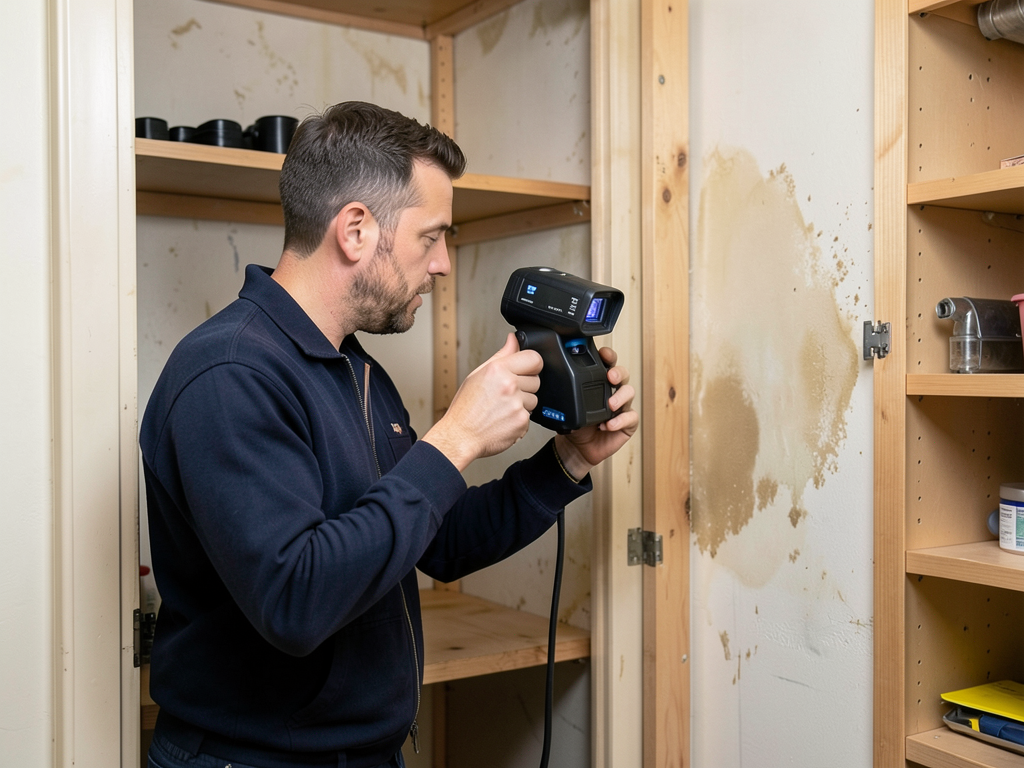
We do not just throw down a plastic sheet and call it done. Crawl space encapsulation starts with a full moisture assessment using thermal imaging and hygrometers to map where water is entering and where humidity levels exceed safe thresholds. We test for mold, check structural wood for rot, and identify drainage failures around the perimeter foundation.

The cleanup phase removes contaminated insulation, debris, and any organic material that supports mold growth. We treat affected wood with antimicrobial solutions and remove damaged joists or subfloor sections that cannot be salvaged. If you have standing water, we locate the source, whether it is a broken sump pump, foundation crack, or grading issue that directs runoff under the house.

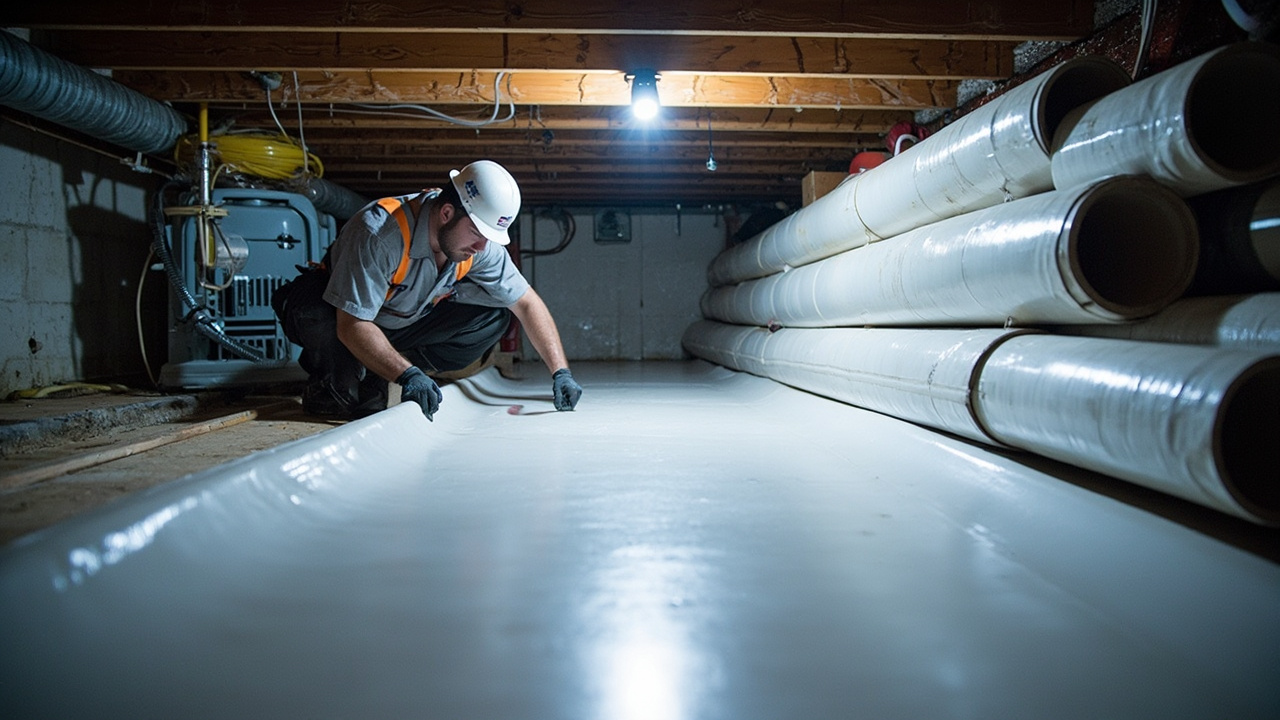
Next comes crawl space vapor barrier installation. We use heavy-duty, reinforced polyethylene sheeting, not the thin material that tears during installation. The barrier covers the entire dirt floor, runs up foundation walls, and seals at penetrations like piers and plumbing. Seams are taped with contractor-grade adhesive. Every overlap is sealed to create a continuous moisture barrier.

Crawl space sealing services include closing or replacing old foundation vents with insulated vent covers. San Francisco homes were originally built with open vents, which made sense in theory but actually pull humid outside air into the crawl space. Sealing these vents and conditioning the space prevents condensation and creates a controlled environment.

We install a commercial-grade dehumidifier if humidity levels remain elevated after encapsulation. Coastal properties near the Marina or Embarcadero often need this extra layer. The dehumidifier pulls moisture from the air before it condenses on surfaces. The result is a dry, stable crawl space that protects your foundation and improves indoor air quality.

What Happens During Your Crawl Space Encapsulation

Crawl Space Cleanup & Encapsulation in San Francisco – Protect Your Foundation from Coastal Moisture & Mold
01

Site Inspection and Diagnosis

We enter your crawl space with moisture meters, cameras, and testing equipment to document existing damage and identify moisture sources. You receive a written assessment that maps problem areas, measures humidity levels, and outlines the scope of crawl space restoration needed. We test for mold and check structural integrity before any work begins. This diagnostic phase ensures we address root causes, not symptoms.
02

Debris Removal and Surface Prep

We remove contaminated insulation, fallen debris, and any materials that trap moisture or support microbial growth. Foundation walls are cleaned and treated. The dirt floor is graded to eliminate low spots where water pools. If drainage improvements are needed, we install French drains or sump pump systems before laying the vapor barrier. This prep work determines how effective the encapsulation will be long-term.
03

Barrier Installation and Sealing

The reinforced vapor barrier is laid across the entire crawl space floor, extending up foundation walls and sealed at all seams and penetrations. We seal vents, install access doors with gaskets, and apply spray foam at rim joists where air leaks occur. A dehumidifier is installed if needed. You get a fully encapsulated, moisture-controlled crawl space that protects your home from the ground up. We test final humidity levels to confirm the system works.

Why San Francisco Homeowners Trust Summit Water Damage Restoration

Crawl space work in San Francisco is not like other cities. You are dealing with marine-layer fog, older foundation types, and strict building codes enforced by the Department of Building Inspection. We know what passes inspection and what fails. We understand the difference between a Victorian-era brick foundation and a mid-century concrete slab crawl space. The encapsulation system that works in Pacific Heights may not be right for a Bernal Heights bungalow.

We have been working in San Francisco long enough to recognize the signs of long-term moisture damage specific to this region. The way redwood joists rot in coastal air. The condensation patterns on single-wythe brick foundations. The ventilation failures common in Edwardian homes with shallow crawl spaces. You need someone who has seen these problems before and knows how to fix them correctly the first time.

Our crews are trained in confined-space safety protocols and equipped with respiratory protection for mold remediation work. Crawl spaces are hazardous environments. We follow OSHA standards and use proper containment during cleanup to prevent cross-contamination into your living areas. This is not a job for general handymen or unlicensed contractors.

We also coordinate with structural engineers when needed. If your floor joists show rot or deflection, we bring in a licensed engineer to assess load-bearing capacity before proceeding. We do not guess. We document, test, and verify. That level of diligence protects you from liability and ensures the work meets city code.

San Francisco homeowners come back to us because we explain what is happening and why. You get photos, moisture readings, and a clear scope of work before we start. No surprises. No upselling. Just honest crawl space restoration done right.

What You Get with Our Crawl Space Encapsulation Service

Fast Turnaround Time

Most crawl space encapsulation projects in San Francisco are completed in two to four days, depending on size and extent of damage. We schedule work to minimize disruption and keep you informed throughout the process. If we encounter unexpected issues, like hidden foundation cracks or plumbing leaks, we address them immediately rather than walking away. You are not left waiting weeks for follow-up. Our crews show up on time, work efficiently, and clean up thoroughly before leaving the site each day.

Thorough Moisture and Structural Assessment

Before any work begins, we conduct a detailed crawl space inspection using thermal imaging, moisture meters, and visual documentation. We test for mold, measure humidity levels, and check the structural integrity of floor joists and subfloor. You receive a written report with photos and moisture readings that show exactly what needs to be fixed. This diagnostic phase is included in the service. We do not charge extra for transparency. You know what you are paying for and why each step is necessary.

A Dry, Protected Crawl Space

When we finish, your crawl space is fully sealed with a reinforced vapor barrier, treated wood surfaces, and controlled humidity. You eliminate the musty smell that drifts upward into your home. You stop the mold growth that compromises air quality. You protect your foundation and floor joists from rot. The encapsulation system we install is designed to last for years, not months. We verify final humidity levels and make adjustments if needed to ensure the space stays dry.

Post-Installation Monitoring Guidance

After encapsulation is complete, we walk you through how to monitor the system. If a dehumidifier is installed, we show you how to maintain it and check for proper operation. We explain what to watch for, like new cracks, plumbing leaks, or signs of moisture intrusion. You get our direct contact information for follow-up questions. If issues arise down the road, we come back to assess and address them. You are not abandoned after the invoice is paid. We stand behind our work.

Frequently Asked Questions

You Have Questions,
We Have Answers

How much does it typically cost to encapsulate a crawl space? +

Crawl space encapsulation costs vary based on access difficulty, moisture severity, and required remediation. In San Francisco, older Victorian homes often need additional structural work before encapsulation begins, which increases the total investment. The process includes vapor barrier installation, insulation, dehumidification equipment, and mold treatment if needed. Homes near the coast or in fog-prone neighborhoods like the Sunset District typically require more robust moisture control systems. A smaller crawl space might require less investment, while larger spaces or those with significant water intrusion will cost more. Get a detailed site assessment to understand your specific needs.

Is it worth it to encapsulate a crawlspace? +

Yes. San Francisco's persistent coastal fog and moderate humidity create perfect conditions for crawl space moisture problems. Encapsulation prevents wood rot, mold growth, and pest infestations common in Bay Area homes. You will see lower energy bills because conditioned air stops escaping through vents. The investment protects your foundation from moisture damage, which is critical in neighborhoods built on fill or near water. Encapsulation also improves indoor air quality, since up to 50 percent of your home's air comes from the crawl space. For older San Francisco homes, this upgrade preserves structural integrity and increases property value significantly.

What is included in crawl space encapsulation? +

Complete crawl space encapsulation includes several critical components. You get a heavy-duty vapor barrier installed across the floor and sealed to walls, preventing ground moisture from entering. Insulation goes on foundation walls to improve energy efficiency. All vents get sealed to eliminate outside air and humidity. A dehumidifier maintains optimal moisture levels year-round. The process includes debris removal, mold remediation if present, and drainage improvements when needed. In San Francisco homes, especially those in Richmond or Outer Sunset areas, we often add sump pumps to manage groundwater. Proper encapsulation creates a controlled environment that protects your home's structural components.

Is it worth it to clean a crawl space? +

Absolutely. San Francisco's fog belt and older housing stock make crawl space cleaning essential. You remove mold, rodent droppings, contaminated insulation, and construction debris that accumulate over decades. This cleanup eliminates health hazards and foul odors that migrate into your living space. Cleaning also reveals hidden structural issues like termite damage, plumbing leaks, or foundation cracks common in pre-1950s homes. Before any encapsulation or repair work begins, the space must be clean. Many homeowners discover significant moisture problems only after cleaning exposes them. This step protects your investment and creates a safe environment for future work.

How much does it cost to encapsulate a 1200 square-foot crawl space? +

A 1200 square-foot crawl space represents a mid-sized project with multiple cost factors. The final investment depends on existing moisture damage, required mold remediation, insulation type, and dehumidifier specifications. San Francisco homes in areas like Glen Park or Bernal Heights may need additional drainage work due to hillside positioning. Accessibility also affects labor costs. Tight crawl spaces with limited entry points require more time and specialized equipment. The thickness and quality of the vapor barrier material impacts durability and performance. Get three detailed estimates from licensed contractors who physically inspect your specific space before committing.

What are the negatives of crawl space encapsulation? +

Improper installation creates problems. If contractors skip the dehumidifier or install an undersized unit, moisture can still accumulate in the sealed space. Poor sealing around penetrations allows humid air to enter. Some older San Francisco homes need foundation venting for soil gas mitigation, and encapsulation must account for radon or methane concerns. The upfront investment can strain budgets, though long-term savings offset this. You lose crawl space storage access after encapsulation. Inadequate drainage systems cause water pooling under the vapor barrier. These negatives disappear when you hire experienced contractors who assess your specific property conditions correctly.

What are the downsides of encapsulation? +

Encapsulation locks in existing problems if you skip proper preparation. Sealing a crawl space with active leaks, wood rot, or mold just hides issues temporarily. The vapor barrier can trap moisture from plumbing leaks or groundwater intrusion if drainage is inadequate. Some San Francisco foundation types, particularly those in liquefaction zones near the Marina or South Beach, require specialized approaches. Dehumidifiers need electricity and maintenance, adding ongoing costs. Poor workmanship creates gaps where moisture enters. The space becomes uninhabitable for storage or mechanicals that need ventilation. Address all underlying issues first, then encapsulation delivers long-term protection without downsides.

Does insurance cover crawl space encapsulation? +

Standard homeowners insurance rarely covers crawl space encapsulation because insurers classify it as preventive maintenance and home improvement. However, if water damage from a covered peril like a burst pipe caused the crawl space contamination, your policy might cover cleanup and restoration. Some policies offer limited mold remediation coverage after qualifying water events. In San Francisco, earthquake insurance does not typically cover foundation improvements either. Review your specific policy language and document any damage with photos. Submit claims for covered water events promptly. Consider encapsulation a wise investment that prevents future claims and protects your property value.

How much does it cost to insulate a 1000 sq ft crawl space? +

Insulating a 1000 square-foot crawl space involves multiple variables affecting the total investment. You need to choose between insulating floor joists or foundation walls. Closed-cell spray foam costs more but provides superior moisture resistance, critical in San Francisco's damp climate. Rigid foam board offers a budget-friendly alternative. Removal of old, contaminated insulation adds labor costs. Crawl spaces in areas like Cole Valley or Twin Peaks may have challenging access that increases installation time. Many contractors combine insulation with encapsulation for better performance. The investment pays back through lower heating costs and improved comfort in rooms above the crawl space.

Can I write off crawl space encapsulation? +

Crawl space encapsulation qualifies as a capital improvement, not a deductible repair expense for most homeowners. You cannot write it off on your personal tax return unless you use part of your home for business, in which case you might deduct a proportional amount. The investment may increase your cost basis when you sell, potentially reducing capital gains tax. Rental property owners can depreciate encapsulation costs over time as a property improvement. San Francisco's high property values make basis adjustments meaningful. Medical necessity exceptions exist if a doctor prescribes encapsulation for specific health conditions. Consult a tax professional familiar with California real estate to maximize available benefits.

How San Francisco's Fog and Coastal Climate Demand Specialized Encapsulation

San Francisco sits on a peninsula surrounded by cold Pacific water. The marine layer rolls in during late afternoon and stays through morning, creating near-constant humidity in low-lying areas. This fog does not just wet surfaces. It saturates the air, driving moisture into porous materials like concrete, wood, and insulation. Crawl spaces act as collection points for this damp air. Without proper crawl space sealing services and vapor barrier installation, you are fighting a climate condition that never stops. The city's lack of seasonal temperature swings means there is no natural dry period to reset moisture levels.

San Francisco's building codes have evolved to address these moisture issues, but older homes were not built with encapsulation in mind. The Department of Building Inspection now requires proper crawl space ventilation or conditioned encapsulation for new construction and major renovations. We know what these codes require and how to bring older homes up to standard without triggering unnecessary permit complications. Our work meets city standards because we understand the local regulatory environment. Choosing a contractor with San Francisco experience means you get crawl space restoration that passes inspection and protects your investment.
Water Damage Restoration Services in The San Francisco Area

Our commitment to rapid response means we cover the entire San Francisco area and surrounding communities. View the map below to visualize our primary service region, which includes key neighborhoods and business districts. Whether you are located in the Financial District, the Mission, or out toward the Sunset, you can trust our 24/7 team to reach you quickly. We proudly serve both residential and commercial clients across the entire map, guaranteeing a fast and effective mitigation service the moment you need us.

Address:
Summit Water Damage Restoration San Francisco, 1390 Market St, San Francisco, CA, 94102

Additional Services We Offer

Our news updates

Latest Articles & News from The Blogs

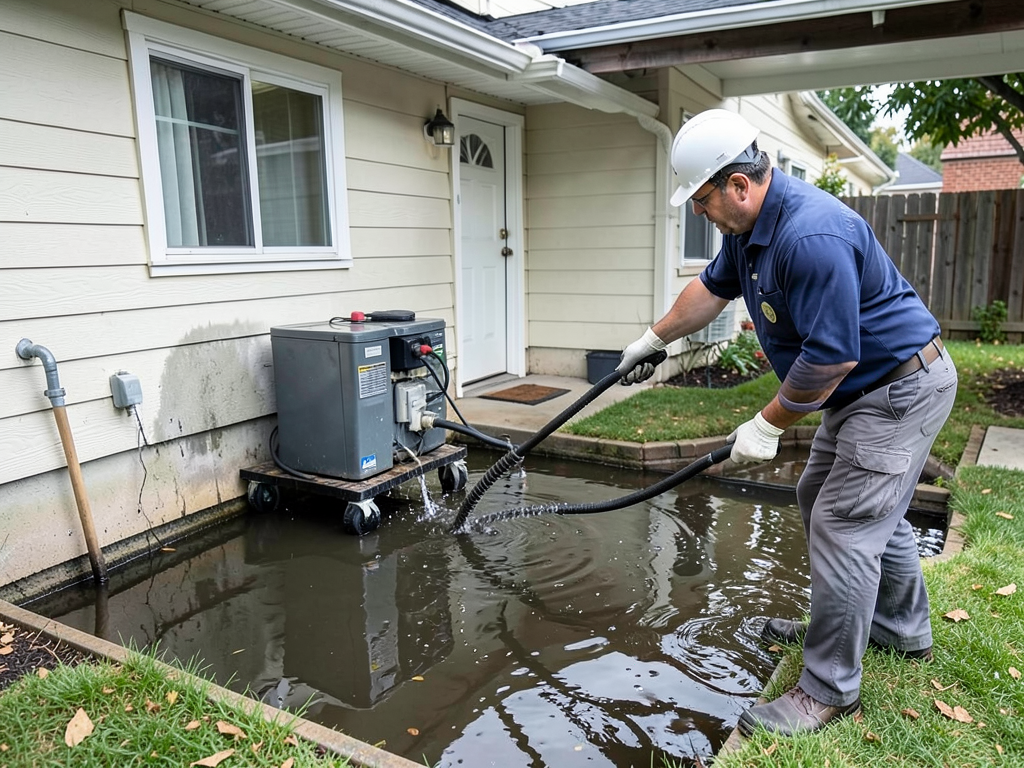
What to Do if Your New Backyard ADU Floods During a Heavy San Francisco Rain A sudden downpour in San…

What to Do if Your New Backyard ADU Floods During a Heavy San Francisco Rain

What to Do if Your New Backyard ADU Floods During a Heavy San Francisco Rain A sudden downpour in San…

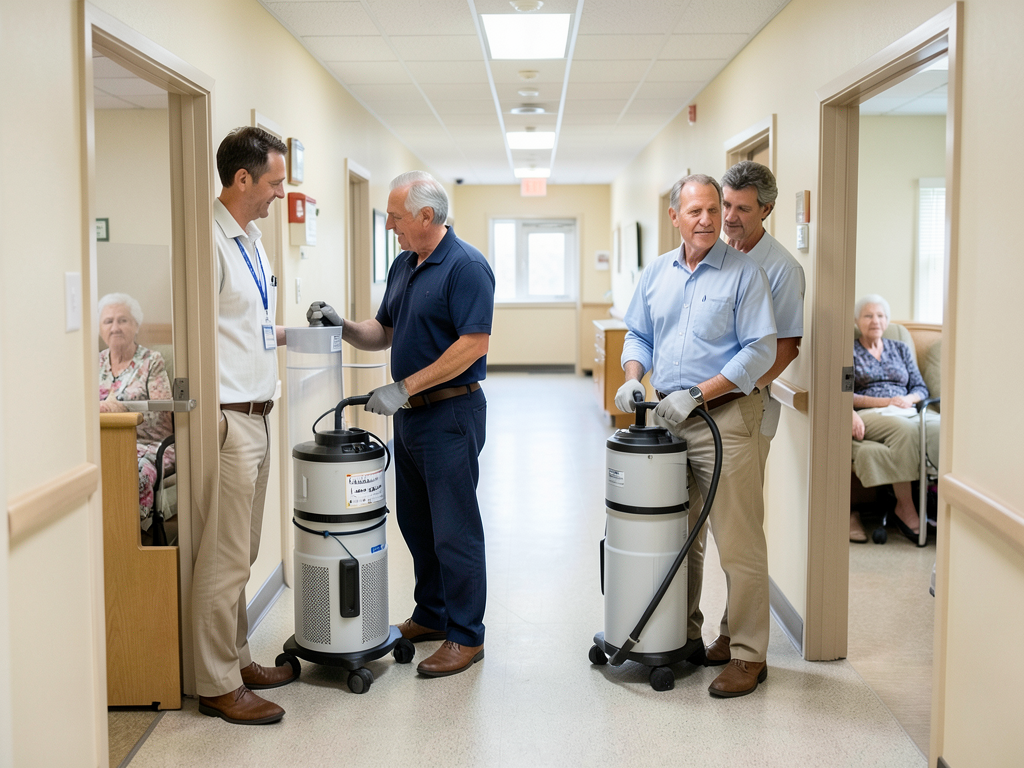
Selecting a Restoration Partner for Vulnerable Residents in a Richmond District Care Home

Specialized Senior Living Water Restoration Services in San Francisco Water damage in a Richmond District care home requires more than…

Why Your Noe Valley High Efficiency Boiler Could Be Slowly Flooding Your Utility Closet

Why Your Noe Valley High Efficiency Boiler Could Be Slowly Flooding Your Utility Closet If you live in a Noe…

Contact Us

Do not wait for mold to spread or floor joists to rot. Call Summit Water Damage Restoration San Francisco at (415) 449-6555 for a crawl space inspection and encapsulation estimate. We respond fast and fix it right.