menu

Fire & Smoke Damage Restoration in San Francisco – 24/7 Emergency Response With Complete Structural Drying

Summit Water Damage Restoration San Francisco delivers comprehensive fire damage repair and smoke damage cleanup with certified technicians who understand how Bay Area construction and fog-driven moisture complicate fire restoration timelines.

Slider Image 1
Slider Image 2
Slider Image 3
Slider Image 4
Slider Image 5
Slider Image 7
Slider Image 8
Slider Image 9
Slider Image 10
Slider Image 11

Why Fire Damage in San Francisco Properties Creates Dual Hazards

Fire destroys what burns. Water destroys what remains.

When fire crews extinguish flames in San Francisco buildings, they pump thousands of gallons into walls, subflooring, and attic spaces. The city's persistent fog and marine air then trap moisture in enclosed spaces for weeks. You now face two separate crises: charred structural members and saturated wood that breeds mold within 48 hours.

San Francisco's dense Victorian and Edwardian housing stock complicates fire restoration services. These older structures use balloon framing, where open stud bays create vertical chimneys for smoke migration. Soot travels three floors up through wall cavities, contaminating spaces that never saw flames. Traditional plaster-and-lath walls also absorb smoke particles deep into porous materials, requiring specialized cleaning protocols beyond surface wiping.

Fire and smoke mitigation in Bay Area properties also contends with strict Title 24 energy code requirements. When replacing fire-damaged building envelope components, you must upgrade insulation and air sealing to current standards. This adds complexity to what seems like straightforward fire cleanup services.

The combination of water extraction, structural drying, smoke remediation, and code-compliant rebuilding demands a restoration partner who understands how these systems intersect. Delayed response allows secondary water damage to compound the original fire loss, increasing claim amounts and extending displacement timelines.

Why Fire Damage in San Francisco Properties Creates Dual Hazards
How Professional Fire Restoration Prevents Permanent Structural Damage

How Professional Fire Restoration Prevents Permanent Structural Damage

Effective fire damage repair begins with atmospheric control, not demolition.

We establish negative air pressure within the fire zone using HEPA-filtered air scrubbers. This containment prevents airborne soot particles from migrating to unaffected areas during cleanup. Particle counters measure air quality in real time, confirming when spaces meet safe reoccupancy thresholds.

Next comes moisture mapping with thermal imaging cameras and penetrating moisture meters. Fire suppression water migrates horizontally through floor assemblies and vertically through wall cavities. We document moisture levels in structural framing, subfloor systems, and concealed spaces before extraction begins. This data determines drying equipment placement and creates a baseline for progress tracking.

Truck-mounted extraction units remove standing water within the first four hours. Then commercial dehumidifiers and axial air movers create the precise vapor pressure deficit needed to pull moisture from saturated materials. We target 15 percent moisture content in wood framing and 12 percent in finish carpentry, measured with calibrated resistance-type meters.

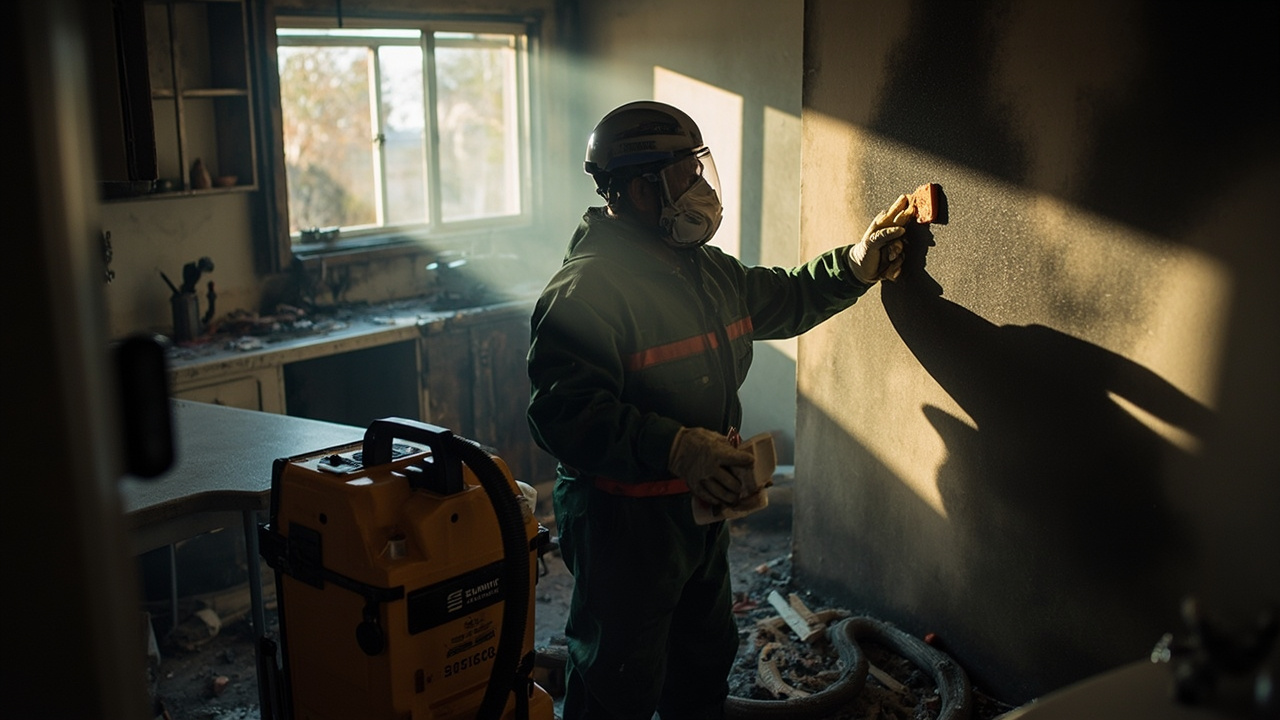
Smoke damage cleanup requires different chemistry for different surfaces. Protein-based residues from kitchen fires need alkaline cleaners. Synthetic smoke from burning plastics requires solvent-based treatments. We test cleaning solutions on inconspicuous areas first, adjusting pH levels to prevent etching on natural stone or discoloration on painted surfaces.

Summit Water Damage Restoration San Francisco documents every phase with job-site photos, moisture readings, and air quality reports. Insurance adjusters need this evidence to validate claim amounts and approve scope-of-work amendments when hidden damage appears during demolition.

What Happens During Your Fire Restoration Service Call

Fire & Smoke Damage Restoration in San Francisco – 24/7 Emergency Response With Complete Structural Drying
01

Emergency Stabilization

We arrive within 60 minutes to assess life-safety hazards and prevent additional damage. Roof tarping stops rainwater infiltration through compromised roofing. Board-up services secure openings created by firefighter access. Emergency power connects drying equipment before mold colonization begins. We photograph all damage and begin moisture documentation for your insurance claim.
02

Comprehensive Damage Assessment

Thermal imaging reveals hidden water damage behind walls and under flooring. Moisture meters quantify saturation levels in structural members. Air quality testing identifies combustion byproducts requiring specialized cleaning. We inspect HVAC ductwork for smoke contamination and check electrical systems for heat damage. This assessment produces a detailed scope of work that separates fire damage from water damage for accurate insurance coding.
03

Controlled Restoration

Drying equipment runs continuously with daily moisture readings until structural components reach equilibrium. Smoke cleaning progresses room by room under containment barriers. Ozone generators and hydroxyl processors eliminate persistent odors after surfaces are cleaned. We coordinate with licensed contractors for electrical, plumbing, and structural repairs. Final clearance testing confirms the property meets indoor air quality standards before rebuild begins.

Why San Francisco Properties Need Specialized Fire Restoration Knowledge

Bay Area fire restoration requires understanding how local construction methods and environmental conditions affect recovery timelines.

San Francisco's housing stock includes thousands of pre-1906 earthquake buildings constructed with old-growth redwood framing. This dense, tight-grained lumber resists moisture absorption better than modern dimensional lumber, but it also holds smoke odor in the wood's resinous pockets. Standard cleaning protocols fail on these historic materials. We use hot water vapor extraction to open wood pores and release trapped volatiles, followed by encapsulating sealers that prevent off-gassing.

The city's Residential Building Code requires seismic retrofitting when fire damage exceeds 50 percent of a building's value. This triggers requirements for foundation bolting, cripple wall bracing, and hold-down anchor installation. Summit Water Damage Restoration San Francisco coordinates with structural engineers who understand Planning Department submittal requirements, preventing permit delays that extend displacement timelines.

Marine layer fog that blankets the city from June through September creates persistently high relative humidity. Standard drying equipment sized for inland climates underperforms in these conditions. We deploy commercial-grade low-grain refrigerant dehumidifiers that operate efficiently in cool, humid environments. These units remove moisture even when outdoor air holds more water vapor than damaged building materials.

Our technicians also navigate San Francisco's complex insurance landscape. Many older homes carry actual cash value policies that depreciate dwelling coverage. We document pre-loss condition with comparable sales data, helping you negotiate replacement cost settlements that fund proper restoration rather than cheap patch jobs.

What to Expect During Fire and Smoke Damage Restoration

Immediate Emergency Response

We dispatch crews 24 hours a day, 365 days a year, with average arrival times under 90 minutes across San Francisco, Daly City, and South San Francisco. Emergency stabilization begins immediately to prevent secondary damage from weather exposure or ongoing water intrusion. Drying equipment deployment starts within four hours of your call. We work directly with your insurance carrier to expedite claim approvals, providing detailed photo documentation and moisture mapping data that adjusters need for fast-track authorization. Critical timelines matter when mold growth begins at 48 hours.

Detailed Damage Documentation

Our assessment separates fire damage from water damage, smoke contamination from structural compromise, and cosmetic issues from safety hazards. You receive a room-by-room written report with thermal images showing hidden moisture, moisture meter readings documenting saturation levels, and air quality test results identifying combustion byproducts. This documentation prevents claim disputes and provides the evidence needed when hidden damage appears during demolition. We create separate line-item estimates for emergency services, structural drying, smoke cleaning, and rebuild coordination so you understand exactly what each phase involves.

Complete Odor Elimination

Smoke odor elimination requires more than air fresheners and surface cleaning. We remove contaminated porous materials that cannot be salvaged, including drywall, insulation, and carpeting. HVAC ductwork receives professional cleaning or replacement when smoke particles coat interior surfaces. After surface cleaning, we deploy hydroxyl generators that break down odor molecules at the molecular level without creating harmful ozone byproducts. Final air quality testing confirms volatile organic compound levels meet California Department of Public Health standards. You move back into a property that smells clean because it is clean.

Insurance Claim Management

We communicate directly with insurance adjusters throughout the restoration process, providing daily updates and documentation that keeps claims moving forward. When hidden damage requires scope amendments, we photograph conditions and explain why additional work is necessary using language adjusters understand. Our detailed estimates follow Xactimate pricing standards that match what insurance companies use for claim evaluation. You avoid the stress of translating between contractor terminology and insurance requirements. We also identify coverage gaps before they become problems, such as ordinance and law limitations that underfund code-required upgrades in older buildings.

Frequently Asked Questions

You Have Questions,
We Have Answers

How much does smoke damage restoration cost? +

Smoke damage restoration costs vary based on severity, affected square footage, and soot type. Light surface cleaning in a single room may run a few hundred dollars, while extensive structural cleaning, odor neutralization, and content restoration can reach several thousand. San Francisco's older Victorian homes often require specialized techniques due to porous materials and intricate woodwork, which affects pricing. Insurance typically covers restoration costs if fire or smoke damage results from a covered peril. Get a professional inspection first. A qualified restoration company will document damage thoroughly, helping you file an accurate claim and avoid out-of-pocket surprises.

Can a fire-damaged house be repaired? +

Yes, most fire-damaged houses can be repaired. The key is assessing structural integrity quickly. A licensed restoration company evaluates framing, foundation, electrical systems, and plumbing to determine if repair is safe and feasible. In San Francisco, many homes feature original plaster walls and hardwood floors that can be salvaged with proper techniques. Severe cases involving compromised load-bearing walls or foundation damage may require demolition and rebuild. Speed matters. Soot and smoke residues continue corroding materials until cleaned. Professional restoration stabilizes the structure, removes hazardous debris, and prevents secondary damage like mold growth from firefighting water.

What is fire damage restoration? +

Fire damage restoration is the process of returning a fire-damaged property to pre-loss condition. It includes emergency board-up, structural stabilization, soot and smoke removal, odor neutralization, content cleaning, and reconstruction. Restoration teams address visible damage like charred walls and hidden issues like smoke infiltration in HVAC ducts or insulation. In San Francisco, where homes sit close together, smoke can migrate between units, requiring specialized containment. Professional restoration follows IICRC standards, using thermal foggers, ozone treatments, and HEPA filtration to eliminate odors and particulates. The goal is full recovery, not just cosmetic repair.

What's the best way to clean fire and smoke damaged wood? +

Cleaning fire and smoke-damaged wood requires different approaches based on damage depth. Surface soot wipes off with dry chemical sponges, followed by TSP (trisodium phosphate) solution and clean water rinse. For deeper penetration, you need sanding or media blasting to remove charred layers without damaging grain. San Francisco's historic homes often feature redwood or Douglas fir that can be saved with careful restoration. Seal cleaned wood with shellac-based primer to lock in residual odors before refinishing. Avoid water-soaking untreated wood, which warps easily. Professional restorers use moisture meters and controlled cleaning methods to preserve original woodwork.

Is it worth buying a house with fire damage? +

Buying a fire-damaged house can offer value if you understand the risks. Inspect the foundation, framing, electrical, and plumbing systems for structural compromise. In San Francisco's competitive market, fire-damaged properties often sell below market rate, but restoration costs can exceed savings. Hidden damage like weakened joists, corroded wiring, or compromised roofing may not surface until demolition begins. Hire a licensed structural engineer and restoration contractor for pre-purchase assessment. Verify permit history to ensure previous repairs met code. If you have renovation experience and capital reserves, fire-damaged homes offer opportunities. First-time buyers should proceed cautiously.

Will insurance cover smoke damage? +

Most homeowners insurance policies cover smoke damage if it results from a covered peril like fire, lightning, or vandalism. Coverage includes structural cleaning, content restoration, and temporary housing during repairs. San Francisco policies may have specific provisions for multi-unit buildings where smoke travels between units. Document everything immediately. Photograph damage, save receipts, and contact your insurer within 24 hours. Insurance adjusters assess loss scope, but their initial estimate may undervalue hidden damage like smoke in wall cavities or HVAC systems. A professional restoration company provides detailed documentation that supports your claim and speeds approval.

Are houses destroyed by fire covered by insurance? +

Yes, homeowners insurance typically covers fire-destroyed houses under dwelling coverage, which pays to rebuild or repair your home. Policies also include contents coverage for belongings and additional living expenses for temporary housing. In San Francisco, replacement cost often exceeds purchase price due to high construction costs and strict building codes. Review your policy limits annually. Underinsurance is common in older neighborhoods where home values have skyrocketed. After a fire, your insurer assigns an adjuster to assess damages and estimate rebuilding costs. Keep all receipts, communicate promptly, and consider hiring a public adjuster if the settlement seems low.

What is the 30/30/30 rule for fire? +

The 30/30/30 rule for fire is a guideline for evaluating fire hazards during wildfire season. It refers to temperatures above 30 degrees Celsius (86°F), relative humidity below 30 percent, and wind speeds exceeding 30 kilometers per hour (roughly 19 mph). When these three conditions align, fire risk escalates dramatically. In San Francisco, dry offshore winds and low humidity during fall months create similar high-risk periods. While the city itself has limited wildfire exposure, surrounding areas face significant threat. Residents should clear defensible space, maintain ember-resistant vents, and have evacuation plans ready when these conditions converge.

What's the difference between restoration and remediation? +

Restoration returns a property to pre-loss condition after damage occurs, focusing on repair and recovery. Remediation removes a hazard or contamination, like mold, asbestos, or sewage. After a fire, you need both. Remediation addresses soot, smoke residues, and potential mold from firefighting water. Restoration rebuilds walls, replaces flooring, and repairs systems. In San Francisco's older housing stock, remediation often involves lead paint or asbestos abatement before reconstruction begins. Remediation stops ongoing harm. Restoration makes the property livable again. Professional fire restoration companies handle both phases, ensuring safe, compliant recovery from initial cleanup through final rebuilding.

Does homeowners insurance cover housing after a fire? +

Yes, homeowners insurance includes Additional Living Expenses (ALE) or Loss of Use coverage, which pays for temporary housing if fire makes your home uninhabitable. This covers hotel bills, rental costs, and increased food expenses while repairs happen. In San Francisco, where rental markets are tight and expensive, ALE limits matter. Policies typically cap coverage at 12 to 24 months or a percentage of dwelling coverage. Keep receipts for all expenses. Maintain reasonable spending. Insurers won't pay for luxury upgrades but will cover comparable housing. Review your policy limits now, before a loss, to ensure adequate protection in this high-cost market.

How San Francisco's Dense Construction and Marine Climate Complicate Fire Restoration

San Francisco's closely spaced buildings create fire exposure risks that affect restoration strategy. When flames damage a shared wall in the city's common Victorian row houses, smoke and heat often compromise the adjacent property even without direct fire contact. Fire restoration services in these situations require coordination between multiple property owners and insurance carriers. The Bay Area's summer fog also extends drying timelines compared to inland climates. Relative humidity above 70 percent slows evaporation rates, requiring longer equipment runtime and more frequent moisture monitoring to prevent mold growth in fire-damaged structures saturated by suppression water.

Choosing a restoration company familiar with San Francisco Building Code requirements prevents costly mistakes during rebuild. The city requires fire-damaged structures to meet current earthquake standards when repair costs exceed specific thresholds. This includes foundation anchoring, cripple wall bracing, and soft-story retrofitting for multi-unit buildings. Summit Water Damage Restoration San Francisco works with structural engineers and expeditors who understand Planning Department submittal processes, ensuring permit approvals that keep restoration on schedule. Our technicians also understand how to protect historic architectural details during smoke cleaning, preserving original moldings, wainscoting, and woodwork that define San Francisco's character homes.
Water Damage Restoration Services in The San Francisco Area

Our commitment to rapid response means we cover the entire San Francisco area and surrounding communities. View the map below to visualize our primary service region, which includes key neighborhoods and business districts. Whether you are located in the Financial District, the Mission, or out toward the Sunset, you can trust our 24/7 team to reach you quickly. We proudly serve both residential and commercial clients across the entire map, guaranteeing a fast and effective mitigation service the moment you need us.

Address:
Summit Water Damage Restoration San Francisco, 1390 Market St, San Francisco, CA, 94102

Additional Services We Offer

Our news updates

Latest Articles & News from The Blogs

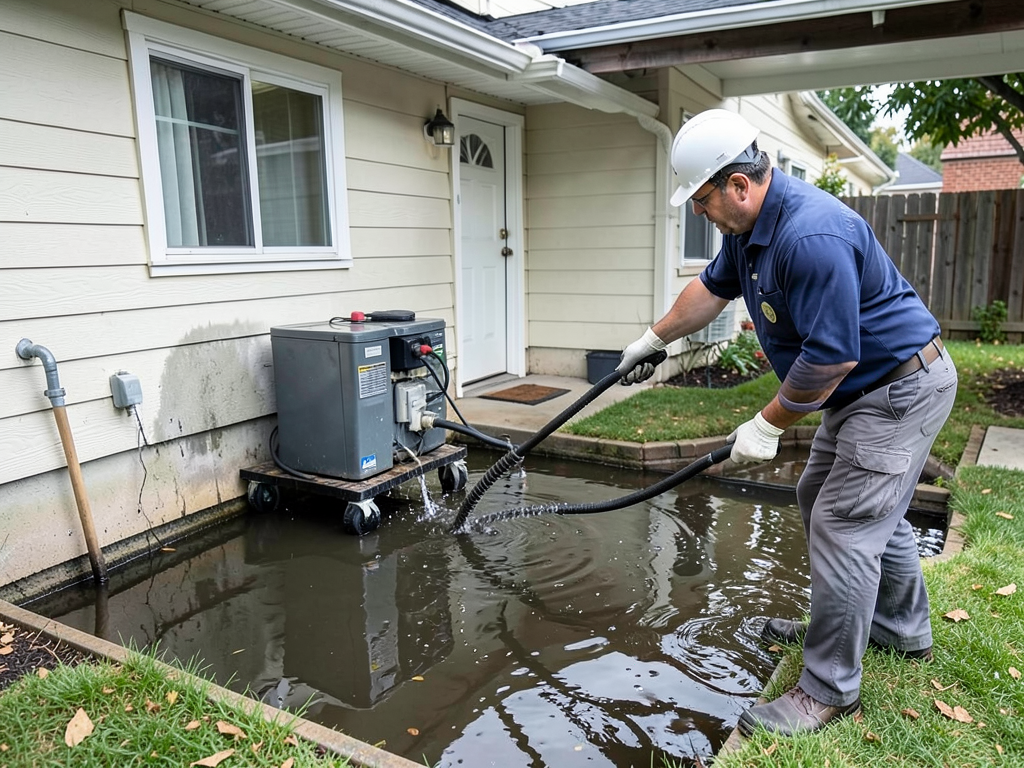
What to Do if Your New Backyard ADU Floods During a Heavy San Francisco Rain A sudden downpour in San…

What to Do if Your New Backyard ADU Floods During a Heavy San Francisco Rain

What to Do if Your New Backyard ADU Floods During a Heavy San Francisco Rain A sudden downpour in San…

Selecting a Restoration Partner for Vulnerable Residents in a Richmond District Care Home

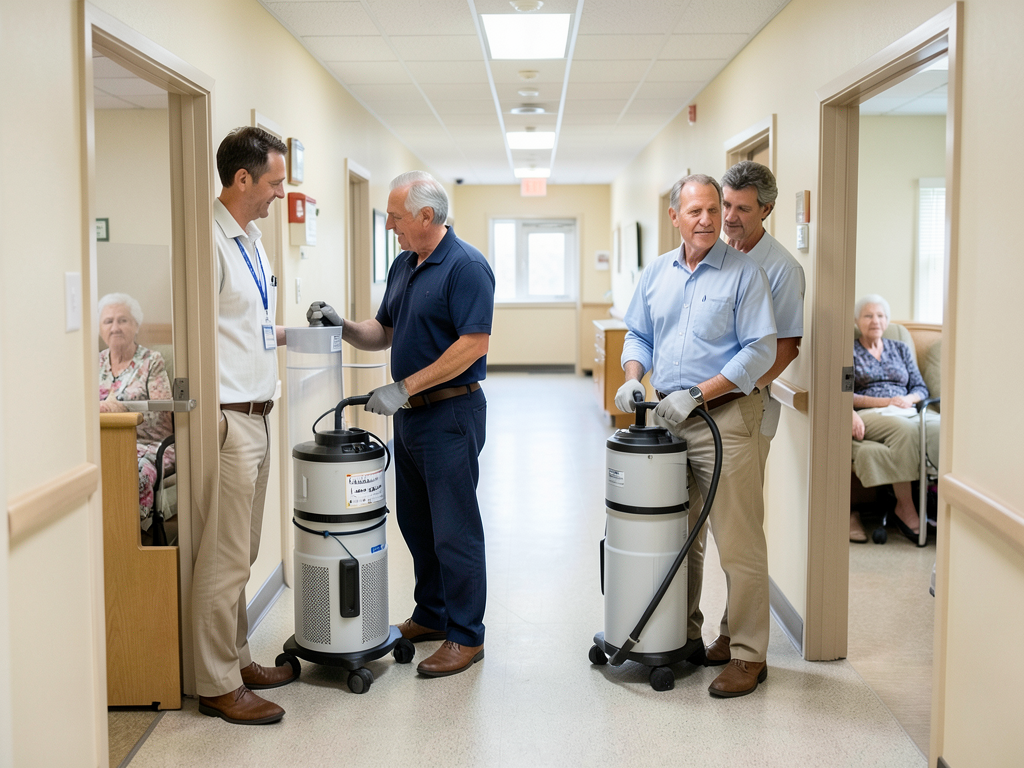
Specialized Senior Living Water Restoration Services in San Francisco Water damage in a Richmond District care home requires more than…

Why Your Noe Valley High Efficiency Boiler Could Be Slowly Flooding Your Utility Closet

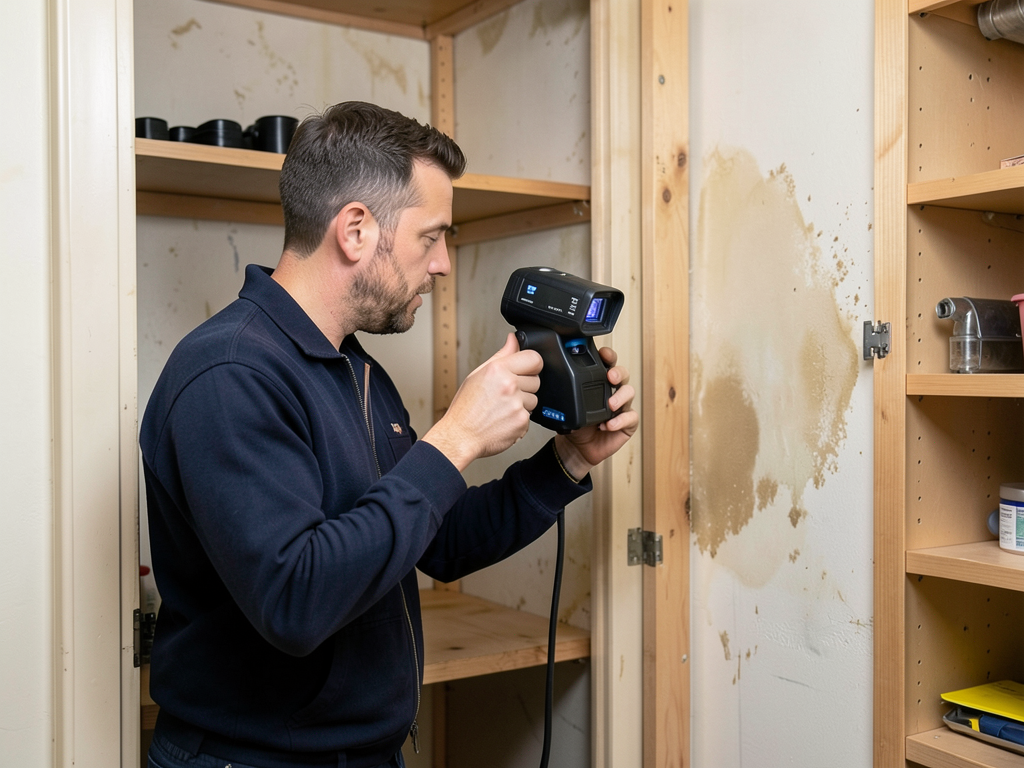
Why Your Noe Valley High Efficiency Boiler Could Be Slowly Flooding Your Utility Closet If you live in a Noe…

Contact Us

Call Summit Water Damage Restoration San Francisco now at (415) 449-6555 for 24/7 emergency fire restoration. Our crews deploy immediately to stop secondary damage, document your loss, and begin the recovery process. Every hour counts when water from fire suppression soaks into structural framing.