menu

Attic Water Damage Cleanup in San Francisco – Complete Restoration from Source to Structure

Expert attic water damage cleanup services for San Francisco homes and buildings, addressing roof leaks, pipe bursts, and condensation damage with full-scope water extraction, structural drying, and mold prevention.

Slider Image 1
Slider Image 2
Slider Image 3
Slider Image 4
Slider Image 5
Slider Image 7
Slider Image 8
Slider Image 9
Slider Image 10
Slider Image 11

Why San Francisco Attics Face Persistent Water Damage Risks

San Francisco's marine climate creates a perfect storm for attic water damage. Coastal fog rolls through neighborhoods like the Sunset District and Richmond, depositing moisture that condenses in poorly ventilated attic spaces. When temperatures shift between morning fog and afternoon sun, this condensation cycle accelerates rot in roof decking and insulation.

Your attic sits between two conflicting forces. Above, deteriorating composition shingles or aging clay tiles let rainwater seep through flashing joints. Below, bathroom exhaust vents and kitchen steam push warm, humid air upward. Without proper vapor barriers, this moisture migrates into attic insulation and settles on roof trusses.

Victorian and Edwardian homes throughout the Mission and Haight-Ashbury often feature original plumbing runs through attic crawl spaces. These galvanized pipes corrode over decades, developing pinhole leaks that drip slowly onto ceiling joists. You might not notice the damage until drywall stains appear or insulation becomes waterlogged.

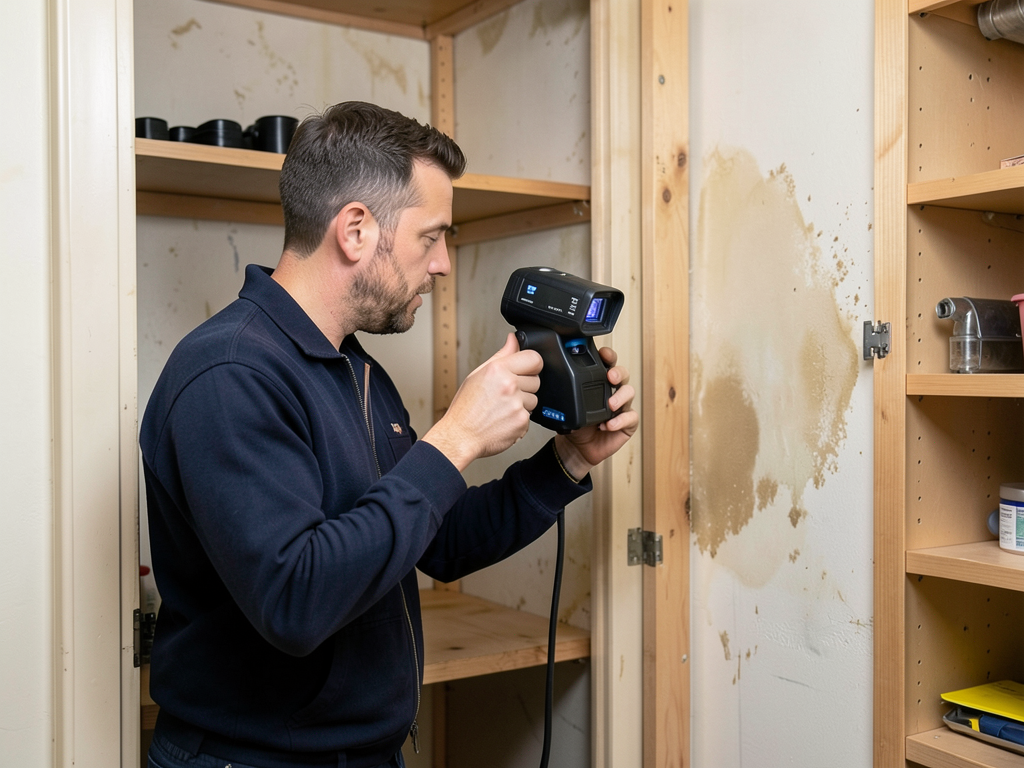
Attic water damage restoration starts with identifying whether water entered from above or condensed from within. Summit Water Damage Restoration San Francisco uses thermal imaging cameras to map moisture migration patterns through ceiling assemblies. We trace leak paths back to their entry points, whether that's failed valley flashing on your Noe Valley home or a cracked vent boot on your Pacific Heights building.

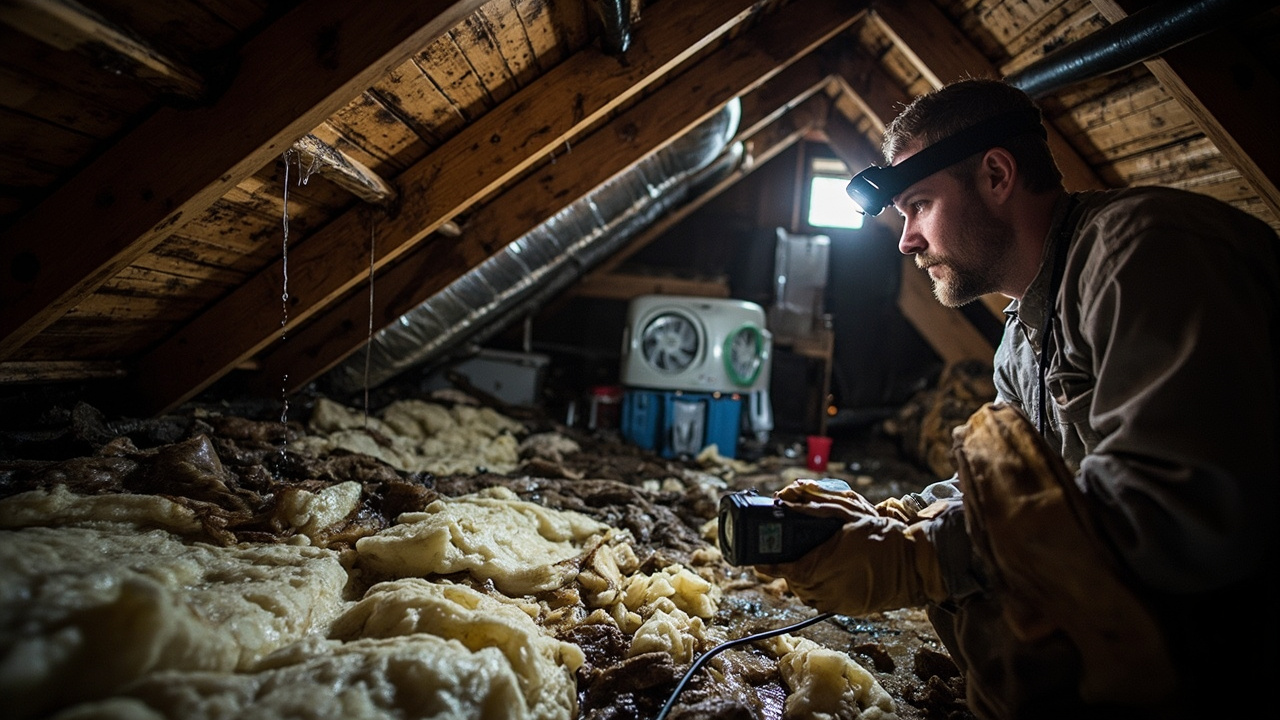
Attic flood restoration differs from standard water removal because gravity works against you. Water pools in ceiling cavities and soaks downward into wall assemblies. The longer water sits in fiberglass insulation, the more likely mold colonies establish in the dark, oxygen-rich environment. Attic leak cleanup requires extracting standing water, removing compromised insulation, and drying structural lumber to below 15 percent moisture content before reconstruction begins.

Why San Francisco Attics Face Persistent Water Damage Risks
How Professional Attic Water Removal Services Work

How Professional Attic Water Removal Services Work

Attic water damage repair follows a sequenced protocol designed to prevent secondary damage while preserving salvageable materials. We begin with source control, stopping active leaks before extracting standing water. This might mean tarping compromised roof sections or shutting off supply lines to burst pipes.

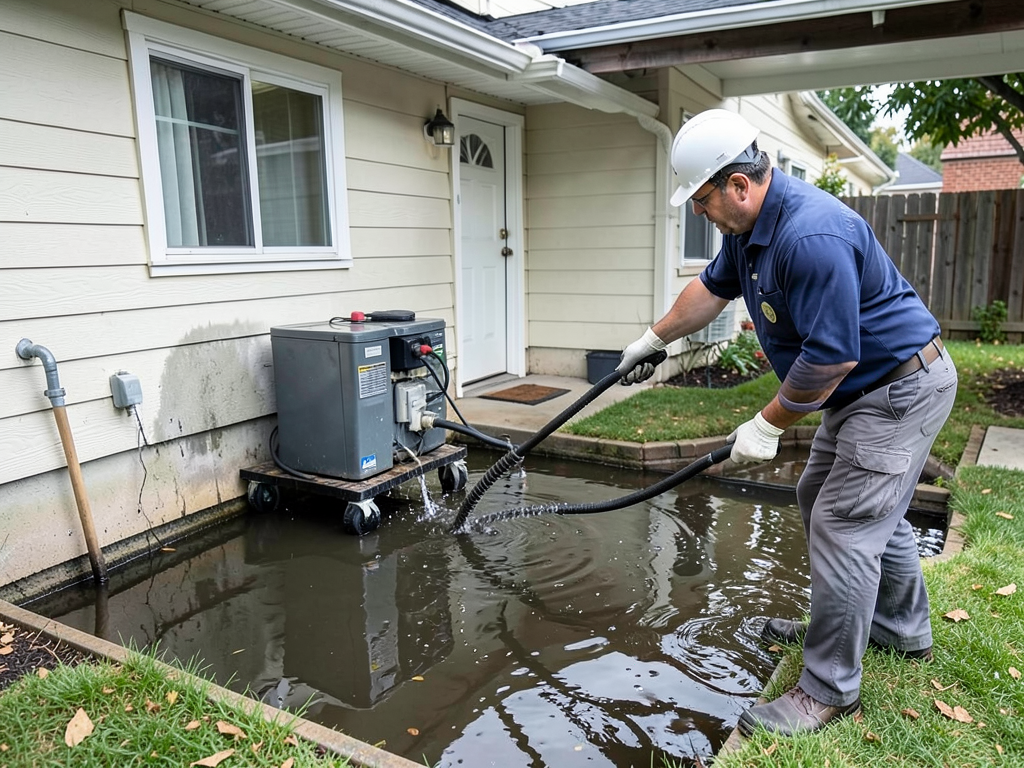
Our extraction process uses truck-mounted pumps capable of removing hundreds of gallons from attic spaces where access is limited. We route discharge hoses through attic vents or down exterior walls to avoid dragging wet equipment through living spaces. For shallow pooling in insulation, we use weighted extraction wands that pull water from the bottom up, preventing it from spreading laterally through ceiling joists.

After bulk water removal, we assess insulation salvageability. Fiberglass batts that absorbed water lose R-value permanently and trap moisture against wood framing. We remove saturated insulation to expose roof decking and truss members for inspection. This reveals hidden damage like delaminated OSB sheathing or split rafter tails that need structural repair before drying begins.

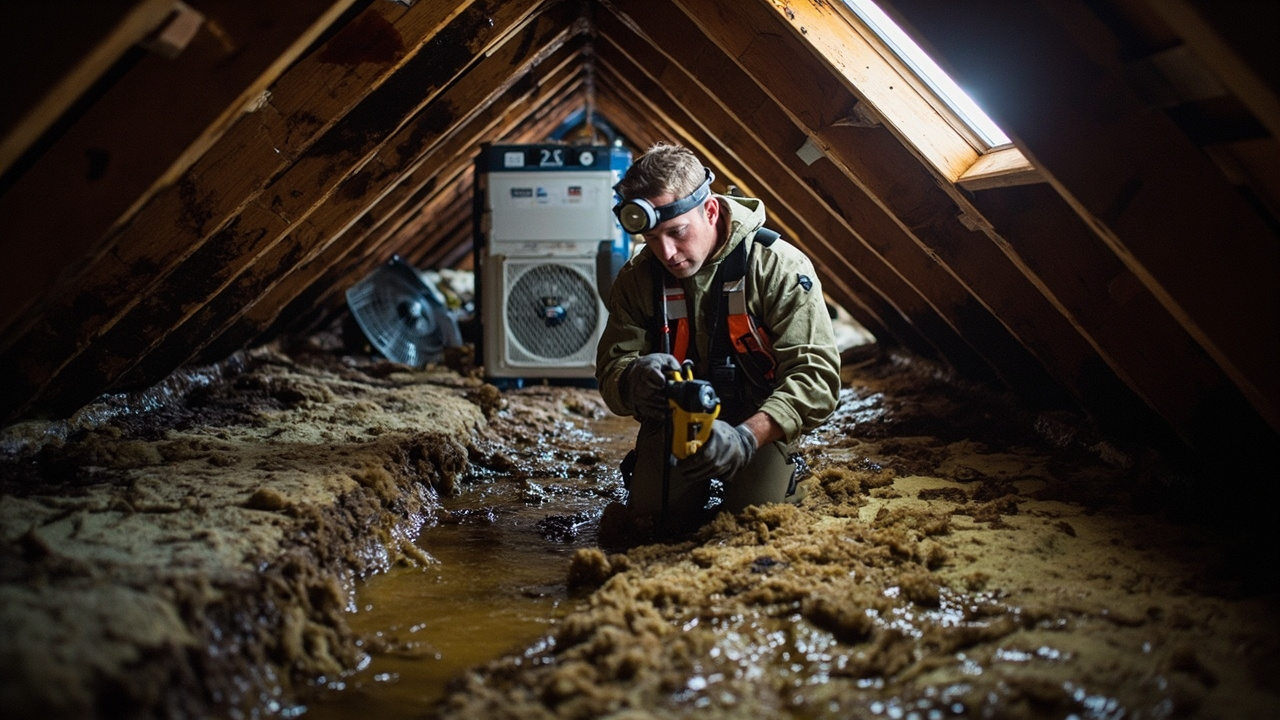
Drying attic spaces requires creating negative air pressure to pull moisture out rather than pushing humid air into living areas below. We install axial air movers at strategic angles to create airflow across all exposed surfaces. Low-grain refrigerant dehumidifiers remove moisture from the air while maintaining temperatures between 70 and 90 degrees to maximize evaporation rates without warping lumber.

We monitor drying progress using pin-type moisture meters inserted into roof decking and framing at multiple depths. Different wood species dry at different rates. Douglas fir decking common in older San Francisco homes holds moisture longer than newer engineered lumber. We document moisture readings every 24 hours until all materials reach equilibrium with ambient conditions. Rushing this phase invites mold growth and structural instability that costs more to fix later than doing it right the first time.

What Happens During Your Attic Water Damage Cleanup

Attic Water Damage Cleanup in San Francisco – Complete Restoration from Source to Structure
01

Emergency Assessment and Containment

We arrive within hours of your call to stop active water intrusion and protect your belongings. Our team documents damage extent with photo evidence for insurance claims, tests ceiling stability to prevent collapses, and establishes containment barriers to isolate affected areas. We identify whether water originated from roof penetration, plumbing failure, or HVAC condensation overflow, then implement temporary fixes to prevent additional water entry during restoration.
02

Water Extraction and Material Removal

Truck-mounted extraction equipment removes standing water from attic floors and ceiling cavities. We pull saturated insulation to expose framing members, remove damaged drywall from ceilings below to facilitate upward airflow, and bag contaminated materials for proper disposal. This phase includes antimicrobial application to exposed surfaces, preventing microbial growth during the drying period. We photograph all structural damage discovered during demolition for your adjuster's review before proceeding to drying operations.
03

Structural Drying and Verification

Industrial dehumidifiers and air movers run continuously for three to seven days depending on saturation levels and wood species. We measure moisture content in roof decking, rafters, and ceiling joists twice daily until readings stabilize below 12 percent. Once structural drying meets IICRC S500 standards, we provide certification documentation showing your attic is ready for insulation replacement and reconstruction. This verification protects you from future mold claims and ensures your insurance settlement covers complete restoration.

Why San Francisco Property Owners Choose Local Attic Restoration Experts

San Francisco's building inventory spans 170 years of construction methods. A Queen Anne in Alamo Square has different attic framing than a postwar ranch in Parkside. Summit Water Damage Restoration San Francisco understands these distinctions because we work in these neighborhoods daily. We know which homes have knob-and-tube wiring that requires special handling during water cleanup and which buildings have vermiculite insulation that needs asbestos testing before removal.

Local building codes govern how we restore your attic. San Francisco requires vapor barriers in specific climate zones and mandates insulation R-values based on your microclimate. A Richmond District home two miles from the ocean faces different humidity loads than a property in Bernal Heights. We design drying and reconstruction plans that account for your specific exposure to marine air, ensuring long-term performance rather than short-term fixes.

Insurance adjusters scrutinize attic water damage claims because they often involve multiple policy provisions. Your roof leak might fall under dwelling coverage while your damaged ceiling falls under interior finish coverage. We document both components separately, providing itemized estimates that align with Xactimate pricing software insurers use. This precision reduces claim disputes and accelerates your settlement timeline.

Our technicians hold IICRC Water Damage Restoration certification and Applied Structural Drying credentials. These aren't marketing terms. They represent hundreds of classroom hours learning psychrometry, building science, and microbial remediation protocols. When we measure relative humidity and calculate vapor pressure, we're applying engineering principles to create optimal drying conditions for your specific materials.

We operate our own drying equipment rather than renting from supply houses. This means we control maintenance schedules and equipment availability. When multiple properties need emergency service during a winter storm, we have the capacity to deploy teams simultaneously across San Francisco without rationing equipment or delaying your project to serve another customer first.

What to Expect From Professional Attic Water Damage Services

Response Time and Emergency Availability

Water damage progresses exponentially in the first 48 hours. Mold spores germinate on wet surfaces within 24 to 48 hours under ideal conditions, and your attic provides darkness, oxygen, and organic material. We dispatch crews within two hours of your call, 24 hours daily including weekends and holidays. Our trucks carry extraction pumps, containment supplies, and moisture detection equipment to begin mitigation immediately upon arrival. Early intervention saves structural materials and reduces your total restoration cost by preventing secondary damage. We communicate arrival times by text and phone so you know exactly when help arrives. After-hours calls route to duty managers who dispatch teams rather than voicemail systems that delay response until business hours.

Comprehensive Damage Assessment Process

Your initial inspection includes thermal imaging to detect hidden moisture in ceiling cavities and wall assemblies adjacent to attic spaces. We probe insulation depths with moisture meters to map saturation patterns and identify where water traveled through your structure. Roof inspections determine whether shingles, flashing, or underlayment failed. We photograph all findings and compile them into a detailed report that serves as your insurance documentation. This assessment distinguishes between acute damage from sudden leaks and chronic damage from long-term condensation problems. The difference matters because insurance policies treat these causes differently. We provide written moisture maps showing readings at specific locations, creating baseline data we reference throughout drying to demonstrate progress and completion.

Restoration Quality and Building Standards

Your attic restoration meets current building codes even if original construction predates modern standards. We install proper ventilation ratios, apply code-compliant vapor barriers, and use insulation materials rated for San Francisco's climate zone. Structural repairs use engineered lumber that matches or exceeds original load-bearing capacity. We sister damaged rafters rather than simply coating them with sealant, and we replace compromised roof decking with properly fastened sheathing rather than patching small sections. Our subcontractors hold California contractor licenses in their specialties, whether roofing, electrical, or structural work. Final inspections verify moisture levels meet industry standards for safe occupancy. We provide certification documents showing your attic meets IICRC S500 drying standards and is ready for reconstruction without mold risk.

Post-Restoration Monitoring and Prevention

Attic environments change with seasons. We schedule follow-up inspections 30 and 90 days after restoration to verify ventilation performs as designed and moisture levels remain stable. These visits include visual mold checks and spot moisture readings in areas that experienced heavy saturation. We provide maintenance recommendations specific to your attic configuration, such as clearing soffit vents, checking bathroom exhaust terminations, or monitoring plumbing runs during cold weather. Our documentation includes thermal images from your initial damage and post-restoration baseline, creating a reference library if future problems develop. You receive written confirmation that restoration work carried no warranty limitations due to incomplete drying. This matters if you sell your property and disclosure questions arise about past water damage.

Frequently Asked Questions

You Have Questions,
We Have Answers

How to fix water damage in an attic? +

First, stop the water source. Locate the leak, whether it's a roof breach, plumbing failure, or condensation issue. Remove all wet insulation and materials immediately to prevent mold growth. San Francisco's fog and marine layer create high humidity, so you need industrial fans and dehumidifiers running 24/7. Extract standing water with pumps or wet vacs. Inspect for structural damage to rafters and decking. Treat all affected wood with antimicrobial solutions. Replace damaged insulation with proper R-value materials. Document everything for your insurance claim. Professional water damage restoration technicians can assess hidden moisture in walls and joists using thermal imaging, which is critical in older San Francisco Victorian and Edwardian homes.

What is the 7 and 7 rule for a finished attic? +

The 7 and 7 rule requires finished attic spaces to have at least 7 feet of ceiling height over a minimum floor area of 70 square feet. This building code standard ensures habitable space meets safety and livability requirements. In San Francisco, many historic homes have steep-pitched roofs that can accommodate this requirement, but older structures may need structural modifications. You must also meet egress requirements, which typically means a window or door for emergency exit. Before finishing any attic space in San Francisco, pull permits through the Department of Building Inspection. Unpermitted work creates liability issues and complications when selling your property or filing insurance claims.

How much does it cost to repair water damage in the attic? +

Attic water damage repair costs vary based on severity and scope. Minor leaks affecting small areas run a few hundred dollars for drywall patching and paint. Moderate damage with insulation replacement and structural repairs ranges from several hundred to a few thousand. Extensive damage requiring rafter replacement, mold remediation, and full insulation removal can cost significantly more. San Francisco's older housing stock often has hidden complications like knob-and-tube wiring or outdated ventilation systems that get discovered during repairs. Geographic factors matter too. Homes in foggy neighborhoods like the Sunset or Richmond face higher moisture exposure. Get multiple estimates and verify contractors carry proper licensing and insurance before starting work.

How much does water damage remediation cost? +

Water damage remediation pricing depends on water category, affected square footage, and restoration complexity. Clean water from supply lines costs less to remediate than gray water from appliances or black water from sewage. Small contained areas are less expensive than whole-floor saturation. San Francisco's dense housing creates unique challenges. Water travels between units in multi-family buildings, expanding the damage footprint. Structural drying takes longer in our marine climate due to persistent fog and humidity. Emergency response timing affects cost too. Immediate mitigation prevents secondary damage and mold growth, which multiplies expenses. Professional remediation includes water extraction, structural drying, antimicrobial treatment, and moisture monitoring until materials reach acceptable levels.

Will homeowners insurance cover water damage from a roof leak? +

Coverage depends on your policy terms and the leak cause. Insurance typically covers sudden, accidental roof damage from storms or fallen trees. Gradual deterioration from poor maintenance gets denied. San Francisco's intense winter storms can cause immediate damage that qualifies for coverage. You must prove the roof was properly maintained. Document the damage with photos immediately. Review your policy for actual cash value versus replacement cost coverage. Notify your insurer within 24 hours. Get a professional inspection to determine the leak source. Missing or damaged flashing around chimneys and skylights is common in older San Francisco homes. Keep all repair receipts and remediation invoices for your claim file.

Will wet attic insulation dry out? +

Wet attic insulation rarely dries properly and should be removed immediately. Fiberglass and cellulose insulation lose R-value when saturated and become breeding grounds for mold within 24 to 48 hours. San Francisco's cool, humid climate prevents adequate drying even with ventilation. Wet insulation weighs significantly more and can damage ceiling joists or drywall below. Compressed wet material never regains its original insulating properties. Remove saturated insulation, dry the attic structure completely using dehumidifiers and air movers, then install fresh insulation. Spray foam insulation handles moisture slightly better but still requires inspection after water exposure. Leaving wet insulation in place guarantees mold problems and reduces your home's energy efficiency permanently.

What happens if you finish an attic without a permit? +

Finishing an attic without permits creates serious legal and financial consequences in San Francisco. The Department of Building Inspection can issue stop-work orders and require you to remove unpermitted work entirely. You face fines and penalties. Unpermitted spaces cannot be legally counted as habitable square footage when selling, reducing your home value. Title companies flag unpermitted work during transactions, killing deals or forcing price reductions. Your homeowners insurance may deny claims for damage in unpermitted areas. If someone gets injured in that space, you face liability exposure. San Francisco has strict seismic and fire codes for habitable spaces. Unpermitted attic conversions often lack proper egress, electrical, and structural support, creating safety hazards for your family.

How much does it cost to renovate an attic? +

Attic renovation costs depend on project scope and existing conditions. Basic conversions adding flooring, insulation, and lighting start at several thousand dollars. Full buildouts with dormers, bathrooms, and HVAC systems cost significantly more. San Francisco permits and inspections add expense but protect your investment. Older homes may need seismic retrofitting or electrical panel upgrades to support additional living space. Steep lot grading in neighborhoods like Noe Valley or Twin Peaks complicates material delivery and increases labor costs. Factor in architectural and engineering fees for proper plans. Quality insulation is critical given our temperature swings between fog-cooled mornings and sunny afternoons. Get detailed estimates from licensed contractors familiar with San Francisco building codes.

Is attic restoration worth it? +

Attic restoration delivers solid return on investment if done correctly. Properly restored attics improve energy efficiency, reduce heating costs, and prevent future water damage through better ventilation and insulation. In San Francisco's competitive real estate market, functional attic space adds tangible value and appeal. Restoration addresses hidden problems like mold, structural damage, and inadequate insulation that worsen over time. Ignoring attic issues leads to ceiling stains, higher utility bills, and expensive emergency repairs. Restoration is worth it when you plan to stay in your home long-term or need to maximize property value before selling. It protects your investment and improves comfort in the foggy Sunset District or windy Outer Richmond neighborhoods.

Will homeowners insurance cover water damage to a ceiling? +

Homeowners insurance typically covers ceiling water damage from covered perils like burst pipes, appliance malfunctions, or sudden roof damage. Coverage excludes gradual damage from neglected maintenance or pre-existing conditions. Document ceiling stains immediately with photos showing the extent and location. File your claim quickly. San Francisco's older homes often have galvanized pipes prone to failure, which insurers may dispute as maintenance issues. Your adjuster will investigate the water source. Roof leaks from missing shingles after a storm usually qualify. Leaks from worn-out roofs get denied. Review your policy for coverage limits and deductibles. Professional water damage documentation from certified technicians strengthens your claim by proving immediate mitigation efforts and damage scope.

How San Francisco's Marine Climate Accelerates Attic Deterioration

San Francisco sits on a peninsula surrounded by cold Pacific water that generates persistent fog throughout summer months. This marine layer deposits microscopic water droplets on roofing materials and condenses in attic spaces when it contacts warmer interior air. Homes west of Twin Peaks experience more fog days annually than properties in Mission Bay or Potrero Hill, creating different moisture loads that affect insulation performance and roof longevity. Attic water damage cleanup in fog-prone neighborhoods requires addressing both acute leaks and chronic condensation patterns. Ventilation systems designed for inland climates fail here because they assume dry air intake. We calculate ventilation ratios based on your property's microclimate exposure, ensuring attic air changes prevent moisture accumulation without over-ventilating and creating heating inefficiency during winter.

San Francisco Department of Building Inspection enforces specific requirements for attic ventilation and insulation based on climate zone classifications. Properties in different neighborhoods fall under different code provisions because fog exposure, wind patterns, and temperature swings vary significantly across the city's 49 square miles. Summit Water Damage Restoration San Francisco maintains relationships with local inspectors and understands permit requirements for structural repairs following water damage. We know which restoration work triggers permit requirements and which qualifies as maintenance. This knowledge prevents project delays and ensures your restoration meets current standards that protect your property value. Our documentation satisfies future buyers' due diligence questions about past damage and repairs, providing transparency that builds confidence in your property's condition.
Water Damage Restoration Services in The San Francisco Area

Our commitment to rapid response means we cover the entire San Francisco area and surrounding communities. View the map below to visualize our primary service region, which includes key neighborhoods and business districts. Whether you are located in the Financial District, the Mission, or out toward the Sunset, you can trust our 24/7 team to reach you quickly. We proudly serve both residential and commercial clients across the entire map, guaranteeing a fast and effective mitigation service the moment you need us.

Address:
Summit Water Damage Restoration San Francisco, 1390 Market St, San Francisco, CA, 94102

Additional Services We Offer

Our news updates

Latest Articles & News from The Blogs

What to Do if Your New Backyard ADU Floods During a Heavy San Francisco Rain A sudden downpour in San…

What to Do if Your New Backyard ADU Floods During a Heavy San Francisco Rain

What to Do if Your New Backyard ADU Floods During a Heavy San Francisco Rain A sudden downpour in San…

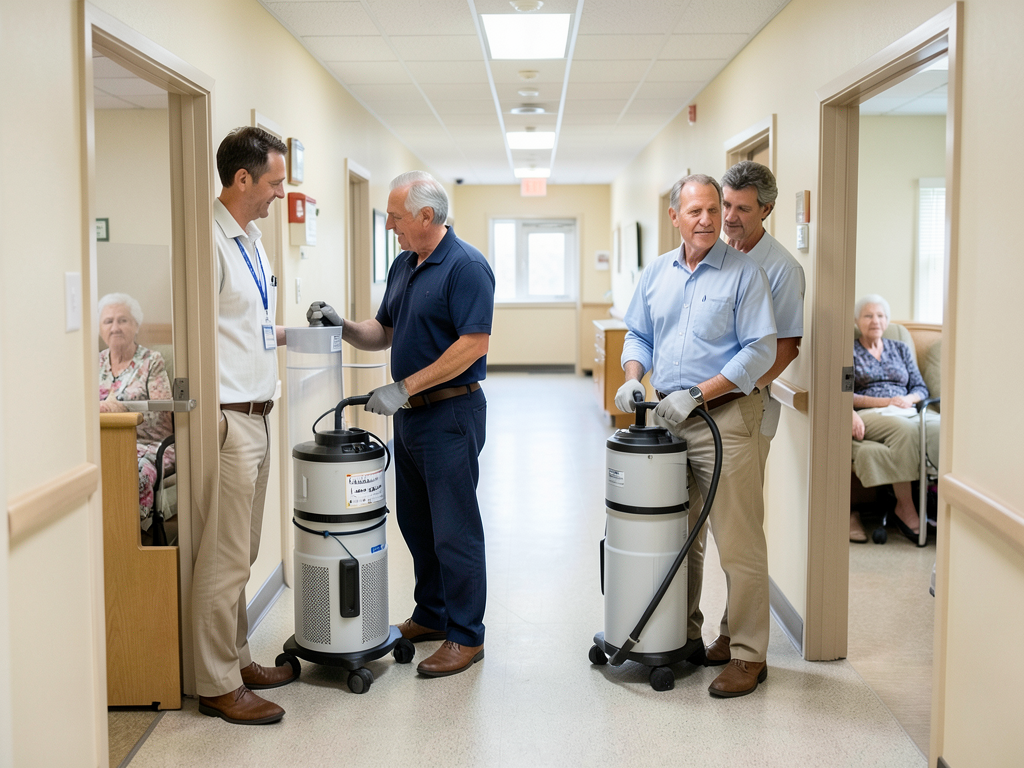
Selecting a Restoration Partner for Vulnerable Residents in a Richmond District Care Home

Specialized Senior Living Water Restoration Services in San Francisco Water damage in a Richmond District care home requires more than…

Why Your Noe Valley High Efficiency Boiler Could Be Slowly Flooding Your Utility Closet

Why Your Noe Valley High Efficiency Boiler Could Be Slowly Flooding Your Utility Closet If you live in a Noe…

Contact Us

Water spreads through attic spaces quickly, damaging insulation and framing the longer it sits. Call Summit Water Damage Restoration San Francisco now at (415) 449-6555 for immediate dispatch. We'll assess your damage, stop water intrusion, and begin professional restoration that protects your property investment.