


Palo Alto sits in a flood zone where San Francisquito Creek meets the San Francisco Bay, creating layered water intrusion risks that homeowners in drier regions never face. Winter storm systems dump heavy rain on aging residential infrastructure built between the 1920s and 1960s, overwhelming sump pumps and foundation drains. The city's high water table means basements in Old Palo Alto and Crescent Park flood during king tides, while properties near Adobe Creek face rapid water accumulation when atmospheric rivers hit the Peninsula.
Clay-heavy Bay Area soil expands when saturated, cracking foundation walls and creating entry points for groundwater. Palo Alto's strict building codes require permits for many restoration projects, and the city's historic preservation districts add complexity to water damage repairs in neighborhoods like Professorville. Add in the region's high property values, and water damage that goes unaddressed for even 48 hours can trigger catastrophic mold growth that costs six figures to remediate. Palo Alto homeowners need restoration teams that understand coastal flood patterns, local building requirements, and the urgency of Bay Area water intrusion.
Summit Water Damage Restoration San Francisco has extracted millions of gallons of water from Peninsula homes since we opened our Bay Area operations. Our crews serve Palo Alto from our San Francisco facility, which stocks thermal imaging cameras, commercial dehumidifiers, and trailer-mounted extraction units that residential water damage demands. We're not a franchise shipping your emergency call to a subcontractor three counties away. Every technician on our roster holds IICRC certification in water damage restoration and applied structural drying, the industry credentials that separate professional remediation from guys with shop vacs.
We've worked with every major insurance carrier operating in Santa Clara County and know exactly how adjusters document water damage claims. Our detailed moisture mapping and daily drying logs provide the evidence your insurer needs to approve structural repairs, content restoration, and temporary housing costs. We photograph every phase of the restoration process and provide written verification that your property meets the drying standards California courts recognize in mold litigation.
Palo Alto's building department requires permits for structural drying that affects electrical systems or compromises framing. We handle the permit applications, coordinate inspections, and ensure your restoration meets Title 24 energy code requirements when we rebuild walls or ceilings. You won't find that service level from national chains that treat every water damage job like a simple cleanup. We understand that Palo Alto homes represent massive financial investments, and we restore them with that reality in mind.

When you call our emergency line, a certified water damage technician answers, not an answering service. We dispatch crews to Palo Alto properties within one hour of your call, arriving with truck-mounted extraction equipment and moisture detection tools. Fast response prevents secondary damage that turns a pipe burst into a total loss.

We document every phase of water damage restoration with the detail your insurance company demands. Our technicians provide written moisture readings, thermal images, and equipment logs that prove your property was dried to industry standards. We've worked with every major carrier in Santa Clara County and know how to get your claim approved.
Every crew member holds current certification from the Institute of Inspection, Cleaning and Restoration Certification. Our technicians complete continuing education in applied structural drying, microbial remediation, and water damage restoration. These credentials mean we follow science-based protocols that prevent mold growth and structural failure.
Palo Alto enforces strict building requirements that affect water damage restoration. We handle permit applications for structural repairs, coordinate city inspections, and ensure rebuilt walls meet Title 24 energy standards. Our familiarity with local code requirements prevents delays that extend your displacement and increase your costs.
Water intrusion creates a cascade of problems that demand different restoration approaches depending on the source, duration, and contamination level. Summit Water Damage Restoration San Francisco provides the full spectrum of water damage services Palo Alto homeowners need, from emergency flood extraction to complete structural rebuilds after catastrophic failures. We handle clean water from supply line breaks differently than contaminated floodwater from San Francisquito Creek, and our protocols change based on how long water has saturated building materials.
Our service categories address the three phases of water damage, starting with emergency mitigation that stops active damage, moving through structural drying and dehumidification, and ending with reconstruction that returns your property to pre-loss condition. We use truck-mounted extraction units that remove standing water in minutes, industrial air movers that dry wall cavities without demolition, and moisture meters that verify your property is dry before we rebuild. Every service we provide follows IICRC S500 standards, the water damage restoration protocols courts recognize and insurance companies require.
When water floods your Palo Alto home, immediate extraction prevents the secondary damage that destroys flooring, baseboards, and drywall. Our crews arrive with truck-mounted pumps that remove thousands of gallons per hour, submersible pumps for deep basement flooding, and portable extraction units for tight spaces. We pull standing water, extract carpets and padding, and remove soaked contents before saturation spreads. Emergency mitigation includes emergency board-up, roof tarping, and utility shutoff when needed to stabilize your property.
Removing standing water is just the first step. Water migrates into wall cavities, subfloors, and framing where it triggers mold growth and wood rot. Our certified technicians use thermal imaging to map hidden moisture, then deploy industrial dehumidifiers and air movers that create the airflow and humidity conditions needed for complete structural drying. We monitor moisture levels daily with penetrating and non-invasive meters, adjusting equipment until readings confirm your property is dry. This process typically takes three to five days depending on materials affected and humidity levels.
Once structural drying is complete and verified, we rebuild your property to pre-loss condition. This includes replacing drywall and insulation, installing new flooring, repainting walls and ceilings, and reconstructing damaged cabinets or built-ins. Our reconstruction crews handle everything from simple baseboard replacement to complete kitchen rebuilds after catastrophic flooding. We coordinate with Palo Alto's building department for required permits and inspections, ensuring all work meets current code. Our goal is returning your home to the condition it was in before water ever entered.
Palo Alto's position between San Francisquito Creek and the Bay creates water damage scenarios that homeowners in inland California never encounter. Winter storms drop inches of rain in hours, overwhelming storm drains and creating street flooding that backs up into garages and crawl spaces. The Peninsula's high water table means groundwater rises during wet months, saturating foundation walls and pooling under homes with inadequate drainage. Aging pipes in Old Palo Alto's historic homes fail without warning, flooding finished basements and damaging hardwood floors that cost hundreds per square foot to replace.
The region's clay soil compounds these problems by expanding when wet, cracking foundations and creating pathways for water intrusion. Homeowners near Adobe Creek and Matadero Creek face rapid flooding when atmospheric rivers hit, while properties in low-lying areas like Ventura and Midtown flood during king tides when bay water backs up through storm drains. These aren't theoretical risks. They're patterns we see every winter in Palo Alto.
Palo Alto's high water table creates chronic basement flooding in neighborhoods built on fill. When winter rains saturate the ground, hydrostatic pressure forces water through foundation walls and floor cracks. Sump pumps fail during power outages, allowing basements to flood with groundwater that damages furnaces, water heaters, and stored belongings. Professional water removal and foundation waterproofing prevent repeated flooding.
Homes in Professorville and Old Palo Alto contain galvanized steel pipes installed in the 1920s and 1930s. These pipes corrode from the inside, developing pinhole leaks that spray water into wall cavities for days before homeowners notice damage. A burst supply line can flood a home with hundreds of gallons before the main shutoff is located. Quick water extraction and structural drying prevent mold growth in the wall cavities.
Properties near San Francisquito Creek, Adobe Creek, and Matadero Creek flood when atmospheric rivers dump heavy rain on the Peninsula. These creeks rise rapidly during storms, overflowing banks and flooding homes in the Crescent Park and Charleston Meadows areas. Creek floodwater contains sediment and debris that requires specialized cleanup. Our contaminated water protocols ensure safe restoration after creek flooding.
Water heaters fail after 10 to 15 years, rupturing and flooding garages or utility rooms with 40 to 50 gallons of water. Washing machine supply lines burst under constant pressure, flooding laundry rooms and adjacent spaces. Dishwasher supply lines crack, leaking water under cabinets that destroys flooring and promotes mold growth. These failures happen without warning and require immediate water removal to prevent extensive damage.
Water damage creates panic. You're watching water spread across floors, wondering if your insurance covers this, and trying to figure out who to call at 2 AM on a Sunday. When you reach Summit Water Damage Restoration San Francisco, you talk to a certified water damage technician who can answer your questions and dispatch a crew to your Palo Alto property within the hour. We walk you through the immediate steps to stop water flow and minimize damage while our technicians drive to your location.
Our crew arrives with the equipment needed for your specific situation. We assess the damage, explain what needs to happen, and start water removal immediately. You'll know the timeline, the process, and what your property will look like when we're done. We document everything for your insurance company, coordinate with adjusters, and handle the details that overwhelm homeowners dealing with flooding. Here's what that looks like in practice.
Our certified technicians arrive at your Palo Alto property within 60 minutes of your emergency call. We perform a complete damage assessment, identifying water sources, measuring affected areas, and documenting conditions with photos and moisture readings. You receive a detailed explanation of what's damaged, what can be saved, and what requires replacement. We provide a written scope of work and timeline before starting any restoration. This assessment becomes the foundation of your insurance claim.
Water damage restoration takes three to seven days depending on the extent of saturation and materials affected. We provide daily updates on drying progress, moisture readings, and timeline adjustments. You receive photos showing equipment placement and affected areas, plus written logs documenting humidity levels and moisture meter readings. Our project manager remains your single point of contact throughout the restoration, answering questions and coordinating with your insurance adjuster. You're never left wondering what's happening with your property.
We don't stop drying because the calendar says it's time. We continue dehumidification and air movement until moisture meters confirm your property meets IICRC drying standards. You receive a certificate of completion documenting final moisture readings and confirming your home is dry. If reconstruction is needed, our crews rebuild to pre-loss condition and handle final inspections with Palo Alto's building department. Your property is restored, verified dry, and ready for occupancy.
Every water damage situation is different, but the restoration process follows a proven sequence designed to stop damage, dry structures, and rebuild your property. Here's how we handle your water emergency from first call to final inspection.
Call our 24/7 emergency line at (415) 449-6555 and speak directly with a water damage technician. We ask questions about the water source, affected areas, and immediate safety concerns. While we talk, we dispatch a crew to your Palo Alto location with the equipment your situation requires. Our technician provides guidance on stopping water flow and protecting belongings while the crew drives to your property. Average response time is 60 minutes or less.
Our crew removes standing water with truck-mounted extractors and portable pumps, then maps moisture intrusion with thermal imaging cameras. We place industrial dehumidifiers and air movers to create optimal drying conditions, adjusting equipment based on daily moisture readings. This phase takes three to five days for most residential water damage. We monitor progress with penetrating moisture meters and document conditions daily. Drying continues until readings meet IICRC standards.
Once structural drying is verified complete, our reconstruction crews rebuild damaged areas to pre-loss condition. This includes drywall replacement, flooring installation, painting, and finish carpentry. We coordinate required permits with Palo Alto's building department and schedule final inspections. You receive a certificate of completion documenting that restoration meets industry standards and local code requirements. Your property is dry, restored, and ready for reoccupancy.
Professional water damage restoration follows specific protocols established by the Institute of Inspection, Cleaning and Restoration Certification, the organization that sets industry standards for water damage remediation. The IICRC S500 Standard and Reference Guide for Professional Water Damage Restoration defines the procedures, equipment, and drying goals that separate legitimate restoration from inadequate cleanup. These standards exist because water damage that appears resolved on the surface often hides moisture in wall cavities, subfloors, and framing where it triggers microbial growth and structural failure.
Palo Alto's building codes add another layer of requirements. California Title 24 governs energy efficiency in residential construction, which affects how we rebuild walls and ceilings after water damage. The city requires permits for structural repairs that affect electrical systems or compromise framing, and inspections verify that restored areas meet current code. Properties in Palo Alto's historic preservation districts face additional review when exterior restoration is required. We navigate these requirements daily, ensuring your restoration satisfies both insurance companies and local building officials.
The restoration process begins with water classification. Class 1 involves minimal absorption into materials with low porosity. Class 4 involves specialty drying situations like hardwood floors, plaster walls, or stone that require extended drying times. We also classify water by contamination level. Category 1 is clean water from supply lines. Category 3 is grossly contaminated water from sewage backups or creek flooding that requires antimicrobial treatment. These classifications determine equipment needs, drying protocols, and safety precautions. Professional restoration addresses these variables. Amateur cleanup does not.
The IICRC S500 standard defines acceptable moisture levels for building materials after water damage. We use these benchmarks to determine when structural drying is complete. Drywall must read below 17 percent moisture content. Wood framing must read below 19 percent. We verify these readings with calibrated moisture meters before removing drying equipment or starting reconstruction.
Water damage restoration costs depend on water volume, contamination level, materials affected, and drying complexity. A clean water supply line leak affecting 200 square feet of flooring costs substantially less than sewage backup flooding a finished basement. Hardwood floor drying requires specialty equipment and extended timelines. Drywall replacement is straightforward. Plaster repair requires skilled craftsmen. We provide detailed estimates after assessing your specific damage.
Most residential water damage requires three to five days for complete structural drying, followed by two to seven days for reconstruction depending on the extent of damage. Complex situations involving specialty materials, contaminated water, or extensive structural repairs may take two to three weeks. We provide timeline estimates during the initial assessment and update you daily on progress. Weather conditions and humidity levels affect drying times.
Palo Alto enforces California Building Code requirements for all restoration work. Structural repairs affecting electrical systems or framing require permits and inspections. Title 24 energy efficiency standards apply to rebuilt walls and ceilings. Properties in historic districts require design review for exterior work. We handle permit applications, coordinate inspections, and ensure your restoration meets all local requirements. This prevents code violations that affect resale value.
Professional water damage restoration technician explains emergency response procedures for Palo Alto residential water damage, including initial assessment, water extraction methods, structural drying protocols, and insurance documentation requirements. Video covers response times, equipment used, and IICRC standards for water damage remediation in Peninsula homes. Demonstrates how certified crews handle pipe bursts, appliance failures, and flood events affecting Palo Alto properties.
Summit Water Damage Restoration San Francisco serves every neighborhood in Palo Alto, from the historic Craftsman homes in Old Palo Alto north of Oregon Expressway to the mid-century ranch houses in South Palo Alto near East Meadow Drive. We respond to water emergencies in Crescent Park, where properties near San Francisquito Creek face flood risks during heavy winter storms, and in Professorville, where aging plumbing in homes built in the 1890s creates ongoing pipe failure risks. Our crews know the architectural patterns and construction methods common to each Palo Alto neighborhood, which affects how we approach water damage restoration.
Properties in the Barron Park area near Matadero Creek require different flood mitigation strategies than homes in College Terrace, where the primary water damage risks come from appliance failures and supply line breaks. Midtown Palo Alto's post-war homes sit on slab foundations that handle water differently than the raised foundations common in older neighborhoods, and our drying protocols adjust accordingly. We serve the Ventura neighborhood along the Bay, where high water tables create chronic basement moisture problems, and the Charleston Meadows area, where proximity to Adobe Creek means rapid flooding during atmospheric river events.
Our service area extends beyond Palo Alto city limits to include Stanford, Menlo Park, Los Altos, and Mountain View. We understand the Peninsula's unique geography, where proximity to the San Francisco Bay affects humidity levels and drying times. The region's mild, wet winters create extended moisture exposure that demands commercial-grade dehumidification. Properties along El Camino Real face different water intrusion patterns than homes in the Foothills, and we adjust our restoration approach based on these micro-climates. Whether your property sits near the Baylands Nature Preserve or in the hills above Page Mill Road, we know the area's water damage risks and have the local experience to handle your restoration properly.
We maintain our operations facility in San Francisco with satellite staging in the South Bay, allowing 60-minute response times throughout the Peninsula. Our technicians live and work in the Bay Area, know Palo Alto's streets, and understand the local building codes that govern restoration work. When you call Summit Water Damage Restoration San Francisco, you're reaching a team that serves your community daily, not a national franchise routing your emergency to the lowest bidder.
Water damage restoration timing depends on the damage severity. Minor incidents take 3-5 days to complete. Moderate damage needs 1-2 weeks for full restoration. Severe flooding or structural damage requires 3-4 weeks or longer. Extraction and drying take 3-5 days alone. Wall and floor repairs add extra time. Palo Alto's climate affects drying times. Higher humidity slows the process. Professional equipment speeds up restoration. Your restoration team provides a specific timeline after inspecting your property. Ask about expedited services if you need faster completion.
Water damage restoration expenses vary based on damage extent and affected areas. Small leaks affecting one room differ from whole-house flooding. Water extraction and drying form the baseline expense. Structural repairs and material replacement add to the total. Category 3 water damage from sewage increases expense due to specialized cleaning. Square footage impacts pricing. Two-story homes require more work than single-level properties. Equipment rental for DIY attempts often exceeds professional service value. Most Palo Alto companies offer free inspections and detailed estimates before starting work. Payment plans help manage out-of-pocket expenses.
Coverage depends on your policy and the water source. Sudden incidents like burst pipes typically receive coverage. Gradual damage from neglected maintenance gets denied. Flood damage requires separate flood insurance through FEMA. Sewer backup needs specific endorsement coverage. Read your policy declarations page for specifics. Document everything with photos and videos before cleanup. Call your insurance company within 24 hours of damage. Get a written estimate from your restoration company. Most Palo Alto insurers require professional restoration for claims approval. Keep all receipts and communication records for your claim file.
Water damage restoration timing depends on the damage severity. Minor incidents take 3-5 days to complete. Moderate damage needs 1-2 weeks for full restoration. Severe flooding or structural damage requires 3-4 weeks or longer. Extraction and drying take 3-5 days alone. Wall and floor repairs add extra time. Palo Alto's climate affects drying times. Higher humidity slows the process. Professional equipment speeds up restoration. Your restoration team provides a specific timeline after inspecting your property. Ask about expedited services if you need faster completion.
Water damage restoration expenses vary based on damage extent and affected areas. Small leaks affecting one room differ from whole-house flooding. Water extraction and drying form the baseline expense. Structural repairs and material replacement add to the total. Category 3 water damage from sewage increases expense due to specialized cleaning. Square footage impacts pricing. Two-story homes require more work than single-level properties. Equipment rental for DIY attempts often exceeds professional service value. Most Palo Alto companies offer free inspections and detailed estimates before starting work. Payment plans help manage out-of-pocket expenses.
Coverage depends on your policy and the water source. Sudden incidents like burst pipes typically receive coverage. Gradual damage from neglected maintenance gets denied. Flood damage requires separate flood insurance through FEMA. Sewer backup needs specific endorsement coverage. Read your policy declarations page for specifics. Document everything with photos and videos before cleanup. Call your insurance company within 24 hours of damage. Get a written estimate from your restoration company. Most Palo Alto insurers require professional restoration for claims approval. Keep all receipts and communication records for your claim file.
Call within the first hour of discovering water damage. Water spreads rapidly through floors and walls. The first 24 hours are critical for preventing permanent damage. Mold starts growing within 48 hours of water exposure. Quick action saves flooring, drywall, and personal belongings. Palo Alto restoration companies offer 24/7 emergency response. Stop the water source if safe to do so. Move valuables to dry areas while waiting for help. Turn off electricity in affected areas to prevent hazards. Document damage immediately for insurance purposes. Fast response reduces restoration time and expense significantly.
Restoration follows a structured five-step approach. First, technicians inspect and assess all damage. They identify water categories and affected materials. Second, water extraction removes standing water using pumps and vacuums. Third, drying and dehumidification eliminate remaining moisture. Industrial fans and dehumidifiers run for several days. Fourth, cleaning and sanitizing treat affected surfaces and belongings. Fifth, restoration rebuilds damaged structures. This includes drywall replacement, flooring installation, and painting. Palo Alto companies use moisture meters to confirm complete drying. Each phase requires completion before moving forward. Your team updates you throughout each step.
Your safety determines whether you stay home. Minor water damage to one room allows you to remain. Extensive damage affecting multiple rooms requires temporary relocation. Category 3 water from sewage demands immediate evacuation. Mold growth poses health risks requiring you to leave. Structural damage creates safety hazards. Loud drying equipment runs 24/7 during restoration. This makes sleeping difficult. Power shutoffs during electrical work affect daily routines. Ask your restoration company about habitability. Palo Alto hotels and short-term rentals provide temporary housing. Some insurance policies cover additional living expenses during restoration.
Look for IICRC certification as your primary qualification check. This ensures proper training and industry standards. Check online reviews on Google and Yelp. Read recent reviews for current performance insights. Verify the company maintains proper business registration. Ask for references from recent Palo Alto clients. Confirm they offer 24/7 emergency response services. Request written estimates before work begins. Check response time commitments for emergencies. Ask about their equipment and restoration methods. Local companies understand Palo Alto building codes and permit requirements. Avoid companies demanding full payment upfront before starting work.
Pipe failures cause most Palo Alto water damage incidents. Aging pipes in older homes corrode and burst. Water heater failures flood homes with 40-50 gallons of water. Washing machine hoses crack and leak unexpectedly. Toilet supply lines break without warning. Dishwasher connections loosen over time. Slab leaks under foundations go undetected for months. Palo Alto's hard water accelerates pipe corrosion. Weather changes cause pipe expansion and contraction. Tree roots infiltrate underground pipes. HVAC condensation drain clogs create overflow. Regular plumbing inspections prevent many of these issues. Replace appliance hoses every five years.
Most Palo Alto restoration companies work directly with insurance providers. They document damage with photos and detailed reports. Professional estimates help support your claim. Many offer direct billing to your insurance company. This reduces your out-of-pocket expenses to the deductible. Experienced companies understand claim requirements and documentation needs. They communicate directly with adjusters throughout restoration. Some companies provide emergency services before insurance approval. Ask about their insurance experience during your initial call. Get everything in writing for your records. Companies familiar with local insurers streamline the claims process. This speeds up approval and payment.
Speed and thorough drying prevent mold growth after water damage. Remove wet materials within 48 hours. Use fans and dehumidifiers to dry affected areas completely. Open windows for air circulation when weather permits. Remove soaked carpets, padding, and insulation immediately. Wipe down hard surfaces with antimicrobial cleaners. Monitor humidity levels below 60 percent. Check hidden spaces like wall cavities and under flooring. Professional moisture meters detect hidden dampness. Apply antimicrobial treatments to affected surfaces. Watch for musty odors indicating mold growth. Schedule professional mold testing if you suspect contamination.
Call within the first hour of discovering water damage. Water spreads rapidly through floors and walls. The first 24 hours are critical for preventing permanent damage. Mold starts growing within 48 hours of water exposure. Quick action saves flooring, drywall, and personal belongings. Palo Alto restoration companies offer 24/7 emergency response. Stop the water source if safe to do so. Move valuables to dry areas while waiting for help. Turn off electricity in affected areas to prevent hazards. Document damage immediately for insurance purposes. Fast response reduces restoration time and expense significantly.
Restoration follows a structured five-step approach. First, technicians inspect and assess all damage. They identify water categories and affected materials. Second, water extraction removes standing water using pumps and vacuums. Third, drying and dehumidification eliminate remaining moisture. Industrial fans and dehumidifiers run for several days. Fourth, cleaning and sanitizing treat affected surfaces and belongings. Fifth, restoration rebuilds damaged structures. This includes drywall replacement, flooring installation, and painting. Palo Alto companies use moisture meters to confirm complete drying. Each phase requires completion before moving forward. Your team updates you throughout each step.
Your safety determines whether you stay home. Minor water damage to one room allows you to remain. Extensive damage affecting multiple rooms requires temporary relocation. Category 3 water from sewage demands immediate evacuation. Mold growth poses health risks requiring you to leave. Structural damage creates safety hazards. Loud drying equipment runs 24/7 during restoration. This makes sleeping difficult. Power shutoffs during electrical work affect daily routines. Ask your restoration company about habitability. Palo Alto hotels and short-term rentals provide temporary housing. Some insurance policies cover additional living expenses during restoration.
Look for IICRC certification as your primary qualification check. This ensures proper training and industry standards. Check online reviews on Google and Yelp. Read recent reviews for current performance insights. Verify the company maintains proper business registration. Ask for references from recent Palo Alto clients. Confirm they offer 24/7 emergency response services. Request written estimates before work begins. Check response time commitments for emergencies. Ask about their equipment and restoration methods. Local companies understand Palo Alto building codes and permit requirements. Avoid companies demanding full payment upfront before starting work.
Pipe failures cause most Palo Alto water damage incidents. Aging pipes in older homes corrode and burst. Water heater failures flood homes with 40-50 gallons of water. Washing machine hoses crack and leak unexpectedly. Toilet supply lines break without warning. Dishwasher connections loosen over time. Slab leaks under foundations go undetected for months. Palo Alto's hard water accelerates pipe corrosion. Weather changes cause pipe expansion and contraction. Tree roots infiltrate underground pipes. HVAC condensation drain clogs create overflow. Regular plumbing inspections prevent many of these issues. Replace appliance hoses every five years.
Most Palo Alto restoration companies work directly with insurance providers. They document damage with photos and detailed reports. Professional estimates help support your claim. Many offer direct billing to your insurance company. This reduces your out-of-pocket expenses to the deductible. Experienced companies understand claim requirements and documentation needs. They communicate directly with adjusters throughout restoration. Some companies provide emergency services before insurance approval. Ask about their insurance experience during your initial call. Get everything in writing for your records. Companies familiar with local insurers streamline the claims process. This speeds up approval and payment.
Speed and thorough drying prevent mold growth after water damage. Remove wet materials within 48 hours. Use fans and dehumidifiers to dry affected areas completely. Open windows for air circulation when weather permits. Remove soaked carpets, padding, and insulation immediately. Wipe down hard surfaces with antimicrobial cleaners. Monitor humidity levels below 60 percent. Check hidden spaces like wall cavities and under flooring. Professional moisture meters detect hidden dampness. Apply antimicrobial treatments to affected surfaces. Watch for musty odors indicating mold growth. Schedule professional mold testing if you suspect contamination.
Our commitment to rapid response means we cover the entire San Francisco area and surrounding communities. View the map below to visualize our primary service region, which includes key neighborhoods and business districts. Whether you are located in the Financial District, the Mission, or out toward the Sunset, you can trust our 24/7 team to reach you quickly. We proudly serve both residential and commercial clients across the entire map, guaranteeing a fast and effective mitigation service the moment you need us.
Address:
Palo Alto, CA, 94301
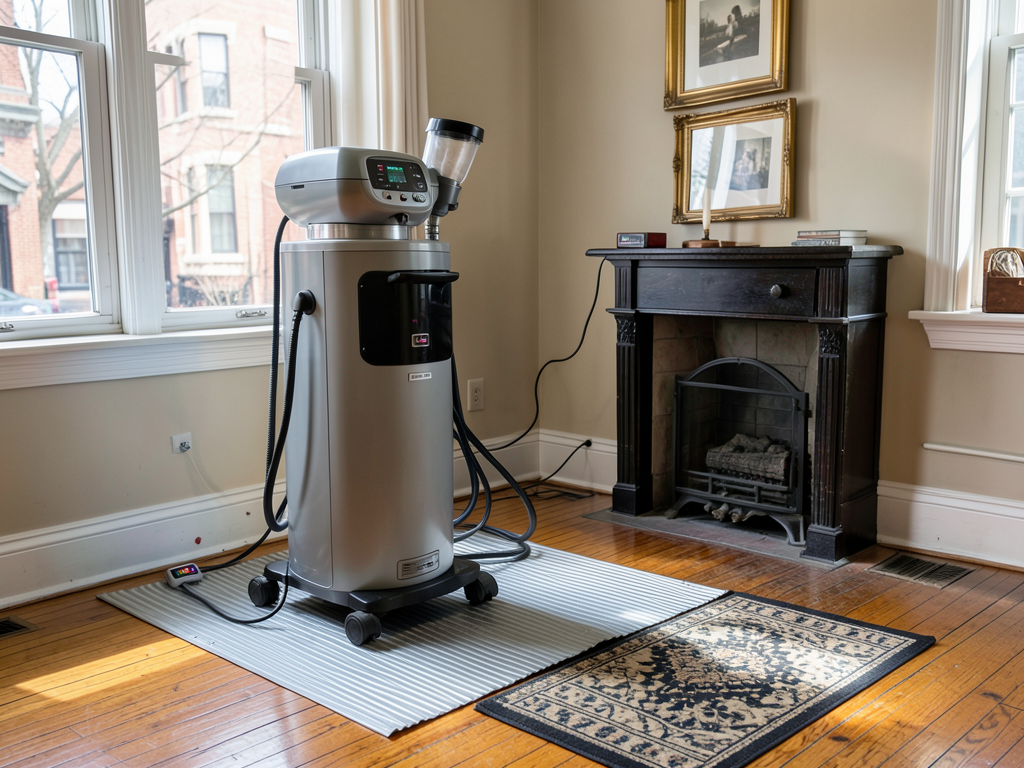
Understanding the Speed Benefits of Structural Heat Drying for a Rapid Recovery When water invades your San Francisco property every hour counts. Traditional drying methods using air movers and dehumidifiers can take 3-5 days to…
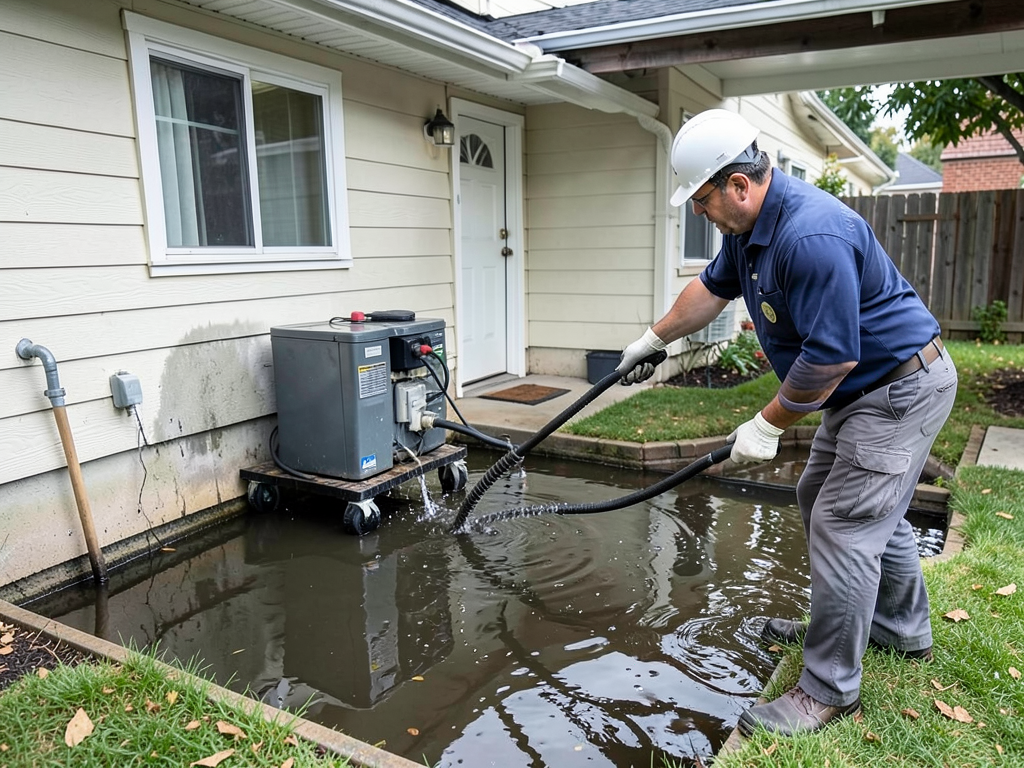
What to Do if Your New Backyard ADU Floods During a Heavy San Francisco Rain…
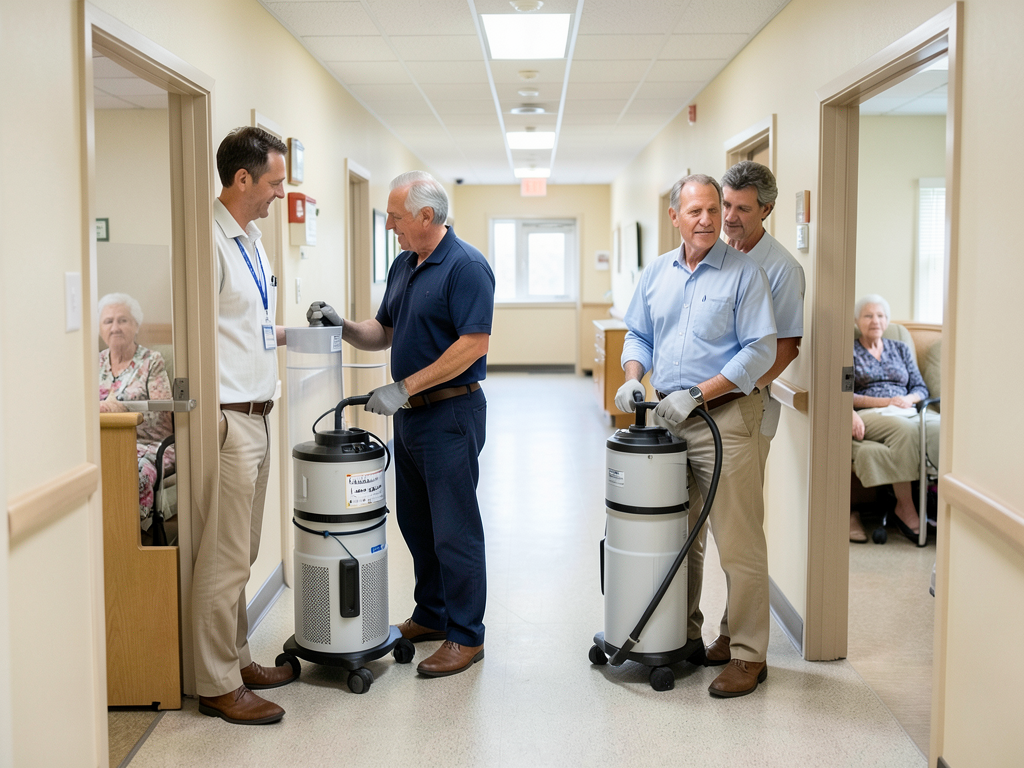
Specialized Senior Living Water Restoration Services in San Francisco Water damage in a Richmond District…
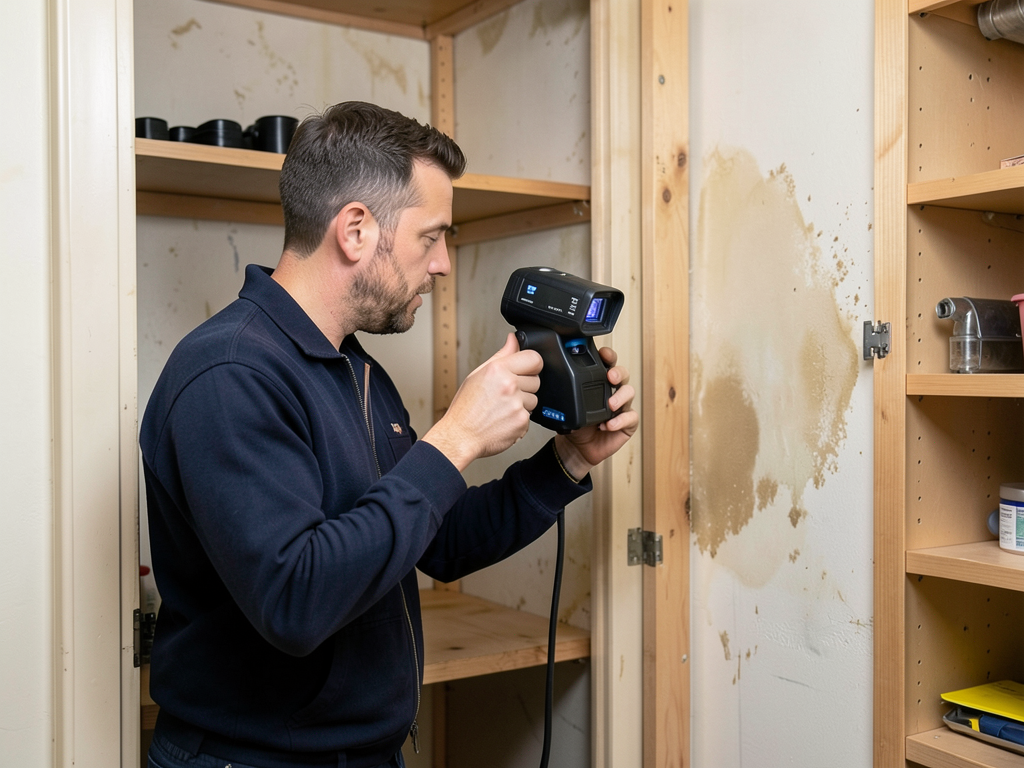
Why Your Noe Valley High Efficiency Boiler Could Be Slowly Flooding Your Utility Closet If…
Water spreads every minute you wait. Our certified crews are standing by 24/7 to respond to your Palo Alto property within 60 minutes. Call (415) 449-6555 now for immediate dispatch. We'll stop the damage, dry your property, and handle your insurance claim from start to finish.