
menu

High Indoor Humidity Levels in San Francisco – Expert Diagnosis and Permanent Moisture Control

We identify the source of elevated home humidity in your San Francisco property and implement targeted dehumidification solutions that protect your structure, air quality, and health from excessive indoor moisture.

Slider Image 1
Slider Image 2
Slider Image 3
Slider Image 4
Slider Image 5
Slider Image 7
Slider Image 8
Slider Image 9
Slider Image 10
Slider Image 11

Why San Francisco Homes Battle Chronic Indoor Moisture Problems

You walk into your San Francisco home and the air feels heavy. Condensation forms on windows facing the Pacific. Your clothes feel damp in the closet. These are not minor annoyances. These are symptoms of high relative humidity indoors that can destroy your home and make you sick.

San Francisco's marine layer creates a unique moisture challenge. Summer fog banks roll through the Richmond and Sunset districts carrying 80-90% humidity. Victorian homes with poor vapor barriers trap this moisture. Older apartments in the Mission lack proper ventilation. The result is excess humidity in house structures that cannot dry naturally.

When indoor humidity stays above 60% for extended periods, you get mold growth within 24-48 hours. Wood floors cup and warp. Drywall softens. Paint peels. Metal corrodes. The musty smell you notice is microbial volatile organic compounds released by active mold colonies. Your belongings suffer damage while your family breathes contaminated air.

Elevated home humidity also creates condensation inside wall cavities you cannot see. Water vapor migrates through drywall and condenses on cold pipes or exterior sheathing. This hidden moisture rots framing lumber and feeds hidden mold growth behind walls. By the time you see visible damage, the problem has existed for months.

San Francisco's cool summers mean most homes lack air conditioning. Without AC, you lose the dehumidification benefit that comes with cooling. Opening windows brings in more fog moisture. The cycle continues. You need professional assessment and mechanical dehumidification to break the pattern and restore healthy indoor air.

Why San Francisco Homes Battle Chronic Indoor Moisture Problems
How We Eliminate Excessive Indoor Moisture at the Source

How We Eliminate Excessive Indoor Moisture at the Source

We do not just place a consumer-grade dehumidifier in your hallway and call it solved. That approach treats symptoms while ignoring causes. We identify why your home has elevated home humidity, then engineer a permanent solution.

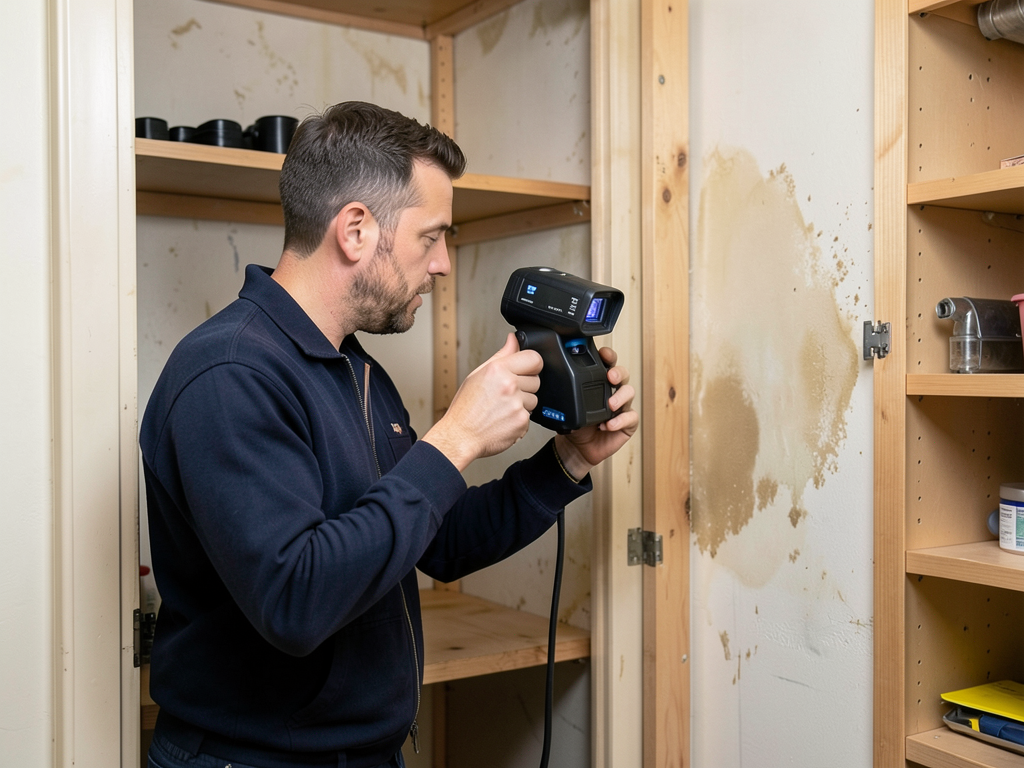
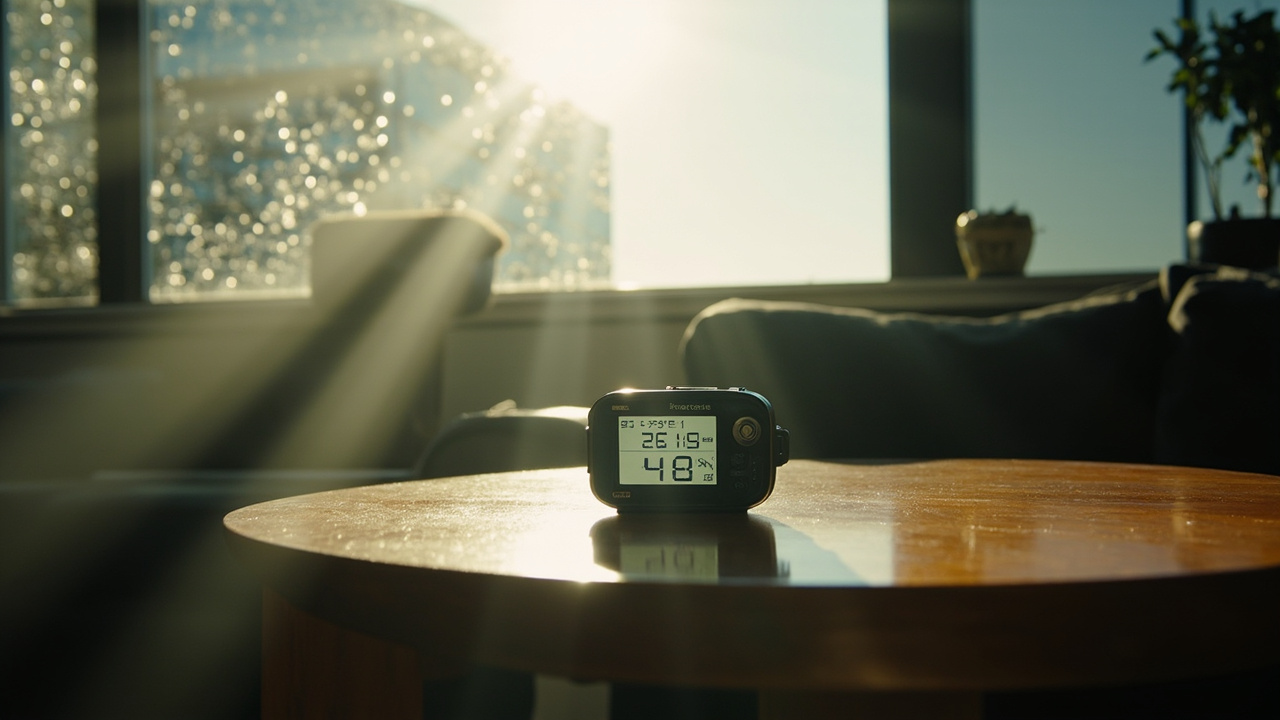
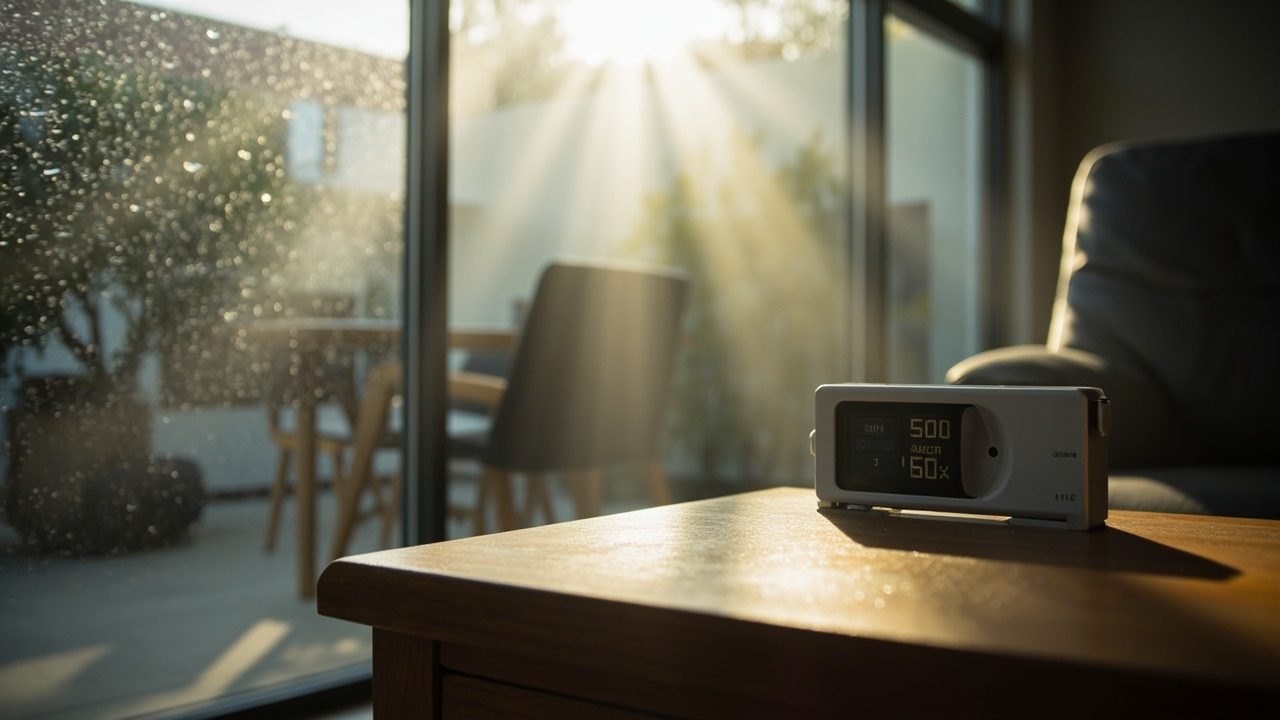
Our process starts with hygrometer readings in every room. We measure relative humidity, temperature, and dew point to map moisture patterns throughout your property. We use thermal imaging cameras to detect cold spots where condensation forms. We inspect crawl spaces, attics, and wall cavities with moisture meters to find hidden water intrusion.

Most indoor moisture problems stem from three sources. First, external water intrusion through foundation cracks, failed window seals, or roof leaks. Second, internal moisture generation from cooking, showering, and breathing without adequate ventilation. Third, vapor drive from wet crawl spaces or basements that pushes humidity upward through the structure.

We address all three. If we find foundation cracks letting in groundwater, we coordinate waterproofing repairs. If bathroom exhaust fans vent into the attic instead of outside, we correct the ducting. If your crawl space has standing water and exposed dirt, we install vapor barriers and drainage systems. Each home requires a custom approach based on construction type, occupant behavior, and specific failure points.

For immediate relief, we deploy commercial-grade refrigerant dehumidifiers that remove 150-200 pints per day. These units handle the moisture load while we implement permanent fixes. We install whole-house ventilation systems that exchange stale humid air with fresh filtered air. We seal air leaks that allow moisture infiltration. We create balanced airflow that prevents pressure imbalances driving moisture into wall cavities. The goal is sustainable humidity control without ongoing equipment dependency.

What Happens During Your Humidity Assessment and Remediation

High Indoor Humidity Levels in San Francisco – Expert Diagnosis and Permanent Moisture Control
01

Comprehensive Moisture Mapping

We measure humidity levels in every room and inspect hidden spaces with thermal cameras and moisture meters. This diagnostic phase identifies where moisture enters your home, where it accumulates, and what building components show water damage. We document baseline conditions with photos and hygrometer readings to track improvement after remediation. You receive a detailed report showing exactly what we found and why your home has indoor moisture problems.
02

Source Elimination and Drying

We stop water at the source by sealing entry points and correcting ventilation failures. Commercial dehumidifiers extract excess humidity while air movers promote evaporation from wet materials. We monitor progress with daily hygrometer readings and adjust equipment placement based on response. This phase continues until all building materials reach equilibrium moisture content below 15%. We remove damaged materials that cannot dry properly and prepare surfaces for restoration.
03

Long-Term Humidity Control

We install permanent solutions that prevent humidity from returning. This includes whole-house ventilation systems, crawl space encapsulation, and strategic dehumidification in problem areas. We teach you how to maintain healthy humidity levels through simple behavioral changes like running exhaust fans and managing indoor plant watering. You receive a written maintenance plan and humidity monitoring recommendations. Most clients see indoor humidity stabilize between 35-50% after our intervention.

Why San Francisco Properties Need Local Moisture Control Expertise

San Francisco is not like the rest of California. While Sacramento and the Central Valley battle dry heat, we deal with persistent marine moisture. Your humidity problem requires someone who understands microclimates, historic building construction, and coastal moisture dynamics.

Victorian homes in Noe Valley and Pacific Heights were built between 1870 and 1915 with balloon framing and minimal insulation. These structures breathe differently than modern construction. Adding modern vapor barriers without understanding historic airflow patterns can trap moisture and accelerate rot. We know how to retrofit humidity control into period architecture without destroying historic integrity or creating new problems.

San Francisco Building Code requires mechanical ventilation in bathrooms and kitchens. Many older homes have exhaust fans that dump moisture into attics or crawl spaces rather than venting outside. This violates code and creates concentrated moisture damage in hidden spaces. We inspect ventilation systems for code compliance and correct installations that create rather than solve moisture problems.

The fog belt areas along Ocean Beach and through the Presidio face different challenges than sunnier neighborhoods in Potrero Hill or Bernal Heights. Homes near Golden Gate Park stay damp longer. Structures in sheltered valleys dry faster. We adjust our remediation approach based on your specific microclimate and sun exposure patterns.

Summit Water Damage Restoration San Francisco specializes in moisture control for coastal environments. We have addressed high relative humidity indoors in hundreds of San Francisco properties from the Marina to the Excelsior. We know which dehumidifier capacities work in different sized spaces. We understand when mechanical ventilation is required versus when passive airflow is sufficient. We have relationships with local contractors who understand San Francisco building methods when structural repairs are needed. This local expertise produces better outcomes than generic national chains following one-size-fits-all protocols.

What You Can Expect From Our Moisture Control Service

Rapid Response and Assessment

We schedule moisture assessments within 24 hours of your call. Most diagnostic visits take 90-120 minutes depending on property size. You receive preliminary findings the same day and a written report within 48 hours. If we discover active water intrusion or dangerous mold growth, we can begin emergency mitigation immediately. Our trucks carry professional-grade dehumidifiers, air movers, and moisture meters so we can start drying while we finalize the remediation plan. For excess humidity in house situations without emergency damage, we schedule equipment installation within 3-5 business days after you approve the scope of work.

Thorough Diagnostic Testing

Our technicians use calibrated hygrometers to measure relative humidity and temperature in each room. We check attic spaces, crawl spaces, and wall cavities with penetrating moisture meters. Thermal imaging cameras reveal cold spots where condensation forms and thermal bridges that drive moisture movement. We inspect HVAC systems, plumbing fixtures, and building envelope penetrations for moisture sources. We test ventilation airflow with anemometers to confirm exhaust fans move adequate air volume. You receive documentation showing moisture content readings, thermal images, and specific deficiencies we identified. This diagnostic thoroughness ensures we address root causes instead of guessing at solutions.

Complete Moisture Elimination

We do not leave until humidity levels stabilize in the healthy range. Our commercial dehumidifiers extract 150-200 pints daily compared to 30-50 pints for consumer units. We position air movers to create circulation patterns that promote drying without blowing moisture into walls. We monitor progress with daily moisture readings and adjust equipment as materials dry. Wood framing must reach below 15% moisture content. Drywall must dry below 12%. Concrete must reach appropriate levels based on slab thickness and grade contact. We document final moisture readings so you have proof the job was completed correctly. Most residential projects reach dry standard within 5-7 days.

Prevention Planning and Follow-Up

After remediation, we provide a written maintenance plan specific to your property. This includes recommended humidity levels for each season, ventilation practices, and warning signs of returning moisture problems. We show you how to use a basic hygrometer to monitor conditions yourself. For properties with chronic elevated home humidity, we offer quarterly follow-up inspections to verify systems continue working properly and catch new issues before they cause damage. Many clients install whole-house dehumidification systems we maintain annually. We also coordinate with your homeowners insurance when moisture damage requires a claim. Our documentation satisfies adjuster requirements and speeds the settlement process.

Frequently Asked Questions

You Have Questions,
We Have Answers

Is 70% humidity too high for a house? +

Yes, 70% humidity is too high for indoor spaces. The EPA recommends keeping indoor humidity between 30-50% to prevent mold growth and structural damage. In San Francisco, where marine air already increases moisture levels, 70% creates ideal conditions for mold within 24-48 hours. You will notice condensation on windows, musty odors, and peeling paint. High humidity also makes your home feel warmer than it is, forcing your HVAC system to work harder. If you consistently see readings above 60%, you need dehumidification or professional moisture assessment to prevent long-term damage.

What happens if indoor humidity is too high? +

High indoor humidity triggers multiple problems. Mold and mildew colonize drywall, insulation, and wood framing. You will see visible growth on walls, ceilings, and around windows. Structural wood absorbs moisture, leading to rot and compromised framing. Paint blisters and wallpaper peels. Dust mites thrive in humid conditions, worsening allergies and asthma. In San Francisco's Victorian and Edwardian homes, persistent humidity can damage original plaster and wood trim. Your belongings suffer too. Books warp, electronics corrode, and fabrics develop mildew. High humidity also increases heating and cooling costs because moist air requires more energy to condition.

Can humidity cause nausea? +

Yes, high humidity can cause nausea, though it usually signals severe exposure or underlying conditions. When humidity exceeds 70%, your body struggles to cool itself through sweat evaporation. This can lead to heat stress symptoms including nausea, dizziness, and fatigue. High humidity also amplifies mold growth, and mold exposure triggers nausea in sensitive individuals. In San Francisco homes with poor ventilation, trapped humid air concentrates volatile organic compounds and biological contaminants that affect your digestive system. If you experience persistent nausea at home but feel better elsewhere, your indoor air quality needs professional evaluation. Humidity-related nausea requires both moisture control and ventilation improvements.

What is an unsafe indoor humidity level? +

Indoor humidity above 60% is unsafe for your home and health. At this level, mold spores activate and begin colonizing surfaces within 24-72 hours. Readings above 70% create rapid mold growth, structural wood decay, and respiratory hazards. The safe range is 30-50% relative humidity. San Francisco's coastal fog and marine layer push outdoor humidity higher, making mechanical dehumidification necessary in many homes. If your hygrometer consistently reads above 60%, you face active damage. Readings above 80% indicate emergency conditions requiring immediate professional intervention. Unsafe humidity levels compound quickly in basements, crawl spaces, and poorly ventilated bathrooms.

Will mold grow at 70 humidity? +

Yes, mold will grow at 70% relative humidity. Mold spores need three things: moisture, organic material, and temperatures above 40°F. At 70% humidity, surfaces provide enough moisture for germination and growth. You will see visible colonies within 48-72 hours on drywall, wood, fabric, and paper. In San Francisco homes, where marine air keeps humidity elevated year-round, 70% creates persistent mold problems in bathrooms, basements, and poorly ventilated rooms. Different mold species thrive at different levels, but most common household molds activate between 60-70%. Controlling humidity below 50% is your primary defense against mold colonization.

Does opening a window reduce humidity? +

Opening windows reduces humidity only when outdoor air is drier than indoor air. In San Francisco, this strategy often backfires. Marine fog and coastal moisture mean outdoor humidity frequently exceeds indoor levels, especially mornings and evenings. During summer fog season, opening windows can increase indoor humidity by 10-20%. If outdoor humidity is below 50% and indoor exceeds 60%, ventilation helps. Check both readings first. Natural ventilation works best on dry, breezy afternoons. For consistent humidity control in San Francisco's microclimate, you need mechanical dehumidification paired with exhaust fans in bathrooms and kitchens. Opening windows alone rarely solves chronic humidity problems.

Can you get sick if your house is too humid? +

Yes, living in a humid house can make you sick. High humidity promotes mold growth, which releases spores and mycotoxins that trigger respiratory problems, allergies, and asthma attacks. You may experience persistent coughing, wheezing, throat irritation, and sinus congestion. Humid conditions also increase dust mite populations, worsening allergic reactions. In San Francisco's older housing stock, where ventilation systems may be inadequate, trapped humid air concentrates these contaminants. Prolonged exposure can lead to chronic respiratory conditions and weakened immune response. If your symptoms improve when you leave home, indoor humidity and related air quality issues are the likely cause. Professional moisture assessment identifies the source.

Do dehumidifiers really work for humidity? +

Yes, dehumidifiers work effectively when sized and placed correctly. A properly rated dehumidifier removes moisture from air, maintaining humidity between 30-50%. For San Francisco homes, you need a unit rated for your square footage and climate conditions. Basement and crawl space installations require dedicated units. Portable dehumidifiers work for single rooms but cannot address whole-house moisture problems. Empty the collection bucket daily or install continuous drainage. Dehumidifiers treat symptoms, not sources. If water intrusion, plumbing leaks, or vapor barriers cause your humidity problem, dehumidifiers provide temporary relief while you fix the underlying issue. Professional assessment determines if dehumidification alone solves your problem.

How do you fix high humidity in your house? +

Fix high humidity by identifying and eliminating moisture sources first. Check for plumbing leaks, foundation cracks, and roof penetrations. In San Francisco's Victorian homes, check crawl space vapor barriers and foundation vents. Install exhaust fans in bathrooms and kitchens, venting outside, not into attics. Run your HVAC system regularly to circulate and condition air. Add whole-house or portable dehumidifiers sized for your space. Seal basement walls with waterproof coatings. Improve attic ventilation to prevent condensation. If DIY measures fail, professional moisture assessment with thermal imaging identifies hidden sources. Fixing high humidity requires addressing both sources and ventilation system inadequacies specific to your home.

What are the symptoms of humidity sickness? +

Humidity sickness symptoms include respiratory distress, persistent coughing, wheezing, shortness of breath, and chest tightness. You may experience headaches, fatigue, dizziness, and difficulty concentrating. Skin reactions include rashes, irritation, and worsening eczema. Sinus congestion, runny nose, and itchy eyes mirror allergic reactions. Nausea and digestive upset occur in severe cases or with significant mold exposure. In San Francisco homes with chronic humidity problems, these symptoms worsen at night or during foggy periods. If symptoms improve when you leave home, indoor air quality and humidity are the likely causes. Persistent symptoms require medical evaluation and professional home moisture assessment to identify and remediate sources.

How San Francisco's Fog Belt Creates Persistent Indoor Moisture Challenges

San Francisco sits on a peninsula surrounded by cold Pacific water. Summer fog forms when warm inland air meets cold ocean surface temperatures, creating dense marine layers that blanket the city. The Richmond, Sunset, and western neighborhoods experience fog 60-70 days per summer. This fog carries 80-90% relative humidity that penetrates homes through gaps, cracks, and building envelope failures. Unlike rain that you can prevent with proper gutters and flashing, fog moisture is airborne vapor that infiltrates everywhere. Older San Francisco homes lack continuous air barriers and vapor retarders common in modern construction. The result is persistent indoor moisture problems that worsen each fog season without proper mechanical dehumidification and ventilation upgrades.

Summit Water Damage Restoration San Francisco understands coastal moisture dynamics that out-of-area contractors miss. We know Victorian homes in the Haight need different solutions than post-1950s stucco construction in the Sunset. We understand San Francisco Building Code requirements for ventilation and moisture control. We work with local building inspectors regularly and know what upgrades pass inspection. Our equipment inventory includes high-capacity refrigerant dehumidifiers sized for San Francisco's climate, not desert conditions. We maintain relationships with local HVAC contractors, waterproofing specialists, and mold remediators when your project requires coordinated trades. This local expertise and network produces better outcomes than national restoration chains applying generic protocols to unique San Francisco moisture challenges.
Water Damage Restoration Services in The San Francisco Area

Our commitment to rapid response means we cover the entire San Francisco area and surrounding communities. View the map below to visualize our primary service region, which includes key neighborhoods and business districts. Whether you are located in the Financial District, the Mission, or out toward the Sunset, you can trust our 24/7 team to reach you quickly. We proudly serve both residential and commercial clients across the entire map, guaranteeing a fast and effective mitigation service the moment you need us.

Address:
Summit Water Damage Restoration San Francisco, 1390 Market St, San Francisco, CA, 94102

Additional Services We Offer

Our news updates

Latest Articles & News from The Blogs

What to Do if Your New Backyard ADU Floods During a Heavy San Francisco Rain A sudden downpour in San…

What to Do if Your New Backyard ADU Floods During a Heavy San Francisco Rain

What to Do if Your New Backyard ADU Floods During a Heavy San Francisco Rain A sudden downpour in San…

Selecting a Restoration Partner for Vulnerable Residents in a Richmond District Care Home

Specialized Senior Living Water Restoration Services in San Francisco Water damage in a Richmond District care home requires more than…

Why Your Noe Valley High Efficiency Boiler Could Be Slowly Flooding Your Utility Closet

Why Your Noe Valley High Efficiency Boiler Could Be Slowly Flooding Your Utility Closet If you live in a Noe…

Contact Us

High indoor humidity damages your property and health every day you wait. Call Summit Water Damage Restoration San Francisco now at (415) 449-6555 for same-day moisture assessment. We identify the source, eliminate the excess humidity, and implement permanent solutions that keep your home dry.