


Oakland sits in a unique position where Bay Area fog, winter storms rolling off the Pacific, and aging urban infrastructure create serious water damage risks. The city's hills drain water toward lower neighborhoods like West Oakland and the flatlands near the Port, where homes built on reclaimed marshland face high water tables and poor drainage. Many Oakland properties date back 80 to 100 years with original cast iron pipes, clay sewer lines, and outdated plumbing that fails without warning.
Atmospheric rivers dump intense rainfall on Oakland between November and March, overwhelming older storm drains and causing localized flooding in areas like Fruitvale and East Oakland. The region's Mediterranean climate means buildings sit dry for months, then face sudden moisture intrusion when rains arrive. Older homes in Rockridge, Temescal, and Piedmont Avenue lack proper vapor barriers, making them vulnerable to water intrusion through foundation cracks and aging mortar joints. Properties near Lake Merritt and the Oakland Estuary face additional risks from tidal flooding and groundwater seepage. Fast response to water damage in Oakland prevents structural rot, mold colonization, and foundation damage that can cost tens of thousands to repair later.
Summit Water Damage Restoration San Francisco has handled water emergencies across Oakland for years, building a reputation for fast dispatch, thorough water extraction, and complete property drying. We understand how Oakland's specific building types respond to water damage. Victorian homes in Rockridge require careful handling to preserve historic plaster and wood trim. Mid-century construction in Montclair needs different drying protocols than concrete and steel buildings downtown. We know which Oakland neighborhoods flood first during storms and which properties face chronic groundwater problems.
Our crews carry commercial-grade extraction equipment, industrial dehumidifiers, air movers, and moisture detection tools on every truck. We dispatch from San Francisco to any Oakland location within 60 minutes, stopping water damage before it spreads through walls and subfloors. Many water damage companies subcontract the actual work. We staff our own IICRC certified technicians who respond directly to your emergency.
Insurance coordination is part of every job. We document damage with photos and moisture readings, provide detailed estimates, and communicate directly with adjusters to speed up claims. Oakland property owners dealing with flooded basements, burst supply lines, or roof leaks get one point of contact from emergency call to final invoice. We handle the technical work while you handle your insurance company. Our approach eliminates the chaos that usually comes with water emergencies.

We answer emergency calls 24/7 and dispatch crews to Oakland properties within 60 minutes. Fast response stops water from spreading through walls, subfloors, and insulation. Every hour of delay increases damage and restoration costs. Our trucks carry extraction pumps, commercial dehumidifiers, and moisture meters to start mitigation immediately upon arrival.

Every technician on our crews holds current IICRC certification in water damage restoration. This means they follow industry protocols for water extraction, structural drying, and antimicrobial treatment. Certification requires ongoing education in moisture science, building materials, and mold prevention. You get trained professionals who understand how water moves through Oakland's diverse building types.
We document every aspect of water damage with detailed photos, moisture readings, and scope reports that insurance adjusters need for claims processing. Our estimates break down labor, equipment, and materials clearly. We communicate directly with your insurance company to answer questions and speed up approvals, eliminating back-and-forth confusion during an already stressful emergency situation.
Oakland's housing stock ranges from Victorian homes to modern construction, each requiring different restoration approaches. We understand how water affects historic plaster, hardwood floors, and lath-and-plaster walls common in older neighborhoods. Our crews adapt drying protocols based on construction type, building age, and materials affected. This prevents additional damage during the restoration process itself.
Water damage restoration involves multiple phases that must happen in the correct sequence to prevent secondary damage. Summit Water Damage Restoration San Francisco provides every service needed from initial emergency response through final reconstruction. We handle water removal, structural drying, mold remediation, and repairs under one contract. This eliminates coordination problems between multiple contractors and speeds up the entire restoration timeline.
Our approach follows IICRC S500 standards for water damage remediation, which define proper protocols for water extraction, moisture monitoring, and drying verification. Oakland properties face different water intrusion scenarios ranging from sudden burst pipes to slow roof leaks. Each situation requires specific equipment, drying techniques, and timeline management. We assess moisture levels in walls, floors, and ceilings using thermal imaging cameras and moisture meters, then deploy the right combination of extraction pumps, dehumidifiers, and air movers to dry the structure completely. The services below represent our complete capability range for Oakland water damage emergencies.
Standing water causes damage every hour it remains in your property. Our crews deploy truck-mounted extraction pumps and portable units to remove water from flooded basements, saturated carpets, and pooled areas throughout Oakland homes and businesses. We extract clean water from burst supply lines, gray water from appliance failures, and category 3 water from sewage backups. Extraction is the first critical step that stops ongoing damage and allows structural drying to begin.
Water migrates through walls, subfloors, and insulation long after visible standing water disappears. We place industrial dehumidifiers and high-velocity air movers throughout affected areas to dry structural materials completely. Moisture meters and thermal imaging cameras monitor drying progress daily until readings reach normal levels. This prevents mold growth, wood rot, and material degradation. Different building materials require different drying times. Hardwood floors need careful moisture management to prevent cupping and crowning.
Water damage often requires removing drywall, flooring, baseboards, and insulation that absorbed too much moisture. After structural drying completes, we rebuild affected areas to pre-loss condition. This includes hanging new drywall, installing flooring, painting, trim work, and cabinet reinstallation. Our crews handle the complete restoration process under one contract, eliminating the need to coordinate separate contractors. You get a single timeline and one point of contact from emergency to completion.
Oakland's aging infrastructure, seasonal weather patterns, and diverse building stock create specific water damage vulnerabilities. Properties built before 1950 often have original cast iron supply lines and clay sewer laterals that crack and fail. Homes in hillside neighborhoods like Montclair and Upper Rockridge face water intrusion through foundation walls during heavy winter rains. Flatland properties near the estuary deal with high water tables and poor drainage that can cause chronic basement moisture problems.
The rainy season between November and March brings most water damage emergencies. Atmospheric rivers dump several inches of rain in 24 hours, overwhelming older storm drains and causing localized flooding. Roofs on Oakland's many flat-roofed commercial buildings develop leaks around penetrations and membrane seams. Water heaters fail suddenly after years of service. Washing machine supply hoses burst without warning. Understanding these common scenarios helps property owners recognize water damage fast and call for emergency restoration before minor leaks become major disasters.
Old galvanized steel and cast iron pipes in Oakland homes corrode from the inside out until they fail under normal water pressure. A single burst supply line can release hundreds of gallons before the main water valve gets shut off. Pipes hidden in walls or under floors flood spaces before anyone notices. Fast response prevents water from saturating drywall, insulation, and subfloors throughout the property.
Heavy winter storms test every weak point in Oakland roofs. Missing shingles, cracked flashing, and clogged gutters allow water intrusion that saturates attic insulation and drips through ceilings. Flat roofs common on commercial buildings develop ponding water that finds its way through membrane seams. Roof leaks often go unnoticed until water stains appear on ceilings or walls below.
Oakland's combined sewer system can overwhelm during heavy rains, pushing sewage back through floor drains in basements and ground-level bathrooms. Tree roots infiltrate clay sewer laterals common in older neighborhoods, causing chronic blockages. Category 3 water contaminated with sewage requires specialized cleaning, antimicrobial treatment, and safe material disposal according to health regulations. This is not a DIY situation.
Hillside properties throughout Oakland face water intrusion through foundation cracks and failed waterproofing during winter rains. Hydrostatic pressure forces groundwater through any opening in basement walls and floor slabs. Many Oakland basements were built before modern waterproofing standards existed. Water intrusion causes mold growth, damages stored belongings, and compromises structural integrity if not addressed properly with drainage improvements and foundation repairs.
Water emergencies create panic. You need someone to answer the phone immediately, send help fast, and handle everything professionally. Summit Water Damage Restoration San Francisco provides a structured response process designed to stop damage, communicate clearly, and restore your Oakland property completely.
When you call our emergency line at (415) 449-6555, you reach a live person who gathers essential information and dispatches the nearest crew. We ask about the water source, affected areas, and any immediate safety concerns. Our dispatcher coordinates crew arrival and keeps you updated via text or call.
Crews arrive with extraction equipment, moisture detection tools, and protective gear ready to work immediately. The team lead introduces everyone, assesses the situation, and explains the mitigation plan before starting work. We take photos and document everything for insurance purposes. If power needs to be shut off or water valves closed, we handle it. Throughout the project, you get regular updates on drying progress, timeline, and any issues that arise. We do not disappear after starting the job. Communication continues until your property is completely restored.
Our crews arrive at Oakland properties within 60 minutes of your emergency call. The team lead walks through affected areas with moisture meters and thermal imaging cameras to identify all water damage, including hidden moisture in walls and subfloors. You receive a verbal explanation of what happened, what needs to be done, and how long restoration will take. We answer questions and address concerns before any work begins. Documentation starts immediately with photos and moisture readings that insurance adjusters need for claims processing.
Water extraction happens first using truck-mounted pumps and portable units to remove standing water. We then position industrial dehumidifiers and air movers throughout affected spaces to begin structural drying. Technicians return daily to take moisture readings, adjust equipment placement, and monitor drying progress. You receive text or call updates explaining what we found and how the project is advancing. Drying typically takes three to five days depending on materials affected and extent of water intrusion.
We do not remove equipment until moisture readings confirm all structural materials have reached normal dry levels. Final documentation includes before and after moisture readings proving complete drying. If reconstruction is needed, we provide a detailed scope and timeline for repairs. Our crews handle demolition of unsalvageable materials, rebuild walls and floors, and restore your property to pre-loss condition. You get one invoice covering emergency response through final restoration with clear breakdowns for insurance claims.
Water damage restoration follows a proven sequence developed by the IICRC to ensure complete mitigation and prevent secondary damage. Our process works the same for every Oakland property.
You call our 24/7 emergency line at (415) 449-6555 and speak with a dispatcher who gathers details about your water damage situation. We ask about the water source, how much water is present, and which areas are affected. The dispatcher immediately assigns the nearest available crew and provides an estimated arrival time. You receive a text confirmation with crew contact information and real-time arrival updates.
Crews arrive with extraction pumps, dehumidifiers, air movers, and moisture detection equipment. We remove standing water first, then assess hidden moisture in walls, floors, and ceilings using thermal cameras and pin moisture meters. Industrial dehumidifiers and high-velocity air movers run continuously to dry structural materials. Technicians monitor progress daily with moisture readings until all affected materials reach normal dry levels. This phase typically takes three to five days.
After verified drying, we remove damaged materials that cannot be saved and begin reconstruction. This includes new drywall, flooring, baseboards, paint, and any other finishes affected by water damage. Our crews complete all repairs needed to return your Oakland property to pre-loss condition. You receive final documentation including moisture readings, photos, and detailed invoices for insurance submission. We follow up after project completion to ensure satisfaction.
Professional water damage restoration follows scientific principles defined in IICRC S500 standards. These protocols exist because water behaves predictably in buildings. Understanding moisture science, psychrometrics, and material behavior allows proper restoration that prevents mold growth and structural damage.
Water is classified by contamination level. Category 1 is clean water from supply lines. Category 2 is gray water from appliances or washing machines containing some contamination. Category 3 is black water from sewage or flooding that contains harmful bacteria and requires specialized handling. Each category demands different safety protocols and disposal procedures.
Water damage is also classified by how far it penetrated building materials. Class 1 affects a small area with minimal absorption. Class 2 involves an entire room with significant absorption into walls and carpeting. Class 3 means water came from above, saturating walls, ceilings, insulation, and subfloors. Class 4 involves specialty drying situations like hardwood floors, plaster, or concrete that absorbed deep moisture. Oakland's mix of old and new construction means restoration crews encounter all four classes regularly.
Proper drying requires controlling temperature, humidity, and air movement. Dehumidifiers remove moisture from the air. Air movers increase evaporation rates from wet surfaces. The goal is creating a drying chamber where moisture moves from structural materials into the air, then gets removed by dehumidification. This process continues until moisture content in wood, drywall, and other materials returns to normal levels, typically 12 to 15 percent for wood framing.
Thermal imaging cameras detect hidden moisture behind walls and under floors without destructive investigation. Pin-type and pinless moisture meters provide accurate readings in different materials. Documentation proves to insurance companies that drying was complete and proper protocols were followed. This scientific approach separates professional restoration from placing a few fans and hoping for the best.
IICRC certification requires passing comprehensive exams on moisture science, microbial remediation, and restoration techniques. Certified technicians learn proper water classification, safety protocols, equipment operation, and documentation procedures. Certification must be renewed through continuing education. This ensures restoration crews stay current on industry standards and new technologies. Ask any water damage company about their technicians' certifications before hiring.
Restoration costs depend on water category, affected square footage, materials damaged, and drying time required. Category 3 sewage costs more because of contamination and disposal requirements. Hardwood floors require careful drying to prevent permanent damage. Two-story water damage costs more than single-story because water affects multiple levels. Insurance typically covers sudden water damage from burst pipes but may exclude gradual leaks or poor maintenance.
Emergency water extraction happens within hours of crew arrival. Structural drying takes three to seven days depending on materials affected and extent of saturation. Reconstruction timeline varies based on damage scope but typically takes one to three weeks for drywall, flooring, and finish work. Delays happen when insurance approval takes longer than expected or when hidden damage gets discovered during demolition.
California requires water damage restoration contractors to carry proper liability insurance and follow state health regulations for contaminated water handling. Legitimate companies provide proof of insurance and workers compensation coverage. They dispose of category 3 water-damaged materials according to local health department rules. Always verify a restoration company's insurance coverage and licensing status before allowing work to begin on your Oakland property.
This video explains the professional water damage restoration process used by Summit Water Damage Restoration San Francisco for Oakland properties. Topics covered include emergency response procedures, water extraction techniques, structural drying protocols, moisture detection equipment, and insurance coordination. Viewers learn what happens during the first 60 minutes of a water damage emergency and how IICRC certified crews mitigate damage to prevent mold growth and structural problems in Oakland homes and commercial buildings.
Summit Water Damage Restoration San Francisco provides emergency water damage services throughout Oakland and the greater East Bay area. Our crews respond to properties in every Oakland neighborhood from the hills to the flatlands. We know the city's diverse geography and how it affects water damage patterns.
Hillside communities like Montclair, Piedmont Avenue, and Upper Rockridge face water intrusion through foundation walls during heavy winter storms. Steep slopes create runoff that overwhelms drainage systems and pushes water through basement walls. Older homes in these areas often lack proper foundation waterproofing. We respond regularly to flooded basements and crawl spaces throughout Oakland's hill neighborhoods.
Flatland areas including West Oakland, Fruitvale, and neighborhoods near the Oakland Coliseum sit on reclaimed marshland with high water tables. Properties here face chronic groundwater seepage and flooding risks during king tides. The Port of Oakland industrial area sees commercial water damage from roof leaks, sprinkler malfunctions, and plumbing failures in warehouses and manufacturing facilities.
Downtown Oakland's mix of historic and modern buildings each present unique restoration challenges. The Victorian and Craftsman homes in Temescal and Rockridge require careful handling to preserve original plaster, hardwood floors, and architectural details during water damage restoration. Commercial properties along Broadway and near Lake Merritt need fast response to minimize business interruption.
We also serve Oakland neighborhoods including Laurel, Dimond, Glenview, Adams Point, Grand Lake, and the Eastmont area. Our coverage extends to nearby communities in Berkeley, Alameda, Emeryville, and Piedmont. No matter where your property is located in the Oakland metro area, our crews reach you within 60 minutes of your emergency call. We understand regional building codes, insurance requirements, and the specific challenges Oakland properties face. Local knowledge matters when water damage happens. You need a restoration company that knows Oakland's neighborhoods, building types, and climate patterns. Summit Water Damage Restoration San Francisco responds to water emergencies across the entire East Bay with the same fast service and professional standards.
Water damage restoration in Oakland takes 3 to 7 days for most residential projects. Small water leaks affecting one room need 2 to 3 days. Extensive flooding through multiple rooms requires 5 to 10 days. The timeline depends on how much water entered your home, which materials got wet, and humidity levels during drying. Carpet and drywall dry faster than hardwood floors and structural wood. Your restoration team will monitor moisture levels daily and adjust equipment as needed. Complete restoration including repairs adds 1 to 3 weeks to the timeline.
Water damage restoration pricing in Oakland depends on the extent of damage and affected area. Small leaks affecting one room fall at the lower end of the range. Major flooding through multiple floors increases the total significantly. Your final expense includes water extraction, drying equipment rental, antimicrobial treatment, and material removal. Insurance often covers much of these expenses when water damage results from sudden events like burst pipes. Get written estimates from three local Oakland companies before choosing a provider. Most companies offer free inspections and damage assessments.
Oakland homeowners insurance typically covers sudden and accidental water damage like burst pipes, appliance malfunctions, and roof leaks during storms. Your policy pays for restoration services, equipment, and repairs minus your deductible. Insurance does not cover gradual damage from neglected maintenance or flooding from outside sources. Flood damage requires separate flood insurance through FEMA. Review your policy to understand your coverage limits and exclusions. File your claim within 24 hours of discovering water damage. Keep all receipts and document everything with photos and videos.
Water damage restoration in Oakland takes 3 to 7 days for most residential projects. Small water leaks affecting one room need 2 to 3 days. Extensive flooding through multiple rooms requires 5 to 10 days. The timeline depends on how much water entered your home, which materials got wet, and humidity levels during drying. Carpet and drywall dry faster than hardwood floors and structural wood. Your restoration team will monitor moisture levels daily and adjust equipment as needed. Complete restoration including repairs adds 1 to 3 weeks to the timeline.
Water damage restoration pricing in Oakland depends on the extent of damage and affected area. Small leaks affecting one room fall at the lower end of the range. Major flooding through multiple floors increases the total significantly. Your final expense includes water extraction, drying equipment rental, antimicrobial treatment, and material removal. Insurance often covers much of these expenses when water damage results from sudden events like burst pipes. Get written estimates from three local Oakland companies before choosing a provider. Most companies offer free inspections and damage assessments.
Oakland homeowners insurance typically covers sudden and accidental water damage like burst pipes, appliance malfunctions, and roof leaks during storms. Your policy pays for restoration services, equipment, and repairs minus your deductible. Insurance does not cover gradual damage from neglected maintenance or flooding from outside sources. Flood damage requires separate flood insurance through FEMA. Review your policy to understand your coverage limits and exclusions. File your claim within 24 hours of discovering water damage. Keep all receipts and document everything with photos and videos.
Choose an Oakland water damage company with IICRC certification and local references. Ask how long they have served Oakland and request examples of recent projects. Check their response time and whether they offer 24/7 emergency service. Verify they use professional moisture detection equipment and provide detailed written estimates. Read online reviews from Oakland customers on Google and Yelp. Confirm they have experience working with your insurance company. Ask about their drying process and how they prevent mold growth. Get quotes from at least three companies before deciding.
Oakland water damage restoration follows five key steps. First, technicians inspect your property and assess damage severity. Second, they extract standing water using pumps and vacuums. Third, they place dehumidifiers and air movers to dry all affected materials. Fourth, they clean and sanitize surfaces to prevent mold and bacteria growth. Fifth, they restore your home by replacing damaged materials and repairing structures. Throughout the process, technicians monitor moisture levels daily. They document everything for your insurance claim. The entire process ensures your Oakland home returns to pre-damage condition safely.
You can stay home during minor water damage restoration affecting one room. Small leaks in bathrooms or kitchens allow you to occupy other areas safely. Extensive water damage requires temporary relocation for your safety and health. Major flooding creates hazardous conditions with electrical risks and potential mold exposure. The noise from industrial fans and dehumidifiers makes sleeping difficult. Your restoration team will tell you if evacuation is necessary. Consider staying with family or in temporary housing for 3 to 7 days during major restoration work. Your insurance policy often covers temporary housing expenses.
Call for water damage restoration within 24 hours of discovering water in your Oakland home. Water spreads quickly through floors, walls, and ceilings. Waiting beyond 48 hours significantly increases mold growth risk. Oakland's mild humidity creates ideal mold conditions within 24 to 48 hours. Quick response prevents secondary damage and reduces overall restoration time. Most Oakland companies offer 24/7 emergency service and arrive within 2 hours. Early intervention saves you money and protects your home's structural integrity. Even small leaks need immediate attention to prevent hidden damage.
Mold grows after water damage when moisture remains in building materials for 24 to 48 hours. Oakland's moderate climate provides ideal mold growth conditions. Organic materials like drywall, wood, and carpet feed mold spores already present in the air. Hidden moisture in wall cavities and under flooring creates perfect mold environments. Poor ventilation and high humidity slow drying and encourage mold. Incomplete water extraction leaves moisture behind. Professional restoration companies prevent mold by removing water quickly, drying thoroughly, and applying antimicrobial treatments. Proper drying eliminates the moisture mold needs to grow.
Most Oakland water damage companies work directly with insurance providers. They document damage with photos and moisture readings for your claim. Many companies bill your insurance company directly after you pay your deductible. They provide detailed estimates and communicate with adjusters throughout the restoration process. Experienced Oakland companies understand insurance requirements and documentation standards. They help you file your claim and answer adjuster questions. This service speeds up approval and payment. Ask your restoration company about their insurance experience before hiring them. Working with insurance-approved contractors simplifies the claims process.
Oakland restoration companies use industrial-grade extraction pumps to remove standing water. High-velocity air movers circulate air and accelerate evaporation. Commercial dehumidifiers pull moisture from the air and materials. Moisture meters and infrared cameras detect hidden water in walls and floors. Air scrubbers filter airborne particles and prevent mold spore spread. Hydroxyl generators eliminate odors and sanitize affected areas. Injectidry systems dry hardwood floors and walls without removal. This professional equipment works faster than household fans and dehumidifiers. Proper equipment placement ensures complete drying and prevents future problems.
Choose an Oakland water damage company with IICRC certification and local references. Ask how long they have served Oakland and request examples of recent projects. Check their response time and whether they offer 24/7 emergency service. Verify they use professional moisture detection equipment and provide detailed written estimates. Read online reviews from Oakland customers on Google and Yelp. Confirm they have experience working with your insurance company. Ask about their drying process and how they prevent mold growth. Get quotes from at least three companies before deciding.
Oakland water damage restoration follows five key steps. First, technicians inspect your property and assess damage severity. Second, they extract standing water using pumps and vacuums. Third, they place dehumidifiers and air movers to dry all affected materials. Fourth, they clean and sanitize surfaces to prevent mold and bacteria growth. Fifth, they restore your home by replacing damaged materials and repairing structures. Throughout the process, technicians monitor moisture levels daily. They document everything for your insurance claim. The entire process ensures your Oakland home returns to pre-damage condition safely.
You can stay home during minor water damage restoration affecting one room. Small leaks in bathrooms or kitchens allow you to occupy other areas safely. Extensive water damage requires temporary relocation for your safety and health. Major flooding creates hazardous conditions with electrical risks and potential mold exposure. The noise from industrial fans and dehumidifiers makes sleeping difficult. Your restoration team will tell you if evacuation is necessary. Consider staying with family or in temporary housing for 3 to 7 days during major restoration work. Your insurance policy often covers temporary housing expenses.
Call for water damage restoration within 24 hours of discovering water in your Oakland home. Water spreads quickly through floors, walls, and ceilings. Waiting beyond 48 hours significantly increases mold growth risk. Oakland's mild humidity creates ideal mold conditions within 24 to 48 hours. Quick response prevents secondary damage and reduces overall restoration time. Most Oakland companies offer 24/7 emergency service and arrive within 2 hours. Early intervention saves you money and protects your home's structural integrity. Even small leaks need immediate attention to prevent hidden damage.
Mold grows after water damage when moisture remains in building materials for 24 to 48 hours. Oakland's moderate climate provides ideal mold growth conditions. Organic materials like drywall, wood, and carpet feed mold spores already present in the air. Hidden moisture in wall cavities and under flooring creates perfect mold environments. Poor ventilation and high humidity slow drying and encourage mold. Incomplete water extraction leaves moisture behind. Professional restoration companies prevent mold by removing water quickly, drying thoroughly, and applying antimicrobial treatments. Proper drying eliminates the moisture mold needs to grow.
Most Oakland water damage companies work directly with insurance providers. They document damage with photos and moisture readings for your claim. Many companies bill your insurance company directly after you pay your deductible. They provide detailed estimates and communicate with adjusters throughout the restoration process. Experienced Oakland companies understand insurance requirements and documentation standards. They help you file your claim and answer adjuster questions. This service speeds up approval and payment. Ask your restoration company about their insurance experience before hiring them. Working with insurance-approved contractors simplifies the claims process.
Oakland restoration companies use industrial-grade extraction pumps to remove standing water. High-velocity air movers circulate air and accelerate evaporation. Commercial dehumidifiers pull moisture from the air and materials. Moisture meters and infrared cameras detect hidden water in walls and floors. Air scrubbers filter airborne particles and prevent mold spore spread. Hydroxyl generators eliminate odors and sanitize affected areas. Injectidry systems dry hardwood floors and walls without removal. This professional equipment works faster than household fans and dehumidifiers. Proper equipment placement ensures complete drying and prevents future problems.
Our commitment to rapid response means we cover the entire San Francisco area and surrounding communities. View the map below to visualize our primary service region, which includes key neighborhoods and business districts. Whether you are located in the Financial District, the Mission, or out toward the Sunset, you can trust our 24/7 team to reach you quickly. We proudly serve both residential and commercial clients across the entire map, guaranteeing a fast and effective mitigation service the moment you need us.
Address:
Oakland, CA, 94611
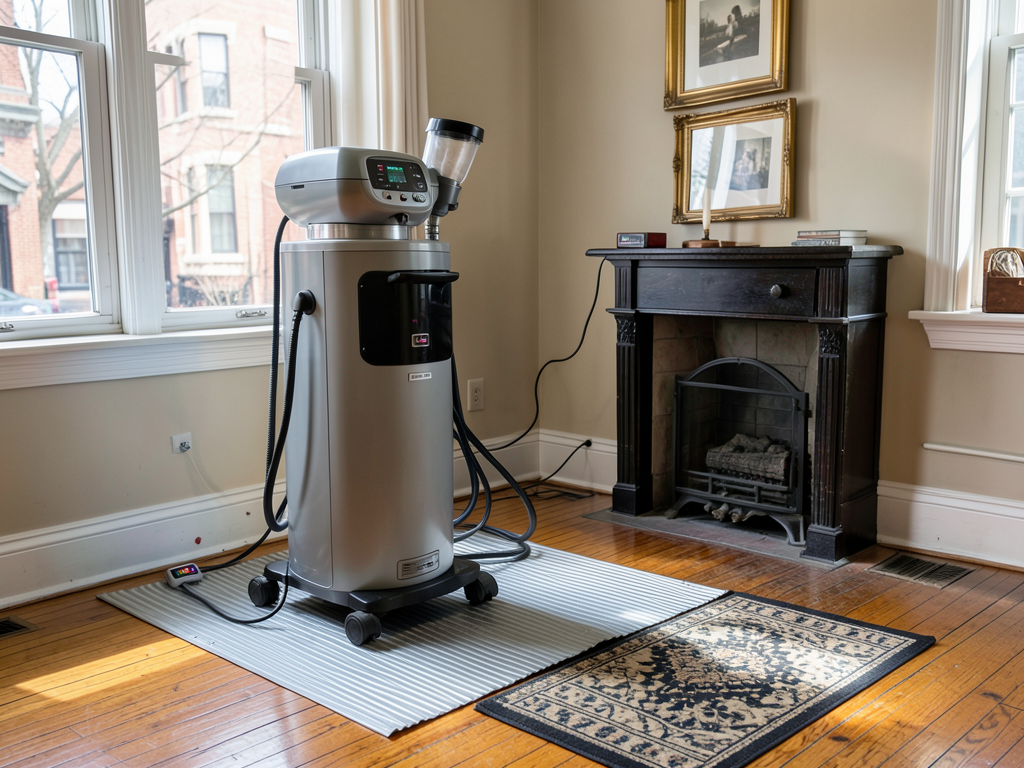
Understanding the Speed Benefits of Structural Heat Drying for a Rapid Recovery When water invades your San Francisco property every hour counts. Traditional drying methods using air movers and dehumidifiers can take 3-5 days to…
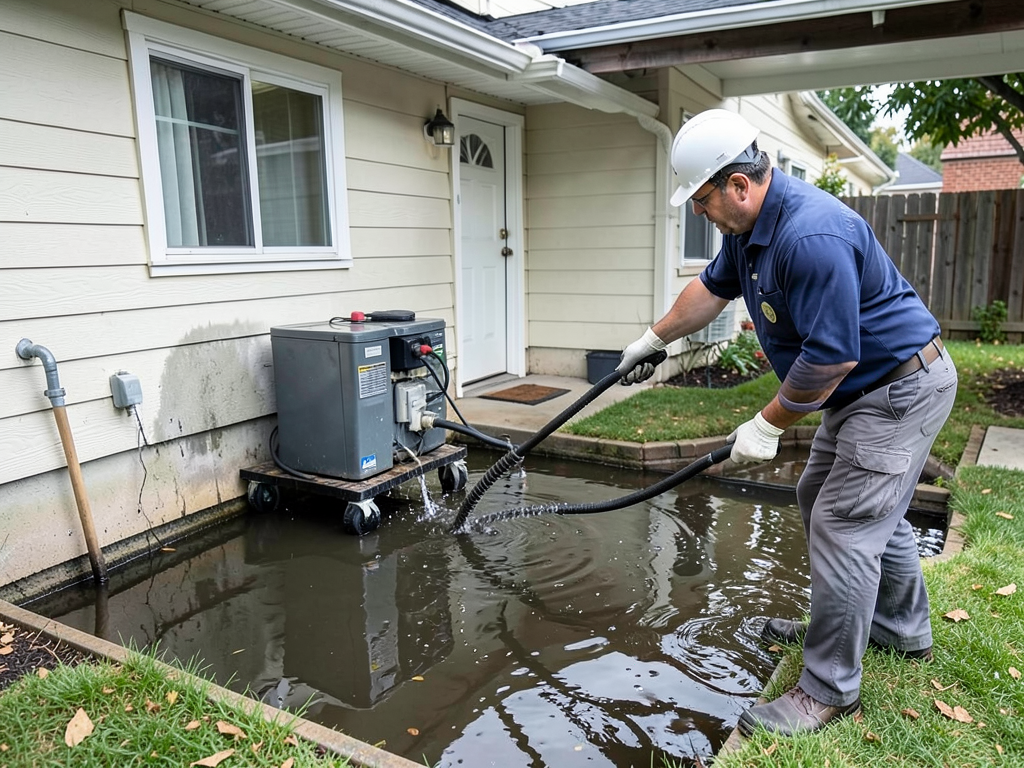
What to Do if Your New Backyard ADU Floods During a Heavy San Francisco Rain…
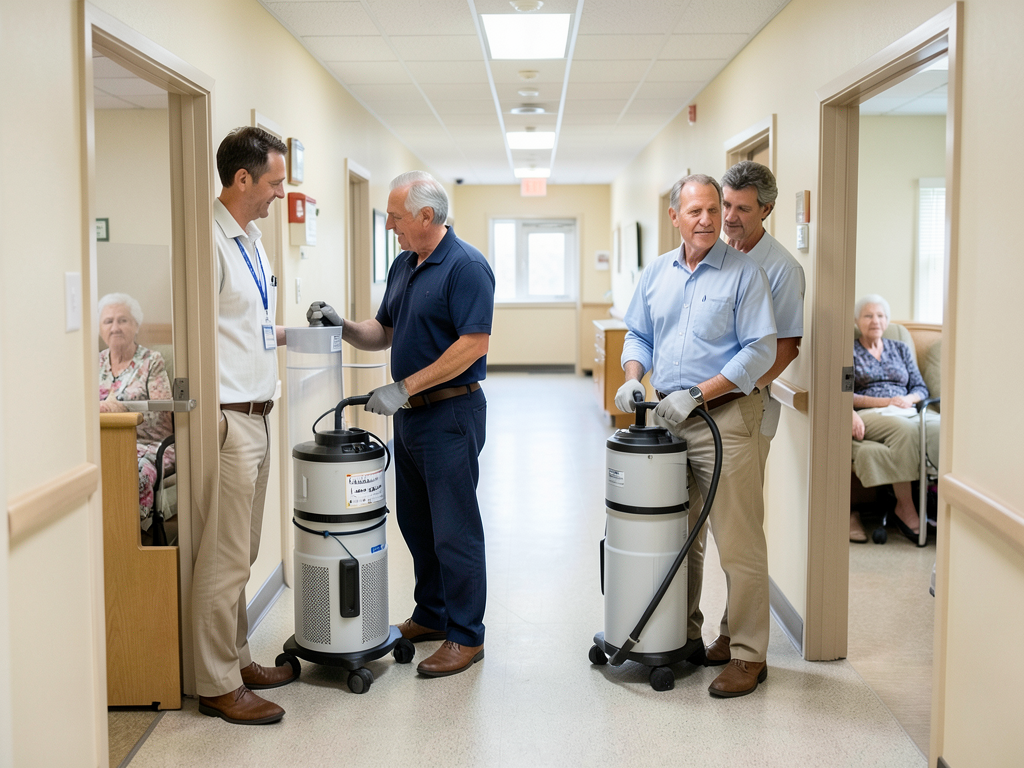
Specialized Senior Living Water Restoration Services in San Francisco Water damage in a Richmond District…
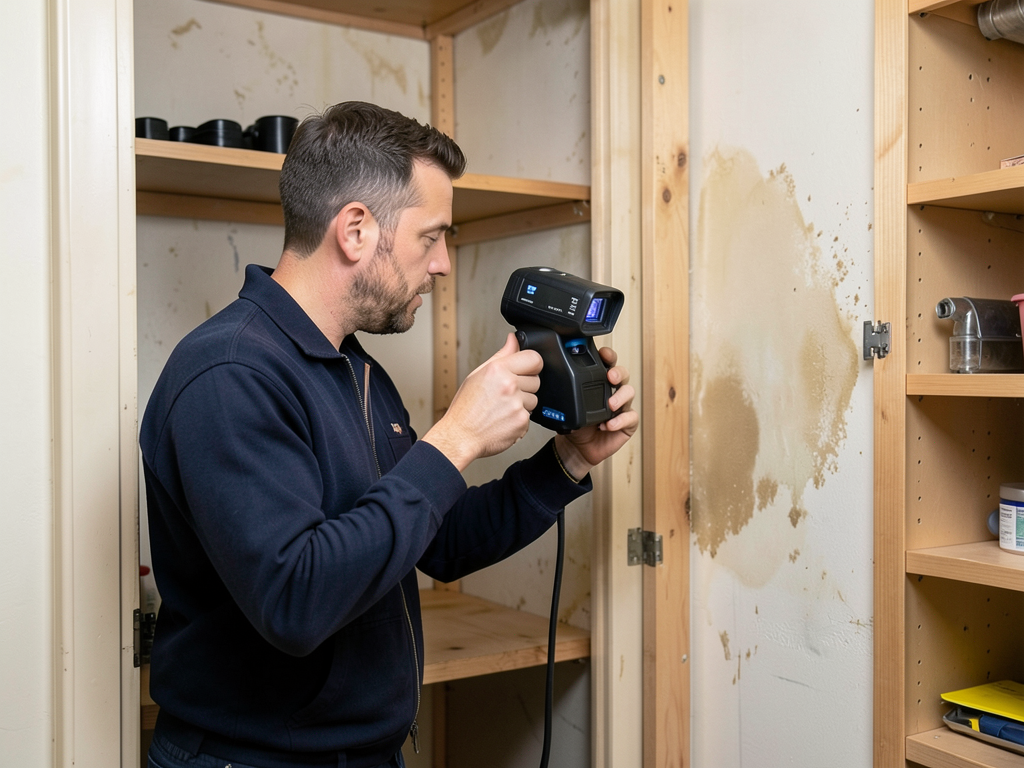
Why Your Noe Valley High Efficiency Boiler Could Be Slowly Flooding Your Utility Closet If…
Water damage spreads every hour. Stop the damage now. Summit Water Damage Restoration San Francisco dispatches crews to Oakland properties 24/7. Call (415) 449-6555 for immediate emergency response. Our teams arrive within 60 minutes with commercial extraction equipment and industrial drying systems ready to work.