menu

Wet Carpet & Padding Problems in San Francisco – Expert Diagnosis Stops Permanent Damage

Summit Water Damage Restoration San Francisco identifies the real cause behind soaked carpeting and underlay before damage spreads to subfloors, joists, or causes toxic mold growth in your home.

Slider Image 1
Slider Image 2
Slider Image 3
Slider Image 4
Slider Image 5
Slider Image 7
Slider Image 8
Slider Image 9
Slider Image 10
Slider Image 11

Why Wet Carpet & Padding in San Francisco Becomes a Structural Threat Fast

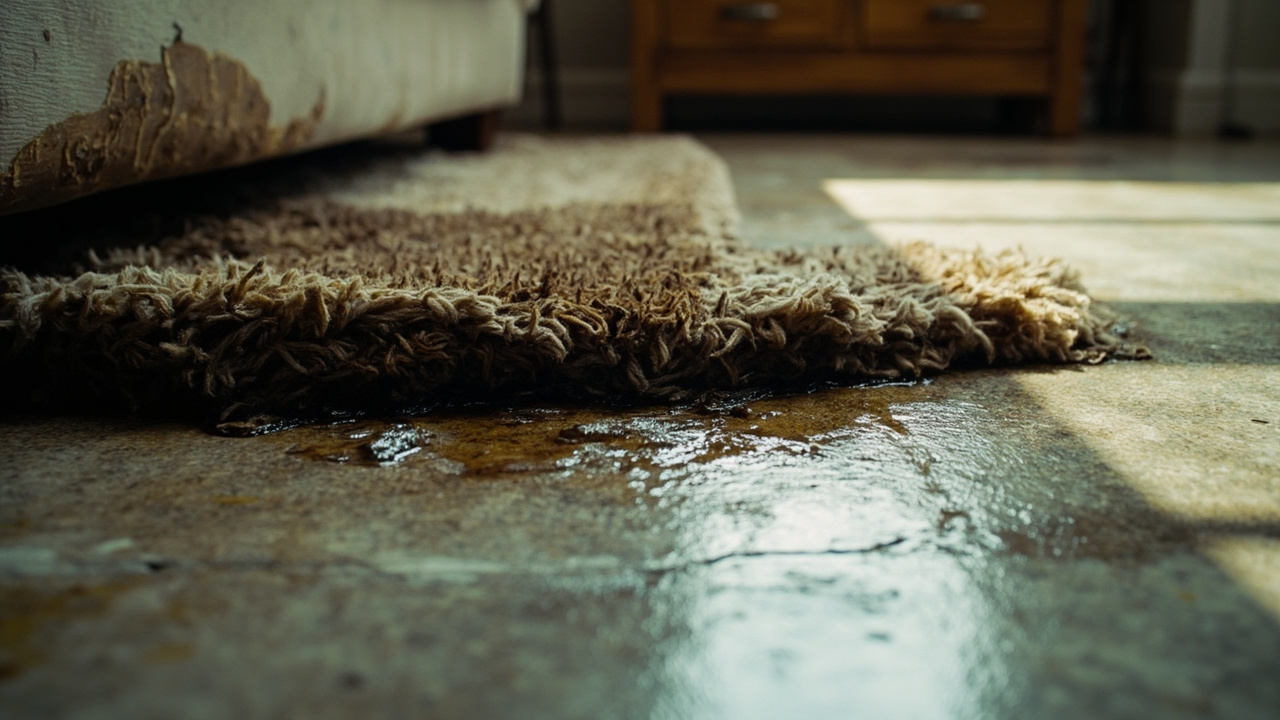
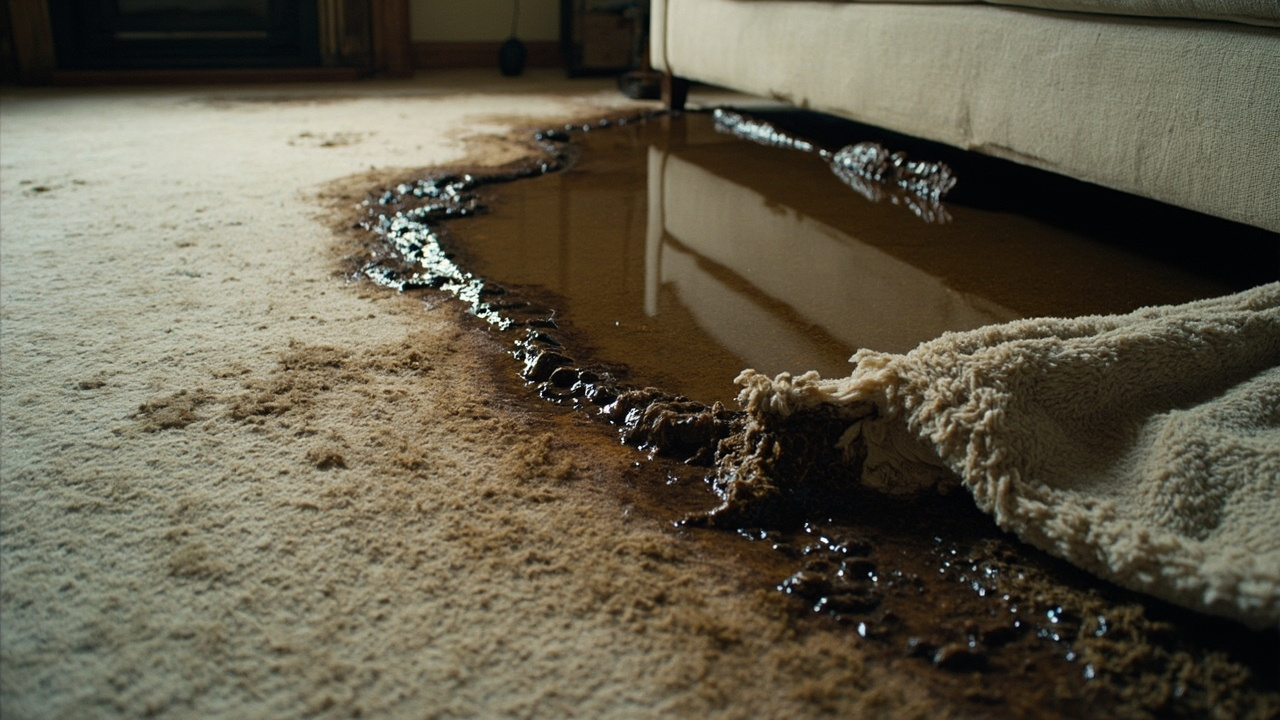
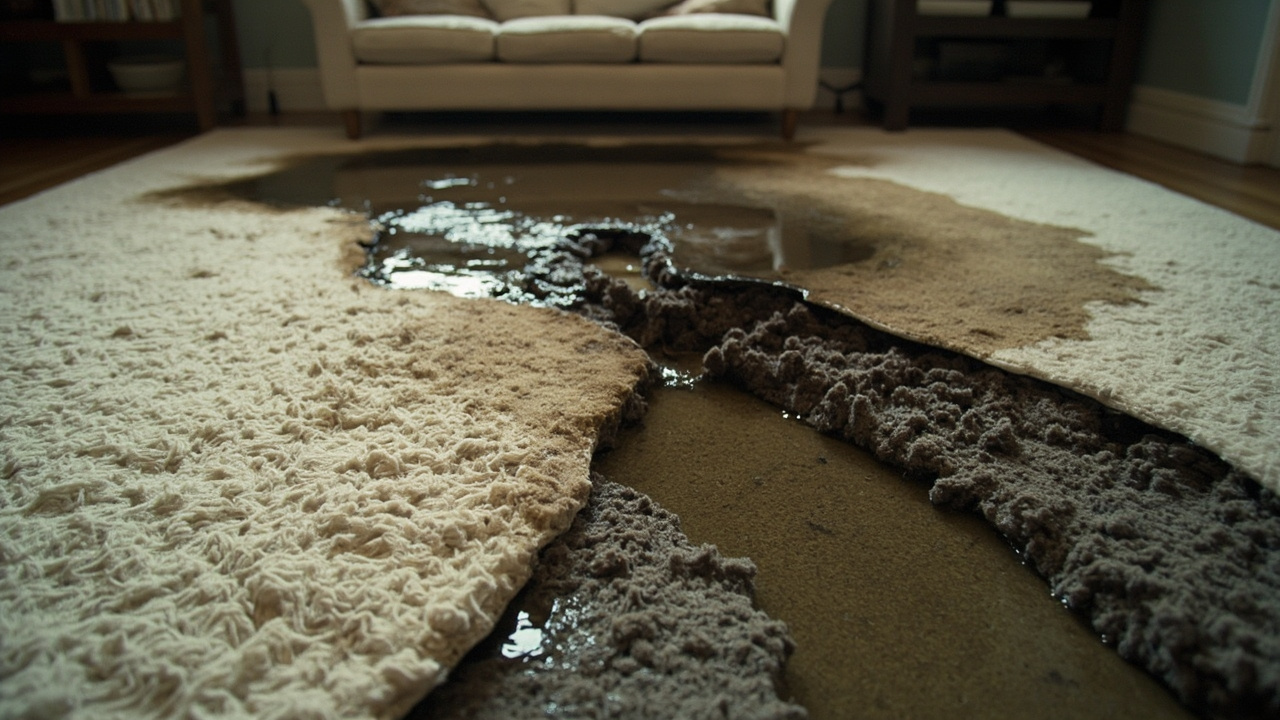
San Francisco's marine layer climate keeps humidity levels elevated for months. This means saturated carpet and cushion does not dry on its own. Most homeowners notice the wet spot, pull up the corner, and assume it is surface water. Wrong. By the time you see visible pooling, the flooded carpet and underpad has already wicked moisture into plywood subfloors, baseboards, and wall cavities. The padding acts like a sponge. It holds water against the subfloor for days, even weeks, creating the perfect environment for mold colonies and wood rot.

Common causes include slab leaks under older Victorian and Edwardian homes, burst supply lines in aging copper plumbing, or condensation from poorly vented crawl spaces in the Richmond and Sunset districts. You might also see water damaged carpet and pad near sliding glass doors or bay windows where failed seals let fog and rain seep inside during winter storms. The carpet looks salvageable. The padding feels damp but not soaked. That hesitation costs you. Mold begins growing within 24 to 48 hours. The subfloor delaminates. Joists swell. What started as a small leak becomes a demolition job because the wet carpet underlayment sat unaddressed for three days.

If you can smell must, see discoloration, or feel softness underfoot, the damage has already migrated below the surface. You need a moisture meter, thermal imaging, and professional extraction to map the real scope of the problem.

Why Wet Carpet & Padding in San Francisco Becomes a Structural Threat Fast
How We Diagnose and Remediate Soaked Carpeting and Underlay Correctly

How We Diagnose and Remediate Soaked Carpeting and Underlay Correctly

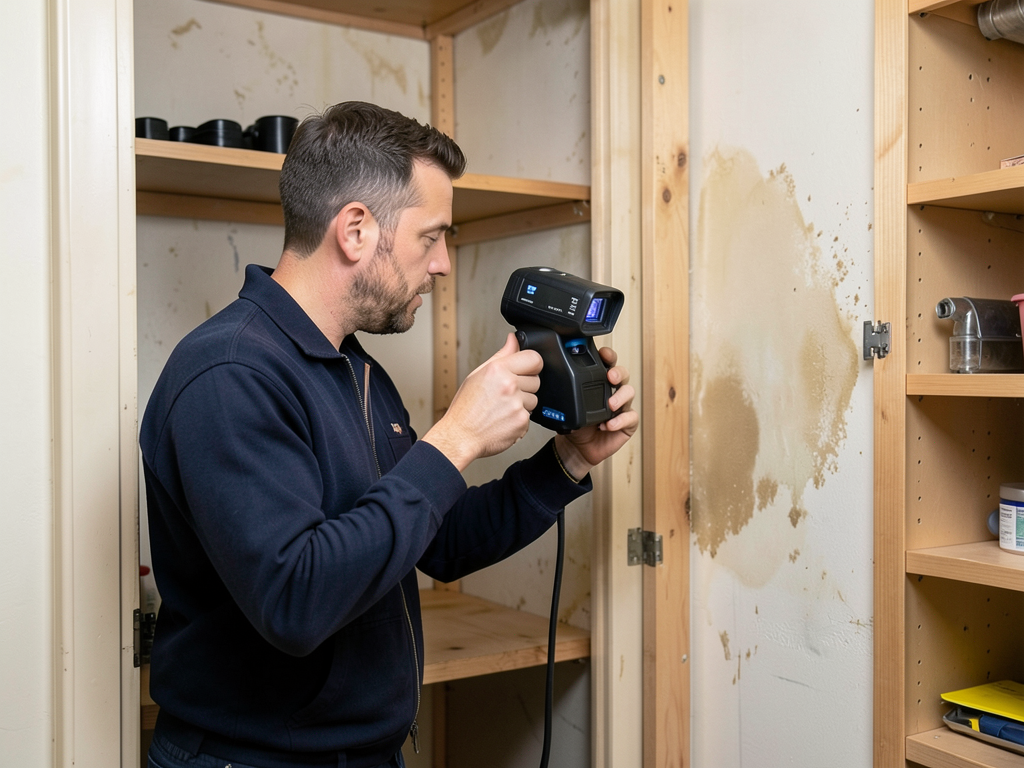
Summit Water Damage Restoration San Francisco does not guess. We use calibrated pin-type and pinless moisture meters to measure exact moisture content in carpet fibers, padding, and subfloor. We document readings in multiple zones to track migration patterns. Thermal imaging cameras reveal temperature differentials that indicate trapped moisture behind baseboards or under tack strips. This eliminates surprises during demo.

We pull back carpet systematically, not randomly. We score and remove padding in sections, checking the subfloor underneath for delamination, cupping, or staining. If the plywood shows moisture readings above 19 percent, we mark it for replacement. If readings fall between 12 and 19 percent, we deploy air movers and dehumidifiers in a controlled drying loop, rechecking levels every 12 hours. We position equipment to create negative air pressure, pulling moisture out instead of recirculating it.

For padding, there is no salvage option. Wet carpet underlayment is contaminated the moment water contacts it. We bag and dispose of all padding per San Francisco Department of Public Health protocols. Carpet is evaluated fiber by fiber. Wool and natural fibers degrade fast. Nylon and polyester can survive if cleaned and disinfected within 24 hours. We apply antimicrobial agents only after extraction, not before, because water dilutes effectiveness.

Our process stops lateral moisture migration. We contain the affected area, dry the substructure to equilibrium moisture content, and verify with final readings before reinstallation. This is not a shop-vac and fan operation. It is controlled demolition and precision drying.

What Happens When We Respond to Your Wet Carpet Emergency

Wet Carpet & Padding Problems in San Francisco – Expert Diagnosis Stops Permanent Damage
01

Source Identification and Shutoff

We locate the water source before touching the carpet. A slab leak requires immediate water main shutoff. A failed appliance hose gets isolated at the valve. We document the source with photos and notes for your insurance claim, then stop additional water from entering the flooring system. This prevents the affected area from expanding while we work.
02

Extraction and Mapping

We use truck-mounted extractors to pull standing water from carpet fibers and padding. Then we map moisture levels with meters and thermal imaging to identify hidden saturation in baseboards, drywall, and subfloors. This creates a containment perimeter so we dry only what is wet, not your entire home. We mark zones with tape for tracking.
03

Drying and Verification

We position commercial air movers and dehumidifiers in calculated placements to create airflow across all wet surfaces. We monitor moisture levels every 12 hours, adjusting equipment as needed. Drying continues until subfloor readings drop below 12 percent. We provide a final moisture report showing pre-dry and post-dry readings for your records and insurance documentation.

Why San Francisco Homeowners Choose Summit for Carpet and Padding Remediation

San Francisco's building stock is old. Most homes in the Inner Sunset, Noe Valley, and Pacific Heights were built before 1940. That means aging plumbing, original subfloors, and crawl spaces that were never designed for modern moisture loads. We have worked in these homes for years. We understand how balloon framing allows water to travel vertically between floors. We know where cast iron drain stacks fail. We recognize the difference between fog condensation and actual plumbing leaks.

Summit Water Damage Restoration San Francisco operates with IICRC-certified technicians trained in structural drying and applied microbial remediation. We follow ANSI/IICRC S500 standards for water damage restoration, which means we measure, document, and verify every phase of the drying process. This matters when you file a claim. Insurance adjusters want proof. We provide moisture logs, thermal images, and equipment placement diagrams that substantiate the scope of work.

We also work directly with your insurance carrier. We know what State Farm, Allstate, and USAA require for documentation. We submit estimates in Xactimate format. We participate in three-way calls with adjusters to clarify coverage questions. This eliminates the back-and-forth that delays payment.

Our response time averages under 90 minutes for most San Francisco neighborhoods. We dispatch from local staging areas, not the East Bay or South Bay. You call, we roll. We carry extraction equipment, air movers, and dehumidifiers on every truck, so we start drying immediately. No return trips for gear. No waiting until tomorrow. The faster we extract and contain, the less demolition you face. That saves money and time.

What You Can Expect During the Carpet and Padding Remediation Process

Response Time and Availability

We dispatch 24/7, including weekends and holidays. Most San Francisco calls receive on-site response within 90 minutes. We do not schedule appointments for water damage. You call, we come. Our trucks carry full extraction and drying equipment, so work begins the moment we arrive. Emergency response does not wait for business hours. Water does not stop spreading at 5 p.m. We understand that. You get same-day service, every time.

On-Site Assessment and Scope Documentation

We conduct a full moisture assessment using thermal imaging and calibrated meters. You receive a written scope of work that outlines affected areas, materials requiring removal, and estimated drying time. We photograph every phase for your records and insurance claim. The assessment takes 30 to 45 minutes. You will know exactly what needs to happen before we start demo or drying. No surprises. No vague estimates. Just clear documentation.

Final Drying and Structural Integrity

Drying time ranges from 48 to 96 hours depending on material type, saturation level, and airflow. We monitor moisture levels daily and adjust equipment as needed. When readings stabilize below 12 percent moisture content, we remove equipment and provide a completion report. This report includes before and after moisture readings, thermal images, and equipment logs. Your subfloor and framing are verified dry before we leave.

Post-Remediation Monitoring and Documentation

We recommend a final moisture check 48 hours after equipment removal to confirm stability. This catches any residual moisture that may have migrated from adjacent materials. If you are replacing carpet and padding, we coordinate timing with flooring contractors to prevent delays. You also receive a Certificate of Satisfactory Completion for your insurance file. This document protects you if mold or additional damage appears later due to incomplete drying by another provider.

Frequently Asked Questions

You Have Questions,
We Have Answers

Is carpet padding ruined if it gets wet? +

Yes, carpet padding is often ruined once it gets wet. Most padding is made from foam or felt that absorbs water like a sponge and holds moisture against your subfloor. Even if you extract surface water from the carpet, the padding underneath stays saturated. This trapped moisture creates a breeding ground for mold and bacteria within 24 to 48 hours. In San Francisco homes, where fog and humidity already stress building materials, wet padding compounds the problem. The padding also breaks down structurally when soaked, losing its cushioning properties. Professionals typically remove and replace wet padding rather than attempt drying it.

How to dry out wet carpet padding? +

Drying wet carpet padding requires professional extraction equipment and fast action. You cannot dry it with household fans alone. Water restoration technicians use truck-mounted extractors to pull moisture from both carpet and padding, then position commercial air movers and dehumidifiers to force evaporation. They may pull back carpet corners to inspect padding saturation levels. If the padding is heavily soaked or contaminated by sewage or floodwater, removal is the only safe option. San Francisco's cool, damp climate slows natural evaporation, making professional drying equipment critical. Waiting too long invites mold growth, especially in older Victorian homes with limited airflow.

How long can carpet be wet before it is ruined? +

Carpet can survive being wet for 24 to 48 hours maximum before permanent damage occurs. After this window, mold spores colonize the fibers and backing, odors set in, and dyes may bleed or fade. The padding underneath degrades even faster. In San Francisco, the cool coastal air and persistent fog mean moisture does not evaporate quickly on its own. If your carpet stays wet beyond 48 hours, you risk structural damage to subflooring and baseboards. Category 3 water (sewage or floodwater) ruins carpet immediately. Speed is everything. Extract water and start drying within hours to save your flooring investment.

Can mold grow under carpet padding? +

Yes, mold grows easily under carpet padding when moisture is present. Padding sits directly against your subfloor, creating a dark, airless space where mold thrives. Once water soaks through carpet into padding, spores activate within 24 to 48 hours. You cannot see this hidden mold without pulling back the carpet. In San Francisco, older homes with wooden subfloors face higher risk because wood absorbs moisture and feeds fungal growth. Mold under padding releases spores into your indoor air, triggering respiratory issues and allergic reactions. If you smell musty odors after water damage, mold is likely growing underneath, even if the carpet surface feels dry.

How quickly can mold grow under wet carpet? +

Mold can begin growing under wet carpet within 24 to 48 hours. Spores are always present in the air, waiting for moisture and organic material to activate. Carpet fibers, padding, and wooden subfloors provide the perfect food source. San Francisco's naturally humid climate accelerates this timeline. Even if you dry the carpet surface, trapped moisture in the padding creates ideal conditions for fungal colonies. The cooler temperatures in fog-belt neighborhoods do not stop mold growth, they just shift which species thrive. You have a narrow window to extract water and dry materials before contamination becomes irreversible.

What does moldy carpet padding look like? +

Moldy carpet padding shows visible dark spots, ranging from black and green to gray and brown patches. The material feels slimy or crumbly when touched. You will notice a strong musty, earthy smell even when the carpet appears dry on top. Padding may also disintegrate or fall apart when lifted, losing its structural integrity. In San Francisco homes, especially those near the coast, mold under padding often spreads to adjacent baseboards and subflooring. If you peel back carpet and see discoloration or smell mildew, the padding must be removed and replaced. Cleaning moldy padding is not effective or safe.

How San Francisco's Marine Climate Accelerates Hidden Moisture Damage Under Carpeting

San Francisco's year-round fog and coastal humidity means indoor moisture levels stay elevated even without active leaks. When water damaged carpet and pad sits in this environment, evaporation slows to a crawl. Homes in the Outer Sunset, Richmond, and Parkside districts face constant condensation issues. Crawl spaces stay damp. Subfloors absorb ambient moisture. A small leak that would dry in three days in Sacramento takes seven days here. That extended drying window gives mold a head start. You cannot rely on natural airflow. You need forced air movement and dehumidification to overcome the climate.

Summit Water Damage Restoration San Francisco operates under San Francisco Building Code requirements for moisture control and structural drying. We follow Title 24 ventilation standards when setting up drying equipment in occupied homes. Our technicians understand how historic homes with limited electrical capacity require load management when running multiple dehumidifiers. We also coordinate with San Francisco Department of Building Inspection when structural repairs require permits. Choosing a provider who knows local codes prevents failed inspections and delays during reconstruction. We document compliance at every step.
Water Damage Restoration Services in The San Francisco Area

Our commitment to rapid response means we cover the entire San Francisco area and surrounding communities. View the map below to visualize our primary service region, which includes key neighborhoods and business districts. Whether you are located in the Financial District, the Mission, or out toward the Sunset, you can trust our 24/7 team to reach you quickly. We proudly serve both residential and commercial clients across the entire map, guaranteeing a fast and effective mitigation service the moment you need us.

Address:
Summit Water Damage Restoration San Francisco, 1390 Market St, San Francisco, CA, 94102

Additional Services We Offer

Our news updates

Latest Articles & News from The Blogs

What Happens if Your Home Addition Gets Flooded During Construction in Noe Valley Water flooding your home addition during construction…

What Happens if Your Home Addition Gets Flooded During Construction in Noe Valley

What Happens if Your Home Addition Gets Flooded During Construction in Noe Valley Water flooding your home addition during construction…

How San Francisco Summer Fog Can Cause More Water Damage Than Winter Rain

How San Francisco Summer Fog Can Cause More Water Damage Than Winter Rain San Francisco’s famous summer fog, known locally…

Why Your Chronic Cough Might Actually Be a Hidden Mold Problem in the Richmond District

Why Your Chronic Cough Might Actually Be a Hidden Mold Problem in the Richmond District If you’ve lived in San…

Contact Us

Call Summit Water Damage Restoration San Francisco at (415) 449-6555 right now. Every hour you wait allows moisture to migrate deeper into your floors and walls. We dispatch immediately, assess the damage accurately, and start drying today.