menu

Categories of Water in San Francisco – Understanding Water Contamination Levels for Safe Restoration

Learn how IICRC water categories determine the proper restoration approach for your San Francisco property, from clean supply line breaks to hazardous sewage backups that threaten your health and home.

Slider Image 1
Slider Image 2
Slider Image 3
Slider Image 4
Slider Image 5
Slider Image 7
Slider Image 8
Slider Image 9
Slider Image 10
Slider Image 11

Why San Francisco Property Owners Need to Understand Water Damage Categories

When water invades your San Francisco property, not all water is the same. The IICRC water categories system classifies water contamination levels into three distinct types, each requiring different safety protocols and restoration techniques. This classification directly impacts your health, restoration timeline, and insurance claim.

San Francisco's aging infrastructure and Victorian-era buildings create unique risks. A burst pipe in your Mission District flat might release Category 1 water (clean), but the same water becomes Category 2 (gray water) within 48 hours as bacteria multiply in our mild coastal climate. The fog and moderate humidity we experience year-round accelerate microbial growth, making fast identification critical.

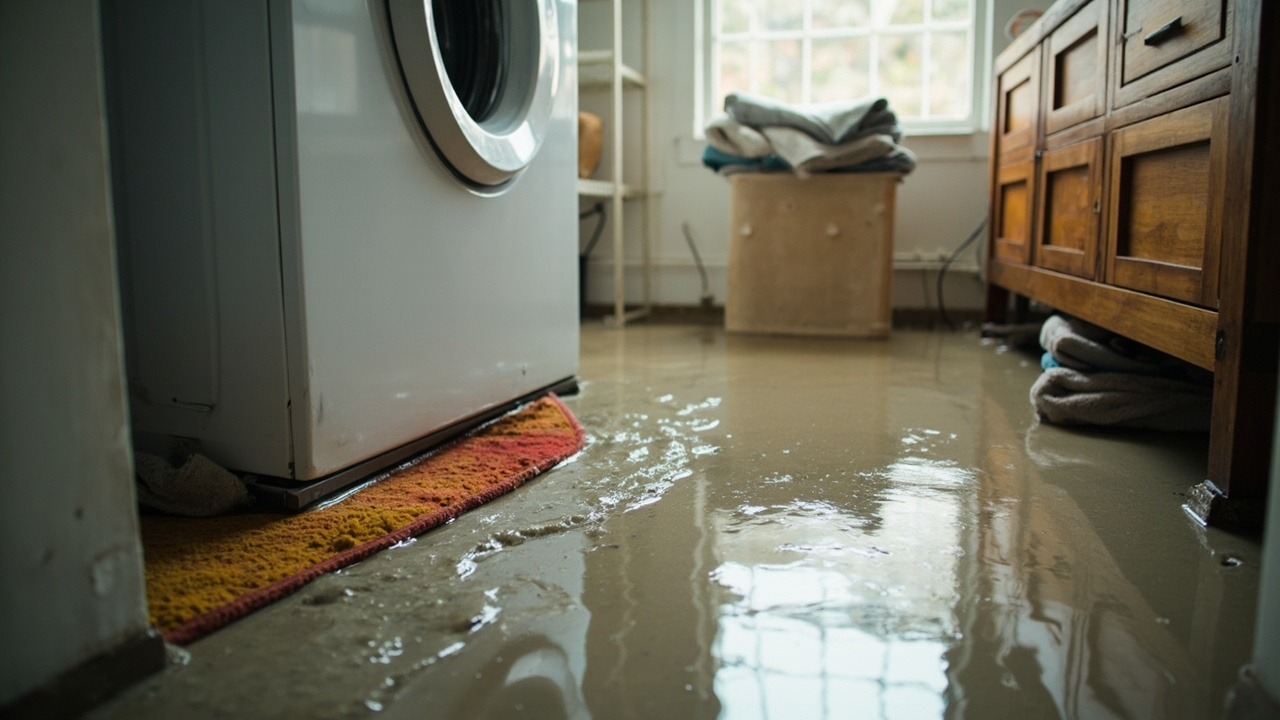
Category 1 water comes from clean sources like supply lines or rainwater. Category 2 contains significant contamination from sources like washing machine overflows or toilet bowls (no feces). Category 3, the most dangerous, includes sewage, flooding from rivers or bays, and any standing water that has sat for days.

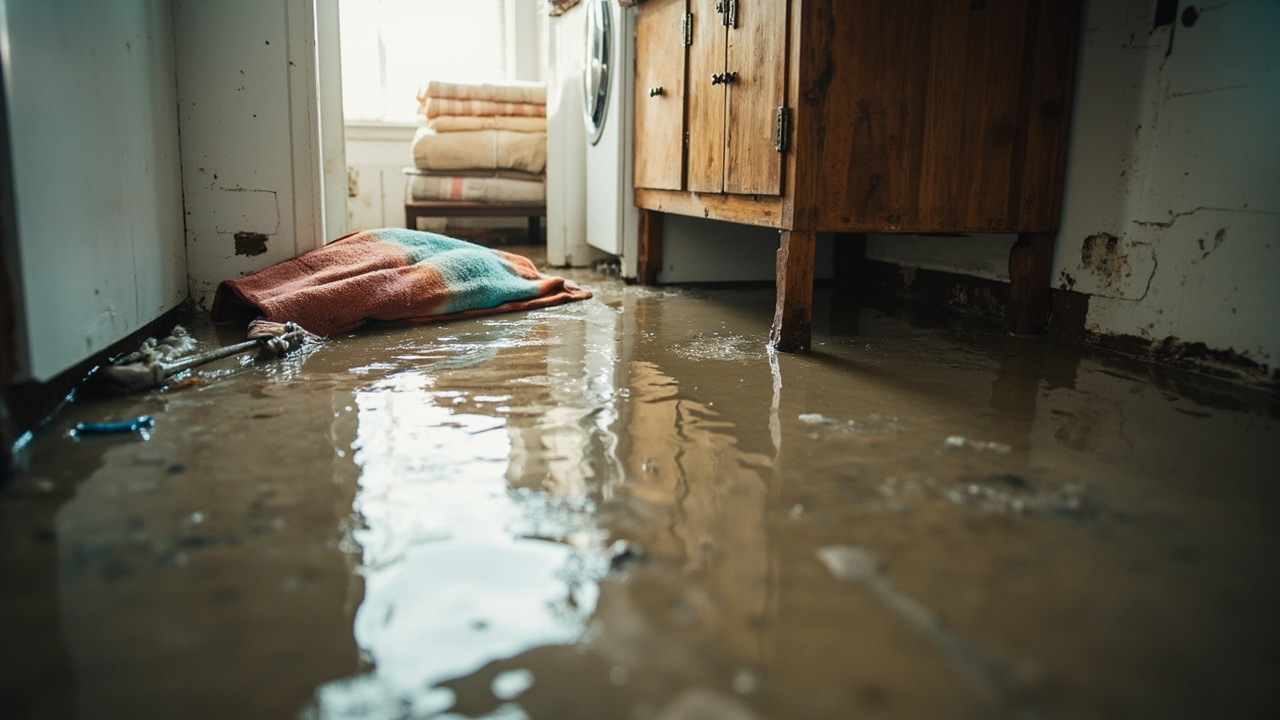
The consequences of misidentifying water quality classifications are severe. Treating Category 3 sewage backup as Category 1 clean water exposes you to pathogens, viruses, and bacteria. In neighborhoods like the Sunset and Richmond, where combined sewer systems can overwhelm during heavy rain, basement flooding often involves Category 3 contamination.

Types of water contamination determine salvageability. Your hardwood floors might be saved after Category 1 exposure but require complete removal after Category 3 contact. Understanding these water damage categories helps you make informed decisions when disaster strikes.

Why San Francisco Property Owners Need to Understand Water Damage Categories
How Water Contamination Levels Are Assessed and Managed

How Water Contamination Levels Are Assessed and Managed

Professional water damage assessment begins with source identification. We determine whether water originated from a sanitary source, carried contaminants, or contains sewage and biological hazards. This initial classification drives every subsequent decision.

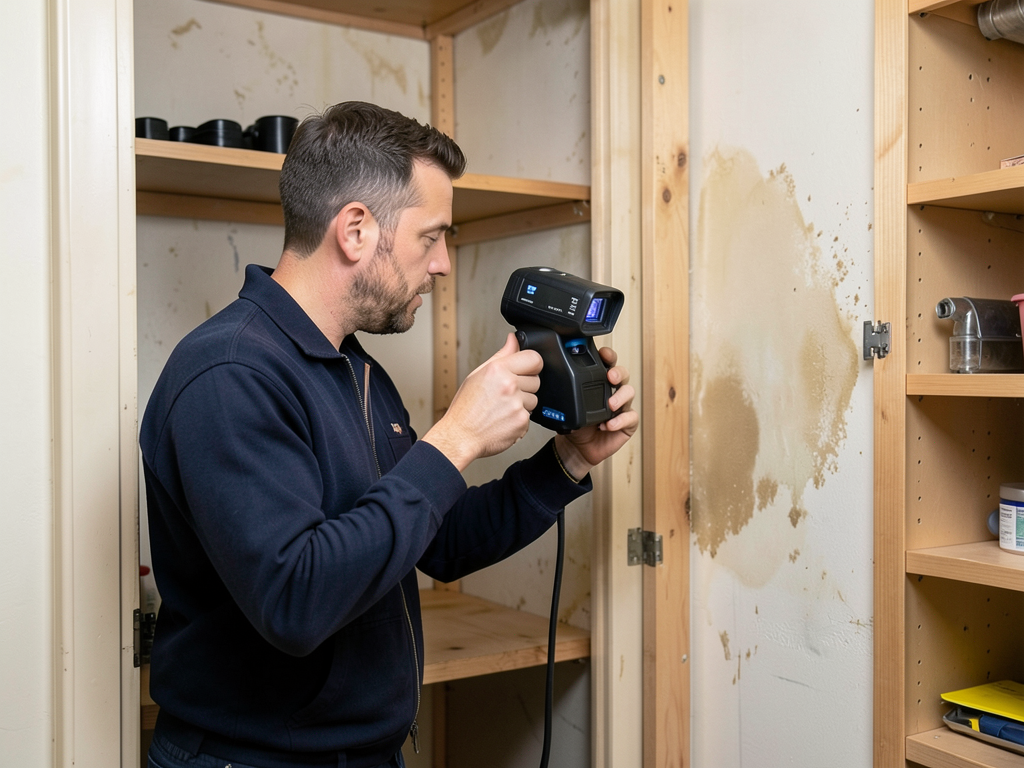
Category 1 water requires rapid extraction and drying to prevent degradation to Category 2. In San Francisco's climate, you have roughly 24 to 48 hours before clean water develops bacterial contamination. We use moisture meters and thermal imaging to map the extent, then deploy air movers and dehumidifiers to dry structural materials before microbial amplification occurs.

Category 2 water demands more aggressive antimicrobial treatment. This gray water contains detergents, urine, or other contaminants that make materials unsafe without proper disinfection. Porous materials like drywall and insulation often require removal because sanitization is impossible. We apply EPA-registered antimicrobials to salvageable surfaces and monitor moisture levels to prevent secondary mold growth.

Category 3 water necessitates full personal protective equipment and controlled demolition. This black water contains fecal matter, heavy metals, pesticides, or other toxins. In San Francisco, sewage backups in basement apartments or ground-floor commercial spaces require removal of all porous materials that contacted the water. Concrete floors get cleaned and sealed. Wall cavities get opened, disinfected, and dried. Nothing is salvaged without rigorous decontamination protocols.

Water quality classifications also determine air quality management. Category 3 restoration requires negative air pressure and HEPA filtration to prevent airborne pathogen spread to unaffected areas. This containment is especially important in multi-unit buildings where shared ventilation systems can distribute contaminants.

Documentation throughout the process protects your insurance claim and provides verification that restoration met IICRC standards.

What Happens During Water Category Assessment and Restoration

Categories of Water in San Francisco – Understanding Water Contamination Levels for Safe Restoration
01

Source Identification and Classification

Our technicians arrive within hours to determine where the water originated and classify it according to IICRC water categories. We inspect the source, test contamination levels if needed, and immediately implement safety protocols based on the category. This classification determines what equipment we use, which materials can be saved, and what personal protective equipment is required. Your safety and accurate assessment come first.
02

Containment and Extraction

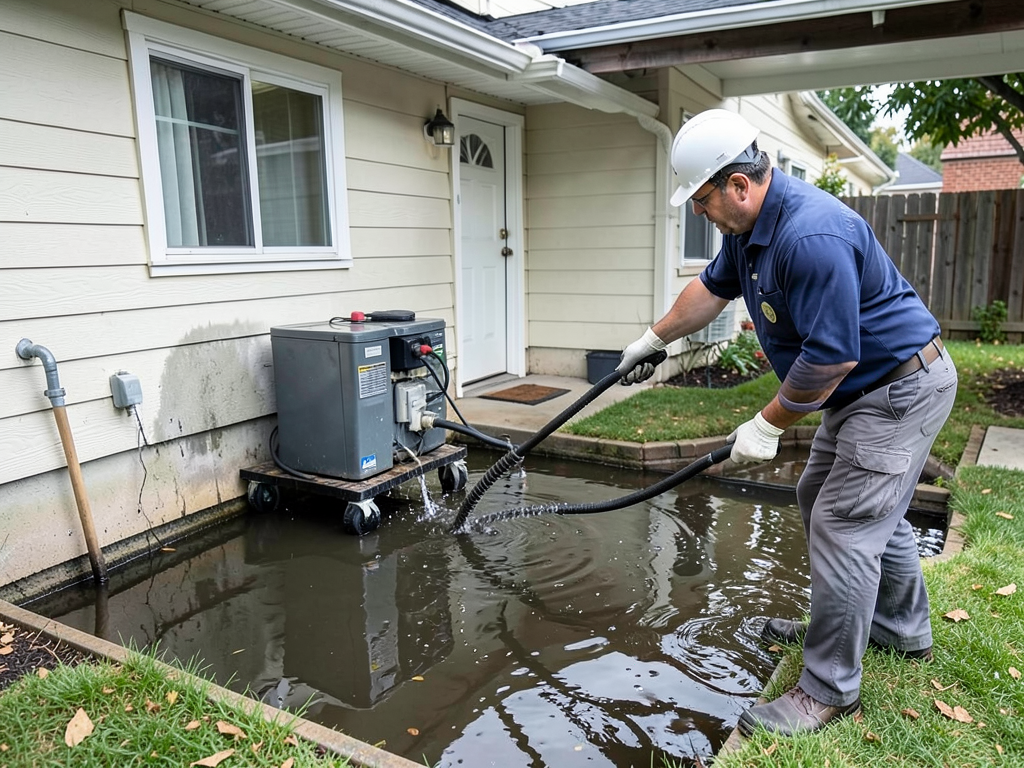
We establish containment barriers to prevent cross-contamination to unaffected areas. Category 2 and 3 water require physical barriers and negative air pressure to protect your living spaces. High-powered extraction removes standing water, followed by antimicrobial application appropriate to the contamination level. We document moisture readings and photograph affected materials for your insurance claim while explaining what can be restored versus what requires removal.
03

Drying and Verification

Industrial dehumidifiers and air movers run continuously until moisture meters confirm all materials have returned to normal levels. Category 1 incidents typically take three to five days. Category 2 and 3 require longer drying times plus additional antimicrobial treatments. We provide daily updates and final verification testing to ensure your property is safe, dry, and ready for reconstruction. You receive complete documentation proving the restoration meets industry standards.

Why San Francisco Properties Require Expert Water Category Knowledge

San Francisco's unique housing stock demands specialized understanding of how water damage categories interact with older construction. Victorian homes with plaster walls, hundred-year-old plumbing, and limited crawl space access require different approaches than modern construction. Summit Water Damage Restoration San Francisco has restored properties from the Haight to Noe Valley, understanding how water behaves in balloon framing, knob-and-tube electrical cavities, and pre-1950s foundation systems.

Our technicians complete ongoing IICRC training in water damage restoration, learning updated protocols for contamination assessment and mitigation. This training matters because improper category classification leads to inadequate restoration. Treating Category 2 water as Category 1 leaves behind contaminants that cause illness. Overcorrecting by treating Category 1 as Category 3 wastes money on unnecessary demolition.

We understand San Francisco's building codes and permit requirements. Category 3 restoration often triggers mandatory inspections and permits. We coordinate with the Department of Building Inspection, communicate with your insurance adjuster, and document the entire process to support your claim. Our experience with local insurers means we know what documentation they require and how to present water quality classifications in terms they recognize.

The city's seismic retrofitting and foundation work creates additional complications. We know how to access crawl spaces in hillside homes, work around earthquake reinforcement, and restore properties without compromising structural improvements. When sewage backs up in a Bernal Heights basement or a water heater fails in a Russian Hill apartment, we arrive ready for San Francisco's specific challenges.

Speed matters with all categories of water, but especially in our coastal climate where humidity delays drying and accelerates microbial growth. Our rapid response and local presence mean we start mitigation while other companies are still driving across the Bay Bridge.

What to Expect During Professional Water Category Assessment

Immediate Response and Assessment

We answer calls 24 hours a day and typically arrive within 60 to 90 minutes anywhere in San Francisco. Our first action is source identification and category classification. You get immediate answers about what you are dealing with and what it means for your property. We take photos, document moisture levels, and explain the restoration process in plain terms. You know within the first hour whether you are facing a straightforward drying job or a complex contamination situation requiring demolition and reconstruction.

Thorough Contamination Testing

When the water source is unclear or contamination is suspected, we test before proceeding. This testing identifies bacteria levels, pH, and other indicators that determine the proper category classification. We use this data to design the mitigation plan and justify our approach to your insurance company. You never pay for unnecessary demolition based on guesswork. Our assessment is scientific, documented, and defensible. If your adjuster questions our category classification, we have the data to support our determination.

Complete Contamination Removal

Category 2 and 3 restoration includes antimicrobial treatment, removal of contaminated materials, and verification that all affected areas are safe. We do not cut corners or leave hidden contamination behind walls. Porous materials that contacted Category 3 water get removed and disposed of according to San Francisco regulations. Hard surfaces get disinfected with EPA-registered antimicrobials. You receive documentation showing contamination was eliminated, not just covered up. Your property is genuinely safe when we finish, not just dry.

Post-Restoration Verification and Documentation

Every project ends with final moisture readings, photos of the dried and cleaned structure, and a detailed report explaining what was done and why. This documentation is critical for insurance claims and future property transactions. If you sell your home, buyers will see professional water damage restoration was completed to IICRC standards. We also provide guidance on preventing future incidents based on what caused your water damage. If aging plumbing was the culprit, we explain what upgrades would reduce risk.

Frequently Asked Questions

You Have Questions,
We Have Answers

What are the 5 types of water? +

In water damage restoration, professionals classify water into three main categories based on contamination level: Category 1 (clean water from supply lines or rain), Category 2 (gray water from appliances or overflow), and Category 3 (black water from sewage or flooding). These are the standard industry classifications. If you are asking about general water types, that refers to forms like tap water, distilled water, or mineral water, which are unrelated to restoration work. San Francisco properties face all three contamination categories depending on the source, from broken pipes in Victorian homes to urban flooding.

What is category 1, 2, and 3 water? +

Category 1 water is clean water from sanitary sources like broken supply lines or rainwater. It poses no immediate health risk but can degrade to Category 2 if left untreated beyond 48 hours. Category 2 water contains contaminants like detergents or urine from washing machines, dishwashers, or toilet overflow (no feces). It can cause discomfort or illness if ingested. Category 3 water is grossly contaminated, containing sewage, bacteria, or floodwater from outside sources. It requires professional extraction and disinfection. San Francisco's aging infrastructure and combined sewer systems make Category 3 events particularly serious during heavy rain.

What are the 7 forms of water? +

The seven forms of water refer to physical states and natural occurrences: solid (ice), liquid, gas (vapor), rain, snow, sleet, and hail. This is a scientific classification unrelated to water damage restoration. In restoration, we focus on contamination categories and water classes that determine extraction methods and drying strategies. San Francisco's coastal fog and rain patterns create moisture issues in buildings, but restoration professionals categorize damage by contamination level (Categories 1-3) and affected materials (Classes 1-4), not by precipitation type. Understanding contamination source matters more than the physical form.

What are the three categories of water? +

The three categories of water in restoration are Category 1 (clean water), Category 2 (gray water), and Category 3 (black water). Category 1 comes from sanitary sources like supply lines. Category 2 contains chemical or biological contaminants from appliances or fixtures. Category 3 is grossly unsanitary, containing sewage or outside floodwater. Each category requires different safety protocols and treatment methods. San Francisco homes, especially older buildings south of Market and in the Mission, frequently experience all three types due to aging plumbing and proximity to bay flooding. Proper identification determines cleanup safety and prevents health risks.

What are the 7 types of water? +

The seven types of water typically refer to drinking water classifications like tap water, mineral water, spring water, distilled water, purified water, alkaline water, and sparkling water. This classification is unrelated to water damage restoration. In restoration, we use three contamination categories (clean, gray, black) and four drying classes based on material absorption. San Francisco residents asking about water damage should focus on contamination source and affected materials rather than drinking water types. Restoration professionals assess damage based on health risk and structural impact, not consumer water products. Understanding contamination categories protects your property and health.

What are the 8 types of water? +

Eight types of water usually refers to consumer water products: tap, mineral, spring, distilled, purified, alkaline, sparkling, and well water. This has no relevance to water damage restoration work. For property damage in San Francisco, focus on the three contamination categories used by restoration professionals. Category 1 is clean, Category 2 is contaminated, and Category 3 is grossly unsanitary. The source of water determines treatment methods and safety protocols. Victorian and Edwardian homes throughout San Francisco need proper assessment after any water intrusion to prevent mold growth in wall cavities and under flooring.

What is category 4 water? +

Category 4 water does not exist in professional restoration standards. The IICRC (Institute of Inspection Cleaning and Restoration Certification) recognizes only three water categories based on contamination level. Some confusion arises from the four classes of water damage, which describe how much material absorbs water (Class 1 is minimal absorption, Class 4 is specialty drying situations like hardwood or plaster). San Francisco properties with extensive water damage to original hardwood floors or plaster walls often fall into Class 4, requiring longer drying times and specialized equipment. Always verify contamination category first, then determine drying class.

What are the four classes of water? +

The four classes of water damage describe how much water materials absorb and how difficult drying becomes. Class 1 affects minimal porous materials (small area, low absorption). Class 2 affects an entire room with significant moisture in materials. Class 3 involves ceiling, walls, insulation, and flooring saturation from overhead sources. Class 4 requires specialty drying for materials like hardwood, plaster, or stone that absorb water slowly but deeply. San Francisco's older homes with original hardwood floors and plaster walls frequently experience Class 4 damage, demanding longer drying times and specialized equipment to prevent permanent damage and mold growth.

Which is better, alkaline or purified water? +

This question is unrelated to water damage restoration. Alkaline water and purified water are drinking water products with different pH levels and mineral content. For property damage concerns in San Francisco, focus on contamination categories that determine cleanup safety. Category 1 water from supply lines requires different treatment than Category 3 sewage backup. Drinking water preferences do not affect restoration protocols. If you experienced water damage, the source matters more than pH. Clean supply line breaks, appliance overflows, and sewage backups all require professional assessment. Contact a certified restoration company to identify contamination level and prevent health risks.

What are the 10 types of water? +

Ten types of water refers to consumer water classifications (tap, mineral, spring, distilled, purified, alkaline, sparkling, well, filtered, and coconut water). This is irrelevant to water damage restoration in San Francisco. Property owners should understand three contamination categories instead. Category 1 is sanitary, Category 2 contains contaminants, and Category 3 is grossly unsanitary. These classifications determine safety protocols and cleanup methods. San Francisco's fog, rain, and aging infrastructure create various water intrusion scenarios. Focus on identifying contamination source and affected materials. Professional assessment protects your health and property value in neighborhoods from Pacific Heights to Bayview.

How San Francisco's Aging Infrastructure Affects Water Contamination Categories

San Francisco's combined sewer system, which handles both sewage and stormwater in the same pipes, creates unique Category 3 risks during heavy rain. When the system overwhelms, raw sewage backs up into lower-level properties, particularly in the Sunset, Richmond, and parts of the Mission. These incidents always involve Category 3 water requiring full contamination protocols. Additionally, the city's Victorian and Edwardian housing stock often has original cast iron or clay sewer laterals that crack and allow sewage infiltration during ground settling. Understanding these local infrastructure vulnerabilities helps property owners recognize when they are dealing with contaminated water requiring professional assessment.

Summit Water Damage Restoration San Francisco maintains relationships with local plumbers, structural engineers, and remediation specialists who understand the city's unique building challenges. When water damage involves foundation issues, seismic retrofitting complications, or historic preservation concerns, we coordinate with experts who know San Francisco codes and construction methods. Our technicians have restored properties in every neighborhood, from sea-level Marina District apartments prone to groundwater intrusion to hillside homes in Twin Peaks where gravity complicates water extraction. This local expertise ensures water category assessment accounts for San Francisco-specific factors that affect contamination risk and restoration requirements.
Water Damage Restoration Services in The San Francisco Area

Our commitment to rapid response means we cover the entire San Francisco area and surrounding communities. View the map below to visualize our primary service region, which includes key neighborhoods and business districts. Whether you are located in the Financial District, the Mission, or out toward the Sunset, you can trust our 24/7 team to reach you quickly. We proudly serve both residential and commercial clients across the entire map, guaranteeing a fast and effective mitigation service the moment you need us.

Address:
Summit Water Damage Restoration San Francisco, 1390 Market St, San Francisco, CA, 94102

Additional Services We Offer

Our news updates

Latest Articles & News from The Blogs

What to Do if Your New Backyard ADU Floods During a Heavy San Francisco Rain A sudden downpour in San…

What to Do if Your New Backyard ADU Floods During a Heavy San Francisco Rain

What to Do if Your New Backyard ADU Floods During a Heavy San Francisco Rain A sudden downpour in San…

Selecting a Restoration Partner for Vulnerable Residents in a Richmond District Care Home

Specialized Senior Living Water Restoration Services in San Francisco Water damage in a Richmond District care home requires more than…

Why Your Noe Valley High Efficiency Boiler Could Be Slowly Flooding Your Utility Closet

Why Your Noe Valley High Efficiency Boiler Could Be Slowly Flooding Your Utility Closet If you live in a Noe…

Contact Us

Do not guess about water contamination levels. Call Summit Water Damage Restoration San Francisco at (415) 449-6555 for immediate assessment and classification. We arrive fast, determine the exact category of water you are dealing with, and start proper mitigation before contamination spreads.