menu

Condensation on Windows & Walls in San Francisco – Get Expert Diagnosis and Permanent Solutions

Our water damage specialists identify the root cause of condensation on windows and walls, then implement targeted moisture control solutions that protect your San Francisco property from mold, structural damage, and air quality issues.

Slider Image 1
Slider Image 2
Slider Image 3
Slider Image 4
Slider Image 5
Slider Image 7
Slider Image 8
Slider Image 9
Slider Image 10
Slider Image 11

Why Condensation Problems Are Worse in San Francisco Homes

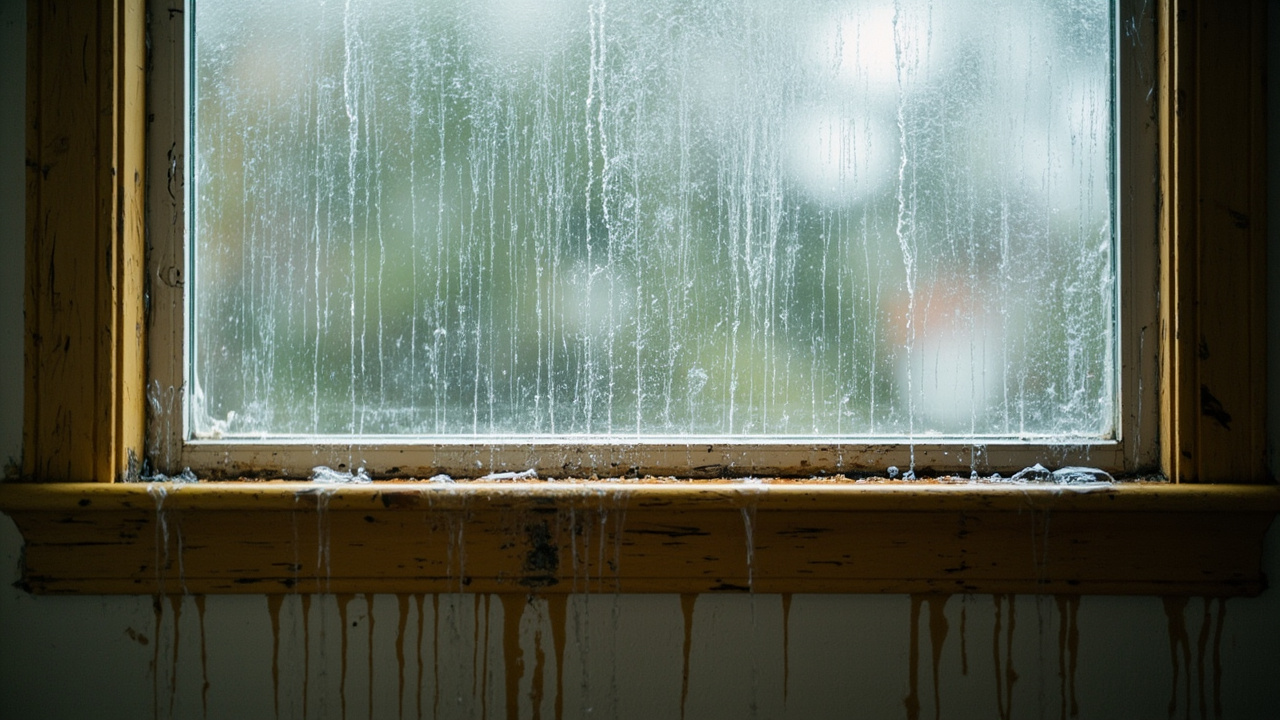
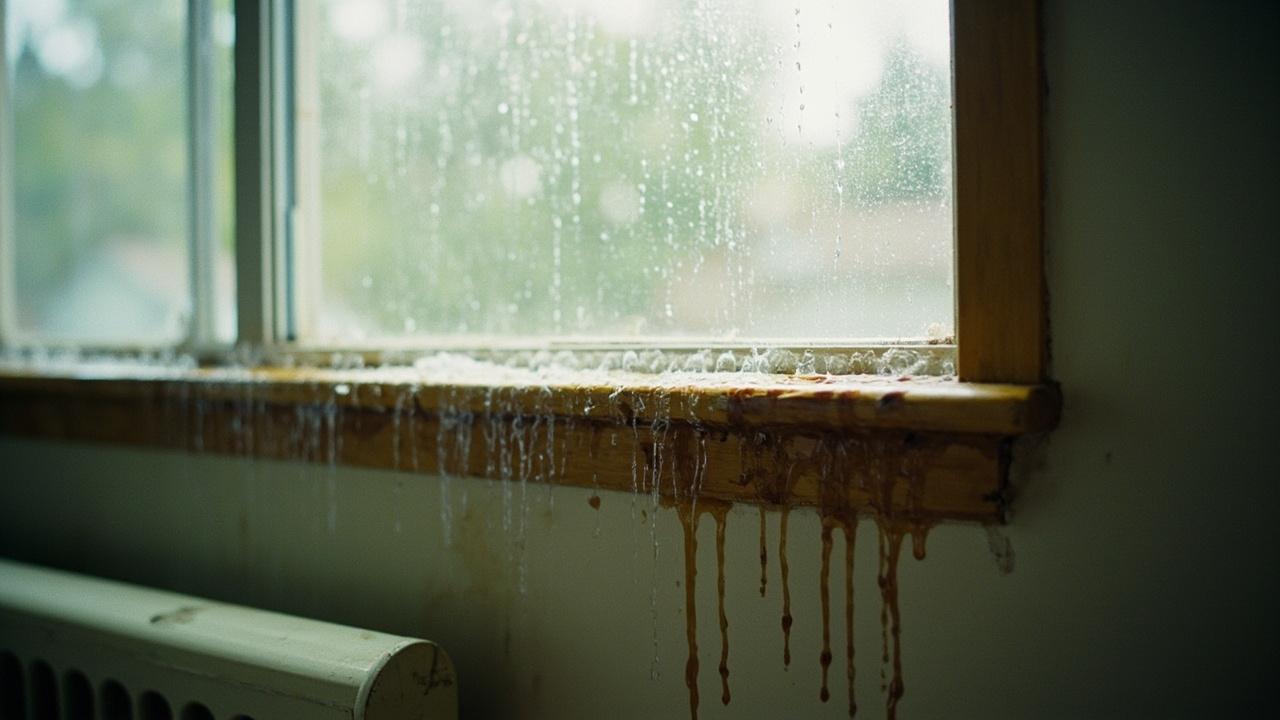
You notice window sweating every morning. Damp drywall patches appear near corners. Weeping window panes leave puddles on the sills. This is not normal wear and tear. This is a moisture problem that will get worse.

San Francisco's marine layer climate creates the perfect storm for interior glass condensation. The city's persistent fog and temperature swings between day and night cause rapid thermal changes in your home. When warm interior air meets cold window glass or exterior walls, moisture condenses. The problem intensifies in homes built before the 1980s, which lack proper vapor barriers and modern insulation standards common in the Richmond and Sunset districts.

Moisture buildup on walls signals deeper issues. The condensation you see is just the surface symptom. Behind that damp drywall, water vapor is penetrating wall cavities, saturating insulation, and creating conditions for mold growth within 24 to 48 hours. In San Francisco's older Victorian and Edwardian homes, original single-pane windows and balloon framing create thermal bridges that accelerate condensation patterns.

The health risks are real. Prolonged exposure to mold spores triggers respiratory problems, aggravates asthma, and causes allergic reactions. The structural risks are worse. Continuous moisture exposure rots wood framing, degrades plaster, and compromises your home's envelope integrity. Insurance claims for hidden water damage often get denied because the damage accumulated slowly over time rather than from a single event.

You need a professional assessment to identify why moisture is condensing in your specific home and what corrective actions will stop it permanently.

Why Condensation Problems Are Worse in San Francisco Homes
How We Solve Condensation Problems at the Source

How We Solve Condensation Problems at the Source

We do not just wipe down windows and tell you to buy a dehumidifier. That approach ignores the underlying cause. Summit Water Damage Restoration San Francisco uses diagnostic tools to measure humidity levels, surface temperatures, and airflow patterns throughout your property. We identify exactly where the moisture is coming from and why it is condensing in specific locations.

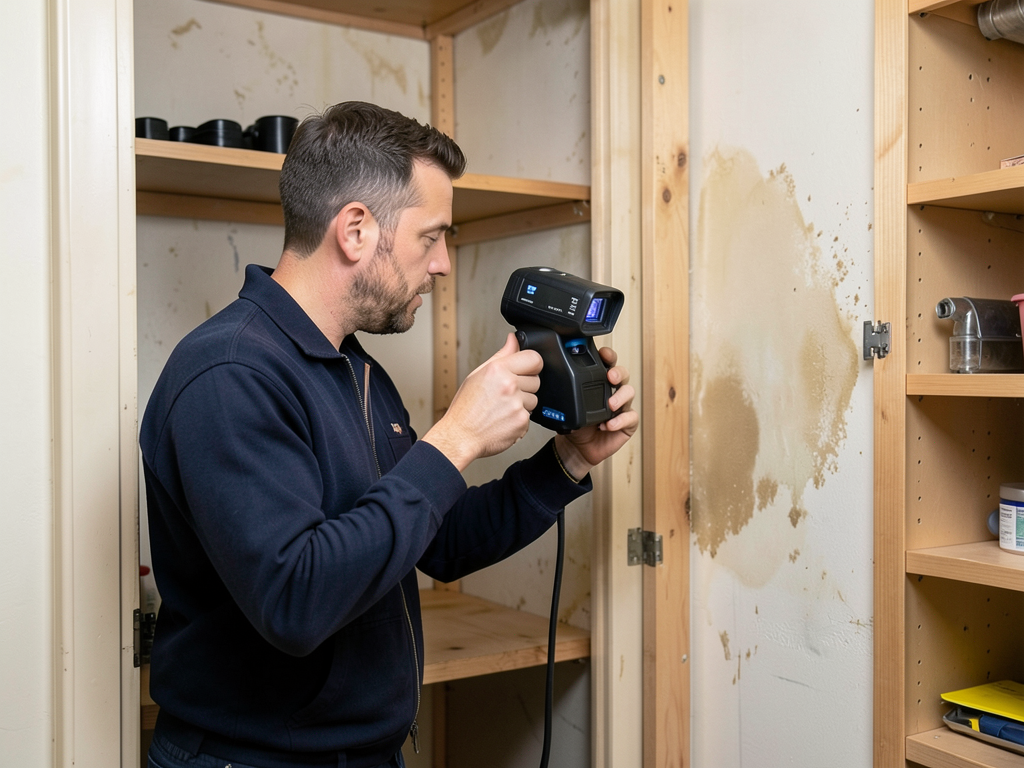
Our process starts with thermal imaging cameras that reveal temperature differentials between interior surfaces and ambient air. Cold spots on walls and windows show us where thermal bridging occurs. We use hygrometers to measure relative humidity in each room and compare readings against outdoor conditions. High indoor humidity combined with cold surface temperatures creates the condensation you see.

Next, we inspect your ventilation system. Inadequate bathroom exhaust, kitchen range hood venting, or blocked soffit vents trap moisture inside your home. We check for negative pressure issues caused by unbalanced HVAC systems that pull humid outdoor air through cracks and gaps. In San Francisco's mild climate, many homes rely on natural ventilation through operable windows, but this method fails during foggy months when outdoor humidity exceeds 90 percent.

We evaluate your insulation and vapor barrier installation. Missing or damaged vapor retarders allow moisture-laden air to penetrate wall cavities where it condenses on cold sheathing. We identify air leaks around window frames, electrical outlets, and pipe penetrations that let warm indoor air contact cold surfaces.

The solution varies by building type and moisture source. Solutions range from improving mechanical ventilation and upgrading window assemblies to installing vapor barriers and correcting insulation deficiencies. We prioritize interventions that deliver the fastest moisture reduction while respecting your home's architectural character and your budget constraints.

What Happens During a Condensation Assessment

Condensation on Windows & Walls in San Francisco – Get Expert Diagnosis and Permanent Solutions
01

Initial Moisture Mapping

We document every location where you see condensation, then expand the inspection to adjacent areas. Using moisture meters, we test drywall, framing, and insulation for elevated moisture content. Thermal imaging reveals hidden condensation patterns behind finished surfaces. We photograph all affected areas and measure indoor humidity levels against outdoor conditions to establish baseline data for your specific property and current weather patterns.
02

Source Identification

We trace moisture back to its origin point. Is it poor ventilation, air leakage, inadequate insulation, or a combination of factors? We test your HVAC system for proper operation and balanced airflow. We inspect attic and crawl space conditions for vapor barrier integrity. We evaluate your daily activities like cooking, showering, and laundry that generate moisture. We identify whether the problem stems from building deficiencies or occupant behavior patterns.
03

Corrective Action Plan

You receive a written report detailing our findings, moisture sources, and prioritized corrective actions. We explain which interventions deliver the greatest moisture reduction for your investment. The plan includes ventilation improvements, air sealing, insulation upgrades, or window replacements based on your specific conditions. We outline timelines, cost factors, and expected outcomes so you can make informed decisions about protecting your property from ongoing condensation damage.

Why San Francisco Property Owners Choose Our Moisture Diagnostics

Generic moisture advice does not work in San Francisco's microclimate zones. A solution that works in the Mission District may fail in the Outer Sunset because fog exposure, building orientation, and construction methods vary dramatically across neighborhoods. We understand how San Francisco's building stock responds to marine layer humidity.

Our technicians know the difference between Pre-1906 Earthquake construction, Post-War tract homes, and modern construction standards. Victorian homes have different ventilation needs than mid-century stucco houses. We recognize that many San Francisco homes lack vapor barriers entirely because they were built before moisture management became part of the building code. We do not apply one-size-fits-all solutions to buildings that require tailored approaches based on their construction era and architectural style.

We work within San Francisco's strict renovation permitting requirements. Any work involving vapor barriers, insulation, or ventilation modifications must comply with current Title 24 energy code requirements and San Francisco Building Code amendments. We coordinate with your contractor or architect if structural modifications are needed to correct condensation problems. Our assessments provide the technical documentation needed for permit applications and insurance claims.

Our moisture diagnostics go beyond surface observations. We identify whether your condensation stems from interior humidity sources, exterior air infiltration, thermal bridging, or vapor drive from crawl spaces and attics. We differentiate between condensation and other moisture intrusion sources like roof leaks or plumbing failures that present similar symptoms but require completely different remediation strategies.

You receive honest assessments focused on solving your moisture problem rather than upselling services you do not need. If your condensation issue can be resolved through improved ventilation habits or minor air sealing, we tell you. If it requires significant building envelope upgrades, we explain why and provide options that respect your budget and timeline.

What to Expect from Our Condensation Service

Response Time and Scheduling

We schedule condensation assessments within 48 hours of your call. Most evaluations take two to three hours depending on your property size and the extent of visible moisture problems. We provide same-day service for urgent situations where active mold growth is visible or where condensation is causing ongoing damage to finishes or furnishings. Our technicians arrive with all diagnostic equipment needed to complete a thorough moisture evaluation in a single visit. You receive preliminary findings on-site and a detailed written report within 24 hours of the assessment.

Comprehensive Moisture Assessment

Our evaluation includes thermal imaging of all exterior walls and windows, moisture content testing of affected building materials, indoor humidity measurements in every room, and ventilation system inspection. We document your home's construction type, insulation levels, and vapor barrier presence or absence. We identify all moisture sources including cooking, showering, laundry, and indoor plants. We test for negative pressure issues caused by exhaust fans or HVAC imbalances. You receive a complete picture of your home's moisture dynamics and specific factors causing condensation in your property.

Detailed Corrective Action Report

You get a written report with thermal images, moisture readings, and specific recommendations ranked by effectiveness and cost. We explain the science behind each recommendation so you understand why specific interventions will solve your condensation problem. The report includes material specifications for any building improvements, expected moisture reduction outcomes, and installation considerations unique to your property type. This documentation serves as a roadmap for contractors if you choose to implement the recommended solutions and provides evidence for insurance claims if moisture damage is discovered during remediation.

Post-Solution Verification

After you implement moisture control improvements, we offer follow-up assessments to verify that condensation has been eliminated. We re-measure humidity levels and surface temperatures to confirm that interventions achieved the intended results. This verification service ensures that money spent on ventilation upgrades, air sealing, or insulation improvements delivered the expected moisture reduction. If condensation persists after initial corrections, we investigate additional moisture sources and refine the solution at no additional diagnostic fee. Our goal is complete condensation elimination, not just temporary reduction.

Frequently Asked Questions

You Have Questions,
We Have Answers

How to stop condensation on windows and walls? +

Reduce indoor humidity first. Run exhaust fans in bathrooms and kitchens during use and for 20 minutes after. Open windows briefly each day to exchange humid air, even in winter. Use a dehumidifier in rooms where condensation appears regularly. Check that dryer vents exit outside, not into the attic or crawlspace. Increase air circulation with ceiling fans. In San Francisco's marine climate, fog and ocean moisture can push indoor humidity above 60 percent. If condensation persists after improving ventilation, inspect for hidden leaks or poor insulation that create cold surfaces where moisture collects.

Should you wipe condensation off windows? +

Yes, wipe it off promptly. Standing water on window sills and frames causes wood rot, mold growth, and paint damage. Use a squeegee or absorbent cloth each morning. This is a temporary fix, not a solution. Persistent condensation signals a ventilation or humidity problem that needs correction. In older San Francisco homes with original wood-frame windows, moisture damage accelerates quickly in our damp coastal air. If you wipe condensation daily for more than a week, the root cause requires attention. Ignoring it invites structural decay and indoor air quality issues.

Does condensation on windows mean the house is too cold? +

Not necessarily. Condensation forms when warm, humid indoor air contacts a cold surface. The window itself is cold, not the house. Single-pane windows or poorly insulated frames stay colder than room temperature, creating the perfect condensation surface. In San Francisco, ocean fog and cool mornings make exterior glass temperatures drop, even when indoor heating is adequate. The issue is surface temperature difference, not overall house warmth. If you maintain comfortable indoor temperatures but still see condensation, focus on humidity control and window upgrades, not cranking the heat higher.

Does condensation always indicate a problem? +

No. Light condensation on windows during cold mornings is common and manageable. It becomes a problem when it appears daily, spreads to walls or ceilings, or leaves standing water. Excessive condensation signals poor ventilation, high indoor humidity, or thermal bridging through walls. In San Francisco's dense housing stock, especially multi-unit buildings and older Victorians, air circulation is often limited. If condensation accompanies musty odors, visible mold, or peeling paint, you have a moisture intrusion issue that requires professional assessment to prevent structural damage and health risks.

Does condensation on windows mean poor insulation? +

Often, yes. Windows with poor insulation stay colder than surrounding walls, attracting condensation. Single-pane glass, aluminum frames without thermal breaks, and deteriorated weatherstripping all contribute. In San Francisco, many homes built before 1980 have original single-pane windows that conduct cold efficiently. If condensation appears only on windows, not walls, the windows themselves are likely the weak point. Upgrading to double-pane or low-E glass reduces surface temperature differences. If walls also show condensation or moisture stains, the problem extends beyond windows to inadequate wall insulation or hidden water intrusion.

What to put on walls to stop condensation? +

You cannot put anything on walls to stop condensation. You must address the root cause. Condensation on walls means the wall surface is too cold, indoor humidity is too high, or both. First, improve ventilation and reduce moisture sources. If the problem persists, add insulation inside the wall cavity or apply rigid foam board with a vapor barrier on the interior. In San Francisco's older homes, uninsulated exterior walls facing north or west are common culprits. Anti-mold paints or coatings mask symptoms temporarily but do nothing for the underlying moisture problem.

Does a bowl of salt stop condensation on windows? +

No. This is a myth. A bowl of salt may absorb trace moisture in a tiny closet, but it cannot manage the volume of water vapor causing window condensation in a living space. You need mechanical ventilation, dehumidification, or both. Salt does not address the source: excess indoor humidity from cooking, bathing, drying laundry, or poor air exchange. In San Francisco's cool, damp climate, relying on passive desiccants wastes time while moisture damage progresses. Use exhaust fans, open windows for cross-ventilation, and run a dehumidifier to control humidity effectively.

How do you stop condensation on windows overnight in winter? +

Lower indoor humidity before bed. Run a bathroom exhaust fan after evening showers until humidity drops. Crack a window in the bedroom for air exchange, even for 10 minutes. Close interior doors to bathrooms and kitchens to contain moisture. Use a dehumidifier set to 40-50 percent relative humidity. Avoid drying laundry indoors overnight. In San Francisco, winter nights bring cold ocean air that chills glass rapidly. If you heat your home without ventilating, warm, moist air condenses on cold windows by morning. Consistent humidity management prevents this cycle.

What are signs of excessive condensation? +

Water pooling on window sills, black mold spots on walls or ceilings, peeling paint or wallpaper, musty odors, warped baseboards, and damp patches near corners or exterior walls. In San Francisco's foggy climate, excessive condensation often appears in bathrooms without exhaust fans, kitchens, and north-facing rooms. If you notice condensation spreading beyond windows to walls, or if it occurs year-round despite ventilation efforts, you likely have a ventilation deficiency, hidden plumbing leak, or compromised building envelope. Persistent moisture creates mold within 48 hours and rots framing over time.

Does condensation on windows mean they are bad? +

Not always. Condensation on older single-pane windows is normal in humid conditions. It indicates the windows lack insulation, not that they are failing structurally. However, if condensation appears between glass panes on double-pane windows, the seal has failed and the insulating gas has escaped. That window needs replacement. In San Francisco, many homes still have original single-pane windows that perform as designed but are thermally inefficient. Upgrading to modern double-pane low-E glass eliminates most condensation while improving energy efficiency. Condensation is a symptom, not a verdict.

How San Francisco's Marine Layer Creates Condensation Problems Year-Round

San Francisco experiences some of the highest outdoor humidity levels of any major California city due to persistent marine layer fog from the Pacific Ocean. Summer months bring fog that keeps outdoor humidity above 80 percent while indoor temperatures remain 15 to 20 degrees warmer than exterior surfaces. This temperature differential causes water vapor in your indoor air to condense on cold windows, exterior walls, and any surface below the dew point. Western neighborhoods like the Sunset and Richmond see worse condensation than eastern districts because they face direct fog exposure. Unlike inland cities with seasonal humidity, San Francisco's condensation risk persists year-round due to minimal temperature variation between seasons.

Summit Water Damage Restoration San Francisco understands how local building practices affect moisture performance. We know that homes built before 1978 typically lack vapor barriers, that many Victorian properties have uninsulated wall cavities, and that retrofit insulation projects often create new condensation problems if vapor control is not addressed simultaneously. We work within San Francisco's historic preservation guidelines for properties in designated districts where exterior modifications face planning department review. Our moisture solutions respect your home's architectural character while meeting modern building performance standards required by current energy codes.
Water Damage Restoration Services in The San Francisco Area

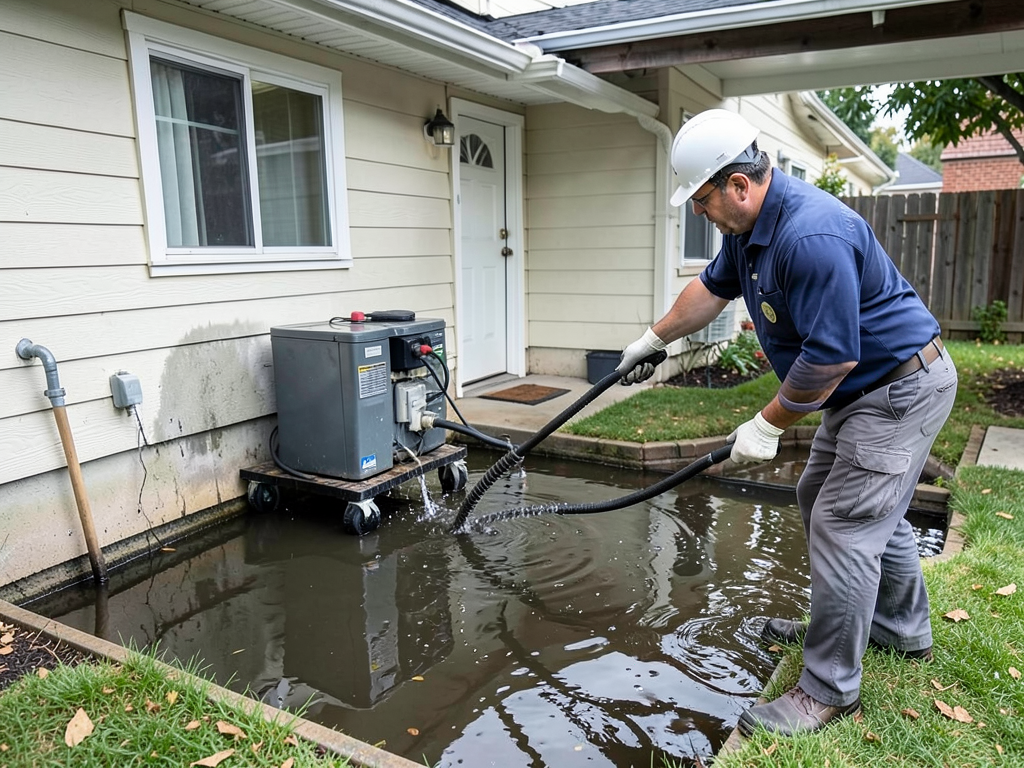
Our commitment to rapid response means we cover the entire San Francisco area and surrounding communities. View the map below to visualize our primary service region, which includes key neighborhoods and business districts. Whether you are located in the Financial District, the Mission, or out toward the Sunset, you can trust our 24/7 team to reach you quickly. We proudly serve both residential and commercial clients across the entire map, guaranteeing a fast and effective mitigation service the moment you need us.

Address:
Summit Water Damage Restoration San Francisco, 1390 Market St, San Francisco, CA, 94102

Additional Services We Offer

Our news updates

Latest Articles & News from The Blogs

What to Do if Your New Backyard ADU Floods During a Heavy San Francisco Rain A sudden downpour in San…

What to Do if Your New Backyard ADU Floods During a Heavy San Francisco Rain

What to Do if Your New Backyard ADU Floods During a Heavy San Francisco Rain A sudden downpour in San…

Selecting a Restoration Partner for Vulnerable Residents in a Richmond District Care Home

Specialized Senior Living Water Restoration Services in San Francisco Water damage in a Richmond District care home requires more than…

Why Your Noe Valley High Efficiency Boiler Could Be Slowly Flooding Your Utility Closet

Why Your Noe Valley High Efficiency Boiler Could Be Slowly Flooding Your Utility Closet If you live in a Noe…

Contact Us

Condensation will not fix itself. Every day you wait allows more moisture to penetrate your walls and create hidden damage. Call Summit Water Damage Restoration San Francisco at (415) 449-6555 today for a professional moisture assessment and permanent solutions to your condensation problems.