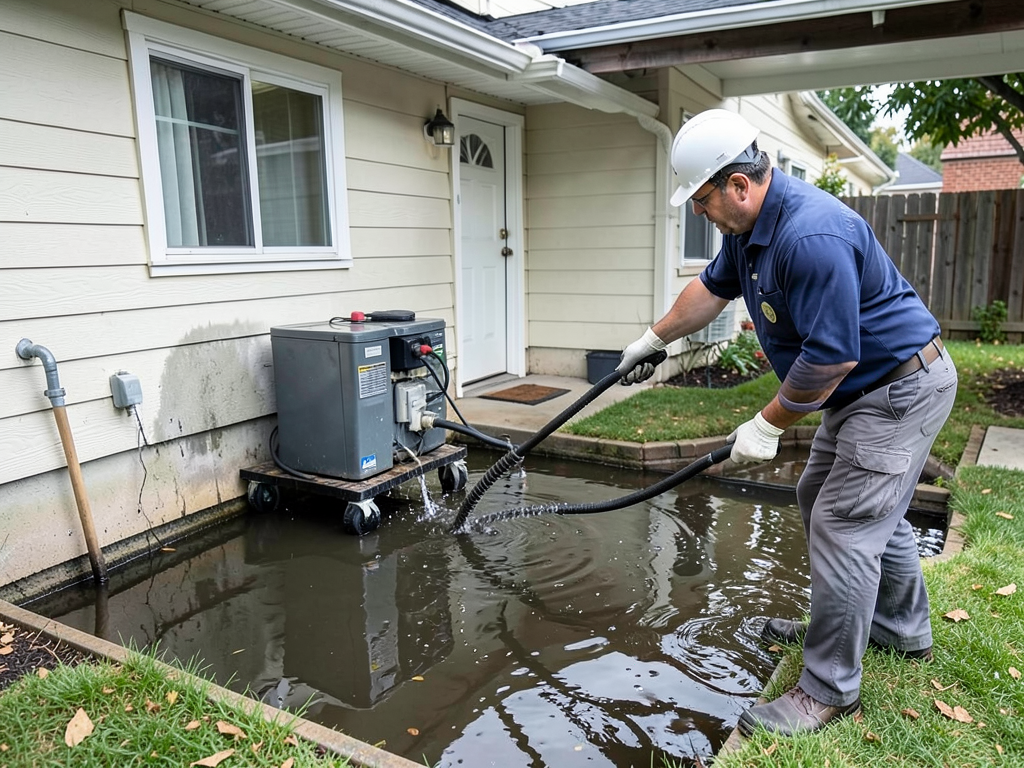
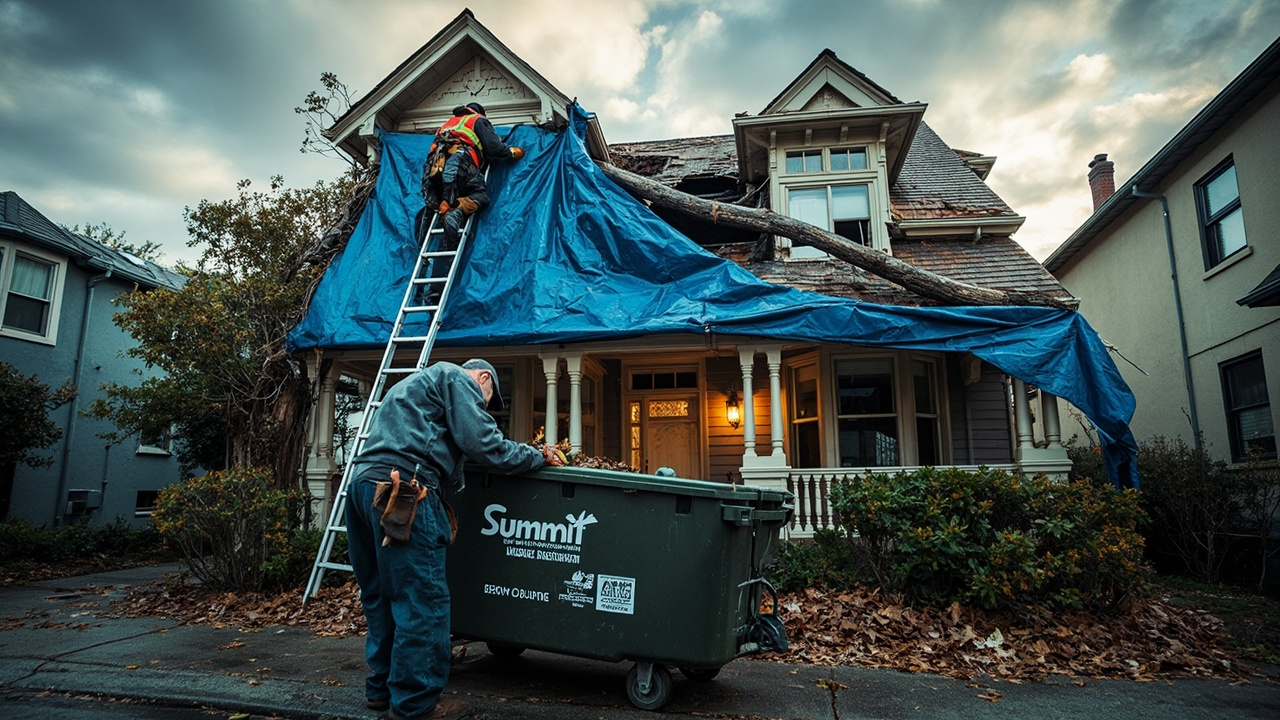
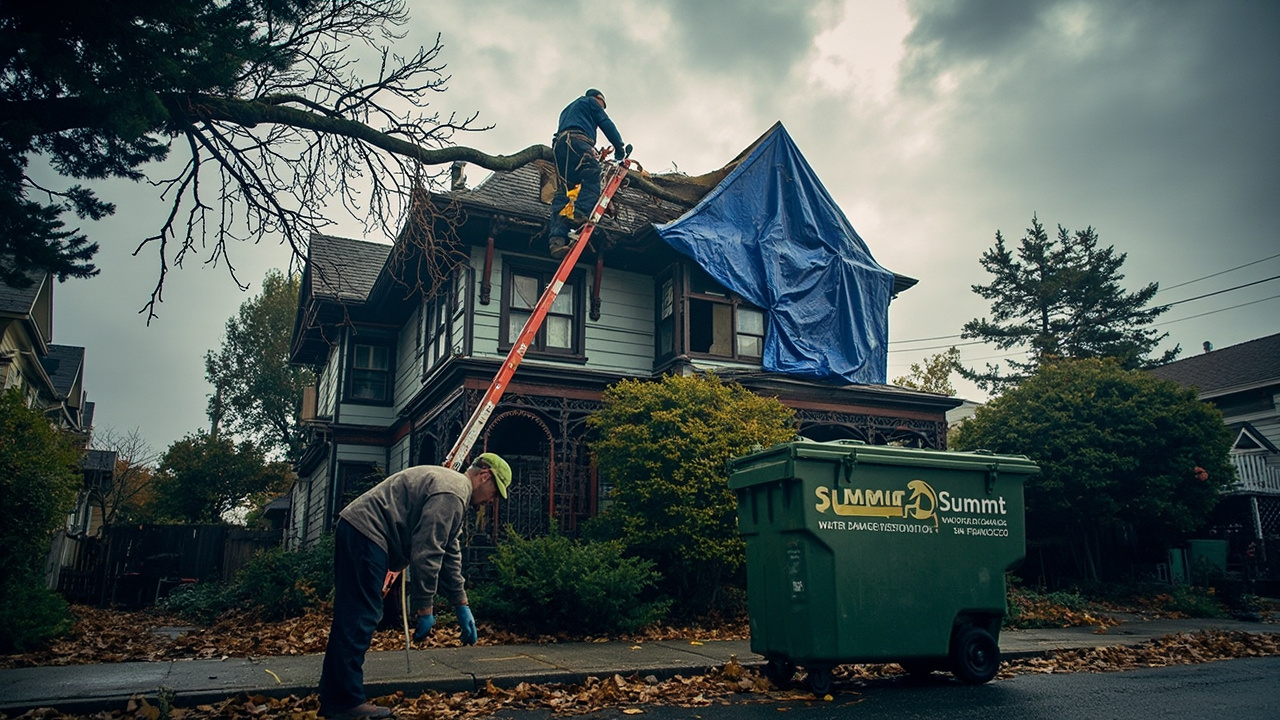
San Francisco sits directly in the path of atmospheric river storms that carry moisture plumes from the tropical Pacific. These systems deliver 40 to 60 percent of the region's annual rainfall in just a handful of events between November and March. A single atmospheric river can dump three to five inches of rain in 24 hours, overwhelming drainage systems designed for the city's typical drizzle patterns. The result is predictable. Water backs up behind clogged scuppers, ponds on flat roofs, and finds entry through the smallest flashing gaps. Storm damage mitigation must begin during or immediately after these events because the next storm often arrives within days, compounding damage before the first event is even dry.
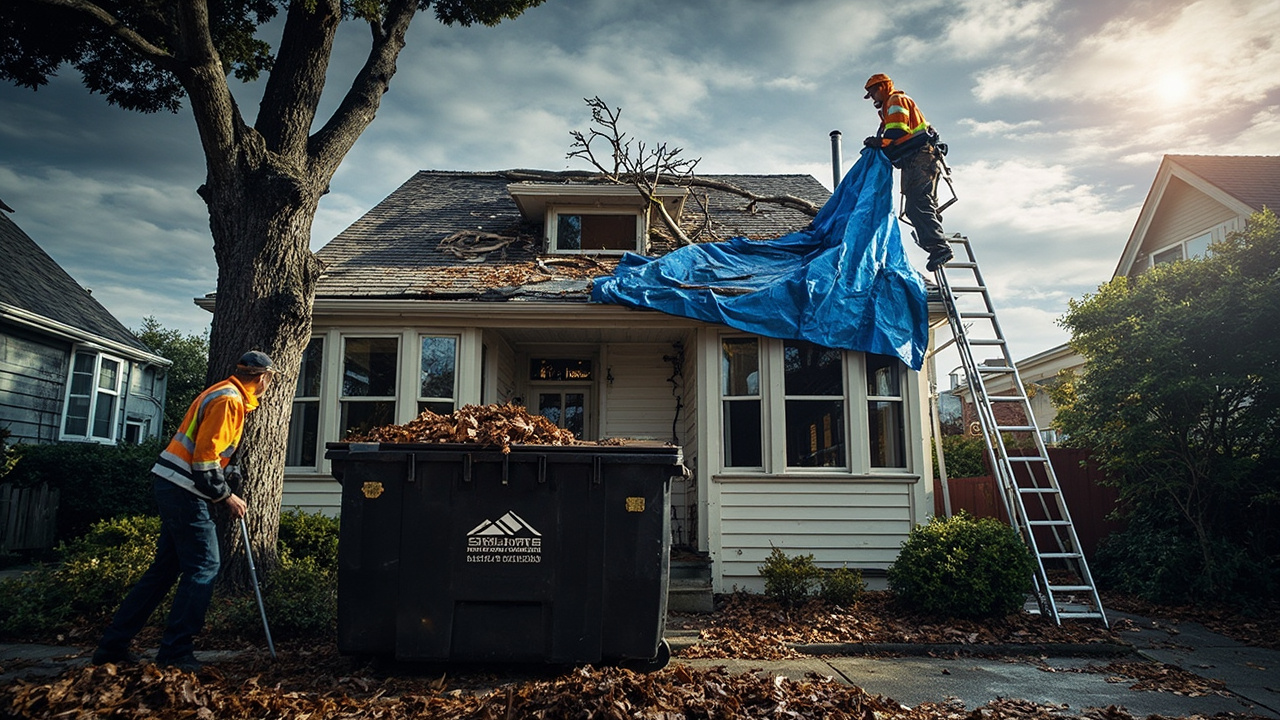
San Francisco building codes require specific wind uplift ratings for roofing assemblies in coastal exposure zones, but those standards only apply to new construction and major reroofs. Thousands of older buildings still have original roofing systems installed before modern wind load requirements existed. These older roofs shed shingles and lose flashing during 50-plus mph gusts that accompany atmospheric river storms. Local contractors who understand this building stock know where to look for vulnerable details and how to temporarily stabilize compromised assemblies until permanent repairs can be scheduled. Choosing a storm damage restoration provider without local experience means slower response and missed damage that shows up later.