


Petaluma sits in a coastal valley where the Petaluma River winds through downtown and fog rolls in from the bay. This combination creates moisture challenges year-round. Winter storms overwhelm older drainage systems in historic neighborhoods near Kentucky Street and Western Avenue. Homes built before modern building codes lack proper vapor barriers and foundation drainage. The clay soil common throughout west Petaluma holds water against foundations instead of draining away. Properties near the turning basin and McNear Peninsula face seasonal flooding when heavy rains meet high tides. Summer fog creates condensation in attics and crawl spaces, especially in older Victorian homes downtown. Many Petaluma buildings have cast iron pipes installed decades ago that corrode and burst without warning. The city's mix of old and new construction means water damage risks vary dramatically by neighborhood. A burst pipe in a Grant Avenue apartment causes different problems than river flooding near Casa Grande High School.
Summit Water Damage Restoration San Francisco responds to Petaluma emergencies with technicians who understand North Bay construction and climate. We know which Petaluma neighborhoods have clay soil drainage problems and which have aging plumbing. Our trucks carry industrial extraction pumps, commercial dehumidifiers, and thermal imaging cameras to find hidden moisture in walls and floors. We show up ready to work, not estimate. Most crews arrive within two hours of your call, day or night. We extract water immediately to stop secondary damage from spreading to flooring, drywall, and belongings. Our technicians document moisture levels with calibrated meters and photograph damage from multiple angles for insurance adjusters. We communicate directly with your insurance company and explain what coverage applies to your specific situation. Many Petaluma restoration companies subcontract the actual work to whoever answers the phone. We employ our own certified technicians who follow IICRC protocols for water damage restoration. They understand structural drying principles and know when to remove materials versus when to dry them in place. This matters because incorrect drying creates mold problems months later. We monitor moisture daily until your property reaches safe levels, then provide written verification for your records.

We dispatch crews to Petaluma properties within two hours of contact. Our technicians arrive with extraction equipment already loaded and ready to stop water damage from spreading. Fast response prevents thousands in secondary damage to floors, walls, and structural materials.

We handle documentation and communication with your insurance company from first contact through final payment. Our detailed moisture readings, photos, and written protocols satisfy adjuster requirements and speed up your claim approval process significantly.
Every technician working in your Petaluma property holds current IICRC certification in water damage restoration. They follow proven drying protocols, use calibrated moisture meters, and understand building science principles that prevent mold growth after water events.
We respond to water emergencies throughout Petaluma and understand local construction methods, soil conditions, and seasonal weather patterns. Our crews know which neighborhoods face specific water risks and how to dry properties effectively in coastal fog conditions.
Water damage cleanup requires different approaches depending on the source, extent, and duration of water exposure. A burst washing machine hose needs different treatment than sewage backup or river flooding. Summit Water Damage Restoration San Francisco provides complete water damage mitigation services for residential and commercial properties throughout Petaluma. We handle everything from initial water extraction through final structural drying and moisture verification. Our services include emergency water removal, content pack-out and storage, dehumidification, antimicrobial treatment, and reconstruction coordination. We respond to clean water damage from supply lines and appliances, gray water from dishwashers and washing machines, and black water from sewage backups and flooding. Each category requires specific safety protocols and drying procedures. We assess your specific situation and deploy appropriate equipment and methods to restore your property safely and completely.
When water floods your Petaluma property, extraction must begin within hours to prevent permanent damage. We deploy truck-mounted pumps and portable extractors to remove standing water from floors, carpets, and structural cavities. Our crews extract water from basements, crawl spaces, and flooded rooms while identifying the water source and stopping ongoing flow. We remove soaked contents to prevent further damage and begin airflow immediately to start the drying process.
After extraction, moisture remains trapped in walls, floors, and structural framing. We use industrial dehumidifiers, air movers, and specialized drying equipment to remove this hidden moisture completely. Our technicians monitor moisture levels daily with calibrated meters and thermal imaging cameras. We adjust equipment placement based on readings until all building materials reach safe moisture content. This prevents mold growth, wood rot, and structural damage.
Sewage backups and toilet overflows require specialized cleanup procedures to protect your health. We follow strict safety protocols for black water remediation, including protective equipment, antimicrobial treatment, and proper disposal of contaminated materials. Our crews remove sewage-soaked materials that cannot be safely cleaned, sanitize affected surfaces, and verify complete decontamination before reconstruction begins. We handle the entire process so you never contact contaminated materials.
Petaluma's combination of older construction, clay soil, and coastal weather creates specific water damage patterns. Many homes near downtown and along Washington Street were built before 1950 with minimal foundation drainage and no vapor barriers. These properties flood easily during heavy rain. Properties near the Petaluma River and Adobe Creek face seasonal flooding when winter storms arrive. The clay soil throughout west Petaluma and near Helen Putnam Park holds water against foundations instead of draining away. This saturates crawl spaces and basement walls. Older cast iron drain pipes corrode from the inside and burst suddenly, flooding bathrooms and kitchens without warning. Summer fog creates condensation in attics and walls, especially in homes with poor ventilation. Understanding these local patterns helps us respond faster and more effectively to your specific water damage situation.
Older Petaluma homes have galvanized steel and cast iron pipes that corrode after decades of use. These pipes burst without warning and flood multiple rooms before you can locate the shutoff valve. We extract water quickly and dry wall cavities to prevent mold in your plaster walls.
Clay soil saturates during winter storms and pushes water through foundation cracks and crawl space vents. Properties west of Highway 101 and near Corona Road face chronic crawl space flooding. We pump standing water, dry the structure, and recommend drainage improvements to prevent recurrence.
Water heater failures and washing machine hose bursts in apartment buildings near downtown and Petaluma Boulevard flood multiple units quickly. Water runs through floors and damages units below. We coordinate with property managers to dry all affected spaces and prevent tenant displacement.
Water damage creates stress and confusion. You need clear information about what happens next and how long restoration will take. Summit Water Damage Restoration San Francisco follows a structured process that keeps you informed at every step. When you call our emergency line, you speak with a trained dispatcher who asks specific questions about your situation. We need to know the water source, how long water has been present, and which areas are affected. This helps us send appropriate equipment and crew size. Most Petaluma calls receive response within two hours. Our technician calls you when leaving our facility and gives you an accurate arrival time. When we arrive, we assess damage, explain our plan in plain language, and begin work immediately if you approve. We provide written documentation of all work performed and communicate directly with your insurance company throughout the process.
You reach a live person when you call, not an answering service. Our dispatcher collects essential information and dispatches a crew to your Petaluma property immediately. Your assigned technician calls when leaving our facility and gives you an accurate arrival time. When we arrive, we explain what we found, what needs to happen, and how long restoration will take. You receive our technician's direct phone number for questions throughout the process.
Our technicians visit your property daily to check equipment, take fresh moisture readings, and adjust drying strategy based on results. You receive a daily update call explaining current moisture levels and estimated time to completion. We show you meter readings and explain what the numbers mean. If we encounter hidden damage or complications, we explain the situation before proceeding. You stay informed and maintain control over decisions affecting your property.
We photograph damage before starting work and document moisture levels throughout the drying process. Your insurance company receives detailed reports with meter readings, equipment logs, and photographic evidence. We explain your coverage and help you understand what your policy will pay. Most claims close faster because adjusters receive thorough documentation that meets industry standards. You receive copies of all reports for your records.
Water damage restoration follows a scientific process that cannot be rushed. We follow IICRC protocols that ensure complete drying and prevent mold growth after water events.
Our technician arrives at your Petaluma property and performs a complete assessment using moisture meters and thermal imaging cameras. We identify all affected areas, measure moisture levels in floors and walls, and locate the water source. We explain what happened, what needs to be done, and provide a detailed scope of work. Once you approve, we begin extraction immediately.
We remove standing water with truck-mounted pumps and portable extractors. Then we position industrial dehumidifiers and air movers to dry structural materials completely. Our technicians monitor moisture daily and adjust equipment based on readings. We remove baseboards and drill weep holes when necessary to dry wall cavities. The drying phase typically takes three to five days depending on materials and extent of water penetration.
When moisture readings reach safe levels, we document final measurements and photograph restored areas. You receive a completion certificate showing your property meets industry drying standards. We coordinate with contractors for any needed repairs or reconstruction. Your insurance company receives a final report with complete documentation. We follow up after equipment removal to ensure you are satisfied with results.
Professional water damage restoration follows scientific principles established by the Institute of Inspection Cleaning and Restoration Certification. These standards define how water behaves in building materials and what moisture levels indicate complete drying. The IICRC S500 Standard and Reference Guide for Professional Water Damage Restoration governs all legitimate restoration work in California. This document establishes three categories of water based on contamination level. Category 1 water comes from sanitary sources like supply lines and appliances. Category 2 water contains contamination from washing machines, dishwashers, or toilet bowls. Category 3 water contains sewage or comes from flooding sources. Each category requires different handling procedures and safety protocols. Water also falls into classes based on how much material is affected. Class 1 damage affects minimal materials with low moisture absorption. Class 4 damage saturates hardwood floors, plaster walls, and other dense materials requiring special drying techniques. Our technicians classify your damage correctly and apply appropriate drying methods based on material type and water category. We measure moisture content using penetrating and non-penetrating meters calibrated to specific materials. Wood framing should measure below 15 percent moisture content. Drywall should measure below 1.0 percent. Concrete varies based on thickness and slab type. These measurements guide our drying strategy and tell us when restoration is complete.
Legitimate water damage restoration requires IICRC certification through hands-on training and written examination. Certified technicians understand psychrometrics, structural drying principles, and microbial growth prevention. They follow documented protocols that satisfy insurance requirements and produce verifiable results. Always ask if technicians hold current IICRC Water Restoration Technician certification before allowing them to work on your property.
Water damage restoration costs depend on water category, affected area size, material types, and drying time required. Category 3 sewage cleanup costs more than clean water extraction due to safety protocols and disposal requirements. Hardwood floors and plaster walls require longer drying time than carpet and drywall. Most insurance policies cover sudden water damage from burst pipes and appliance failures.
Complete structural drying takes three to seven days for most residential water damage. Category 1 water in carpet and drywall dries fastest. Hardwood floors, plaster walls, and concrete require longer. High humidity from coastal fog extends drying time. Your technician provides realistic timelines based on materials affected and moisture readings taken during assessment.
Water damage restoration companies performing repairs over 500 dollars must hold a California contractor license. Companies handling sewage or performing mold remediation need additional certification. All workers entering flooded properties should complete OSHA safety training. Verify your restoration company carries proper insurance and holds required licenses before signing contracts or starting work.
This video explains the complete water damage restoration process for Petaluma properties, including emergency water extraction, structural drying protocols, and insurance coordination. Learn why Petaluma homes face specific water damage risks from clay soil, aging infrastructure, and coastal weather. Covers IICRC restoration standards, moisture measurement techniques, typical drying timelines, and what to expect when calling Summit Water Damage Restoration San Francisco for emergency water damage cleanup and remediation services throughout Sonoma County.
Summit Water Damage Restoration San Francisco serves all Petaluma neighborhoods and responds to water emergencies throughout southern Sonoma County. We regularly dispatch crews to historic properties downtown near Kentucky Street and Petaluma Boulevard, where Victorian homes and old commercial buildings face plumbing failures and foundation flooding. The west side neighborhoods around Corona Road and near Helen Putnam Park sit on clay soil that holds water during winter storms, creating chronic crawl space flooding. East Petaluma properties near Casa Grande High School and along East Washington Street experience different water damage patterns due to newer construction and better drainage, though burst water heaters and appliance leaks still cause sudden flooding. Homes near the Petaluma River turning basin and McNear Peninsula face seasonal flood risk when heavy rain meets high tide. These waterfront properties require specialized drying due to contamination from floodwater. North Petaluma neighborhoods near Sonoma Mountain Parkway and Rainier Avenue contain newer homes but still face water damage from construction defects and aging plumbing. We respond quickly to properties throughout central Petaluma near D Street and the downtown theater district, where older apartments and mixed-use buildings experience multi-unit flooding from shared plumbing failures. Our technicians know Petaluma's layout and reach most addresses within 30 minutes during business hours. We also serve Penngrove, Cotati, and unincorporated areas east toward Sonoma Valley. Properties near Adobe Creek face seasonal flooding during heavy storms. Homes on the hills west of Highway 101 have different moisture challenges than valley properties due to fog exposure and elevation changes.
Water damage restoration expenses in Petaluma vary based on the extent of damage, affected area size, and water category. Clean water from supply lines typically requires less intensive work than contaminated water from sewage backups. Small incidents affecting one room differ significantly from whole-home flooding. Most restoration companies offer free inspections to assess your situation. They provide detailed estimates after evaluating moisture levels, structural damage, and necessary repairs. Your homeowner's policy often covers sudden and accidental water damage. Get multiple quotes from local restoration companies to understand your specific situation better.
Water damage restoration timelines in Petaluma depend on damage severity and affected materials. Small incidents affecting one room take 3-5 days from initial water extraction through final drying. Larger projects involving multiple rooms or floors require 1-2 weeks. Extensive structural damage needing reconstruction extends timelines to several weeks. The drying phase alone takes 3-7 days depending on humidity levels and building materials. Petaluma's coastal climate adds moisture complexity. Professional companies use moisture meters to confirm complete drying before reconstruction begins. Your restoration team provides specific timelines after inspecting your property.
Homeowners insurance in Petaluma typically covers sudden and accidental water damage like burst pipes, appliance malfunctions, and roof leaks from storm damage. Policies exclude gradual damage from long-term leaks or maintenance neglect. Flood damage from natural disasters requires separate flood insurance through the National Flood Insurance Program. Review your policy declarations page to understand your coverage limits and deductibles. Document all damage with photos before cleanup begins. Contact your insurance agent immediately after water damage occurs. Many Petaluma restoration companies work directly with insurance adjusters to streamline your claims process.
Water damage restoration expenses in Petaluma vary based on the extent of damage, affected area size, and water category. Clean water from supply lines typically requires less intensive work than contaminated water from sewage backups. Small incidents affecting one room differ significantly from whole-home flooding. Most restoration companies offer free inspections to assess your situation. They provide detailed estimates after evaluating moisture levels, structural damage, and necessary repairs. Your homeowner's policy often covers sudden and accidental water damage. Get multiple quotes from local restoration companies to understand your specific situation better.
Water damage restoration timelines in Petaluma depend on damage severity and affected materials. Small incidents affecting one room take 3-5 days from initial water extraction through final drying. Larger projects involving multiple rooms or floors require 1-2 weeks. Extensive structural damage needing reconstruction extends timelines to several weeks. The drying phase alone takes 3-7 days depending on humidity levels and building materials. Petaluma's coastal climate adds moisture complexity. Professional companies use moisture meters to confirm complete drying before reconstruction begins. Your restoration team provides specific timelines after inspecting your property.
Homeowners insurance in Petaluma typically covers sudden and accidental water damage like burst pipes, appliance malfunctions, and roof leaks from storm damage. Policies exclude gradual damage from long-term leaks or maintenance neglect. Flood damage from natural disasters requires separate flood insurance through the National Flood Insurance Program. Review your policy declarations page to understand your coverage limits and deductibles. Document all damage with photos before cleanup begins. Contact your insurance agent immediately after water damage occurs. Many Petaluma restoration companies work directly with insurance adjusters to streamline your claims process.
Petaluma homes face water damage from various sources. Aging pipes burst during winter temperature drops. Water heaters fail after 10-15 years of use. Washing machine hoses crack and leak. Dishwashers malfunction and overflow. Heavy winter rains overwhelm gutters and cause roof leaks. Clogged downspouts direct water toward foundations. Sewer backups occur when tree roots invade underground pipes. Toilet supply lines break. HVAC systems develop condensation leaks. Petaluma's older housing stock faces increased risk from outdated plumbing. Regular maintenance and inspections help identify problems before major damage occurs.
Choose a water damage restoration company in Petaluma by checking local reviews and ratings on Google and Yelp. Verify they respond 24/7 for emergency situations. Ask about their water extraction equipment and drying technology. Request references from recent Petaluma clients. Confirm they handle insurance documentation and claims communication. Look for companies with trained technicians who understand local building codes. Ask about their inspection process and how they verify complete drying. Get written estimates from at least three companies. Select providers who explain their process clearly and answer your questions thoroughly.
Staying in your Petaluma home during restoration depends on damage extent and safety factors. Minor water damage affecting one bathroom allows you to stay while work continues. Extensive damage requiring major drying equipment creates noise and disruption. You need temporary housing if water affects your kitchen, bedrooms, or bathrooms significantly. Safety concerns like electrical hazards, structural instability, or mold contamination require evacuation. High-powered fans and dehumidifiers run continuously for days. Your restoration company assesses safety and recommends whether you should relocate. Many insurance policies cover temporary housing expenses during major restoration projects.
Water damage in Petaluma refers to incidents from internal sources like burst pipes, leaking appliances, or roof leaks. Your standard homeowners insurance typically covers these events. Flood damage comes from external natural water sources like overflowing rivers, heavy rainfall runoff, or storm surge. Standard homeowners policies exclude flood damage. You need separate flood insurance through FEMA's National Flood Insurance Program. The distinction matters for coverage and claims processing. Restoration techniques differ based on water source and contamination level. Understanding this difference helps you maintain proper insurance coverage for your Petaluma property.
Call for water damage restoration in Petaluma immediately after noticing water intrusion. Water spreads quickly through floors, walls, and contents. Structural materials absorb moisture within minutes. Mold begins growing within 24-48 hours in wet conditions. Quick response limits damage extent and restoration expenses. Professional companies offer 24/7 emergency response for this reason. While waiting for help, shut off the water source if safe. Remove standing water with towels or a wet vacuum. Move furniture and belongings to dry areas. Document damage with photos. Fast action protects your home and belongings from escalating damage.
Water damage restoration companies in Petaluma use specialized equipment for effective drying. Industrial-grade water extractors remove standing water from floors and carpets. High-velocity air movers create airflow to accelerate evaporation. Commercial dehumidifiers pull moisture from the air and building materials. Moisture meters detect hidden water in walls and subfloors. Thermal imaging cameras locate wet areas behind surfaces. Air scrubbers filter airborne contaminants and odors. Truck-mounted extraction units handle large-scale flooding. Injectidry systems dry wall cavities without removing drywall. Professional equipment works faster and more thoroughly than consumer-grade options.
Prevent mold after water damage in Petaluma by acting within 24-48 hours. Remove standing water immediately with extraction equipment. Dry affected materials completely using industrial fans and dehumidifiers. Monitor moisture levels with meters until readings return to normal. Remove and discard porous materials like carpet padding and drywall if saturated. Treat affected surfaces with antimicrobial solutions. Maintain indoor humidity below 60 percent. Increase air circulation throughout your home. Professional restoration companies document the drying process to ensure thoroughness. Complete drying eliminates the moisture mold needs to grow and spread.
Petaluma homes face water damage from various sources. Aging pipes burst during winter temperature drops. Water heaters fail after 10-15 years of use. Washing machine hoses crack and leak. Dishwashers malfunction and overflow. Heavy winter rains overwhelm gutters and cause roof leaks. Clogged downspouts direct water toward foundations. Sewer backups occur when tree roots invade underground pipes. Toilet supply lines break. HVAC systems develop condensation leaks. Petaluma's older housing stock faces increased risk from outdated plumbing. Regular maintenance and inspections help identify problems before major damage occurs.
Choose a water damage restoration company in Petaluma by checking local reviews and ratings on Google and Yelp. Verify they respond 24/7 for emergency situations. Ask about their water extraction equipment and drying technology. Request references from recent Petaluma clients. Confirm they handle insurance documentation and claims communication. Look for companies with trained technicians who understand local building codes. Ask about their inspection process and how they verify complete drying. Get written estimates from at least three companies. Select providers who explain their process clearly and answer your questions thoroughly.
Staying in your Petaluma home during restoration depends on damage extent and safety factors. Minor water damage affecting one bathroom allows you to stay while work continues. Extensive damage requiring major drying equipment creates noise and disruption. You need temporary housing if water affects your kitchen, bedrooms, or bathrooms significantly. Safety concerns like electrical hazards, structural instability, or mold contamination require evacuation. High-powered fans and dehumidifiers run continuously for days. Your restoration company assesses safety and recommends whether you should relocate. Many insurance policies cover temporary housing expenses during major restoration projects.
Water damage in Petaluma refers to incidents from internal sources like burst pipes, leaking appliances, or roof leaks. Your standard homeowners insurance typically covers these events. Flood damage comes from external natural water sources like overflowing rivers, heavy rainfall runoff, or storm surge. Standard homeowners policies exclude flood damage. You need separate flood insurance through FEMA's National Flood Insurance Program. The distinction matters for coverage and claims processing. Restoration techniques differ based on water source and contamination level. Understanding this difference helps you maintain proper insurance coverage for your Petaluma property.
Call for water damage restoration in Petaluma immediately after noticing water intrusion. Water spreads quickly through floors, walls, and contents. Structural materials absorb moisture within minutes. Mold begins growing within 24-48 hours in wet conditions. Quick response limits damage extent and restoration expenses. Professional companies offer 24/7 emergency response for this reason. While waiting for help, shut off the water source if safe. Remove standing water with towels or a wet vacuum. Move furniture and belongings to dry areas. Document damage with photos. Fast action protects your home and belongings from escalating damage.
Water damage restoration companies in Petaluma use specialized equipment for effective drying. Industrial-grade water extractors remove standing water from floors and carpets. High-velocity air movers create airflow to accelerate evaporation. Commercial dehumidifiers pull moisture from the air and building materials. Moisture meters detect hidden water in walls and subfloors. Thermal imaging cameras locate wet areas behind surfaces. Air scrubbers filter airborne contaminants and odors. Truck-mounted extraction units handle large-scale flooding. Injectidry systems dry wall cavities without removing drywall. Professional equipment works faster and more thoroughly than consumer-grade options.
Prevent mold after water damage in Petaluma by acting within 24-48 hours. Remove standing water immediately with extraction equipment. Dry affected materials completely using industrial fans and dehumidifiers. Monitor moisture levels with meters until readings return to normal. Remove and discard porous materials like carpet padding and drywall if saturated. Treat affected surfaces with antimicrobial solutions. Maintain indoor humidity below 60 percent. Increase air circulation throughout your home. Professional restoration companies document the drying process to ensure thoroughness. Complete drying eliminates the moisture mold needs to grow and spread.
Our commitment to rapid response means we cover the entire San Francisco area and surrounding communities. View the map below to visualize our primary service region, which includes key neighborhoods and business districts. Whether you are located in the Financial District, the Mission, or out toward the Sunset, you can trust our 24/7 team to reach you quickly. We proudly serve both residential and commercial clients across the entire map, guaranteeing a fast and effective mitigation service the moment you need us.
Address:
Petaluma, CA, 94952
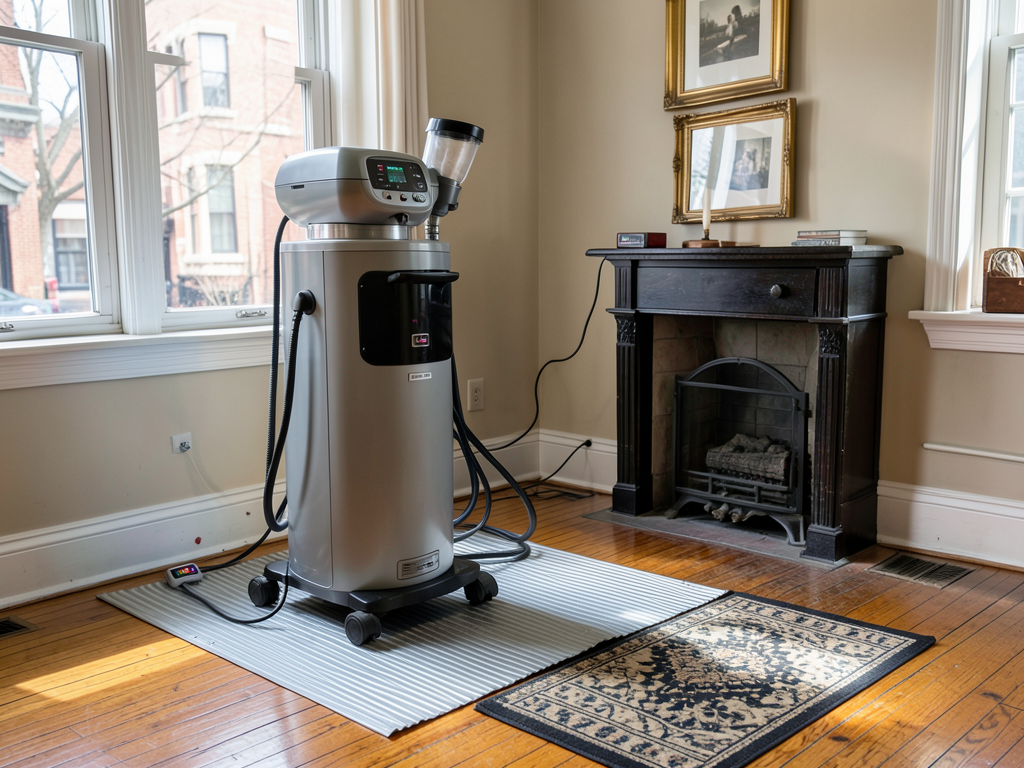
Understanding the Speed Benefits of Structural Heat Drying for a Rapid Recovery When water invades your San Francisco property every hour counts. Traditional drying methods using air movers and dehumidifiers can take 3-5 days to…
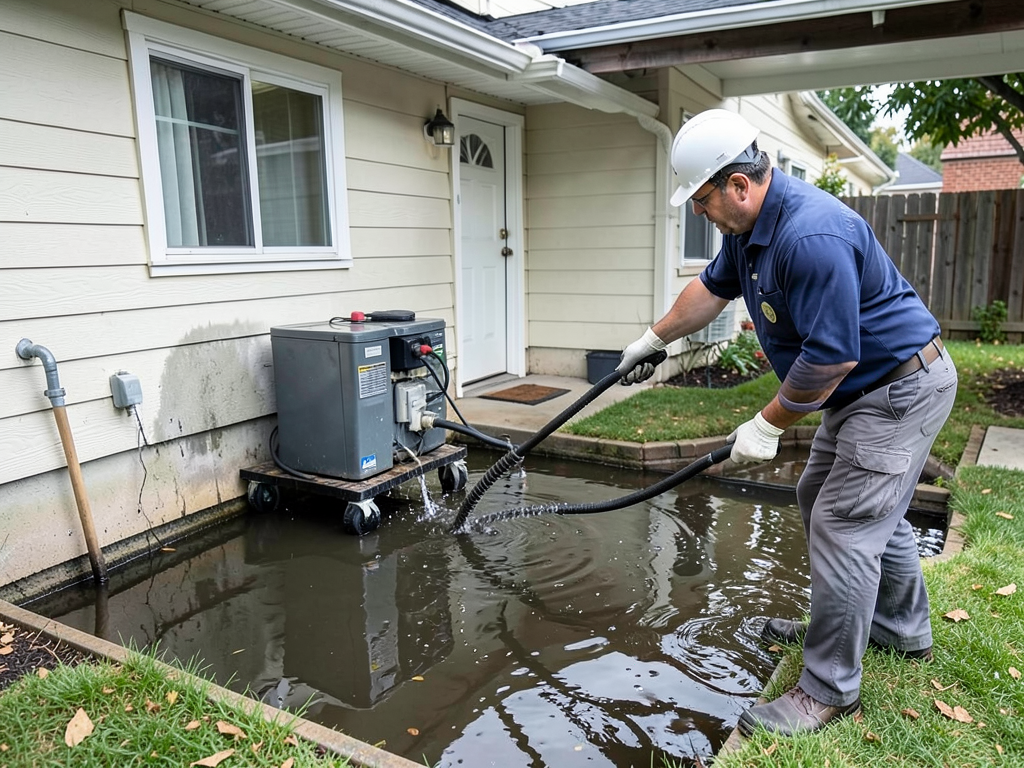
What to Do if Your New Backyard ADU Floods During a Heavy San Francisco Rain…
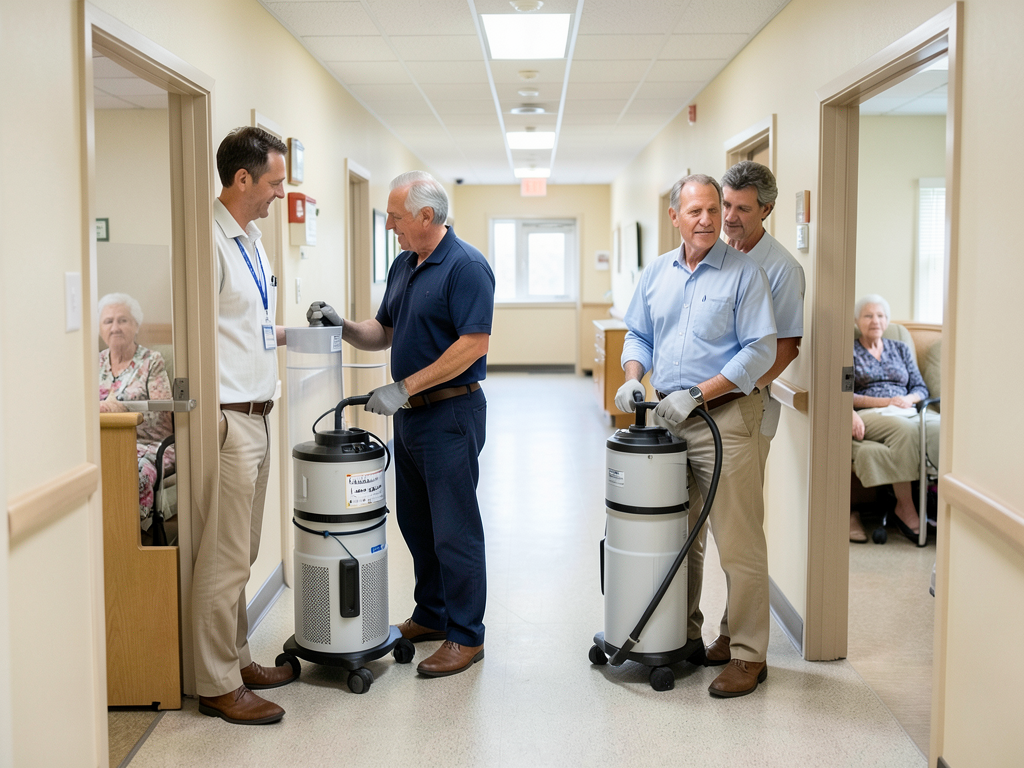
Specialized Senior Living Water Restoration Services in San Francisco Water damage in a Richmond District…
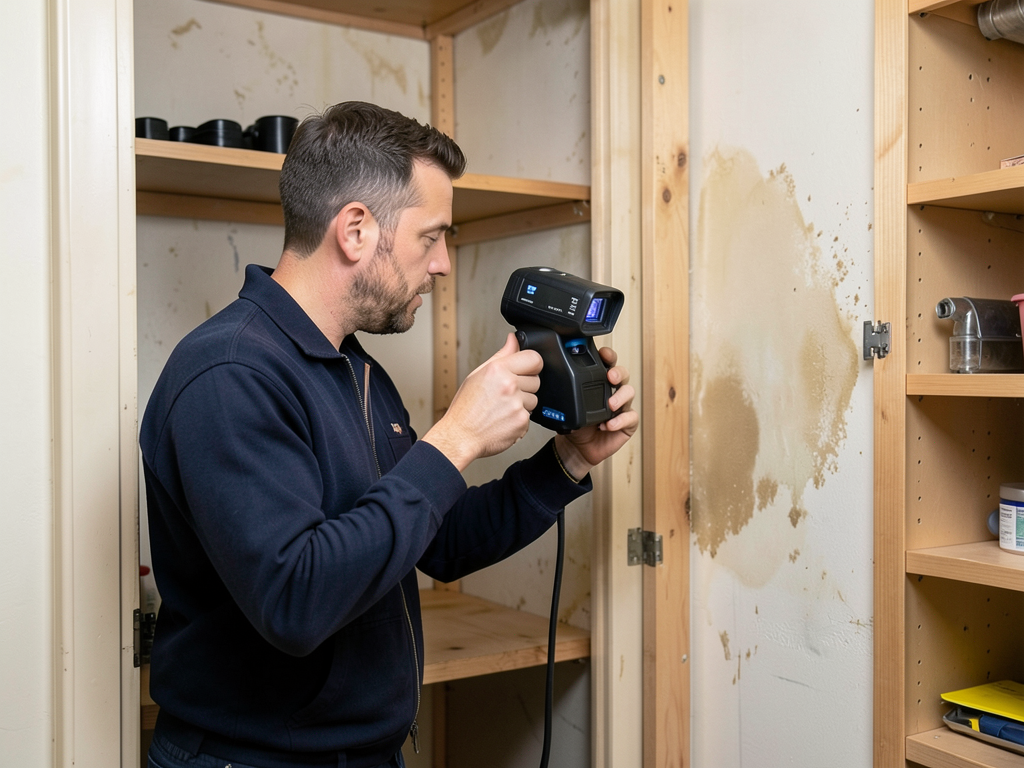
Why Your Noe Valley High Efficiency Boiler Could Be Slowly Flooding Your Utility Closet If…
Water damage spreads every minute. Stop the damage now and protect your property. Call Summit Water Damage Restoration San Francisco at (415) 449-6555 for immediate dispatch to your Petaluma location. Our crews respond 24/7 with equipment ready to extract water and start drying your property today.