menu

Emergency Sewage Cleanup in San Francisco – Fast Response Stops Contamination in Under 60 Minutes

When raw sewage invades your property, every minute increases health risks and structural damage. Our certified technicians arrive fast with industrial extraction equipment to remove contaminated water, disinfect surfaces, and restore safety to your San Francisco home or business.

Slider Image 1
Slider Image 2
Slider Image 3
Slider Image 4
Slider Image 5
Slider Image 7
Slider Image 8
Slider Image 9
Slider Image 10
Slider Image 11

Raw Sewage in Your Building Is a Health Emergency

Sewage backups do not wait for business hours. When black water floods your bathroom, basement, or commercial space, you face immediate exposure to E. coli, hepatitis A, and airborne pathogens. The situation worsens fast. Within hours, porous materials absorb contaminated water. Bacteria multiply. Odors penetrate walls and flooring.

San Francisco's aging sewer infrastructure makes emergency sewage removal more common than most property owners expect. The city's combined sewer system, built over a century ago, struggles during heavy rainfall. When stormwater overwhelms the system, backups push raw sewage into homes through floor drains and toilets. The Marina, Sunset, and Richmond districts see frequent incidents due to low elevation and aging lateral connections.

You need sewage backup cleanup that moves faster than the contamination spreads. Standing sewage water damages subflooring, drywall, and personal property within the first few hours. The longer raw sewage sits, the deeper it penetrates. Structural materials become unsalvageable. Mold growth starts within 24 to 48 hours in San Francisco's moderate humidity.

Do not attempt DIY cleanup. Category 3 water (the industry term for sewage) requires professional-grade disinfection protocols. You need technicians trained in pathogen remediation, not a shop vacuum and bleach. Improper cleanup leaves invisible contamination that threatens your family's health for months. When you smell sewage or see black water rising, you need urgent sewer water cleanup immediately.

Raw Sewage in Your Building Is a Health Emergency
How Professional Sewage Remediation Protects Your Property

How Professional Sewage Remediation Protects Your Property

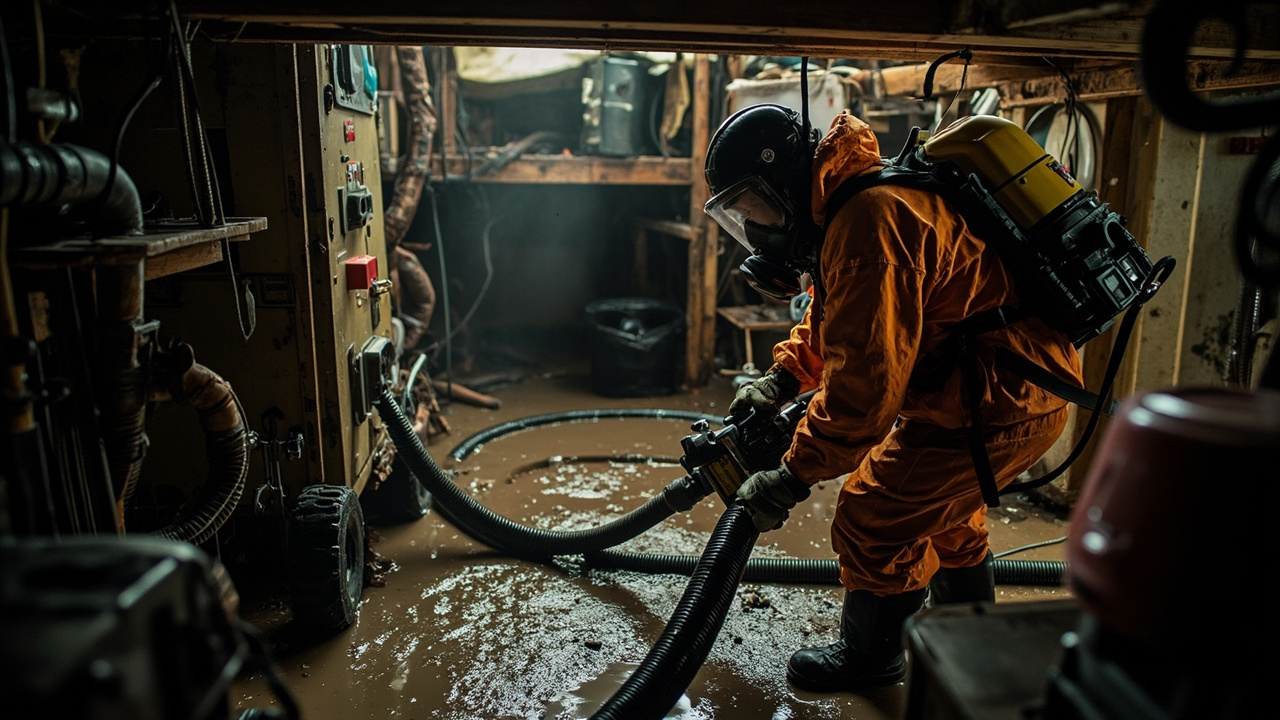
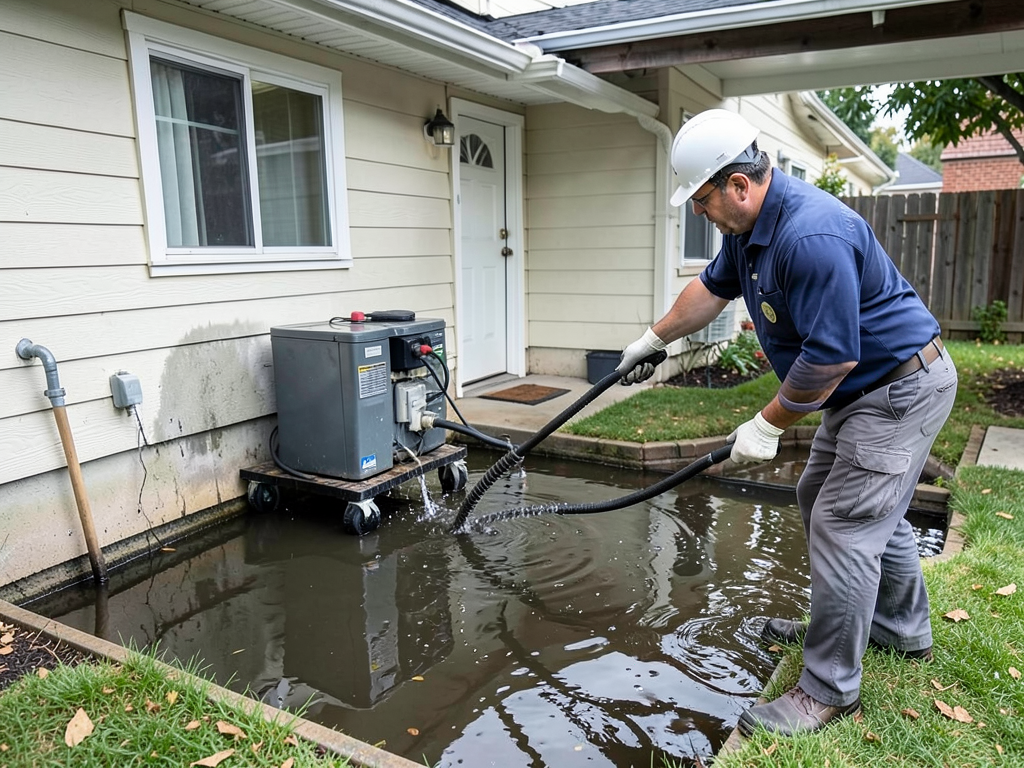
Raw sewage remediation follows strict containment and decontamination protocols. Our technicians arrive equipped with truck-mounted extraction units that remove thousands of gallons per hour. We do not use standard water extractors for sewage work. The equipment must handle solid waste, toilet paper, and debris without clogging. High-volume pumps clear standing water fast, minimizing the time contaminants contact building materials.

After extraction, we remove unsalvageable materials. Drywall that absorbed sewage gets cut away and disposed of following biohazard protocols. Carpet and padding soaked in black water cannot be saved. We bag and remove contaminated materials before disinfection begins. This prevents cross-contamination during the cleaning phase.

Next comes antimicrobial treatment. We apply EPA-registered disinfectants that kill sewage-borne pathogens on contact. Every surface that contacted raw sewage receives multiple applications. Subfloors get treated before new materials go down. We fog enclosed spaces to reach areas you cannot see. The goal is complete pathogen elimination, not just surface cleaning.

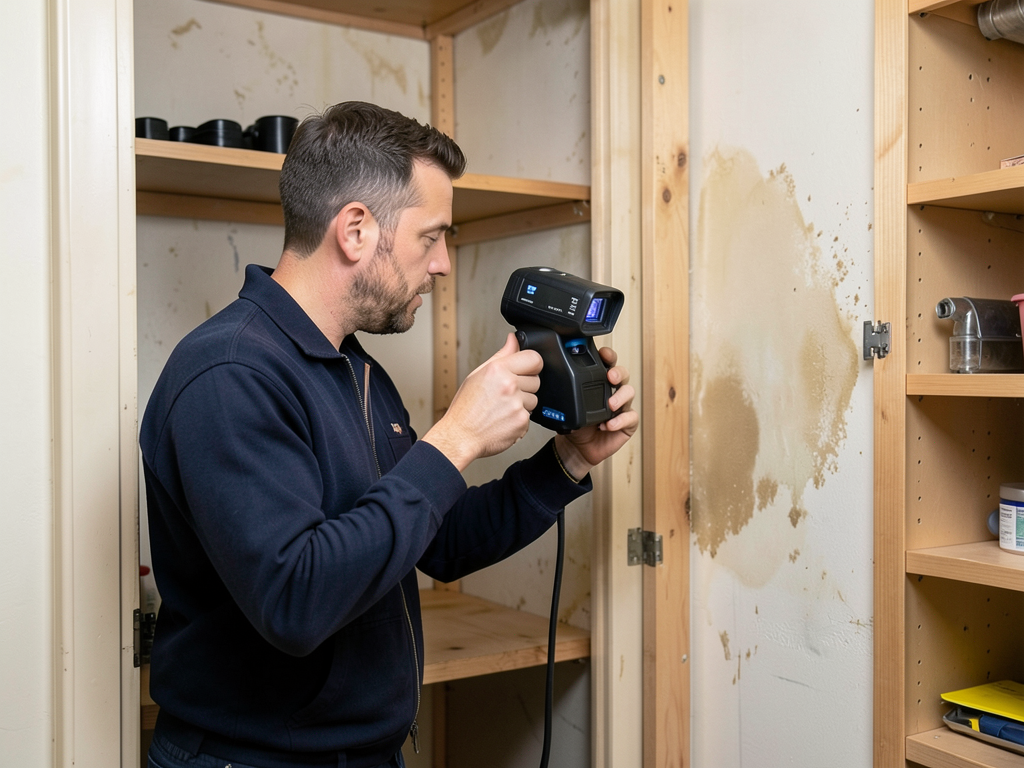
Drying comes last but matters most for preventing secondary damage. We deploy commercial dehumidifiers and air movers to drop moisture levels below 15 percent in affected materials. Thermal imaging cameras confirm drying completion. We monitor daily until moisture readings match unaffected areas. This prevents mold growth and structural rot.

Insurance companies require documentation at every phase. We photograph damage before cleanup starts, log moisture readings throughout the process, and provide detailed scope reports. This documentation protects you during the claims process and proves proper remediation if you sell the property later.

What Happens When You Call for Sewage Extraction

Emergency Sewage Cleanup in San Francisco – Fast Response Stops Contamination in Under 60 Minutes
01

Immediate Dispatch and Containment

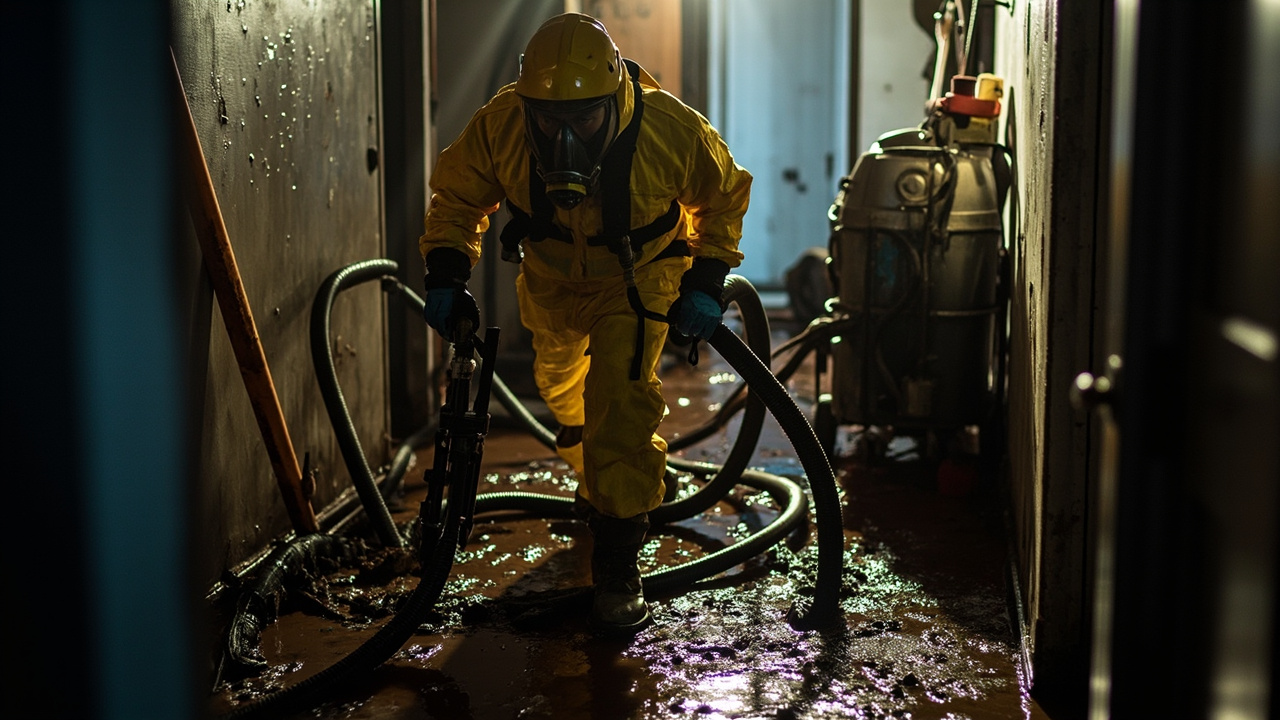
Your call triggers immediate crew dispatch. We arrive with containment barriers to isolate the affected area and prevent sewage from spreading to clean zones. Technicians wear full PPE (personal protective equipment) including respirators, gloves, and fluid-resistant suits. We assess the source of the backup, shut off water if needed, and begin extraction within minutes of arrival. Speed matters because every hour increases contamination spread and material damage.
02

Complete Sewage Removal

Truck-mounted pumps extract all standing sewage and contaminated water. We remove debris, solid waste, and saturated contents. Porous materials that cannot be disinfected get bagged for proper disposal. Our extraction process clears the space down to bare surfaces, allowing proper disinfection. We use moisture meters to check wall cavities and subfloors for hidden saturation. Any material with elevated moisture readings gets addressed before we move to the next phase.
03

Disinfection and Drying

After extraction, antimicrobial agents treat every surface that contacted sewage. We apply hospital-grade disinfectants multiple times to ensure pathogen elimination. Commercial drying equipment then runs continuously until moisture levels return to normal. Air scrubbers with HEPA filtration remove airborne contaminants and odors. We monitor drying progress daily with thermal imaging and moisture meters. You get a fully disinfected, dry space ready for reconstruction, plus documentation for your insurance claim and peace of mind.

Why San Francisco Property Owners Choose United Water Restoration

Sewage emergencies require immediate expertise. You cannot wait hours for a crew to arrive or days for equipment to show up. United Water Damage Restoration Los Angeles maintains rapid response capability specifically for urgent sewer water cleanup across the Bay Area. Our technicians train continuously in pathogen remediation and follow IICRC S500 standards for Category 3 water damage. This is not entry-level work. Sewage cleanup demands specialized knowledge that protects both occupants and restoration workers.

San Francisco's building stock adds complexity most companies miss. Victorian homes with crawl spaces require different remediation approaches than modern concrete slab construction. Older properties often have hidden sewage damage in wall cavities and under original hardwood floors. Our crews understand how sewage migrates through balloon framing and plaster walls common in pre-1940s buildings throughout Noe Valley, Pacific Heights, and the Castro.

We work directly with your insurance adjuster to document damage and justify scope. Most policies cover sudden sewage backups but exclude maintenance-related issues. Proper documentation determines whether you face a covered loss or an expensive out-of-pocket repair. We photograph everything, take moisture readings at multiple stages, and provide detailed reports that satisfy insurance requirements. This advocacy saves you thousands in disputed claims.

Local sewage backup cleanup also means understanding San Francisco Department of Public Health reporting requirements. Certain sewage incidents require notification and inspection before reconstruction begins. We handle this coordination, ensuring your remediation meets all city codes and health department standards. You get a legally compliant cleanup that protects your property value and eliminates liability concerns if you rent or sell later.

What to Expect During Emergency Sewage Response

Response Time and Availability

We answer calls 24 hours a day, every day of the year. Sewage backups do not follow a schedule, and neither do we. Most emergency sewage removal teams arrive within 60 minutes of your call in San Francisco proper. Response time increases slightly for outer neighborhoods like the Excelsior or Bayview, but we still dispatch immediately. You get a specific arrival window when you call, not a vague same-day promise. Our trucks stay stocked with extraction equipment, antimicrobial solutions, and PPE so technicians can start work the moment they arrive. No waiting for supplies or secondary trips.

Initial Assessment and Safety Protocols

Before extraction begins, technicians assess the contamination source and extent. We identify whether the backup originated from a toilet overflow, main line blockage, or sewer system failure. This determines the cleanup scope and helps prevent recurrence. Safety protocols get established immediately. We isolate the affected area, shut down HVAC systems to prevent airborne contamination spread, and establish decontamination zones. You receive a verbal walkthrough of what we found and what comes next. No surprises or hidden scope expansion. The initial assessment takes 15 to 30 minutes and results in a clear action plan before equipment gets deployed.

Cleanup Results and Final Verification

Sewage cleanup is complete when contamination is eliminated and moisture levels return to normal. We verify this with calibrated meters and thermal imaging, not guesswork. You get a dry, disinfected space with no sewage odor. All contaminated materials have been removed and disposed of properly. Air quality testing is available if you want third-party verification that pathogens have been eliminated. We provide before and after photos, moisture logs, and a detailed scope report documenting every action taken. This documentation proves proper remediation if you need to file an insurance claim or disclose the incident during a property sale.

Follow-Up and Reconstruction Coordination

After disinfection and drying finish, reconstruction begins. We coordinate with licensed contractors to rebuild removed drywall, replace flooring, and restore your property to pre-loss condition. You do not need to hire separate companies or manage multiple schedules. We handle contractor coordination as part of the sewage remediation process. If issues arise during reconstruction, like discovering additional hidden damage, we address them immediately rather than stopping work. Follow-up moisture checks happen at 30 and 60 days post-remediation to confirm no hidden moisture remains. This catches potential mold growth early and protects your long-term investment.

Frequently Asked Questions

You Have Questions,
We Have Answers

What is considered a sewer emergency? +

A sewer emergency is raw sewage backing up into your home through toilets, drains, or fixtures. This includes black water flooding, overflowing toilets that will not stop, or sewage erupting from basement drains. In San Francisco, aging cast iron lateral lines and tree root intrusion often cause sudden failures. This is a health crisis. Category 3 contaminated water carries bacteria, viruses, and pathogens. You need immediate professional extraction and disinfection. Do not wait. Sewage exposure increases illness risk every hour. Call a 24/7 restoration team now to protect your family and property.

How much does sewage backup cleanup cost? +

Sewage cleanup costs vary based on contamination extent, affected square footage, and structural damage. Small bathroom backups may start lower, while flooded basements or multi-room contamination cost significantly more. San Francisco properties face higher labor and disposal costs due to city regulations and tight site access. Insurance often covers sudden pipe failures but excludes maintenance neglect. Professionals must extract waste, remove contaminated materials, disinfect all surfaces, and dry the structure. Delays increase costs as sewage destroys flooring, drywall, and personal belongings. Acting fast limits damage and expense. Get a free inspection immediately.

Does insurance cover sewage cleanup? +

Insurance typically covers sewage backups only if you purchased optional sewer backup endorsement coverage. Standard homeowners policies exclude sewer and drain backups. Review your policy declarations page now. In San Francisco, aging sewer laterals and combined storm systems increase backup risk during heavy rain. If you have backup coverage, most policies reimburse cleanup, damaged materials, and temporary housing. Document everything with photos before cleanup begins. File claims immediately. Insurers require fast mitigation to prevent mold. Your restoration company should work directly with adjusters to streamline the process and maximize your payout.

Is sewage backup an emergency? +

Yes. Sewage backup is an absolute emergency requiring immediate professional response. Raw sewage contains E. coli, salmonella, hepatitis, and parasites. Exposure causes severe illness, especially in children and elderly residents. In San Francisco homes, sewage quickly seeps into wood subfloors, soaks drywall, and spreads bacteria throughout HVAC systems. You have hours, not days, before permanent contamination and mold growth. Do not touch sewage or attempt DIY cleanup. Professionals arrive with protective gear, hospital-grade disinfectants, and proper waste disposal permits. Call a certified restoration team now. Every minute counts for your health and property value.

How much does it cost to clear a blockage? +

Clearing a simple drain blockage costs far less than emergency sewage extraction. A plumber may charge modest fees for snaking or hydro-jetting a clogged line. However, if the blockage caused sewage backup into your home, you need both plumbing repair and contamination cleanup. San Francisco properties with older clay or cast iron laterals often face root intrusion requiring line replacement. That dramatically increases cost. The real expense is not the blockage removal. It is the Category 3 water damage cleanup, material removal, disinfection, and structural drying afterward. Prevent backups with annual line inspections.

Can you get sick from breathing in backed up sewage? +

Yes. Breathing sewage fumes causes serious illness. Raw sewage releases hydrogen sulfide, ammonia, and methane gases that irritate lungs and airways immediately. You also inhale aerosolized bacteria and viruses that cause gastrointestinal disease, respiratory infections, and hepatitis A. In enclosed San Francisco homes with poor ventilation, toxic gas concentrations rise fast. Children, elderly, and immunocompromised people face highest risk. Symptoms include nausea, headaches, dizziness, and breathing difficulty. Do not enter sewage-contaminated areas without respiratory protection. Professionals use HEPA filtration and negative air pressure to remove airborne pathogens safely. Evacuate and call experts immediately.

Are blocked drains covered by insurance? +

Blocked drains are usually not covered by standard homeowners insurance. Insurers view clogged pipes as a maintenance issue, not a sudden accident. However, if a blocked drain causes sewage backup into your home and you purchased sewer backup endorsement coverage, the resulting water damage may be covered. San Francisco homeowners should add this rider due to aging infrastructure and tree root issues. Insurance will not pay to clear the blockage itself or repair your sewer lateral. They cover interior cleanup and damaged belongings only. Regular drain maintenance prevents expensive damage and claim denials.

Why is my sewer bill 200 dollars? +

Your sewer bill reflects wastewater treatment charges, not emergency cleanup costs. San Francisco Public Utilities Commission bills are unrelated to sewage backup incidents inside your home. High sewer bills result from water usage calculation, service tiers, or infrastructure fees. If you experienced a sewage backup, you face separate restoration costs for cleaning contaminated spaces. Do not confuse municipal sewer service fees with private property cleanup expenses. Insurance sewer backup coverage addresses interior damage, not utility bills. If your bill seems wrong, contact SFPUC directly. For sewage contamination in your home, call a certified restoration company immediately.

Can I clean my sewer line myself? +

No. Do not attempt sewage cleanup yourself. Raw sewage is Category 3 black water containing deadly pathogens. You lack proper personal protective equipment, hospital-grade disinfectants, and safe waste disposal methods. San Francisco regulations require licensed waste hauling and specific disposal sites. DIY cleanup spreads contamination, exposes your family to disease, and voids insurance claims. Professionals use antimicrobial treatments, HEPA air scrubbers, and structural drying equipment you cannot rent. They document damage for insurance and follow IICRC S500 standards. Sewage cleanup is dangerous specialized work. Protect your health and property value. Call certified experts now.

Does homeowners insurance typically cover sewer lines? +

Standard homeowners insurance does not cover sewer line repair or replacement. Your policy typically covers only sudden interior water damage from covered perils. The sewer lateral from your home to the city main is your responsibility. In San Francisco, aging clay and cast iron laterals often fail due to root intrusion or corrosion. Repair costs fall on homeowners. However, if a failed line causes sewage backup into your home and you purchased optional sewer backup endorsement coverage, interior cleanup and damaged contents may be covered. Add this rider now. Annual line inspections prevent expensive failures.

Why San Francisco's Combined Sewer System Creates Sewage Backup Risks

San Francisco operates one of the last combined sewer systems in California. This infrastructure routes both sewage and stormwater through the same underground pipes. During heavy rain, the system exceeds capacity and forces sewage back up through floor drains and toilets in low-lying areas. The Richmond, Sunset, Mission Bay, and parts of SoMa face elevated risk because drainage flows toward the ocean and bay. When the system backs up, raw sewage enters homes through basement drains and ground-floor bathrooms. Properties built before 1950 often lack backflow preventers, making emergency sewage removal a recurring need during winter storm season. Understanding this infrastructure risk explains why rapid response matters more in San Francisco than in cities with separated sewer systems.

United Water Damage Restoration Los Angeles works regularly with San Francisco property owners dealing with sewer lateral failures and city main backups. We understand the difference between private lateral responsibility and city system issues, which determines who pays for repairs. Our documentation helps you pursue reimbursement from the San Francisco Public Utilities Commission when city infrastructure causes your backup. We also coordinate with local plumbers who specialize in backflow preventer installation, helping you prevent future incidents. This local knowledge protects you financially and reduces the chance of repeat sewage emergencies. When you choose a restoration company familiar with San Francisco's unique sewer challenges, you get advocacy and prevention planning, not just cleanup.
Water Damage Restoration Services in The San Francisco Area

Our commitment to rapid response means we cover the entire San Francisco area and surrounding communities. View the map below to visualize our primary service region, which includes key neighborhoods and business districts. Whether you are located in the Financial District, the Mission, or out toward the Sunset, you can trust our 24/7 team to reach you quickly. We proudly serve both residential and commercial clients across the entire map, guaranteeing a fast and effective mitigation service the moment you need us.

Address:
Summit Water Damage Restoration San Francisco, 1390 Market St, San Francisco, CA, 94102

Additional Services We Offer

Our news updates

Latest Articles & News from The Blogs

What to Do if Your New Backyard ADU Floods During a Heavy San Francisco Rain A sudden downpour in San…

What to Do if Your New Backyard ADU Floods During a Heavy San Francisco Rain

What to Do if Your New Backyard ADU Floods During a Heavy San Francisco Rain A sudden downpour in San…

Selecting a Restoration Partner for Vulnerable Residents in a Richmond District Care Home

Specialized Senior Living Water Restoration Services in San Francisco Water damage in a Richmond District care home requires more than…

Why Your Noe Valley High Efficiency Boiler Could Be Slowly Flooding Your Utility Closet

Why Your Noe Valley High Efficiency Boiler Could Be Slowly Flooding Your Utility Closet If you live in a Noe…

Contact Us

Raw sewage contamination spreads fast. Every minute increases health risks and property damage. Call United Water Damage Restoration Los Angeles now at (415) 449-6555. Our emergency sewage cleanup crews are standing by 24/7 with the equipment and expertise to eliminate contamination and restore safety to your San Francisco property today.