menu

Mold Remediation & Removal in San Francisco – Expert Abatement That Stops the Spread Fast

Summit Water Damage Restoration San Francisco delivers certified mold remediation and removal using containment protocols designed for the city's unique fog-driven humidity patterns, protecting your property and your health.

Slider Image 1
Slider Image 2
Slider Image 3
Slider Image 4
Slider Image 5
Slider Image 7
Slider Image 8
Slider Image 9
Slider Image 10
Slider Image 11

Why San Francisco's Marine Climate Makes Mold a Persistent Threat

San Francisco's dense fog and coastal humidity create the perfect conditions for mold colonization. When moisture gets trapped inside walls, attics, or crawl spaces, spores multiply rapidly. The city's older Victorian and Edwardian homes, many built before modern vapor barriers existed, are especially vulnerable. Wood-frame construction and single-pane windows in neighborhoods like the Richmond and Sunset Districts compound the problem.

You might notice a musty odor, discoloration on drywall, or respiratory symptoms that worsen indoors. These are warning signs that mold is not just surface-level. The organism sends hyphae deep into porous materials like drywall, insulation, and subfloors. Surface cleaning with bleach does not kill the root structure. It requires professional mold abatement that addresses contamination at the source.

Left untreated, mold spreads through HVAC systems, compromising indoor air quality across your entire property. It weakens structural integrity and triggers chronic health issues, especially in children and those with asthma. Mold cleanup services must follow EPA and IICRC standards to prevent cross-contamination during removal. This is not a DIY project. It requires containment barriers, negative air pressure, HEPA filtration, and proper disposal of affected materials. If you see visible growth or smell mold, the problem is already larger than what you can see.

Why San Francisco's Marine Climate Makes Mold a Persistent Threat
How Professional Mold Mitigation Eliminates the Problem at Its Source

How Professional Mold Mitigation Eliminates the Problem at Its Source

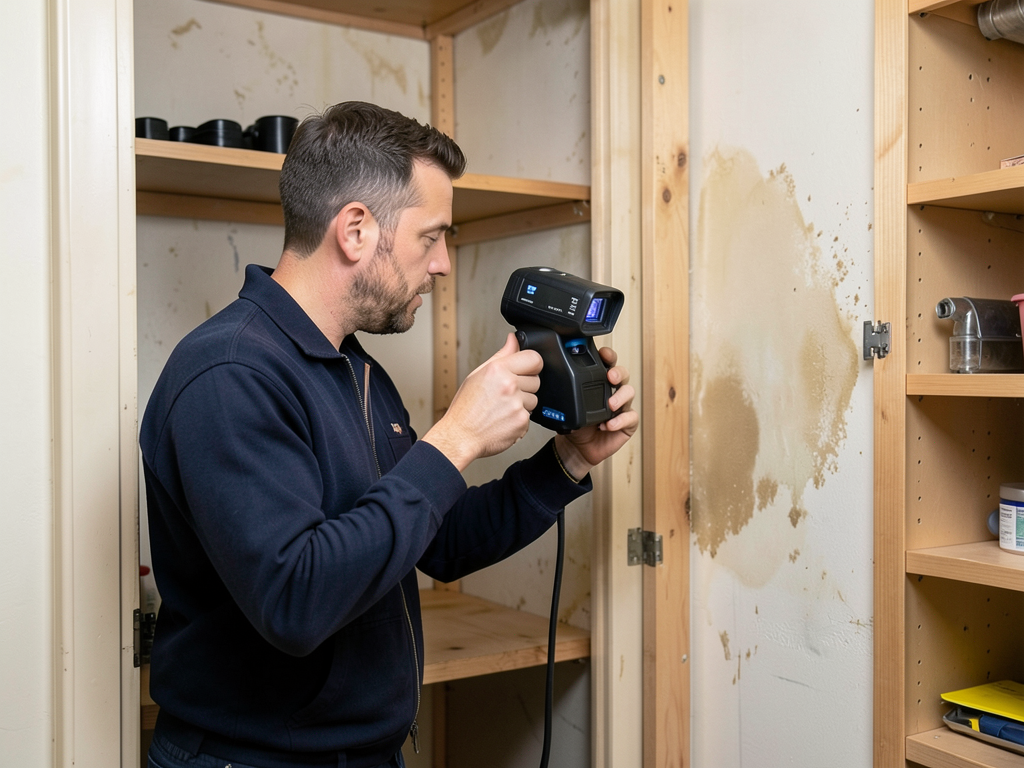
Effective mold remediation starts with identifying the moisture source. We use thermal imaging cameras and moisture meters to map water intrusion behind walls and under flooring. This is critical in San Francisco, where slow leaks from old galvanized pipes or condensation from foggy microclimates often go unnoticed for months.

Once we locate the source, we establish containment. This involves sealing off affected areas with polyethylene sheeting and creating negative air pressure using HEPA-filtered air scrubbers. This prevents spores from spreading to clean areas during demolition. We remove contaminated materials like drywall, insulation, and carpet padding, bagging them in six-mil poly before transport. Any salvageable materials undergo HEPA vacuuming and antimicrobial treatment.

Next, we apply EPA-registered fungicides to all affected surfaces. This includes joists, studs, and subfloors. We do not rely on surface sprays. We use fogging equipment to penetrate cracks and voids where mold hides. After treatment, we conduct air quality testing to verify spore counts are back to normal levels. This is non-negotiable for professional mold decontamination.

Finally, we address the underlying moisture problem. This might involve repairing leaks, improving ventilation, or installing vapor barriers in crawl spaces. Without fixing the root cause, mold will return. Our approach integrates water damage restoration with mold mitigation to ensure long-term results. We document every phase with photos and lab reports for insurance claims and peace of mind.

What Happens During Your Mold Removal Service

Mold Remediation & Removal in San Francisco – Expert Abatement That Stops the Spread Fast
01

Inspection and Testing

We start with a visual inspection and moisture mapping using infrared cameras. This identifies hidden water sources behind walls and ceilings. We collect air and surface samples for lab analysis to determine mold species and contamination levels. You receive a detailed scope of work before any demolition begins. This baseline testing is essential for tracking remediation success and satisfying insurance requirements.
02

Containment and Removal

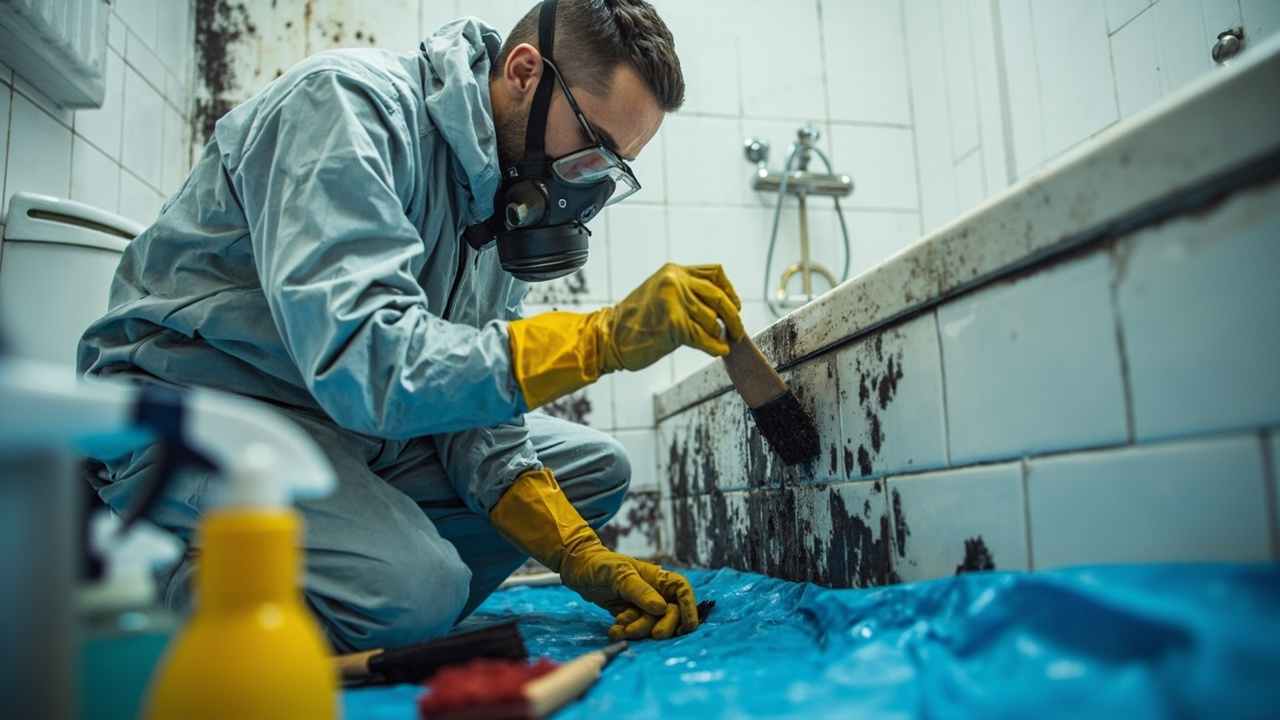
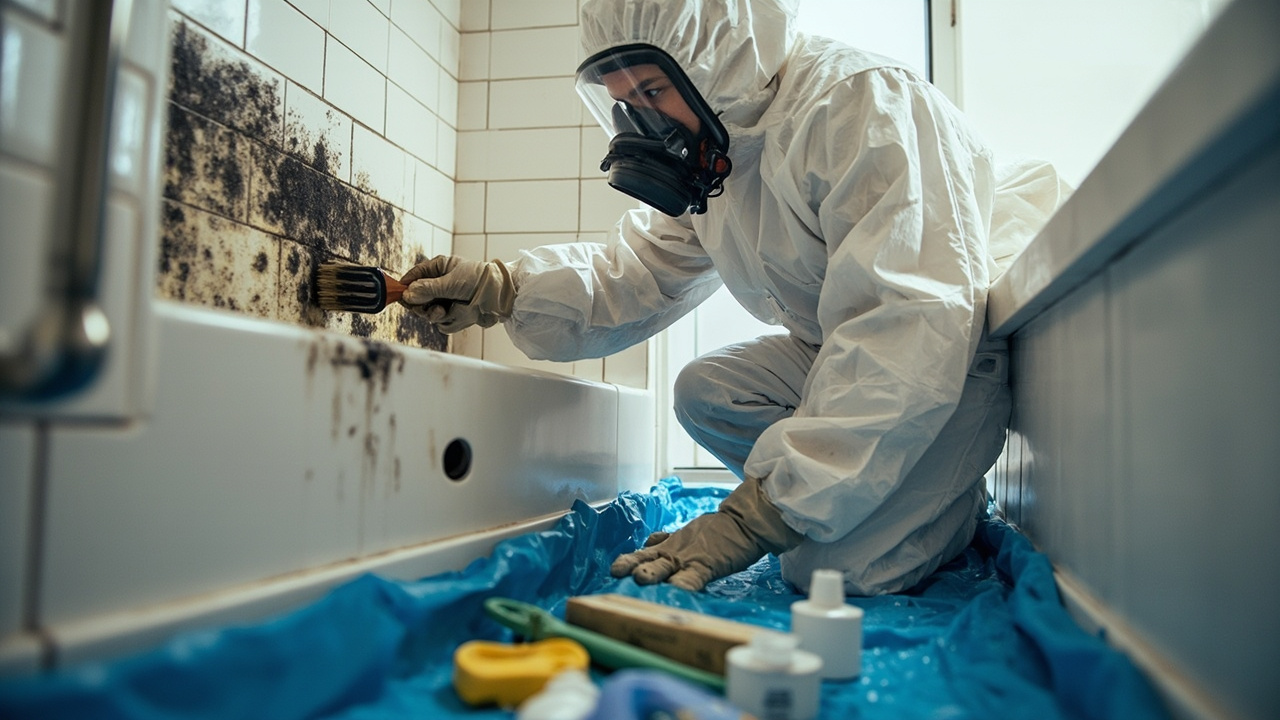
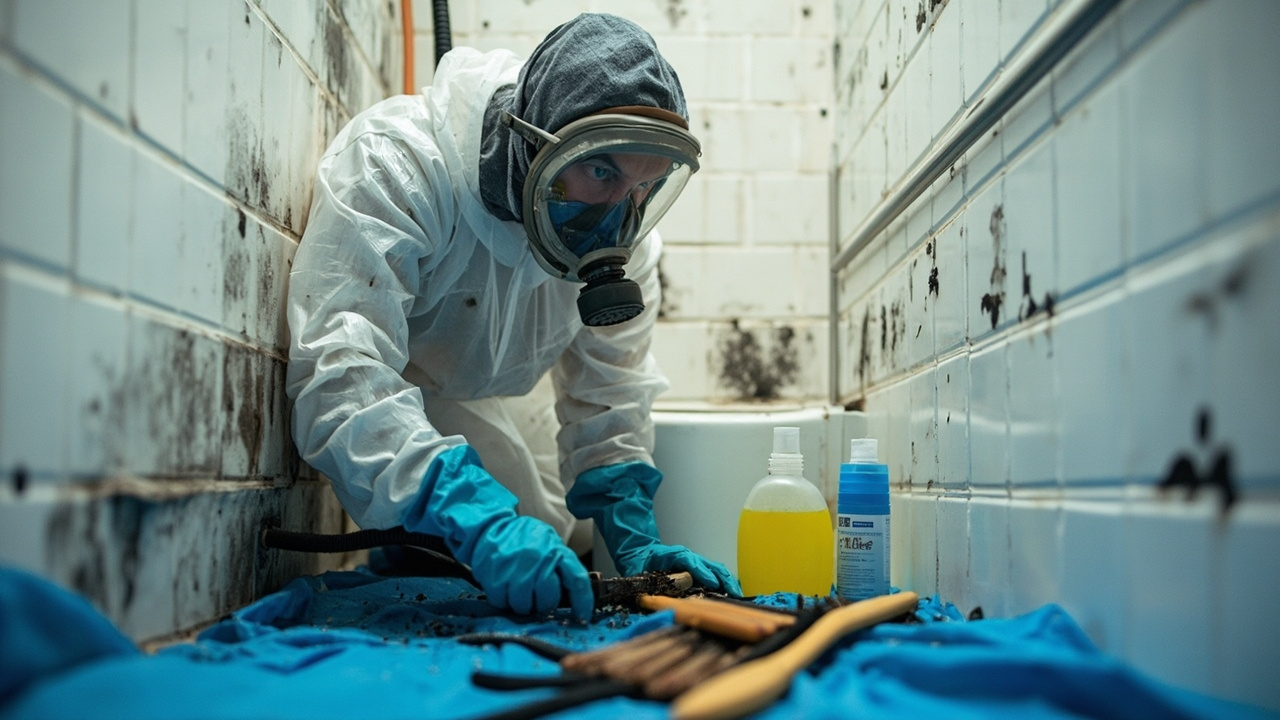
We seal off the work area with plastic barriers and establish negative air pressure to trap airborne spores. Technicians wear respirators and protective suits during demolition. Contaminated materials are removed in sealed bags and disposed of according to local regulations. All surfaces are HEPA vacuumed, then treated with antimicrobial solutions. Air scrubbers run continuously to filter spores from the environment during this phase.
03

Verification and Prevention

After cleaning, we conduct post-remediation air testing to verify spore levels are within acceptable limits. You receive lab reports and clearance documentation for your records. We repair or replace removed materials with mold-resistant products where appropriate. Finally, we address the moisture issue, whether it is fixing leaks, improving ventilation, or applying vapor barriers. This step prevents recurrence and protects your investment.

Why San Francisco Property Owners Trust Summit Water Damage Restoration

San Francisco's building stock is unique. Victorian and Edwardian homes have balloon framing and hidden voids that allow mold to spread vertically between floors. Modern condos in neighborhoods like SoMa and Mission Bay face different challenges, including poor ventilation in tightly sealed units and water intrusion from shared plumbing stacks. We have worked in all of these environments and understand the structural quirks that complicate mold remediation.

Our technicians are IICRC-certified in water damage restoration and applied microbial remediation. This dual expertise is critical because mold problems almost always start with water intrusion. We do not just remove mold. We fix the conditions that allowed it to grow. That means coordinating with plumbers to repair leaks, roofers to address drainage issues, and HVAC contractors to improve airflow. We manage the entire restoration process so you do not have to juggle multiple vendors.

We also understand San Francisco's housing regulations. Many properties are rent-controlled or subject to tenant protection laws. If you are a landlord dealing with mold complaints, you face strict timelines and habitability requirements under California Civil Code. We provide detailed documentation and fast turnaround to keep you compliant. For homeowners, we work directly with insurance adjusters to ensure your claim is properly documented. We know what carriers look for and how to present findings to maximize coverage.

Our local presence matters. We respond quickly because we are based in the city, not dispatched from the East Bay or South Bay. We know which neighborhoods flood during heavy rains, which buildings have chronic plumbing issues, and where fog-driven condensation is worst. That local knowledge translates into faster, more accurate remediation.

What You Can Expect From Our Mold Remediation Process

Fast Response and Scheduling

We offer same-day inspections for urgent cases and typically begin containment within 24 to 48 hours of initial assessment. Mold spreads quickly, especially in damp conditions, so timing matters. Our crews are equipped to start work immediately after you approve the scope. For commercial properties, we can work nights and weekends to minimize business disruption. Residential projects are scheduled around your availability, and we communicate timelines clearly so you know what to expect at each phase. If testing reveals a larger contamination area than initially visible, we update the scope and timeline before proceeding.

Thorough Assessment and Documentation

Our initial inspection includes thermal imaging, moisture readings, and air quality testing. We document findings with photos and written reports. You receive a detailed estimate that breaks down labor, materials, and testing costs. If insurance is involved, we provide the documentation adjusters need to process your claim, including moisture maps and lab results. We explain what we find in plain language, so you understand the scope of contamination and the remediation plan. This transparency helps you make informed decisions and sets realistic expectations for the project timeline and outcome.

Complete Restoration and Clean Air

The project is not finished until post-remediation testing confirms spore levels are safe. You receive lab reports showing before and after air quality results. We rebuild or replace removed materials using mold-resistant products where appropriate, such as green board in bathrooms or mold-resistant drywall in basements. Surfaces are left clean and ready for repainting or finishing. If structural repairs are needed, we coordinate with licensed contractors to restore your property to pre-loss condition. You get a turnkey solution, not a half-finished project.

Prevention Guidance and Follow-Up

After remediation, we provide recommendations to prevent future mold growth. This might include improving bathroom ventilation, sealing crawl space vents, or upgrading dehumidification systems. We offer follow-up inspections to ensure the moisture problem is resolved and mold has not returned. If you experience any issues within the first year, we will reassess the area at no charge to verify the remediation was successful. Our goal is long-term protection, not just a temporary fix. You also receive maintenance tips specific to your property type and San Francisco's climate.

Frequently Asked Questions

You Have Questions,
We Have Answers

How much does it cost to remove mold? +

Mold removal cost in San Francisco ranges widely based on contamination extent and location. Small isolated areas under 10 square feet may cost less, while extensive growth behind walls or in crawl spaces increases price significantly. San Francisco's older Victorian and Edwardian homes often require more invasive work due to hidden moisture issues. Cost factors include square footage affected, containment needs, air filtration equipment, disposal fees, and necessary repairs afterward. Bathroom mold differs from attic contamination in complexity. Get a professional inspection first to understand the true scope before budgeting.

What is the difference between mold removal and mold remediation? +

Mold removal means physically cleaning visible mold from surfaces. Mold remediation is a comprehensive process that addresses the root cause. Remediation includes containment to prevent spore spread, air filtration, removing contaminated materials, treating affected areas with antimicrobial solutions, and fixing the moisture problem that caused growth. In San Francisco's fog-prone climate, surface cleaning alone fails because humidity returns and mold regrows. Proper remediation identifies why moisture accumulated, repairs leaks or ventilation issues, and restores indoor air quality. Removal is a step within remediation, not a complete solution.

How much does full mold remediation cost? +

Full mold remediation cost in San Francisco depends on contamination severity, structural damage, and accessibility. A whole-house project involving wall removal, HVAC cleaning, and moisture control systems costs more than isolated bathroom remediation. San Francisco's multi-story homes and older plumbing increase labor complexity. Professional remediation includes inspection, containment setup, HEPA filtration, material removal, antimicrobial treatment, dehumidification, and post-testing. Insurance may cover remediation if a covered peril like sudden pipe burst caused the mold. Always get multiple detailed estimates that break down labor, equipment, disposal, and reconstruction separately.

Is professional mold removal worth it? +

Yes. Professional mold remediation is worth it when contamination exceeds 10 square feet or affects HVAC systems. DIY cleaning spreads spores throughout your home, worsening air quality and health risks. Professionals use containment barriers, negative air pressure, and HEPA filtration to prevent cross-contamination. In San Francisco's dense neighborhoods, improper handling can affect adjacent units in multi-family buildings. Professionals identify hidden moisture sources your inspection missed. They document the process for insurance claims and future home sales. Attempting remediation yourself often costs more long-term when mold returns or health issues develop.

What kills mold permanently? +

Nothing kills mold permanently without fixing the moisture source. Mold needs water to survive. Effective treatment combines antimicrobial solutions like quaternary ammonium compounds or hydrogen peroxide with complete moisture elimination. In San Francisco, this means repairing roof leaks, improving bathroom ventilation, fixing foundation drainage, or addressing foggy microclimates that trap humidity. Professionals use EPA-registered fungicides on affected materials and encapsulants on porous surfaces. Dead mold still causes allergic reactions, so removal is necessary. Dehumidification and proper airflow prevent regrowth. Bleach kills surface mold but does not penetrate porous materials.

What are signs of mold exposure? +

Mold exposure signs include persistent coughing, sneezing, watery eyes, skin rashes, headaches, and respiratory irritation. You may notice worsening asthma symptoms or sinus congestion that improves when you leave home. Some people experience fatigue, difficulty concentrating, or throat irritation. San Francisco's damp climate can mask mold problems as residents attribute symptoms to fog or seasonal allergies. Musty odors indicate hidden growth even without visible mold. Immunocompromised individuals, infants, and elderly residents face heightened risks. If multiple household members develop unexplained respiratory issues simultaneously, inspect for concealed mold in crawl spaces, attics, or behind walls.

Do you have to throw everything away with mold in the house after? +

No. You do not need to discard everything after finding mold. Hard, non-porous items like glass, metal, and plastic clean easily with detergent. Clothing and fabrics usually survive hot water washing or dry cleaning. Porous materials like drywall, insulation, ceiling tiles, and carpeting with heavy contamination require disposal because mold penetrates deeply. Books, papers, and upholstered furniture need professional assessment. San Francisco's high cost of living makes salvaging belongings economically important. Professionals test items and use specialized cleaning methods. Contents storage during remediation protects unaffected belongings from cross-contamination during the removal process.

Can I remediate mold myself? +

You can handle small mold patches under 10 square feet on non-porous surfaces yourself using detergent and water. Wear an N95 mask, gloves, and goggles. However, DIY remediation fails when mold hides behind walls, affects HVAC systems, or covers large areas. San Francisco homes built before 1980 may contain asbestos in affected materials, requiring licensed abatement. Without proper containment, cleaning spreads spores to unaffected rooms. You cannot accurately test air quality or identify moisture sources without specialized equipment. If health symptoms exist or mold returns after cleaning, hire professionals. Insurance may deny claims if improper DIY work worsens damage.

Is it hard to sell a house that has had mold remediation? +

Properly documented mold remediation should not significantly harm resale value in San Francisco's competitive market. California disclosure laws require sellers to reveal past mold issues. Buyers appreciate transparency and professional remediation more than concealed problems discovered during inspection. Provide remediation contracts, lab clearance reports, and proof the moisture source was fixed. San Francisco buyers expect older homes to have past water issues given the housing stock age. Problems arise when remediation was incomplete, done DIY without documentation, or moisture issues remain unresolved. A pre-listing inspection showing clean air quality tests reassures buyers and can justify your asking price.

Does homeowners insurance cover mold? +

Homeowners insurance covers mold remediation only if a covered peril caused the growth. Sudden pipe bursts, roof damage from storms, or appliance malfunctions that create immediate water damage typically qualify. San Francisco policies exclude mold from long-term neglect, maintenance issues, flooding, or gradual leaks you ignored. Coverage limits for mold often cap at a specific amount regardless of actual damage. Review your policy declarations page for mold exclusions and sublimits. File claims immediately when water damage occurs. Delayed reporting lets insurers deny mold claims as maintenance problems. Consider separate water backup or mold endorsements if your home faces elevated risk.

How San Francisco's Fog Belt Neighborhoods Drive Hidden Mold Growth

The Richmond and Sunset Districts experience persistent fog that keeps humidity levels high for months at a time. This moisture condenses inside walls and attics, especially in older homes without proper vapor barriers. Many properties in these neighborhoods have uninsulated crawl spaces where damp air from the Pacific Ocean pools and creates ideal conditions for mold colonization. Professional mold removal in these areas requires addressing both the visible contamination and the underlying condensation issues. Simply treating the surface will not stop the problem from recurring. Proper mold decontamination in fog-prone areas includes improving ventilation, sealing crawl spaces, and installing vapor barriers to block moisture intrusion.

San Francisco's housing density and shared-wall construction mean mold problems can migrate between units. If your neighbor has a slow plumbing leak, you might discover mold in your bathroom or kitchen months later. This is especially common in older apartment buildings and condos in the Mission, Hayes Valley, and Nob Hill. Local building codes require landlords to address habitability complaints within strict timelines, and mold qualifies as a serious habitability issue under California law. Working with a local mold abatement company that understands these regulations protects both property owners and tenants. We provide the documentation and speed needed to stay compliant.
Water Damage Restoration Services in The San Francisco Area

Our commitment to rapid response means we cover the entire San Francisco area and surrounding communities. View the map below to visualize our primary service region, which includes key neighborhoods and business districts. Whether you are located in the Financial District, the Mission, or out toward the Sunset, you can trust our 24/7 team to reach you quickly. We proudly serve both residential and commercial clients across the entire map, guaranteeing a fast and effective mitigation service the moment you need us.

Address:
Summit Water Damage Restoration San Francisco, 1390 Market St, San Francisco, CA, 94102

Additional Services We Offer

Our news updates

Latest Articles & News from The Blogs

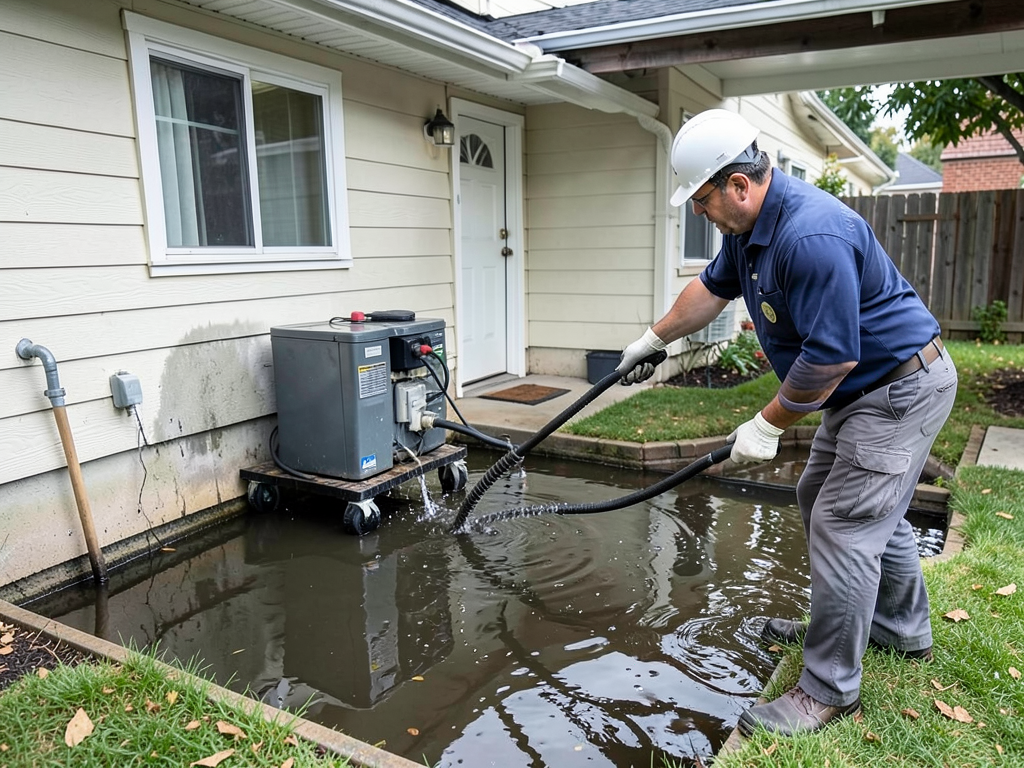
What to Do if Your New Backyard ADU Floods During a Heavy San Francisco Rain A sudden downpour in San…

What to Do if Your New Backyard ADU Floods During a Heavy San Francisco Rain

What to Do if Your New Backyard ADU Floods During a Heavy San Francisco Rain A sudden downpour in San…

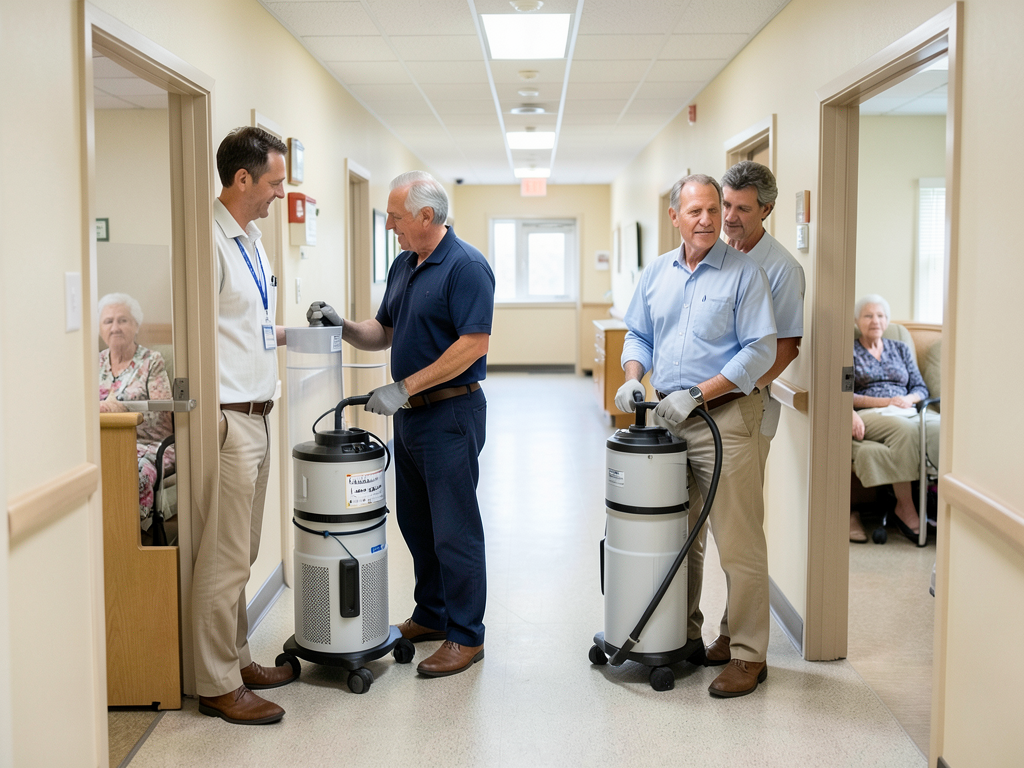
Selecting a Restoration Partner for Vulnerable Residents in a Richmond District Care Home

Specialized Senior Living Water Restoration Services in San Francisco Water damage in a Richmond District care home requires more than…

Why Your Noe Valley High Efficiency Boiler Could Be Slowly Flooding Your Utility Closet

Why Your Noe Valley High Efficiency Boiler Could Be Slowly Flooding Your Utility Closet If you live in a Noe…

Contact Us

Do not let mold damage your property or your health. Call Summit Water Damage Restoration San Francisco at (415) 449-6555 for a same-day inspection. We provide certified mold removal with lab-verified results and transparent pricing. Protect your home or business now.