


Fremont sits on expansive clay soil that shifts with seasonal moisture changes. When winter storms saturate the ground, hydrostatic pressure drives water through foundation cracks and basement walls. Mission San Jose, Niles, and Centerville neighborhoods see frequent groundwater intrusion during heavy rain events. The city's mix of older homes near Alameda Creek and newer construction in Ardenwood face different challenges. Older properties have aging galvanized pipes prone to pinhole leaks, while newer builds may have improperly sealed foundation walls.
Bay Area humidity stays high year-round, slowing natural evaporation. Water trapped in wall cavities feeds mold growth within 48 hours. Fremont's Mediterranean climate means residents run AC most of the year, creating temperature differentials that cause condensation inside ductwork and around windows. The combination of clay soil movement, aging infrastructure, and persistent humidity makes professional water extraction and drying critical. Standing water wicks up drywall, swells hardwood floors, and saturates insulation. Without industrial dehumidification, moisture lingers for weeks and destroys structural materials.
We've dried hundreds of Fremont properties from Warm Springs to Irvington, and we understand how water behaves in this environment. Our crews train on thermal imaging, moisture mapping, and IICRC water damage protocols. We don't guess where water went. We use infrared cameras to trace moisture paths through walls and subfloors, then place drying equipment based on actual readings.
Insurance companies trust our documentation. We photograph damage, log moisture levels daily, and write detailed scope reports that adjusters accept without pushback. You don't fight for coverage because we speak their language and provide the proof they need. We also coordinate directly with plumbers, electricians, and reconstruction teams so you're not managing five different contractors.
Our response time matters when water is spreading. We dispatch crews from our Bay Area location within 90 minutes of your call, even at 2 AM. We arrive with truck-mounted extractors that pull thousands of gallons per hour, not small shop vacs that take all day. Our industrial dehumidifiers and air movers create fast evaporation conditions that stop secondary damage.
We don't disappear after extraction. Our project managers visit your property daily to check moisture levels, reposition equipment, and adjust drying protocols based on progress. You get a dedicated contact who answers your questions and explains what's happening at each stage. We stay until materials reach dry standards, not when the calendar says we're done.

We dispatch crews to Fremont properties fast, arriving with truck-mounted extraction equipment and industrial drying systems. Our 24/7 availability means we stop water damage progression immediately, protecting your property value and reducing total restoration costs.

We document every phase with photos, moisture readings, and detailed reports that insurance adjusters accept without dispute. Our team communicates directly with your carrier, submits proper documentation, and fights for full coverage so you don't pay out of pocket.
Our crews hold Water Damage Restoration Technician certifications and follow Institute of Inspection Cleaning and Restoration Certification protocols. We use thermal imaging to find hidden moisture, place equipment based on psychrometric calculations, and dry structures to industry standards.
We know how Fremont's clay soil, aging pipe infrastructure, and Bay Area humidity affect properties. Our experience across Mission San Jose, Centerville, and Warm Springs neighborhoods means we anticipate complications and adapt drying strategies to local building characteristics.
Water damage restoration requires more than vacuuming up puddles. Successful recovery depends on fast water extraction, complete structural drying, and proper reconstruction. We handle every phase from emergency mitigation through final repairs so you work with one team instead of coordinating multiple contractors.
Our water removal services start with truck-mounted extractors that pull thousands of gallons per hour from carpets, padding, and subfloors. We then deploy commercial dehumidifiers and air movers positioned based on moisture meter readings. Our crews monitor drying progress daily, adjusting equipment placement as materials release trapped moisture. We don't stop until moisture content reaches acceptable levels for your flooring type and wall materials.
Water damage cleanup extends beyond visible areas. We remove wet insulation, cut contaminated drywall, and treat framing with antimicrobial solutions. Our thermal imaging cameras trace moisture paths through wall cavities and ceiling spaces where damage isn't obvious. This prevents mold growth in hidden areas that appear dry on the surface.
Water damage remediation includes controlled demolition, content cleaning, and reconstruction coordination. We work with your insurance adjuster to document all damage and secure approval for necessary repairs. Our project managers oversee the entire restoration process so your home returns to pre-loss condition.
When pipes burst or floods strike, immediate water extraction prevents catastrophic damage. Our emergency crews arrive with truck-mounted pumps and commercial extractors that remove standing water in hours, not days. We pull water from carpets, padding, hardwood floors, and subfloors before it spreads through walls. Fast extraction stops moisture migration and reduces drying time. We also perform emergency board-up, tarp roof leaks, and secure your property. Our goal is damage control within the first 24 hours.
Removing standing water is just the start. Structural drying eliminates moisture trapped in framing, insulation, and building materials. We place industrial dehumidifiers and high-velocity air movers based on psychrometric readings and material saturation levels. Our technicians monitor moisture content daily using penetrating meters and infrared cameras. We adjust equipment placement as drying progresses and don't remove systems until materials reach industry-standard moisture levels. Proper structural drying prevents mold growth, wood rot, and long-term structural damage.
Water damage often requires reconstruction after drying completes. Our restoration services include drywall replacement, flooring installation, cabinet repair, and painting. We handle insurance documentation, material sourcing, and project management so you don't coordinate multiple contractors. Our crews rebuild damaged areas to match existing finishes and materials. We also provide content cleaning, pack-out services, and storage coordination for salvageable belongings. You get a single point of contact from emergency extraction through final walkthrough.
Fremont's location in the East Bay creates specific water intrusion patterns. Properties near Alameda Creek and Lake Elizabeth face seasonal flooding risks during heavy winter storms. Homes in Mission San Jose and Warm Springs often deal with foundation seepage from high water tables and clay soil expansion. Older neighborhoods like Niles have aging cast iron drain lines that crack and leak inside wall cavities.
Bay Area construction practices also contribute to water problems. Many Fremont homes have post-tension slab foundations with embedded plumbing that's difficult to access when leaks develop. Stucco exteriors common throughout Centerville and Irvington can trap moisture behind walls when cracks form or flashing fails. HVAC systems running year-round create condensation in poorly insulated ductwork, leading to ceiling water stains and hidden mold growth.
The combination of Mediterranean climate humidity, expansive soil movement, and aging infrastructure means water finds multiple entry points. Homeowners often discover damage after it's spread through walls and floors. These common scenarios require professional assessment and fast mitigation.
Aging galvanized and copper pipes corrode and fail without warning, releasing hundreds of gallons into living spaces. Water flows under flooring, soaks insulation, and saturates drywall within minutes. Fast extraction and structural drying prevent permanent damage to framing and subfloors.
Failed supply hoses and clogged drain lines cause washing machines to flood laundry rooms and adjacent spaces. Water spreads quickly across tile, laminate, and hardwood floors. Without immediate extraction, moisture wicks up baseboards and soaks wall cavities, creating hidden mold growth behind finished surfaces.
Missing shingles, damaged flashing, and clogged gutters allow water into attic spaces during winter storms. Water travels along rafters, soaks insulation, and drips through ceilings. Roof leaks often go undetected until stains appear on drywall, by which time moisture has saturated framing and created conditions for mold.
Fremont's expansive clay soil pushes water through foundation cracks and basement walls during wet seasons. Groundwater seepage creates standing water in crawl spaces, saturates concrete, and damages stored belongings. Persistent foundation moisture requires extraction, structural drying, and often exterior drainage improvements to prevent recurrence.
Water emergencies are stressful. You're watching damage spread and wondering what happens next. Our process removes uncertainty. From your first call through final completion, you get clear communication about what we're doing, why it matters, and how long each phase takes.
We start with a detailed damage assessment using moisture meters and thermal imaging. You see exactly where water traveled and what materials are affected. Our project manager walks you through the mitigation plan, explains equipment placement, and answers your questions before work begins. You're not surprised by unexpected costs or scope changes.
Our daily check-ins keep you informed as drying progresses. We show you moisture readings, explain what we're monitoring, and adjust equipment based on real data. You understand why dehumidifiers run for days and when materials will reach acceptable moisture levels. We also handle insurance communication, submitting documentation and photos that support your claim.
When structural drying completes, we transition to reconstruction. Our crews replace damaged materials, match finishes, and restore your property to pre-loss condition. You get a final walkthrough to confirm all work meets expectations before we close the project.
We dispatch crews to your Fremont property within 90 minutes of your emergency call. Our technicians arrive with extraction equipment, moisture detection tools, and documentation cameras. We assess the damage scope, identify moisture migration paths using thermal imaging, and explain the mitigation plan. You receive a detailed estimate before work begins, and we start extraction immediately to stop further damage. Our goal is water removal and stabilization within the first 24 hours.
You get a dedicated project manager who visits daily, monitors drying progress, and answers questions about timeline and scope. We photograph all damage, log moisture readings, and document equipment placement for your insurance carrier. Our team communicates directly with adjusters, provides requested documentation, and explains why specific repairs are necessary. You're not caught between contractors and insurance companies trying to translate technical information.
We don't leave until your property returns to pre-loss condition. Our reconstruction crews replace drywall, install flooring, repair cabinets, and match paint finishes to existing materials. We handle all phases from structural drying through final details so you work with one team. Before project closeout, you walk through completed work with your project manager to confirm everything meets expectations. We also provide documentation showing final moisture readings and proof of proper drying.
Water damage restoration follows a proven sequence. We extract standing water first, then dry structural materials to industry standards, and finally rebuild damaged areas. This process protects your property value and prevents long-term problems like mold and wood rot.
Our crews arrive with truck-mounted pumps and commercial extractors that remove standing water from all affected areas. We pull water from carpets, padding, hardwood floors, tile, and concrete. Technicians use moisture meters to identify saturation in walls, baseboards, and subfloors. We also remove wet contents, perform emergency board-up if needed, and document all damage with photos and written reports. Fast extraction within the first 24 hours prevents moisture migration and reduces total drying time.
After extraction, we place industrial dehumidifiers and air movers based on psychrometric calculations and material moisture content. Our crews return daily to check moisture levels using penetrating meters and infrared cameras. We adjust equipment placement as materials dry and log readings for insurance documentation. Structural drying typically takes three to five days depending on saturation levels, building materials, and ambient conditions. We continue monitoring until wood, drywall, and concrete reach industry-standard moisture content.
Once drying completes, our reconstruction crews repair damaged areas. We replace drywall, install flooring, repair cabinets, and paint to match existing finishes. Our project managers coordinate all trades including electrical, plumbing, and HVAC if systems were affected. You receive progress updates throughout reconstruction and a final walkthrough before project closeout. We also provide certificates of completion and moisture documentation for your records and insurance carrier.
Professional water damage restoration follows Institute of Inspection Cleaning and Restoration Certification standards that define proper extraction, drying, and documentation protocols. These standards exist because improper drying causes long-term structural damage and creates health hazards from mold growth. Our IICRC-certified technicians follow S500 Water Damage Standards that specify moisture measurement techniques, equipment placement strategies, and acceptable drying goals for different building materials.
Water damage restoration relies on psychrometrics, the science of air and moisture interaction. Our crews measure temperature, relative humidity, and material moisture content to calculate drying potential. We use this data to determine how many dehumidifiers and air movers your property needs and where to place them for maximum efficiency. Industrial dehumidifiers remove moisture from the air, while air movers create evaporation across wet surfaces. Together, they create conditions that pull trapped moisture from walls, floors, and structural materials.
Different materials dry at different rates and require different moisture targets. Hardwood flooring must reach 6-9% moisture content, drywall should measure below 1% on a moisture meter, and structural framing needs to drop below 15%. Our technicians measure these levels daily using penetrating pin meters and non-invasive scanners. We document readings throughout the drying process to prove materials reached acceptable standards.
California requires proper licensing and insurance for water damage contractors. We carry general liability and workers compensation coverage that protects homeowners from accidents during restoration work. Our crews also follow lead-safe work practices when working in homes built before 1978 and dispose of contaminated materials according to local regulations. These protections matter when contractors are removing walls and handling potentially hazardous materials in your home.
The S500 Standard guides proper water damage assessment, restoration techniques, and equipment usage. Our technicians follow these protocols for moisture mapping, psychrometric calculations, and structural drying timelines. IICRC compliance ensures we use industry-accepted methods that insurance companies recognize and courts accept as proper restoration practice.
Water damage restoration costs depend on water volume, saturation extent, affected materials, and contamination level. Clean water from supply lines costs less to remediate than sewage backups requiring antimicrobial treatment. Hardwood floor drying is more expensive than carpet extraction. Most insurance policies cover sudden water damage like burst pipes but exclude gradual leaks and maintenance issues.
Structural drying typically takes three to seven days depending on materials, saturation levels, and building construction. Concrete and tile dry slower than wood framing. High humidity and cold temperatures extend drying time. We monitor progress daily and adjust equipment placement as materials release moisture. Rushing drying or removing equipment too early causes mold growth and structural damage.
California requires water damage contractors to carry proper licensing, liability insurance, and workers compensation coverage. We maintain all required credentials and follow state regulations for lead-safe work practices and hazardous material disposal. Our licensing protects homeowners from liability if accidents occur during restoration work. Always verify contractor credentials before allowing work to begin.
This video explains the complete water damage restoration process for Fremont CA homeowners, covering emergency water extraction, structural drying techniques, moisture monitoring protocols, and reconstruction services. Learn about IICRC S500 standards, psychrometric drying science, and insurance claim documentation. Summit Water Damage Restoration San Francisco details common water damage causes in Fremont including burst pipes, foundation seepage, roof leaks, and appliance failures affecting neighborhoods like Mission San Jose, Centerville, Warm Springs, and Niles.
Summit Water Damage Restoration San Francisco serves the entire Fremont area from Mission San Jose to Warm Springs and everywhere in between. We know these neighborhoods because we've dried properties throughout the region. Mission San Jose's hillside homes face different water challenges than the flat neighborhoods near Centerville. Properties in Niles often have older plumbing infrastructure prone to leaks, while newer construction in Ardenwood may have post-tension slab foundations that complicate water extraction.
We respond quickly to water emergencies in Irvington, Glenmoor, and the neighborhoods surrounding Lake Elizabeth. Our crews know the quickest routes through Fremont and keep equipment staged for rapid deployment. Properties near Alameda Creek require special attention during winter storms when flooding risks increase. We've helped dozens of homeowners in the Brookvale and Cabrillo Park areas recover from foundation seepage and basement flooding.
Our service area extends beyond Fremont city limits. We serve Union City to the northwest, Newark to the west, and Milpitas to the south. Properties near the Dumbarton Bridge and along the Newark Slough face unique water intrusion risks from Bay proximity and high water tables. We also respond to water emergencies in Sunol and the Pleasanton border areas where homes on septic systems face different wastewater concerns.
Fremont's location between Interstate 880 and Interstate 680 means we access properties quickly from our Bay Area dispatch location. Whether you're near the Tesla factory in the north, Central Park in the center, or Coyote Hills Regional Park in the south, our crews arrive within 90 minutes of your call. We understand how Fremont's geography, soil conditions, and building types affect water damage patterns.
The diversity of Fremont's housing stock requires adaptable restoration techniques. Historic homes in the Niles Canyon area need different approaches than modern townhomes in Pacific Commons. We've worked on single-family ranch homes, multi-story properties, condominiums, and commercial buildings throughout Alameda County. Our experience across different building types and construction eras means we anticipate complications and adapt drying strategies to your property's specific characteristics.
Water damage restoration pricing in Fremont depends on several factors. The extent of damage affects your total expense. A small leak requires less work than a flooded basement. The water category matters too. Clean water from a supply line differs from sewage backup. Square footage plays a role in determining what you'll pay. Most Fremont homeowners spend between hundreds and thousands of dollars. Your restoration company will inspect your property and provide a detailed estimate. Get multiple quotes to compare services and pricing before making your decision.
Water damage restoration timelines vary based on damage severity and affected areas. Minor incidents take 3-5 days to complete. Moderate damage requires 1-2 weeks for full restoration. Severe flooding extends the timeline to 3-4 weeks or longer. Drying time accounts for most of the duration. Your Fremont home needs complete moisture removal to prevent mold growth. Additional factors include wall and floor material types. Hardwood floors take longer to dry than tile. Your restoration team will provide a specific timeline after inspecting your property.
Watch for visible water stains on ceilings, walls, and floors. These yellow or brown marks indicate active or past leaks. Musty odors signal hidden moisture problems behind walls or under floors. Peeling paint and bubbling wallpaper show water intrusion. Warped or buckling floors mean prolonged moisture exposure. Check for increased humidity levels throughout your Fremont home. Look for mold growth in corners, bathrooms, and basements. Notice if your water bills suddenly increase without explanation. Soft or spongy drywall indicates serious water damage requiring immediate attention.
Water damage restoration pricing in Fremont depends on several factors. The extent of damage affects your total expense. A small leak requires less work than a flooded basement. The water category matters too. Clean water from a supply line differs from sewage backup. Square footage plays a role in determining what you'll pay. Most Fremont homeowners spend between hundreds and thousands of dollars. Your restoration company will inspect your property and provide a detailed estimate. Get multiple quotes to compare services and pricing before making your decision.
Water damage restoration timelines vary based on damage severity and affected areas. Minor incidents take 3-5 days to complete. Moderate damage requires 1-2 weeks for full restoration. Severe flooding extends the timeline to 3-4 weeks or longer. Drying time accounts for most of the duration. Your Fremont home needs complete moisture removal to prevent mold growth. Additional factors include wall and floor material types. Hardwood floors take longer to dry than tile. Your restoration team will provide a specific timeline after inspecting your property.
Watch for visible water stains on ceilings, walls, and floors. These yellow or brown marks indicate active or past leaks. Musty odors signal hidden moisture problems behind walls or under floors. Peeling paint and bubbling wallpaper show water intrusion. Warped or buckling floors mean prolonged moisture exposure. Check for increased humidity levels throughout your Fremont home. Look for mold growth in corners, bathrooms, and basements. Notice if your water bills suddenly increase without explanation. Soft or spongy drywall indicates serious water damage requiring immediate attention.
Homeowners insurance in Fremont typically covers sudden and accidental water damage. Burst pipes, appliance malfunctions, and roof leaks from storms qualify for coverage. Your policy excludes gradual damage from neglect or poor maintenance. Flood damage requires separate flood insurance through FEMA. Review your policy declarations page for specific coverage limits and deductibles. Most policies cover emergency water removal and structural drying. Document all damage with photos before starting cleanup. Contact your insurance agent immediately after discovering water damage to start your claim.
Call a Fremont water damage restoration company within the first hour of discovering damage. Water spreads quickly through your home's structure and materials. Mold begins growing within 24-48 hours in moist conditions. Fast response limits secondary damage to floors, walls, and belongings. Professional crews arrive equipped to extract standing water immediately. Delaying restoration increases your total repair expenses. Evening and weekend emergencies require immediate attention too. Most Fremont restoration companies offer 24/7 emergency response. Document the damage with photos before professionals arrive for insurance purposes.
Water damage restoration in Fremont follows a systematic approach. First, technicians inspect your property and assess damage severity. They extract standing water using powerful pumps and vacuums. Industrial dehumidifiers and air movers dry affected areas completely. Crews remove damaged materials like soaked drywall, insulation, and flooring. They clean and sanitize all surfaces to prevent mold growth. Technicians monitor moisture levels daily until readings reach normal ranges. Final steps include repairs, reconstruction, and restoration of your property. The entire process ensures your Fremont home returns to pre-damage condition.
Staying home during restoration depends on damage severity and location. Minor water damage in one room allows you to remain in unaffected areas. Extensive flooding throughout your Fremont home requires temporary relocation. Safety concerns include electrical hazards, structural instability, and mold exposure. Loud drying equipment runs 24/7 for several days. This noise makes normal living uncomfortable. Restoration crews need clear access to work efficiently. Your contractor will advise whether staying is safe and practical. Consider staying with family or in temporary housing for major projects.
Choose a water damage restoration company with proper certifications and training. Look for IICRC certification, which indicates industry-standard expertise. Check online reviews on Google and Yelp from Fremont customers. Ask for references from recent projects similar to yours. Verify the company offers 24/7 emergency response services. Compare response times, equipment quality, and restoration processes. Request detailed written estimates before work begins. Select companies experienced with insurance claims and documentation. A reputable Fremont company communicates clearly and answers all your questions promptly.
Mold grows when moisture remains in your Fremont home for 24-48 hours. Spores exist naturally in the air and need only water to thrive. Porous materials like drywall, carpet, and insulation absorb moisture quickly. Hidden water behind walls and under floors creates ideal mold conditions. High humidity levels above 60% promote mold growth. Poor ventilation traps moisture inside your home. Organic materials provide food sources for mold colonies. Quick water extraction and thorough drying prevent mold development. Professional restoration companies monitor moisture levels to ensure complete drying.
Most Fremont water damage restoration companies work directly with insurance providers. They understand claim requirements and documentation processes. Experienced companies help you file claims and communicate with adjusters. They provide detailed estimates matching insurance company formats. Many offer direct billing to your insurance carrier. This arrangement minimizes your out-of-pocket expenses during restoration. Companies photograph and document all damage for claim support. They work with adjusters during property inspections. Choose a restoration company familiar with your specific insurance provider. This experience streamlines the claims process and speeds up your restoration timeline.
Homeowners insurance in Fremont typically covers sudden and accidental water damage. Burst pipes, appliance malfunctions, and roof leaks from storms qualify for coverage. Your policy excludes gradual damage from neglect or poor maintenance. Flood damage requires separate flood insurance through FEMA. Review your policy declarations page for specific coverage limits and deductibles. Most policies cover emergency water removal and structural drying. Document all damage with photos before starting cleanup. Contact your insurance agent immediately after discovering water damage to start your claim.
Call a Fremont water damage restoration company within the first hour of discovering damage. Water spreads quickly through your home's structure and materials. Mold begins growing within 24-48 hours in moist conditions. Fast response limits secondary damage to floors, walls, and belongings. Professional crews arrive equipped to extract standing water immediately. Delaying restoration increases your total repair expenses. Evening and weekend emergencies require immediate attention too. Most Fremont restoration companies offer 24/7 emergency response. Document the damage with photos before professionals arrive for insurance purposes.
Water damage restoration in Fremont follows a systematic approach. First, technicians inspect your property and assess damage severity. They extract standing water using powerful pumps and vacuums. Industrial dehumidifiers and air movers dry affected areas completely. Crews remove damaged materials like soaked drywall, insulation, and flooring. They clean and sanitize all surfaces to prevent mold growth. Technicians monitor moisture levels daily until readings reach normal ranges. Final steps include repairs, reconstruction, and restoration of your property. The entire process ensures your Fremont home returns to pre-damage condition.
Staying home during restoration depends on damage severity and location. Minor water damage in one room allows you to remain in unaffected areas. Extensive flooding throughout your Fremont home requires temporary relocation. Safety concerns include electrical hazards, structural instability, and mold exposure. Loud drying equipment runs 24/7 for several days. This noise makes normal living uncomfortable. Restoration crews need clear access to work efficiently. Your contractor will advise whether staying is safe and practical. Consider staying with family or in temporary housing for major projects.
Choose a water damage restoration company with proper certifications and training. Look for IICRC certification, which indicates industry-standard expertise. Check online reviews on Google and Yelp from Fremont customers. Ask for references from recent projects similar to yours. Verify the company offers 24/7 emergency response services. Compare response times, equipment quality, and restoration processes. Request detailed written estimates before work begins. Select companies experienced with insurance claims and documentation. A reputable Fremont company communicates clearly and answers all your questions promptly.
Mold grows when moisture remains in your Fremont home for 24-48 hours. Spores exist naturally in the air and need only water to thrive. Porous materials like drywall, carpet, and insulation absorb moisture quickly. Hidden water behind walls and under floors creates ideal mold conditions. High humidity levels above 60% promote mold growth. Poor ventilation traps moisture inside your home. Organic materials provide food sources for mold colonies. Quick water extraction and thorough drying prevent mold development. Professional restoration companies monitor moisture levels to ensure complete drying.
Most Fremont water damage restoration companies work directly with insurance providers. They understand claim requirements and documentation processes. Experienced companies help you file claims and communicate with adjusters. They provide detailed estimates matching insurance company formats. Many offer direct billing to your insurance carrier. This arrangement minimizes your out-of-pocket expenses during restoration. Companies photograph and document all damage for claim support. They work with adjusters during property inspections. Choose a restoration company familiar with your specific insurance provider. This experience streamlines the claims process and speeds up your restoration timeline.
Our commitment to rapid response means we cover the entire San Francisco area and surrounding communities. View the map below to visualize our primary service region, which includes key neighborhoods and business districts. Whether you are located in the Financial District, the Mission, or out toward the Sunset, you can trust our 24/7 team to reach you quickly. We proudly serve both residential and commercial clients across the entire map, guaranteeing a fast and effective mitigation service the moment you need us.
Address:
Fremont, CA, 94538
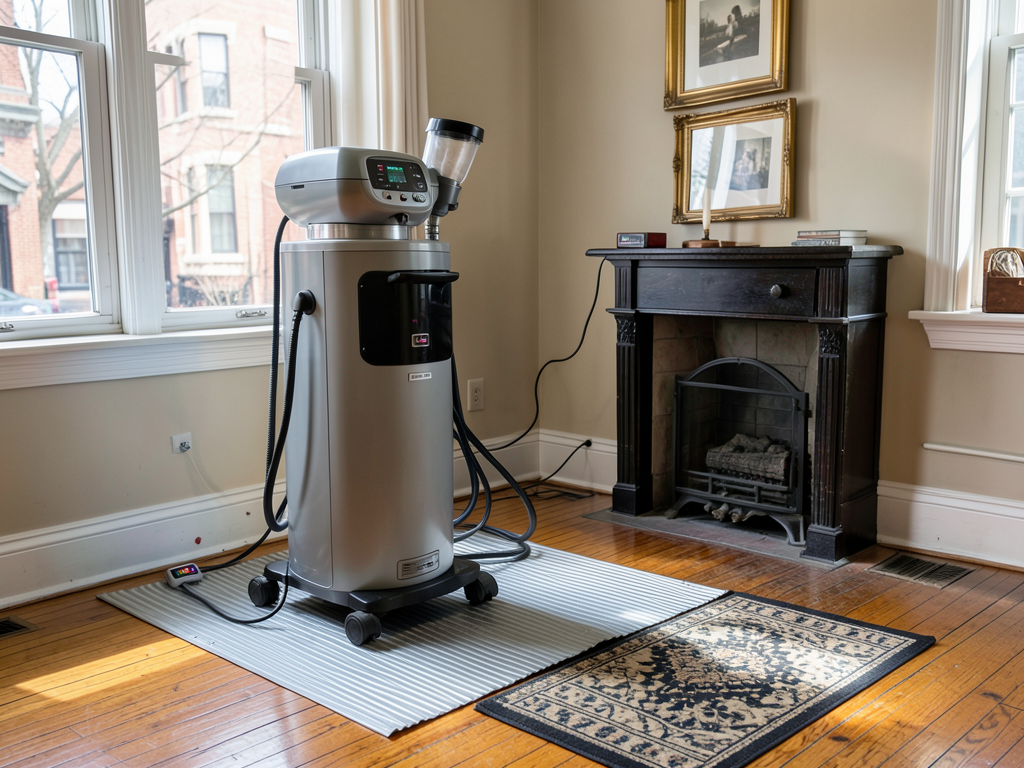
Understanding the Speed Benefits of Structural Heat Drying for a Rapid Recovery When water invades your San Francisco property every hour counts. Traditional drying methods using air movers and dehumidifiers can take 3-5 days to…
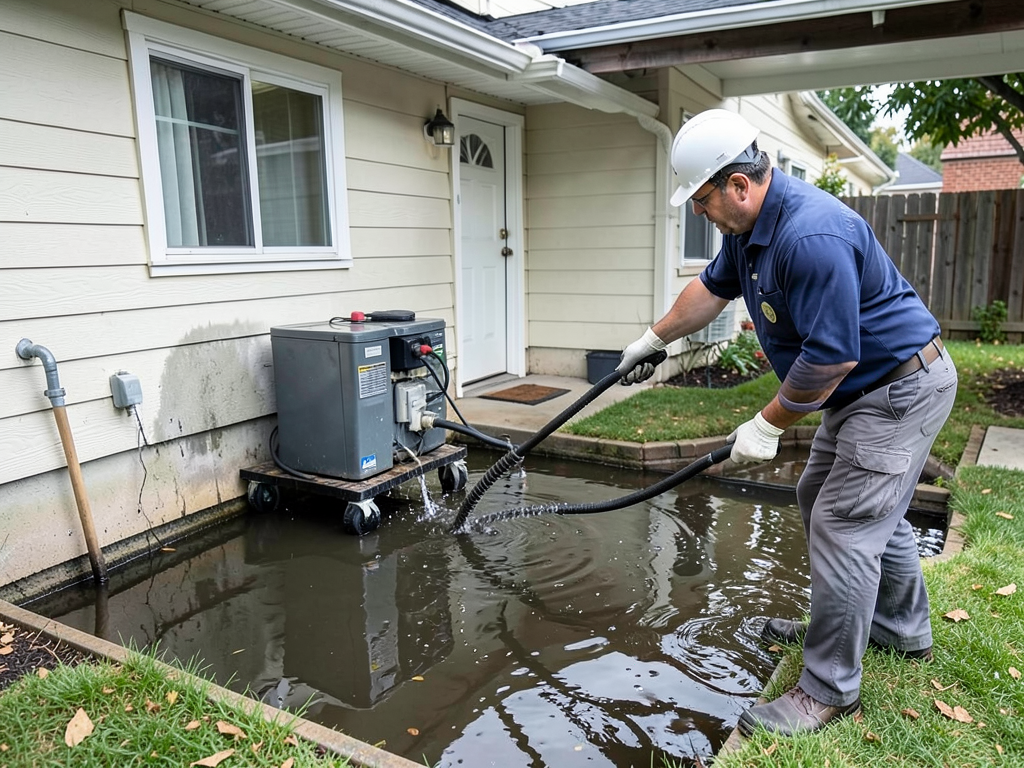
What to Do if Your New Backyard ADU Floods During a Heavy San Francisco Rain…
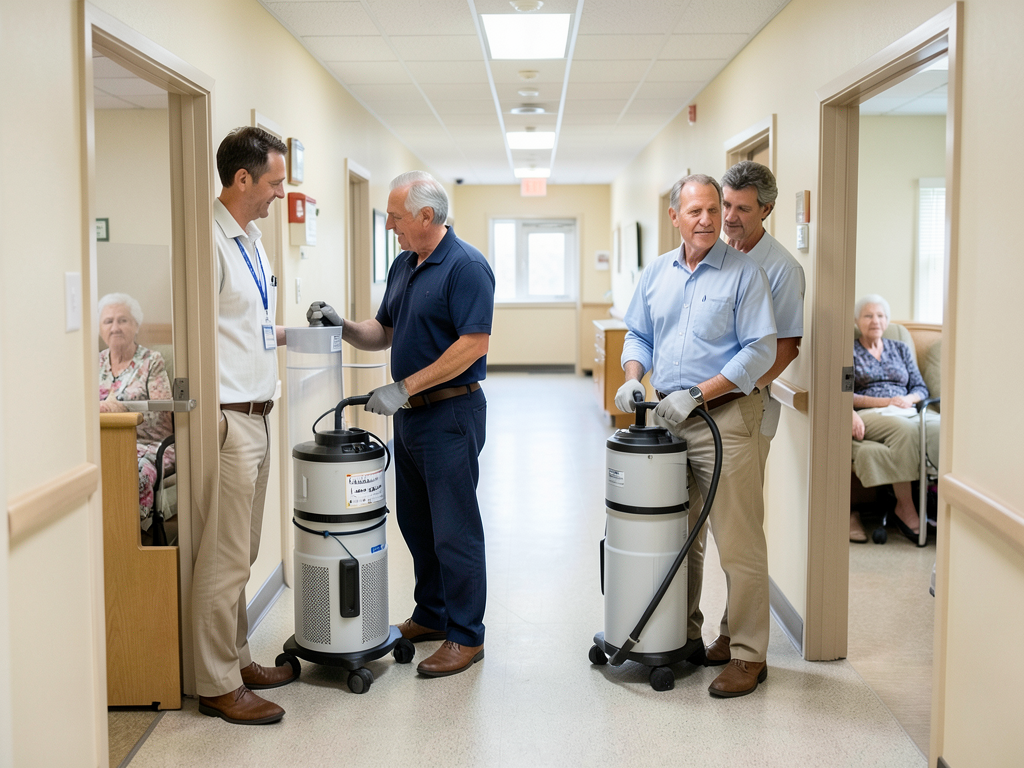
Specialized Senior Living Water Restoration Services in San Francisco Water damage in a Richmond District…
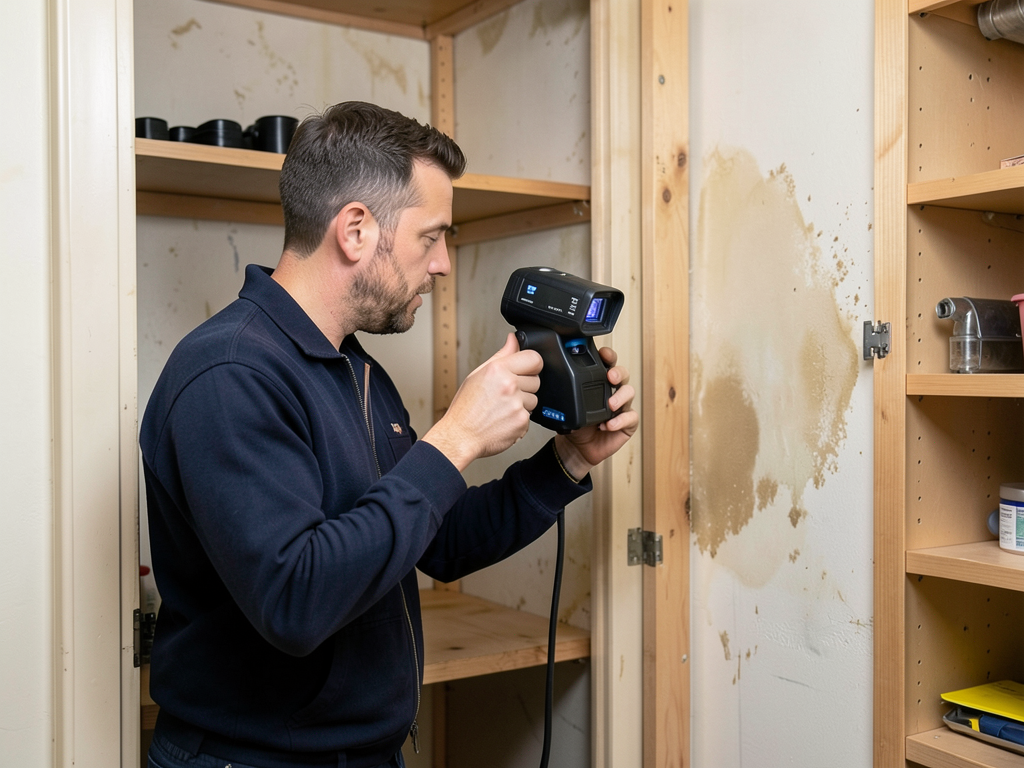
Why Your Noe Valley High Efficiency Boiler Could Be Slowly Flooding Your Utility Closet If…
Water spreads through your property every minute you wait. Our crews respond 24/7 with industrial extraction equipment and start mitigation immediately. Call (415) 449-6555 now for emergency water damage restoration in Fremont. We arrive fast, document everything for your insurance claim, and dry your property to industry standards.