menu

Sump Pump Failure Cleanup in San Francisco – 60-Minute Emergency Response to Stop Basement Flooding

When your sump pump fails, every minute counts. Summit Water Damage Restoration San Francisco dispatches certified teams within the hour to extract standing water, prevent structural damage, and restore your property before mold takes hold.

Slider Image 1
Slider Image 2
Slider Image 3
Slider Image 4
Slider Image 5
Slider Image 7
Slider Image 8
Slider Image 9
Slider Image 10
Slider Image 11

Why Sump Pump Failures Hit San Francisco Homes Harder Than You Think

Your basement is flooding. The sump pump that should protect your home just quit. You are watching water rise across your floor, creeping toward furnaces, electrical panels, and stored belongings.

San Francisco's unique coastal moisture and aging housing stock create the perfect storm for sump pump failures. Homes built before modern waterproofing standards rely entirely on these pumps to manage groundwater intrusion. When Bay Area fog condenses and seeps through foundation cracks, a working sump pump is your only defense. A broken sump pump means immediate crisis.

Sump pump failure water extraction cannot wait. Standing water penetrates drywall, warps hardwood, and saturates insulation within hours. The saturated materials become breeding grounds for mold colonies that thrive in San Francisco's temperate climate. A sump pump overflow cleanup job that starts in three hours instead of one can mean the difference between drying out a basement and replacing entire wall systems.

Power surges during Pacific storms, aging float switches, and clogged discharge lines cause most failures. You might hear the motor humming but see no water moving. Or the system stays silent while water pours in. Either way, you need emergency sump pump cleanup services that understand how San Francisco's marine layer keeps basements perpetually damp, even after the visible water disappears.

This is not a DIY moment. You need professionals who perform sump pump backup water removal with commercial extractors, not shop vacs. You need technicians trained in broken sump pump water damage restoration who know how to protect your electrical systems while working in standing water.

Why Sump Pump Failures Hit San Francisco Homes Harder Than You Think
How We Stop the Damage and Get Your Basement Dry

How We Stop the Damage and Get Your Basement Dry

Summit Water Damage Restoration San Francisco does not show up with a wet vac and a fan. We arrive with truck-mounted extractors pulling 200 gallons per minute, thermal imaging cameras to map hidden moisture, and industrial dehumidifiers calibrated for San Francisco's 65% average humidity.

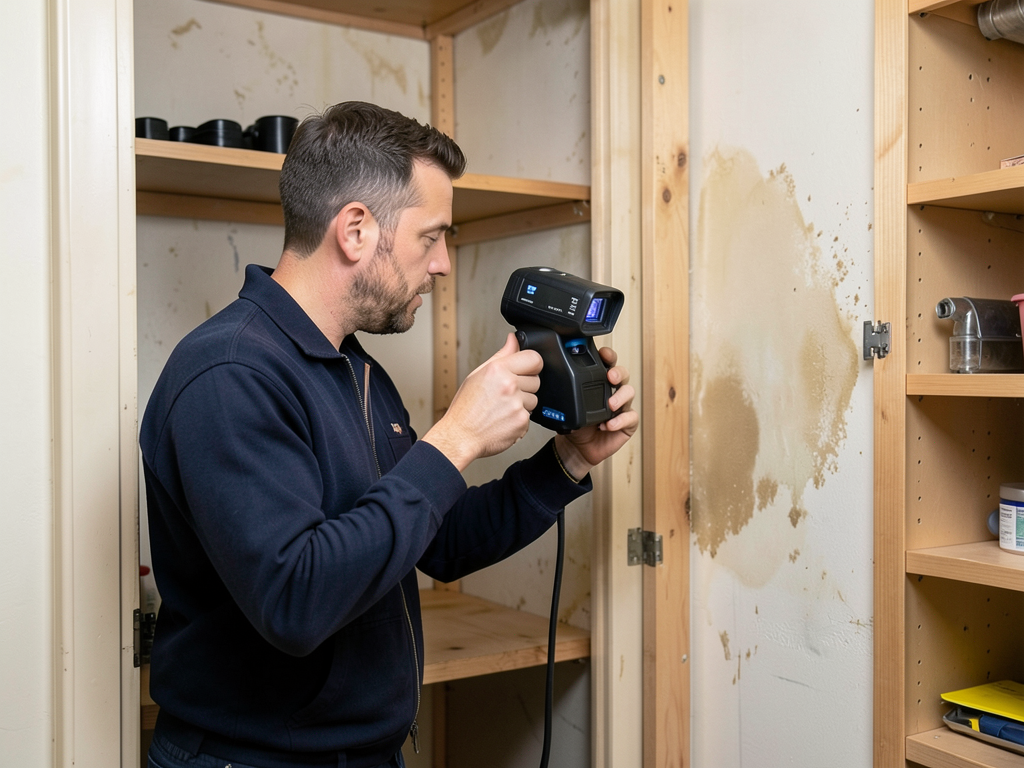
Our sump pump failure water extraction starts with safety protocols. We verify electrical shutoffs before entering standing water. We test for sewage contamination if your sump pump ties into gray water lines. We map the affected area with moisture meters that read through subflooring and into wall cavities.

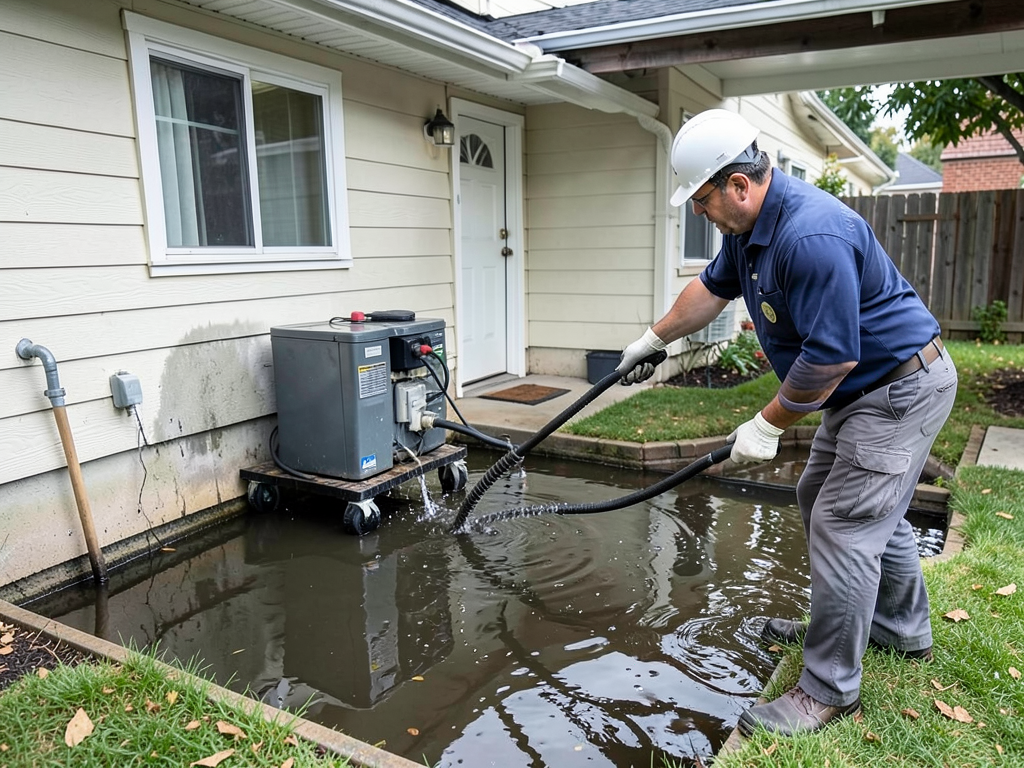
The extraction phase uses weighted wands that pull water from carpet padding without removing the carpet. We extract from concrete using surface tools designed for porous masonry common in pre-1950s San Francisco construction. For sump pump overflow cleanup in finished basements, we remove baseboards to access wall cavities where water wicks up drywall.

After extraction, we deploy axial fans in a vortex pattern that accelerates evaporation from all surfaces simultaneously. Low-grain refrigerant dehumidifiers pull moisture from the air faster than it can condense back onto surfaces. We monitor daily with hygrometers, adjusting equipment placement as readings drop.

The difference between adequate and expert broken sump pump water damage restoration shows up three weeks later. Inadequate drying leaves moisture in rim joists and sill plates. That trapped moisture feeds microbial growth you cannot see until it destroys structural lumber. We dry to IICRC S500 standards: less than 15% moisture content in all organic materials before we pull equipment.

We document everything. Moisture readings before and after. Photos of affected areas. Equipment logs. Your insurance adjuster gets a complete file that supports your claim.

What Happens When You Call for Emergency Sump Pump Cleanup

Sump Pump Failure Cleanup in San Francisco – 60-Minute Emergency Response to Stop Basement Flooding
01

Immediate Dispatch and Assessment

You call our emergency line at (415) 449-6555, and we dispatch a crew from our San Francisco facility within 30 minutes. The team arrives with extraction equipment already loaded. Before unloading, the lead technician performs a visual assessment and moisture mapping to determine contamination level, water volume, and affected materials. You receive a verbal scope of work and timeline before equipment enters your property.
02

Water Extraction and Containment

Technicians establish containment barriers using plastic sheeting to isolate affected areas from dry zones. Truck-mounted extractors remove standing water through reinforced hoses. Weighted extraction tools address water trapped in carpet padding and concrete pores. For Category 2 or 3 water, we apply antimicrobial treatments during extraction. Thermal imaging identifies moisture migration into wall cavities and subfloors. All contaminated porous materials get documented for removal decisions.
03

Structural Drying and Verification

After extraction, we position air movers and dehumidifiers based on psychrometric calculations specific to your space volume and material types. Daily monitoring tracks moisture levels in structural elements using penetrating and non-invasive meters. Drying typically takes three to five days depending on saturation depth. Final verification ensures all materials reach dry standard before equipment removal. You receive a completion certificate with moisture readings that satisfy insurance requirements and protect against future mold claims.

Why San Francisco Homeowners Trust Us When Sump Pumps Fail

Sump pump emergencies do not respect business hours. We staff night crews because we know failures spike during winter storm systems rolling off the Pacific. When you call at 2 AM watching your basement flood, a real human answers. Not a voicemail. Not an answering service routing you to the next available contractor three hours away.

Summit Water Damage Restoration San Francisco keeps equipment staged for immediate deployment. Our trucks carry enough extraction capacity and drying equipment to handle 3,000 square foot basements without returning to the warehouse for more gear. We do not show up, assess the job, then leave to get the right equipment. We bring it the first time.

Our technicians hold IICRC Water Damage Restoration certifications, not just general contractor licenses. They understand the science of psychrometry: how temperature, humidity, and air movement interact to dry materials. They know the difference between drying concrete poured over vapor barriers versus older concrete that breathes moisture from below. This expertise matters in San Francisco where construction methods vary wildly between the Victorian era, mid-century builds, and modern construction.

We work directly with every major insurance carrier operating in San Francisco. We know their documentation requirements. We photograph everything, log all equipment, and provide detailed moisture maps that adjusters accept without dispute. Many homeowners get checks faster because our paperwork is complete the first time.

Local expertise shows in small details. We know which San Francisco neighborhoods have combined sewer systems where sump pump failures can introduce sewage contamination. We understand how homes built on landfill near the Marina District have different groundwater issues than homes on bedrock in Twin Peaks. We adjust our approach accordingly.

You are not getting a national franchise following a corporate playbook. You are getting technicians who have dried hundreds of San Francisco basements and know how coastal moisture behaves in different foundation types.

What to Expect During Emergency Sump Pump Failure Cleanup

Response Time and Availability

We guarantee response within 60 minutes for San Francisco city limits during sump pump emergencies. Our dispatch system tracks crew locations in real time, routing the nearest available team to your address. Night and weekend calls receive the same priority as weekday requests. You get a call when the crew leaves our facility with an updated arrival window. If you need immediate guidance while waiting for technicians, our phone staff can walk you through temporary containment steps like shutting off power to affected circuits or moving salvageable items to dry areas.

Initial Assessment Process

The lead technician conducts a thorough inspection before beginning work. This includes moisture mapping with thermal cameras and penetrating meters, contamination assessment to classify water category, identification of safety hazards like electrical risks or structural instability, and documentation of pre-existing conditions. You receive a written scope detailing affected areas, recommended services, estimated timeline, and projected equipment needs. For insurance claims, we provide this assessment in a format your carrier requires. The entire evaluation takes 20 to 30 minutes and incurs no separate charge when you proceed with restoration services.

Restoration Quality Standards

We restore your basement to dry standard, not just visibly dry. Final moisture readings in all structural materials must match or fall below normal levels for San Francisco's climate zone before we remove drying equipment. Wood framing drops to 15% moisture content or less. Concrete reaches less than 5% on a Tramex meter. Drywall stabilizes below 12%. You receive documentation of these final readings. All antimicrobial treatments use EPA-registered products safe for occupied spaces. Removed materials are disposed of following San Francisco Department of Public Health guidelines. We leave your space clean, dry, and ready for repairs or reconstruction.

Post-Restoration Support

After completing structural drying, we provide a detailed recommendation report addressing the original sump pump failure cause. This includes assessment of pump capacity for your drainage needs, evaluation of backup power options for future outages, inspection of discharge line routing and freeze protection, and review of battery backup systems if applicable. Many homeowners discover their pump was undersized or installed incorrectly. We do not perform pump replacement ourselves, but we can recommend qualified plumbers who specialize in sump systems. If moisture concerns develop within 30 days post-restoration, we return to reassess at no charge. Your final documentation package includes all moisture logs, photos, scope documents, and a certificate of completion for insurance and future home sale disclosures.

Frequently Asked Questions

You Have Questions,
We Have Answers

How to clean up after sump pump failure? +

Stop the water source first. If the sump pump failed and water is rising, shut off power to the unit at the breaker. Remove standing water with a wet vac or call professionals immediately if flooding is severe. Extract water-damaged items and place fans to start drying. Do not touch electrical equipment while standing in water. San Francisco basements face unique moisture challenges due to fog and coastal humidity, which accelerates mold growth. Document everything with photos for insurance. Professional extraction removes hidden moisture in subflooring and walls that household equipment cannot reach.

How much does it cost to have a sump pump cleaned? +

Routine sump pump cleaning typically costs between market rates, but emergency cleanup after failure is different. That involves water extraction, structural drying, mold prevention, and damage assessment. The scope determines price. Minor basement flooding might require basic extraction and drying. Extensive failures affecting finished spaces, HVAC systems, or causing sewage backup cost more. San Francisco properties often have older foundation systems that complicate drainage. Most water damage restoration companies offer free inspections and work directly with insurance. Do not delay. Every hour increases mold risk and structural damage.

How do you clean sludge out of a sump pump? +

Disconnect power first. Remove the pump from the pit. Scoop out heavy sludge and debris with a small bucket or scoop. Spray the pump housing and impeller with a garden hose to remove remaining buildup. Check the inlet screen and clean thoroughly. For thick sludge, use a wet vac to extract material before removing the pump. San Francisco clay soil can introduce fine sediment that accelerates sludge buildup. If the pump is severely clogged or old, replacement may be more cost-effective than cleaning. Test the float switch and discharge line after reinstalling.

What to do when a sump pump fails? +

Act immediately. Turn off power to the pump at the breaker panel. If water is rising fast, evacuate and call emergency water damage professionals now. Remove valuables from the flooding area. Do not attempt electrical repairs while standing in water. San Francisco basements flood quickly during winter storms when pumps fail. If safe, try to redirect water away from the foundation. Document damage with photos immediately. Call your insurance company. Professional teams extract water, dry the structure, and prevent mold within hours. Waiting 24 hours can mean thousands in additional damage and health risks.

Can I put a chlorine tablet in my sump pump? +

No. Chlorine tablets are designed for wells or cisterns, not sump pumps. They can corrode pump components, degrade rubber seals, and damage the float switch. Chlorine does not prevent the mechanical failures that cause most sump pump problems. If you smell sewer odors from your sump pit, the issue is likely a failed check valve or dry trap, not bacteria. San Francisco properties with combined sewer systems may experience backflow. The fix is proper venting and backflow prevention, not chemicals. For odor control, pour a gallon of clean water into the pit weekly to maintain the trap seal.

How long does it take for mold to grow after flooding? +

Mold spores begin colonizing within 24 to 48 hours after flooding. San Francisco's coastal humidity accelerates this timeline. Within 72 hours, visible mold appears on drywall, insulation, and wood framing. This is why emergency water extraction matters. You cannot wait days to start cleanup. Professional drying equipment removes moisture from hidden cavities that household fans miss. Mold inside walls spreads to HVAC systems and creates health hazards. If your sump pump failed over a weekend, mold is likely growing already. Immediate action stops colonization. Delay guarantees remediation costs and potential health issues.

Does homeowners insurance cover sump pump failure? +

It depends on your policy and the cause. Standard homeowners insurance typically excludes sump pump failure unless you purchased a specific water backup endorsement or rider. If the failure resulted from a covered peril like a power surge during a storm, you may have coverage. Gradual seepage or maintenance neglect is almost never covered. San Francisco properties near coastal areas may need separate flood insurance. Read your declarations page now. Most water backup endorsements cost under $100 annually but cover thousands in damage. Call your agent immediately after a failure to start a claim and document everything with photos.

What is the most common reason for sump pump failure? +

Power outages top the list. San Francisco winter storms knock out electricity, and pumps stop working. Second is switch failure. Float switches stick due to debris or mechanical wear. Third is discharge line clogs from freezing or debris buildup. Overwhelmed capacity during heavy rain also causes failures. Pumps have a lifespan of seven to ten years. Lack of maintenance accelerates failure. Homes in Richmond or Sunset districts face high groundwater and need reliable backup systems. Battery backups or water-powered secondary pumps prevent catastrophic flooding. Regular testing and annual maintenance catch problems before they cause thousands in damage.

How to clean out a sump pump without removing it? +

You can clean a sump pump without full removal. First, disconnect power at the breaker. Use a wet vac to remove standing water and loose debris from the pit. Carefully lift the pump slightly while still attached to the discharge line. Use a flashlight to inspect the inlet screen. Clear visible debris with gloved hands or a brush. Pour clean water into the pit to flush remaining sediment. This works for light maintenance, but thick sludge or mechanical issues require full removal. San Francisco clay soil buildup often needs more aggressive cleaning. Test the float switch and ensure the discharge line flows freely after cleaning.

What are the signs of a failing sump pump? +

Strange noises like grinding or rattling signal bearing failure or debris in the impeller. The pump runs continuously without lowering water, indicating a stuck float switch or failed check valve. Visible rust or corrosion on the housing suggests age-related failure. Irregular cycling, where the pump turns on and off rapidly, points to switch problems or insufficient pit size. The pump does not activate when water rises. San Francisco homes should test pumps monthly by pouring water into the pit. If your pump is over seven years old and showing any of these signs, replace it before failure causes flooding.

How San Francisco's High Water Table Makes Sump Pump Failures Critical

San Francisco sits on a peninsula surrounded by water. The water table in neighborhoods like the Sunset District, Richmond, and Bayview can rise to within three feet of the surface during wet months. Homes with basements essentially function as wells, constantly battling hydrostatic pressure that forces groundwater through foundation walls and floor slabs. Your sump pump runs this battle every day. When it fails, groundwater does not trickle in. It surges. Emergency sump pump cleanup services here face higher water volumes than comparable homes in drier climates. The marine layer keeps humidity elevated even after extraction, extending structural drying timelines. Sump pump backup water removal requires understanding how the Bay's tidal influence affects groundwater levels in different city zones.

San Francisco building codes evolved significantly after the 1989 Loma Prieta earthquake, but many homes predate modern waterproofing requirements. Older properties lack exterior waterproofing membranes, proper foundation drainage, or adequate sump capacity. Summit Water Damage Restoration San Francisco has worked in homes from every construction era across the city. We understand how balloon-frame Victorians respond to water differently than concrete bunker homes built in the 1940s or modern construction with advanced moisture barriers. Our broken sump pump water damage restoration accounts for these variables. We know which neighborhoods have combined storm and sewer systems where backups introduce contaminated water. We adjust protocols accordingly. Local expertise means appropriate treatment the first time, not learning on your property.
Water Damage Restoration Services in The San Francisco Area

Our commitment to rapid response means we cover the entire San Francisco area and surrounding communities. View the map below to visualize our primary service region, which includes key neighborhoods and business districts. Whether you are located in the Financial District, the Mission, or out toward the Sunset, you can trust our 24/7 team to reach you quickly. We proudly serve both residential and commercial clients across the entire map, guaranteeing a fast and effective mitigation service the moment you need us.

Address:
Summit Water Damage Restoration San Francisco, 1390 Market St, San Francisco, CA, 94102

Additional Services We Offer

Our news updates

Latest Articles & News from The Blogs

What Happens if Your Home Addition Gets Flooded During Construction in Noe Valley Water flooding your home addition during construction…

What Happens if Your Home Addition Gets Flooded During Construction in Noe Valley

What Happens if Your Home Addition Gets Flooded During Construction in Noe Valley Water flooding your home addition during construction…

How San Francisco Summer Fog Can Cause More Water Damage Than Winter Rain

How San Francisco Summer Fog Can Cause More Water Damage Than Winter Rain San Francisco’s famous summer fog, known locally…

Why Your Chronic Cough Might Actually Be a Hidden Mold Problem in the Richmond District

Why Your Chronic Cough Might Actually Be a Hidden Mold Problem in the Richmond District If you’ve lived in San…

Contact Us

Every minute of delay means more damage and higher restoration costs. Our emergency crews are standing by 24 hours a day, ready to dispatch. Call (415) 449-6555 now for immediate response. We arrive with full extraction and drying equipment, not estimates. Stop the flooding. Save your basement. Get your home dry.