menu

Hardwood Floor Water Damage in San Francisco – Expert Restoration Before Cupping and Mold Take Hold

When water infiltrates your hardwood floors, minutes matter. We respond fast across San Francisco neighborhoods to dry, assess, and restore wet hardwood flooring before permanent warping, cupping, or mold colonization destroys your investment.

Slider Image 1
Slider Image 2
Slider Image 3
Slider Image 4
Slider Image 5
Slider Image 7
Slider Image 8
Slider Image 9
Slider Image 10
Slider Image 11

Why San Francisco Hardwood Floors Are Especially Vulnerable to Water Damage

San Francisco's unique microclimate creates hidden threats for hardwood floors. Fog rolling in from the Pacific brings persistent moisture. Victorian and Edwardian homes across Noe Valley, the Mission, and Pacific Heights feature original tongue-and-groove fir floors installed over uninsulated crawl spaces. When a pipe bursts or a water heater fails, that moisture has nowhere to go.

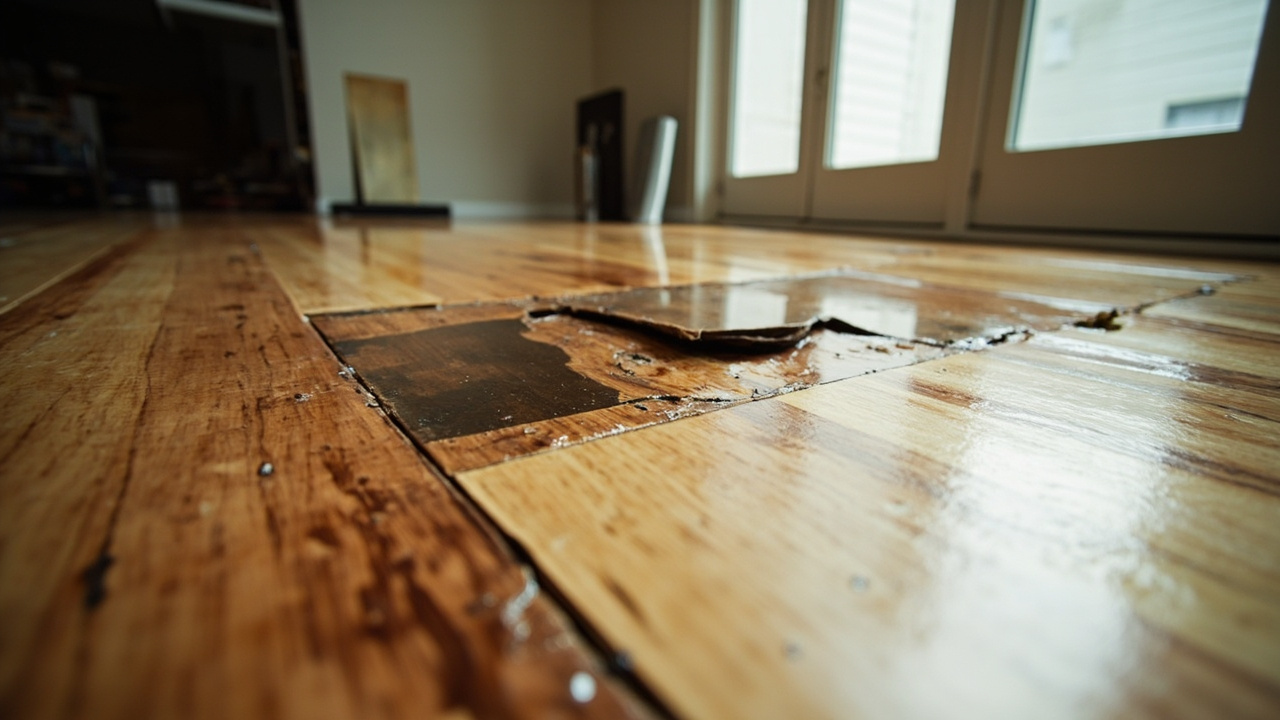
Water damaged wood floors do not always announce themselves immediately. You might notice a wet spot after a dishwasher leak, mop it up, and assume the problem is solved. But water migrates between floorboards, seeps into subflooring, and spreads laterally through capillary action. Within 48 hours, you will see the first signs of hardwood floor cupping. The edges of planks rise higher than the center, creating a washboard effect.

This is not cosmetic. Wet hardwood flooring swells as wood fibers absorb moisture. If you ignore it, cupping progresses to crowning, where the center of the plank rises above the edges. Eventually, boards crack, adhesive fails, and mold begins colonizing the subfloor cavity. In San Francisco's temperate climate, mold growth accelerates faster than in arid regions because ambient humidity rarely drops below 60 percent.

Wood floor water damage repair is time-sensitive. The longer water sits, the deeper it penetrates. Drying hardwood floors requires more than fans and dehumidifiers. You need moisture mapping, controlled drying protocols, and subfloor access to prevent secondary damage that costs thousands more to fix later.

Why San Francisco Hardwood Floors Are Especially Vulnerable to Water Damage
How We Restore Wet Hardwood Flooring Without Replacement

How We Restore Wet Hardwood Flooring Without Replacement

We do not guess. We measure. When you call Summit Water Damage Restoration San Francisco, we arrive with thermal imaging cameras and penetrating moisture meters. These tools let us see moisture migration paths invisible to the naked eye. We measure moisture content in both the surface wood and the subfloor below. This data determines whether your floors can be saved or need replacement.

Drying hardwood floors is not about blasting them with heat. That causes surface checking and splits. Instead, we create a controlled drying environment using low-grain refrigerant dehumidifiers and strategically placed air movers. We target a drying rate of 1 to 2 percent moisture content per day. Too fast, and the wood cracks. Too slow, and mold takes hold.

If water has reached the subfloor, we drill weep holes or remove baseboard to insert drying mats. These mats pull moisture from beneath the flooring without disturbing the finish layer. For severe flooding, we may need to remove sections of flooring to access the subfloor cavity, treat for microbial growth, and reinstall once drying is complete.

We document moisture readings every 24 hours. Most water damaged wood floors return to equilibrium moisture content in three to five days, depending on the wood species and saturation level. Red oak dries faster than maple. Engineered hardwood requires different protocols than solid plank flooring.

Once dry, we assess whether cupping will self-correct. Minor cupping often flattens as the wood releases moisture. Severe cupping may require sanding and refinishing. We provide a written scope of work so you know exactly what wood floor water damage repair will involve before we proceed.

What Happens During Our Hardwood Floor Drying Process

Hardwood Floor Water Damage in San Francisco – Expert Restoration Before Cupping and Mold Take Hold
01

Emergency Water Extraction

We start by removing all standing water using truck-mounted extractors. Even a thin film of water continues saturating wood fibers. We extract water from surface gaps, under baseboards, and from subfloor cavities if accessible. This stops active absorption and prevents water from wicking into adjacent rooms. Speed here determines whether your floors survive or require replacement.
02

Moisture Mapping and Monitoring

We map moisture levels across the affected area using pin-type and pinless meters. Thermal imaging reveals moisture pockets hidden beneath the surface. We establish a moisture baseline and mark drying zones. Every 24 hours, we return to take new readings and adjust equipment placement. This ensures even drying and prevents over-drying, which causes as much damage as under-drying.
03

Controlled Drying and Restoration

Once moisture content drops to acceptable levels, we remove equipment and inspect for residual damage. Minor cupping often resolves on its own as the wood acclimates. If boards remain warped or show mold staining, we discuss refinishing or replacement options. You receive a final moisture report documenting that your floors are dry and stable before we close the job.

Why San Francisco Homeowners Trust Us With Historic Hardwood Floors

San Francisco's housing stock is not like other cities. You are living in a 1920s Marina District flat or a post-earthquake Sunset District bungalow with original hardwood that has survived a century. These floors have character. They also have vulnerabilities modern flooring does not share.

We understand how old-growth Douglas fir behaves differently than modern red oak. Historic floors were often installed with cut nails and animal-based adhesives. They sit on plank subfloors with gaps, not plywood. When water enters these systems, it spreads faster and hides deeper. Generic drying methods fail because they ignore these structural differences.

Summit Water Damage Restoration San Francisco works with historical restoration specialists and finish carpenters who understand San Francisco architecture. We know which neighborhoods have raised foundations prone to crawl space flooding. We know which districts still have galvanized plumbing that fails without warning. This local knowledge lets us anticipate problems before they escalate.

We also navigate insurance claims daily. Many San Francisco homeowners discover their water damage policy has sublimits for hardwood floor restoration or excludes gradual leaks. We document everything with photos, moisture logs, and detailed estimates. Our reports meet the evidence standards insurance adjusters require, which speeds up your claim and reduces out-of-pocket costs.

When you hire us, you are not hiring a franchise following a national script. You are hiring a team that has dried floors in Bernal Heights Victorians, North Beach flats, and Presidio Heights estates. We know what works here because we have done it hundreds of times in homes just like yours.

What to Expect When You Call Us for Wet Hardwood Flooring

Rapid Response Time

We dispatch within two hours of your call, 24 hours a day. Hardwood floor water damage worsens by the hour. The difference between a drying job and a replacement job is often whether you get help within the first 12 hours. We keep trucks staged across San Francisco so we can reach the Richmond, Potrero Hill, or West Portal within 30 minutes during normal traffic. You will have a technician on site, equipment running, and a moisture map completed before most companies even return your call.

Detailed Moisture Assessment

We do not start drying until we understand the full scope of saturation. Our initial assessment includes thermal imaging, moisture meter readings in at least six locations per room, and subfloor inspection if accessible. We identify the water source, map the spread pattern, and check adjacent rooms for hidden migration. You receive a written assessment explaining what is wet, how wet it is, and what drying protocol we recommend. This transparency lets you make informed decisions about your home.

Professional Drying Outcome

Our goal is to return your hardwood floors to pre-loss moisture content without causing secondary damage. Most jobs reach target dryness in three to seven days, depending on wood species, saturation level, and subfloor material. You will not see surface checking, cracking, or finish delamination if we do our job correctly. If cupping persists after drying, we connect you with trusted refinishing contractors who understand how to sand water-damaged floors without removing too much material.

Post-Drying Documentation and Follow-Up

We provide a final moisture report showing all readings at or below acceptable levels before we remove equipment. This report is critical for insurance claims and future home sales. If you notice any changes in the weeks after drying, we return to reassess at no charge. Some cupping self-corrects as wood acclimates. Other issues require intervention. We stay available because water damage does not always reveal its full impact immediately. You have a direct line to the technician who handled your job, not a call center.

Frequently Asked Questions

You Have Questions,
We Have Answers

Can hardwood floors be repaired after water damage? +

Yes, hardwood floors can often be repaired after water damage, but success depends on the severity and duration of exposure. Minor surface moisture may dry without permanent harm. Moderate damage can be addressed by sanding and refinishing once the wood is completely dry. Severe cases involving cupping, buckling, or warping may require board replacement. San Francisco's Victorian and Edwardian homes often feature original hardwood that requires expert assessment. Professionals use moisture meters to determine if the subfloor is affected. Quick action is critical. Drying within 24 to 48 hours prevents mold growth and structural deterioration.

What to do if water gets under hardwood floors? +

If water gets under hardwood floors, act immediately. Remove any standing water with a wet vacuum. Pull up floor registers and increase airflow using fans and dehumidifiers. Do not attempt to dry the floor with heat, which can cause warping. In San Francisco's fog-prone climate, moisture lingers longer than in drier regions. A professional restoration team will use moisture detection equipment to assess subfloor saturation and determine if boards need to be removed for proper drying. Trapped moisture leads to mold, rot, and structural damage. Time is your enemy. Document everything for insurance purposes.

What happens to hardwood floors when they get wet? +

When hardwood floors get wet, the wood absorbs moisture and expands. This causes cupping, where board edges rise higher than the center. Prolonged exposure leads to buckling, where boards lift from the subfloor entirely. The finish may cloud or peel. Dark stains indicate water has penetrated deep into the grain. San Francisco's older homes often have plank flooring without moisture barriers, making them more vulnerable. If the subfloor is plywood or OSB, it can delaminate and lose structural integrity. Mold can colonize within 24 to 48 hours. The longer water sits, the greater the damage.

How to flatten a wood floor after water damage? +

Flattening a wood floor after water damage requires complete drying first. Use industrial dehumidifiers and air movers for at least 72 hours, monitoring moisture levels with a meter. Once dry, minor cupping may self-correct as wood contracts. For persistent cupping, sanding and refinishing can level the surface, but only after moisture content returns to normal. Severe buckling or warping usually requires board replacement. San Francisco's humidity fluctuations can slow drying. Do not sand prematurely. Wet wood clogs sandpaper and damages equipment. Professional assessment prevents costly mistakes and ensures structural stability before refinishing.

How much does it cost to repair a water damaged hardwood floor? +

Repair costs for water damaged hardwood floors vary widely based on damage extent, wood type, and labor rates. Minor drying and cleaning may cost a few hundred dollars. Sanding and refinishing typically range from several dollars per square foot. Board replacement increases costs significantly, especially for exotic or antique hardwoods common in San Francisco's historic homes. Subfloor repairs add to the total. Insurance may cover water damage from sudden events like burst pipes, but not gradual leaks. Get multiple quotes and detailed moisture assessments. Cutting corners on drying leads to mold and higher costs later.

Can mold grow under hardwood floors? +

Yes, mold can grow under hardwood floors when moisture is present. Mold spores are everywhere and need only moisture, organic material, and warmth to colonize. Wood and subfloor materials provide food. San Francisco's moderate temperatures and coastal humidity create ideal conditions. Mold can develop within 24 to 48 hours of water exposure. You may notice musty odors, discoloration, or respiratory issues before visible growth appears. Trapped moisture between flooring and subfloor creates a dark, humid environment. Professional remediation requires removing affected boards, treating surfaces with antimicrobial agents, and ensuring complete drying before reinstallation.

Will a one-time water leak cause mold? +

A one-time water leak can cause mold if moisture is not removed quickly. Mold needs 24 to 48 hours of sustained moisture to begin growing. The risk depends on the volume of water, how long it sits, and environmental conditions. San Francisco's fog and marine air slow evaporation, increasing mold risk. If water soaks into subfloors, drywall, or insulation, mold can develop in hidden cavities. Surface drying is not enough. Use moisture meters to check behind walls and under flooring. Immediate extraction, drying, and monitoring prevent mold. Document the leak and response for insurance.

How long does it take for water to dry under hardwood floors? +

Water under hardwood floors can take three to seven days to dry completely, depending on severity, airflow, and humidity. San Francisco's coastal climate slows evaporation compared to arid regions. Professional drying equipment like air movers, dehumidifiers, and injectidry systems accelerate the process. Subfloor materials matter. Plywood dries faster than concrete. Thick hardwood planks retain moisture longer than engineered flooring. Moisture meters must show readings below 12 percent before repairs begin. Rushing the process causes cupping, mold, and structural failure. Patience and proper equipment prevent secondary damage and expensive rework.

Is there a way to reverse water damage on wood? +

Reversing water damage on wood depends on how deeply moisture penetrated and how long it sat. Surface water that is dried within hours may leave no trace. Light stains can sometimes be sanded out during refinishing. Deep stains, cupping, and warping are harder to reverse. Oxalic acid can lighten some dark water stains, but it does not restore structural integrity. Severely damaged boards must be replaced. San Francisco's historic hardwoods, like old-growth Douglas fir, are irreplaceable and warrant expert restoration efforts. Prevention and fast action are key. Once mold or rot sets in, reversal is impossible.

What pulls moisture out of wood floors? +

Moisture is pulled from wood floors using dehumidifiers, air movers, and heat mats. Dehumidifiers lower ambient humidity, encouraging evaporation. Air movers increase surface airflow, speeding drying. Injectidry systems force warm air between flooring and subfloor to target trapped moisture. Desiccant dehumidifiers work well in San Francisco's cooler, damp conditions. Moisture meters track progress, ensuring wood reaches safe levels below 12 percent. Natural ventilation helps but is slow. Professionals use controlled drying to prevent over-drying, which can cause shrinkage and cracking. Proper equipment prevents mold, saves flooring, and reduces replacement costs.

How San Francisco's Fog Belt and Old Plumbing Make Hardwood Floor Water Damage a Year-Round Risk

San Francisco sits in a unique fog microclimate that keeps indoor humidity high even when it is not raining. Homes in the Sunset and Richmond experience persistent dampness from June through September, when fog blankets the western neighborhoods daily. This ambient moisture keeps hardwood floors near the upper limit of safe moisture content. When a leak adds water to an already humid environment, drying becomes more complex. Your floors do not release moisture into the air as quickly as they would in drier climates. We account for this by using commercial dehumidifiers that lower relative humidity in the drying zone, creating a vapor pressure differential that pulls moisture from the wood faster than passive air circulation alone.

Many San Francisco homes still have original galvanized steel supply lines or cast iron drain pipes installed before 1950. These pipes fail without warning, often at joints hidden beneath floors or inside walls. When a supply line ruptures, water floods hardwood floors under pressure, saturating them in minutes. We work with local plumbers who understand San Francisco's aging infrastructure and can identify vulnerable sections before they fail. Choosing a local water damage restoration company means working with professionals who understand that a flooded floor in a 1930s Parkside home requires different treatment than the same damage in a 2010 SoMa condo. We know the building stock, the soil conditions, and the microclimates that make San Francisco properties unique.
Water Damage Restoration Services in The San Francisco Area

Our commitment to rapid response means we cover the entire San Francisco area and surrounding communities. View the map below to visualize our primary service region, which includes key neighborhoods and business districts. Whether you are located in the Financial District, the Mission, or out toward the Sunset, you can trust our 24/7 team to reach you quickly. We proudly serve both residential and commercial clients across the entire map, guaranteeing a fast and effective mitigation service the moment you need us.

Address:
Summit Water Damage Restoration San Francisco, 1390 Market St, San Francisco, CA, 94102

Additional Services We Offer

Our news updates

Latest Articles & News from The Blogs

What to Do if Your New Backyard ADU Floods During a Heavy San Francisco Rain A sudden downpour in San…

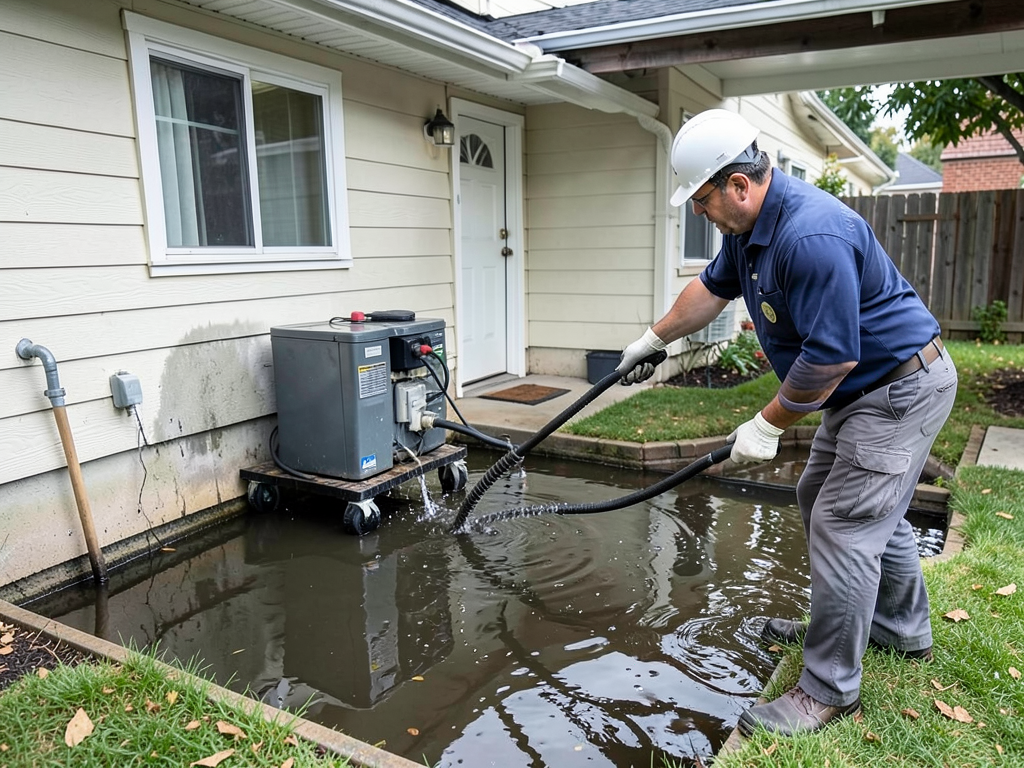
What to Do if Your New Backyard ADU Floods During a Heavy San Francisco Rain

What to Do if Your New Backyard ADU Floods During a Heavy San Francisco Rain A sudden downpour in San…

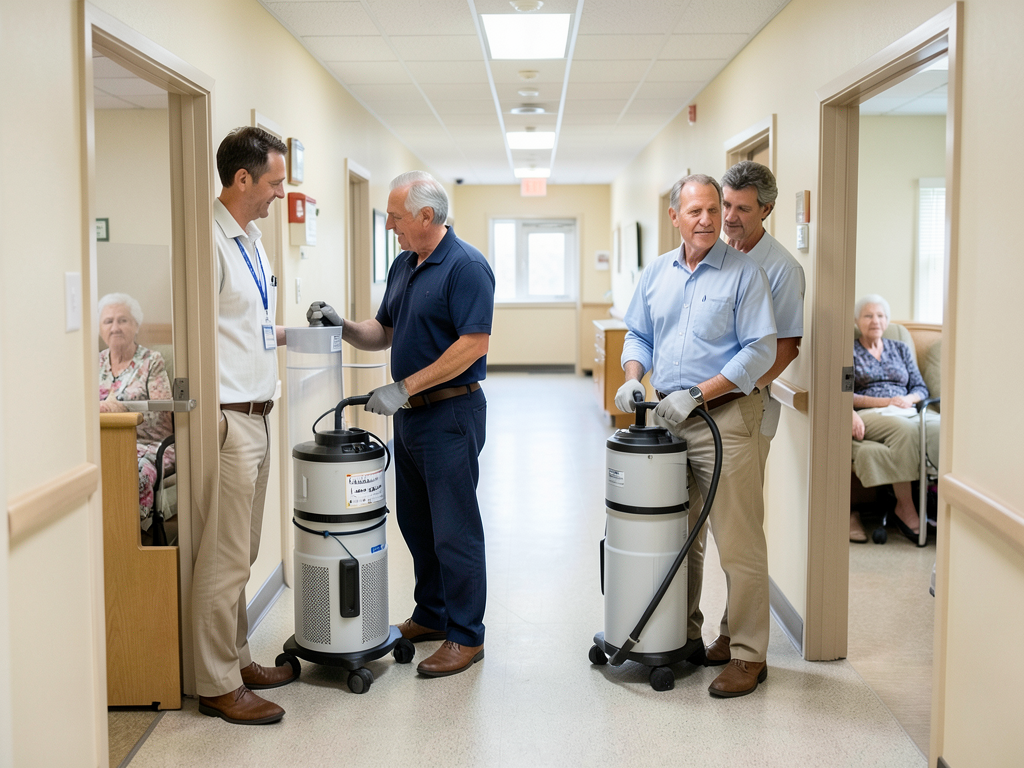
Selecting a Restoration Partner for Vulnerable Residents in a Richmond District Care Home

Specialized Senior Living Water Restoration Services in San Francisco Water damage in a Richmond District care home requires more than…

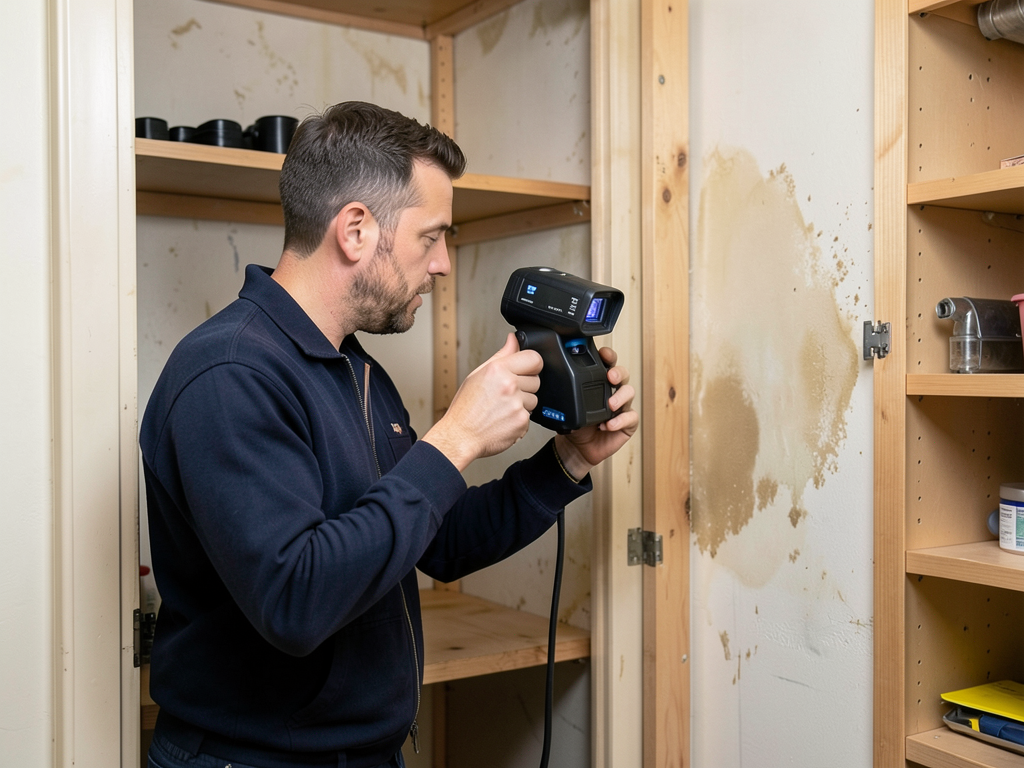
Why Your Noe Valley High Efficiency Boiler Could Be Slowly Flooding Your Utility Closet

Why Your Noe Valley High Efficiency Boiler Could Be Slowly Flooding Your Utility Closet If you live in a Noe…

Contact Us

Water is migrating deeper into your floors as you read this. Call Summit Water Damage Restoration San Francisco now at (415) 449-6555. We will dispatch a crew immediately to stop the damage, map the moisture, and start controlled drying before your hardwood floors are beyond repair.