menu

Commercial Mold Remediation in San Francisco – Minimize Business Downtime and Protect Your Revenue

Fast-track commercial mold removal with industrial containment systems, EPA-compliant protocols, and coordinated after-hours scheduling to keep your San Francisco business operational while we eliminate the liability.

Slider Image 1
Slider Image 2
Slider Image 3
Slider Image 4
Slider Image 5
Slider Image 7
Slider Image 8
Slider Image 9
Slider Image 10
Slider Image 11

Mold Growth in San Francisco Commercial Properties Is a Revenue and Compliance Risk

San Francisco's persistent marine fog and coastal humidity create ideal conditions for mold proliferation in commercial buildings. When moisture infiltrates HVAC systems, below-grade parking structures, or aging plumbing infrastructure common in the Financial District and SoMa warehouses, spore counts can exceed safe thresholds within 48 hours.

You face three immediate business risks. First, employee health complaints trigger OSHA recordable incidents and potential workers' compensation claims. Second, visible mold in customer-facing areas damages brand reputation and can violate California Health and Safety Code Section 26100 tenant disclosure requirements. Third, delayed commercial mold abatement allows fungal colonization to penetrate drywall, insulation, and structural framing, multiplying remediation costs and forcing extended closures.

San Francisco's older building stock presents additional challenges. Many commercial properties in North Beach, the Mission, and Japantown feature original plaster walls and outdated ventilation systems that trap moisture. When you combine this with the city's seismic retrofit requirements, which often create new pathways for water intrusion, you get a perfect storm for mold contamination.

Business mold remediation is not a cosmetic fix. It is a calculated risk management decision. Every day you delay increases spore dispersal through your HVAC system, contaminates inventory, and exposes you to regulatory action from the San Francisco Department of Public Health. The question is not whether to act, but how quickly you can contain the exposure and return to full operations.

Mold Growth in San Francisco Commercial Properties Is a Revenue and Compliance Risk
Our Commercial Mold Mitigation Protocol Follows IICRC S520 Standards

Our Commercial Mold Mitigation Protocol Follows IICRC S520 Standards

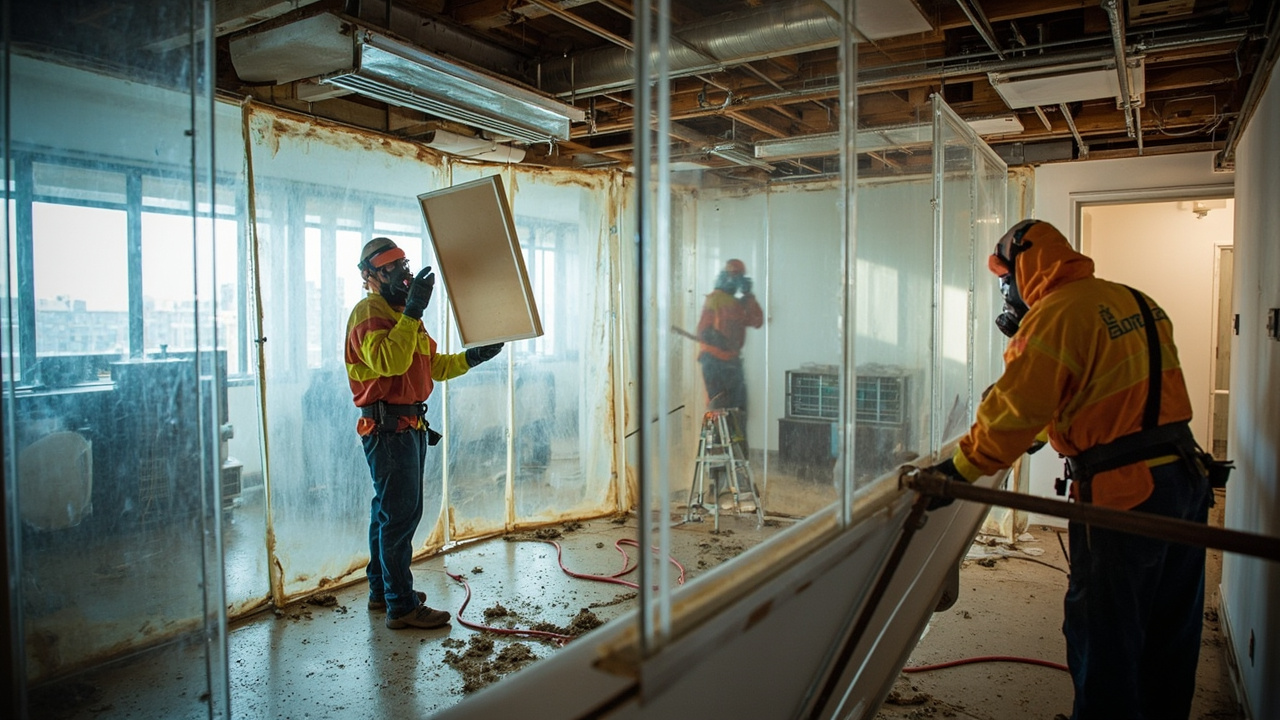
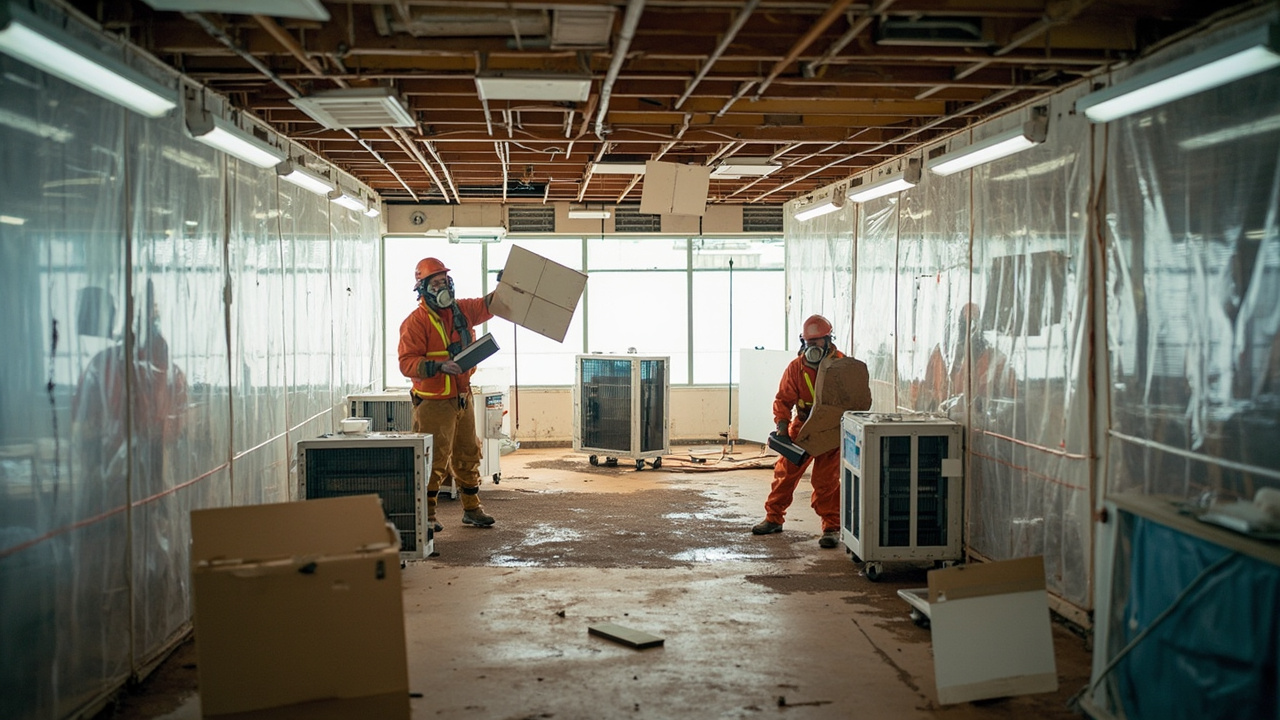
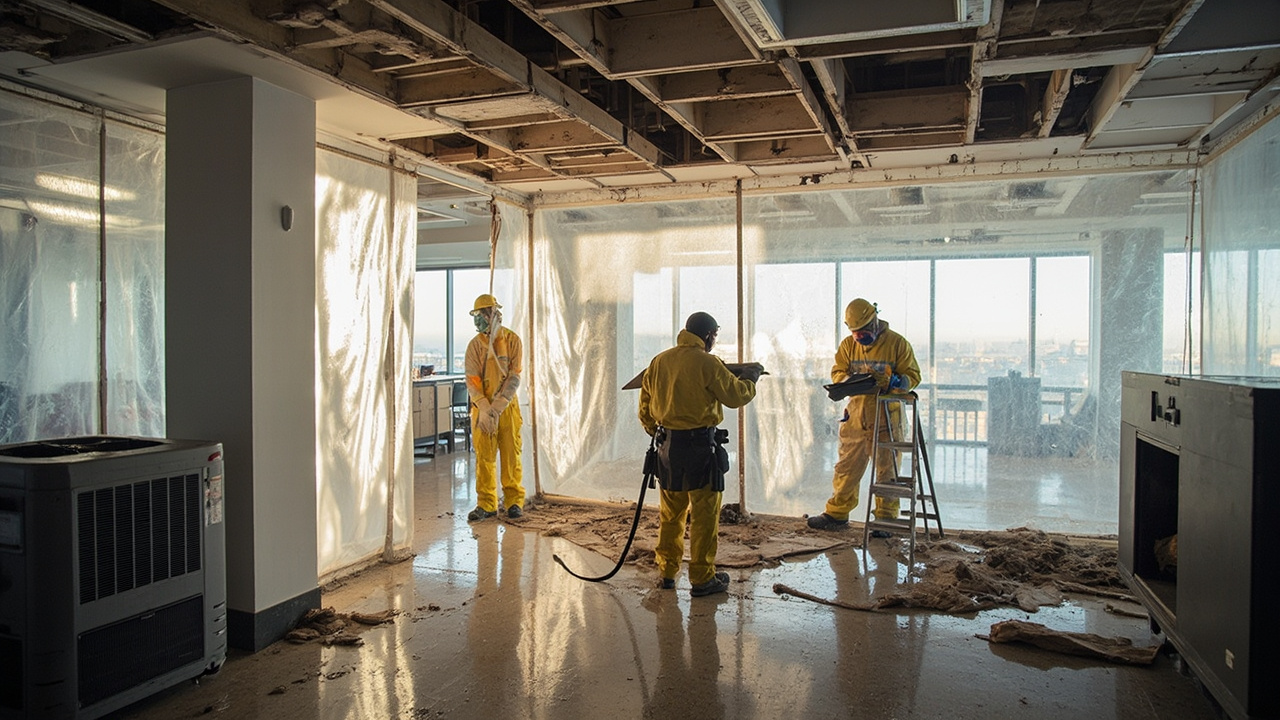
Commercial mold cleanup requires engineered containment, not residential-grade plastic sheeting. We deploy negative air pressure chambers with HEPA filtration rated to capture 99.97% of particles at 0.3 microns. This prevents cross-contamination to unaffected zones while we work. Air scrubbers run continuously, creating 4-6 air changes per hour to maintain ISO Class 7 cleanroom conditions in the work area.

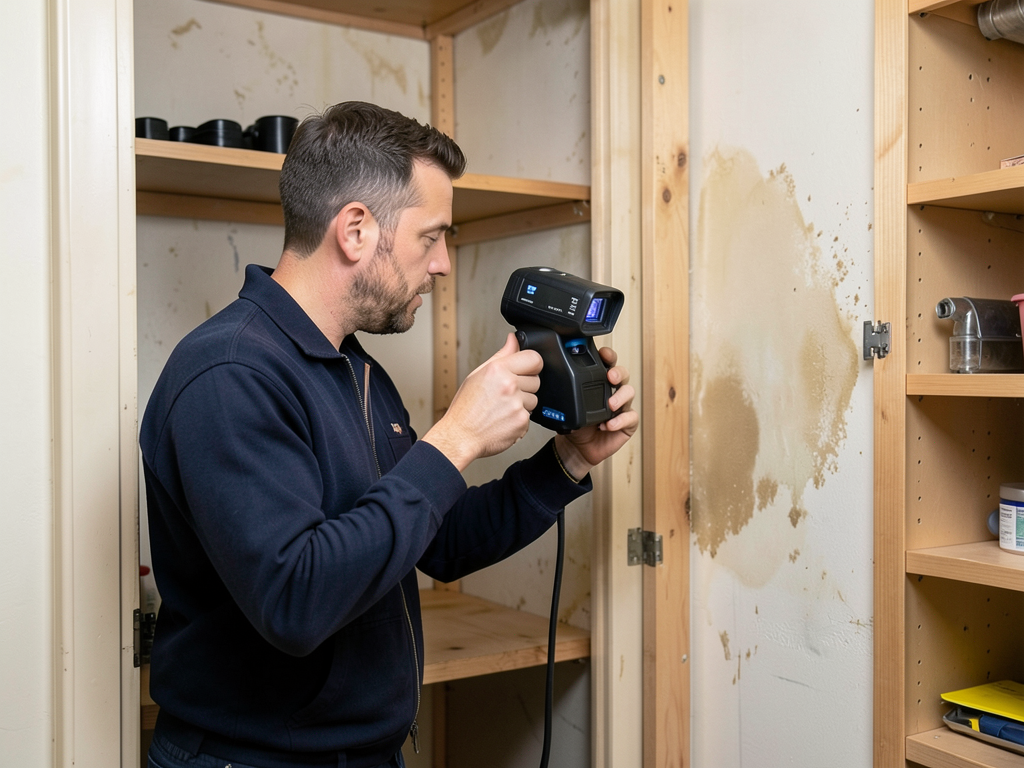
Our protocol starts with moisture mapping using thermal imaging and hygrometers to identify all water sources feeding the colony. We document baseline spore counts through independent lab analysis before touching any surface. This pre-remediation assessment protects you from liability if neighboring tenants later claim exposure.

Material removal follows a surgical approach. We classify affected materials into three categories per IICRC guidelines. Category 1 materials like non-porous metal and glass get HEPA-vacuumed and treated with antimicrobial agents. Category 2 semi-porous materials like wood framing receive wire brushing and encapsulation. Category 3 porous materials like ceiling tiles and insulation get bagged in 6-mil polyethylene and disposed of as contaminated waste.

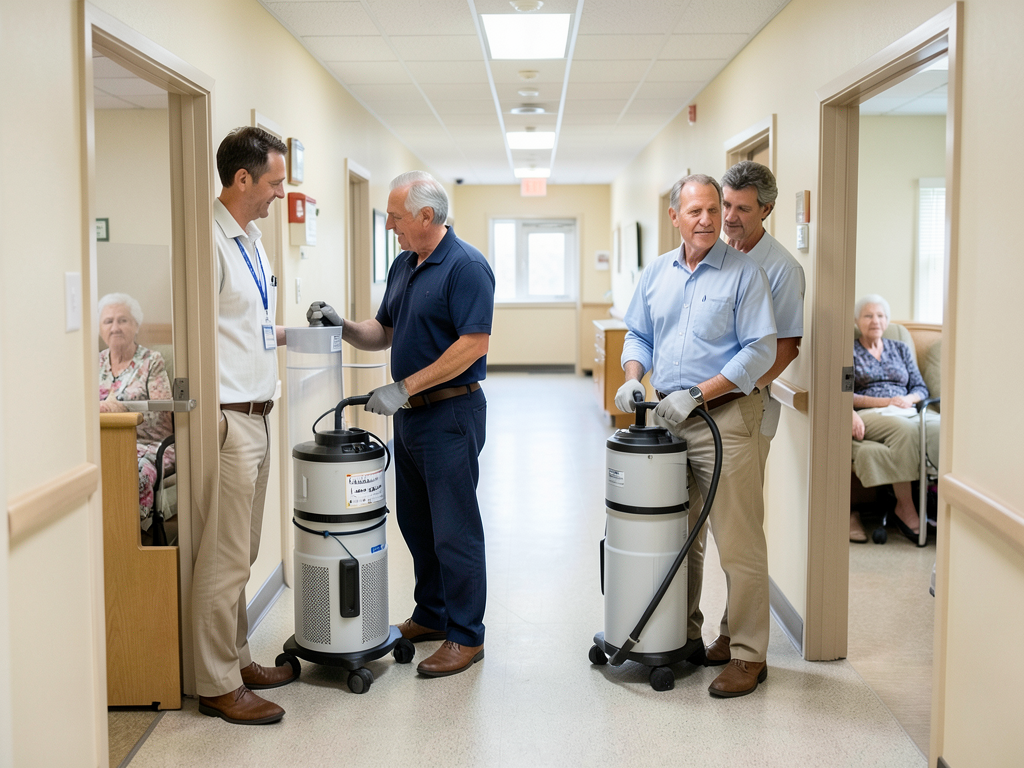
We coordinate demo work during your off-hours to avoid disrupting operations. For 24-hour facilities like data centers or hospitals, we erect full-height barriers with zippered access points and run all equipment on isolated circuits to prevent power disruptions. Post-remediation verification includes clearance testing by a certified industrial hygienist. You receive a detailed report documenting spore counts below the EPA's 200 CFU/m³ threshold, which satisfies your insurance carrier and protects against future claims.

How We Execute Commercial Mold Abatement Without Halting Operations

Commercial Mold Remediation in San Francisco – Minimize Business Downtime and Protect Your Revenue
01

Site Assessment and Containment Design

We survey your facility to map mold extent, identify moisture sources, and design a containment strategy that isolates affected zones without blocking critical pathways. You get a written scope detailing square footage, materials involved, and projected timeline. We coordinate with your facilities manager to schedule work around peak business hours and identify safe routes for equipment staging.
02

Controlled Demolition and Decontamination

Our crew establishes negative pressure zones with industrial air scrubbers before removing any contaminated material. We use HEPA vacuums on all surfaces before bagging and disposal. Structural elements get treated with EPA-registered fungicides, then dried to below 15% moisture content using commercial dehumidifiers. All work follows CAL/OSHA respiratory protection standards to prevent worker exposure and secondary contamination.
03

Verification and Reconstruction Handoff

After material removal, we bring in a third-party industrial hygienist to conduct clearance air sampling. Once spore counts return to normal levels, we document all work with photos and lab reports for your insurance claim. We coordinate with your general contractor for rebuild scheduling or handle reconstruction in-house if you prefer single-source accountability. You get a final walkthrough and written certification of completion.

Why San Francisco Businesses Choose Summit for Commercial Mold Removal

San Francisco's commercial real estate market operates under unique constraints. You cannot afford extended closures when lease rates in the Financial District exceed $80 per square foot annually. You need a remediation partner who understands how to work within the city's strict permitting requirements and can navigate relationships with San Francisco Department of Building Inspection when structural repairs require plan review.

We have remediated mold in every commercial building type across the Bay Area, from Pacific Heights retail storefronts to Bayview industrial warehouses. We know which older buildings in the Tenderloin and Western Addition have cast iron drain stacks prone to corrosion leaks. We understand how the Embarcadero's proximity to the Bay creates persistent condensation issues in curtain wall systems. This local knowledge translates to faster diagnosis and fewer surprises during remediation.

Our crews carry general liability coverage that meets or exceeds the requirements in most San Francisco commercial lease agreements. We provide certificates of insurance within 24 hours for your building manager or property owner. We also maintain relationships with industrial hygienists certified by the American Board of Industrial Hygiene, ensuring your post-remediation clearance testing will withstand scrutiny from your insurance carrier or opposing counsel if a tenant files a claim.

You get a single point of contact throughout the project. No phone trees, no multiple subcontractors with conflicting schedules. We manage every phase from initial moisture intrusion repair through final clearance testing. When your business interruption insurance requires daily documentation, we provide itemized logs of hours worked, materials removed, and equipment deployed. This attention to detail has helped our commercial clients recover six-figure claims from carriers who initially disputed coverage.

What San Francisco Business Owners Should Expect During Commercial Mold Remediation

Response Time and Project Duration

We dispatch an assessment team to your San Francisco location within 2-4 hours of your call. Most commercial mold mitigation projects require 3-7 days depending on square footage and material penetration depth. Large facilities like hotels or office buildings may require phased remediation over 2-3 weeks to maintain partial operations. We provide a detailed timeline during the initial walkthrough and update you daily on progress. Rush service is available for businesses facing immediate health department violations or lease default notices.

Initial Inspection and Scope Development

Our certified technicians use moisture meters, thermal cameras, and borescopes to trace water intrusion paths and map hidden mold growth behind walls or above ceilings. We collect air samples and surface swabs for lab analysis to identify mold species and concentration levels. You receive a written scope that breaks down affected areas by material type, recommended removal methods, and expected costs for remediation versus reconstruction. This documentation is formatted to submit directly to your insurance adjuster.

The Final Deliverable and Compliance Documentation

You receive a comprehensive remediation report that includes pre and post-remediation lab results, photographic documentation of all affected areas, and moisture readings confirming proper drying. This report satisfies California disclosure requirements if you later sell or lease the property. We also provide a letter of completion signed by our project manager and the independent hygienist who conducted clearance testing. This documentation protects you from future liability claims and demonstrates due diligence to regulatory agencies.

Post-Remediation Monitoring and Prevention Plans

Mold remediation addresses the symptom, but you need to eliminate the moisture source to prevent recurrence. We identify underlying issues like condensate drain failures, roof membrane breaches, or inadequate ventilation that allowed mold to establish. You get a written prevention plan with recommendations for HVAC maintenance schedules, humidity monitoring protocols, and building envelope repairs. We offer quarterly moisture inspections for high-risk properties and can install continuous monitoring sensors that alert you to elevated humidity levels before mold returns.

Frequently Asked Questions

You Have Questions,
We Have Answers

What do professionals use for mold remediation? +

Professionals use HEPA-rated air scrubbers to capture airborne spores, antimicrobial agents to kill surface colonies, and containment barriers to prevent cross-contamination during removal. Commercial jobs require negative air pressure systems to protect adjacent tenant spaces. We deploy moisture meters to identify hidden water sources feeding growth, then apply EPA-registered biocides on non-porous surfaces. Porous materials like drywall or insulation get removed and disposed of following OSHA guidelines. In San Francisco's fog-belt neighborhoods, dehumidifiers run continuously to drop relative humidity below 60 percent, which stops regrowth. All equipment is industrial-grade to handle multi-story buildings and meet California Title 24 ventilation standards.

How much does it cost to professionally remove mold? +

Commercial mold removal costs vary based on contamination extent, building size, and access difficulty. Small office suites may require limited intervention, while multi-tenant properties or warehouses demand extensive containment and HVAC decontamination. San Francisco's strict building codes add compliance documentation costs. Factors include square footage affected, materials requiring removal, air quality testing, and post-remediation verification. Older buildings in districts like SOMA or the Mission often have concealed plumbing leaks behind brick facades, increasing scope. Insurance may cover microbial growth resulting from covered water damage. Request a site assessment to get an accurate estimate tailored to your property's specific conditions and liability exposure.

Is professional mold removal worth it? +

Professional removal is worth it for commercial properties because liability, tenant health, and business continuity are at stake. DIY methods fail to address hidden colonies in HVAC systems or wall cavities, leading to recurring outbreaks and potential lawsuits. San Francisco's dense fog and aging building stock create persistent moisture issues that require engineered solutions, not surface cleaning. Professionals document remediation for insurance claims and regulatory compliance. You avoid OSHA violations, reduce downtime, and protect your lease agreements. Tenants expect habitable conditions under California Civil Code 1941.1. A certified remediation prevents small problems from escalating into six-figure reconstruction projects or lease terminations.

What is commercial mold remediation? +

Commercial mold remediation is the systematic removal and prevention of fungal contamination in business properties, including offices, retail spaces, warehouses, and multi-tenant buildings. The process involves containment, HEPA filtration, material removal, antimicrobial treatment, and source moisture correction. Unlike residential work, commercial projects require coordination with tenants, after-hours scheduling to minimize disruption, and compliance with OSHA and California health codes. San Francisco properties face unique challenges from coastal humidity and older infrastructure. Remediation protects liability exposure, maintains lease compliance, and preserves property value. Documentation includes air quality testing, chain-of-custody for disposed materials, and clearance certificates for insurance and regulatory purposes.

How much does professional mold removal cost? +

Professional mold removal costs depend on contamination severity, square footage, and structural complexity. Limited surface growth costs less than widespread HVAC contamination or structural cavity involvement. San Francisco's building age and seismic retrofits often complicate access, increasing labor hours. Budget considerations include containment setup, material disposal, air scrubbing equipment, post-remediation testing, and moisture control systems. Multi-story buildings require specialized lifts and ventilation management. Insurance adjusters scrutinize scope-of-work documentation, so transparent estimates prevent claim disputes. Delaying remediation increases costs exponentially as colonies spread through porous materials and mechanical systems. A site assessment identifies actual exposure before budgeting.

What kills mold permanently? +

Nothing kills mold permanently if moisture remains. Professional remediation combines EPA-registered antimicrobial agents to kill active colonies with source moisture elimination to prevent regrowth. Non-porous surfaces get treated with biocides. Porous materials like drywall, ceiling tiles, and insulation must be removed because spores penetrate deep into fibers where chemicals cannot reach. San Francisco's marine layer creates year-round humidity, so dehumidification systems and vapor barriers are required. We repair leaks, improve ventilation, and install moisture monitoring. The key is environmental control. Relative humidity below 60 percent and proper airflow stop spores from germinating. Surface treatments alone fail without addressing the water source.

How San Francisco's Coastal Climate Accelerates Commercial Mold Growth

San Francisco averages 67% relative humidity year-round due to persistent fog rolling off the Pacific. This moisture saturates building materials in poorly ventilated spaces like basement storage areas, commercial kitchens, and mechanical rooms. Buildings constructed before 1980, which represent a large portion of the city's commercial inventory, often lack vapor barriers in exterior walls. When interior humidity meets cold exterior surfaces during San Francisco's cool summers, condensation forms inside wall cavities where you cannot see it until mold colonies produce visible staining or musty odors.

San Francisco's commercial building codes now require enhanced moisture control measures for new construction and major renovations, but older properties remain vulnerable. We work regularly with commercial property managers who oversee buildings in the Marina, Richmond, and Sunset districts where proximity to the ocean creates chronic dampness issues. Our familiarity with San Francisco's building permit process allows us to expedite approvals when remediation requires structural alterations. This local expertise minimizes delays and keeps your project on schedule.
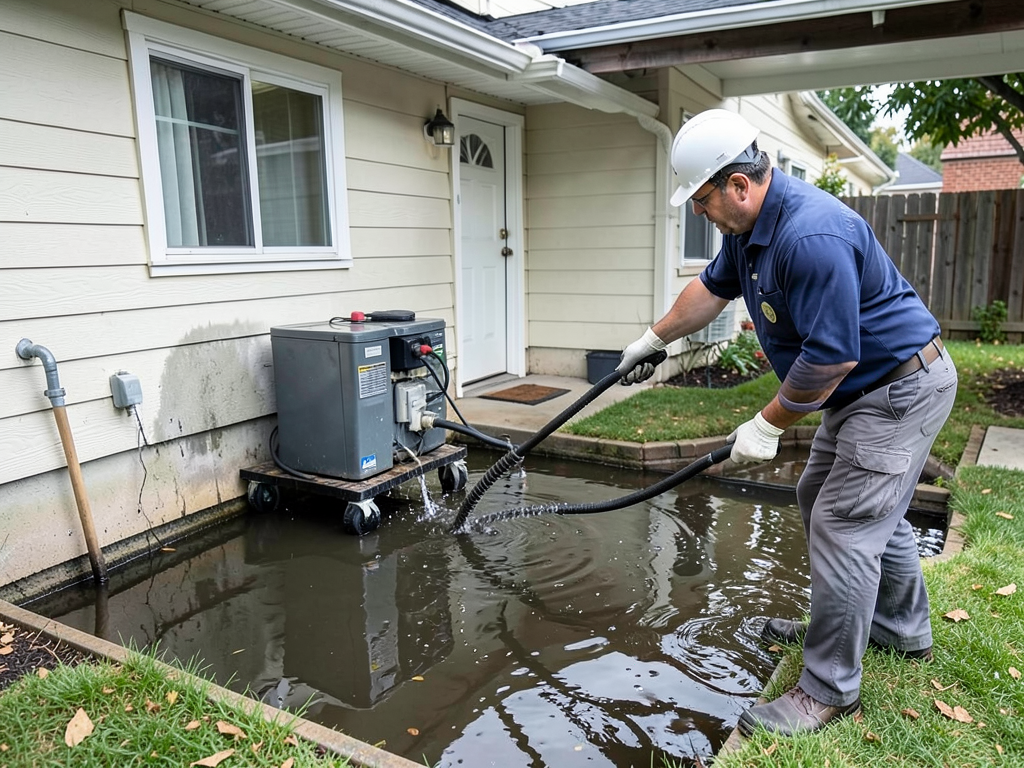
Water Damage Restoration Services in The San Francisco Area

Our commitment to rapid response means we cover the entire San Francisco area and surrounding communities. View the map below to visualize our primary service region, which includes key neighborhoods and business districts. Whether you are located in the Financial District, the Mission, or out toward the Sunset, you can trust our 24/7 team to reach you quickly. We proudly serve both residential and commercial clients across the entire map, guaranteeing a fast and effective mitigation service the moment you need us.

Address:
Summit Water Damage Restoration San Francisco, 1390 Market St, San Francisco, CA, 94102

Additional Services We Offer

Our news updates

Latest Articles & News from The Blogs

What Happens if Your Home Addition Gets Flooded During Construction in Noe Valley Water flooding your home addition during construction…

What Happens if Your Home Addition Gets Flooded During Construction in Noe Valley

What Happens if Your Home Addition Gets Flooded During Construction in Noe Valley Water flooding your home addition during construction…

How San Francisco Summer Fog Can Cause More Water Damage Than Winter Rain

How San Francisco Summer Fog Can Cause More Water Damage Than Winter Rain San Francisco’s famous summer fog, known locally…

Why Your Chronic Cough Might Actually Be a Hidden Mold Problem in the Richmond District

Why Your Chronic Cough Might Actually Be a Hidden Mold Problem in the Richmond District If you’ve lived in San…

Contact Us

Every day of delay increases your exposure to employee health claims and regulatory action. Call (415) 449-6555 now for a confidential assessment. We can begin containment within hours and provide the documentation you need to protect your business and satisfy your insurance carrier.